
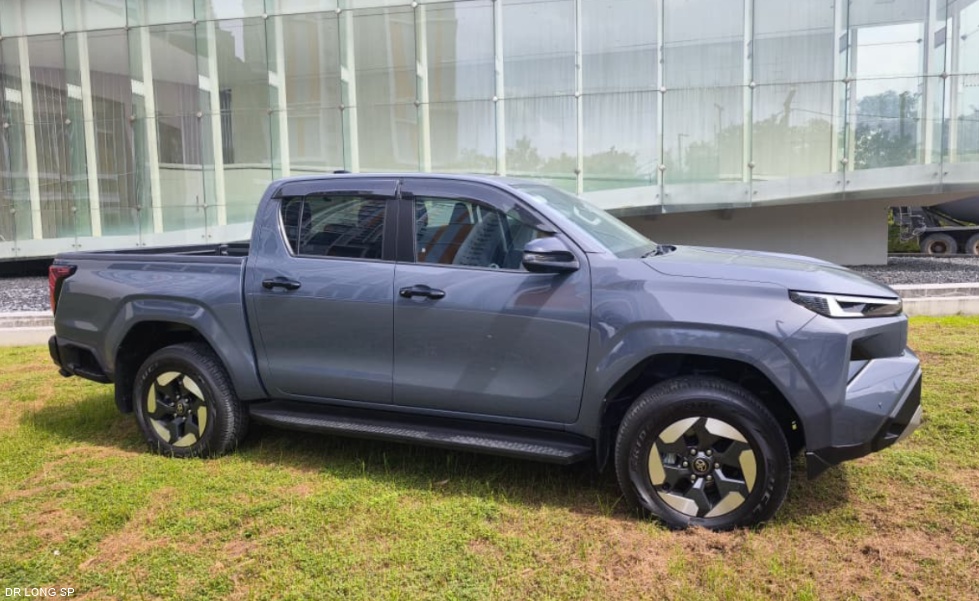
The Toyota Hilux has always been about being a tough, dependable and reliable workhorse. In ASEAN countries, the Hilux has stamped its authority as a regional favourite pick-up truck ever since being reinvented under the Toyota IMV (Innovative International Motor Vehicle) project 20 years ago, which also spawned the Fortuner SUV and Innova MPV.
The 2026 Hilux BEV (battery electric vehicle) takes its familiar and proven formula and replaces the diesel engine with a dual-motor electric powertrain, while retaining the traditional ladder-frame architecture that has defined the Hilux for generations.
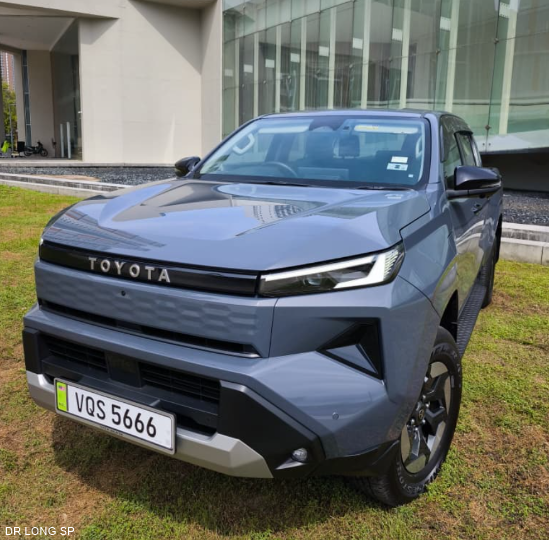
Different price class
In Malaysia, the fully electric Hilux occupies an interestingly premium market placement in a different price-class altogether. At RM226,300 (without insurance), it costs substantially more than the conventional oil-burners in the Hilux range, which starts at around RM105,000 and tops out at about RM173,000 for the Hilux 4×4 GR-Sport.
The question, therefore, is whether the electric drivetrain brings enough refinement, more driving enjoyment while retaining what makes the Hilux most desirable: practicality, easy maintenance and low running costs. Not forgetting, relatively excellent resale values in the used pick-up truck segment.
Lower payload
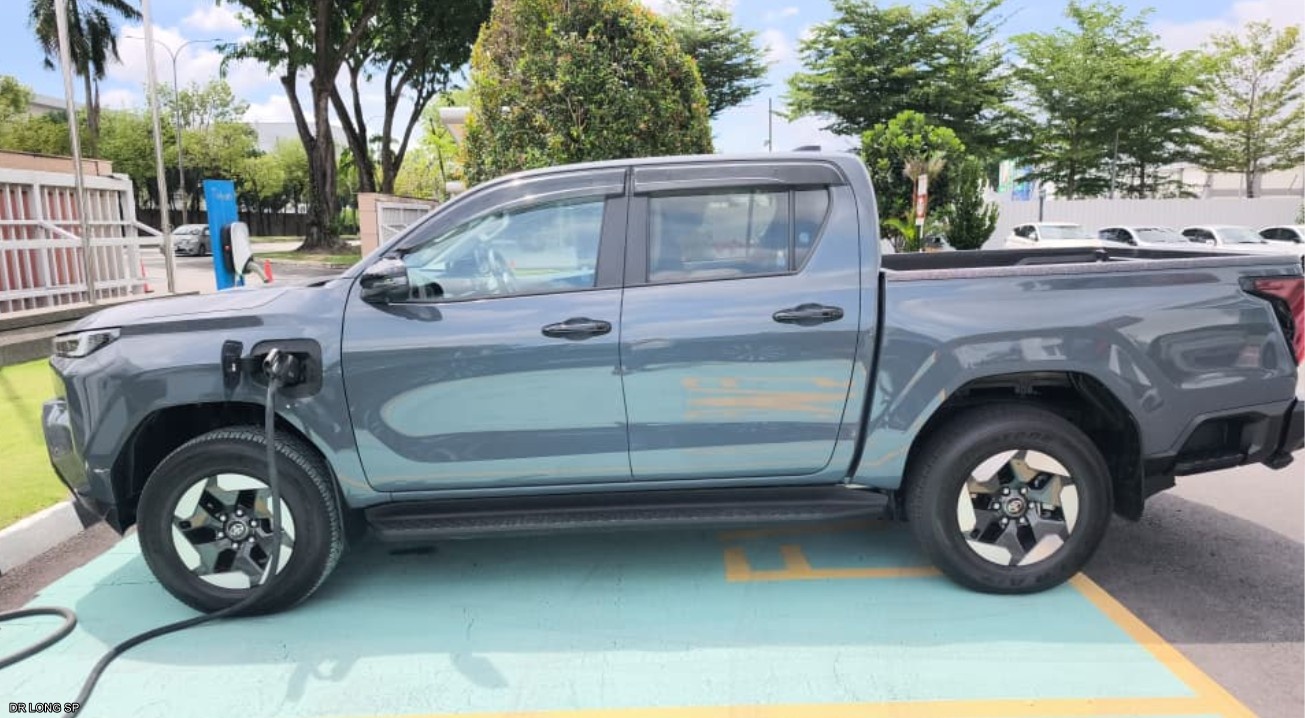
The diesel-powered Hilux is effectively a one-tonne pick-up, whereas the BEV’s payload is reduced to 750 kgs (with a 2,000 kg towing capacity). This could somewhat limit the appeal to use this pick-up as a workhorse instead of a lifestyle BEV ‘SUV’ with a truck bed. Ground clearance and water-wading capability remain very much like other Hilux models.
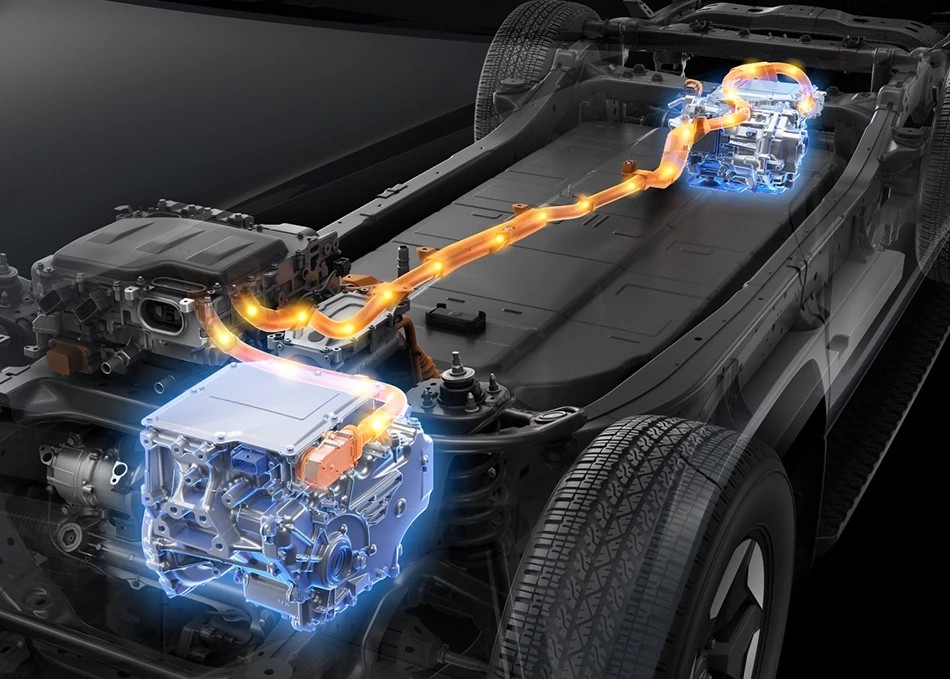
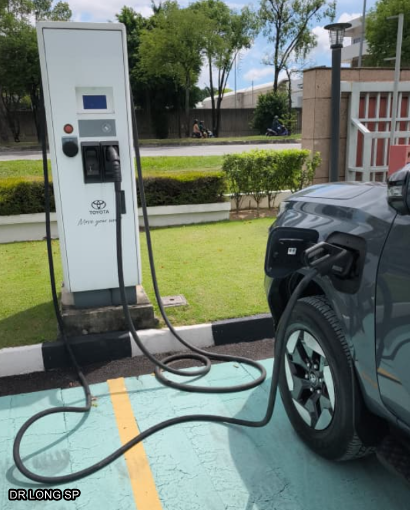
The NMC battery, with a rather limited 59.2 kWh capacity, provides a modest range stated as 257 kms. For urban and suburban use, that range is suitably manageable – with frequent AC wall-box charging cycles thrown in. Not so well suited for long-distance interstate travel though, with or without full load. The battery accepts DC fast charging at 150 kW, while AC charging is decent at 10 kW maximum.
Different feel
The dual-motor powertrain produces a maximum of 144 kW (196 ps, with a combined maximum 473 Nm of torque. Most noticeably, the electric motors generate peak torque instantly – a big difference to every other Hilux. There is none of the diesel’s initial hesitation – awaiting the usually huge turbocharger to spool up boost and the automatic transmission to engage the correct gear in rolling acceleration. Step on the accelerator and the Hilux BEV surges forward instantly.
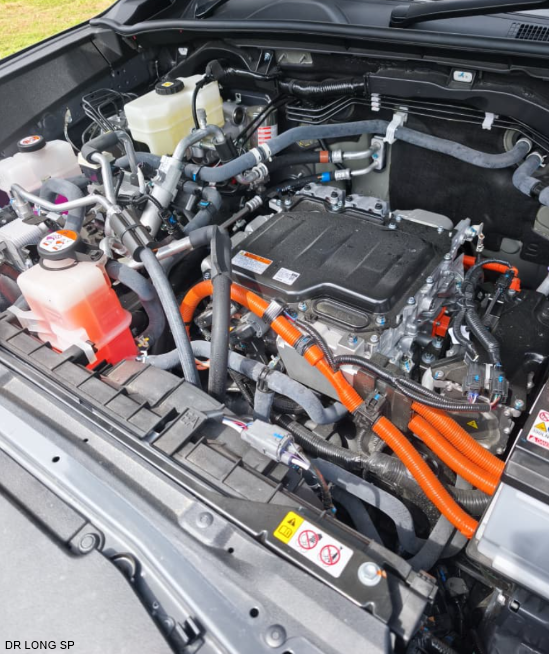
The dual-motor AWD system is another strength. Power delivery is smooth and highly controllable, while the Multi-Terrain Select system enables genuine off-road credibility. Steering is reasonably light and easy at urban speeds, while cruising speed stability is good.
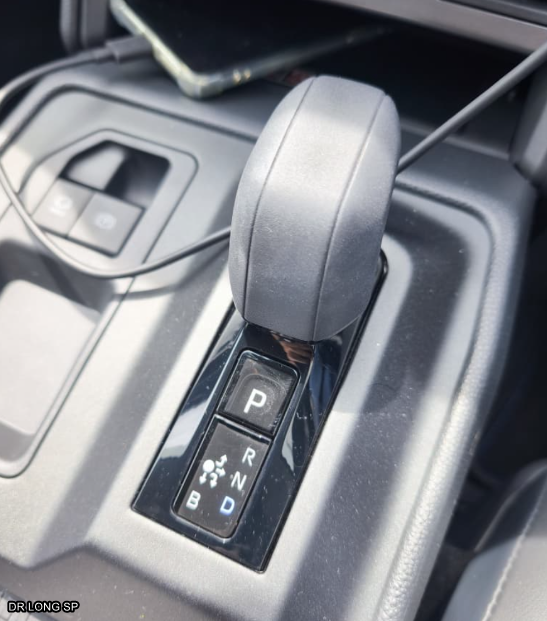
It’s no sports truck, of course, but it feels effortlessly brisk around town. Overtaking is also considerably more relaxed and there is a tendency to forget that there is a lengthy flat bed at the back.
Chassis performance
The Hilux BEV’s chassis has a dynamic weakness which is apparent on Malaysian roads. On ideally smooth tarmac, the ride is pleasant enough. The absence of a diesel engine immediately removes much of the vibration and mechanical harshness normally associated with a ladder-frame vehicle.

However, when driven over a stretch of road badly patched by JKR, uneven expansion joints, broken road surfaces or a succession of small undulations, both the front and rear suspension often feel busy, rippling and somewhat choppy. Repetitive vertical movements can make the truck feel as though it is constantly just reacting to the road, unable to filter out much of the low to mid-frequency bouncing vibrations.
This is even noticeable especially when travelling at low speeds over the sort of patched and poorly repaired surfaces that are commonplace in Malaysia. Instead of one clean compression followed by a controlled rebound, all 4 wheels seem to go through a series of small oscillations.
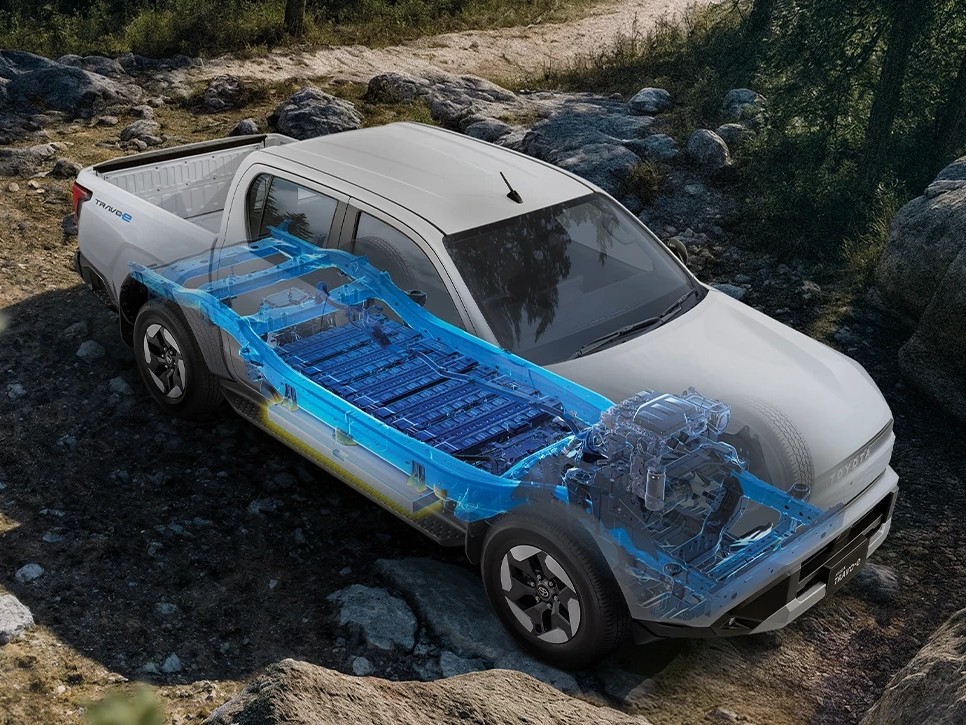
The Hilux BEV uses independent double wishbones with coil springs at the front, but at the rear Toyota employs a De Dion-type arrangement with long leafsprings. It would be too simplistic to say that the De Dion axle is the cause of the problem. Damper calibration, spring rates, tyre types/profile, unsprung mass and the interaction between the body and ladder frame installation – all these influence ride quality.
Nevertheless, the De Dion/leaf-spring arrangement is a plausible contributor to the Hilux BEV’s rippling and busy rear axle behaviour, particularly when combined with the relatively light load that most privately-owned pick-ups will carry.
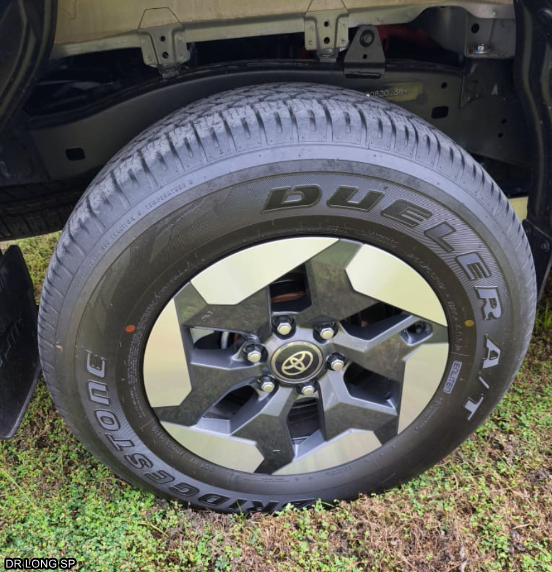
And herein lies the irony: the BEV’s heavy high-voltage battery sits low, fixed within the ladder-frame chassis, theoretically lowering its centre of gravity, yet both front and especially rear suspension seems easily ruffled.
A few hundred kilograms of cargo in the bed may well change the ride composure considerably, but most urban/suburban owners will spend much of their time driving with an empty truck bed.
Zero emissions, almost zero vibrations
Being a BEV, NVH is one of its greatest strengths. At low speeds, there is none of the characteristic diesel clatter, vibration or drivetrain rumble. Pulling away from traffic lights is particularly smooth, while cruising at urban speeds has an almost SUV-like sense of calm and that ‘Toyota feel’. Appreciably odour-free running too, with zero diesel combustion fumes swirling when getting out of the vehicle.
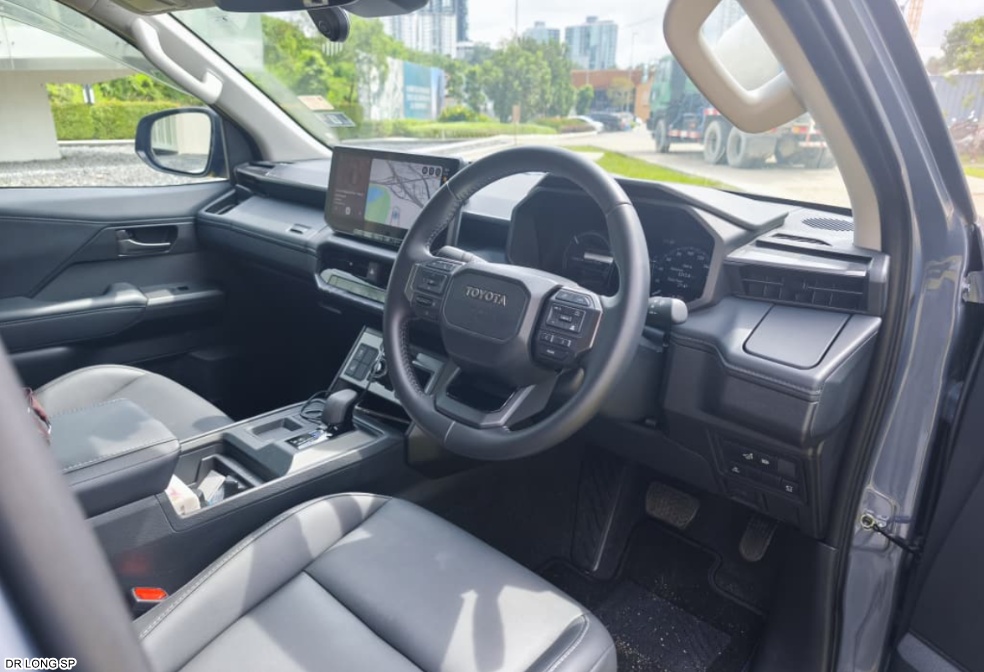
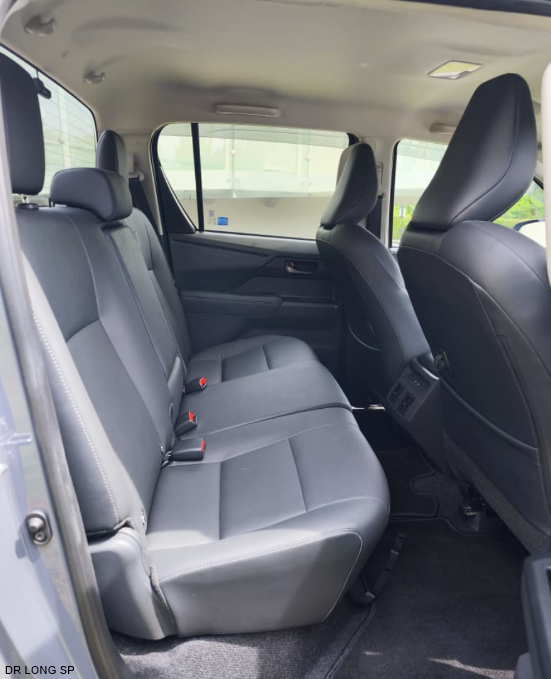
The contrast is especially obvious after jumping straight out of any diesel truck. The Hilux BEV is definitely way more refined, quieter and less agricultural. In that respect, Toyota has successfully transformed the character of the Hilux without compromising its ruggedness and solid in-cabin feel.
Commendable first attempt
The Hilux BEV is a commendable first attempt by Toyota at electrifying one of ASEAN’s most popular pick-up trucks. It also retains most of a typical pickup truck practicality, some off-road AWD capability and the reassuring robustness associated with the 58-year old nameplate.
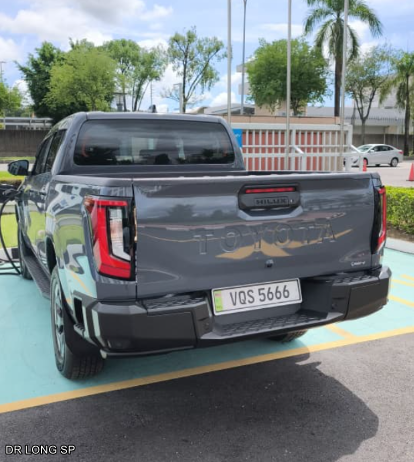
For the private urban buyer looking for a stylish, quiet and torquey electric pickup, the Hilux BEV is an interesting proposition. For the traditional Hilux buyer who values maximum payload, long-distance range and a more supple ride over broken roads, the conventional diesel Hilux that many Malaysians love and cherish will remain the more suitable workhorse.