
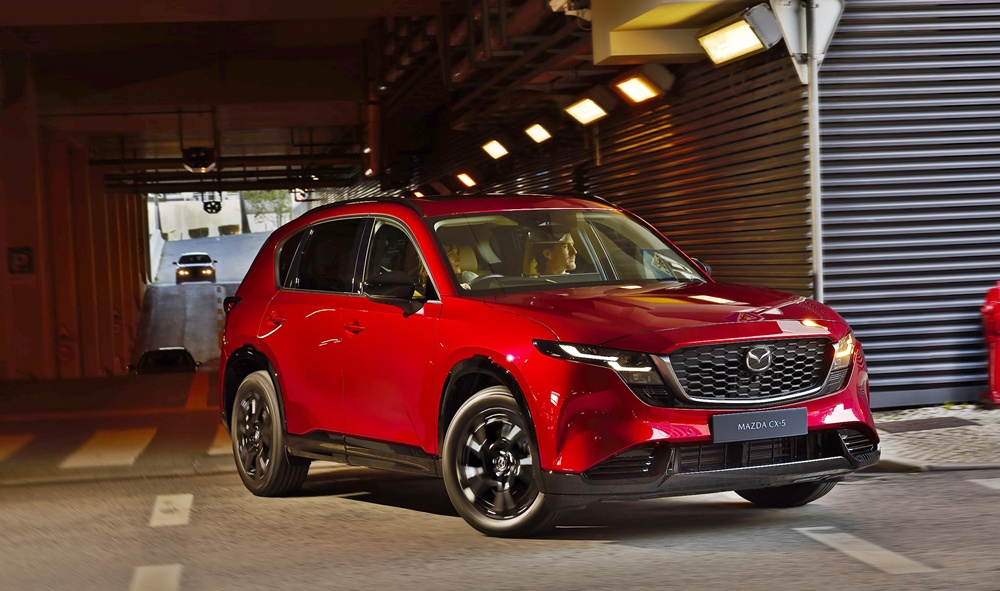
The third generation of the Mazda CX-5 has been progressively making its way to world markets since making its debut in Japan last year, and today sees it being officially launched in Malaysia. As the previous generation was launched in 2016 (in Japan), the product cycle was longer than the usual 5 – 6 years of most models.
The extended lifespan of the second generation was due to a few factors that were influenced by Mazda’s shift in strategies. Being realistic about its available resources, it has always carefully chosen models to develop and segments to go into. During the period when the new CX-5 should have been undergoing development, it gave priority to development of the Large Project Group which created the CX-60, CX-70, CX-80 and CX-90 models with rear-wheel drive and inline-six platforms.
At the same time, it also needed financial and engineering resources for the development of its own hybrid electric powertrain, to reduce dependence on technology that was drawn from Toyota’s hybrid electric system. The engineers needed time to develop the system so it would meet Mazda’s signature jinba-ittai driving dynamics rather than feeling like a typical CVT hybrid.

Mazda did launch a new CX-50 in 2022, which was expected to replace the CX-5 but it was essentially a new crossover offering for some markets. The existing CX-5 was still doing very well, in fact becoming Mazda’s bestselling model globally, so Mazda felt it could keep it in production a little longer. Despite older technology, the second generation will continue to be sold in some markets (including Malaysia) for a while.
First launched in 2012, the CX-5 was a foundational pillar for Mazda. It was the pioneer model to fully adopt the KODO design philosophy and SKYACTIV technology that were as significant as when the brand revamped its product lines with the Zoom-zoom philosophy.
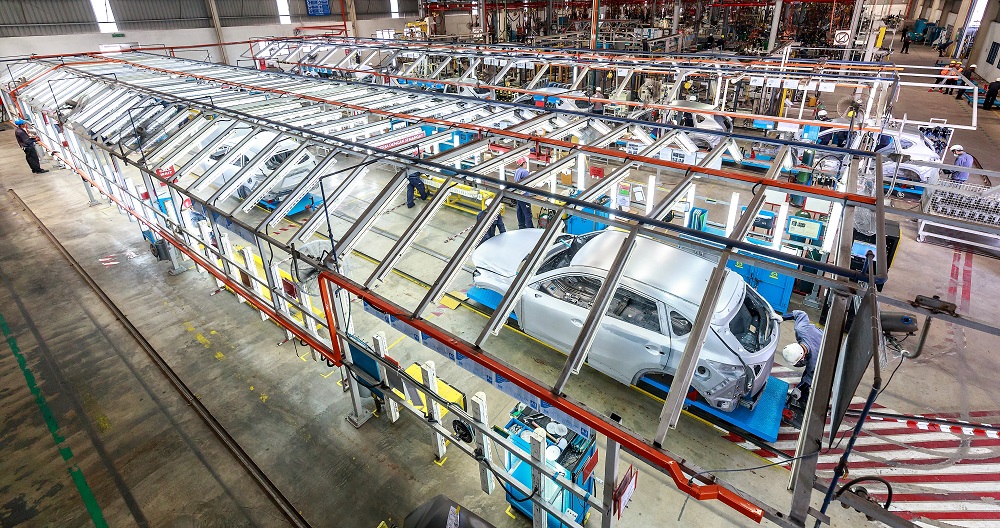
Over its past two generations, global sales have exceeded 5 million units. In Malaysia, it has been a significant model for the brand, persuading Mazda not only to assemble it locally but also make additional investments in the Sime-owned Inokom plant in Kedah for its assembly. These included upgrading the paintshop to be able to use advanced paint technologies for the unique body finish.
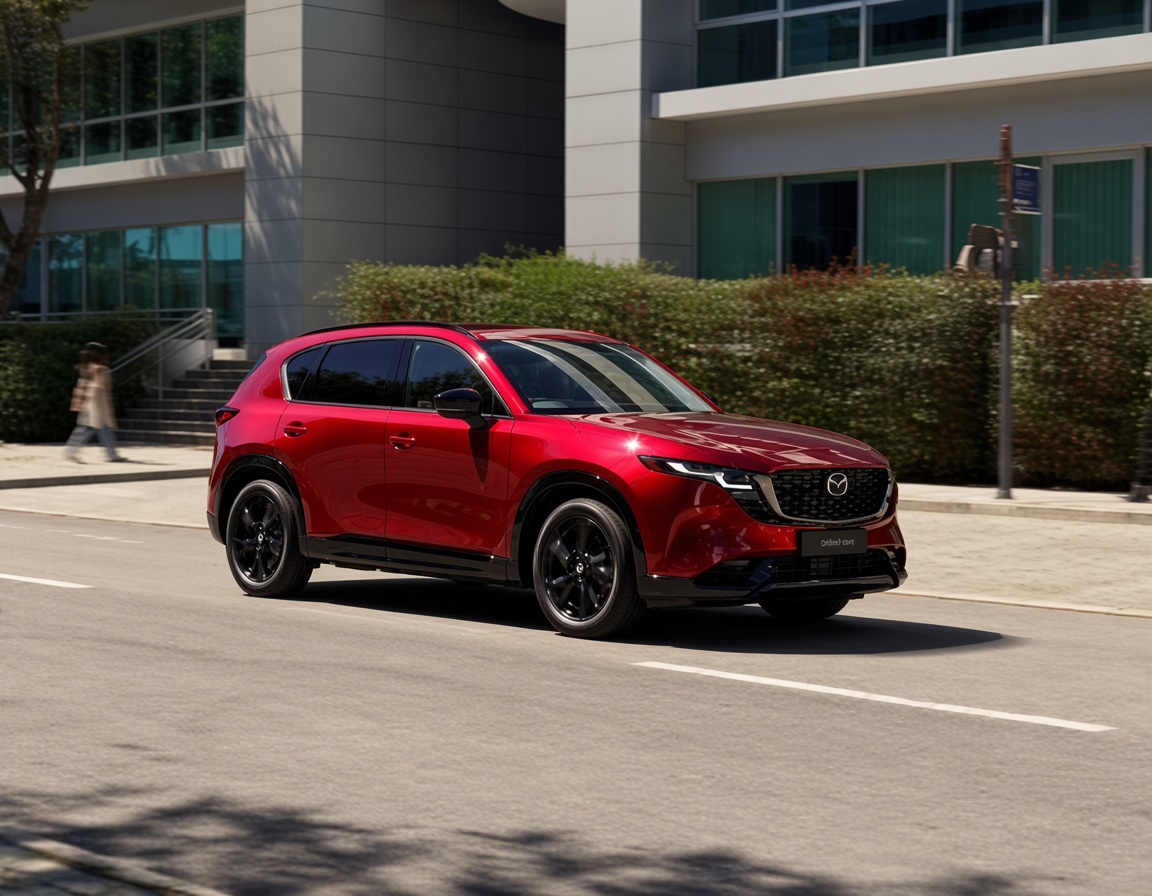
While the new generation will be assembled locally in due course, in the short-term, the model will be imported from Japan in CBU (completely built-up) form in 2.5G High spec. This moves its starting price to RM171,510.40 (without insurance), which is about RM13,200 more than the equivalent current locally-assembled CX-5. As mentioned earlier, you will still be able to get the second generation for a while.

Evolutionary KODO design
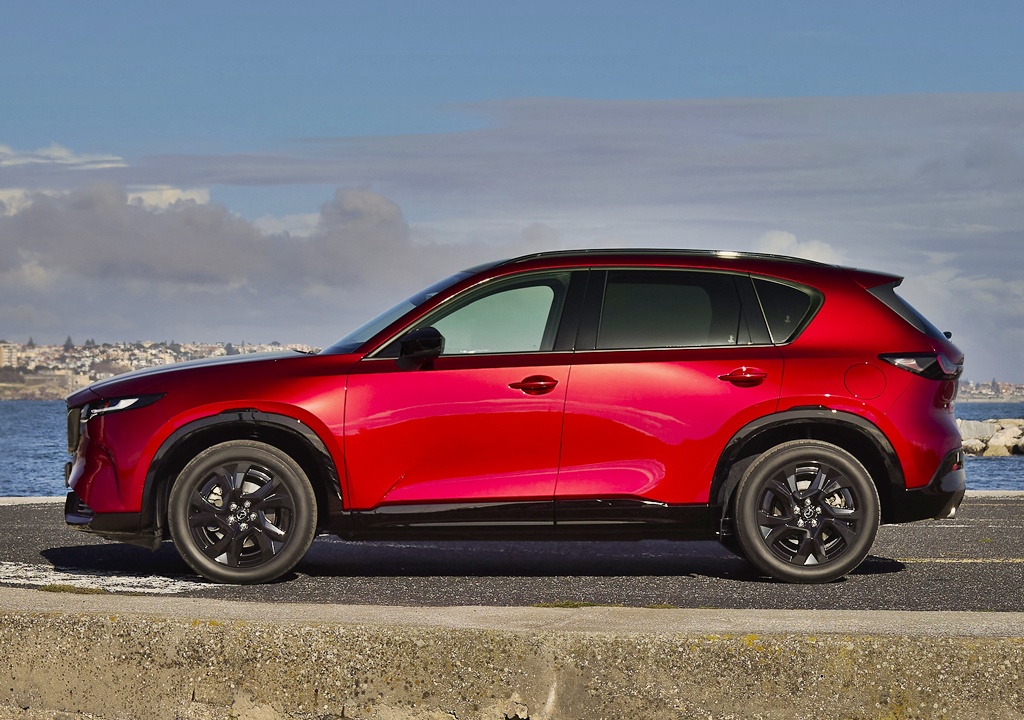
The third-generation CX-5 retains its recognizable form while adopting broader, more grounded proportions. It has a longer wheelbase, wider track, and a firmer visual stance at all four corners.
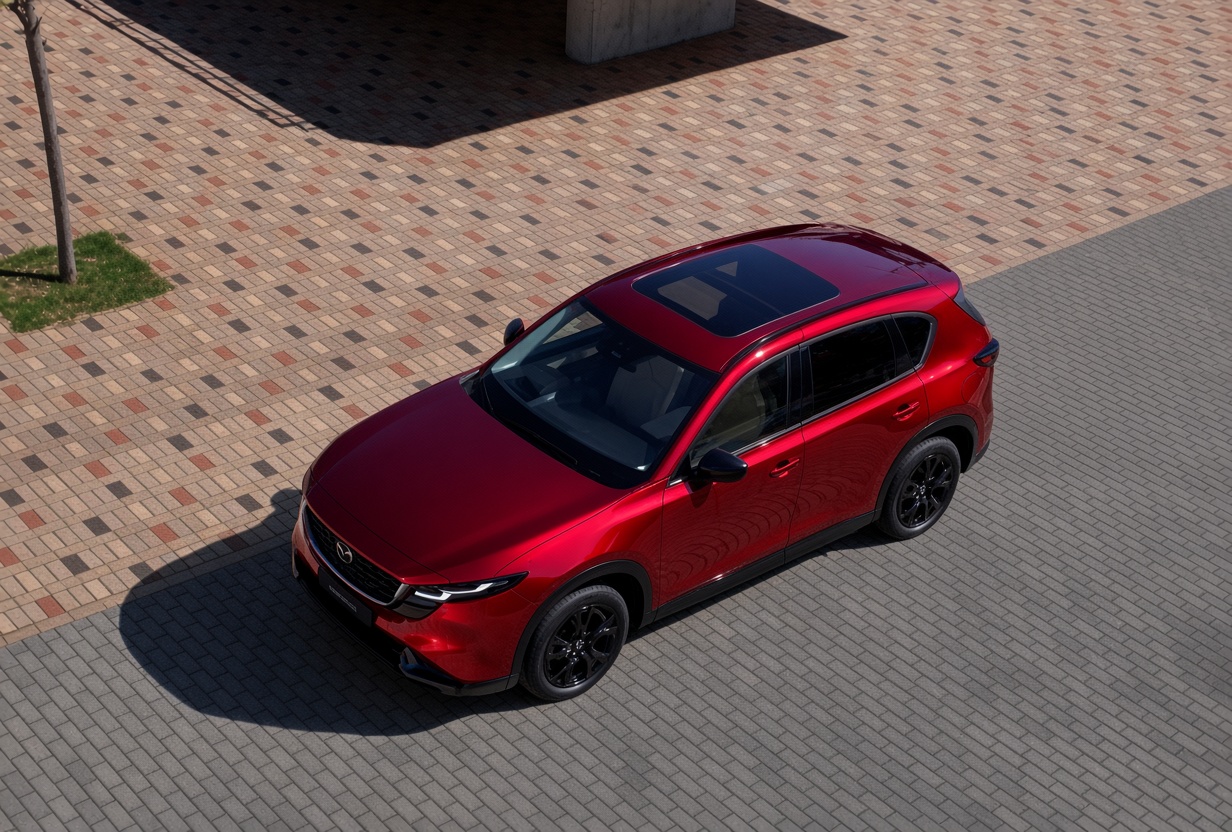
The exterior design incorporates another version of KODO design, which was inspired by traditional Japanese craftsmanship and the concept of ma (the artful use of empty space), KODO design eliminates non-essential character lines in favour of subtle, hand-sculpted body curves that manipulate light and shadow to give a sense of movement even when the vehicle is not moving.
At the front, a higher bonnet line provides better forward visibility and gives the SUV a sturdier appearance. The front wing lines are drawn to be visible from the driver’s seat to assist with spatial judgment in tight manoeuvres.
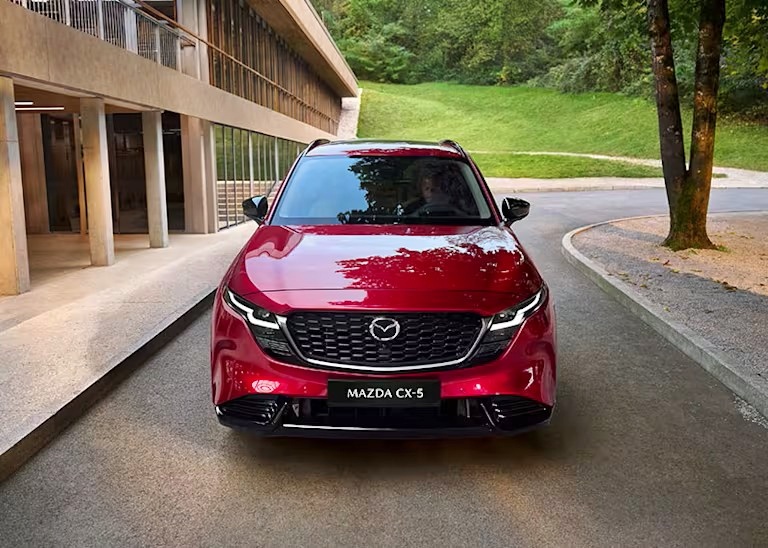
A redesigned Signature Wing sits between dual light units, while the lower body trim takes inspiration from kigumi — traditional Japanese interlocking joinery — to seamlessly blend the body panels with the protective lower cladding.
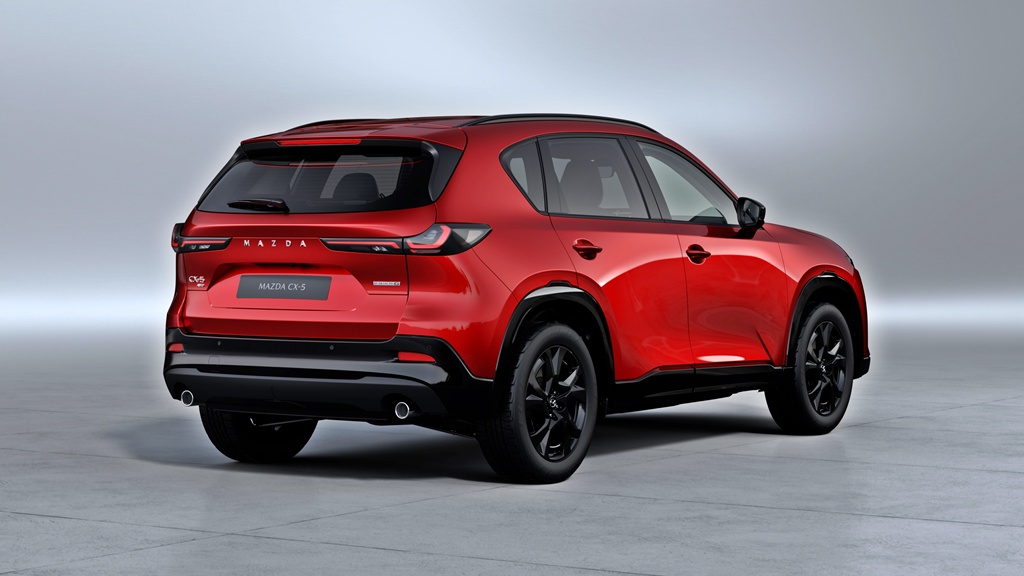
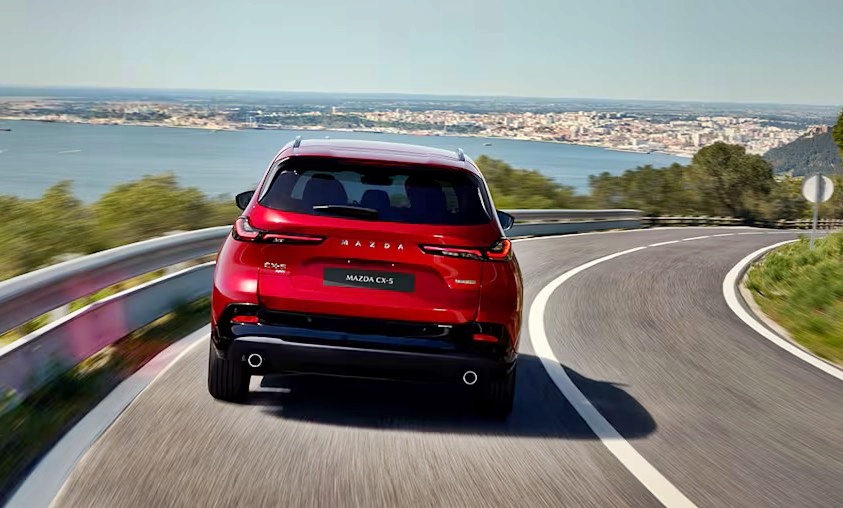
The rear section is widened by 15 mm, incorporating linear LED tail-lamp graphics, new block-letter MAZDA badging, while 19-inch alloy wheels are designed with sculpted spokes.
Cabin and ergonomics
Mazda’s designers focused on open space and structural balance in the interior design. For the new CX-5, they have made full use of the lengthened wheelbase to improve passenger comforts. Rear legroom gets an extra 64 mm of knee clearance, while headroom is 29 mm higher.
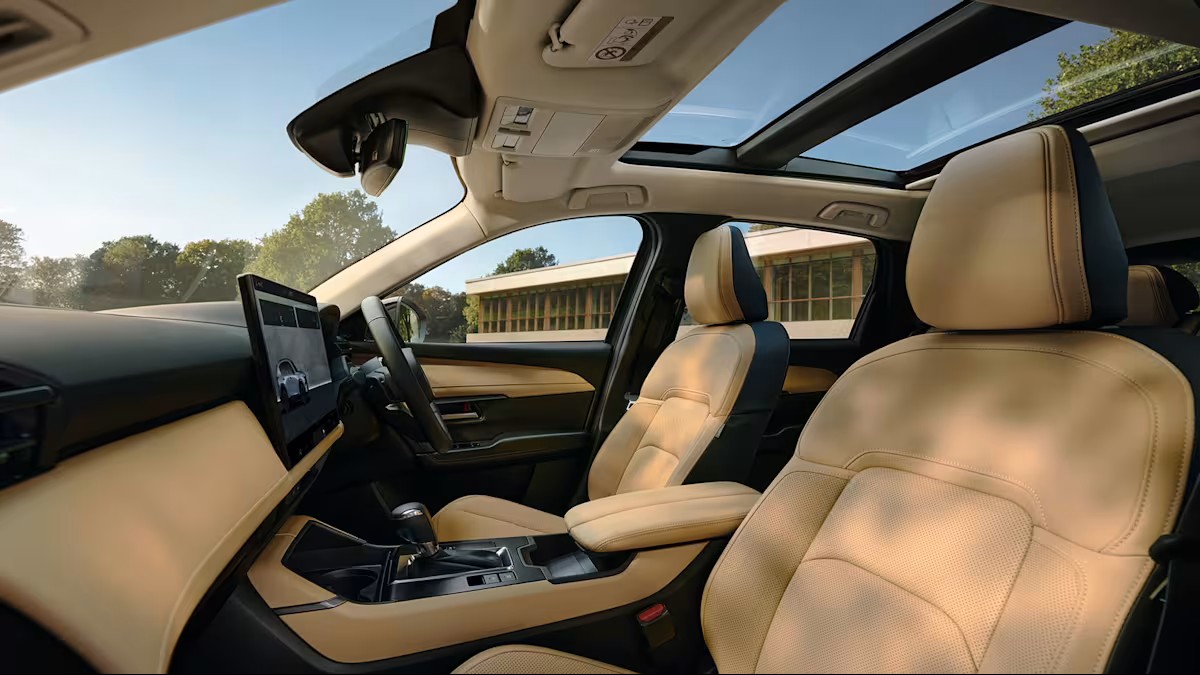
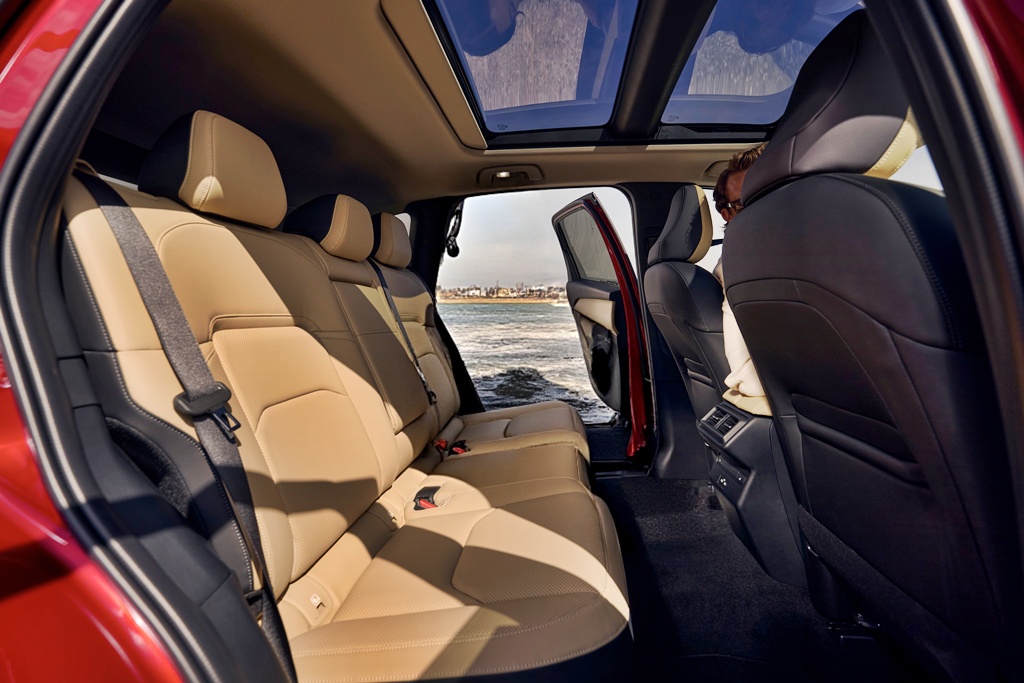
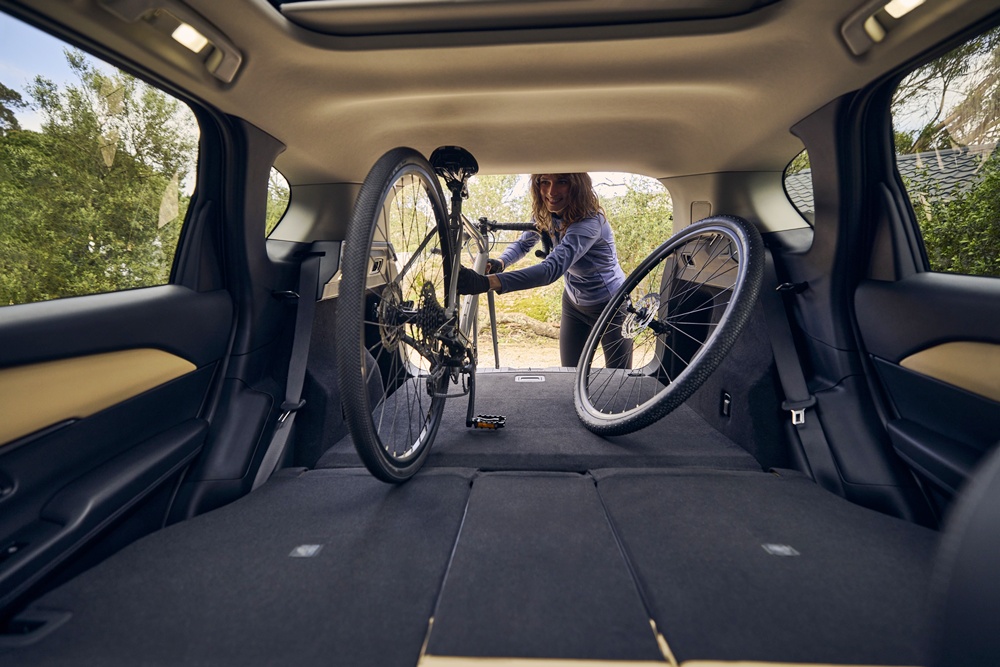
Rear passenger entry is made easier by a door opening widened by 70 mm and a lower hip point (better for older people). Luggage capacity is also improved, with the cargo floor extended by 45 mm to accommodate taller items vertically. As is commonly found in many SUVs nowadays, the rear door is powered.
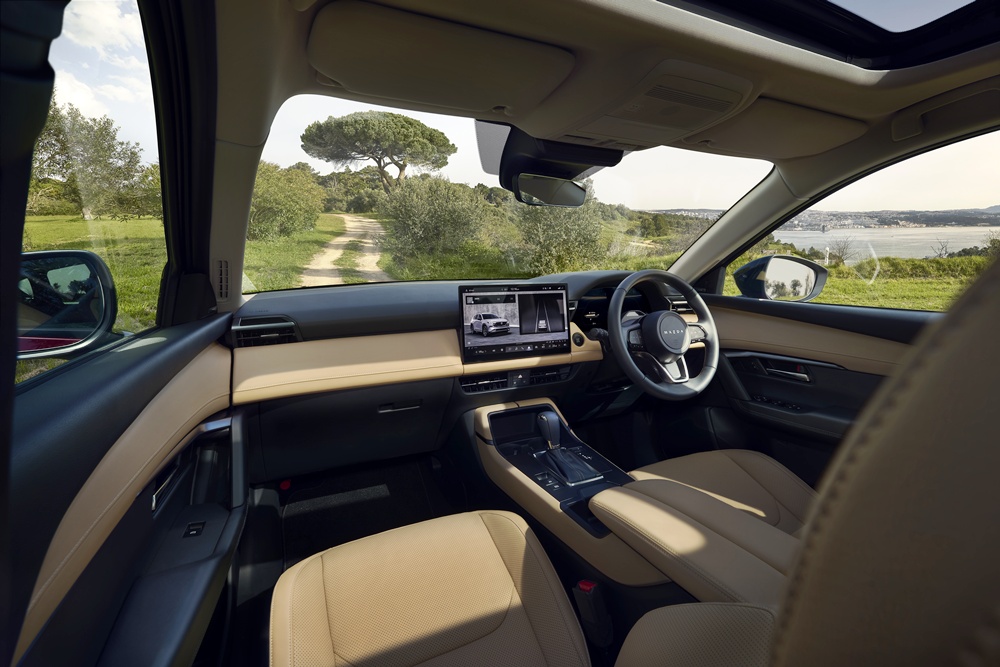
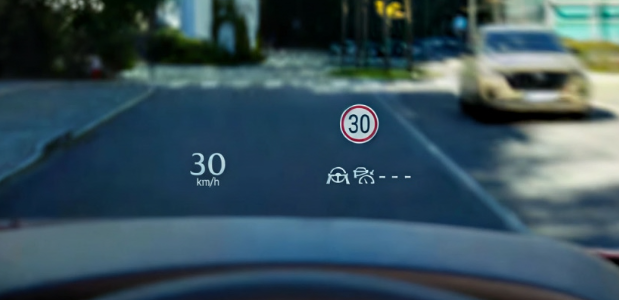
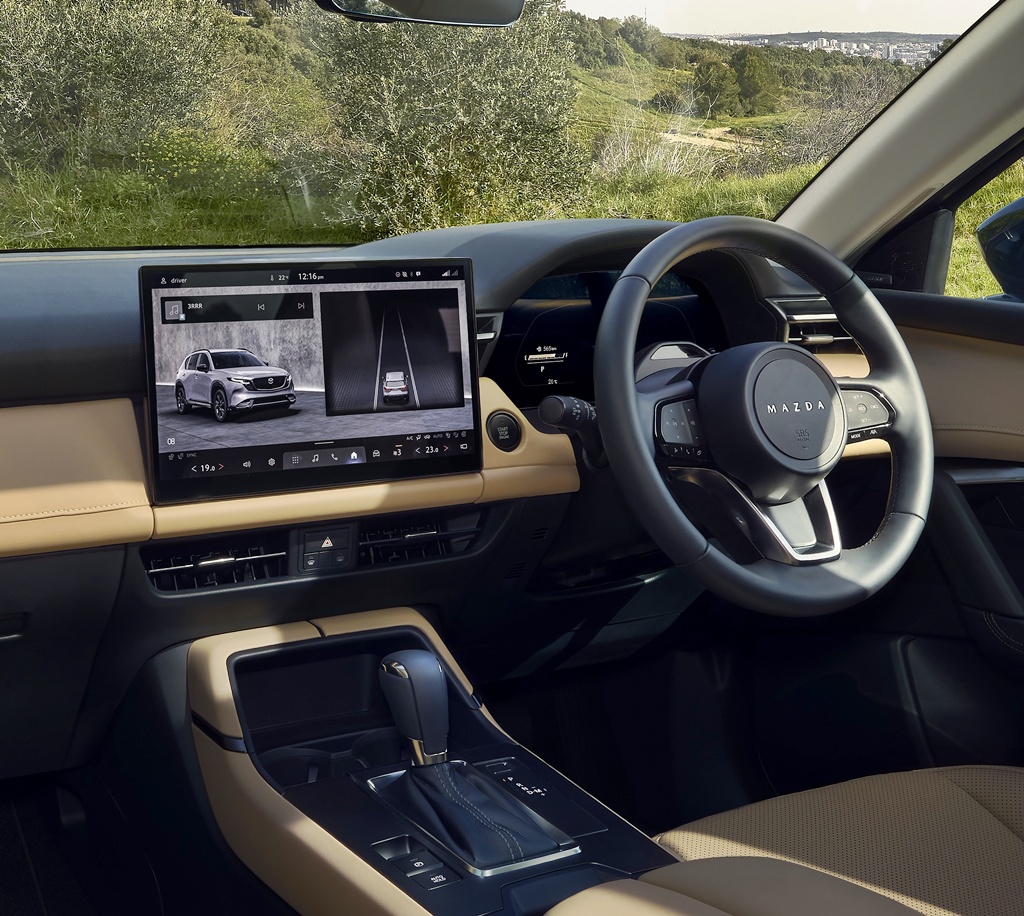
The dashboard layout features a strong horizontal structure. The 12.9-inch central touchscreen is paired with a 10.25-inch digital instrument display to provide infotainment and operating information. The driver-centric human-machine interface aligns displays and controls within the natural line of sight and reach. Complementing the conventional instrument panel is an Active Driving Display, which everyone else calls a Head-Up Display.
The driver gets 10-way power adjustment for the seat, while the front passenger gets 6-way power adjustment. Leather upholstery is standard with ventilation to make things more comfortable on a very hot day, although there is, of course, efficient air-conditioning front and rear.
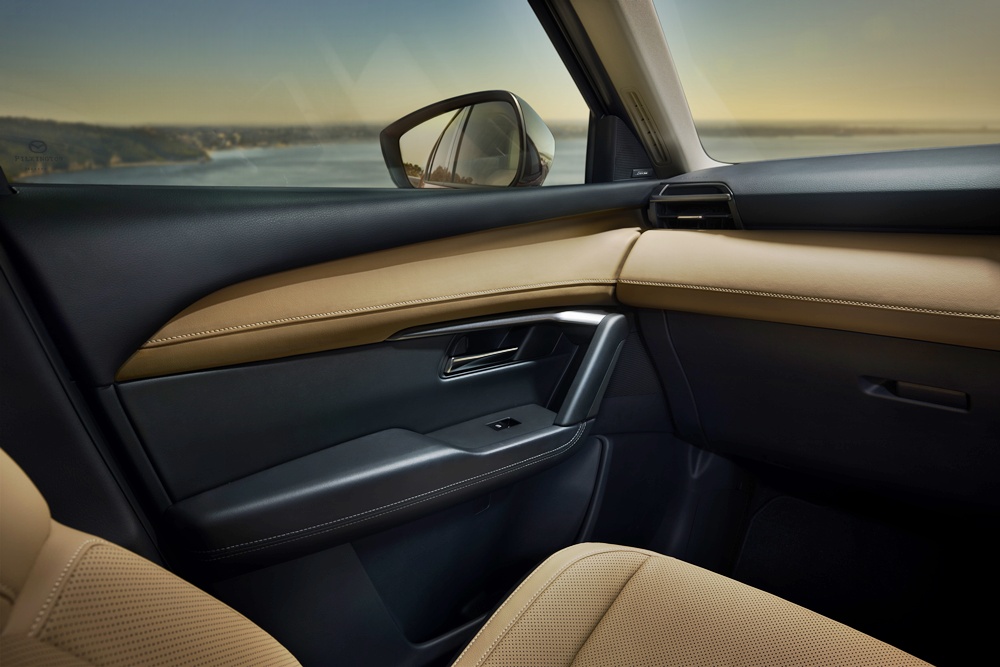
Standard equipment and features include paddle shifters, wireless connectivity (Apple CarPlay and Android Auto), Qi wireless charging pad, Type-C USB ports, 12-speaker Bose audio system and ambient cabin lighting. There’s also a powered sunroof which can slide or tilt open.
POWERTRAIN
The new CX-5 comes with a naturally aspirated SKYACTIV-G 2.5-litre 4-cylinder petrol engine. Power output is rated at 185 bhp/257 Nm, going to the front wheels through a 6-speed electronically-controlled automatic transmission.
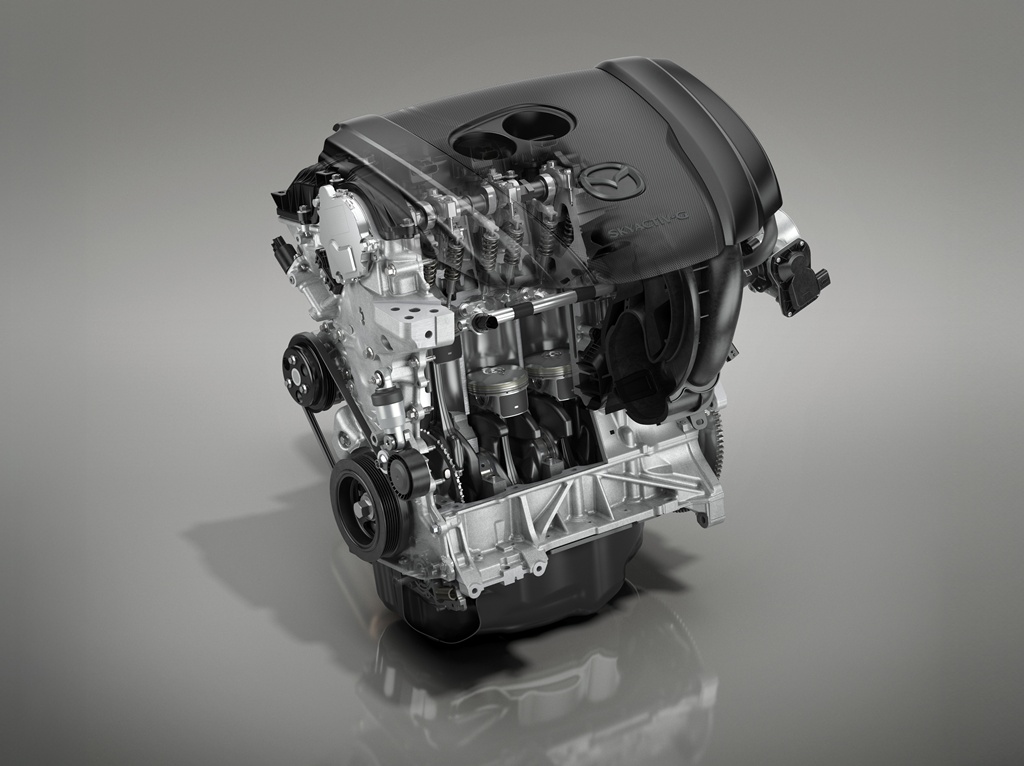
Structural rigidity has been enhanced through greater use of high-tensile steel throughout the body frame. The suspension is tuned to lessen body roll and pitch over uneven road surfaces, while brake tuning is more linear so the driver can have more predictable pedal response.
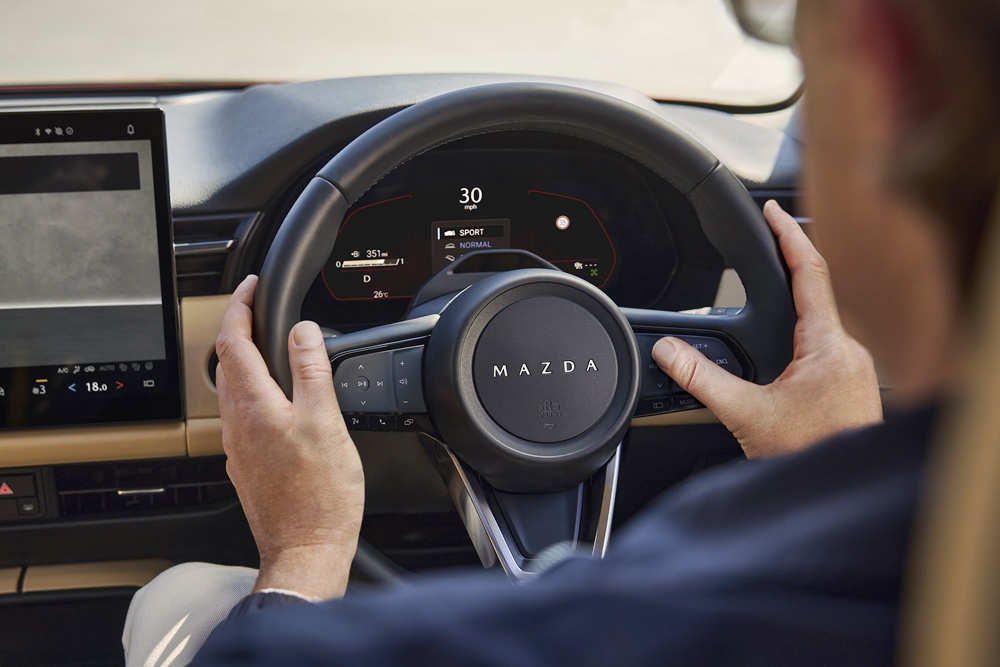
Jinba-ittai – being one with the car – has long been an essential part of a Mazda’s driving character. Contributing to this is the brand’s G-Vectoring Control Plus (GVC Plus) which subtly manages engine torque and braking forces refines motion by subtly adjusting engine torque to maintain balance during steering inputs.
With smoother transitions, the driver has a more natural sense of control. NVH (noise, vibration, and harshness) insulation has also been upgraded across key cabin dampening zones for a quieter journey.
Superior occupant protection
Confirmation of superior occupant protection in the new CX-5 has been given by the US Insurance Institute which gave the model a TOP SAFETY PICK+ award after assessment.
Structural collision protection is supported with Mazda’s advanced i-Activsense safety suite with active systems such as Adaptive LED Headlights, Smart Brake Support (covering intersections and head-on collisions), Emergency Lane Keeping, and Cruising & Traffic Support. These work proactively to enhance driver awareness, avoid hazards, and make driving safer and less stressful.
All new CX-5s come with free schedule maintenance for the first 5 years while the warranty also has a similar timeframe, or a maximum of 100,000 kms mileage after first registration.