
Long before crossovers and SUVs dominated urban roads, Volvo saw growing demand for a vehicle with rough-road capability that was less bulky and more road-capable than SUVs (or 4×4 vehicles, as they were then referred to). Its offering, which appeared in 1997, was a variation of the V-series stationwagon that it called the ‘Cross Country’.
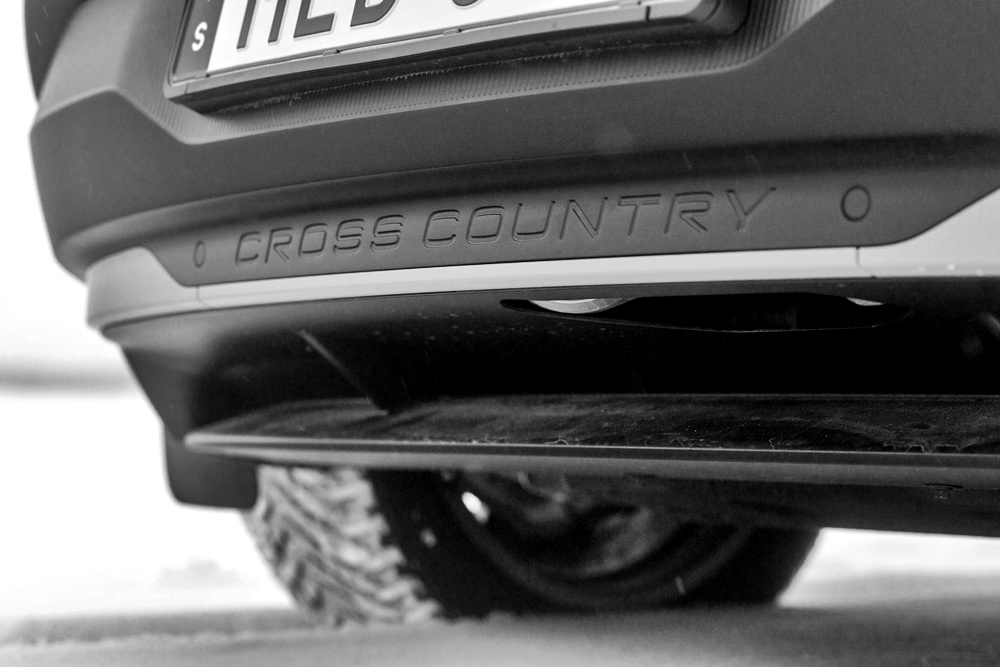
Designed for harsh Scandinavian winters and unpaved forest trails, the Cross Country paired stationwagon comfort and space with a rugged image created by bold protective lower body cladding. The extra ground clearance allowed drivers to venture off-road and through deep mud without damaging delicate bodywork.
![Volvo V70XC [1998]](https://www.motaauto.com/wp-content/uploads/2026/09/Volvo-V70XC-1998.jpg)
Pioneer of the ‘Cross’
Volvo may well have been the first automaker to use ‘Cross’ some 10 years before others added a similar concept to their passenger car models with the suffix. Today, many models have a ‘Cross’ version which usually has a more ‘ruggedised’ appearance with some adventure accessories.
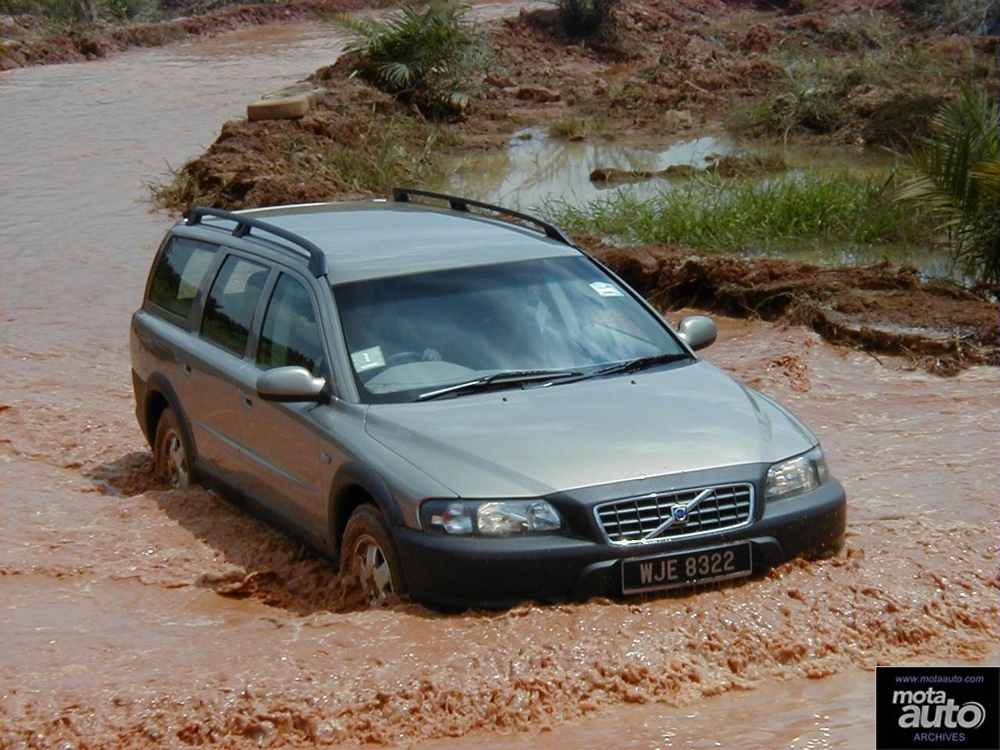
Malaysian motorists first encountered this rugged utility concept in the late 1990s when the V70 Cross Country made its local debut. As with most other Volvos, it was assembled locally in the country’s first vehicle assembly plant in Selangor.
Cross Country concept returns
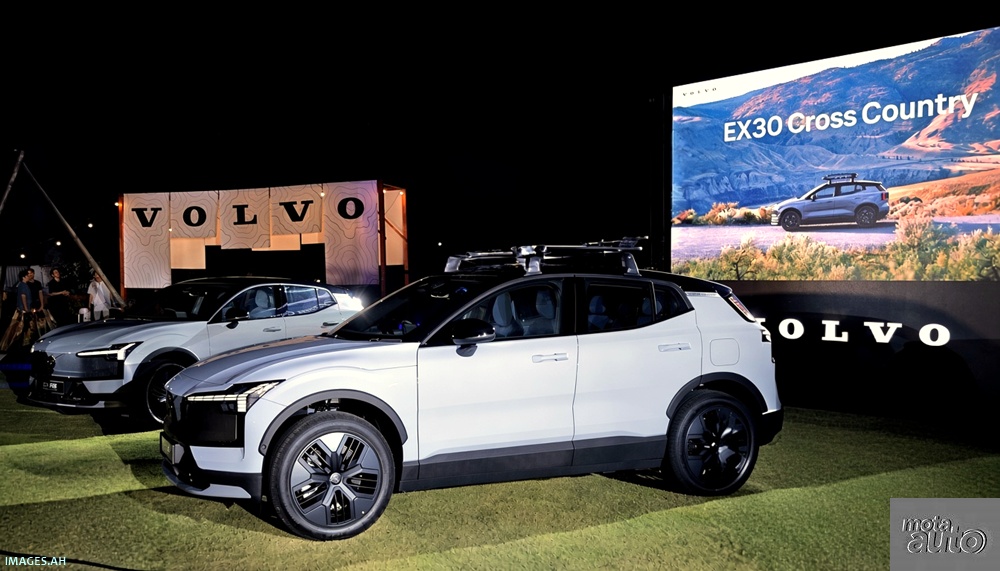
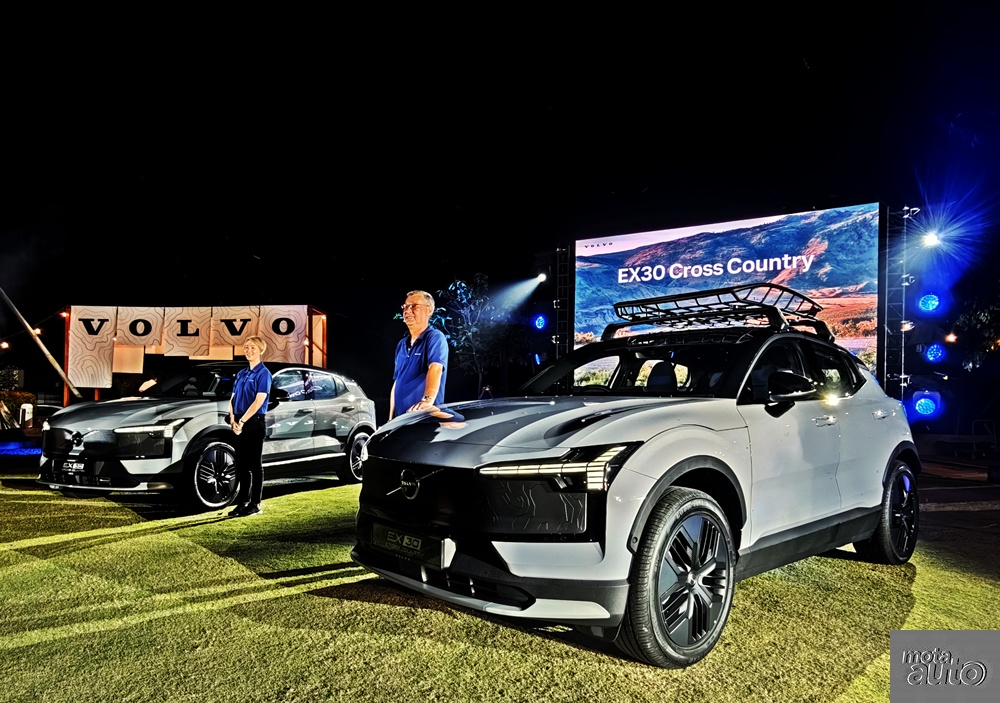
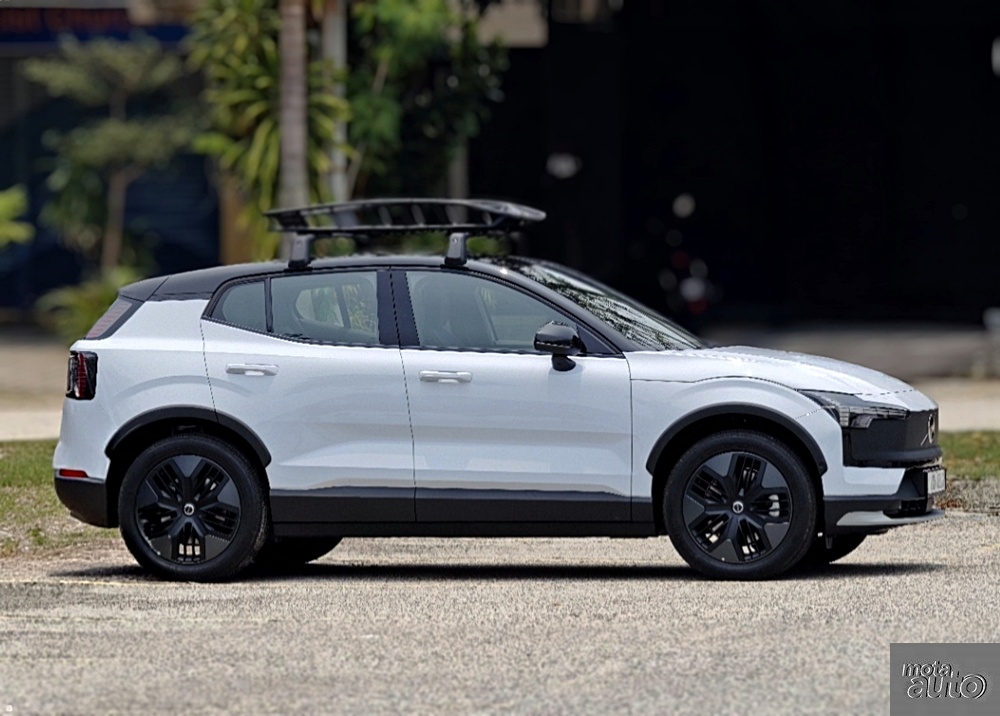
Almost 3 decades after the original Cross Country was introduced (and then faded away), the concept returns for the electric age with the new EX30 Cross Country. Building on the standard EX30 footprint, this new version uses the same formula as before with functional mechanical revisions designed for light off-roading and all-weather versatility.
![Volvo EX30 [2024] EV](https://www.motaauto.com/wp-content/uploads/2024/08/Volvo-EX30-2024-EV-11.jpg)
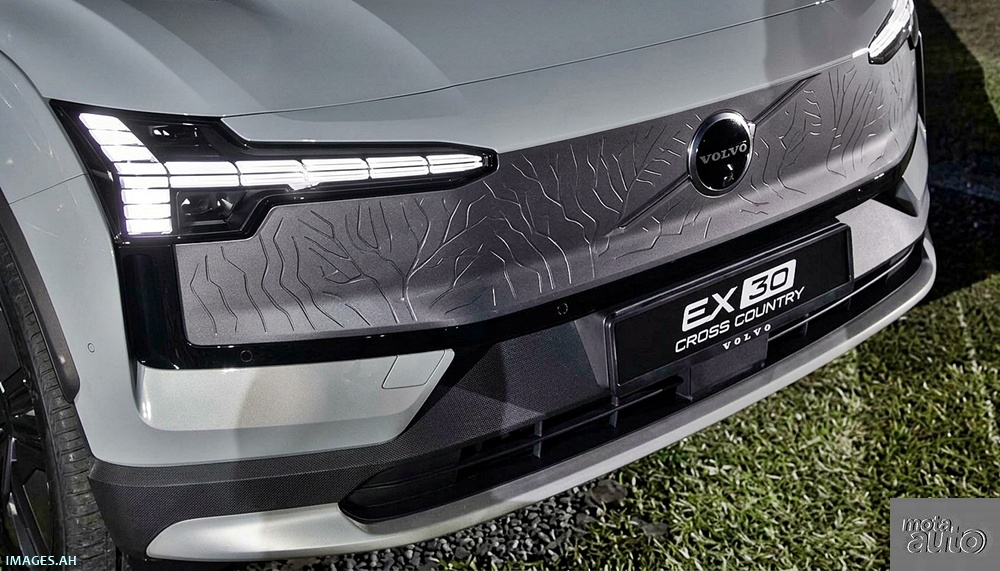
Look longer at the front shield (which would usually be a grille in an ICE model) and you’ll see that it features an intricate graphic engraving. This shows the topography of the Kebnekaise mountain range located 150 kms north of the Arctic Circle where Sweden’s highest mountain can be found.
High-performance AWD drivetrain
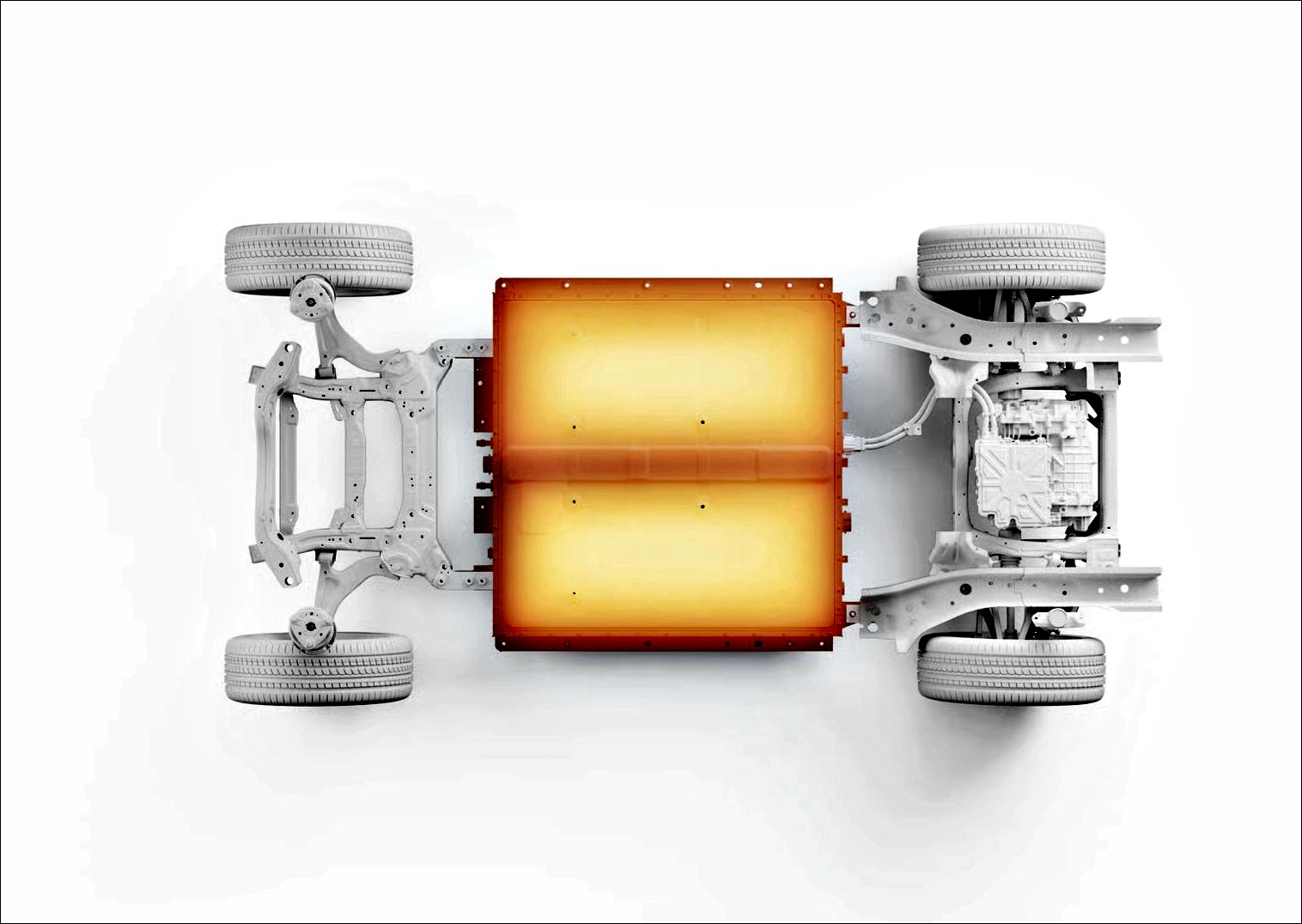
Unlike the standard EX30 which has 2-wheel drive, the Cross Country has all-wheel drive with electric motors at the front and rear axles. The high-performance drivetrain generates a combined output of 315 kW (428 hp)/543 Nm of torque, enabling the compact SUV to accelerate from rest to 100 km/h in a claimed 3.7 seconds.
Power is supplied by a 69 kWh NMC battery pack mounted low within the chassis floor, providing a lower centre of gravity that helps offset the higher ride height. Recalibrated steering software improves torque build-up, active return, and road dampening when speeding over uneven surfaces.
Up to 437 kms of range is claimed and when it’s time to recharge, the time required to fill from 10% to 80% is said to be 27 minutes. This is the quickest time but only if the DC charger supplies electricity at 175 kW. The same exercise with a 50 kW DC charger (which would be more common in Malaysia) would take up to 56 minutes. With AC charging at 11 kW, recharging from 0% to 100% should take around 8 hours.
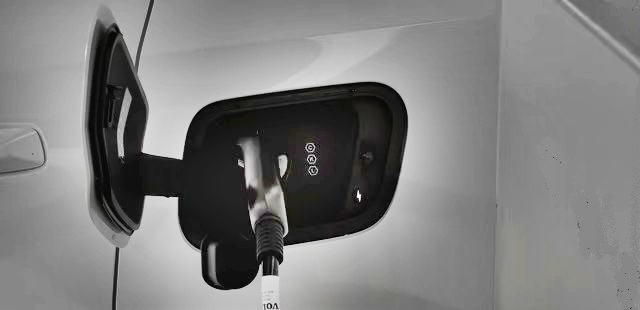
The charging system integrates battery pre-conditioning via the built-in Google Maps navigation app, which automatically adjusts the battery pack to its optimal thermal temperature en route to a chosen rapid charger to maximize intake speeds.

Functional and minimalist
Within the EX30 Cross Country, the cabin continues Volvo’s minimalist design language while introducing clever, functional storage solutions. By removing traditional door speakers and integrating audio delivery into a single full-width Harman Kardon Premium soundbar along the base of the dashboard, the designers created exceptionally deep storage pockets within the doors.
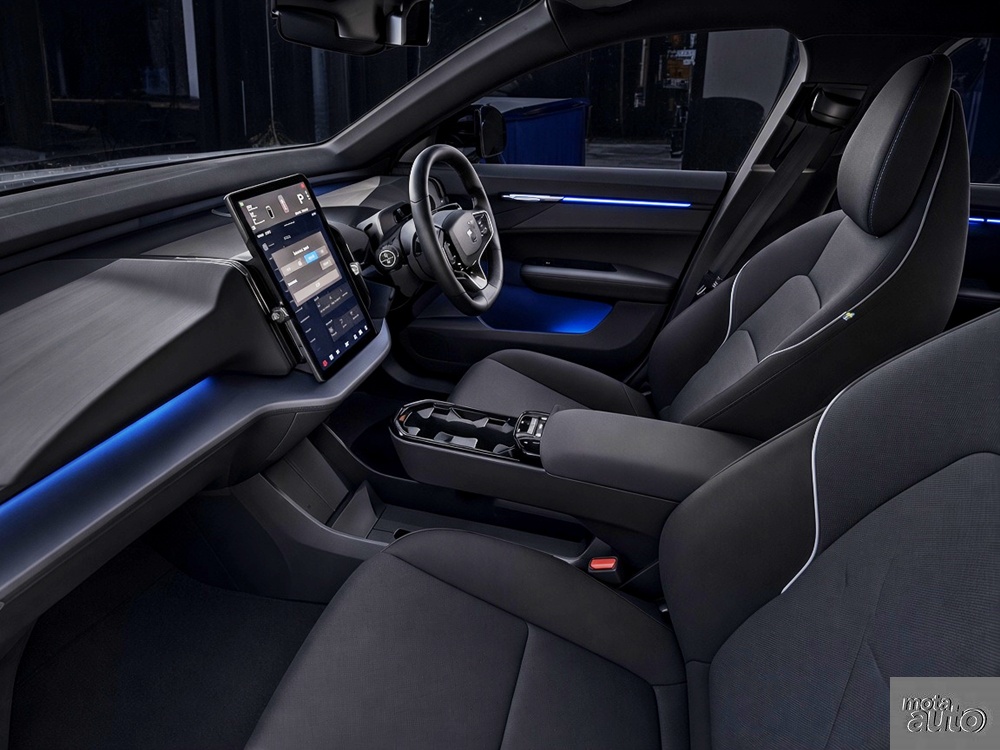
A central tunnel compartment slides forward to offer cupholders or retracts to store larger items, complemented by a floor-level storage area situated between the front footwells and a glove compartment relocated directly beneath the central touchscreen for easier access by both front occupants. Rear passengers benefit from a sliding central storage box that can be removed entirely for cleaning, doubling as a rubbish bin.
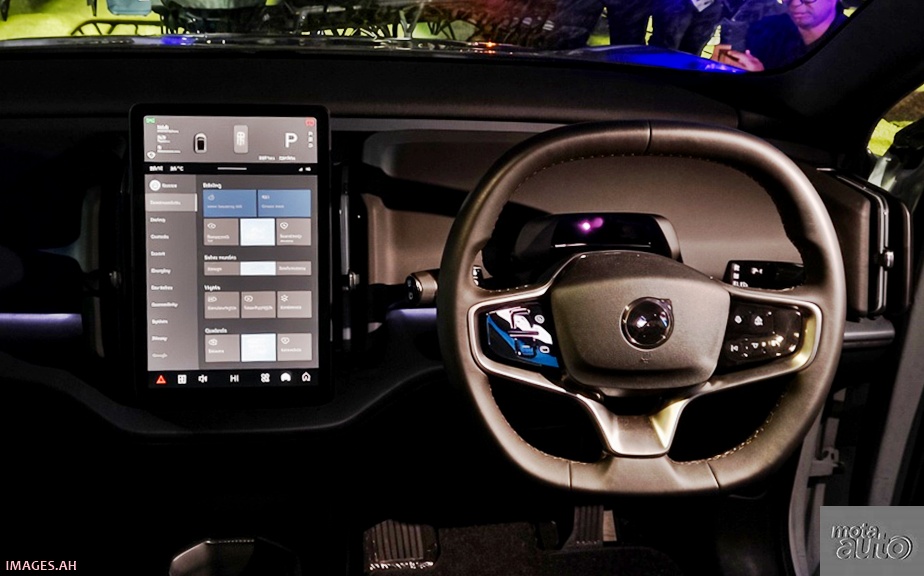
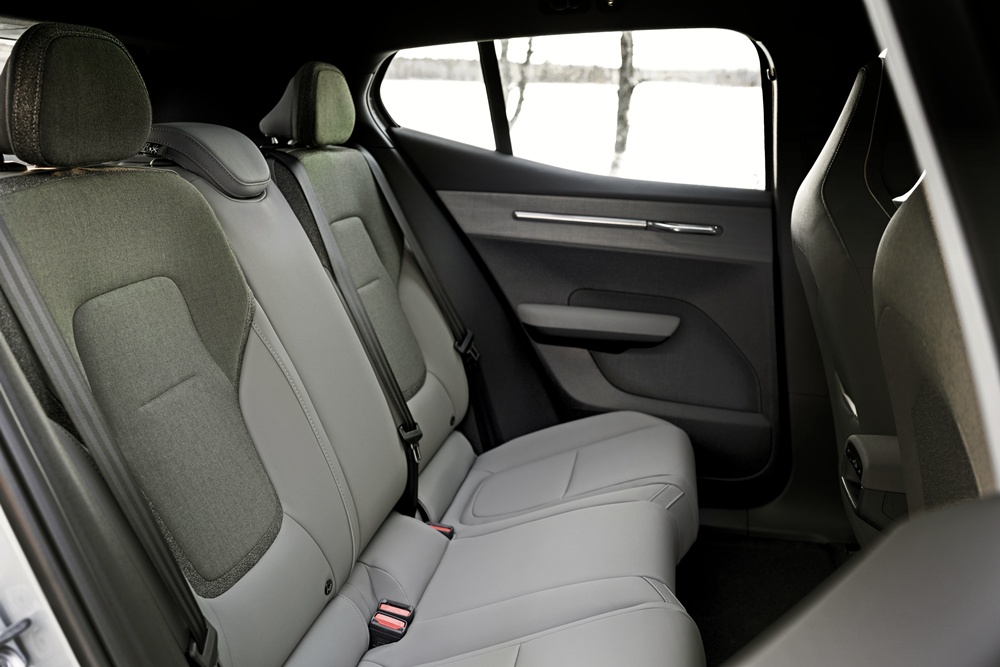
Cargo volume in the 4233 mm long/1850 mm wide body is similar to the standard EX30 with 318 litres of usable volume, expandable to 718 litres when the divided rear backrests are folded flat.
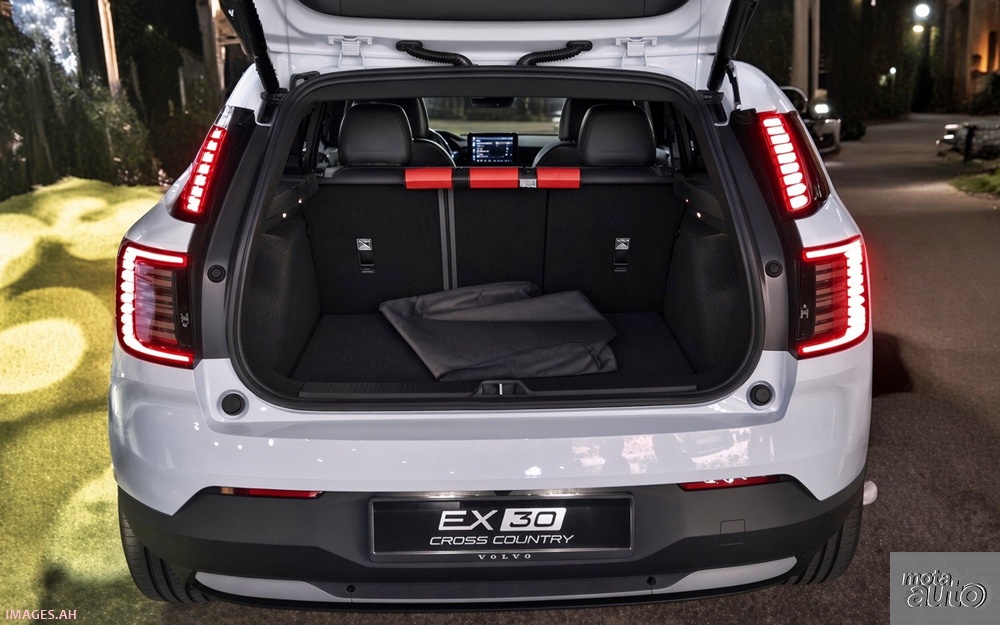
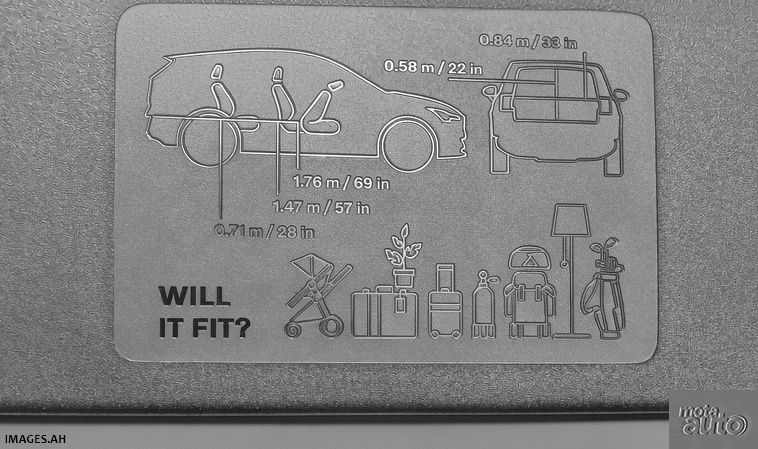
A ‘Will It Fit?’ visual graphic is printed directly on the inner tailgate lining, providing quick guidance for loading bulkier equipment like camping gear or flat-pack furniture from IKEA.
Standard equipment includes a 12.3-inch central touchscreen running native Google Services, a panoramic glass roof, wireless smartphone integration.
Safe Space Technology
The brand’s Safe Space Technology suite uses 5 radars, forward-looking camera and ultrasonic sensors to constantly scan all around the car. Active systems to help the driver be aware of hazardous situations and to avoid them (autonomously if necessary) include Park Pilot Assist that identifies available parking spaces and manages steering, acceleration, and braking to park without driver involvement.

It’s worth noting that many of the active safety systems like automatic emergency braking and blind spot warning go back some 20 years, and Volvo was the first to introduce them. Today, they are common on almost all of the latest models and ASEAN NCAP also encourages having blind spot warning as standard (if it is not present, the model will not qualify for the maximum overall star rating even if it does well in other areas).
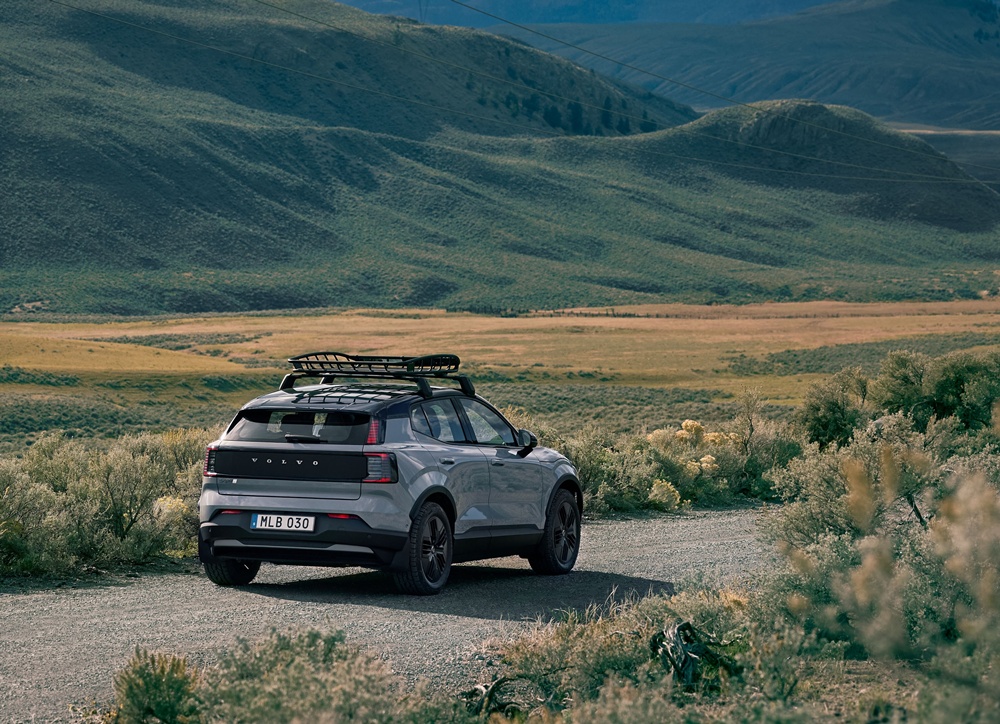
There’s also a range of Volvo accessories for this model such as a Load Carrier, Roof Basket, Inside Sunshade, and All-Weather Mats for the cabin floor and boot. Also available is a dashcam for RM2,848 and a digital rearview mirror that provides 3x the visibility of a conventional reflective mirror.
The EX30 is priced from RM218,648 in Peninsular Malaysia (without insurance), and the first 100 owners will get it for RM12,000 less as well as receive a complimentary Volvo Wallbox worth RM3,990 and accessories worth RM5,778.