
Reducing air pollution and protecting the environment has been a driving priority for the auto industry since the 1960s. Rapid economic growth in nations like Japan and America brought heavy urban pollution, with vehicle exhaust emissions being a major contributor. In response, automakers developed catalytic converters and engines were tuned to run on unleaded petrol, to meet increasingly strict global standards.
To safeguard the natural environment, governments responded by introducing progressively strict laws that pushed carmakers to develop solutions rapidly. Many technological breakthroughs brought measurable reductions in urban pollution and by the dawn of the 21st century, modern internal combustion engines were remarkably cleaner and far more efficient than their predecessors from the 1970s.
Carbon dioxide and climate change
Continuous advances in fuel chemistry and engine management systems have continued to drive toxic emissions downwards, but a broader global environmental threat was quietly compounding in the background. Automotive engineers and climate scientists found that the cumulative global build-up of carbon dioxide (CO2) emissions was actively contributing to rising global temperatures.
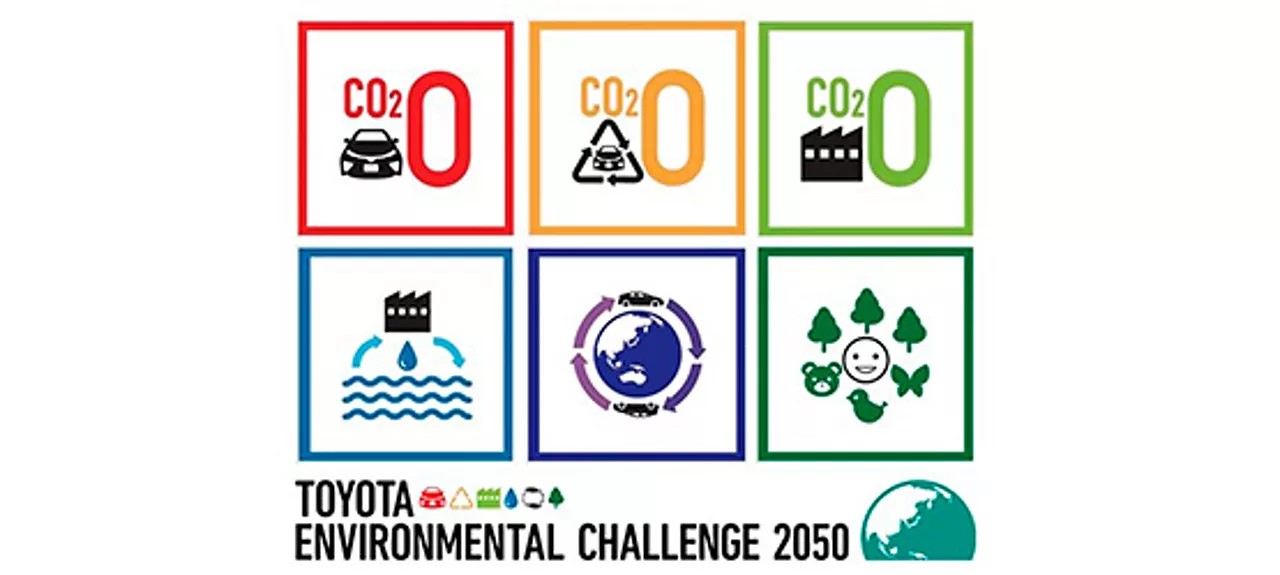
This presents a serious long-term threat to global weather patterns and natural ecosystems. To prevent dangerous climate shifts, international bodies, national governments, and major industries have made firm pledges to slash greenhouse gas emissions (as the CO2 gas is known) across all sectors, setting the year 2050 as the universal deadline to achieve total carbon neutrality.
Within the automotive landscape, the initial narrative of the 2010s proposed a single, rigid path forward: immediately end the sale of internal combustion (ICE) vehicles and shift all production entirely to battery electric vehicles.
The Multi-Pathway Approach
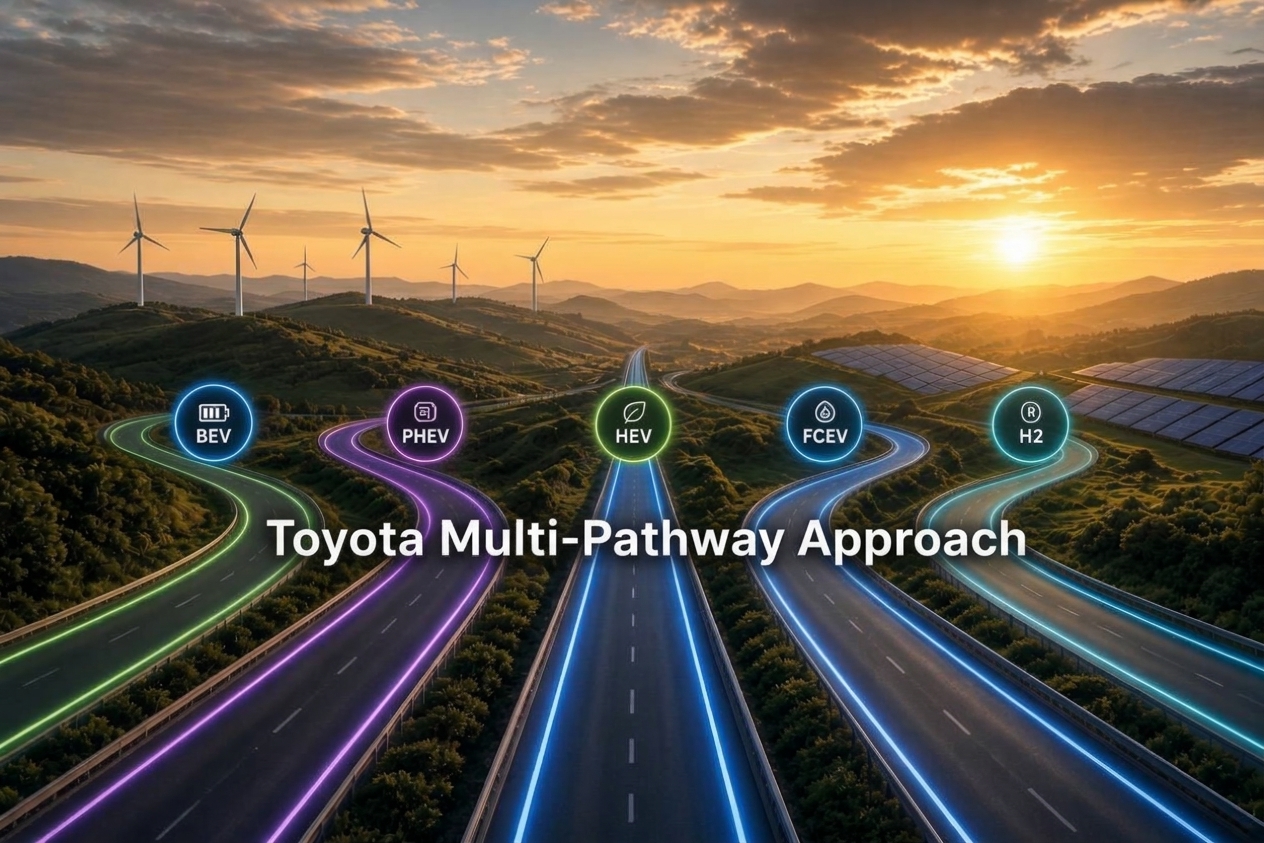
While switching completely to pure electric powertrains appeared simple on paper, Toyota Motor Corporation viewed this single-track approach through a lens of strict industrial realism. In Toyota’s view, true global decarbonization cannot be solved with a single ‘silver bullet’ because the world’s energy ecosystems, economic conditions, and infrastructure maturity vary dramatically from country to country.
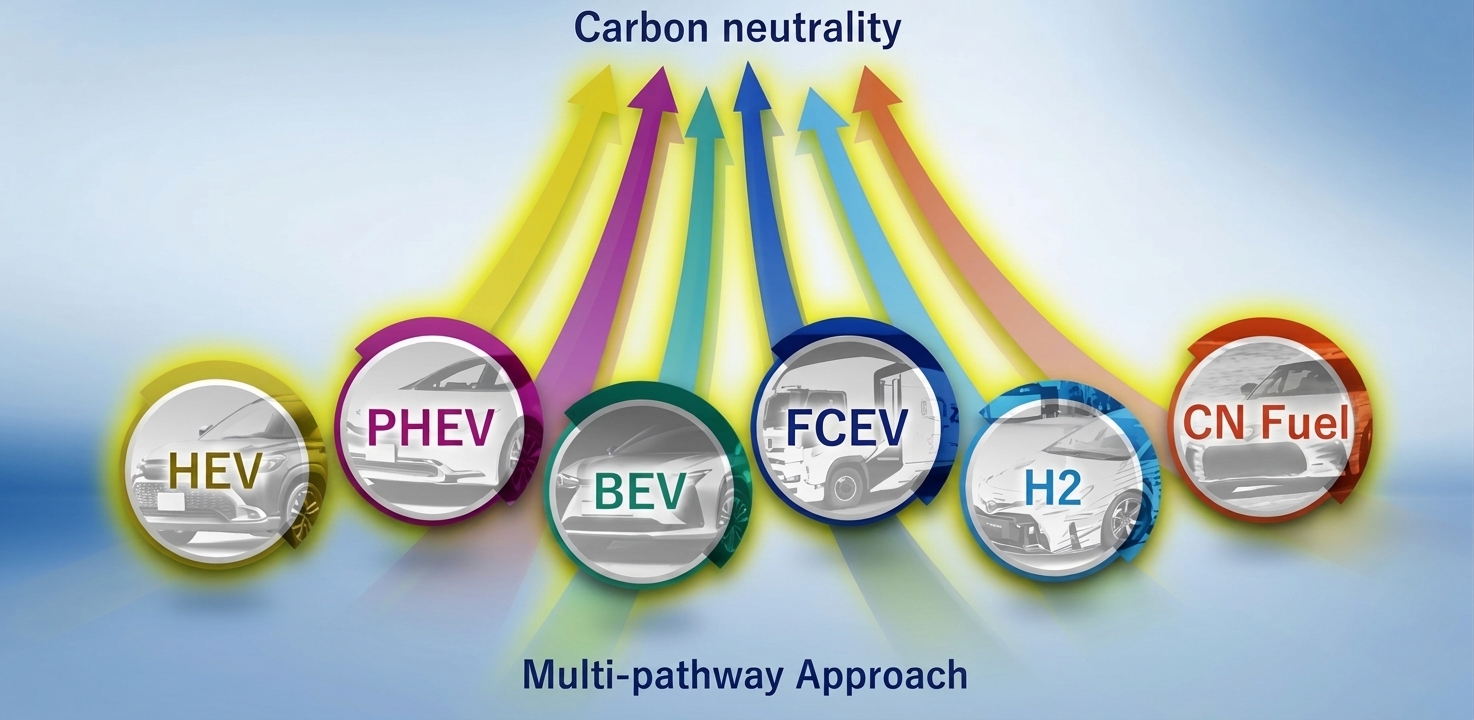
Forcing an abrupt transition exclusively to expensive electric vehicles risks leaving large portions consumers behind, particularly in developing economies where high purchasing costs and an absence (or limitation) of charging infrastructure make immediate adoption impractical for the average car-owner. To ensure personal mobility remains accessible and practical for everyone, Toyota has been promoting its more comprehensive Multi-Pathway Approach.
5 powertrain choices
Built on the principle of offering the right vehicle in the right place at the right time, this practical approach provides 5 distinct powertrain solutions tailored to different stages of regional development. By matching the technology to local energy availability and consumer purchasing power, Toyota believes that actual, immediate CO2 reduction across the globe can take place – rather than waiting decades for universal infrastructure to catch up.

The Multi Pathway Approach starts with Hybrid Electric Vehicles (HEVs), a self-charging technology pioneered by Toyota in the late 1990s that cuts fuel consumption and exhaust emissions by up to 50% without requiring any external charging networks. For drivers seeking extended long-range mobility, Plug-in Hybrid Electric Vehicles (PHEVs) offer the best of both worlds. Pure electric mobility can be used for urban motoring while the ICE provides long range with less dependence on charging stations.
Dedicated Battery Electric Vehicles (BEVs) provide zero carbon emissions motoring and are slowly coming down in cost as the technology matures and economies of scale kick in. However, BEVs remain slightly more expensive in some markets and there are still concerns of charging in some regions due to the limited (but growing) infrastructure.

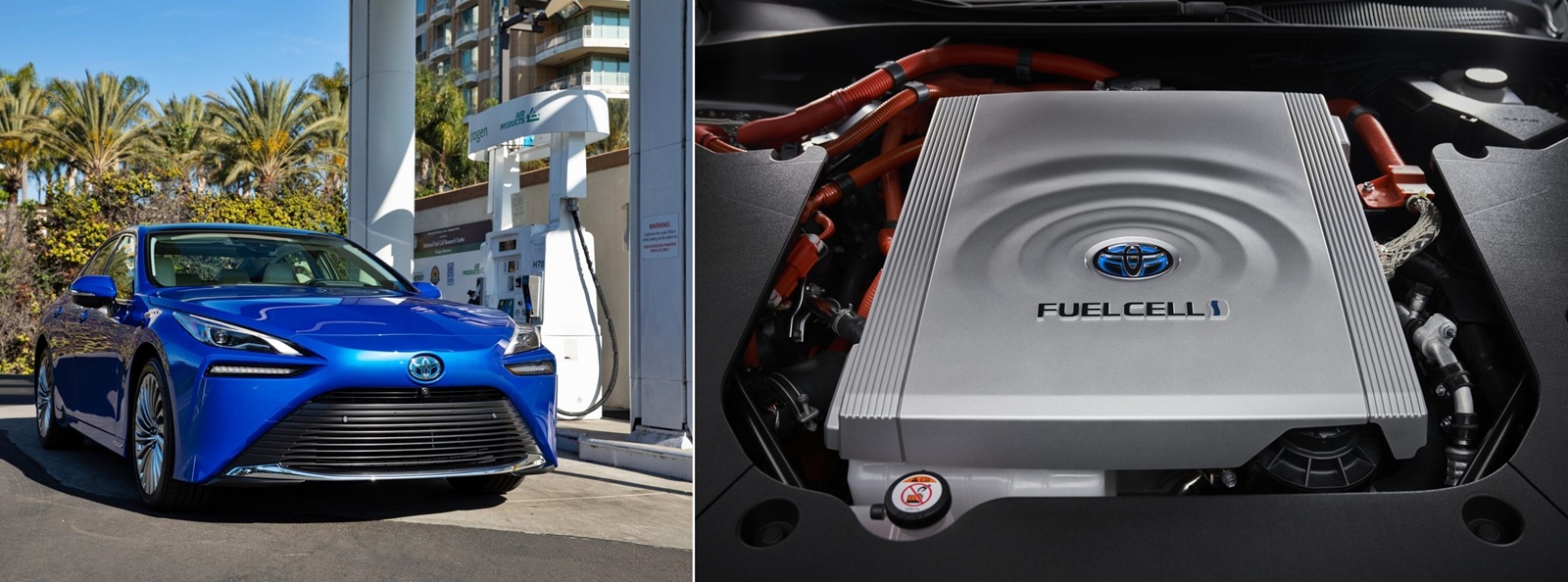
In more advanced markets, Fuel Cell Electric Vehicles (FCEVs) are already being sold by Toyota. These also use electric motors but the battery is recharged by a fuel cell which generates electricity through a chemical reaction between hydrogen and oxygen which emits only clean water vapour. For FCEVs to be introduced, there needs to be a network of hydrogen filling stations, which most countries do not have.
Finally, Toyota continues to refine Hydrogen Internal Combustion Engines and under development are prototype units that burn zero-carbon hydrogen fuel directly. This preserves traditional manufacturing supply chains and keep heavy-duty machinery or high-performance platforms environmentally sustainable.
Aligned with government roadmaps
In Malaysia, the Multi-Pathway Approach supported by UMW Toyota Motor (UMWT) fits naturally into government roadmaps like the National Energy Transition Roadmap and the Low Carbon Mobility Blueprint 2021–2030. UMWT initiated the strategy with HEVs, making hybrid electric technology affordable and accessible by investing heavily in a new factory to locally assemble HEV models like the Corolla Cross Hybrid Electric and Vios Hybrid Electric.
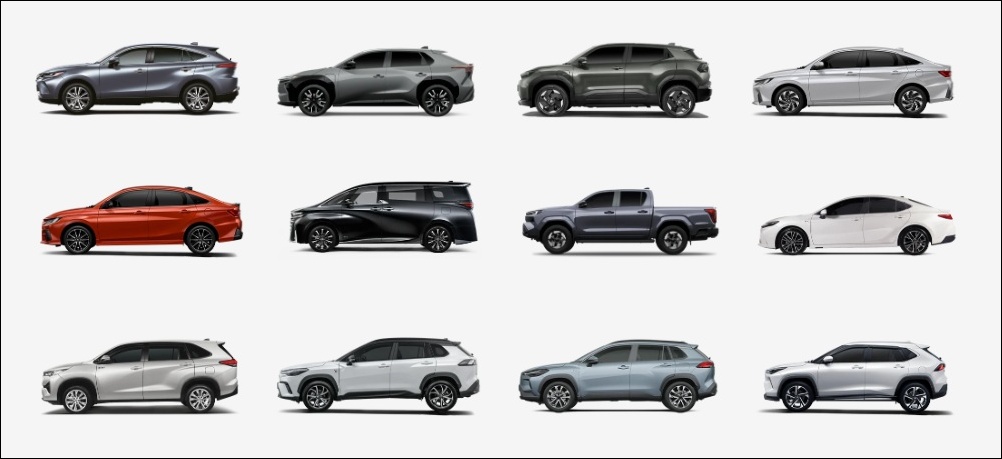
This localized production, which now also includes assembly of high-voltage battery packs, is complemented by a broader line-up of imported HEV variants of models such as the Camry, Innova Zenix, Yaris Cross, Vellfire, and Harrier, giving Malaysian buyers immediate efficiency gains without imposing any burden on the domestic electrical grid.
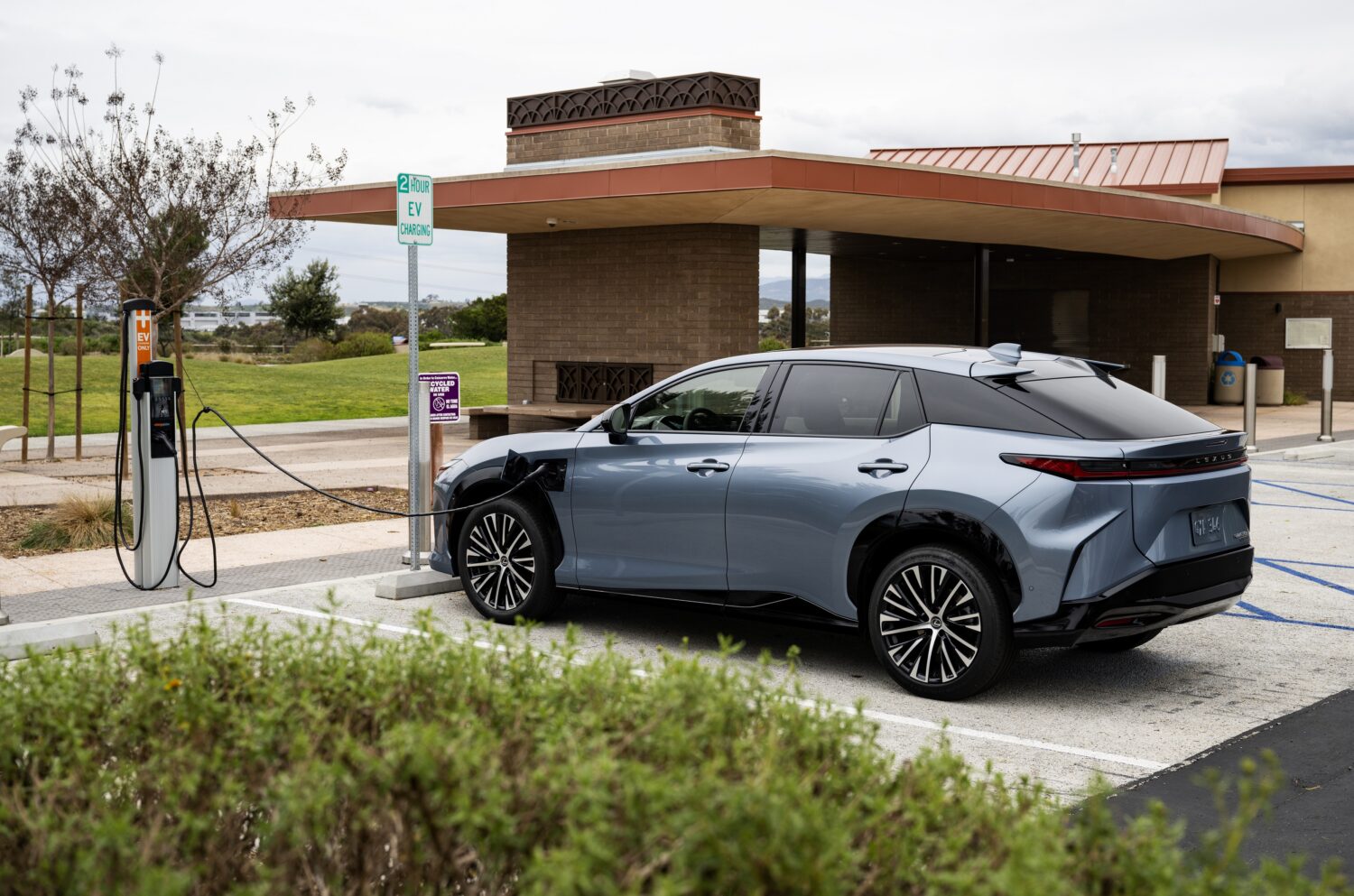
As the public charging infrastructure steadily spreads across the nation, UMWT is expanding its fully electric portfolio with models such as the Toyota bZ4X, Hilux BEV, Urban Cruiser, and Lexus RZ, while actively partnering with charge point operators to strengthen network access.
Simultaneously, the company is laying vital groundwork for Malaysia’s future hydrogen economy by supplying Toyota Mirai FCEVs for government fleet testing in Sarawak’s hydroelectric-backed hydrogen ecosystem. It is also supporting Putrajaya’s Mobile Hydrogen Refuelling Station in the Peninsular, with some units of the Mirai also supplied for use.
Beyond Zero
Under its global Beyond Zero umbrella, UMWT continues to look well past just reducing exhaust emissions to foster true environmental sustainability. The company actively aids national policy formulation by providing test vehicles to the Ministry of Transport for real-world evaluation under local driving conditions.

At the manufacturing level, plant operations are continuously optimized using industrial solar power installations, advanced water recycling systems, and localized supply routes, guaranteeing that the journey toward carbon neutrality benefits both the environment and Malaysian society as a whole.
Find out more about Toyota products and services in Malaysia