
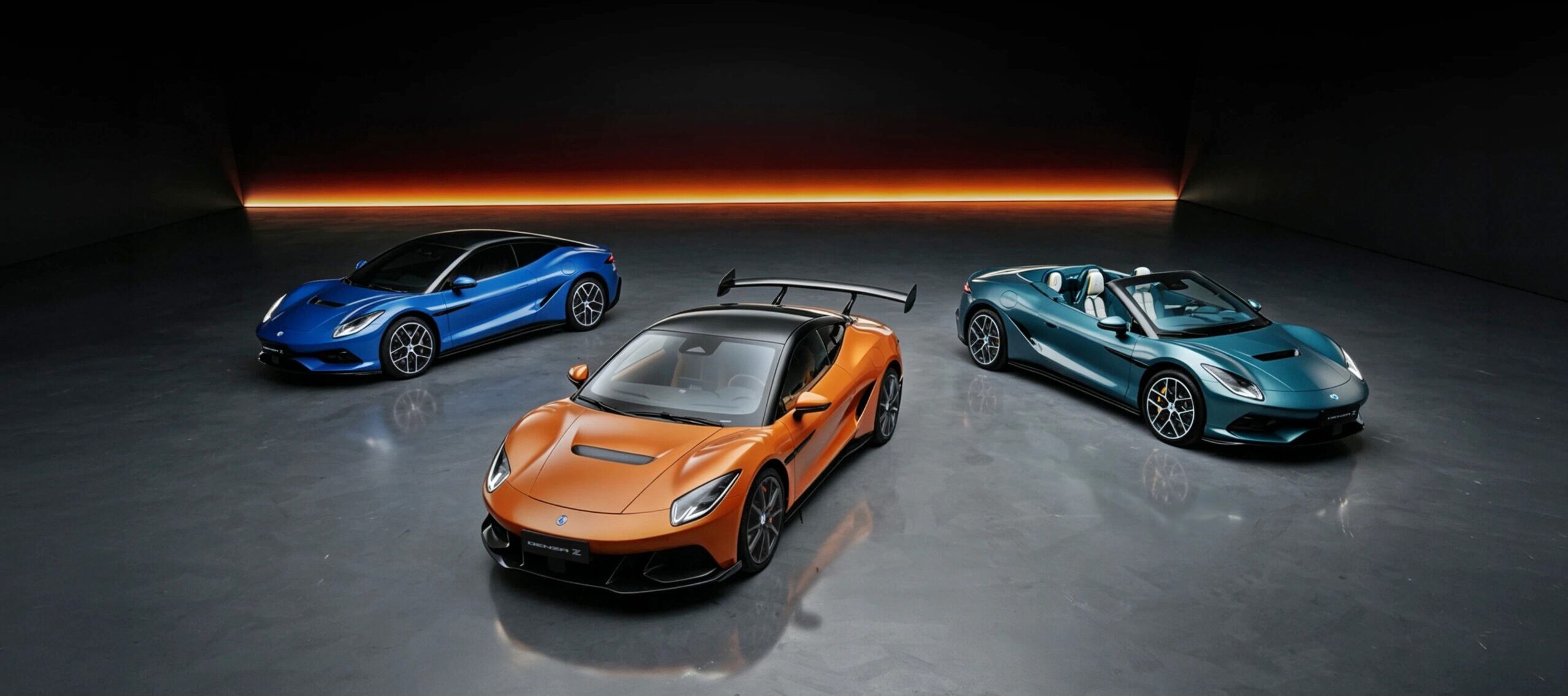
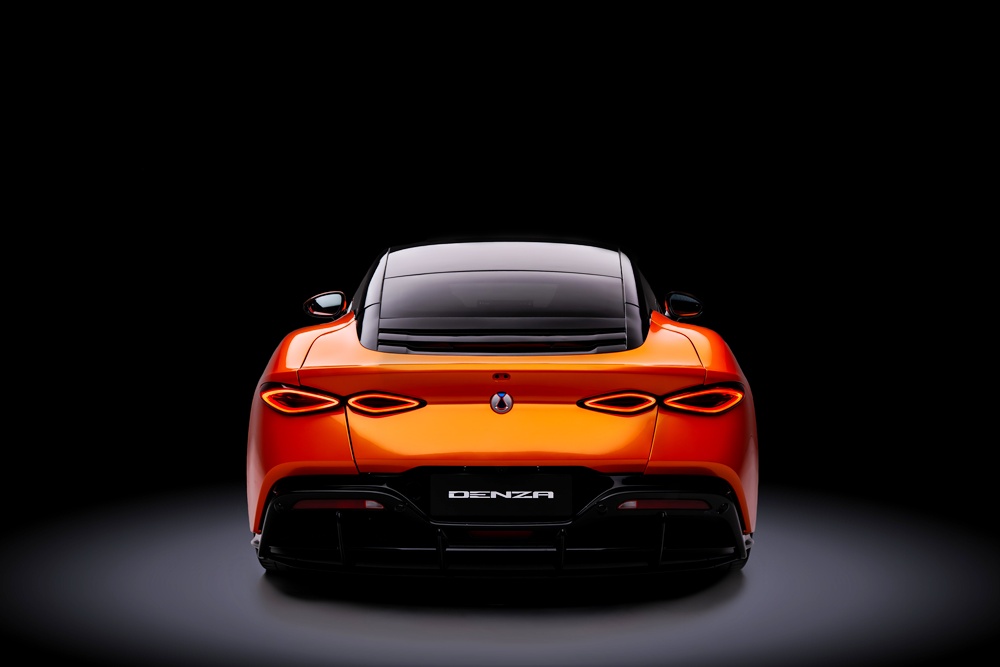
While DENZA will launch the Z9 GT flagship in Malaysia next week, the premium brand of the BYD Group is also presenting its all-new fully electric supercar, the DENZA Z, at Goodwood Festival of Speed in England this week.
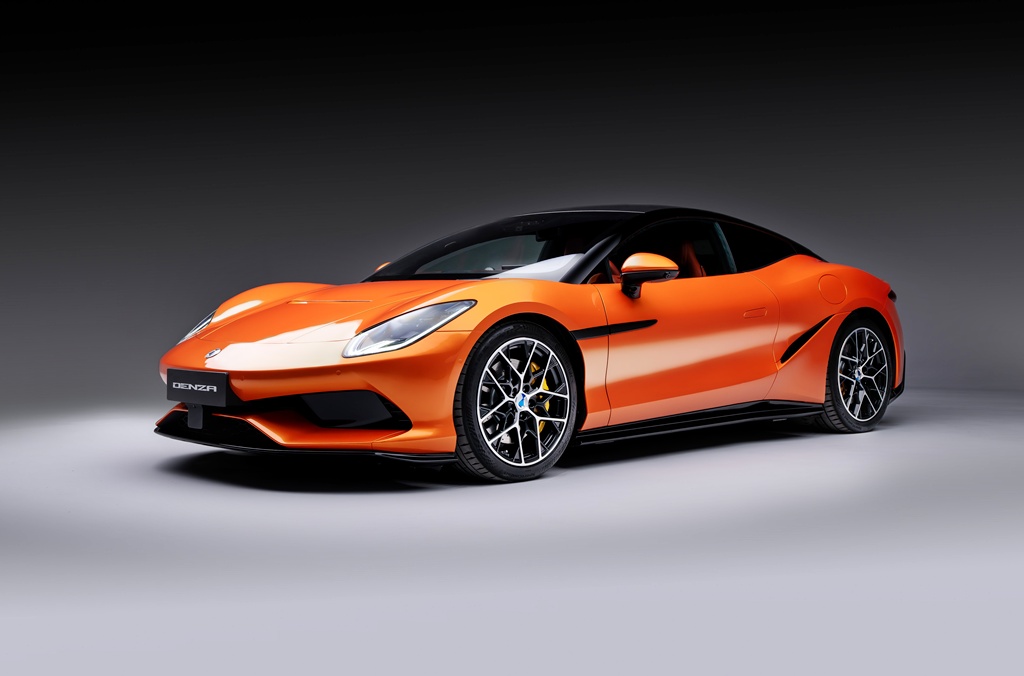
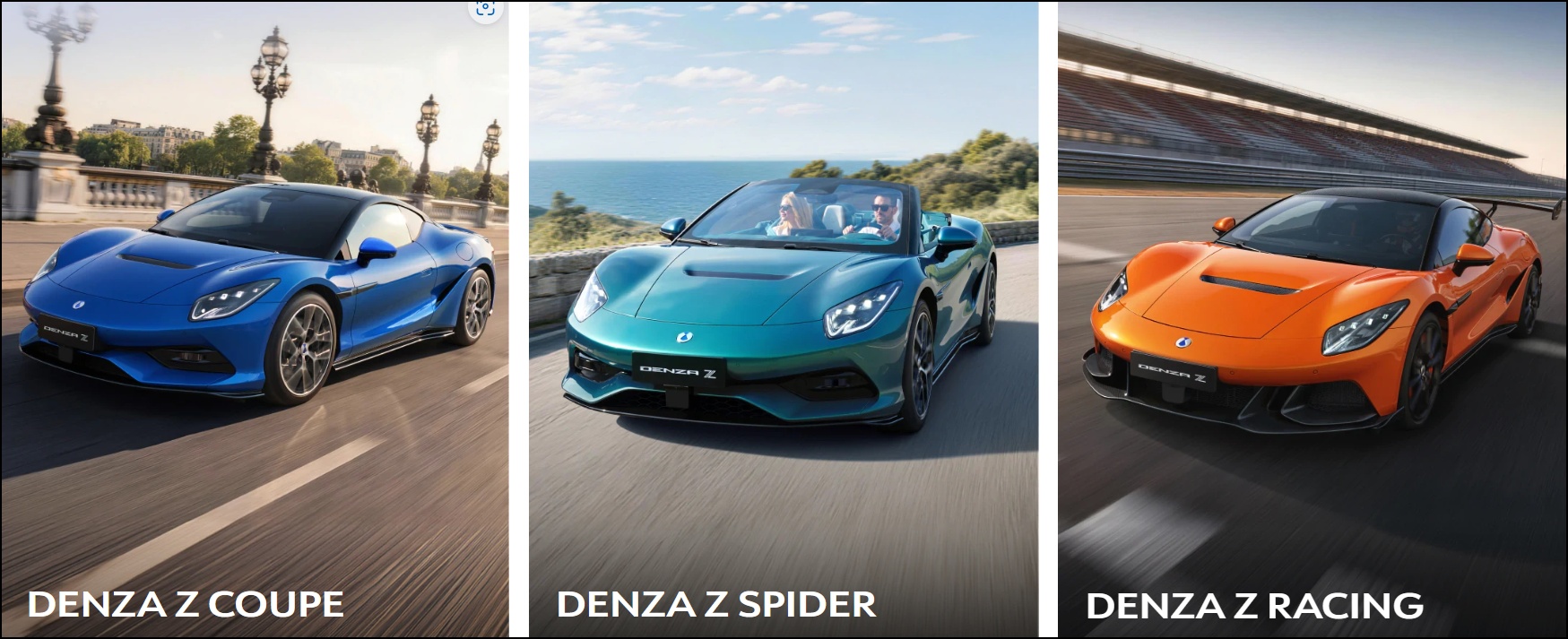
The new model introduces several engineered-from-scratch architectures and serves as a showcase for DENZA’s latest propulsion and thermal management technologies. It will be available in Coupe, Spider, and Racing variants, with a Special Edition prepared for record attempts at the Nurburgring Nordschleife in Germany later this year.
1,180 kW/1,240 Nm – 1.96 seconds
At the technical core of the Z (not to be mistaken with the legendary Nissan Z) is the proprietary e3 Sports Car Platform1 which integrates a triple-motor powertrain configuration alongside the brand’s Cell-to-Body architecture. By employing a single motor at the front axle and independent motors for each rear wheel, the standard system delivers a combined maximum output of 1,180 kW (1604 ps)/1,240 Nm.
This layout allows the Coupe variant to complete the 0 – 100 km/h sprint in a claimed 2.25 seconds, and achieve a top speed of 186 mph. The Racing version, when configured with optional semi-slick tires, drops the 0-62 mph time to 1.96 seconds and extends the top speed to 300 km/h.
FLASH Charging system
Powering the vehicle is a 76 kWh second-generation Blade Battery, providing a range of 400 kms, depending on the bodystyle. A major technology highlight of the second-generation Blade Battery is its advanced FLASH Charging system developed by the BYD Group.
Utilizing a single connector, the infrastructure can accept up to 1,500 kW of charging power, allowing the battery to replenish from 10% to 70% capacity in 5 minutes, or reach a 97% state of charge from 10% in nine minutes.
To sustain these rates without compromising the lithium iron phosphate chemistry, engineers implemented a specialized FlashPass Ion Transport System. This relies on a directionally engineered multi-level particle cathode for rapid deintercalation, an AI-screened high-throughput electrolyte to maximize ionic mobility, and a multi-dimensional insertion anode designed to lower internal resistance and minimize heat generation during rapid power intake.

15-in-1 electric drive unit
The rear propulsion architecture relies heavily on a highly integrated 15-in-1 electric-drive unit. This self-developed system combines both rear electric motors, separate reduction gears, individual motor control units, the onboard charger, a DC-DC converter, and the overarching vehicle control systems into a single assembly capable of operating at speeds up to 30,000 rpm.
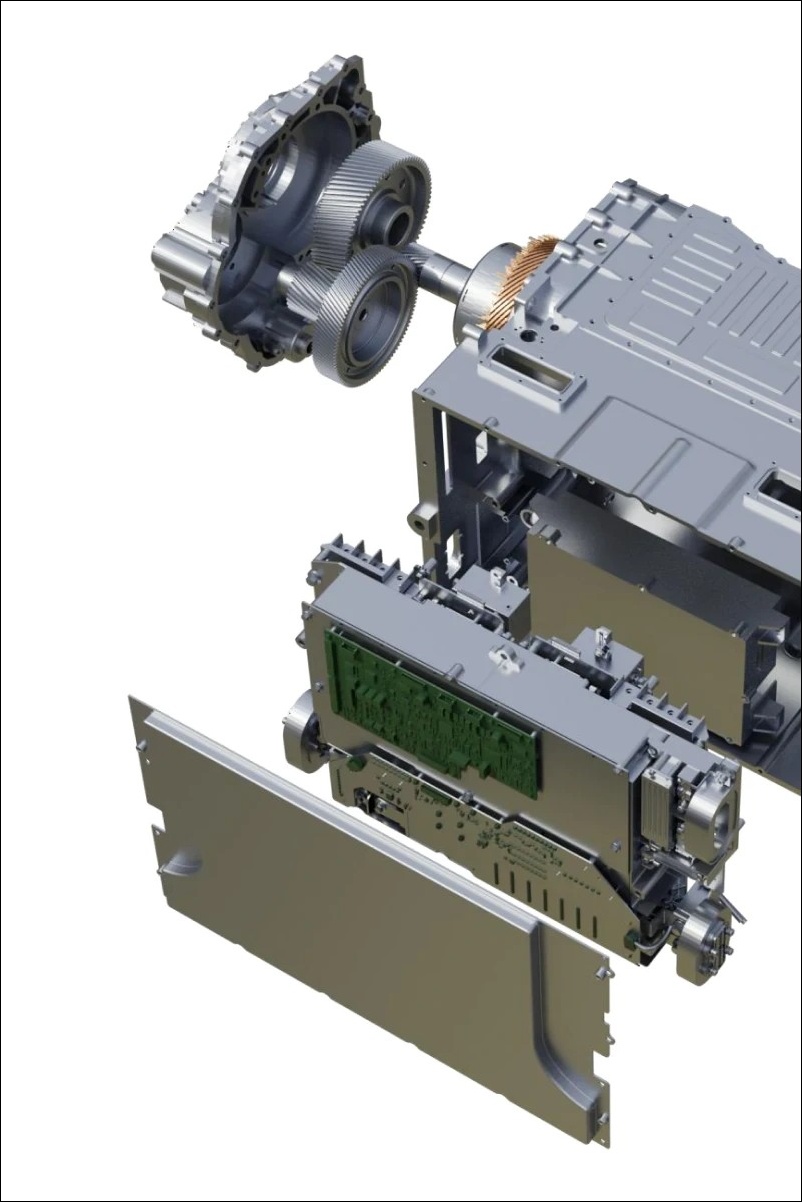
Management of these systems is directed by a Vehicle Motion Control hub, which coordinates the braking, steering, and suspension actuators via a low-latency 10-millisecond signal transmission system.
This tight integration underpins advanced safety features such as a Tyre Burst Control System, which instantly redistributes torque to maintaining stability if a tyre loses pressure, as well as a track-oriented triple-motor torque control system capable of executing tight ‘compass turns’ around the front axle.
DiSus-M intelligent damping
Chassis performance is supported by the first deployment of DiSus-M intelligent damping within the e3 platform. This active suspension system utilizes magnetorheological fluid within the dampers to alter fluid viscosity within milliseconds when exposed to an automated magnetic field, allowing rapid real-time refinement of compression and rebound characteristics.
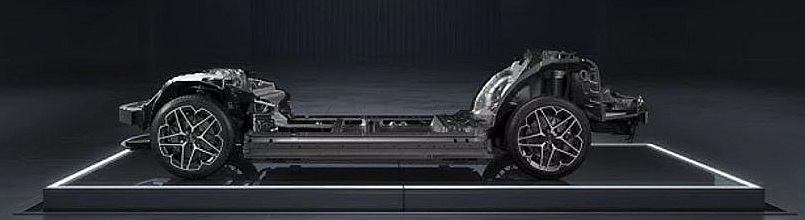
The suspension architecture pairs double wishbones at the front with a multi-link rear setup, utilizing air suspension on the Coupe and Spider variants, while transitioning to traditional coil springs on the track-oriented Racing model.
Braking performance across all versions is handled by 6-piston front and 4-piston rear fixed calipers clamping down on drilled carbon-ceramic discs, reducing overall unsprung mass by approximately 30 kgs.
Aerodynamic and thermal optimization
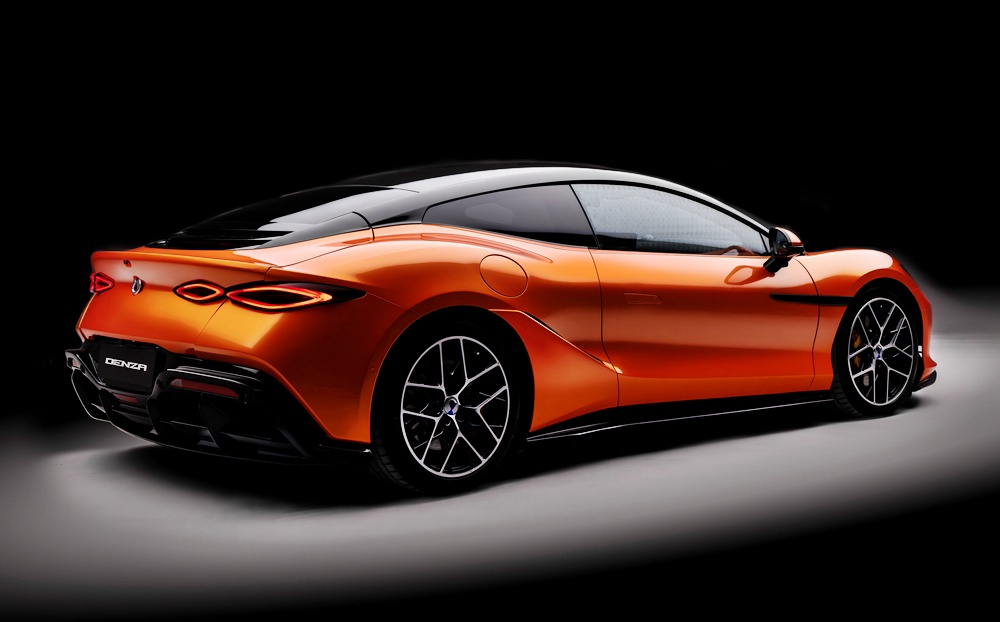
Aerodynamic and thermal optimizations vary by bodystyle configuration. The standard Coupe and Spider measure 4780 mm in length with a 2780 mm wheelbase, using an S-shaped airflow path through the front bumper and bonnet to modulate downforce and drag.
The Racing variant expands to 4870 mm, introducing a specialized front air intake, carbon-fibre splitter, underfloor vortex generators, and a multi-duct cooling network that increases electric-motor thermal efficiency by 50%.
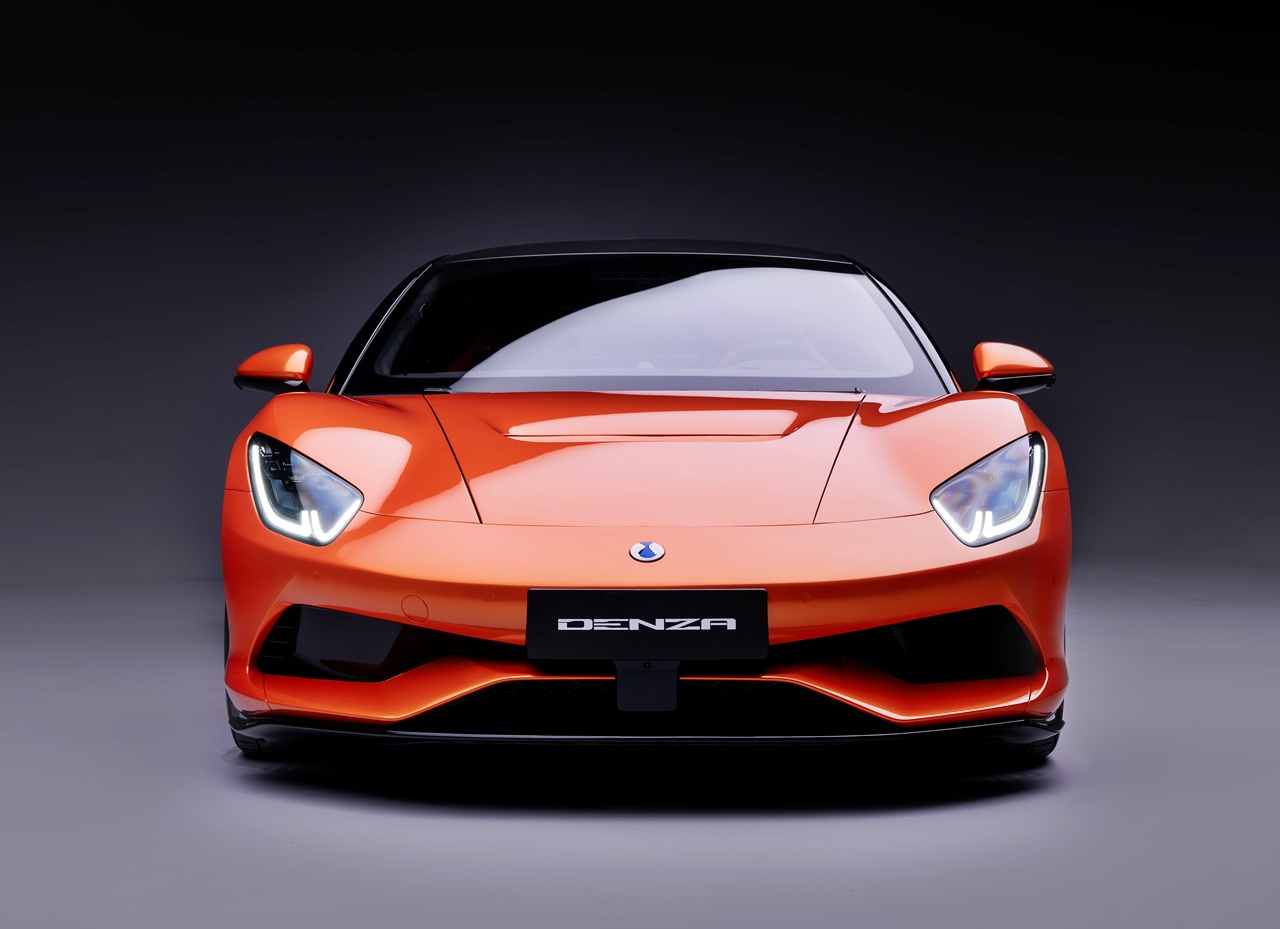
The upcoming Special Edition steps up to track-grade thermal systems alongside dual-layer carbonfibre composite body panels and an active drag-reduction framework consisting of a coordinated front active diffuser and rear wing flap.
Inside the Z
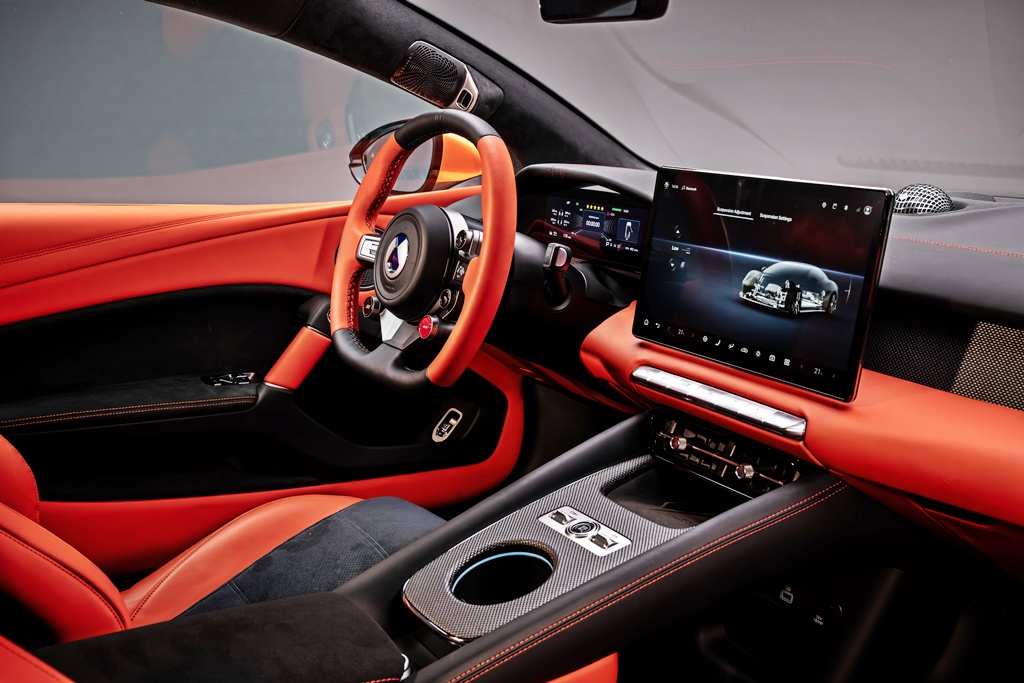
Inside, the cabin integrates an 8.88-inch digital instrument cluster and a 12.8-inch infotainment display powered by Google Built-in architecture. The steering wheel houses dedicated physical switches to engage Boost mode, which increases throttle torque by 30% for a 20-second window, and Track mode, which opens a dedicated telemetry application showing real-time positioning and G-sensor metrics.
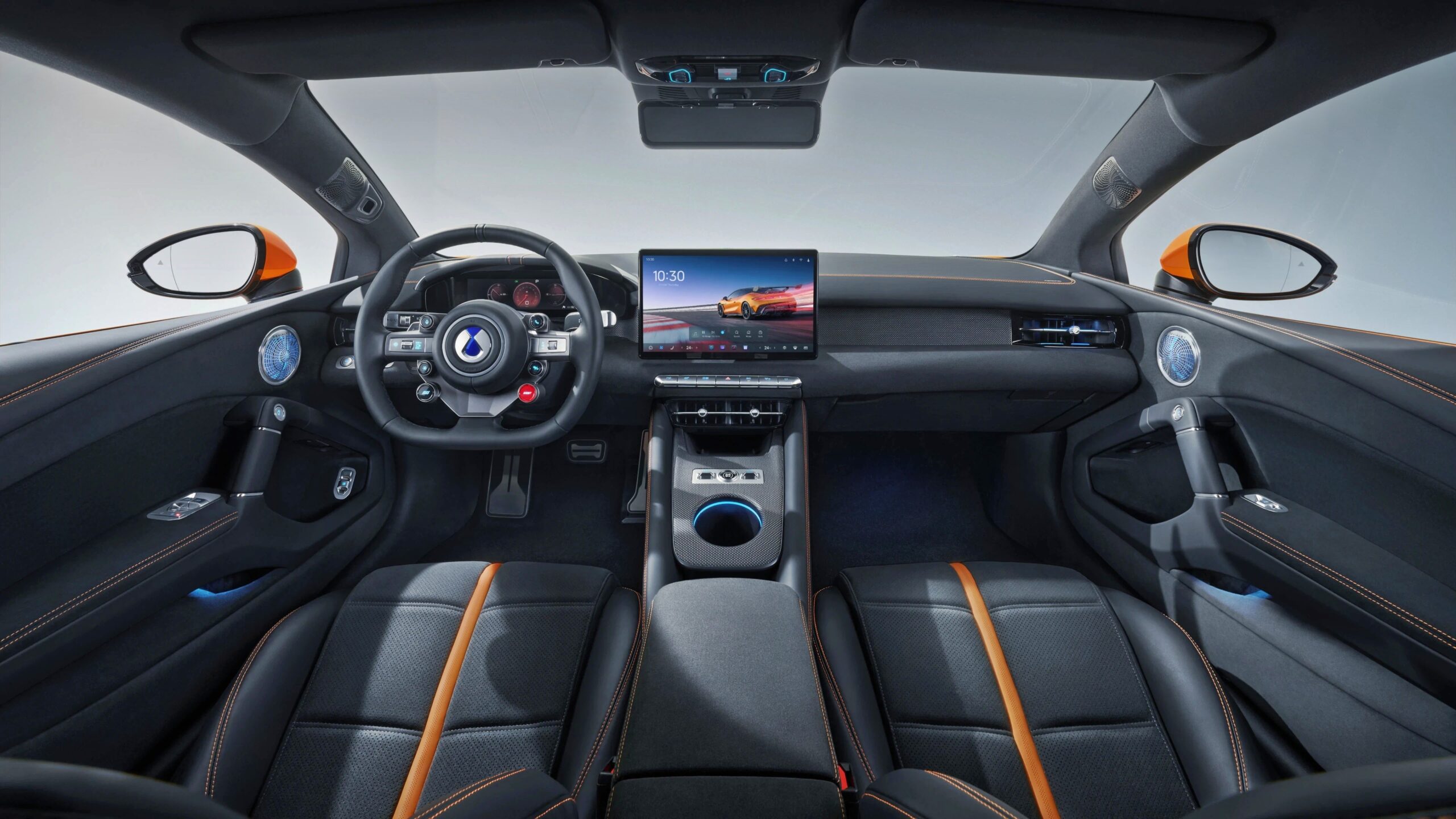
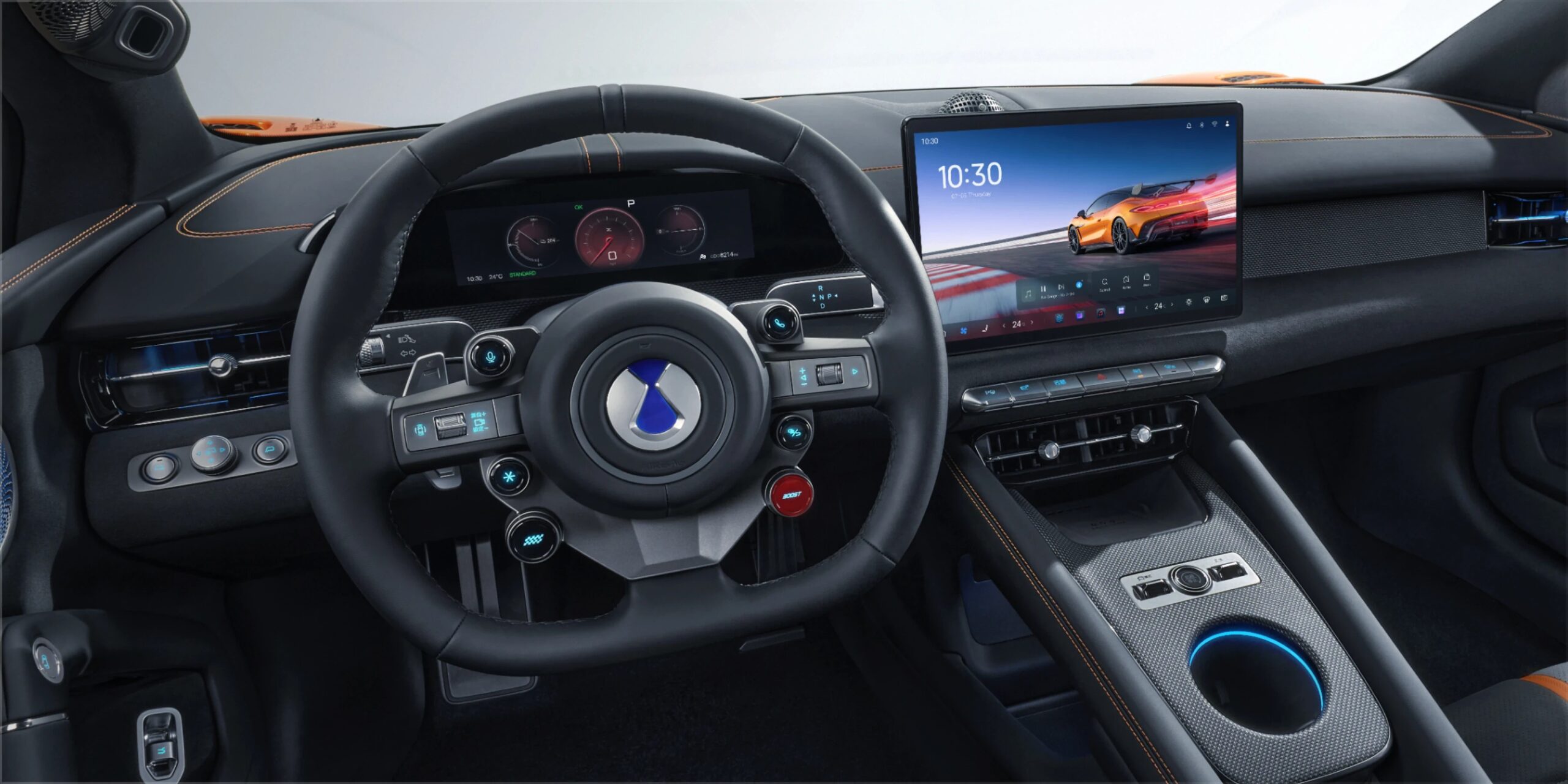
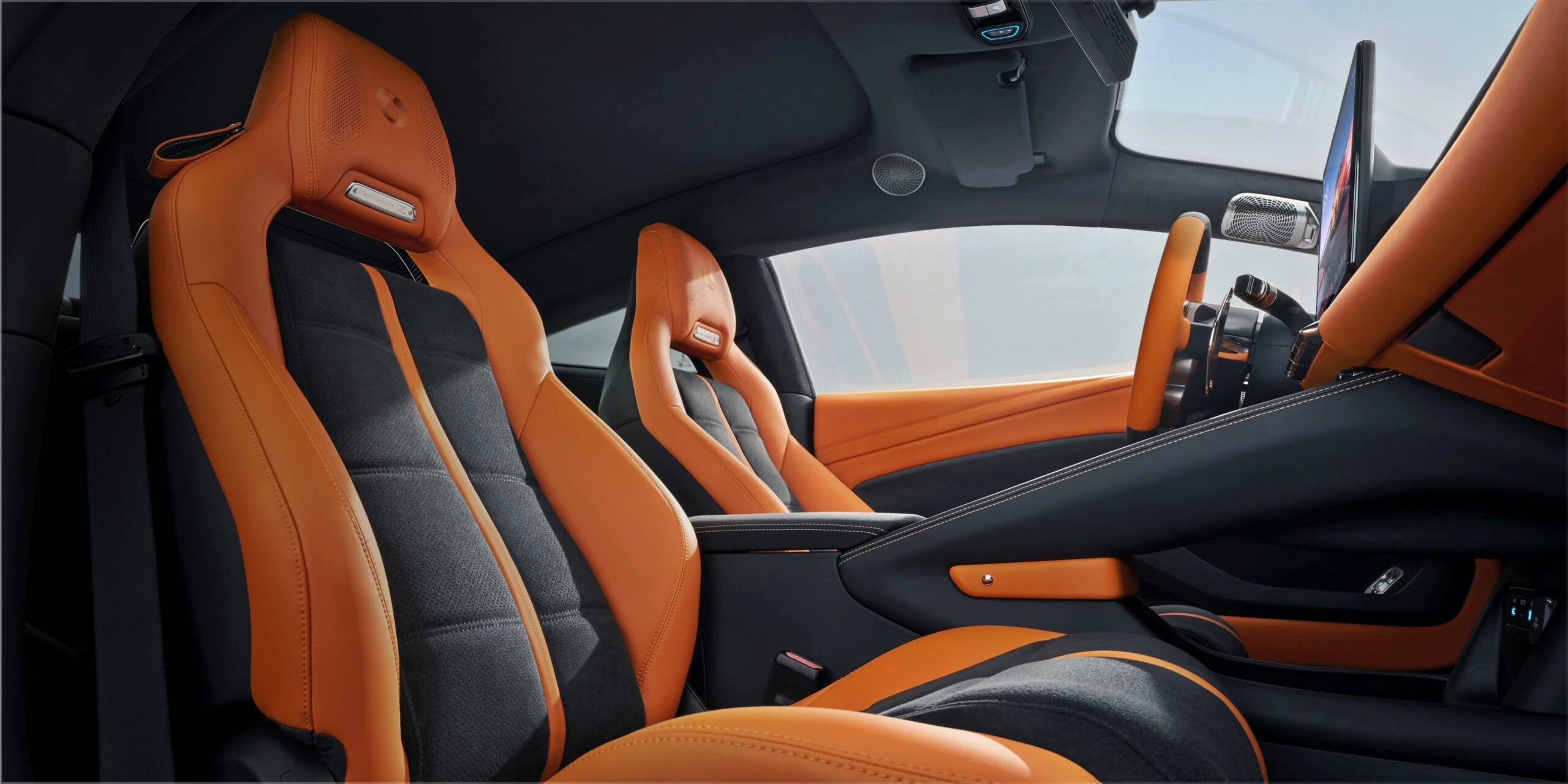
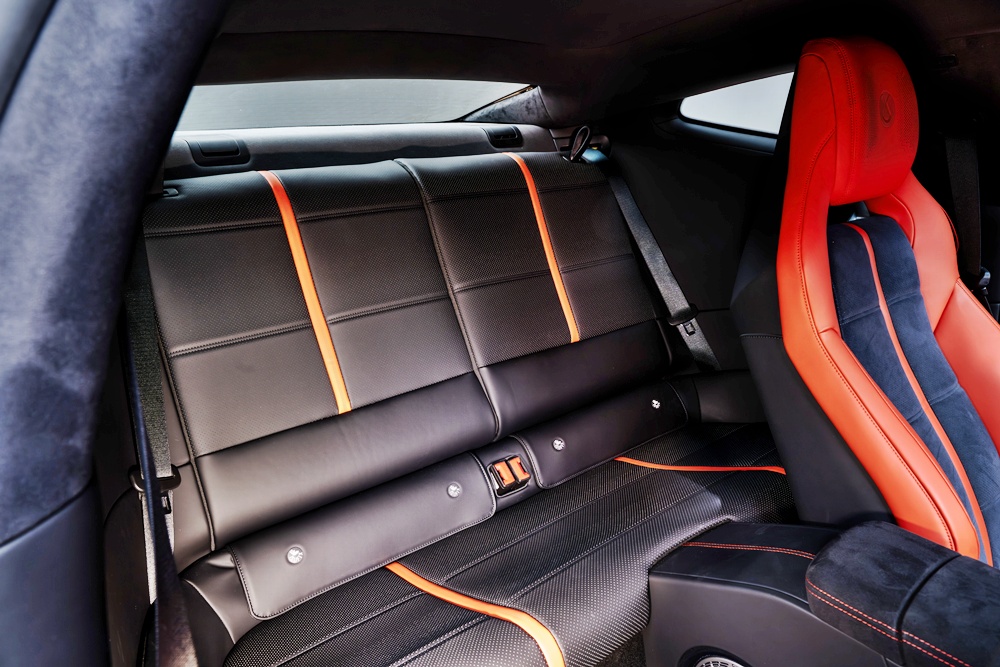
Active and passive safety systems consist of a comprehensive 9-airbag provision, complemented by ADAS technologies that include lane departure assistance, driver distraction monitoring, cross-traffic alerts, and intelligent cruise control.
For the UK market, DENZA has announced the Coupe price as £142,900 (about RM780,000); the Spider from £159,900 (RM872,000); and Racing from £172,900 (RM943,000). Orders are now being accepted with deliveries to start before the end of 2026.