
Quick look
-
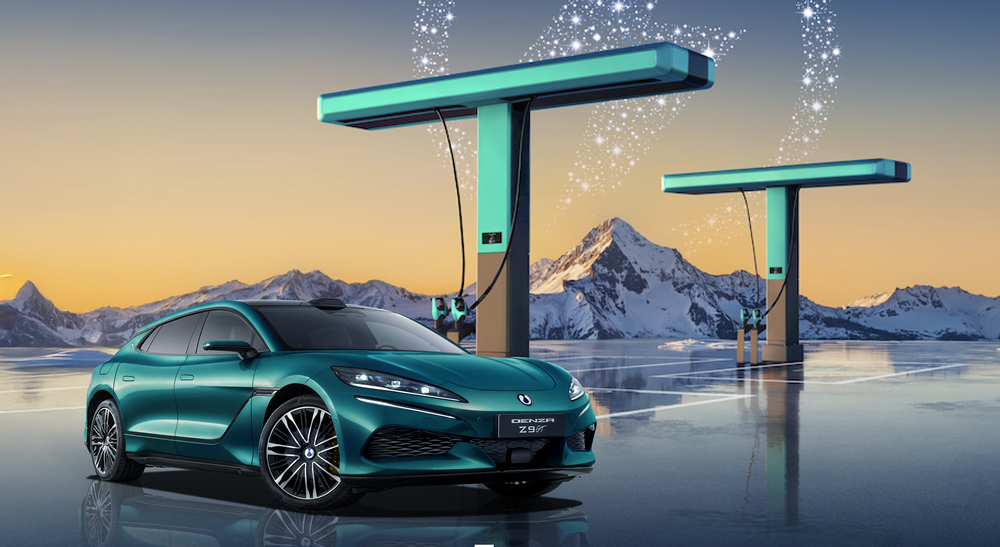
BYD’s FLASH Charging system breaks records with a 10% to 70% charging time in just 5 minutes (reaching 97% in 9 minutes).
-
The advanced technology uses a 1,500 kW power supply and a new second-generation BYD Blade Battery. Of course, the EV must also be able to charge at such a high level.
One of the drawbacks of an EV, compared to an ICE (internal combustion engine) car, has been the time it takes to ‘refuel’. While an EV does not take in fluid fuel like petrol which can be done in minutes, recharging the battery pack takes tens of minutes… overnight if you have an almost empty battery pack.
But just as with mobilephone battery technology, EV battery technology has also advanced each year, along with the associated charging technologies. The time an EV owner now needs to spend at a charging station is considerably shorter than just a few years ago, especially when using the more powerful DC fast-chargers.
BYD, having been a leader in batteries even before it became a leader in EVs, has obviously been ahead of others in the technology curve. It’s not unexpected that a breakthrough in cutting charge time significantly would come from this company which has just announced its FLASH Charging system.
The new technology relies on a 2-pronged technical evolution involving both infrastructure and battery chemistry. Centering on a massive 1,500 kW output, the FLASH Charging stations will utilize a high-voltage platform capable of delivering 1,500 amps through a single cable.
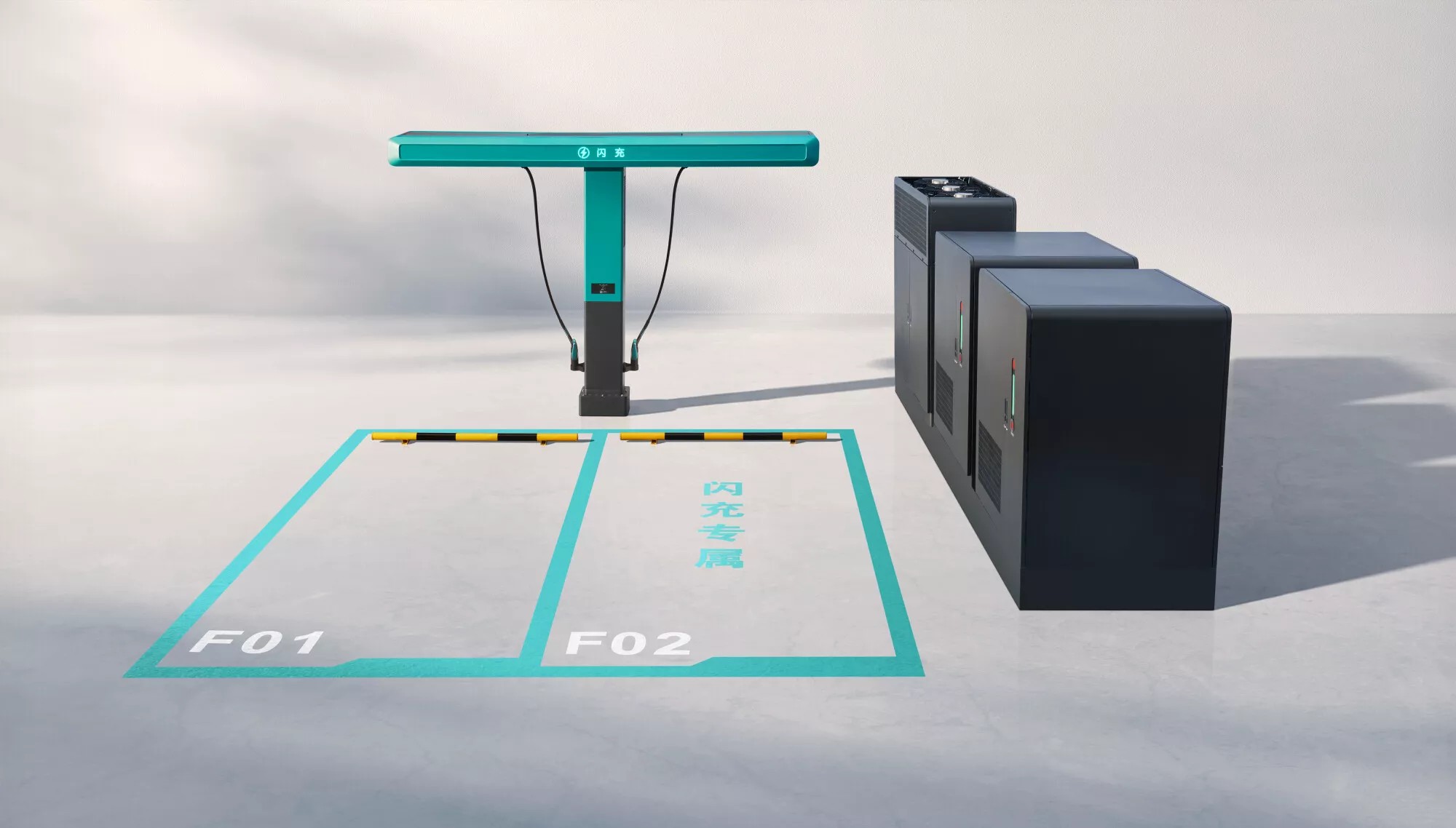
To prevent these high-power demands from destabilizing local electricity grids, each station is paired with an integrated energy storage system. This acts as a buffer, drawing power from the grid at a steady, lower rate and discharging it rapidly during active charging sessions.
New charging station design
The physical design of the charging station also departs from traditional pedestal layouts. It features a T-shaped overhead structure with a suspended cable system. This arrangement is intended to keep heavy, liquid-cooled cables off the ground, protecting the connectors from dirt and moisture. A rail-sliding mechanism allows the cable to reach charging ports regardless of their position on the vehicle, addressing a common logistical hurdle at multi-brand charging hubs.
Second generation Blade Battery
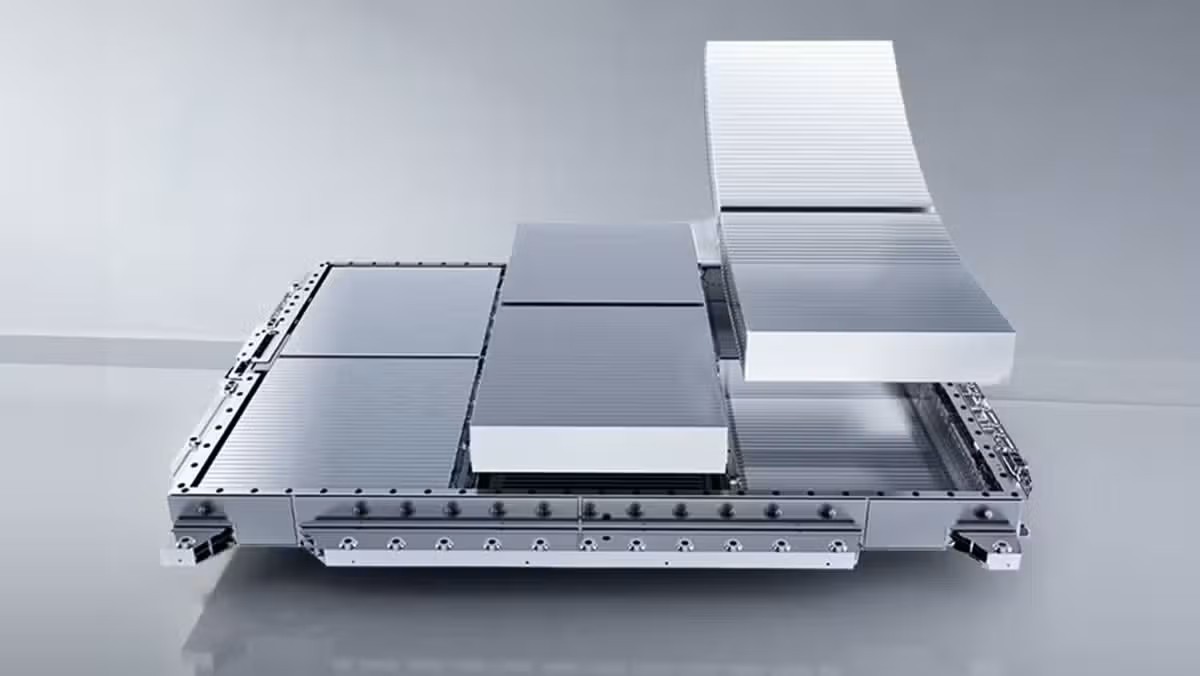
Along with this innovation is the second generation of the Blade Battery developed by BYD and originally introduced in 2020. While it retains the lithium iron phosphate (LFP) chemistry favoured for its thermal stability and longevity, the internal architecture has been completely redesigned.
BYD engineers focused on a FlashPass ion transport system to reduce internal resistance. This involved aligning graphite particles in the anode perpendicular to the electrode plane, creating a direct path for lithium ions to move, which facilitates faster energy intake without excessive heat buildup.
These internal modifications result in a battery that can theoretically jump from a 10% to a 70% state of charge in 5 minutes. Reaching a near-full 97% capacity is projected to take 9 minutes under optimal conditions. By setting the ‘full’ benchmark at 97% rather than 100%, the system allows a small buffer for regenerative braking energy once the vehicle returns to the road, while also avoiding the significant charging slowdown typical of the final few percentage points in lithium-ion cells.
Low-temperature performance has historically been a problem for LFP batteries, which often see charging speeds lengthen in freezing weather. BYD’s updated thermal management system and AI-optimized electrolyte are designed to address this. Test data indicates that even at temperatures as low as -30°C, the battery can recharge from 20% to 97% in 12 minutes. This suggests a higher level of chemical activity and ionic mobility in extreme cold than was possible with previous generation LFP packs.
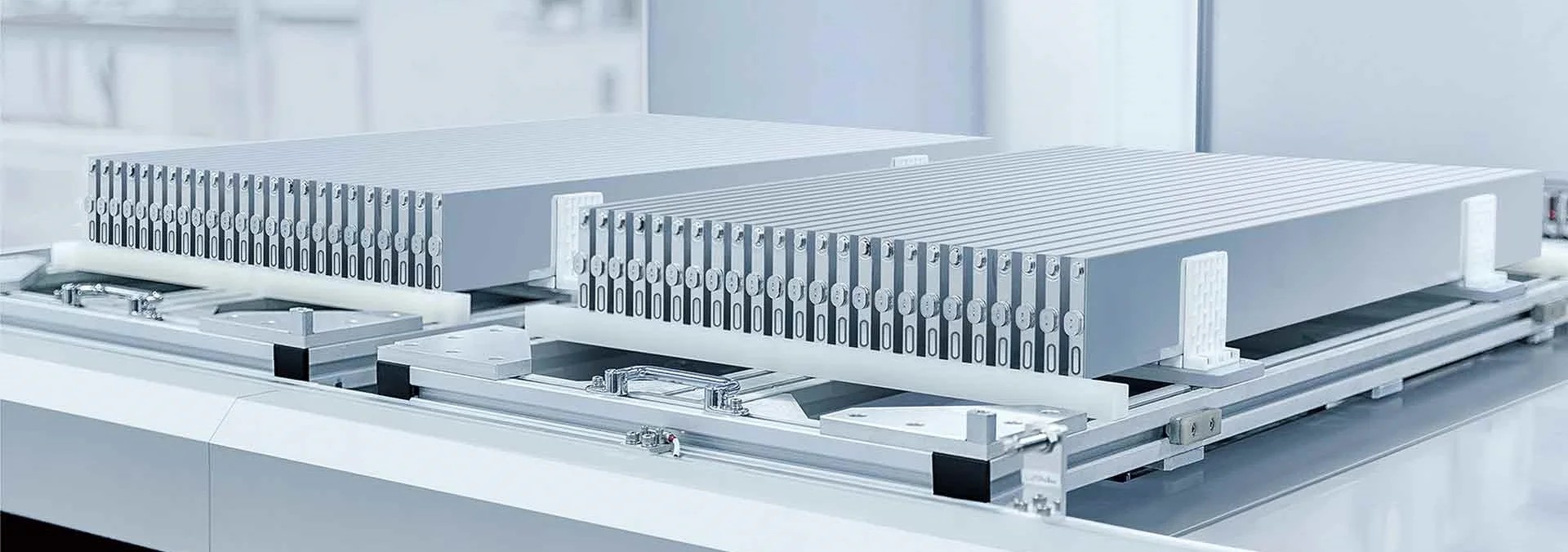
Beyond speed, the second-generation battery offers a marginal 5% increase in energy density. While small, this gain is achieved despite the added hardware required for ultra-fast charging, which usually forces a trade-off in pack volume.
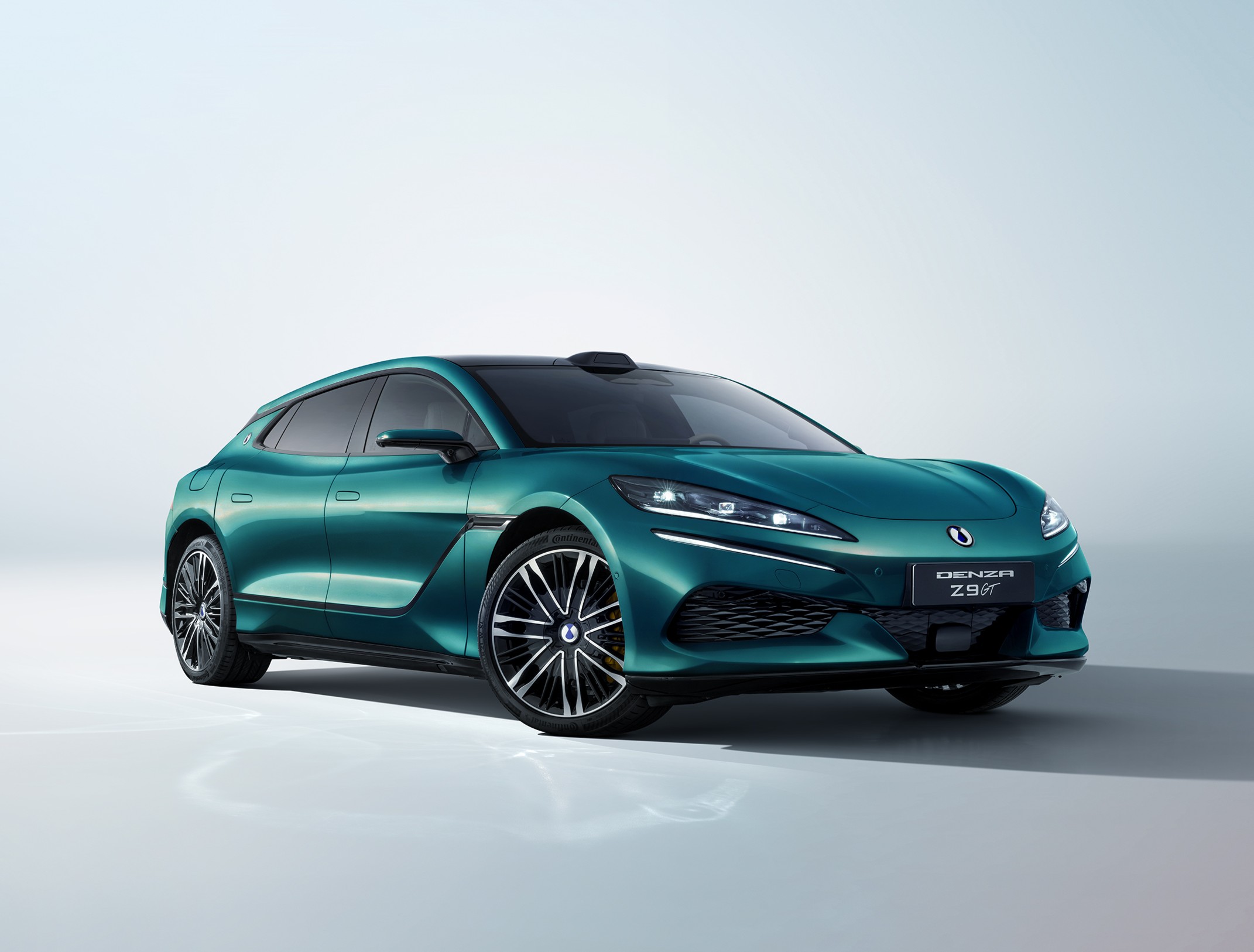
In the DENZA Z9GT, this allows for a 122 kWh capacity, supporting an estimated range of up to 800 kms. The focus remains on maintaining the volumetric efficiency that the original Blade form factor introduced 6 years ago.
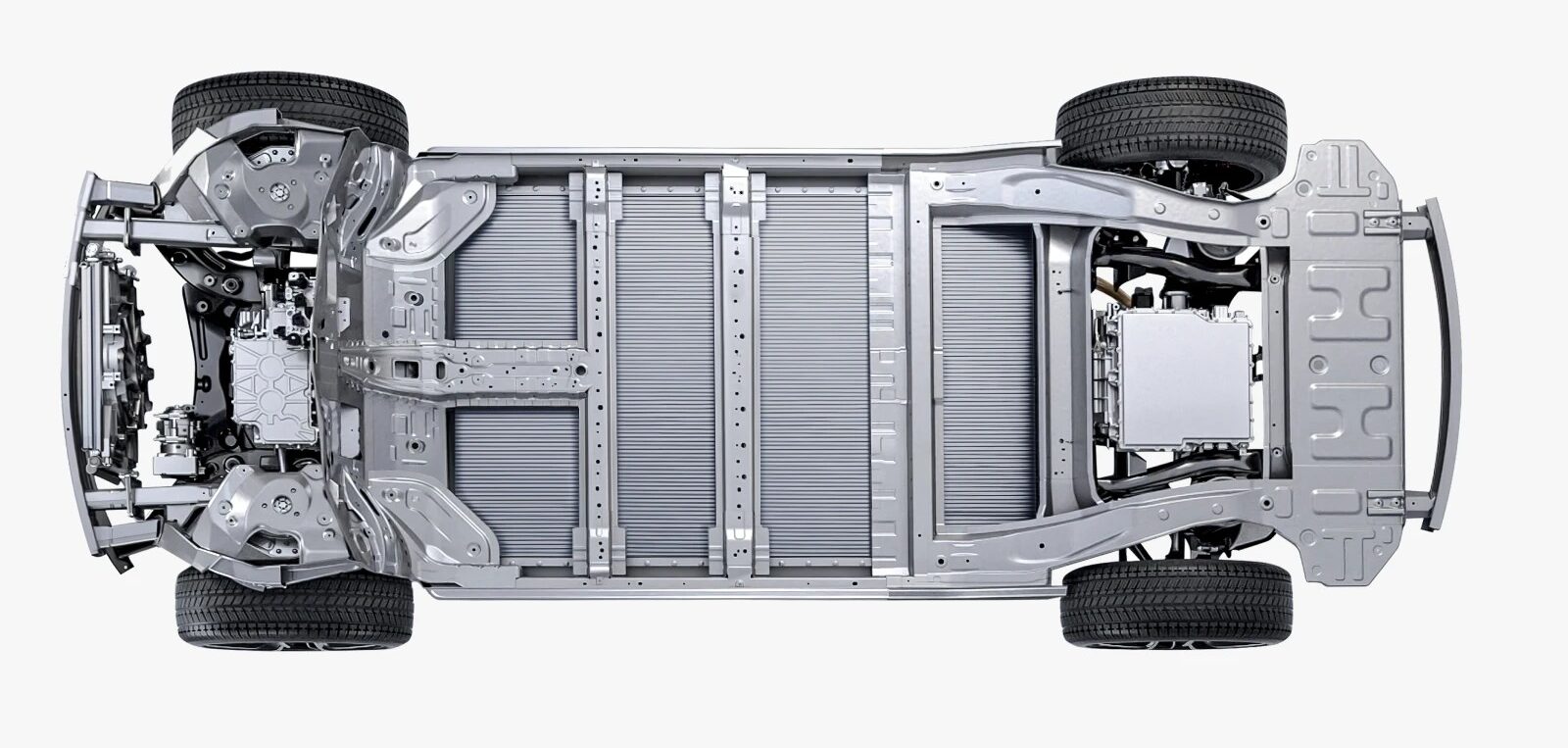
Long-term durability is another critical metric for high-power systems. Rapid charging typically accelerates electrode degradation, but the use of a thinner, denser Solid Electrolyte Interphase layer is intended to protect the battery’s longevity. BYD claims that the new architecture actually shows a 2.5% reduction in total capacity degradation compared to the first-generation Blade Battery, even when subjected to frequent high-current sessions.

High safety standards maintained
Safety has always been a priority and the safety protocols include a specific test where the battery is subjected to a nail penetration while simultaneously receiving a high-voltage charge. This evaluates the pack’s ability to handle physical damage during its most thermally volatile state. Results showed no thermal runaway or fire after 500 consecutive flash-charging cycles, suggesting that the LFP chemistry’s inherent safety remains intact despite the much higher energy throughput.
20,000 stations in China
In its huge home market, BYD has already set up thousands of Flash Charging stations and aims to have up to 20,000 such facilities by the end of 2026. It will also be setting up the high-powered stations in Europe, along with the launch of the Z9GT, this year.
While the cost of a FLASH Charging station is likely to be very high (even a 30 kW DC fast-charger costs around RM27,000), the introduction of a FLASH Charging station will also be pointless if the EVs cannot use such a high power supply. If the charging system in the EV is designed for up to 300 kW, that’s the level it will charge at even if the supply can be 5 times higher.
Click here to know more about DENZA models in Malaysia
BYD YANGWANG electric supercar sets lap record at Nurburgring