Volkswagen has a long history of pushing fuel consumption down to its lowest levels, developing technologies and vehicle forms that would be used for production models.
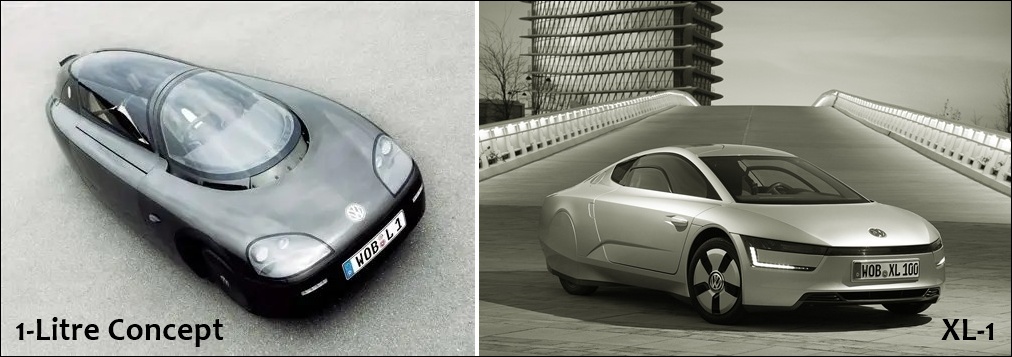
In 2002, for example, the 1-Litre Concept achieved a consumption of 112.4 kms/litre (317 mpg) and the PHEV XL-1 – which saw limited production of 250 units for public sale – went 110 kms on a litre of fuel in 2011.
Reducing electric consumption
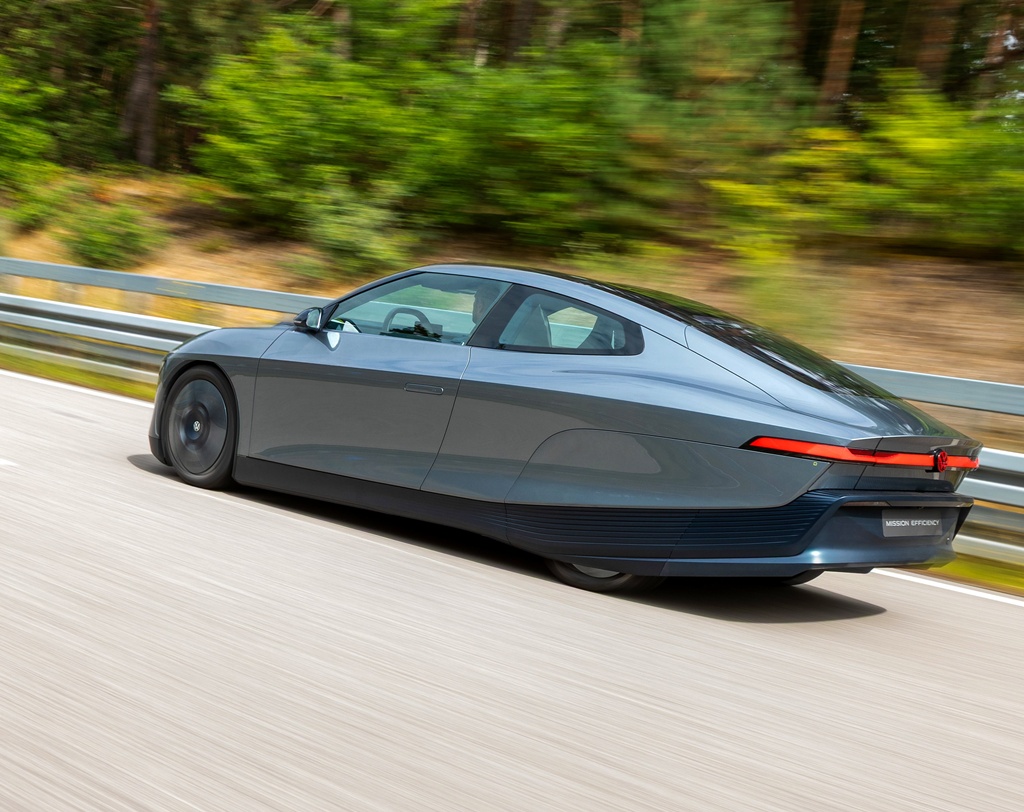
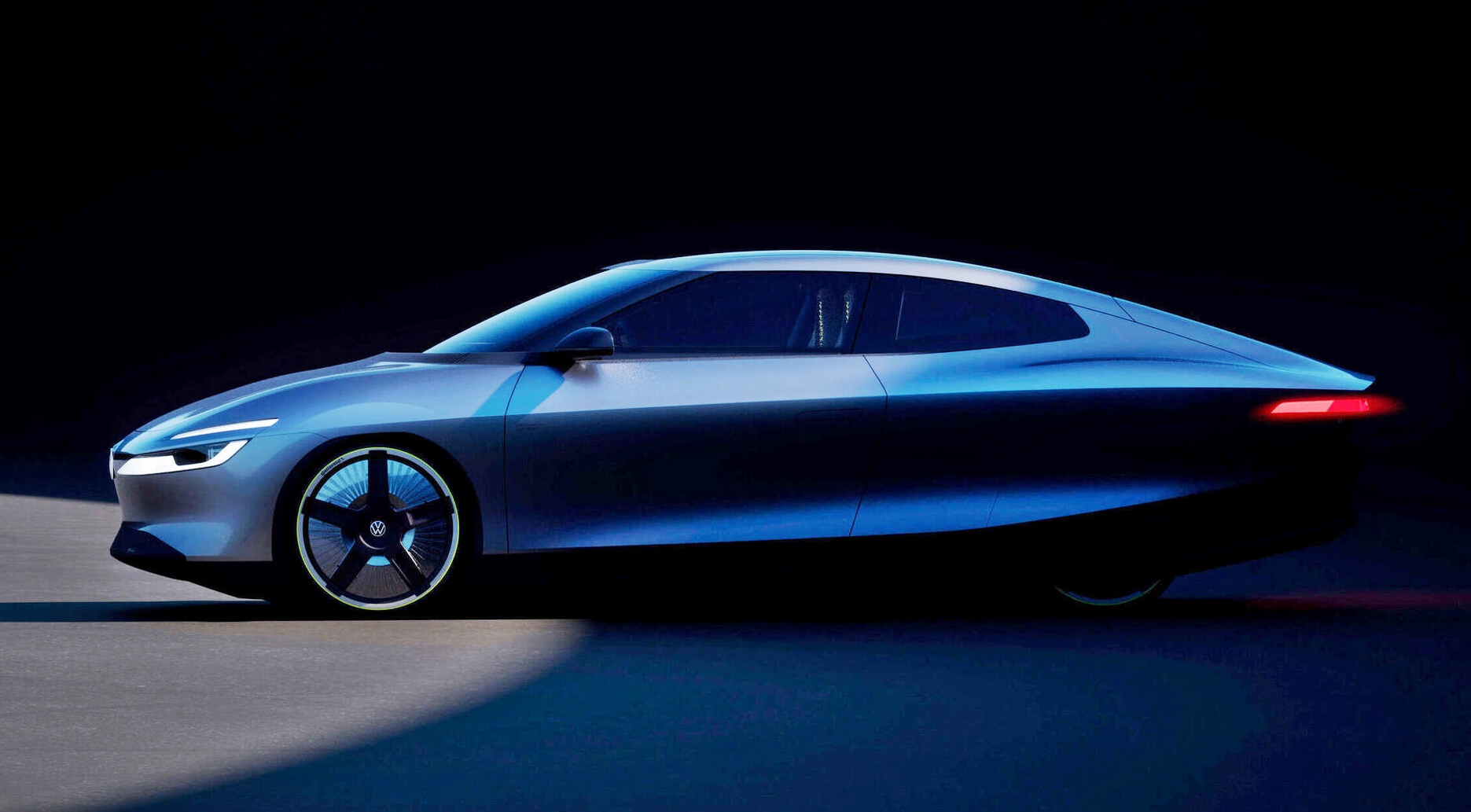
In 2026, the German automaker is again in pursuit of the lowest consumption levels – this time with a fully electric powertrain in the Mission Efficiency concept. This is a road-approved prototype designed to highlight how far EV efficiency can be pushed using scalable, large-scale production technology.
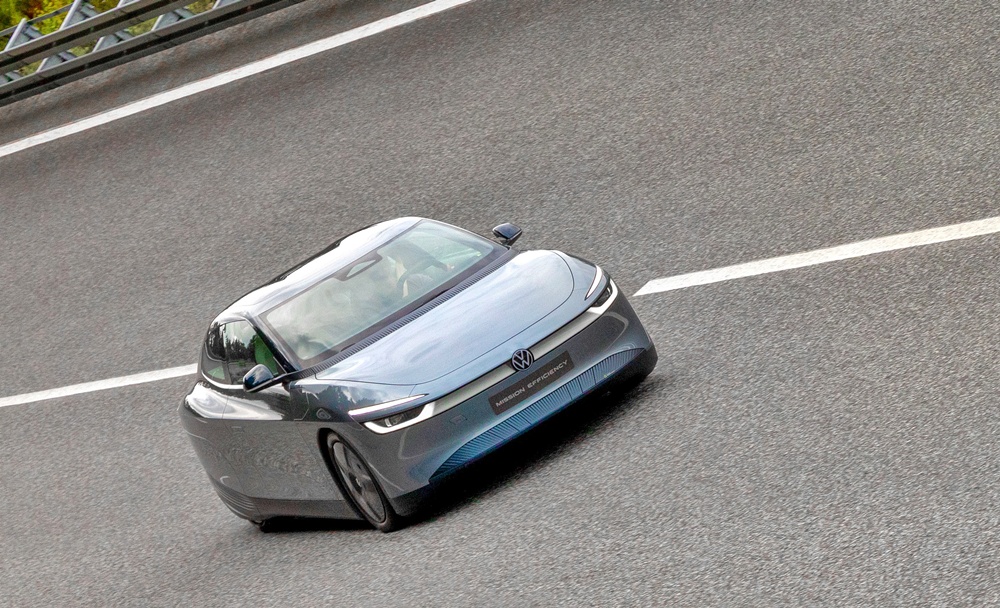
Influenced by the form of the XL-1 and built on the front-wheel drive MEB+ architecture for the upcoming ID. Polo and ID. Cross, the vehicle serves as a technical showcase for low-drag engineering rather than a limited-run exotic.
0.158 Cd
During a recent test run, the prototype recorded 3 distinct performance benchmarks. The central achievement is a drag coefficient of 0.158 Cd, marking a record figure for road-homologated vehicles.
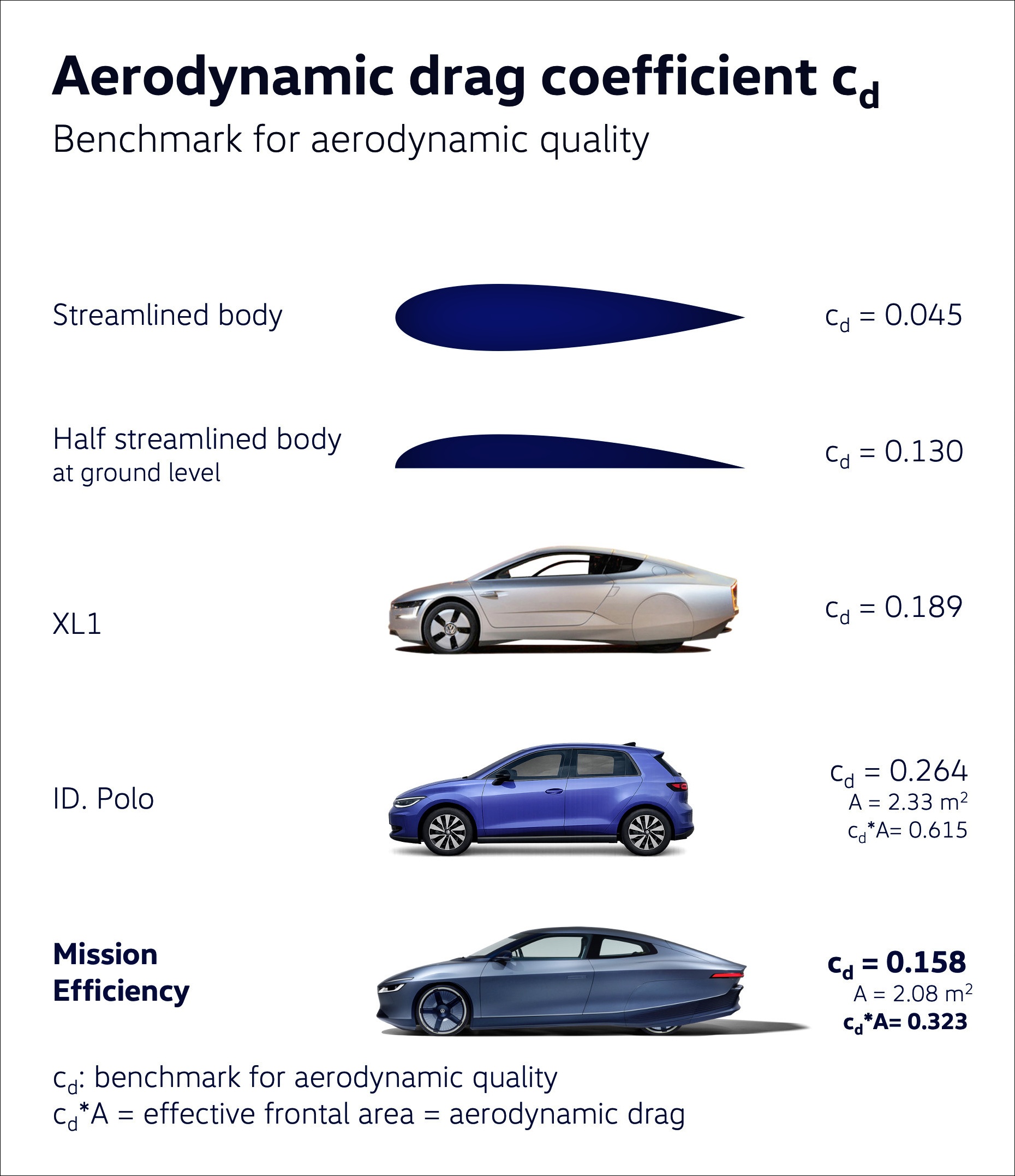
Working in tandem with a reduced frontal area of 2.08 square metres, the low air resistance translates directly into reduced energy consumption, particularly at higher speeds where aerodynamic drag dominates vehicle load.
At speeds above 80 km/h, the Mission Efficiency consumes over 30% less energy than the standard ID. Polo, while at 140 km/h, its power draw matches that of the production ID. Polo travelling at 100 km/h.
6.48 kWh/100 kms
In controlled conditions during an ‘ideal trip’ test — conducted at a constant 67.72 km/h without elevation changes or auxiliary loads like air conditioning — the prototype recorded an energy consumption figure of 6.48 kWh/100 kms.
To demonstrate real-world operational performance, Volkswagen engineers conducted an officially documented 1,278.36-km cross-border drive from to Vienna, Austria. The vehicle maintained an average speed of 67.72 km/h and reached a top speed of 138 km/h along the route.
Equipped with a net 54.9 kWh battery pack, the prototype required only a single mid-journey charging stop. Upon arrival in Vienna, the instrument panel registered 164 kms of remaining range.
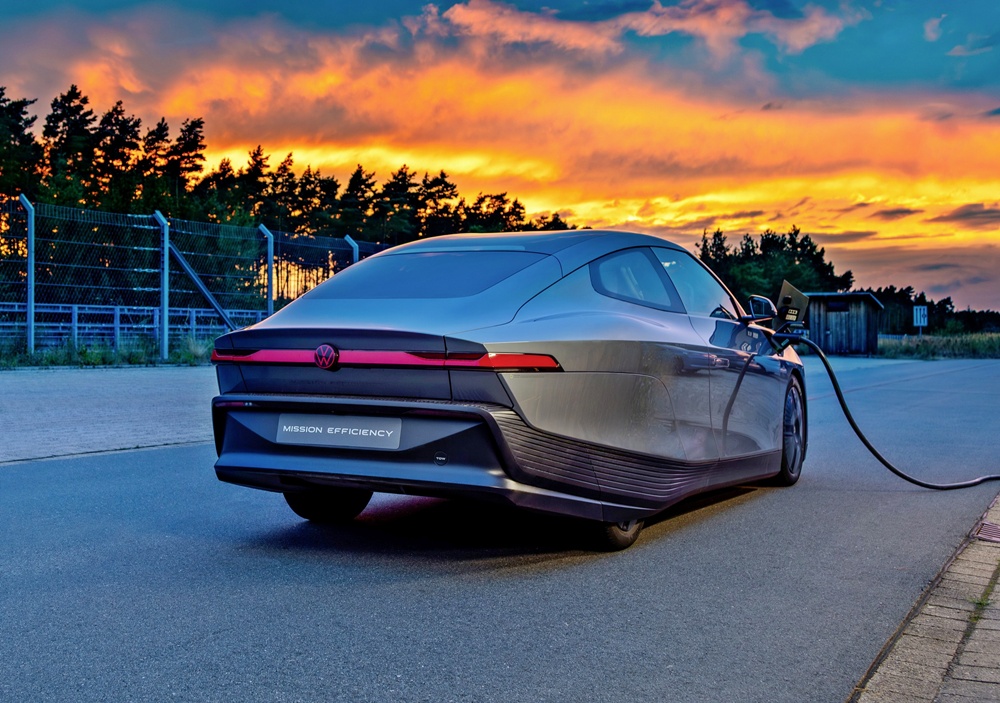
Over the entire distance, real-world energy consumption averaged 7.51 kWh/100 km including charging losses, or 6.89 kWh/100 km measured directly from the vehicle.
Aerodynamic form refined
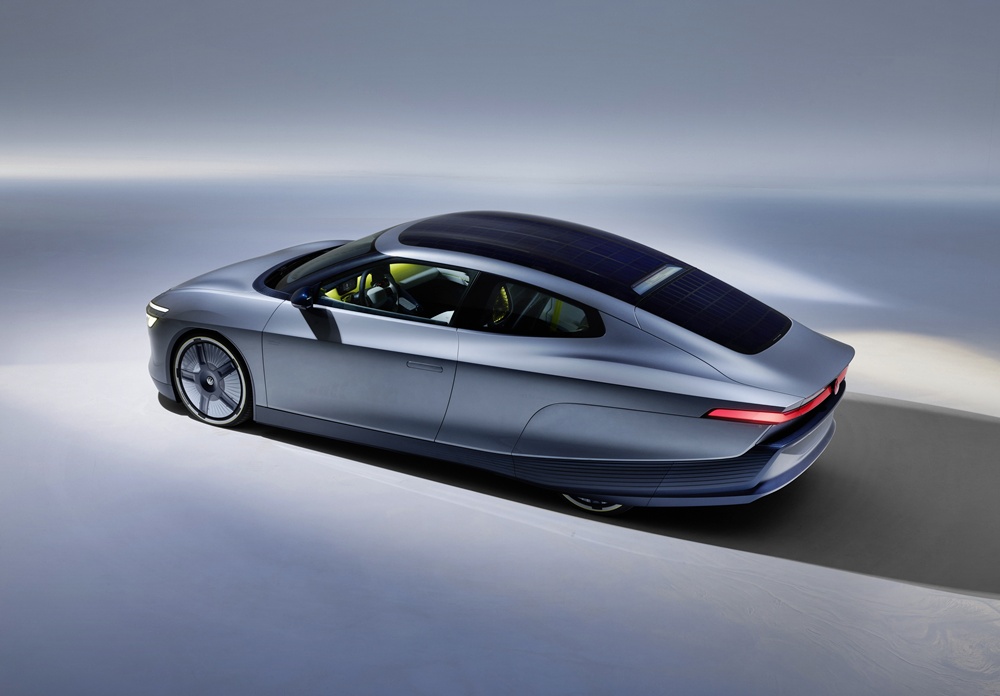
The vehicle’s aerodynamic profile relies on a traditional teardrop shape, an enclosed underbody, covered rear wheels, active cooling air flaps, frameless door glass, and flush door handles.
Measuring 4775 mm in length and 1392 mm in height, the coupe configuration has a 2+2 seating layout with a 481-litre rear luggage compartment.
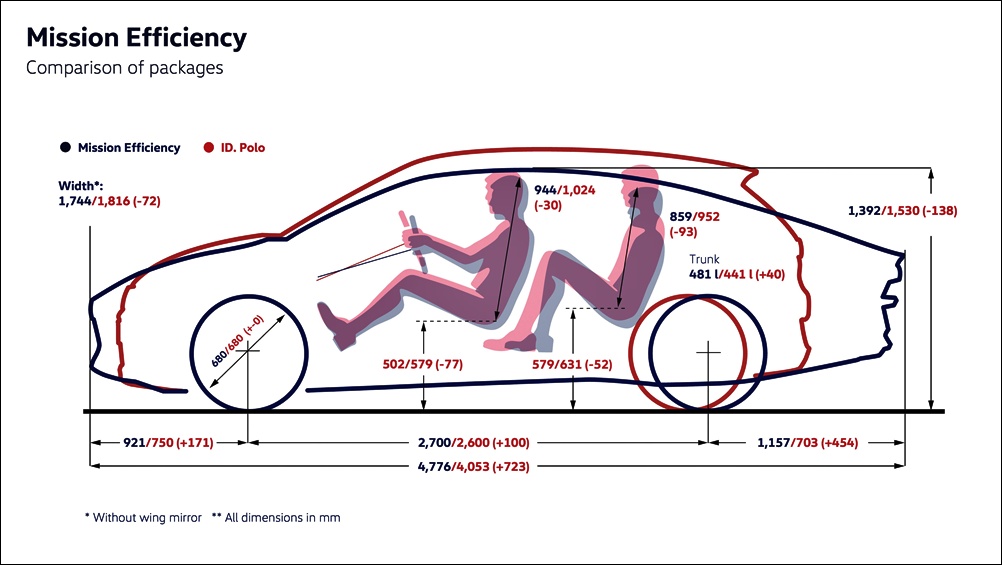
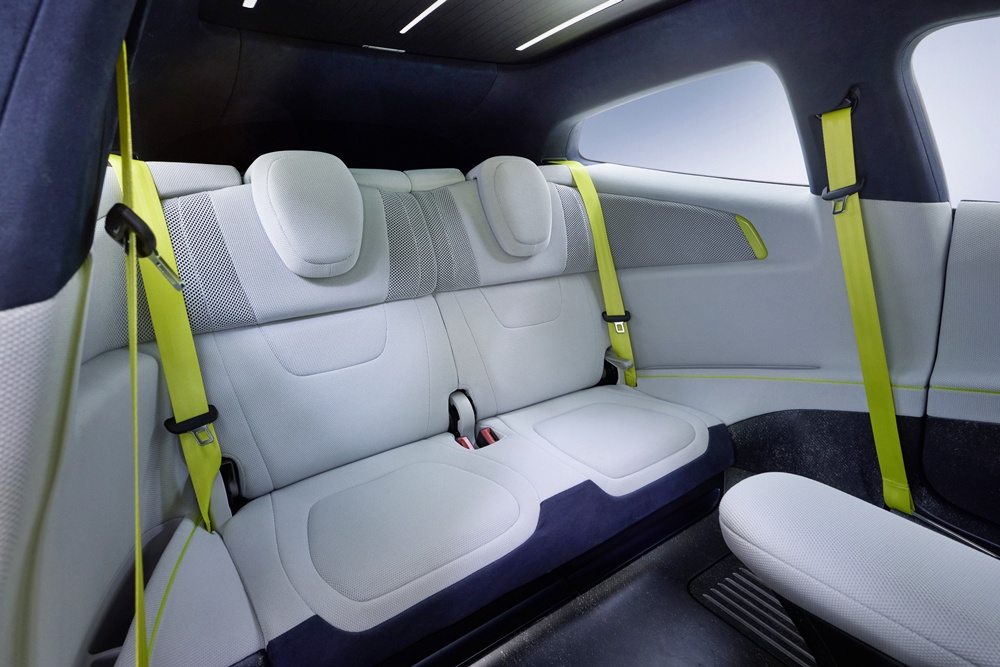
The body structure combines standard ID. Polo components with a self-supporting aluminium frame, high-strength carbonfibre-reinforced polymer and aramid composites.
The running gear shares significant commonality with Volkswagen’s upcoming entry-level EVs. Power comes from the standard 99 kW (135 PS) electric motor mounted to a MacPherson front axle.
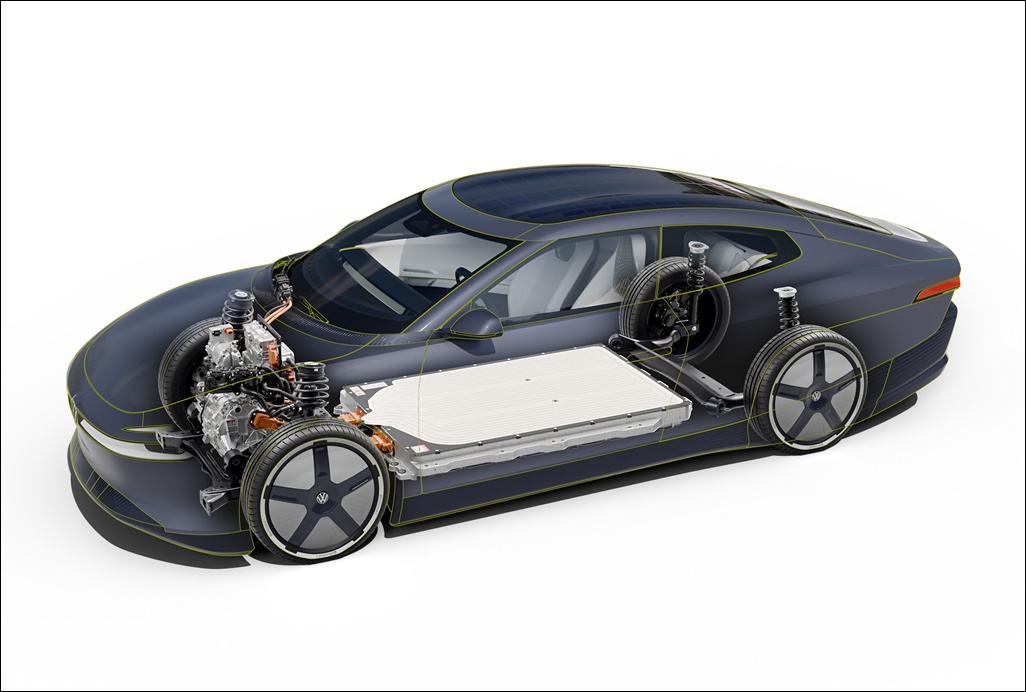
Stopping power at the front is provided by conventional hydraulic brakes, whereas the rear axle introduces an electromechanical braking system. Removing hydraulic fluid lines at the rear reduces friction losses and weight, while enabling variable brake force distribution to maximize energy recuperation.
Wheels and tyres
Wheel and tyre design was another primary area of development, as wheel assemblies typically account for up to 30% of total aerodynamic drag. Front wheel arch clearances are tight, with flat outer hubcaps and patented internal rim deflectors to prevent turbulent air from gathering inside the wheel wells.
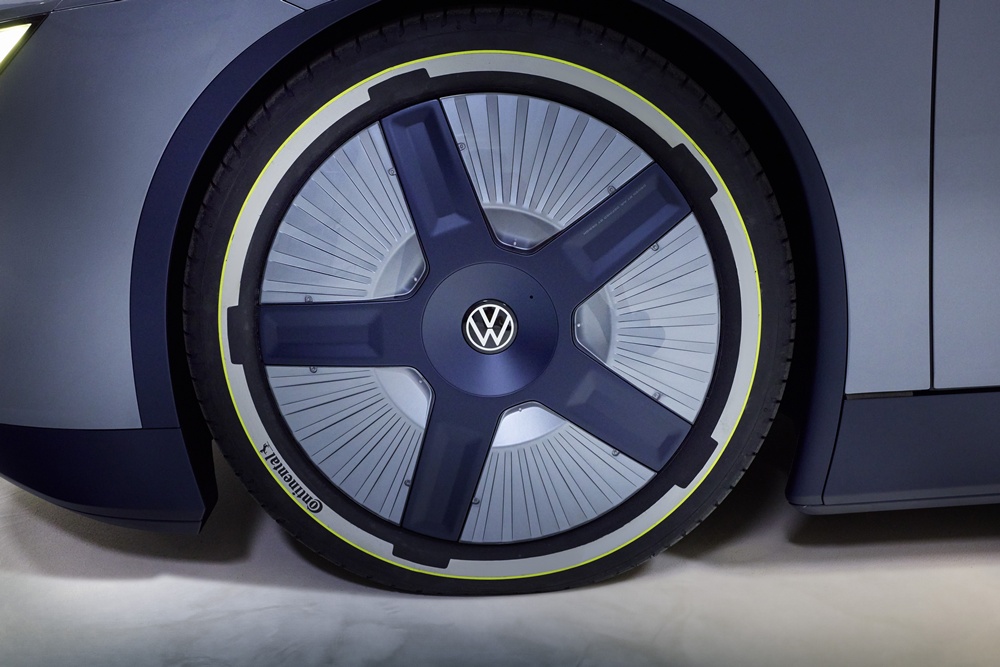
The EcoContact 7 concept tyres fitted were developed in collaboration with Continental. They have a modified tread compound and reworked sidewall structures, and generate a rolling resistance of 4.9 kgs per tonne.

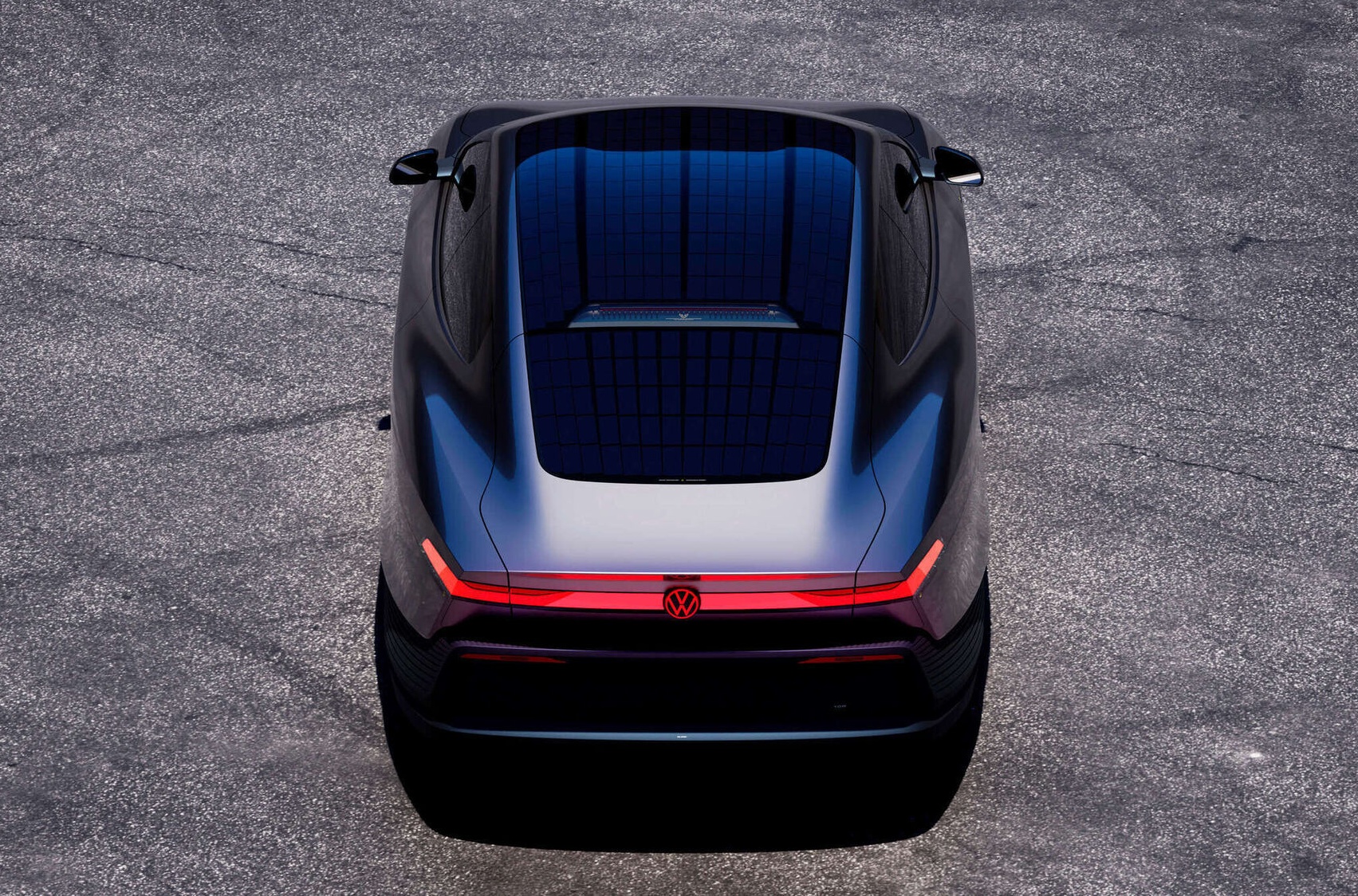
Auxiliary energy generation and weight reduction round out the vehicle’s design strategy. A 370W photovoltaic system integrated into the glass roof and tailgate feeds the 12V on-board electronics, providing up to 30 kms of additional daily range depending on atmospheric conditions.
Weight is further reduced using lightweight door panelling, a removable Bluetooth speaker in place of traditional audio hardware, and a smartphone dock that replaces a dedicated infotainment screen.
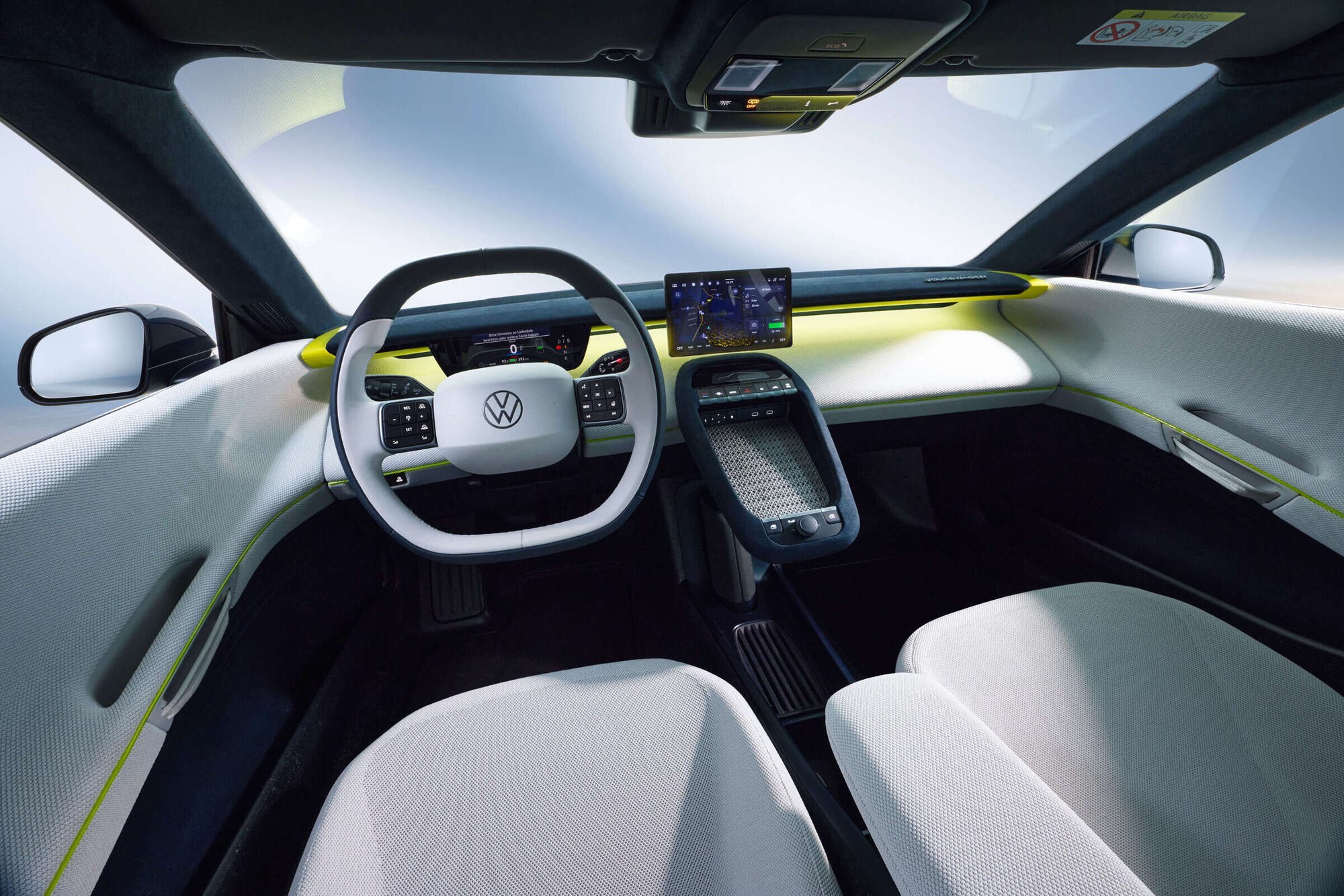
By combining existing MEB+ powertrain hardware with aggressive aerodynamic refinement techniques, the Mission Efficiency illustrates the practical upper boundary of EV range extension through physical drag reduction.