
Quick look
-
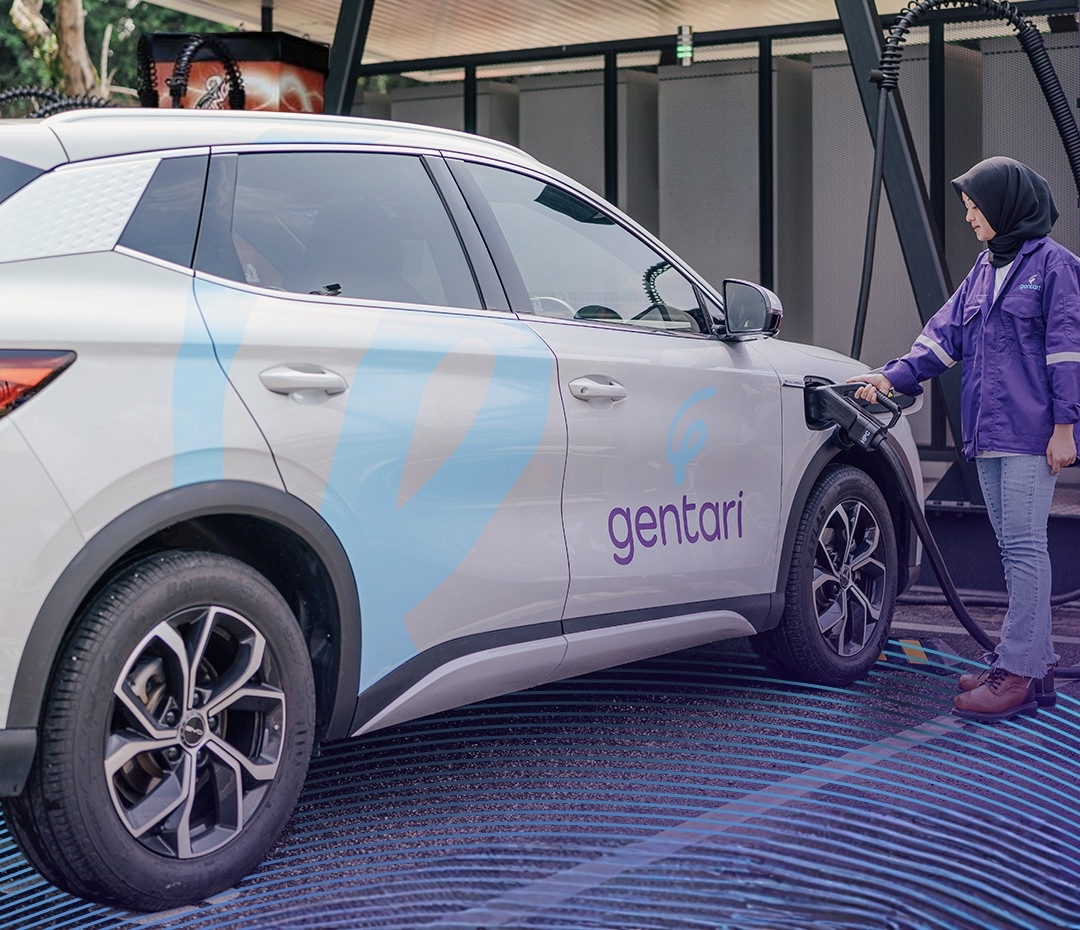
Gentari and LLM have replaced the old 24 kW charger at the PETRONAS station along the Penchala Link in Kuala Lumpur with a 200 kW DC fast charger.
-
While a 200 kW supply means faster charging, only EVs that can accept that level or more will fully benefit. Older models which accept lower charging rates will not benefit much.
EV owners who regularly use the Penchala Link will be aware that there’s a charging station at the PETRONAS station on the Damansara-bound side. It has been there for a while and has been providing 24 kW electricity supply for charging EVs.
Now the station has been upgraded to 200 kW DC power by Gentari, in collaboration with Lembaga Lebuhraya Malaysia (LLM). The charging station has charging points for up to 3 vehicles and is the only 200 kW charging point within a 5-km radius.
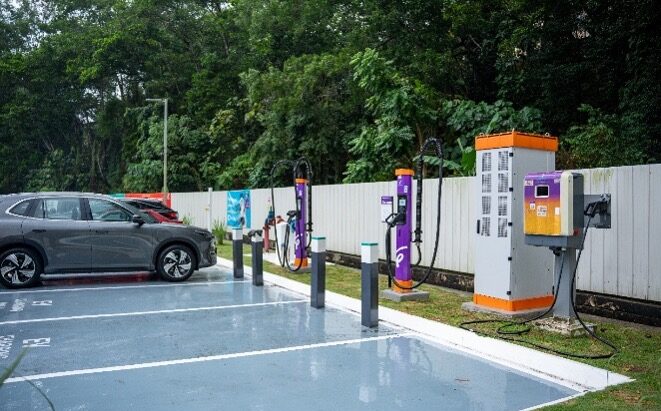
With this upgrade, charging time can be reduced by approximately 20 minutes, meaning each minute will add more range than before so the motorist doesn’t have to wait long.
Not EVs accept 200 kW
However, not all EVs will fully benefit from the higher power supply. Some older EVs like the 2022 Hyundai Kona had a maximum charging rate of around 100 kW so when using a 200-kW charger, it would still only be able to charge at the 100 kW speed. This is the way the original charging system was designed and can’t be changed.
But EV technology moves at a fast pace and newer and more advanced models such as the Porsche Taycan can handle a supply of up to 320 kW so such models will recharge at their fastest speed with a 200 kW charger.

This is a point for those buying EVs to note because the claim for charging times is usually based on using a charger that supplies electricity at the maximum rate the EV can accept. If the charger has a lower supply, then the charging time will be slower than what is claimed.

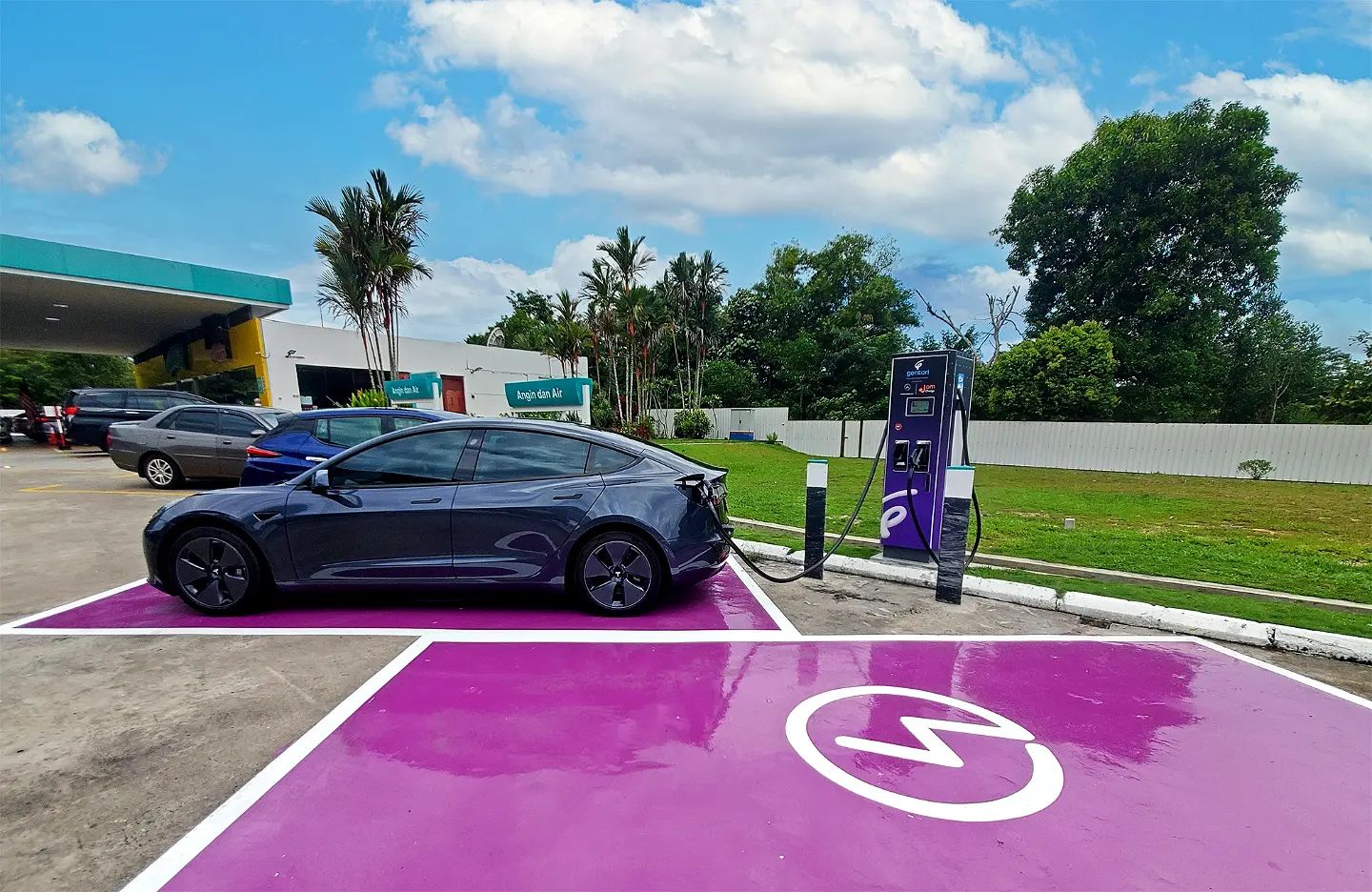
Generally, DC fast-chargers are recommended for top-ups to the battery pack, rather than for long charging sessions which are better done with an AC charger. For example, Tesla says its Model 3 can get up to 311 kms of range when using the brand’s own 250 kW Superchargers.
More powerful chargers in future
With newer EVs having 800V architecture which enables higher DC charging rates, charging stations are also being upgraded to provide owners with maximum benefits. In Malaysia, there are some locations with DC fast chargers with power supply of 400 kW – 480 kW. Currently, the fastest DC charging technology is BYD’s, which can supply 1,500 kW at a charging station.