
![Volkswagen ID.3 Neo EV [2026]](https://www.motaauto.com/wp-content/uploads/2026/04/2026-Volkswagen-ID.3-EV-6.jpg "Volkswagen ID.3 Neo EV [2026]")
Quick look
-
The ID.3 Neo serves as a major ‘course correction’ that addresses the issues and criticisms of the original model launched in 2019.
-
The hated haptic touch-pads have been replaced with physical buttons on the steering wheel, with added backlit sliders and tactile switches for climate control and volume.
The original ID.3 was a significant model for Volkswagen. In fact, it was considered one of the critical milestones in the automaker’s history. Its internal leadership described it as the ‘third major chapter’ for the brand, placing its importance on the same level as the original Beetle and Golf.
The ID.3 was the first vehicle built on the Modular Electric Drive Matrix (MEB). Unlike previous electric Volkswagens (like the e-Golf), which were internal combustion cars converted to electric, the ID.3 was engineered from the ground up as an EV.
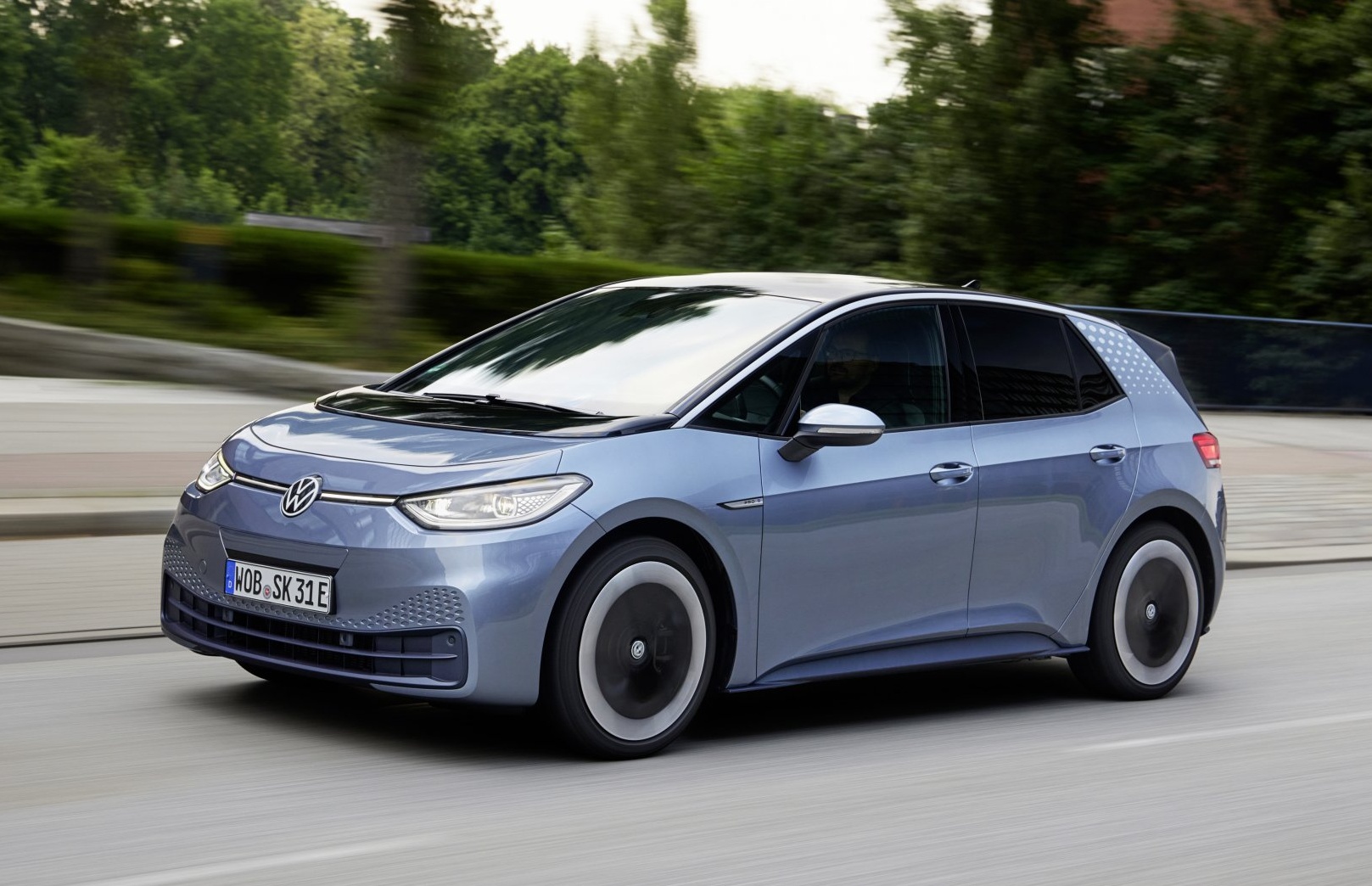
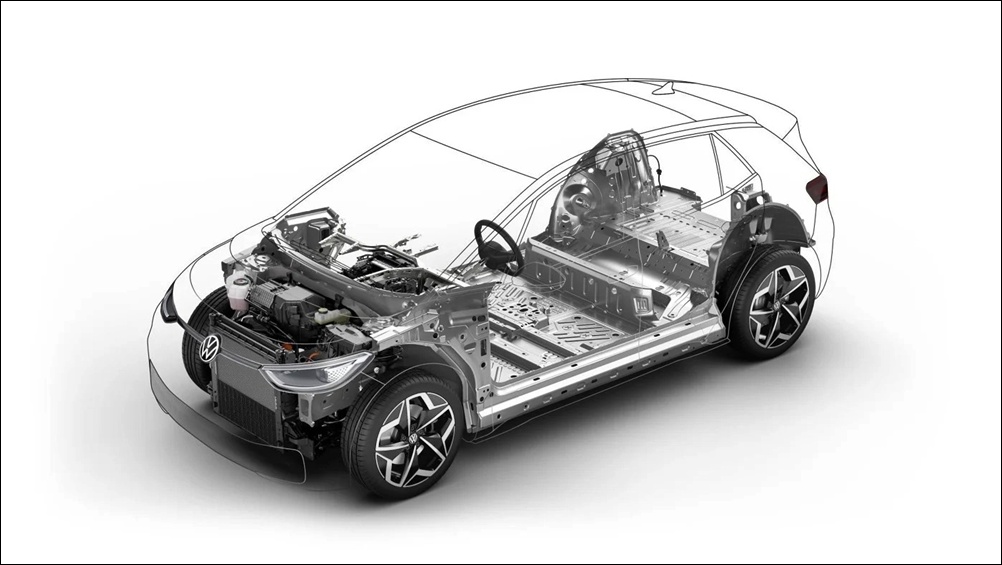
The ID.3 was the face of Volkswagen’s massive strategic shift following the 2015 emissions scandal. While Tesla proved that EVs could be luxury items, the ID.3 was designed to make e-mobility mainstream in Europe.
‘Course correction’
As a first effort, the ID.3 was not without some shortcomings (software issues, material concerns), which Volkswagen did not ignore. So the new ID.3 Neo, as an evolutionary model, is also significant because it represents a ‘course correction’ for Volkswagen.
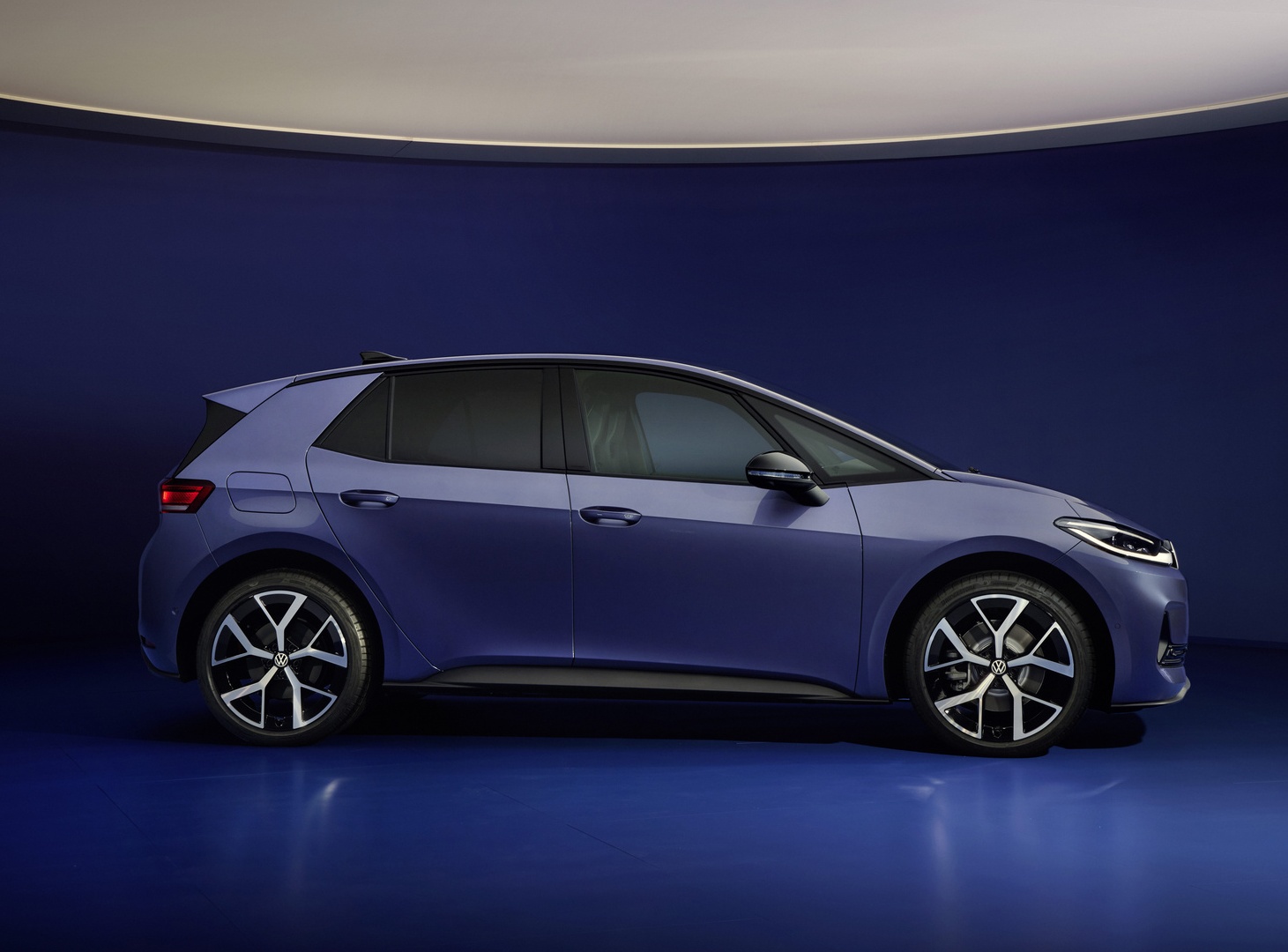
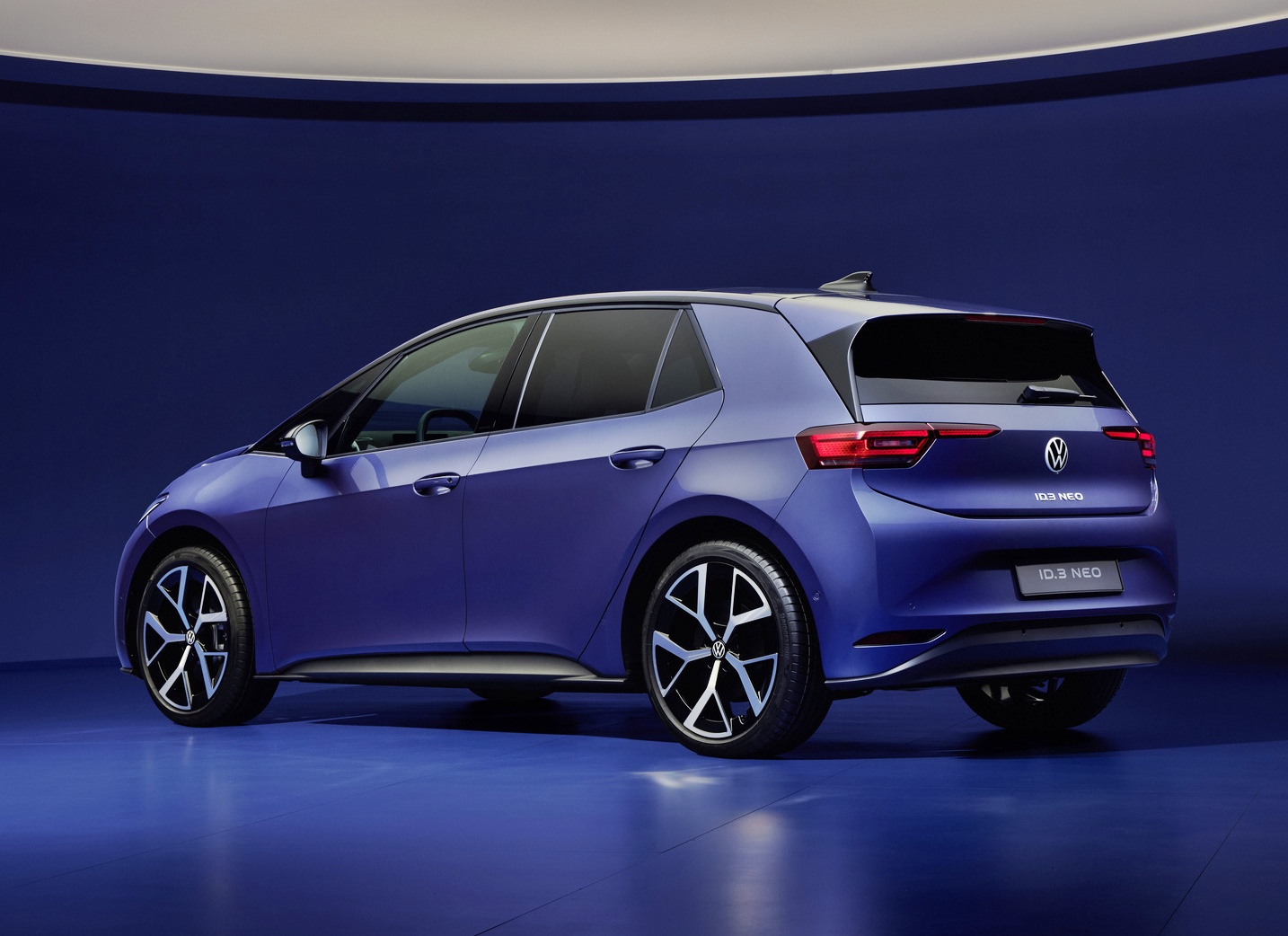
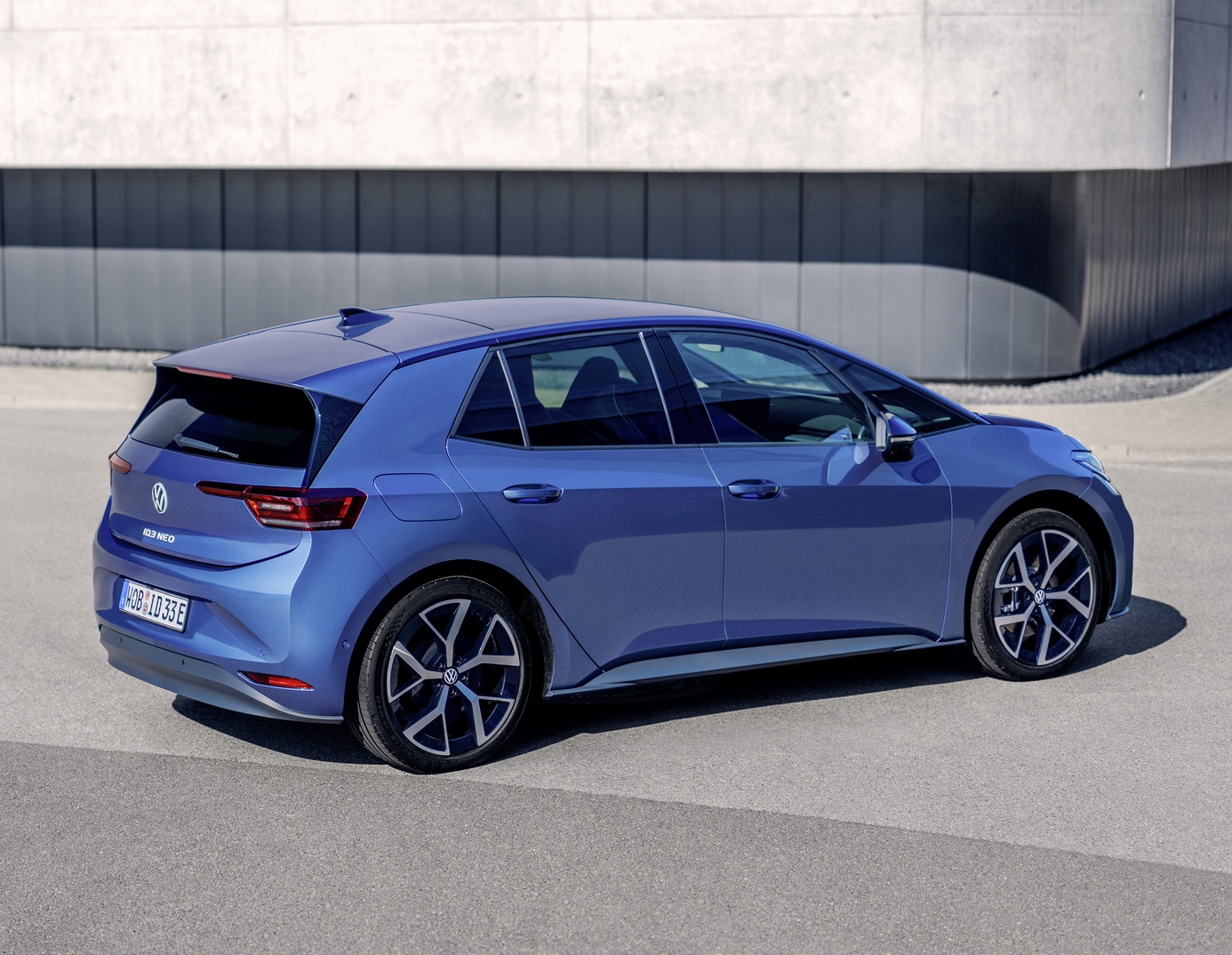
With the ID.3, the brand takes a new approach to its dedicated EV architecture and design. The most immediate change is found in the exterior surfacing, which adopts the Pure Positive design language. By painting the roof, rear spoiler, and tailgate in the primary body colour rather than the contrasting tones used previously, the car achieves a more cohesive and visually elongated silhouette.
This, combined with a sharper front fascia and a continuous light strip, aligns the compact with the updated aesthetic seen across the broader ID. family.
Re-engineerd drive system
Beneath the revised sheet metal lies a drive system that has been re-engineered for increased efficiency and performance. The new electric powertrain hardware focuses on providing higher torque delivery while reducing energy consumption during sustained cruising.
This mechanical refinement allows the flagship variant to reach a maximum range of 630 kms, a figure that places the ID.3 Neo in direct competition with larger, more expensive executive sedans.
![Volkswagen ID.3 Neo EV [2026]](https://www.motaauto.com/wp-content/uploads/2026/04/2026-Volkswagen-ID.3-EV-14.jpg)
The power delivery is categorized into 3 distinct output levels, ranging from 125 kW to 170 kW, ensuring that the chassis can be tailored to various performance requirements.
Upgraded energy management system
The energy management system has been upgraded to support faster recharging for 3 different battery sizes. The improvements are designed to maintain a consistent charging curve, reducing the time spent at public infrastructure.
The entry-level 50 kWh and mid-range 58 kWh units are capable of receiving 105 kW at DC fast-charging stations. Meanwhile, the 79 kWh battery utilizes a revised charging architecture that can accept a DC supply up to 183 kW under optimal conditions.

Many in-cabin changes
Inside the cabin, the layout has been reorganized to address previous criticisms regarding tactile quality and interface logic. The cockpit now features materials typically found in higher segments, emphasizing soft-touch surfaces and a horizontal design orientation.
![Volkswagen ID.3 Neo EV [2026]](https://www.motaauto.com/wp-content/uploads/2026/04/2026-Volkswagen-ID.3-EV-3.jpg)
This focus on material quality suggests a move back toward the traditional manufacturing standards that defined the brand’s heritage before the digital era.
The ergonomic adjustments extend to the steering wheel, which now features a rim flattened at both the top and bottom to improve visibility of the digital instrument panel. As promised, the hated haptic touch-pads have been replaced with physical buttons on the steering wheel.
![Volkswagen ID.3 Neo EV [2026]](https://www.motaauto.com/wp-content/uploads/2026/04/2026-Volkswagen-ID.3-EV-9.jpg)
![Volkswagen ID.3 Neo EV [2026]](https://www.motaauto.com/wp-content/uploads/2026/04/2026-Volkswagen-ID.3-EV-11.jpg)
Central to the interior experience is the Innovision infotainment suite, which utilizes a 12.9-inch central display and a 10.25-inch digital cockpit. The software architecture has been revised to provide fluid graphics and a more logical menu structure for secondary functions.
![Volkswagen ID.3 Neo EV [2026]](https://www.motaauto.com/wp-content/uploads/2026/04/2026-Volkswagen-ID.3-EV-12.jpg)
A significant addition to the system is an integrated in-car application store, which permits the installation of third-party software for audio, navigation, and utility without relying solely on smartphone mirroring. This standalone capability indicates a push towards a more autonomous digital ecosystem within the vehicle’s hardware.
Enhanced ADAS
The driver assistance package has been expanded to include Connected Travel Assist, which now integrates traffic light recognition into its predictive cruise control functions. By processing real-time infrastructure data, the vehicle can adjust its speed more naturally in urban environments. This, of course, requires existing infrastructure to support the function.
Additionally, the software now supports a true one-pedal driving mode, allowing the regenerative braking system to bring the car to a complete halt without physical brake application. This update simplifies the driving process in heavy traffic while maximizing energy recovery to the battery pack.
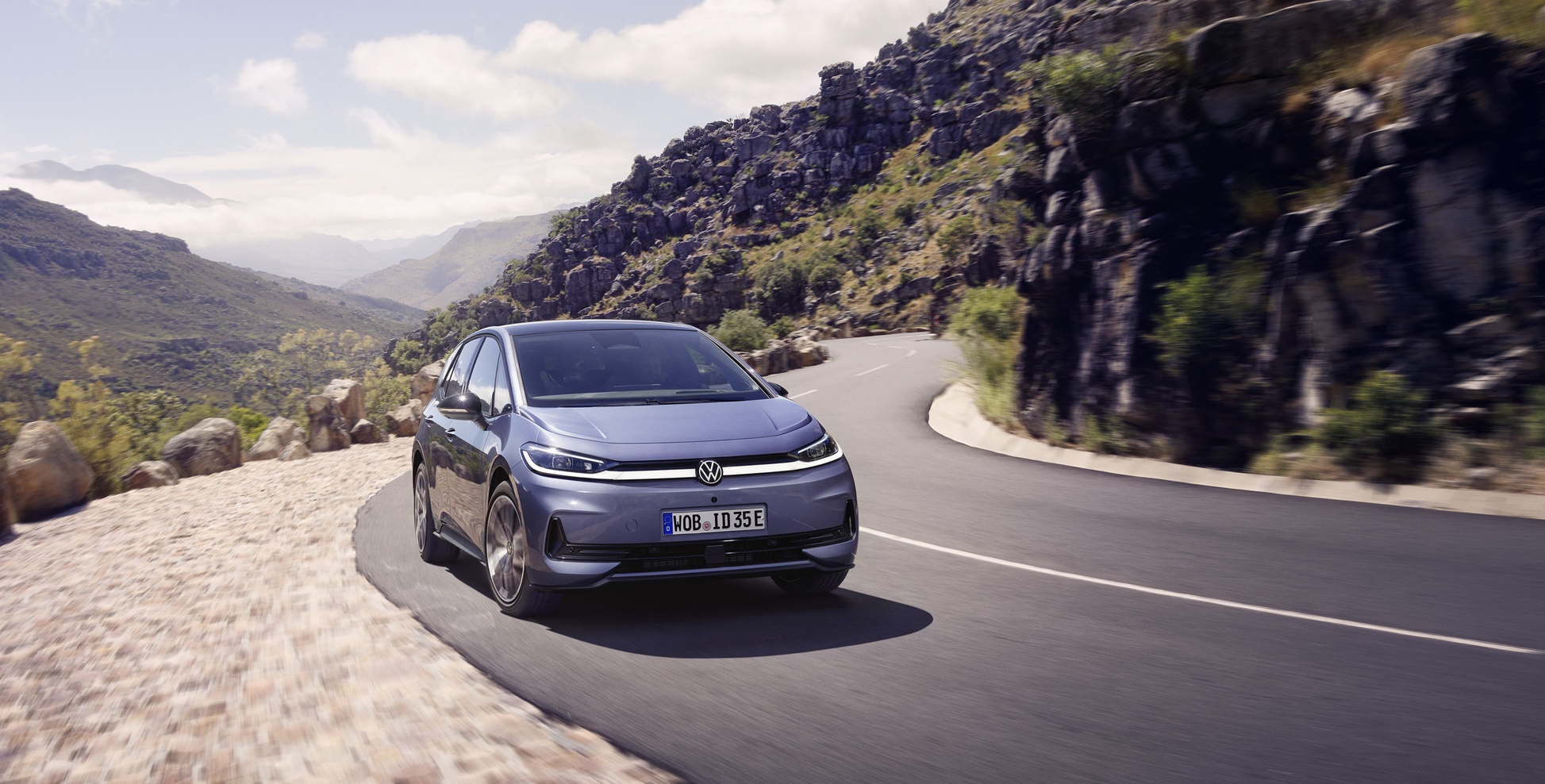
Dynamic handling remains a focus of the ID.3 Neo, with the RWD providing a tight turning circle suitable for urban navigation.
The suspension tuning has been calibrated to balance the weight of the floor-mounted battery with the need for compliant damping over irregular surfaces. With the motor positioned on the rear axle, the front wheels are dedicated entirely to steering, resulting in a level of agility that is often lost in FWD electric conversions. This mechanical layout remains one of the defining characteristics of the MEB platform’s versatility.
![Volkswagen ID.3 Neo EV [2026]](https://www.motaauto.com/wp-content/uploads/2026/04/2026-Volkswagen-ID.3-EV-4.jpg)
The interior space remains competitive for its class, benefiting from the long wheelbase made possible by the absence of an internal combustion engine. The flat floor design ensures that rear passengers have adequate legroom, while the cargo area maintains a volume consistent with traditional compact hatchbacks.
ID.3 for Malaysia?
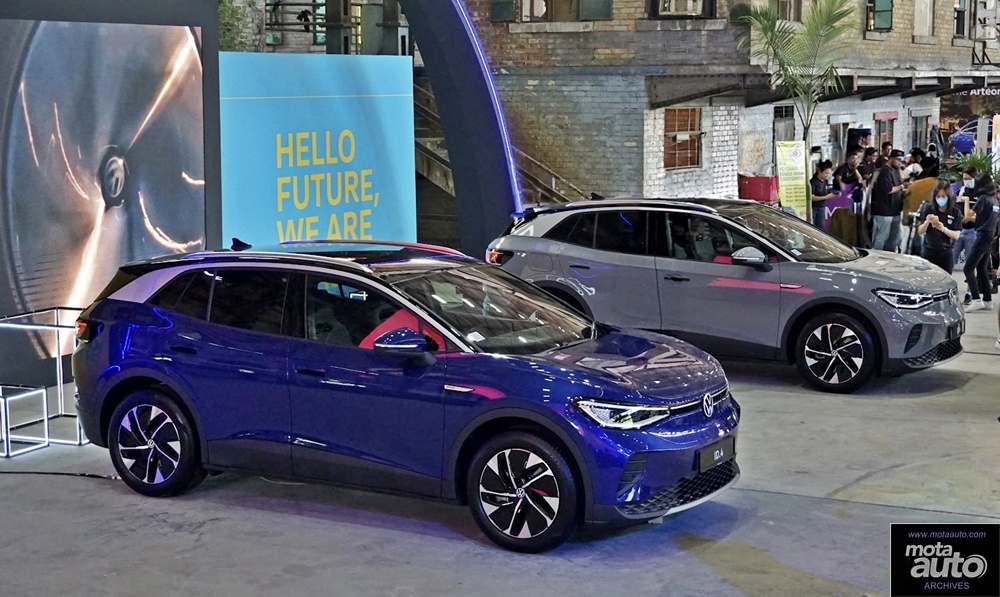
Pre-sales of the ID.3 Neo have started in some European markets. Thus far, we have not heard anything from Volkswagen Passenger Cars Malaysia (VPCM) regarding plans to offer fully electric models. In October 2022, VPCM imported two units of the ID.4 which were shown to the public and those interested were even invited to register. However, nothing more was heard and the ID.4 disappeared from their website (although the page will still pop up in a Google search).
In August 2025, Volkswagen Group Malaysia (a different unit from VPCM responsible for the local assembly business) preparations were being made for the production of electric vehicles in Malaysia. The company added that there were export plans for some of the production from its facility in Pekan, Pahang, to other ASEAN countries in 2026.
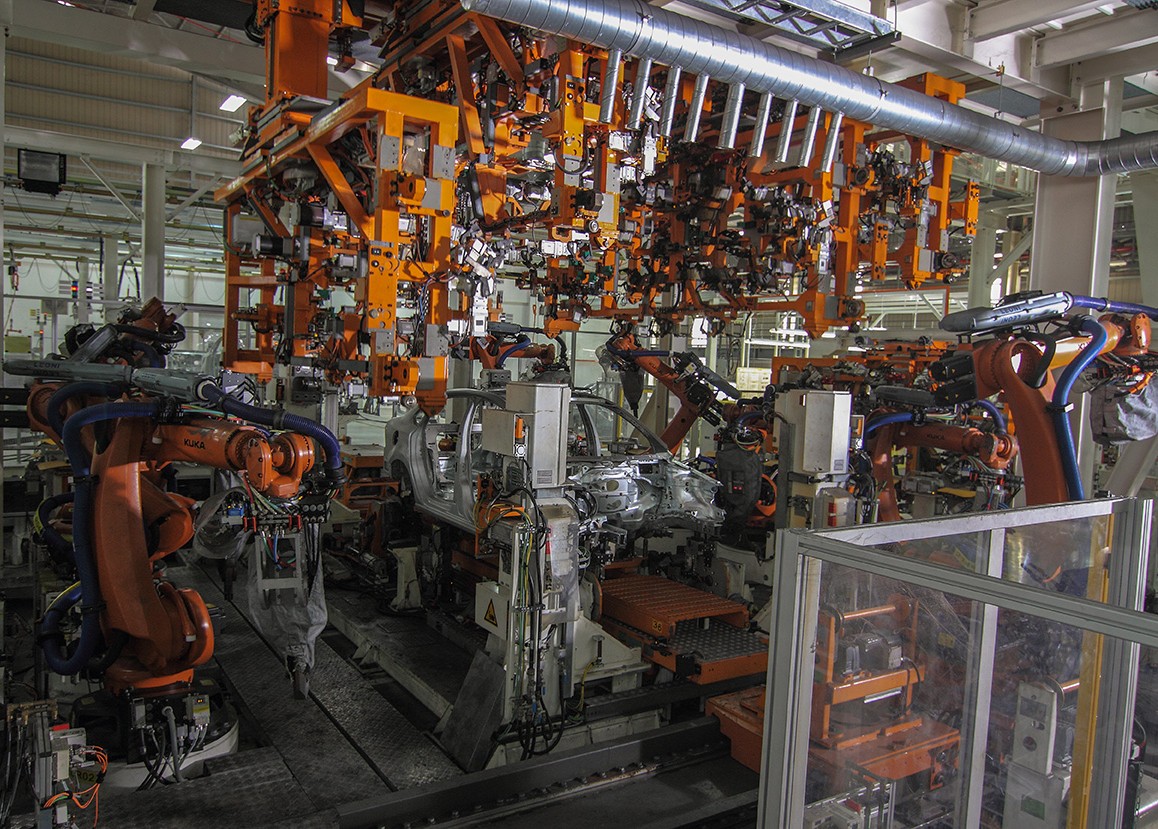
If this plan does materialise, then Volkswagen will be able to still enjoy the duty-exemption for EVs until the end of 2027. But up till now, no further news has been released on the matter.