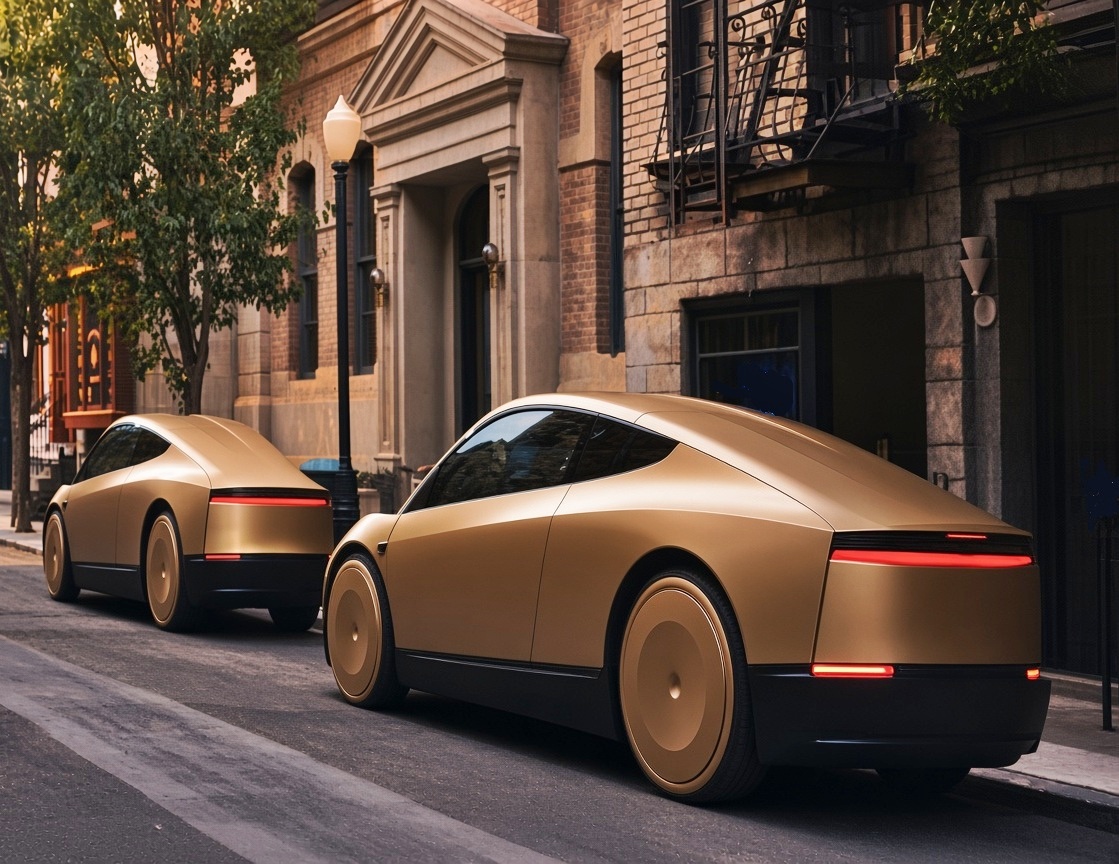
Although much attention has been on the new Tesla Roadster and its ‘flying’ and gravity-defying capabilities, another new model from the automaker has quietly started running on road in Texas in recent times. This is the Cybercab, a fully electric taxi with full autonomous (self-driving) capabilities.
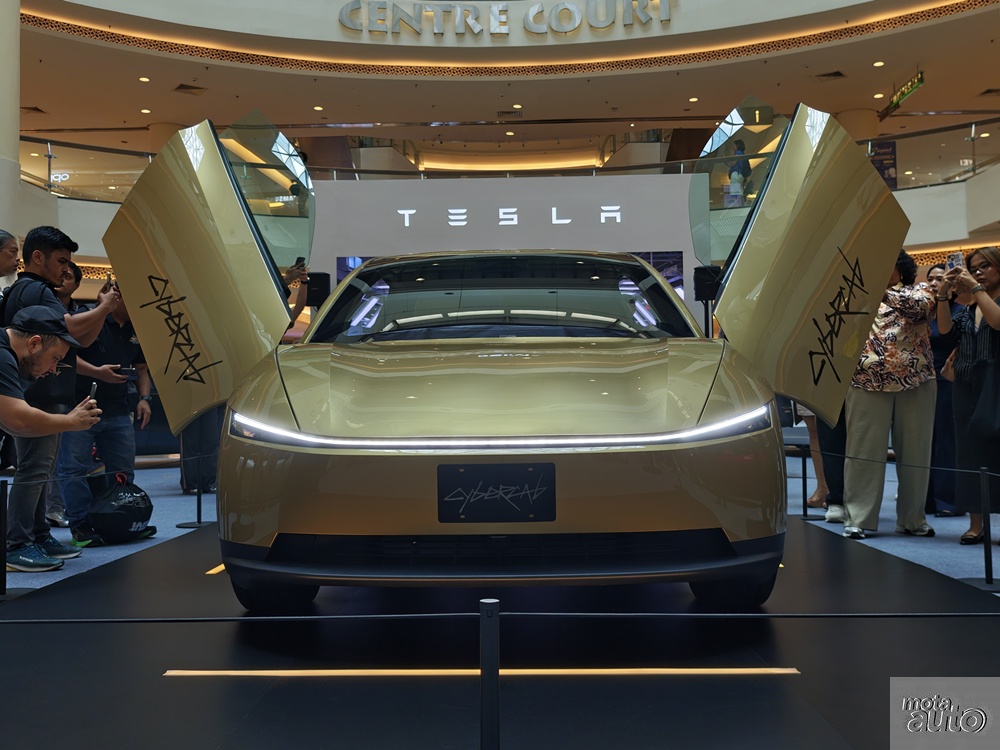
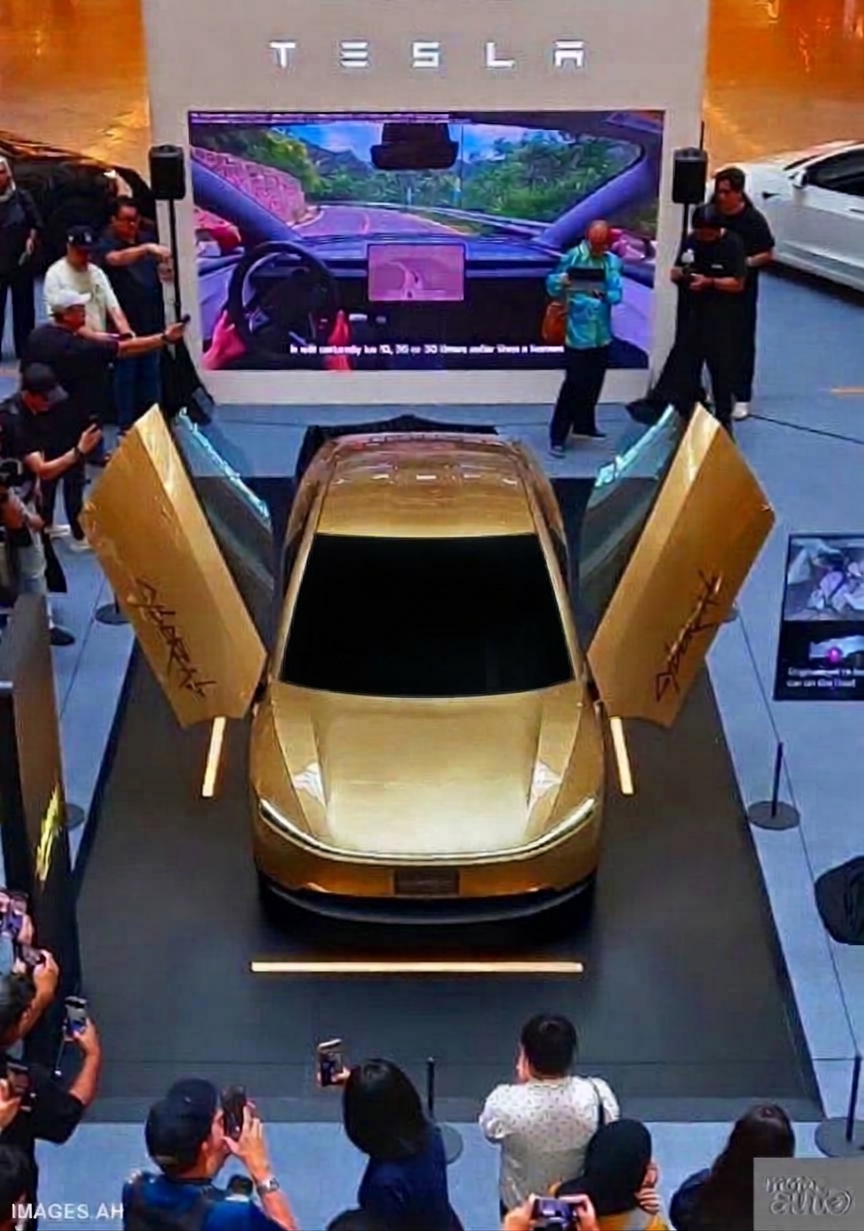
The EV is now in Malaysia (at MidValley Megamall in Kuala Lumpur as part of an Asian Tour which includes Hongkong, Japan, China, Singapore and Thailand.
While Tesla has modified some of its existing passenger car models to operate as autonomous taxis, the Cybercab has been purpose-designed for the role. The prototype was unveiled in 2024 and production began at the Gigafactory in Texas at the beginning of 2026.
Robotaxi service in Texas
In September 2026, the first units went into ride-hailing service in Austin, a city in Texas. They will be the main model in Tesla’s Robotaxi service which will have a million units by the end of this decade (according to Elon Musk).
Tesla has not revealed how much a Cybercab will cost, but it is expected to be around US$20,000 (about RM82,000), and will be mainly sold to fleet operators rather than for individual customers.
Smallest Tesla
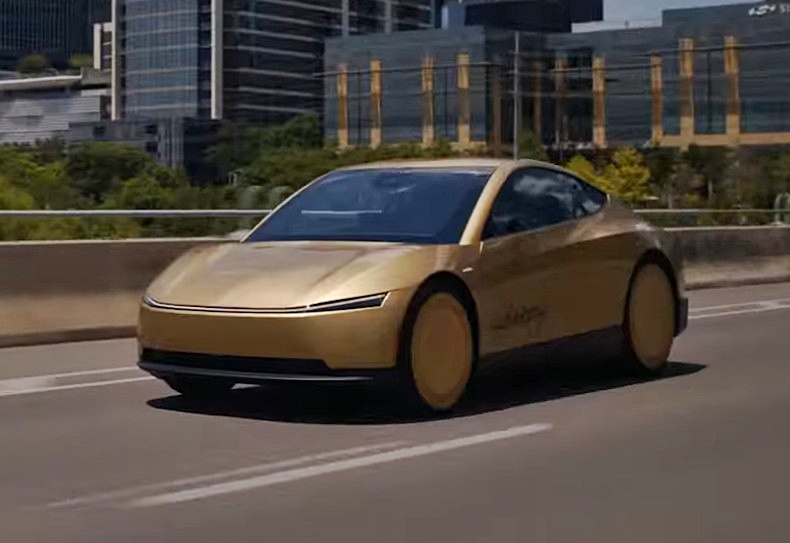
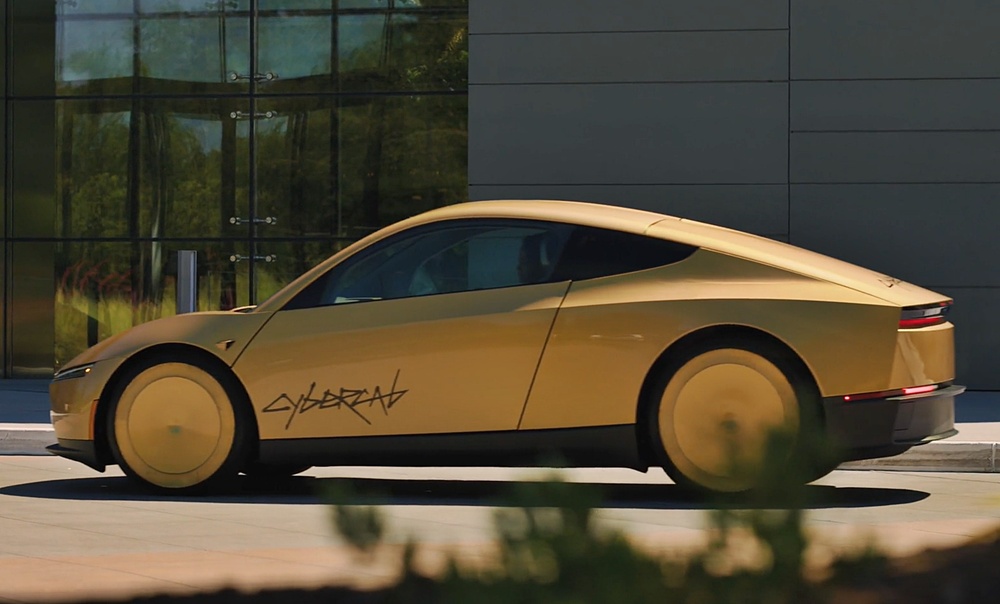
The designers have used similar design language as the other models but the Cybercab is the smallest Tesla model to date. It’s even smaller than a Proton S70 and sits lower than a Model 3.
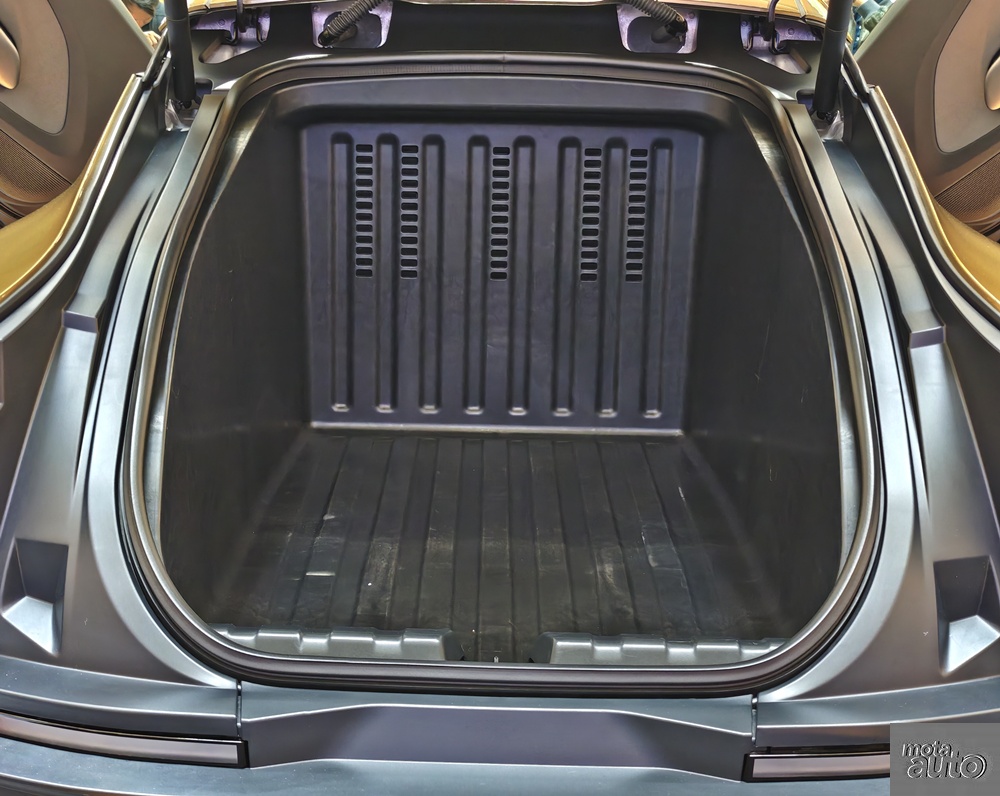
Its compact, low-slung coupe footprint, especially the narrow width of around 1700 mm, is optimized for urban usage. Its small size limits accommodation to 2 occupants with about half the car having a cargo space that has a volume of 572 litres.
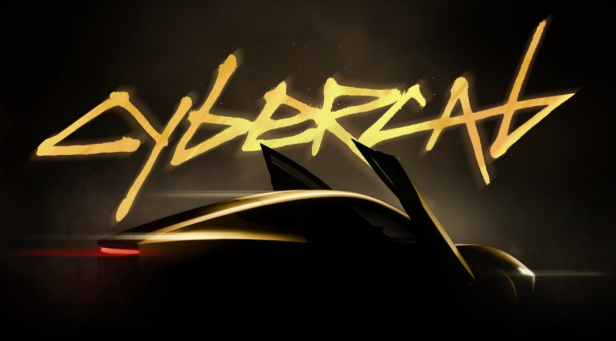
The bodywork is finished in a distinctive gold colour, with a continuous light bar at the front and large aerodynamic wheel covers that help bring the Cd to less than 0.20, making it one of the most aerodynamically efficient production vehicles.
‘Butterfly’ doors
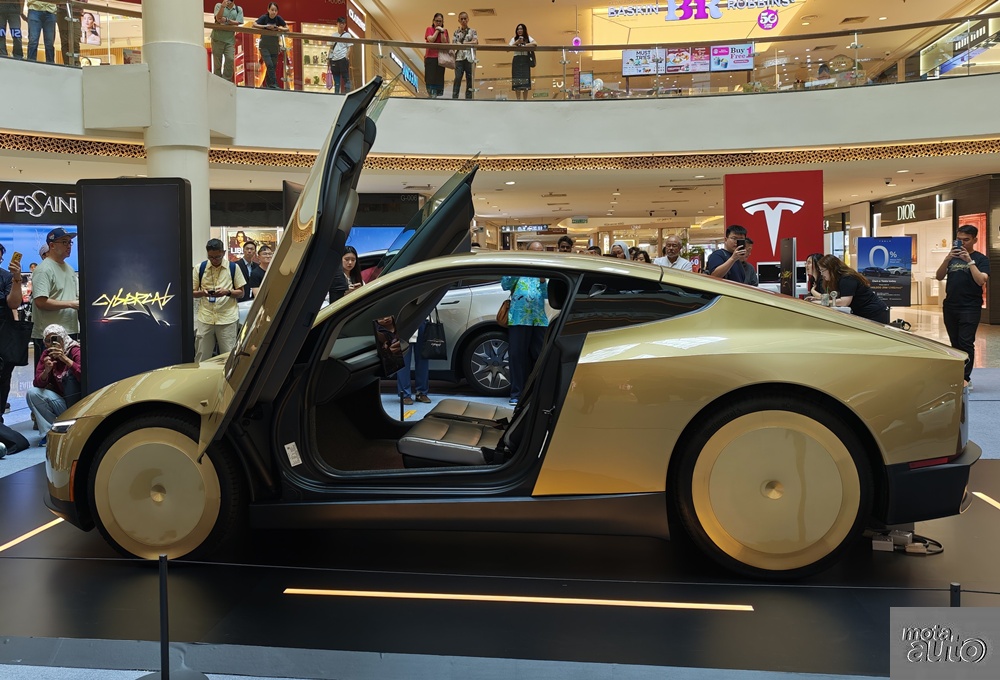
The large front-hinged doors tilt upwards, butterfly-style (or scissors style), instead of outwards. Such doors were chosen by Tesla designers not only for their dramatic look but also operational efficiency, particularly for an autonomous car. The powered doors open and close automatically and have the advantage of not requiring extra space at the sides when open.
No steering wheel, no pedals
The cabin space has a barren look, emphasised more by the absence of a steering wheel and pedals. Legroom is generous, always appreciated in a car. The 2 high-back seats with integrated headrests are structured for complete comfort and can be reclined. Mounted front and centre on the minimalist dashboard is a large 21-inch touchscreen, which is the control centre for the occupants.
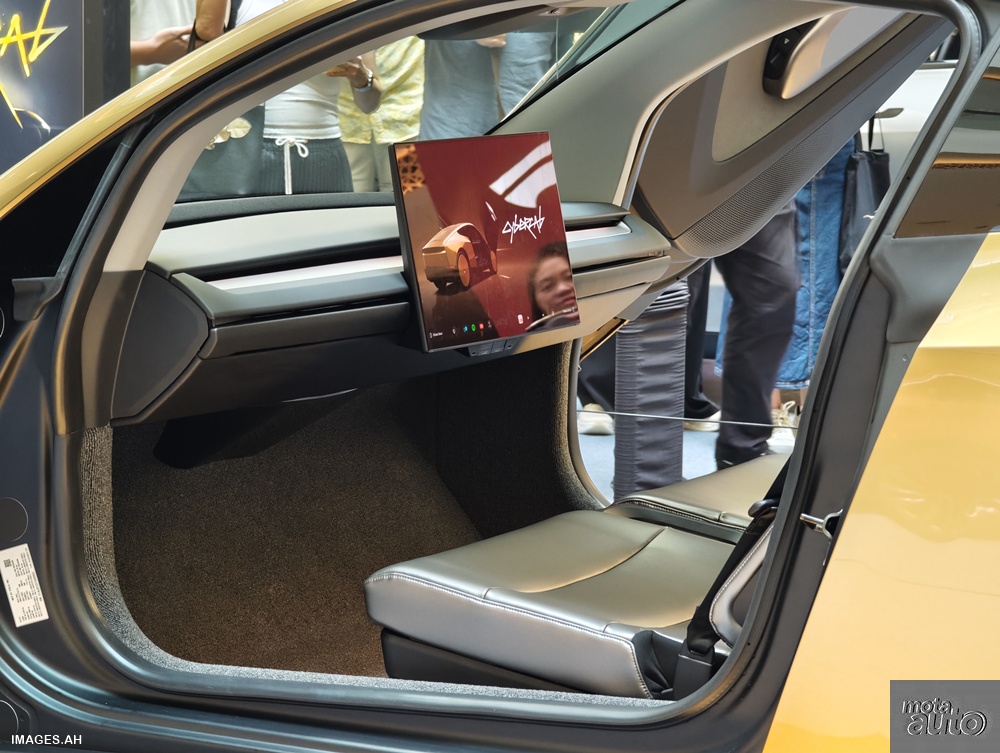
As humans won’t drive the car, the view out is not important though there is a conventional windscreen and side windows so that the occupants don’t feel they are in a tank (or a SpaceX capsule). However, the rear view is completely closed off, with the top section opening as a liftgate when taking or loading cargo.
Single motor, 650 kms range
As usual, Tesla does not provide detailed technical information about its drivetrain but the Cybercab is known to use a single electric motor with an output of 163 kW driving the front wheels through a single-speed automatic transmission. The 11:1 gear ratio is optimized for efficiency and extended-duty functions rather than top speed. The lithium-ion battery pack has a 48 kWh and the range claims are around 650 kms.
Wireless charging
Battery charging can be done manually with a Tesla’s DC Superchargers or AC Destination Chargers and inductive charging capability has already been designed into the EV. Inductive charging is like wireless charging on a smartphone – no cables are needed. The vehicle parks over a plate which has a coil that sends energy through the air. That energy is captured by a plate under the vehicle and converted back into electricity for the battery.
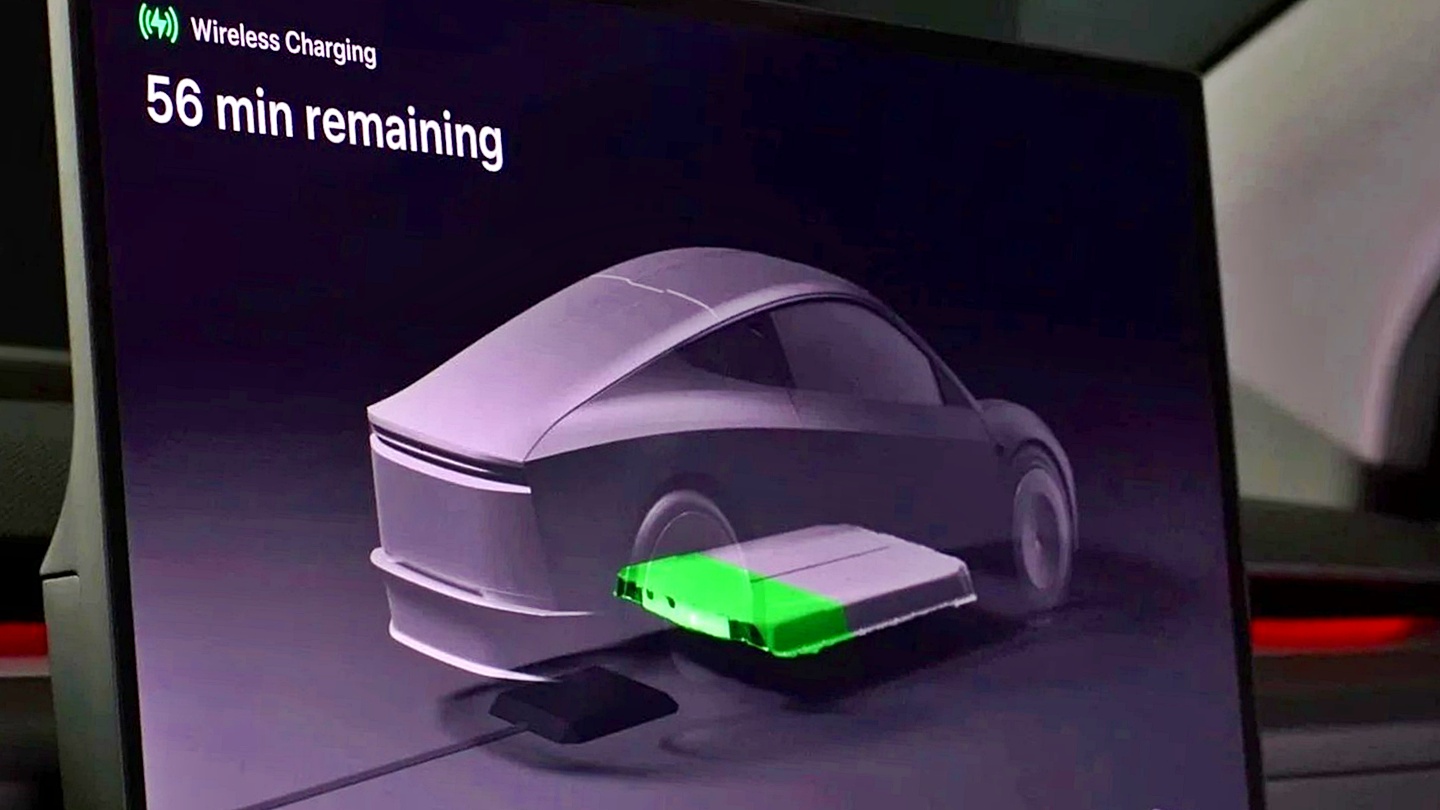
A few other manufacturers like Volvo and BMW also have inductive charging in some of their latest models. However, it is not in widespread use and the Cybercabs currently in operation also do not make use of the capability.
 Completely autonomous driving
Autonomous capability is, of course, a key feature of the Cybercab. Advanced self-driving systems are already available in Tesla models and the Cybercab goes to the next level by totally not requiring any driver attention or intervention. This is the ultimate level of autonomous driving and Tesla is confident that it is safe enough that it does not provide a steering wheel or brake pedals. Your life is completely in the ‘hands’ of a ‘computerised chauffeur’!
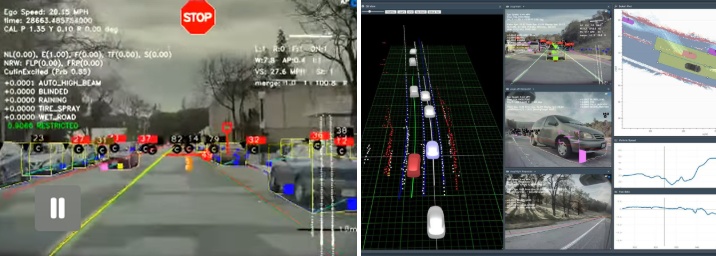
The self-driving capability relies on many sensors around the vehicle. These are primarily 8 cameras and Tesla does not use radar or ultrasonic sensors which are expensive. This approach of cameras-only is based on Elon Musk’s view that the road system has been designed for human eyes and brains.
Cameras only, no radar
Tesla Vision, as the sensor system is called, therefore utilises cameras (eyes) and a supercomputer (brain) which can be programmed to function 10 – 50 times more effectively than a human brain. This is where AI comes in and as it has reached a very advanced state, it is now possible to create a neural network in the supercomputer in the vehicle to ‘think’ and react like a human.
The use of cameras only removes the conflict of sensor inputs. This has been found in cars which use radar and camera sensors. In certain situations, a camera may interpret a dark shadow on the road as an obstacle but the radar sees nothing. So which should the computer react to? That millisecond of ‘indecision’ could result in a wrong action or an unnecessary accident. Having cameras only therefore sticks to one type of image source.