
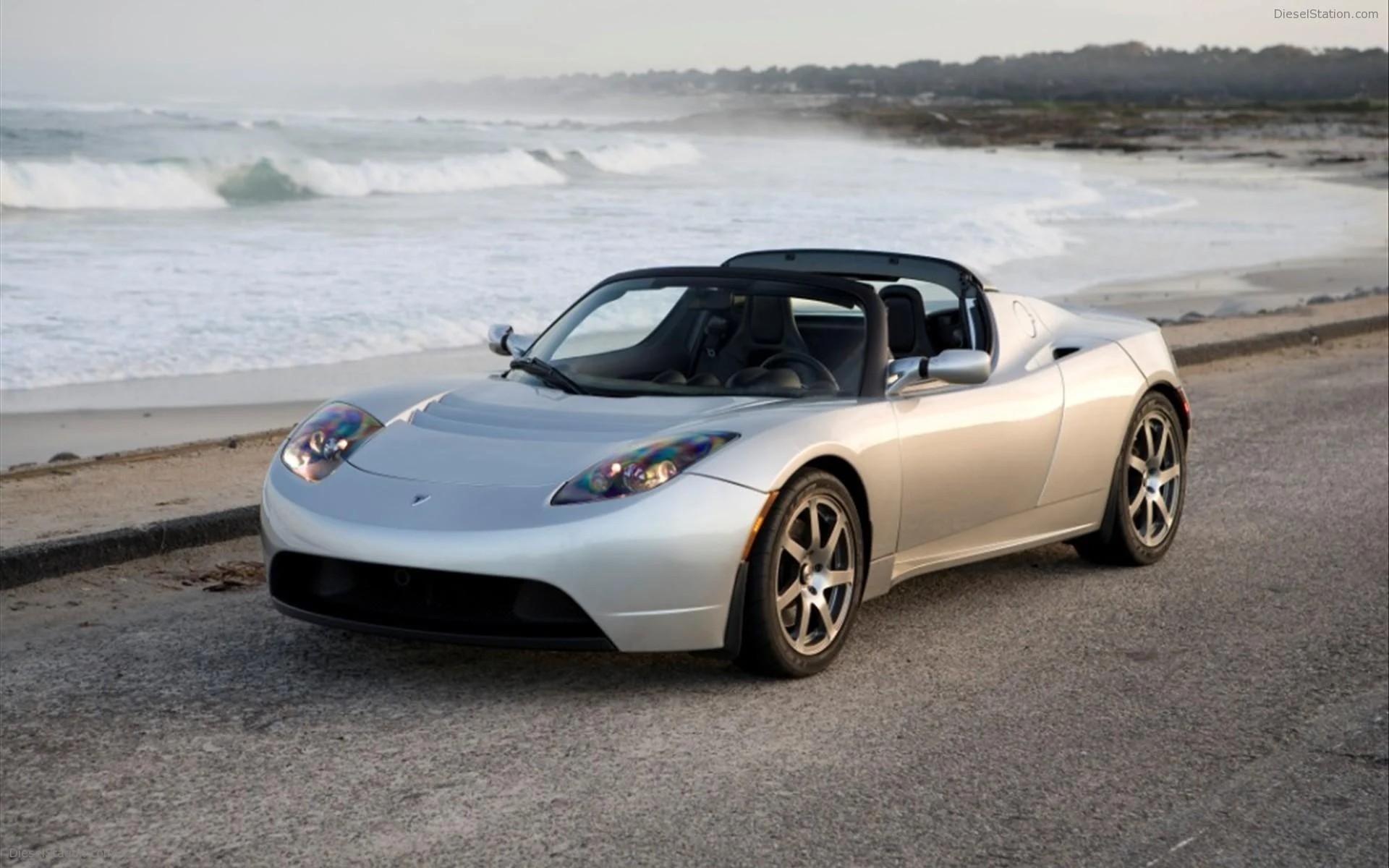
Tesla appeared in the auto industry in 2008 with a fully electric car which marked the beginning of its ascent to become a world leader in EVs. It was the Roadster and unlike the Nissan LEAF which appeared in 2010, the Roadster was only sold in small numbers – 2,450 units – and discontinued after 2012.
Thereafter, Tesla moved to developing SUV and sedans – all fully electric – which would become so popular that one would be the bestselling EV in the world.
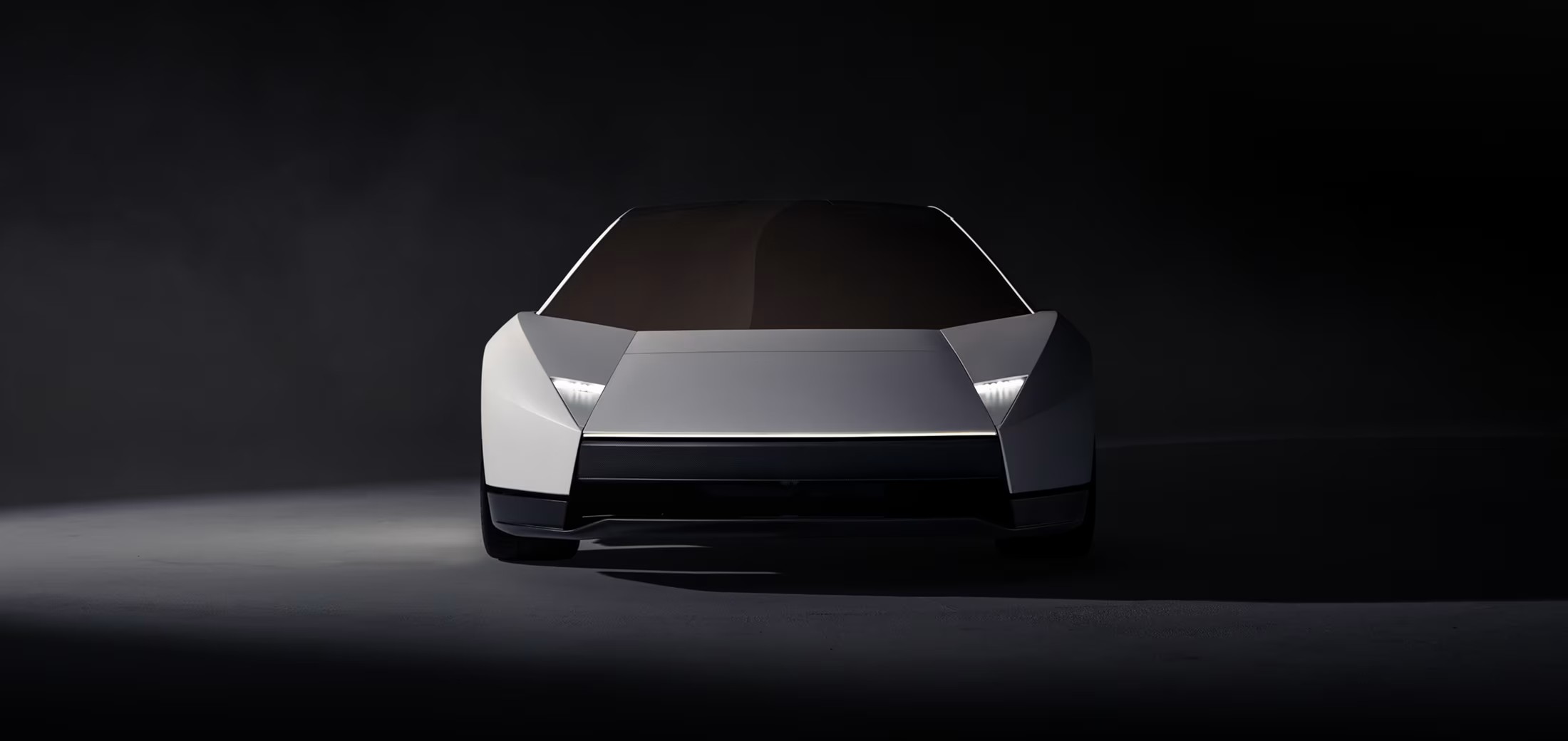
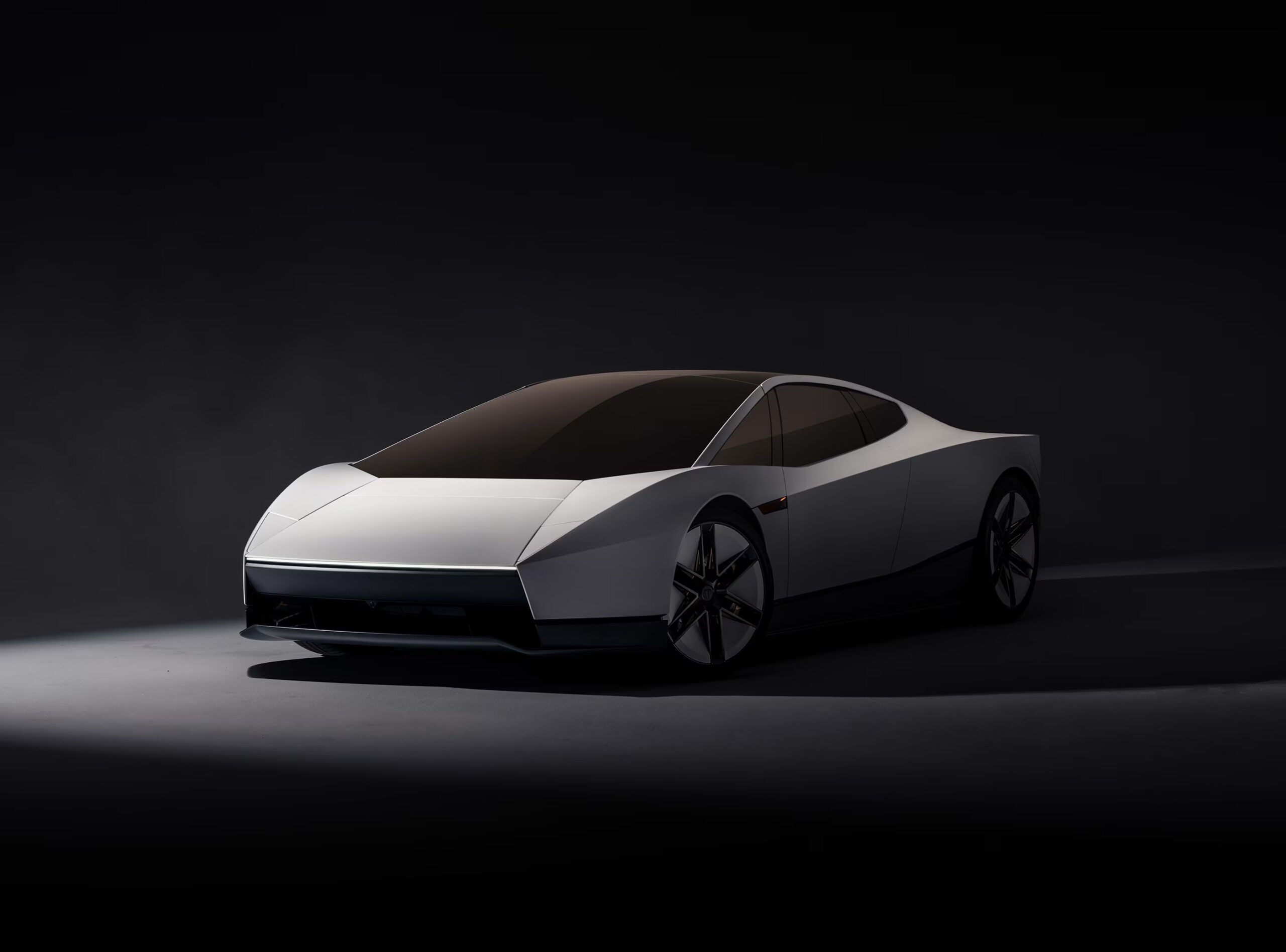
Nine years after the first Roadster, Tesla did show a second generation in concept form but like the Cybertruck, it took a long time actually reaching production stage. Finally, the prototype is revealed and Elon Musk says that production should start in 2028. We’ll see…
The new Roadster was presented at the Rocket Test and Development Centre of SpaceX, which Musk owns 39% of (but has 84% voting power). The choice of the site for the reveal became obvious when the prototype drove up an inverted ramp, rotated in mid-air and settled back onto the pavement.
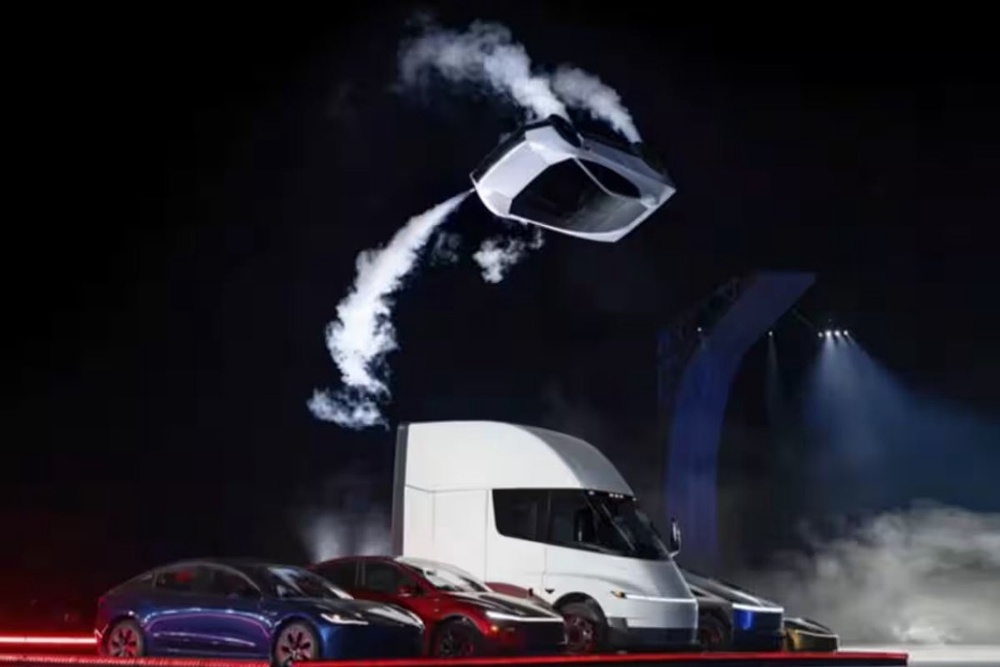
In another demonstration, the car lifted aviated over a Cybercab, Cybertruck, Tesla Semi, Model Y and Model 3 while still in motion. The ‘stunt’ wasn’t some movie trick and the car was propelled by a combination of high-powered fans and cold-gas thrusters to drive up.
Acceleration runs recorded a 0 – 60 mph (96 km/h) time of one second on the first attempt and 0.81 seconds on the second. Tesla says that the production car is expected to be even quicker.

Three versions
According to the Tesla website, the Roadster will be available in three configurations. The base Performance version is described as road-ready, with seating for two occupants. It is equipped with active aerodynamics together with a multi-mode suction system.
Powered fans and ground sealing extract air from beneath the vehicle, generating enough downforce to hold the car upside down even when stationary. Track Mode lowers the suspension and allows the driver to select high-downforce or low-drag settings according to conditions. A next-generation steer-by-wire system is also fitted to improve feedback.
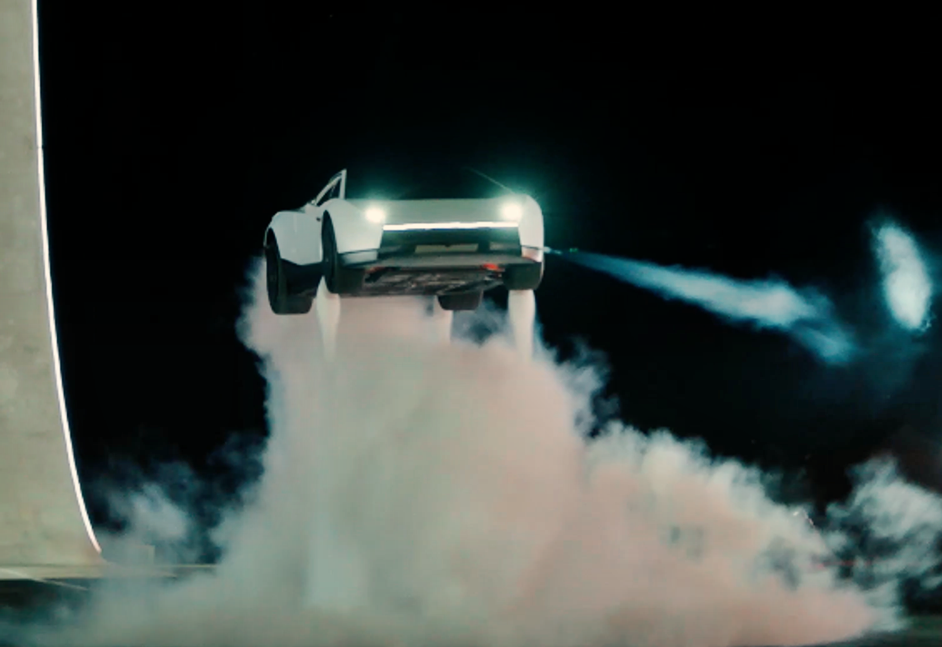
The Thrust version (listed as limited release), also has the 2-seat layout and suction system while adding rear-mounted cold-gas thrusters. A 0 – 100 km/h time of under one second is claimed for this version.
The top Rocket version is ‘invite-only’ and at this time, not approved for use on public roads. This is more of a ‘flying car’ with only a single seat. Cold-gas thrusters around the full perimeter of the car enable forward and upward acceleration as well as lateral and rotational movement in the air.
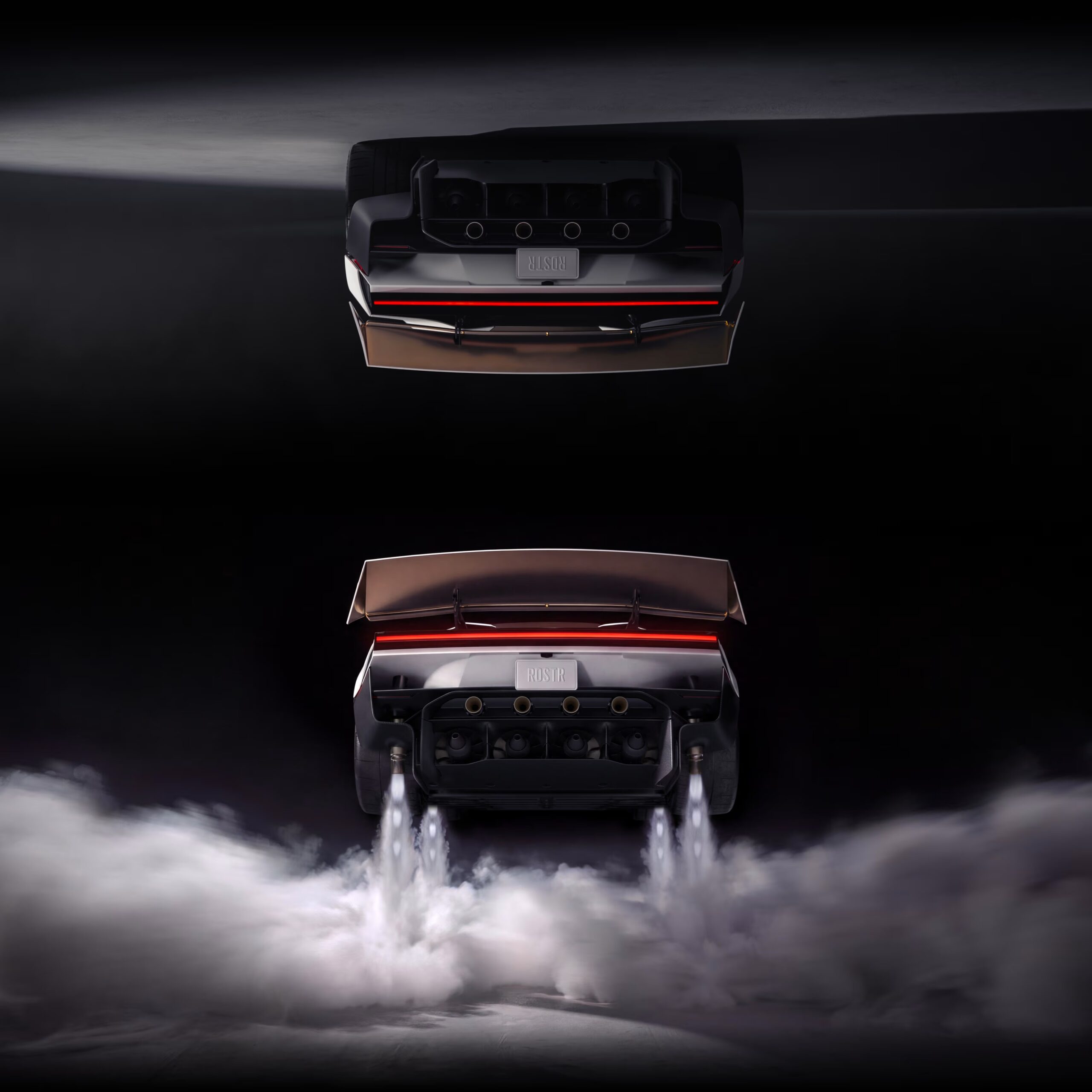
All three versions are said to deliver more than 480 kms of range and a top speed exceeding 370 km/h.
SpaceX-derived thrusters
Tesla’s website characterises the Roadster as going beyond the Model S Plaid in capability, combining the multi-mode fan system for road and track performance with optional SpaceX-derived cold-gas thrusters that transform the experience further.
Engineering vice-president Lars Moravy explained that the thruster system draws from approximately 600 litres of compressed air stored in carbonfibre overwrapped pressure vessels packed into every usable space in the structure. The tanks can be recharged on board.
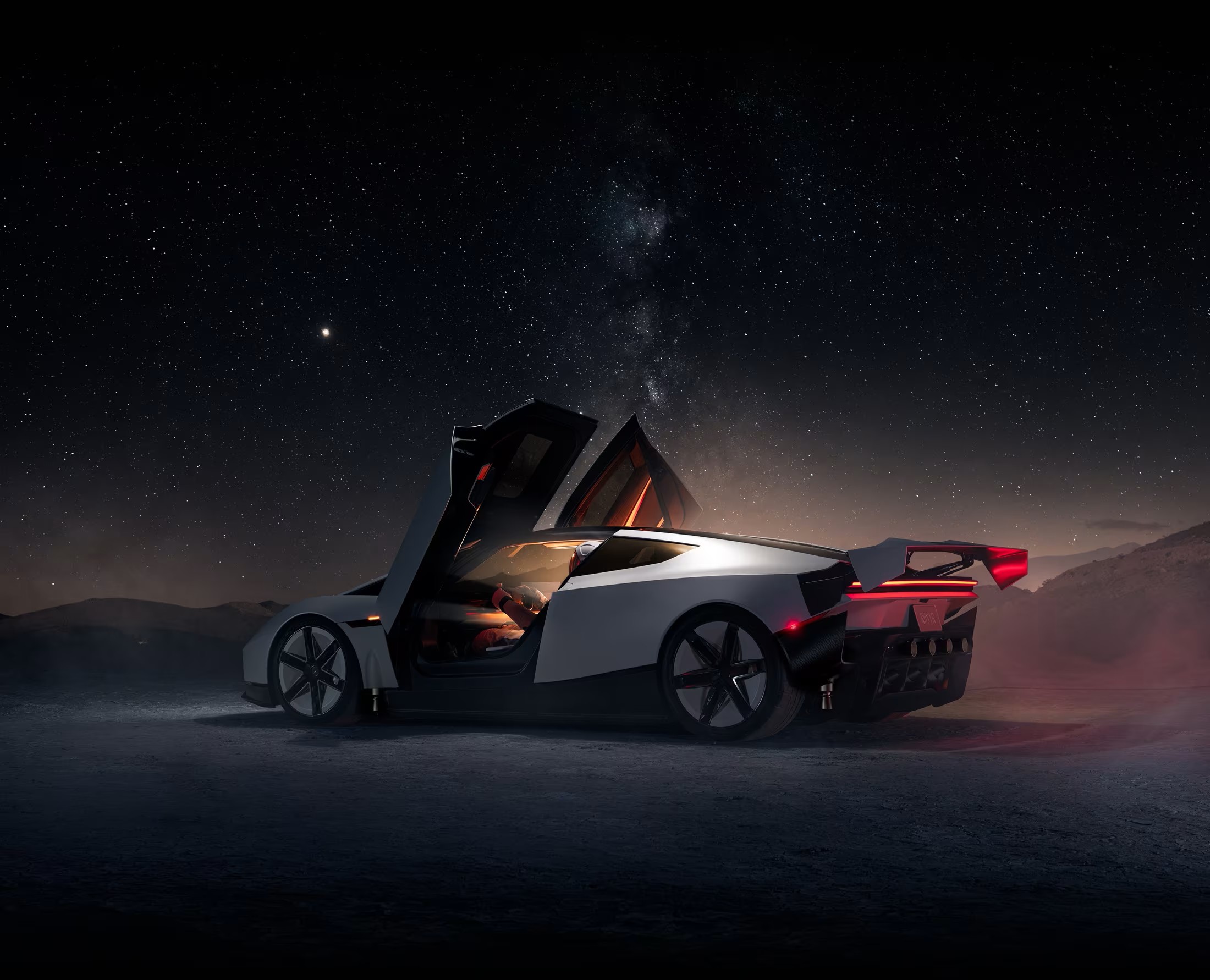
Ten nozzles, controlled by all-electric actuators capable of micro-adjustments within a fraction of a second, deliver the thrust. The 4 main rear thrusters produce more than 80 kN and exhaust at supersonic velocity, visible as Mach diamonds in the plume.
The exterior design has changed markedly from the 2017 concept. The company described the overall evolution of its design language as progressing from the earlier S3XY models through the Cybertruck, Cybercab and Optimus programmes.
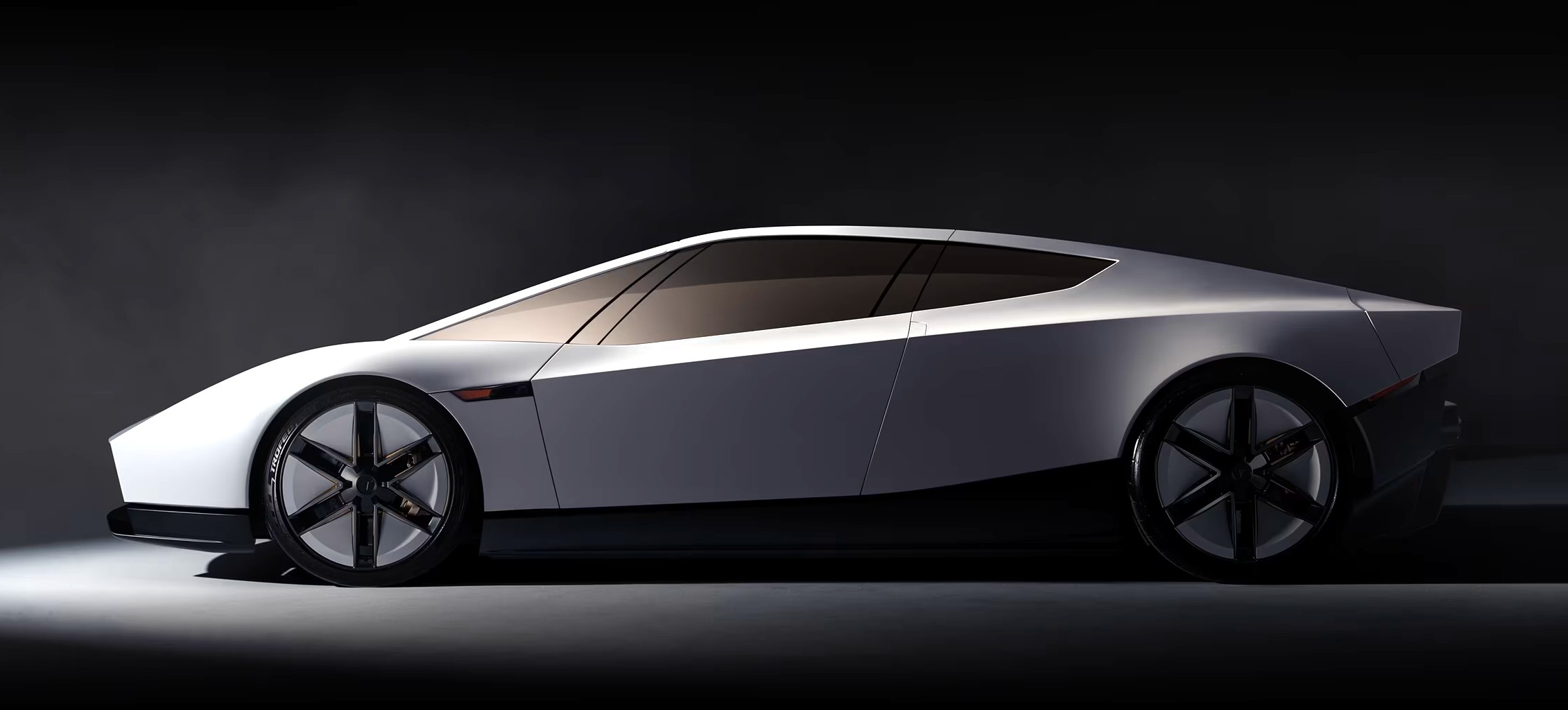
The production shape is more angular, drawing visual references from the SR-71 reconnaissance aircraft (also known as Blackbird) and the F-35 fighter jet.
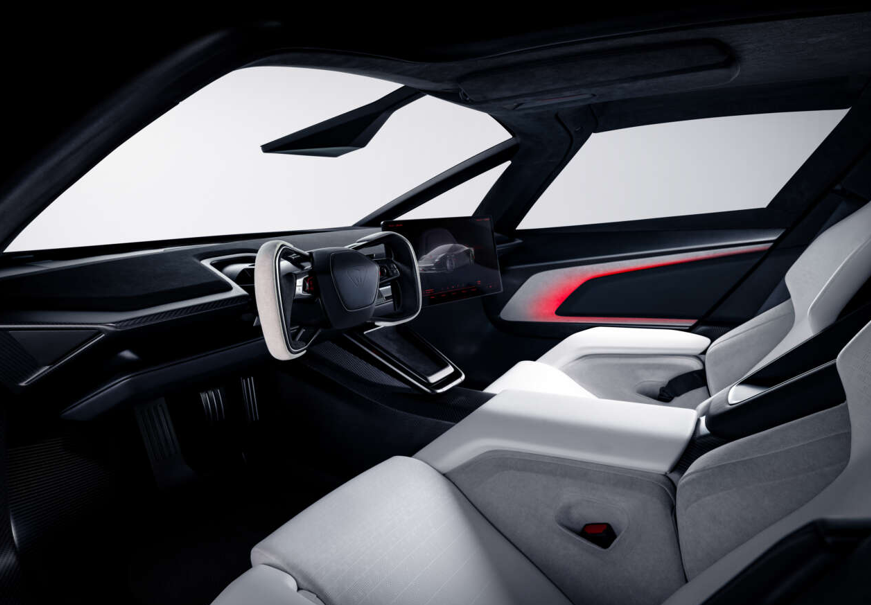
Tesla also mentioned design influences from the Lotus Esprit once used in a James Bond movie. The actual car used in the 1977 movie was acquired by Musk in 2013 and displayed at the Roadster event.
Bookings accepted from Malaysia
Reservations are now being accepted worldwide – including Malaysia – for the Roadster, although the final price has not been stated. On the Tesla Malaysia website, a refundable deposit of RM21,000 is shown as the first step.
But the second step is more demanding – RM182,000/RM988,000 within 10 days after paying the deposit. So as with the Cybertruck, Tesla’s bank account is going to fill up with lots of deposit money.
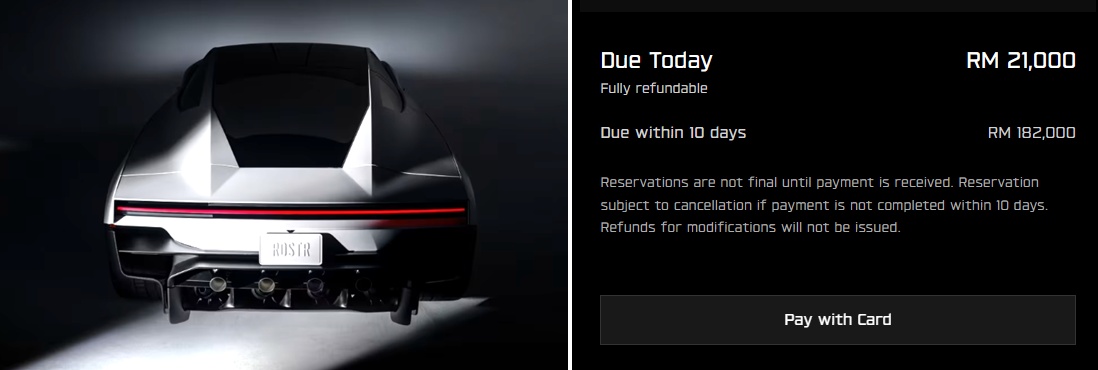
It should be noted that Tesla doesn’t give any guaranteed delivery date either, and there are already others who paid deposits of up to RM500,000 nine years ago when they were shown the first prototype, and they’re still waiting.
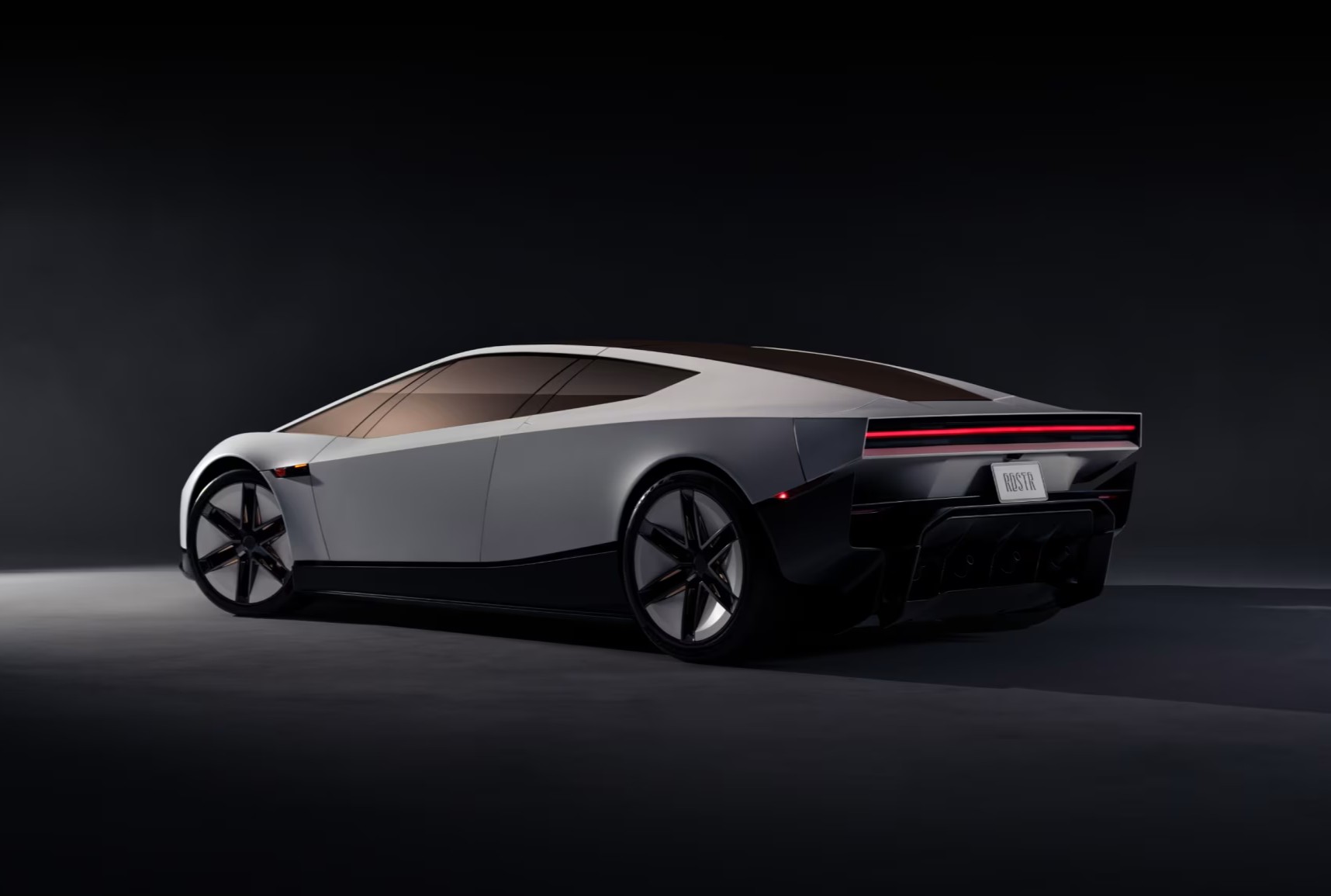
Musk says that the Roadster, which will only be available in lefthand drive, will be positioned as a halo model rather than a high-volume product, noting that it is not expected to boost the company’s revenue significantly. He has also stated that safety is not the primary design goal, drawing a comparison with traditional high-performance sportscars.