
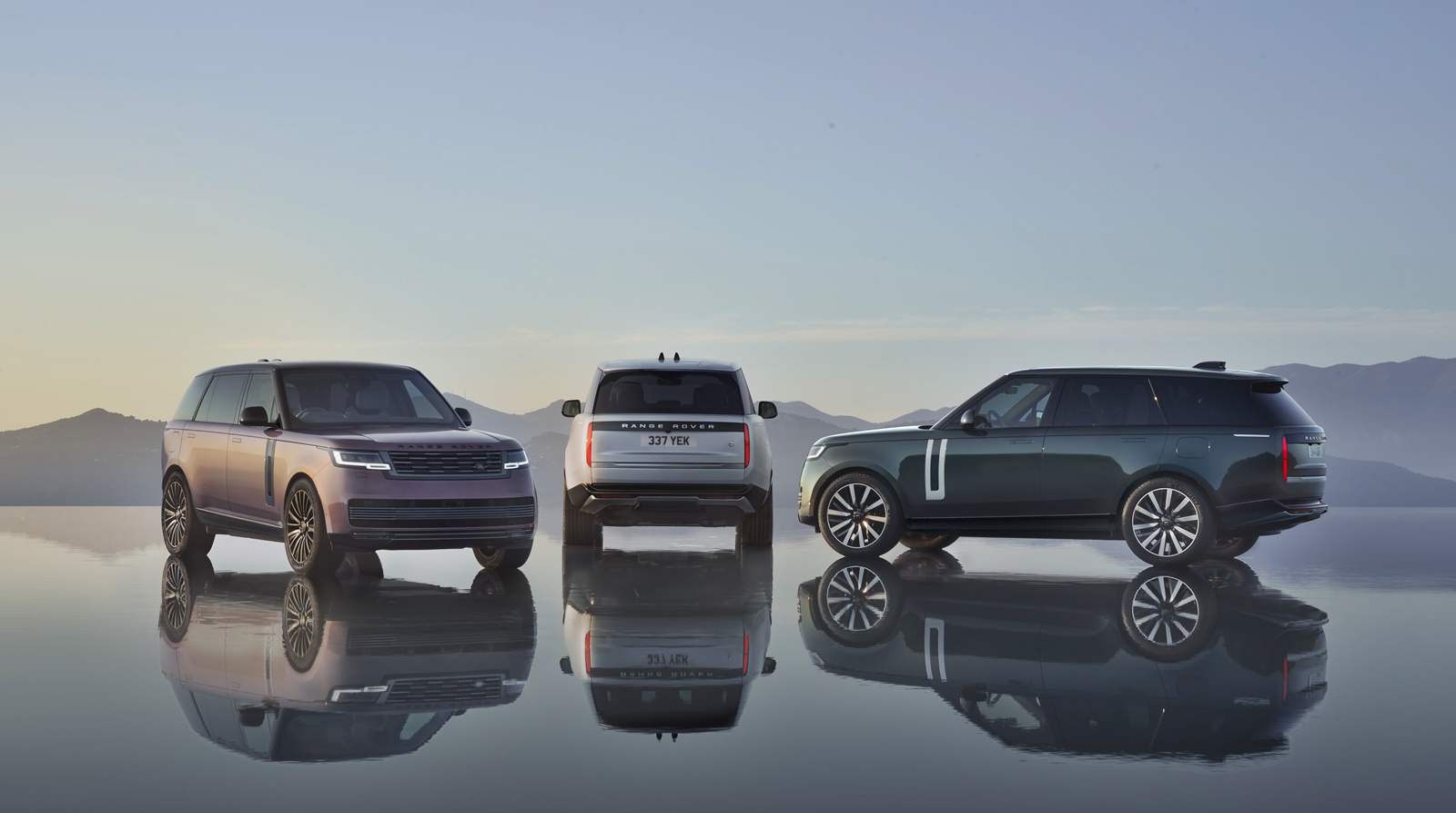
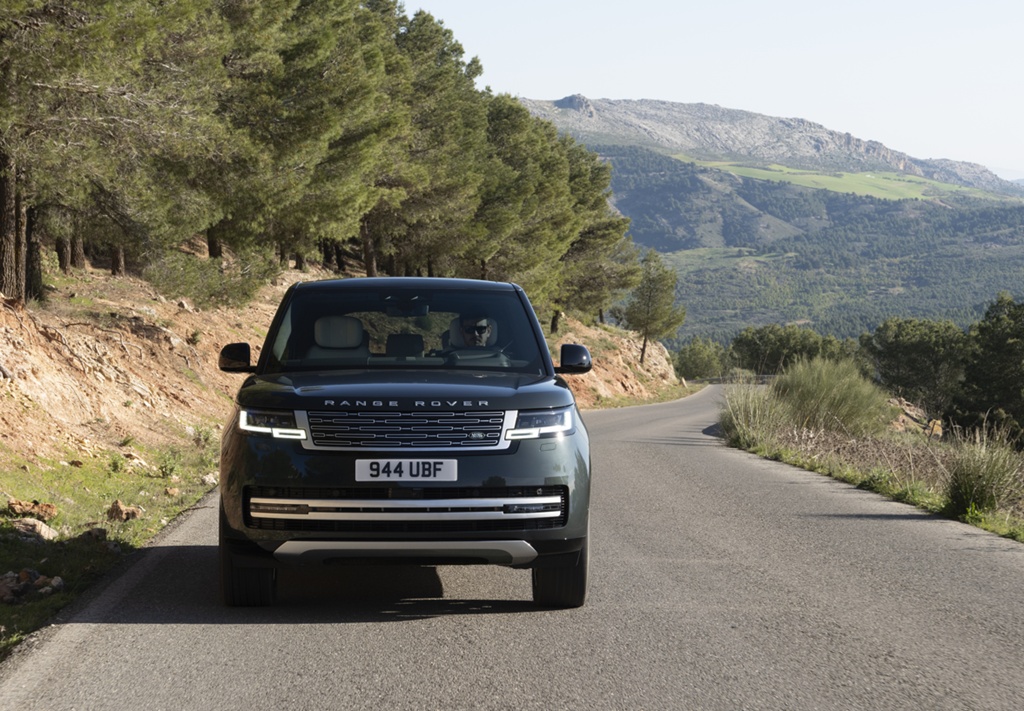
Production of the Range Rover Electric is underway and early customers who have already ordered one should be seeing their new SUV before the end of 2026.
Prices in the UK range from £154,070 to £225,240 (RM842,000 – RM1.231 million), with a choice of standard or long-wheelbase variants and HSE, Autobiography, and SV equipment levels.
The original luxury SUV
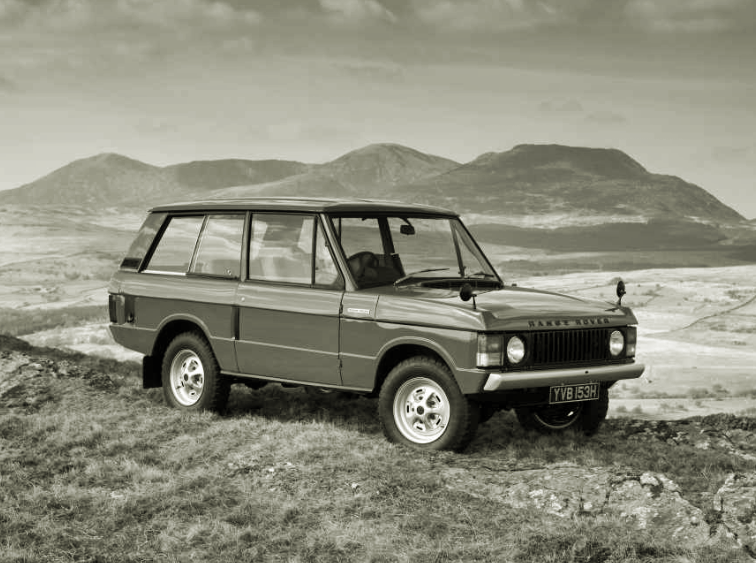
When the original Range Rover made its debut in 1970, the idea of a luxury 4×4 SUV was somewhat strange. Such vehicles were used more as workhorses on the farm or construction sites although people like Queen Elizabeth appreciated the comfort and refinement.
Until the late 1990s, it was only the Range Rover that could claim to be a luxury SUV and it would serve as the benchmark for other brands to follow (at least initially).
First-ever fully electric Range Rover
Over 5 decades after its original launch, the SUV makes its most fundamental mechanical shift with the arrival of the Range Rover Electric. Fully electric, the new model is built on JLR’s flexible longitudinal architecture which is also engineered to accommodate internal combustion engines.
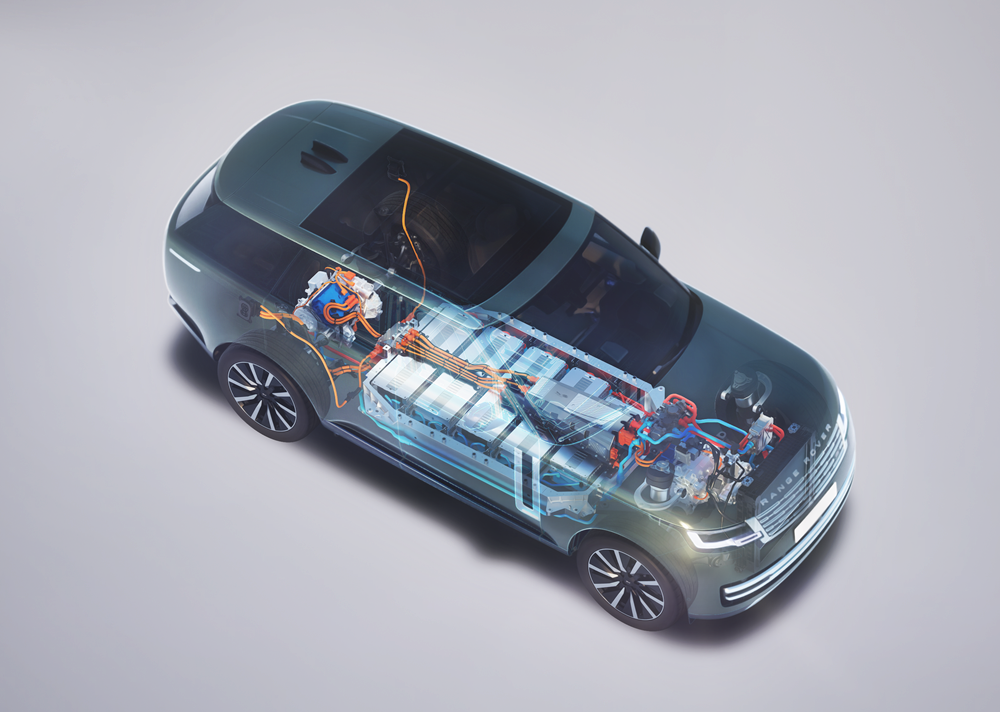
For the EV variant, the foundational structure houses a double-stack 118.5 kWh lithium-ion battery pack, constructed from 344 prismatic cells and operating on an 800V electrical system.
Very different performance levels
Propulsion is provided by twin permanent magnet electric motors. Equipped with silicon carbide semiconductors, these units produce a combined output of 405 kW (550 hp) and 850 Nm of torque, allowing the vehicle to accelerate from 0 to 100 km/h in 4.5 seconds and go from 80 to 120 km/h in 2.7 seconds.
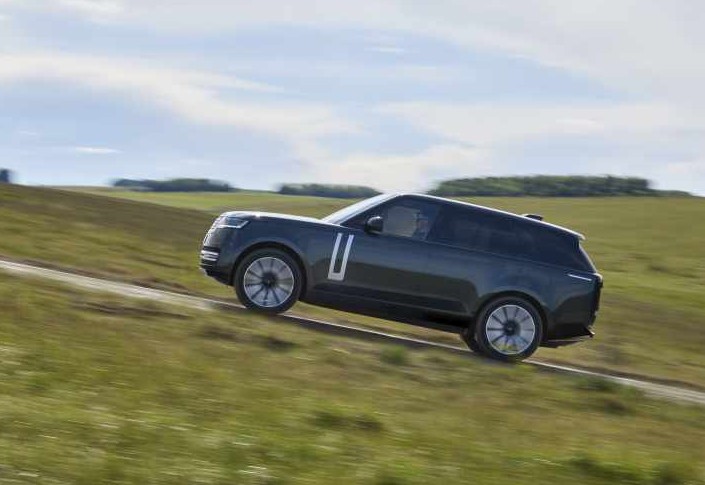
That’s a very different performance level from the first Range Rover which had a 97 kW/278 Nm V8 petrol engine with a manual gearbox, and took around 12.5 seconds to get to 100 km/h.

Unchanged off-road capability
The integration of electric drive obviously reduces cabin noise levels, enhancing the vehicle’s quietness. However, Range Rover emphasises that the switch in powertrains does not diminish the all-terrain capability that has been associated with vehicles of the Land Rover brand.
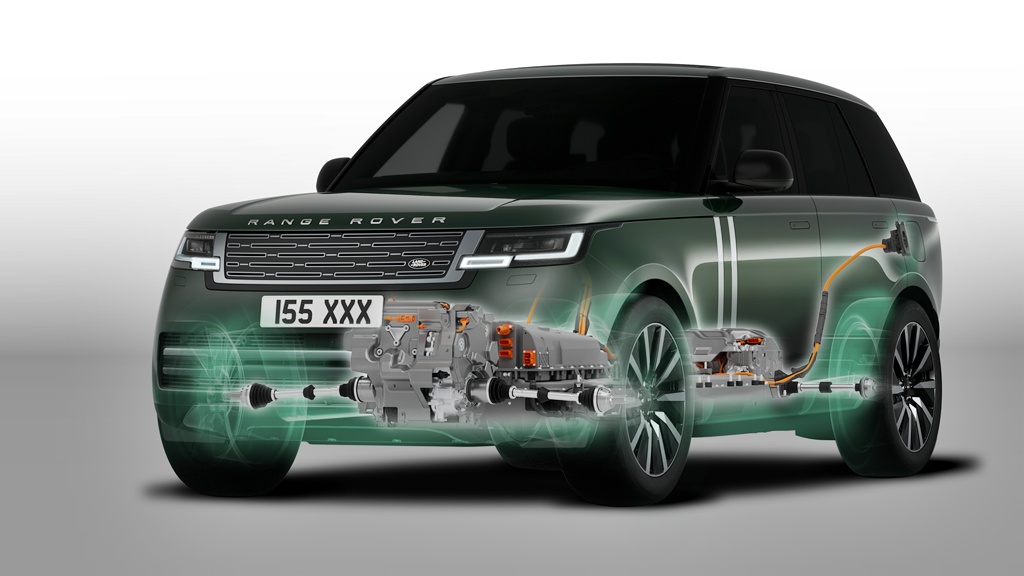
The drivetrain employs Intelligent Driveline Dynamics to continuously manage rear torque distribution, paired with an Integrated Traction Management system that evaluates wheel slip and adjusts motor speed within 50 milliseconds.
The system incorporates a Single Pedal mode with three levels of regenerative braking — Coast, Light, and Heavy. In its most aggressive setting, the regeneration generates up to 0.5g of deceleration while enabling the vehicle to pull away on gradients up to 33 degrees or navigate rolling climbs up to 45 degrees.
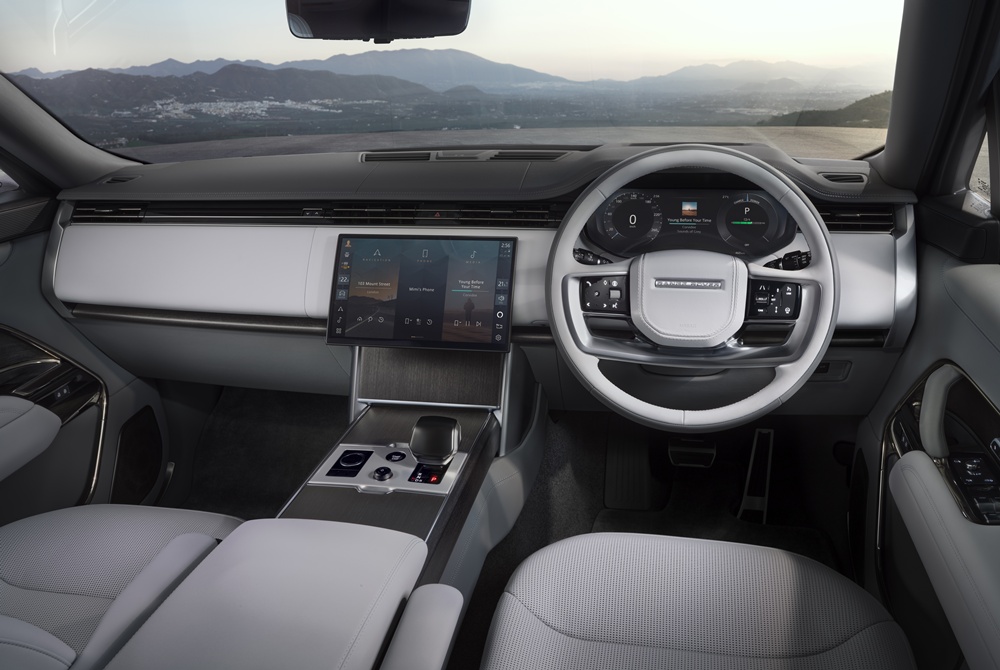
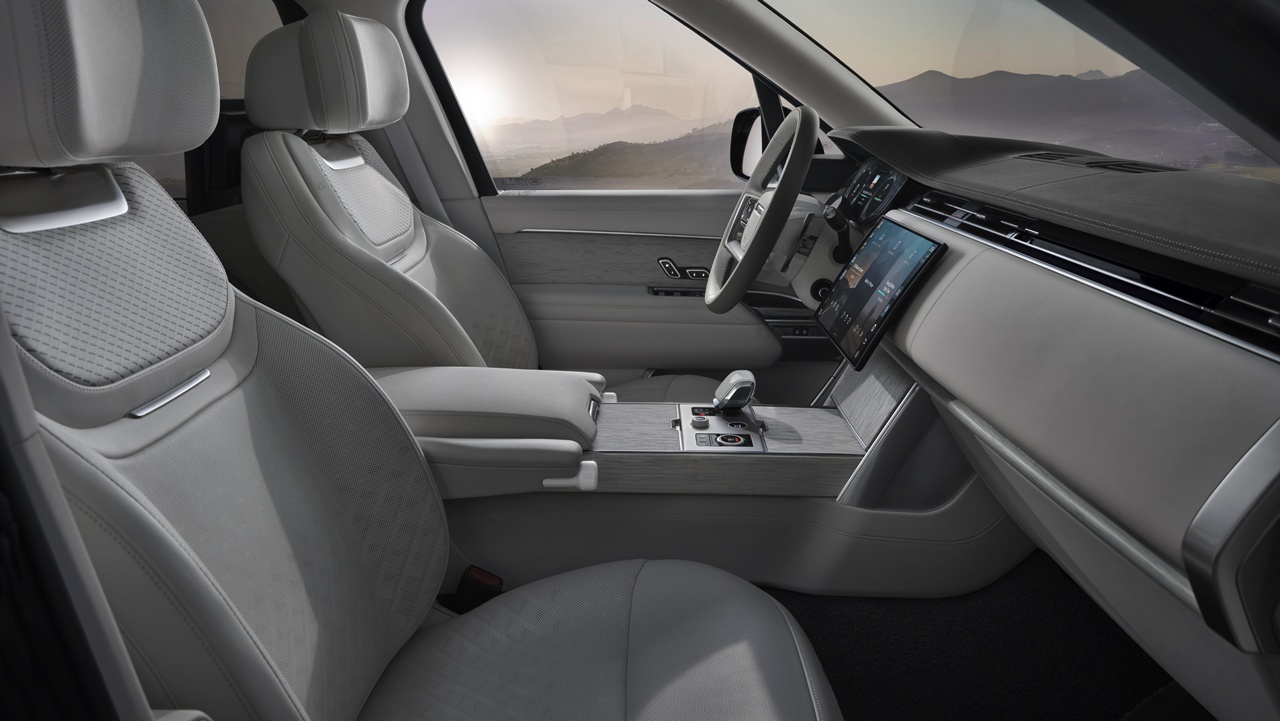
Over 500 kms range
Range estimates are rated at up to 600 kms, with real-world figures expected around 535 kms. For charging away from home, the 800V system supports 350 kW DC rapid charging, replenishing the battery from 10% to 80% in approximately 22 minutes, or adding 220 kms of range in 10 minutes.
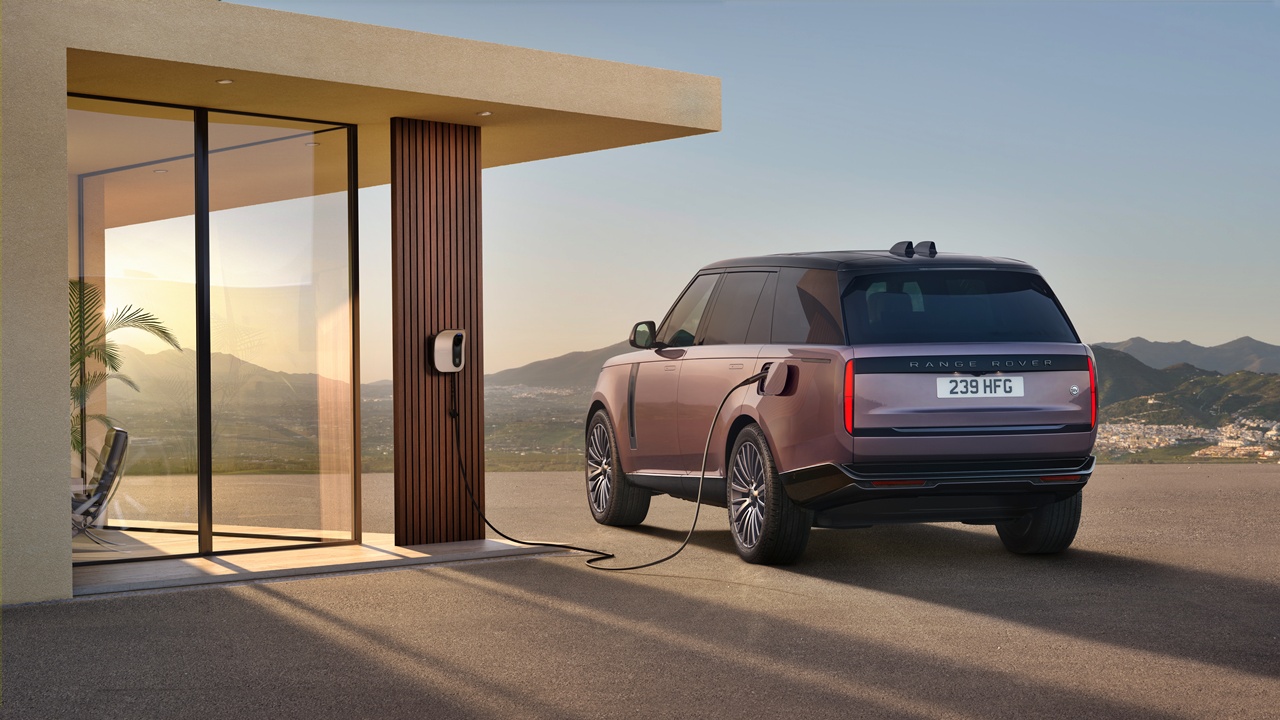
Thermal efficiency is managed via the ThermAssist system, which reduces heating energy demand by up to 40% and preserves range in extreme weather.
The vehicle’s durability has been subjected to an extensive testing program covering over 1.5 million kms on all types of roads and terrain, and 250,000 hours of development across environments ranging from arctic snow and ice to the desert in Dubai and of course, deep water-crossings.
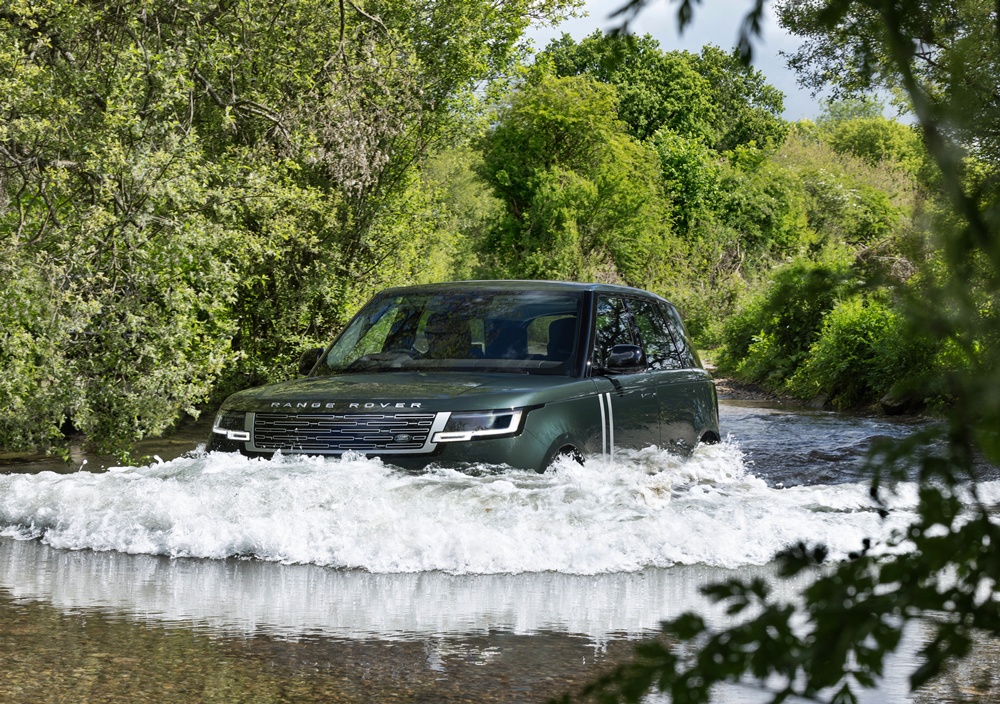
The high-strength aluminium battery casing has undergone multi-axis vibration and shock testing across extreme temperature swings to ensure structural integrity. Maintenance and battery health are monitored continuously using a Battery Digital Twin, which processes over 900 diagnostic data points via over-the-air software updates.