

GAZOO Racing has completed the construction of the DKR GR FC Hilux, moving further forward with preparations to enter a hydrogen fuel cell electric vehicle (FCEV) challenge at the 2027 Dakar Rally.
The newly built pick-up truck based on the popular Hilux has now transitioned into its dynamic testing phase ahead of its formal competition debut.

The vehicle will be entered in the event’s Future Mission 1000 category which is specifically for experimental vehicles and emerging technologies. It is Toyota’s first full-scale participation in a motorsport competition utilizing a hydrogen FCEV.
Multiple groups involved
This aggressive motorsport development program relies on close collaboration between multiple entities, including Toyota’s European R&D centre, Overdrive Racing (which manages the TOYOTA GAZOO Racing World Rally-Raid Championship team and engineered the original DKR GR Hilux), Toyota Racing in Germany, and Toyota Motor Corporation.
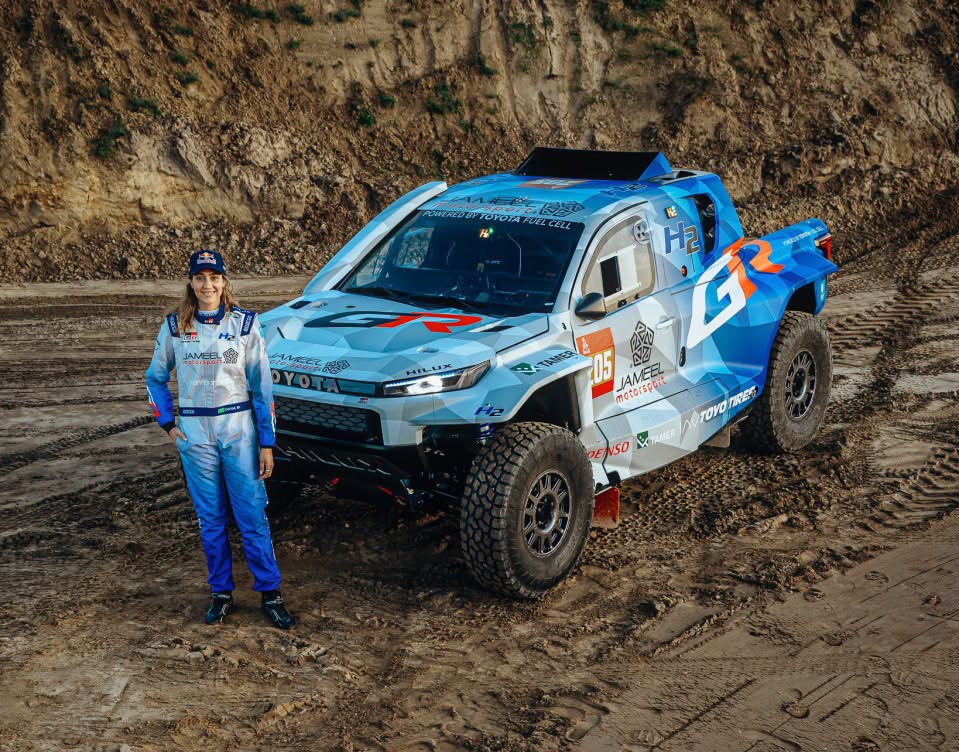
Technically, the DKR GR FC Hilux shares its platform with the conventional DKR GR Hilux, retaining the established tubular frame, safety cell, suspension geometry, and braking system.

Fuel cell powertrain
Within the bodywork, however, the powertrain breaks new ground by combining two fuel cell stacks into a high-output system paired with high-pressure hydrogen tanks derived from the Toyota Mirai production FCEV that is sold in some countries.
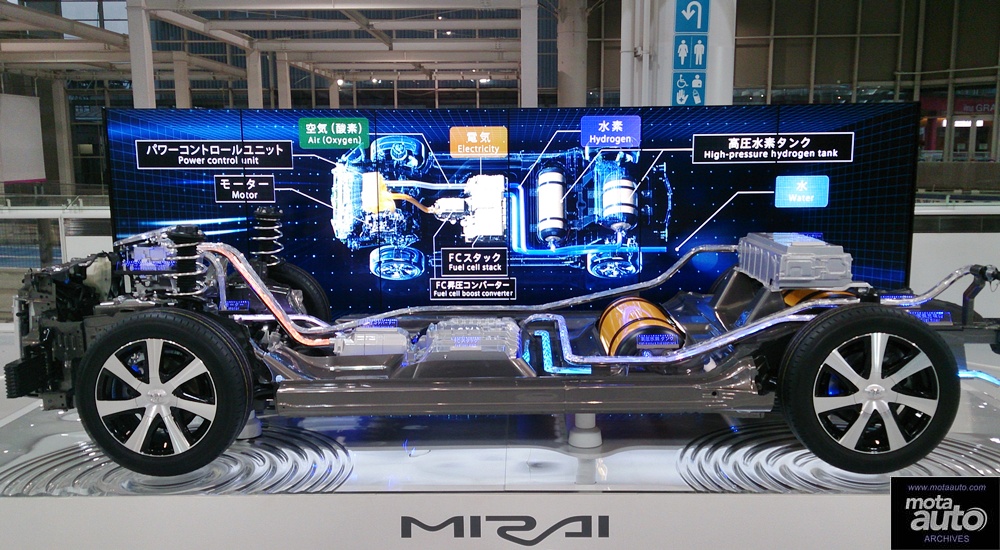

The configuration also integrates a dedicated e-axle, an IAV Dragoon ECU, a modernized electronics architecture, a high-voltage cooling system, and sustainable natural fibre exterior panels replacing conventional carbonfibre elements.
Testing ground
This participation in the tough Dakar Rally serves as a practical testing ground for components operating under extreme demands of rally-raid environments. The engineering insights and data gathered during the event will support knowledge transfer aimed at accelerating the development of future road vehicles and advanced fuel cell applications.

This FCEV racing venture operates is one element of Toyota’s broader Multi Pathway approach to decarbonisation. By exploring a diverse array of alternative powertrain and energy technologies simultaneously, Toyota aims to gather valuable data to help reduce tailpipe carbon dioxide emissions from its vehicles.
Find out more about the Toyota Hilux you can buy today
Toyota uses motorsports to demonstrate multi-pathway approach