
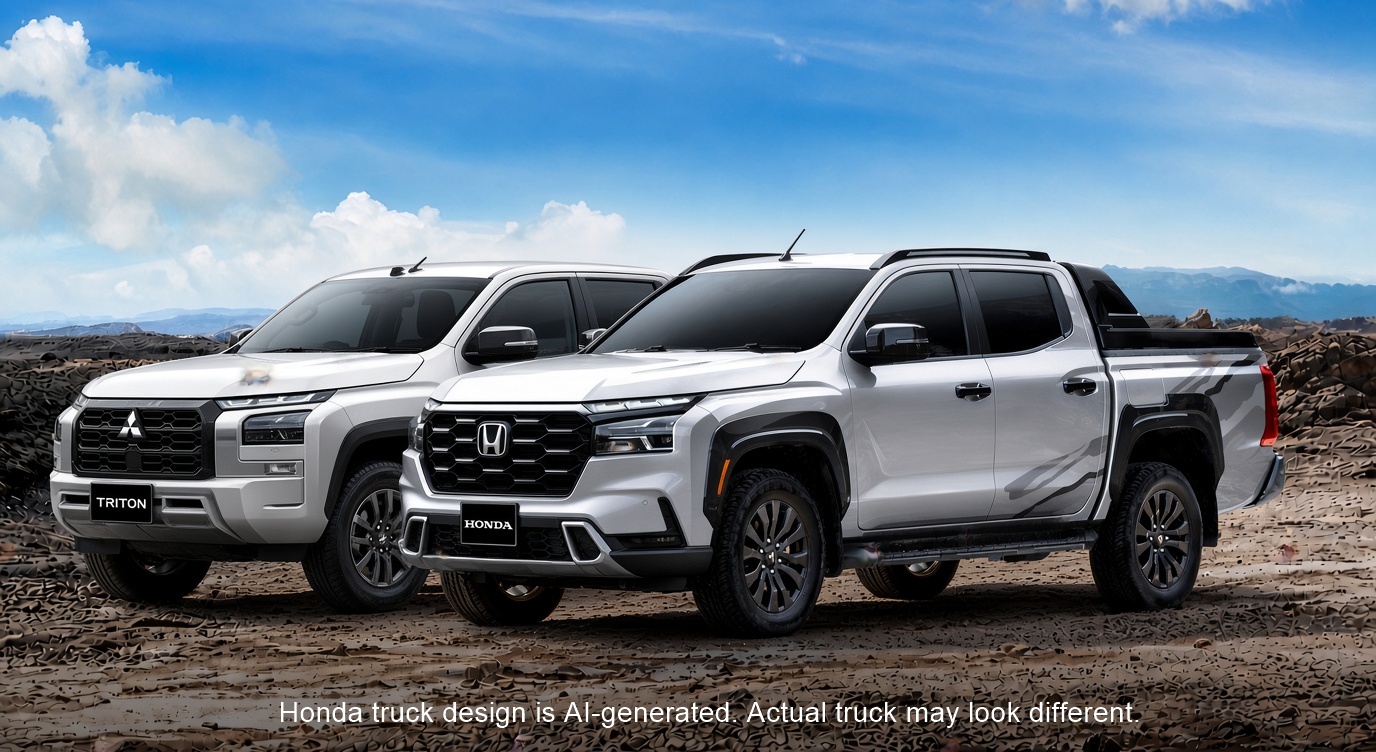
Although industry competitors in their home market as well as globally, the Japanese automakers have also had a history of working together at various times. Consolidation and alliance formation have occurred, by government intervention, economic shocks and global competition.
Rather than full corporate mergers, Japanese manufacturers have historically favoured capital alliances and technology consortiums, allowing brand identities to survive while pooling critical R&D resources.
Joining forces again
The time has again come for the industry players to work more closely together as their dominance in the world market is being strongly challenged by Chinese automakers. Despite having advanced capabilities and production efficiencies, the Japanese automakers realise that they now need to pool resources to move forward at a much faster pace (especially with EVs).
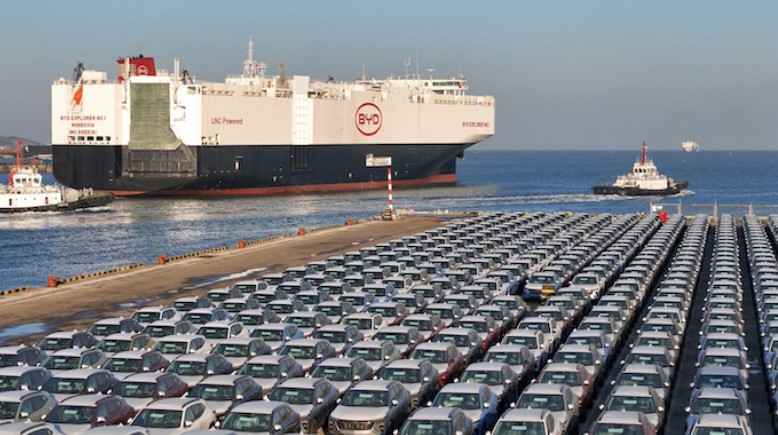
The latest alliance to be formed is between Honda Motor and Mitsubishi Motors which have signed a memorandum of understanding for the development of a Honda model based on the Mitsubishi Triton pick-up truck.
This arrangement is nothing new in the Japanese industry as the automakers have long provided each other models, mainly for the domestic market, in order to be represented in segments where the volume is not sufficiently large but a presence is still needed.
Honda has done it before
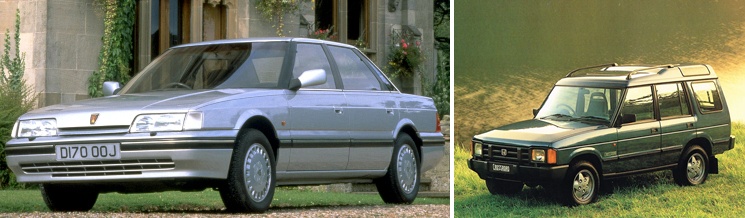
In fact, Honda has long experience in sharing products with other automakers which goes back to the 1980s when it collaborated with the Rover Group. It provided models like the Ballade, Concerto, Legend, Integra and Quintet which were adapted for Rover to sell under its own brand. Then, when Honda quickly needed a large SUV, it adapted the Land Rover Discovery to become the Honda Crossroad that was sold only in Japan between 1993 and 1998.
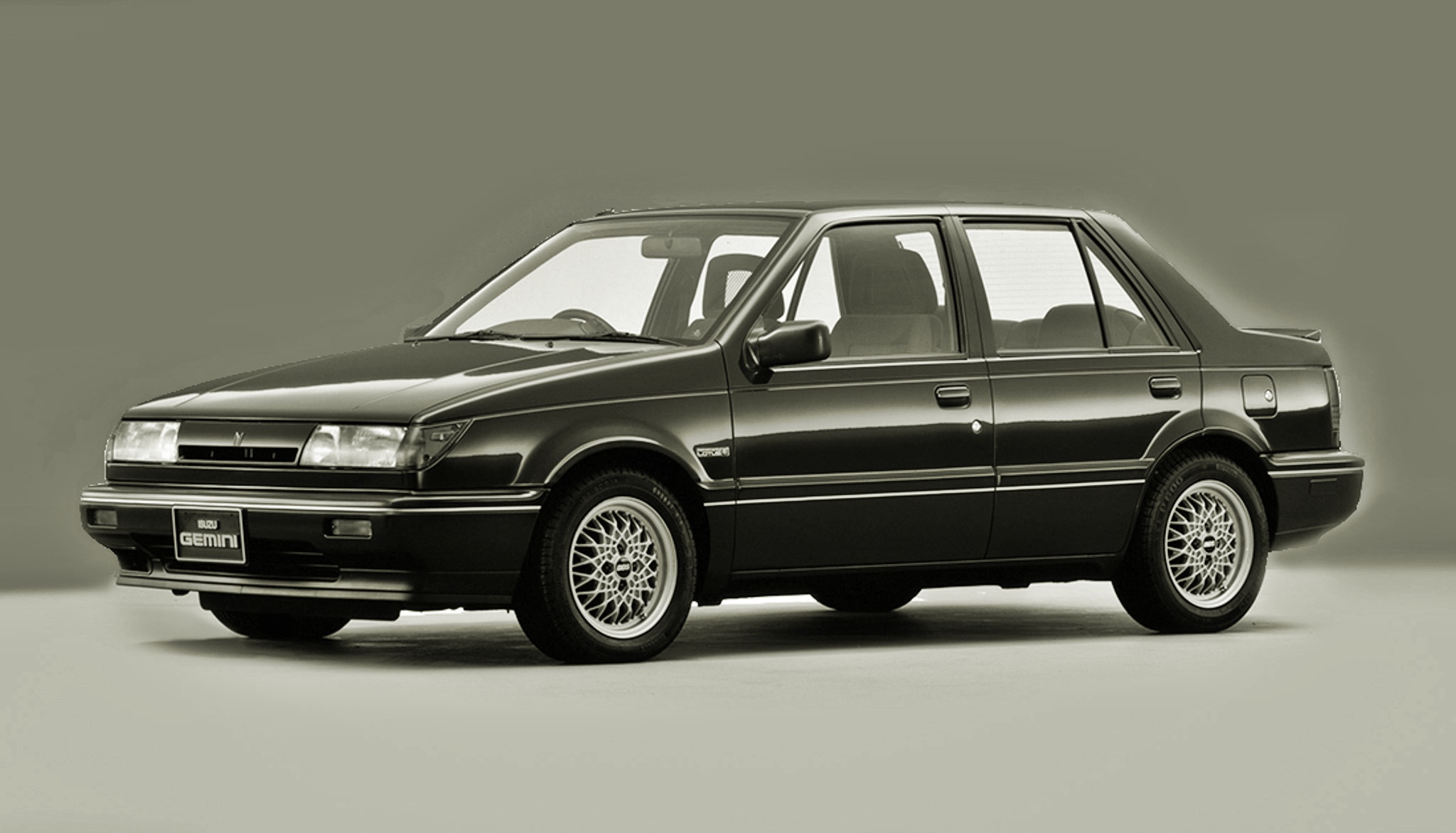
In America, it adapted the Isuzu Trooper and Rodeo, the latter sold with an Acura badge. Honda also sold the Trooper as a Horizon in Japan. In return, its Odyssey was provided to Isuzu which called it an Oasis in the US market while, for the Japanese market, the last generation of the Isuzu Gemini was adapted from the Honda Domani (Civic Ferio).
Same arrangement with Nissan
While this latest tie-up is a first between Mitsubishi Motors and Honda using the Triton, there is already a similar arrangement between Mitsubishi Motors and Nissan where the latter has adapted the Triton for its Navara.
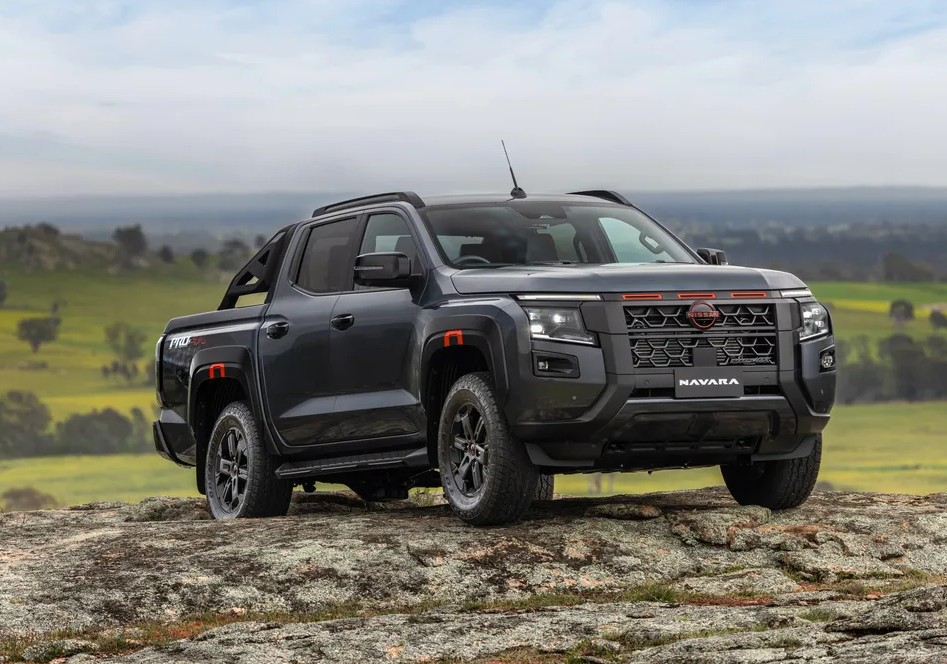
Honda and Mitsubishi Motors have been exploring opportunities for collaboration in various areas based on the framework of the strategic partnership which was part of an MOU (which included Nissan) signed in August 2024.
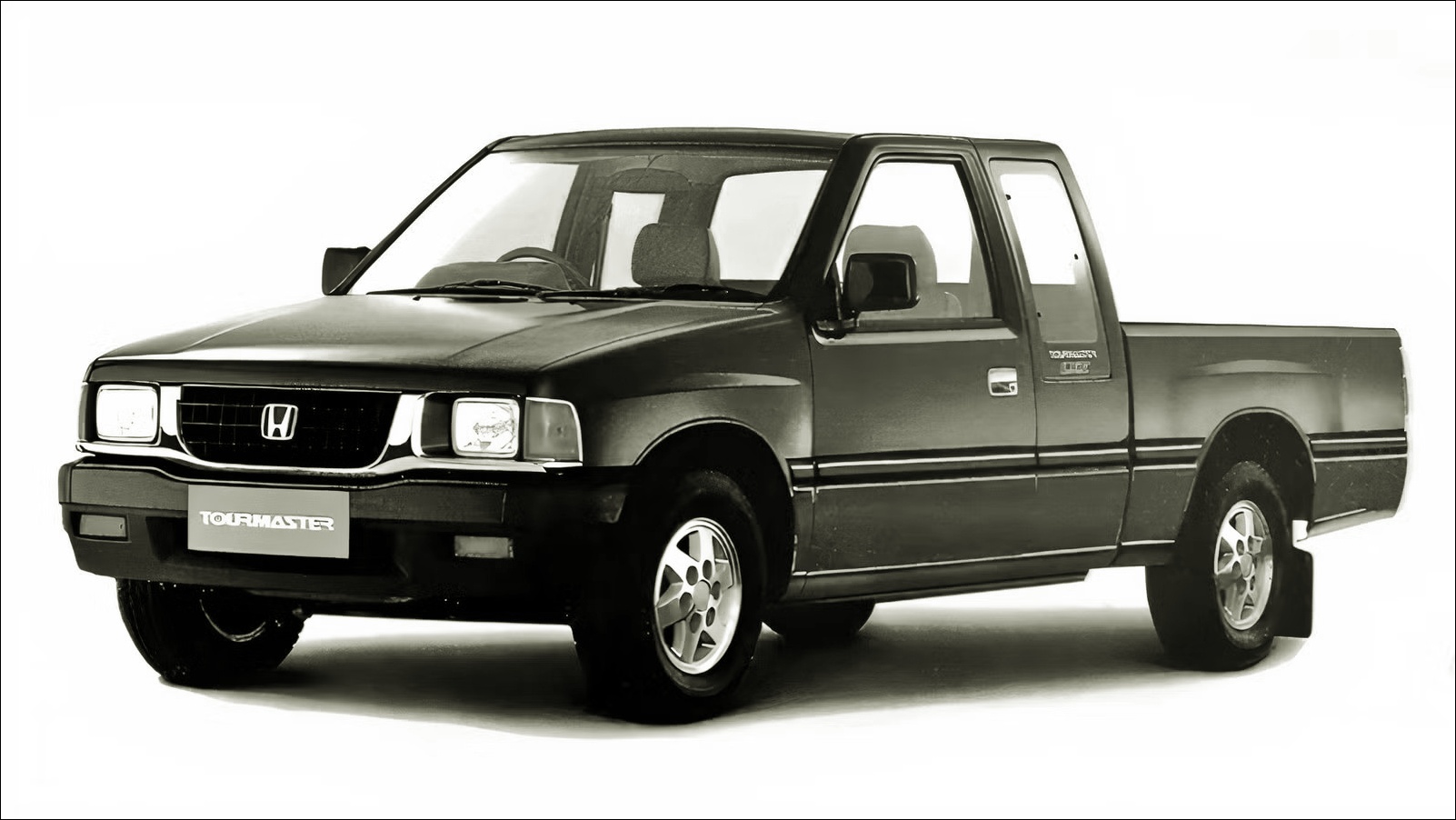
For Honda, it is a useful partnership as the automaker has no experience in ladder-frame trucks (the Ridgeline truck in the US market has a monocoque body) and investment in R&D would not be justified.
Win-win-win for companies
The sharing of models will also enable the three companies to leverage each other’s globally competitive automobile products to quickly and efficiently enhance their respective product line-ups aligned to the business environment and customer needs of each company in different regions.
Honda has stated that it will add the pick-up truck model to its line-up, primarily in the ASEAN market, from 2028. It doesn’t have such a model in the region and although it has the Ridgeline, that model is not suited for the usage conditions in ASEAN which are tougher.

Does Honda need a truck for ASEAN?
Whether the ‘Honda Triton’ (its name has not been revealed yet) will come to Malaysia is hard to say. The truck market in Malaysia, dominated by the Toyota Hilux, is already quite full and attempts by newcomers over the past 20 years have not been able to gain much traction.
Honda already has a strong presence with its sedans and SUVs, and does not need to enter a segment that it has never been in. Furthermore, it has long maintained a policy of local assembly of virtually all its models and the potential volume for a truck is unlikely to justify the investment needed.
As with many such shared products, Honda will have its model made at the Mitsubishi Motors factory in Thailand which is the global production hub for the Triton. This will benefit Mitsubishi Motors as it means additional volume, and Honda will also enjoy the lower cost that better economies of scale bring.