

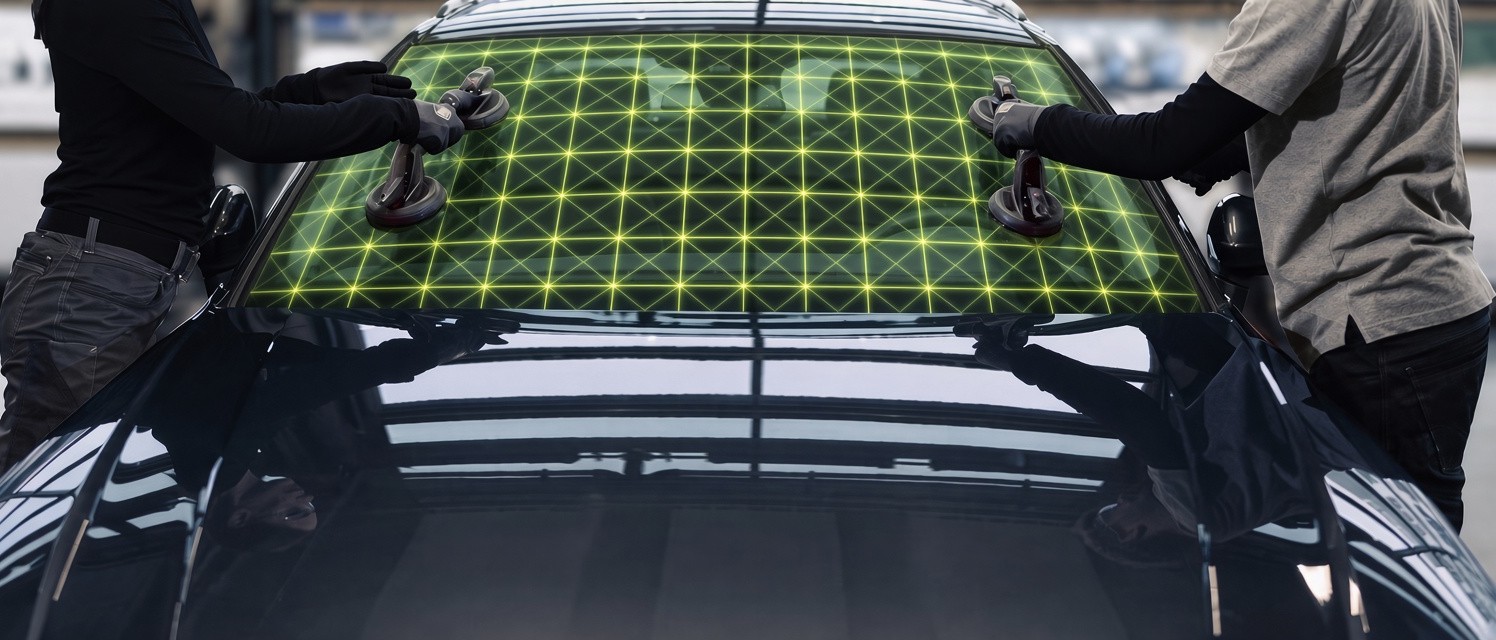
When vehicle crash tests such as those done by ASEAN NCAP are reported, the results give an overview of how the whole vehicle performed and the level of safety it can offer to occupants. There are also some specific areas highlighted, such as the effects on the test dummies which include children. Rarely are other areas mentioned in the report although they are also evaluated.
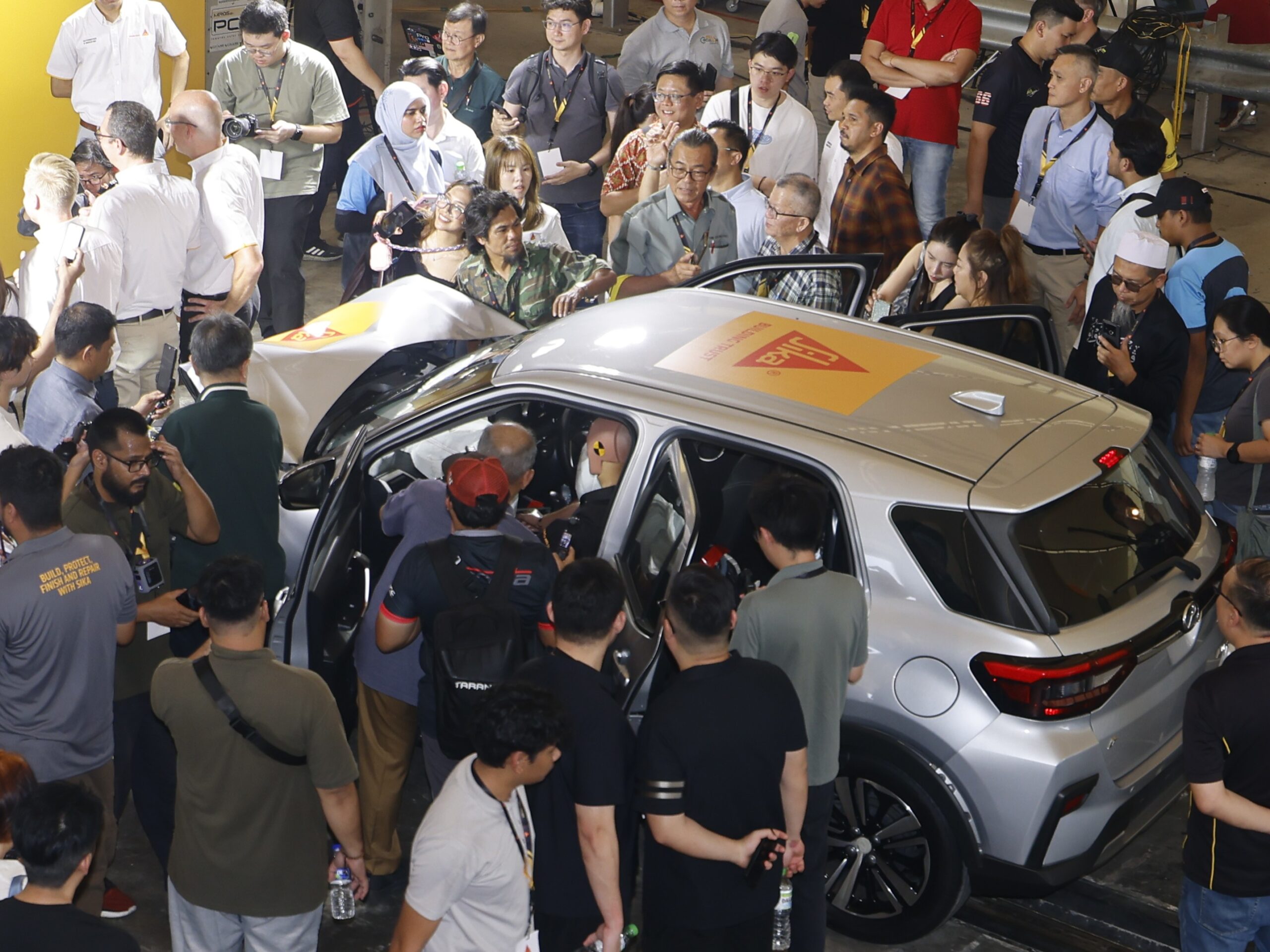
Recently, a crash test conducted at Malaysian Institute of Road Safety Research (MIROS) PC3 Laboratory in Melaka (which ASEAN NCAP uses for crash tests) focussed on the windscreen and the structural role a properly bonded windscreen plays during a severe impact.
Windscreen behaviour in a crash
While primary safety features regularly dominate discussions, the structural contribution of glass installation is frequently overlooked and Sika Automotive Aftermarket, which commissioned the test, aimed to bring attention to this area. The test involved a passenger car colliding with a frontal barrier at 48 km/h, a typical accident scenario.
The crash simulated real-world impact forces to verify whether the bonded glass would hold its position to support passenger cabin integrity. Most people think of the windscreen as just the glass (which often breaks during an accident) but a correctly fitted windscreen reinforces the roof structure and contributes to protection of the occupants.
Vital structural element
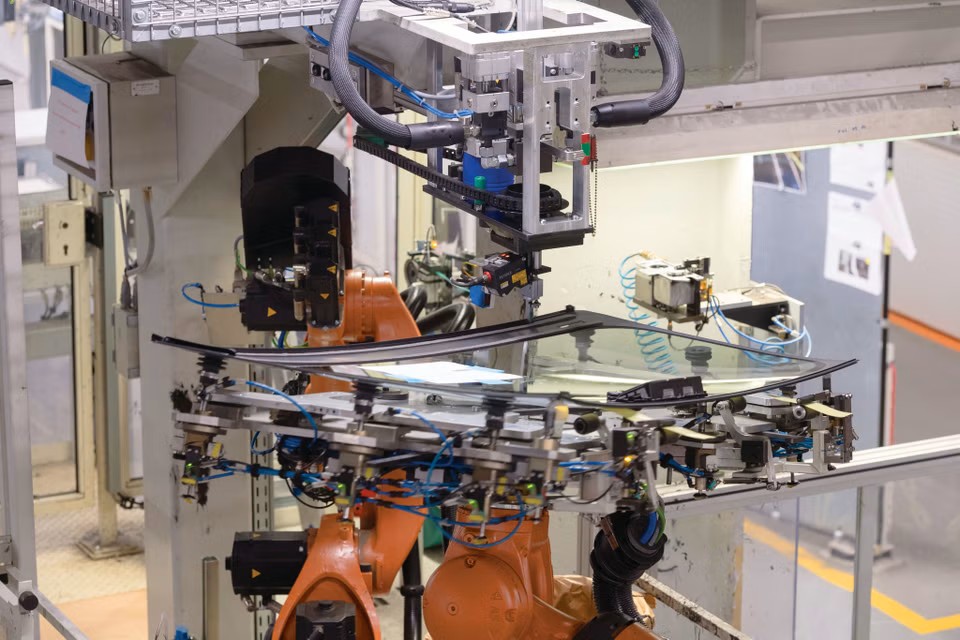
It is, in fact, a vital structural element as the glass provides up to 30% to 45% of the vehicle’s structural roof strength (depending on the vehicle design). Therefore, the glass (laminated nowadays) must be bonded properly around the opening.
Improper installation using incorrect adhesive or inadequate curing time introduces serious risks, particularly under Malaysia’s hot and humid climate, which accelerates adhesive working times. If the bond fails during an impact, the roof pillars can collapse. The windscreen can also detach, compromising full airbag effectiveness because the airbags will not be directed towards the front occupants.
“A windscreen is a safety component, yet it is often replaced on price and speed alone. What matters just as much is the adhesive used and the standard of the installation, because those are what keep the glass in place when it is needed most. We chose to show this in a live crash rather than explain it on paper, so there is no doubt about how much the quality of a replacement matters,” said Daphne Wong, Head of Automotive & Industry, Sika Malaysia.
Swiss specialist
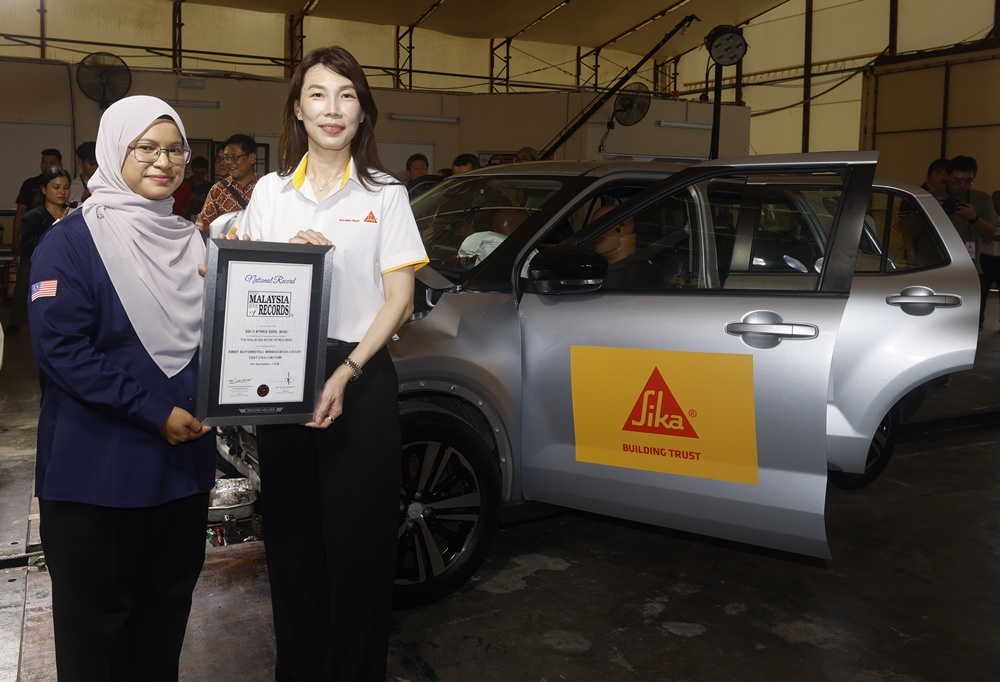
Sika, a Swiss company, has been bonding windscreens for the automotive industry since 1980. The vehicle in the test was fitted using SikaTack DRIVE, an automotive replacement adhesive that meets the US Federal Motor Vehicle Safety Standard 212.
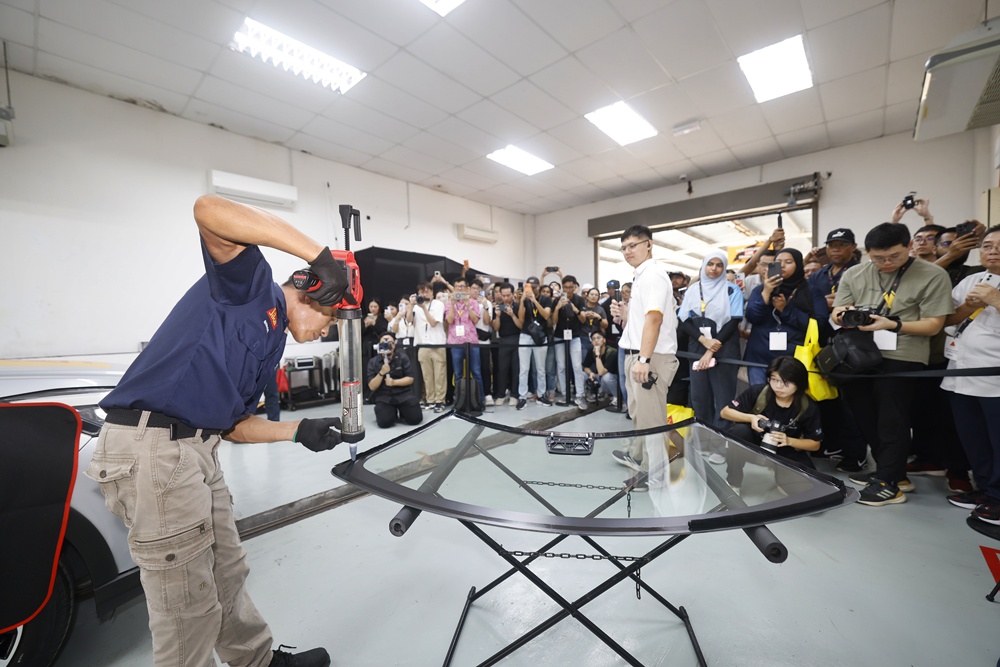
Sika currently supplies adhesive for over 400,000 windscreen installations annually in Malaysia and operates a dedicated certification program to train local technicians on correct fitting procedures.
The Sika Certified Auto Glass Installer Campaign encourages vehicle owners to choose a certified workshop for a safe windscreen replacement. Sika’s certified installers work exclusively with Sika windscreen adhesives and follow a continuous training and certification programme.