
Quick look
-
Following the iX3 launched last September, the new i3 represents a total technological and design ‘reboot’ for BMW, serving as the foundational blueprint for a new generation of electric vehicles.
-
The i3 redefines the iconic 3-Series with a quantum leap in tech, featuring a 900 km range, 800V charging, and a superbrain that processes driving data 20 times faster than previous systems.
“The Neue Klasse is a revolutionary car that defines a new segment in the industry. This car is a game-changer for the company. It represents the first step towards a future range of models that would accommodate all segments.” This was how BMW presented its new range of models in the 1960s, beginning with the 1500 model in 1962.
In the 21st century, a Neue Klasse (New Class) has been created for a new family of battery electric models. Just as the original Neue Klasse was vital for the company’s future, so too is the modern one which will enable BMW to achieve full climate neutrality across the entire value chain no later than 2050.
![BMW IX3 Neue Klasse EV [2025]](https://www.motaauto.com/wp-content/uploads/2025/09/BMW-IX3-Neue-Klasse-EV-2025-1.jpg)
![BMW i3 EV [2026]](https://www.motaauto.com/wp-content/uploads/2026/03/BMW-i3-EV-2026-8.jpg)
Quantum leap
But BMW says it is not just ‘another electric alternative’ as it represents a technological reboot for the brand. Calling the i3 ‘a quantum leap’ is backed up by an impressive number: 900 kms of range. This is made possible by sixth-generation eDrive technology which utilizes new cylindrical battery cells to pack 20% more energy into the same space.
At launch, the focus of attention would be the i3 50 xDrive, which comes with dual motors that generate a total of 345 kW (469 hp)/645 Nm of torque.
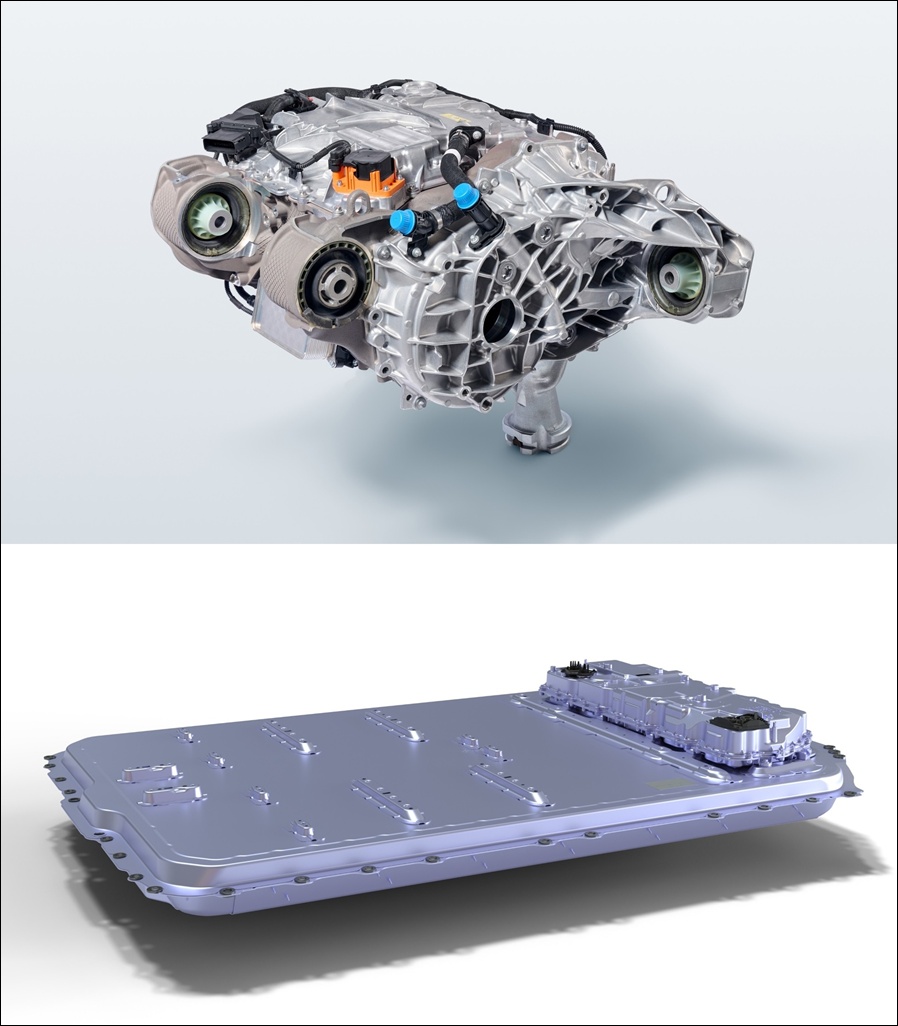
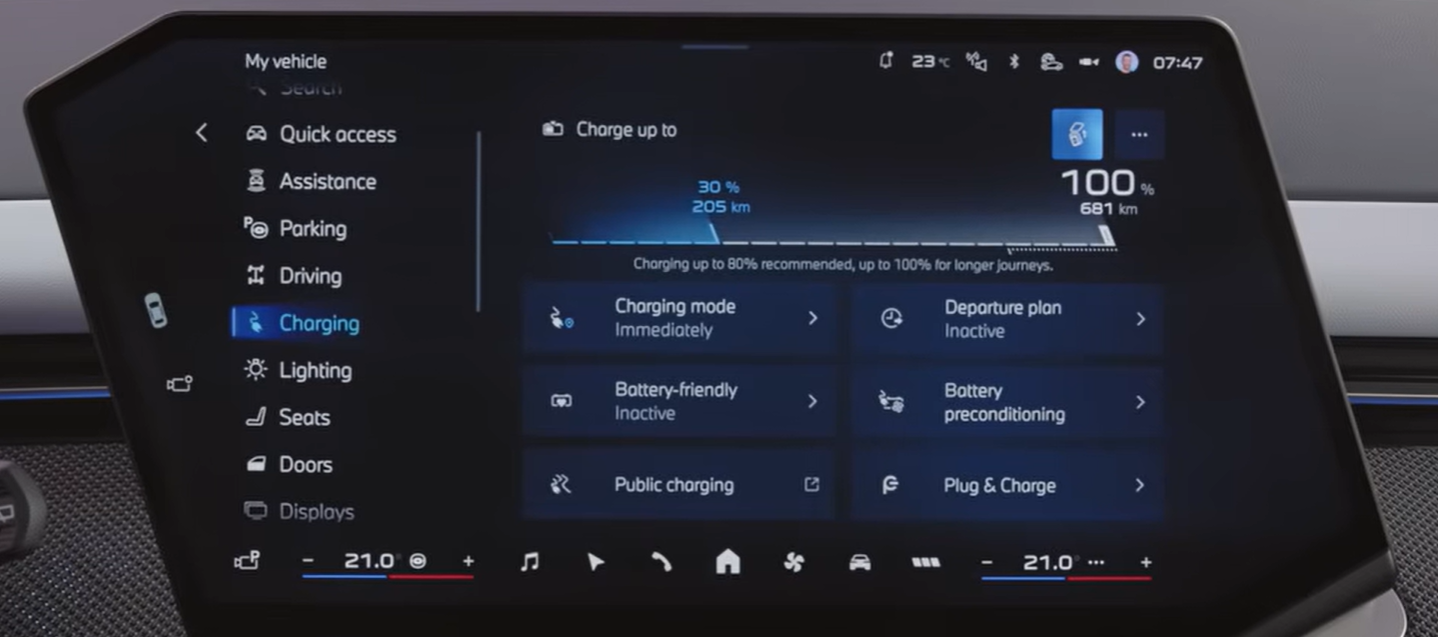
Charging is equally impressive with 800V architecture. This allows charging from a DC power supply of up to 400 kW, adding a range of 400 kms within 10 minutes, claims BMW. At this rate of decreasing times, the charging session might be completed before the coffee can be finished. For AC charging, the maximum rate is 22 kW.
The charging port is located on the rear right side. It is possible to open the charging flap manually, but this is no longer necessary as the intelligent charging flap opens automatically as soon as the driver’s charging request is detected. If no charging cable is connected, the charging flap closes automatically – as it does after the charging session is complete or when the car is ready to drive.
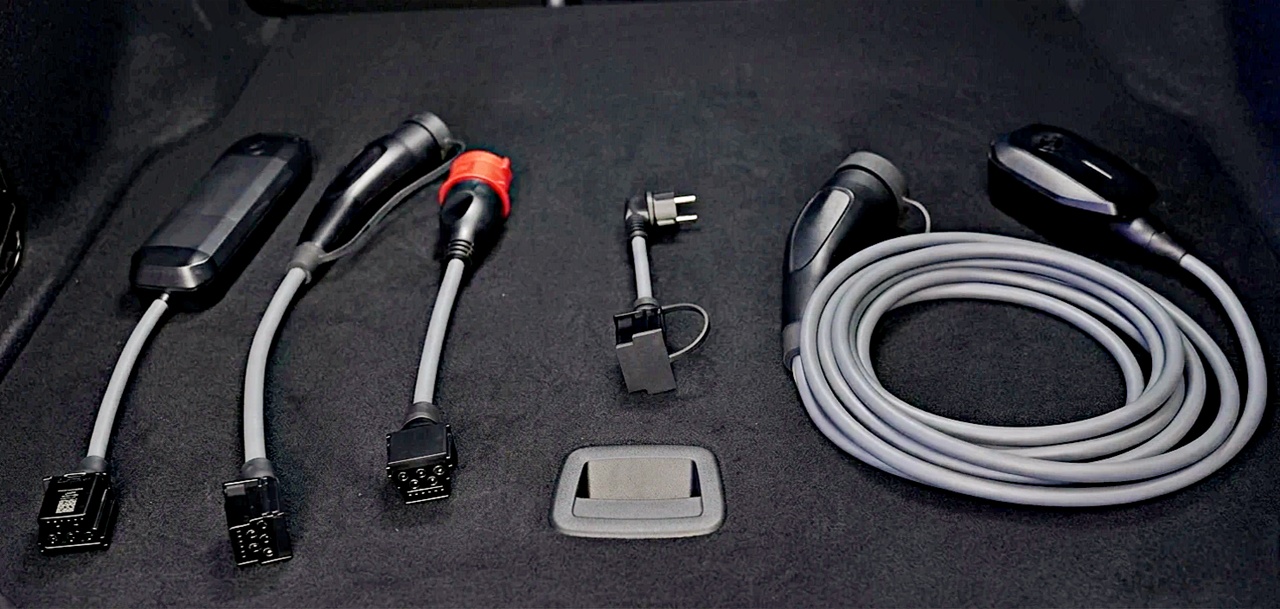
With the Neue Klasse, BMW introduces a new Multifunction Charger kit as an all-purpose solution for charging at home and while motoring. A new design with an ergonomically optimised charging plug, a cable length of 6 metres and suitable adapters for various purposes make the MFC flexible and convenient.

‘Heart of Joy’ superbrain
BMW has been at the forefront of digital technology in its cars for decades, among the first to exploit the technology not just for performance but also for efficiency. For the new i3, BMW has developed a new ‘superbrain’ it calls the ‘Heart of Joy’ which centralizes all driving functions (managed by 4 computers) into a single high-performance computer that processes data 20 times faster than previous systems. To add cohesiveness and responsiveness, the engineers have also developed a digital ‘nervous system’.
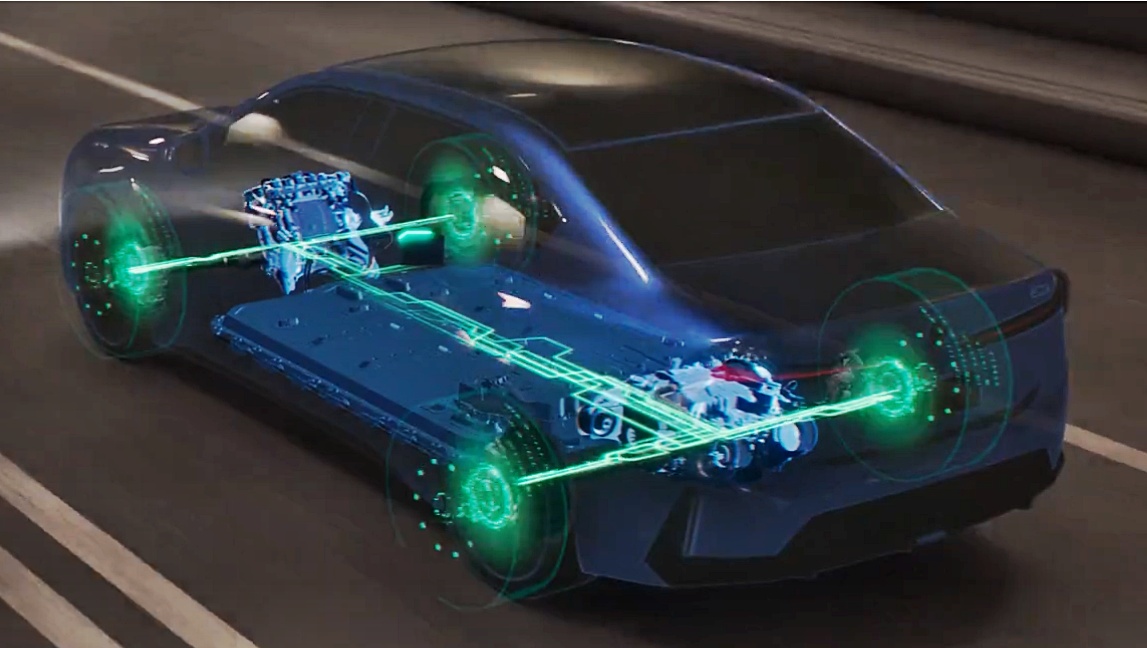
Zonal electronics reduce weight by simplifying the car’s wiring harnesses. By using Smart eFuses and a zonal architecture, the car’s electrical system is more efficient and easier to update over the air. This ensures the i3 can gain new features and performance optimizations long after it leaves the showroom.
New design language
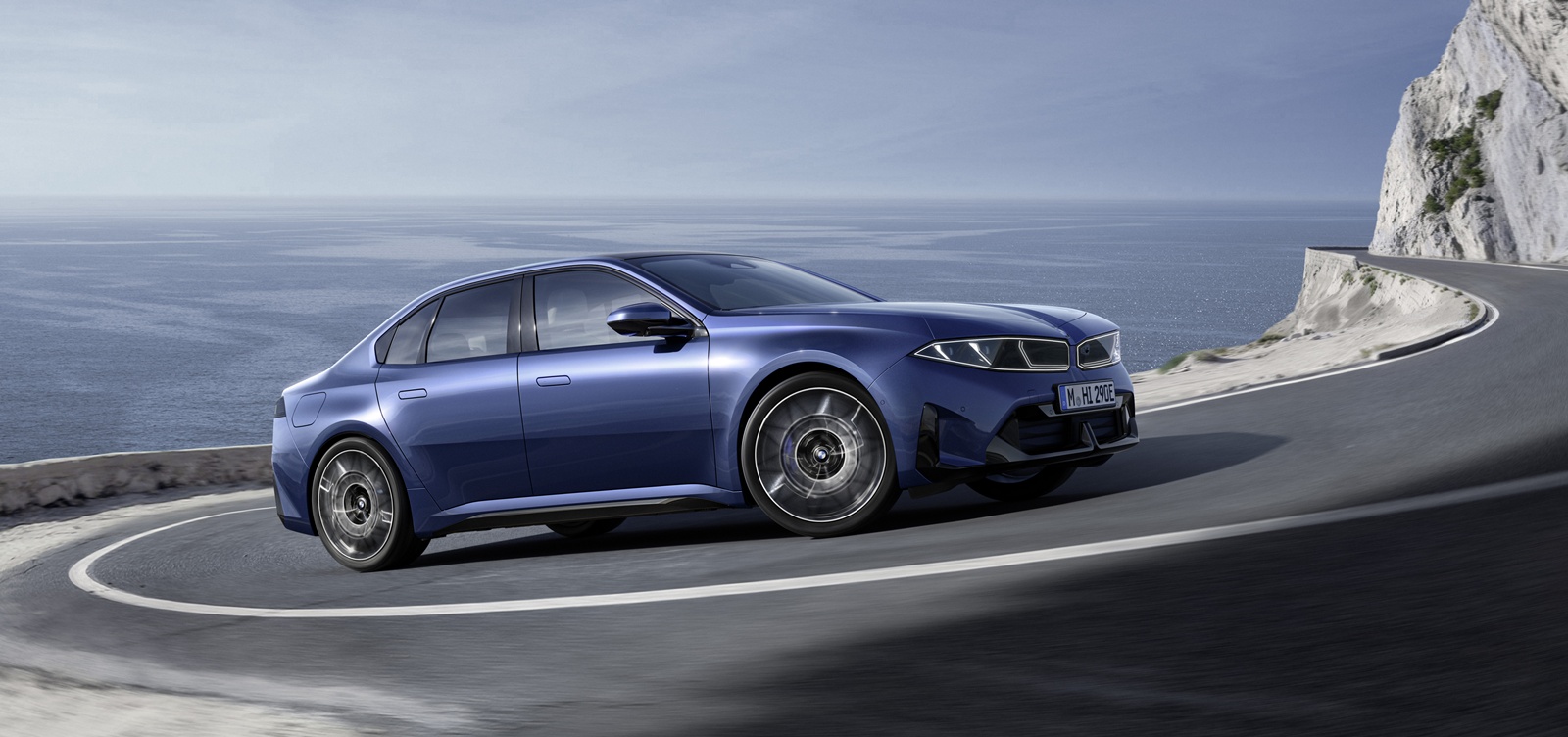
Visually, the i3 introduces a fresh 2.5-box silhouette that is unmistakably BMW, yet a departure from previous design language. The cluttered lines of recent years are replaced with a cleaner, reduced style characterized by a long wheelbase and short overhangs.
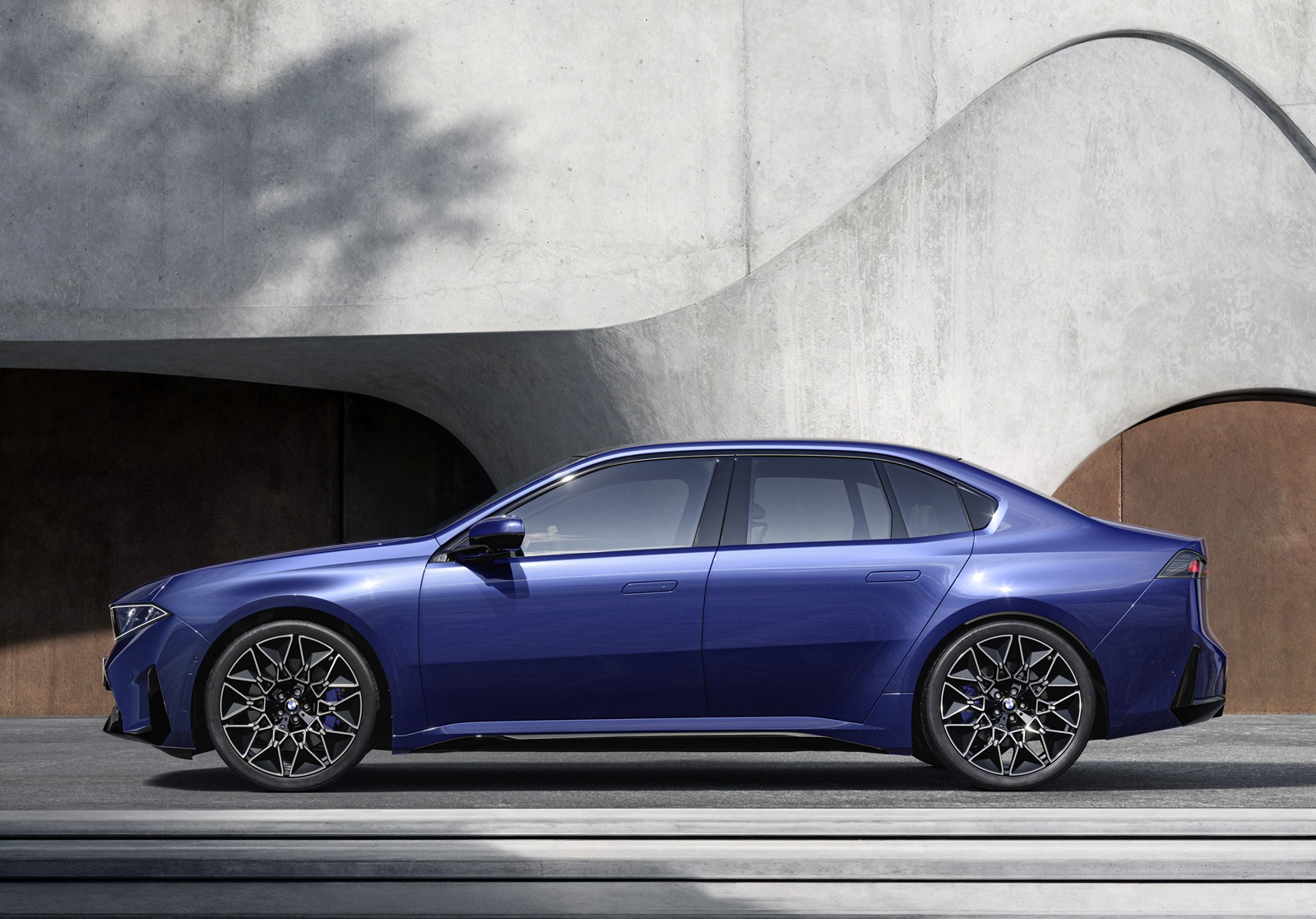
The ‘shark-nose’ front end with the horizontal kidney grille that is an iconic BMW styling element is reimagined to give a wide, aggressive stance that commands the road. As an option, the Iconic Glow special equipment enhances the visual depth effect of the radiator grille.
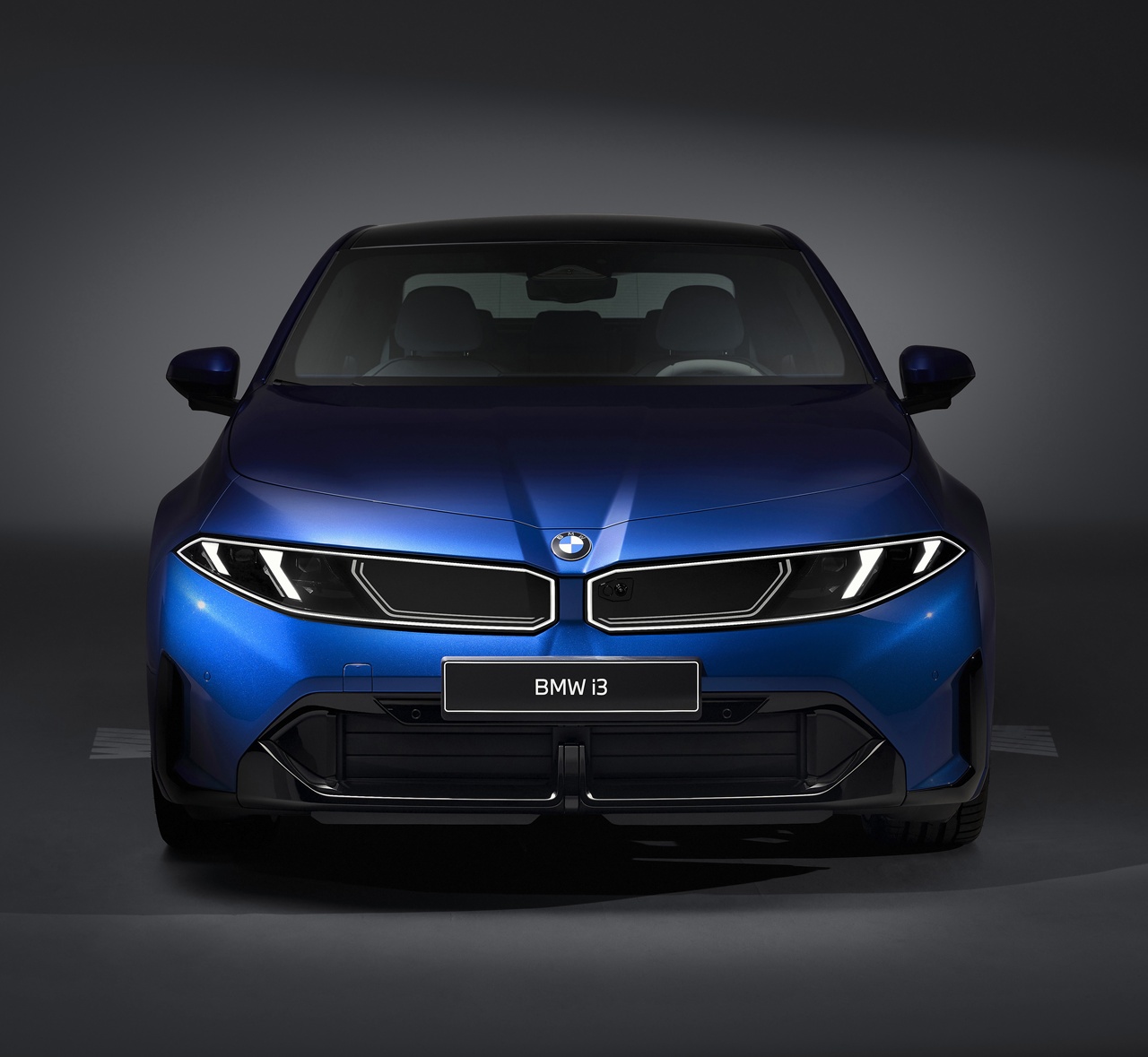
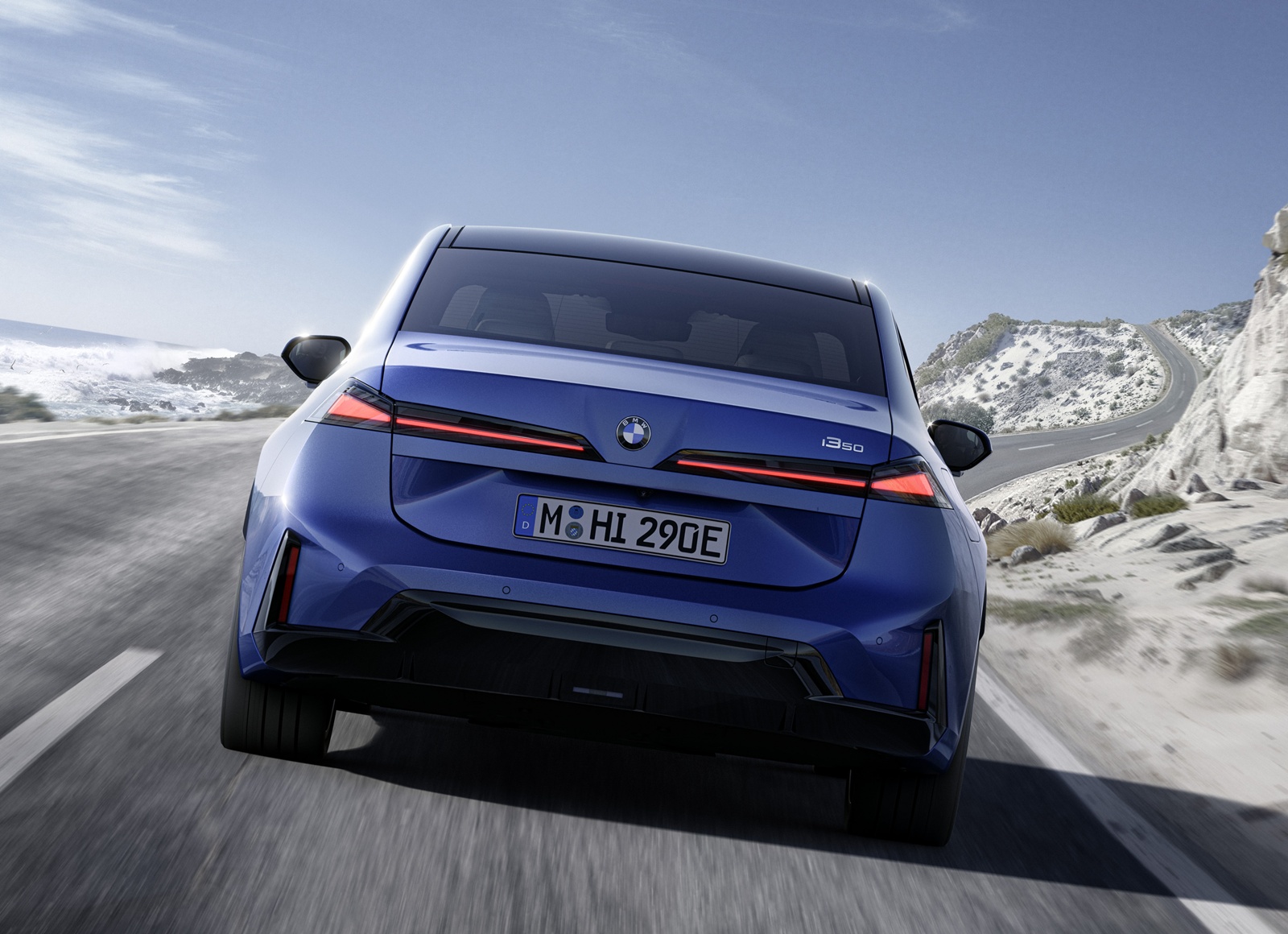
The lighting signature is a particular highlight, with twin headlights merging into the grille for a unified look. At the back, sweeping L-shaped taillights emphasize the car’s width and athletic shoulders.
Optimised EV architecture
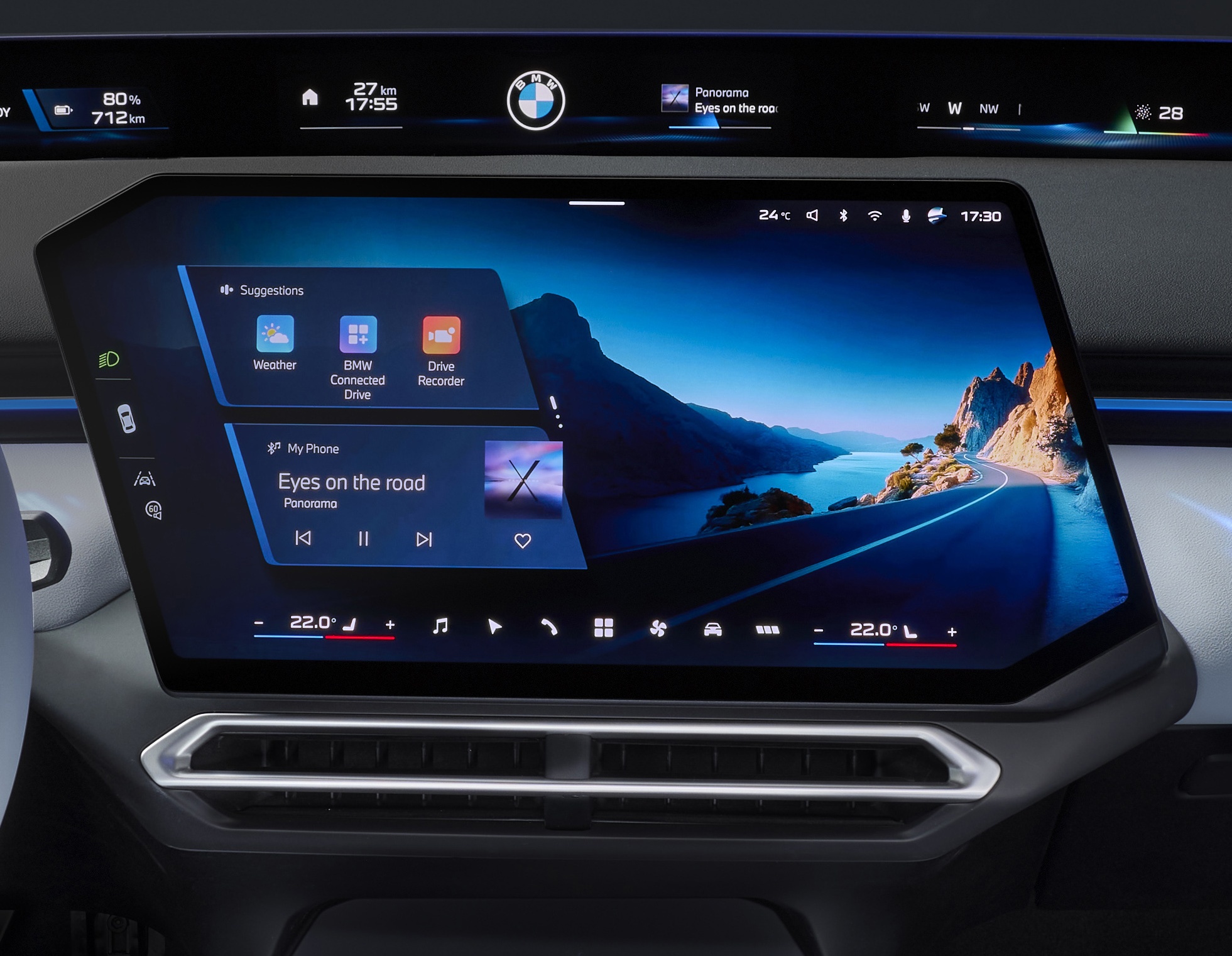
Prior to the unveiling of the production model this week, the interior design for the i3 was previewed in the Vision Neue Klasse concept model. With its dedicated EV architecture, the floor is flat and cabin space is maximized. The design is dominated by the BMW Panoramic iDrive, a new interface that moves beyond the traditional dashboard to turn the entire lower area of the windscreen into a display.
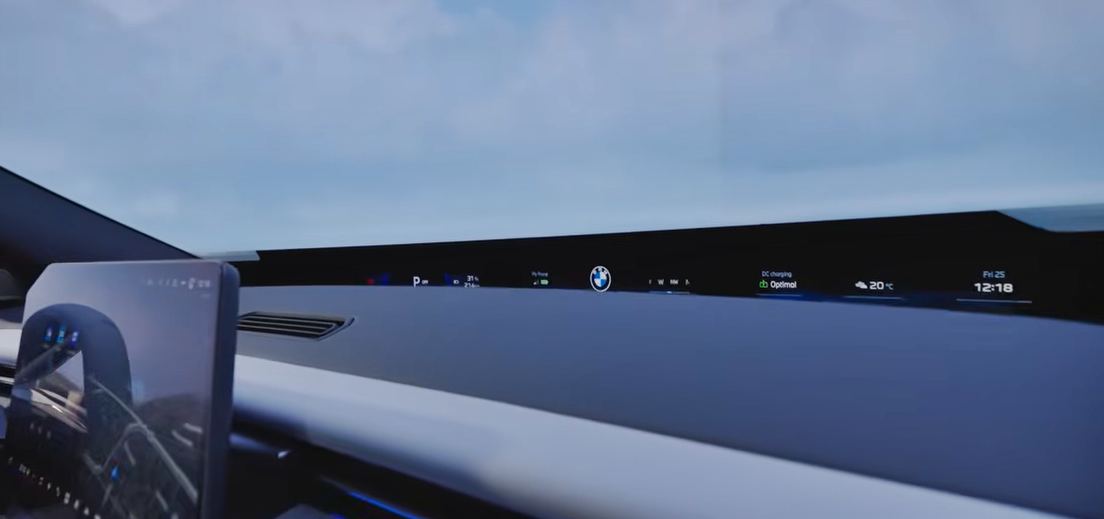
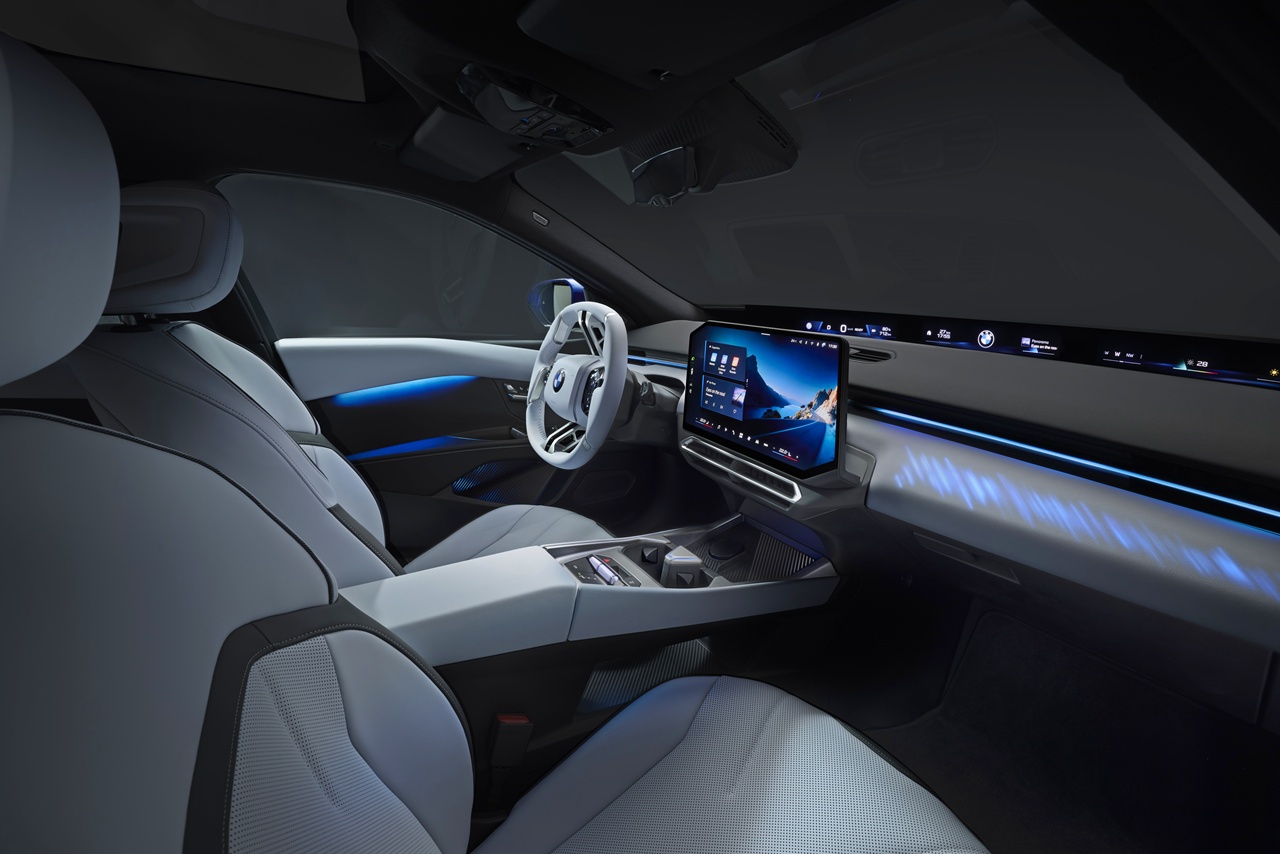
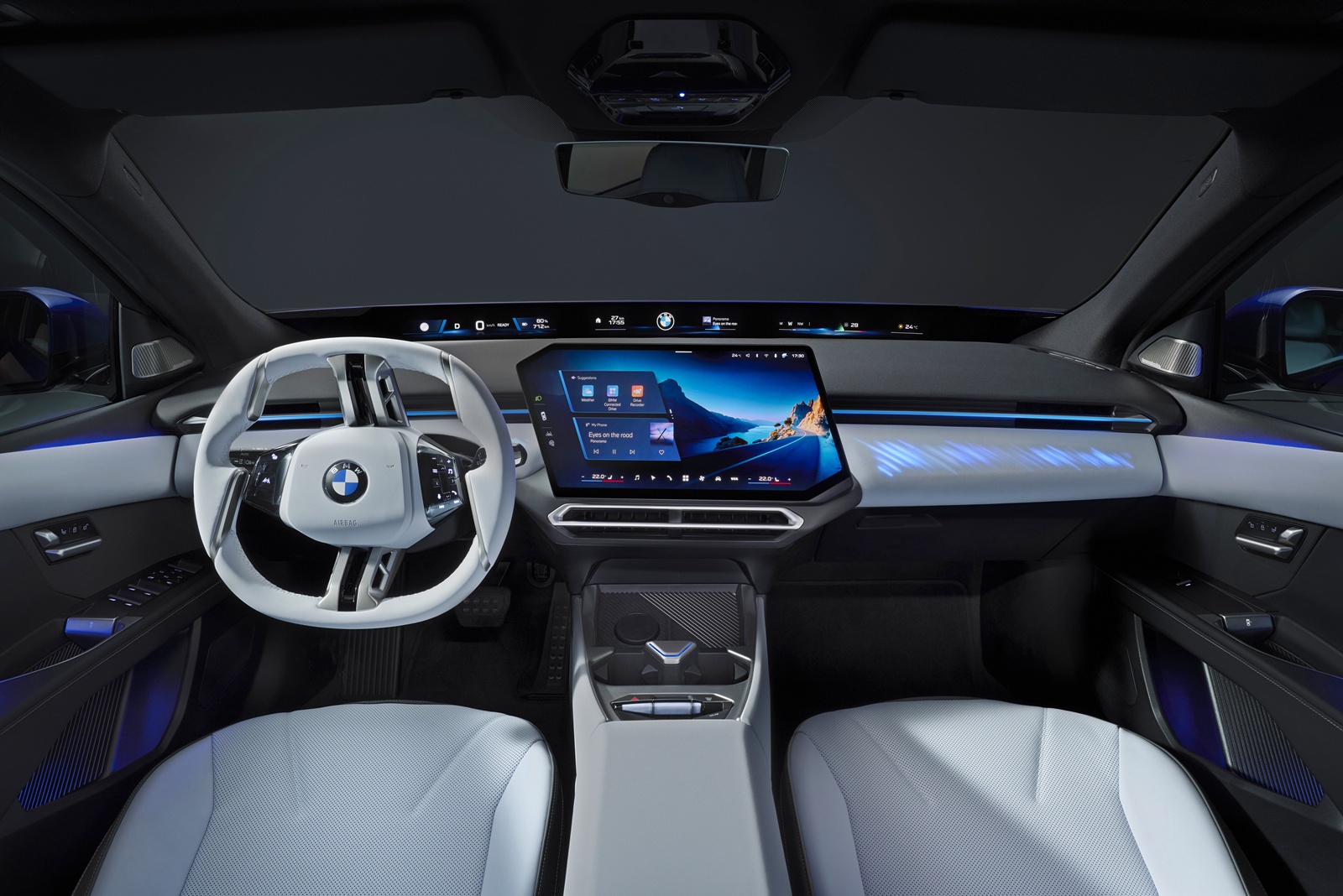
This Panoramic Vision display works in tandem with a 17.9-inch central touchscreen and 3D Head-Up Display. It’s a minimalist approach that hides complex technology behind a clean, user-friendly interface.
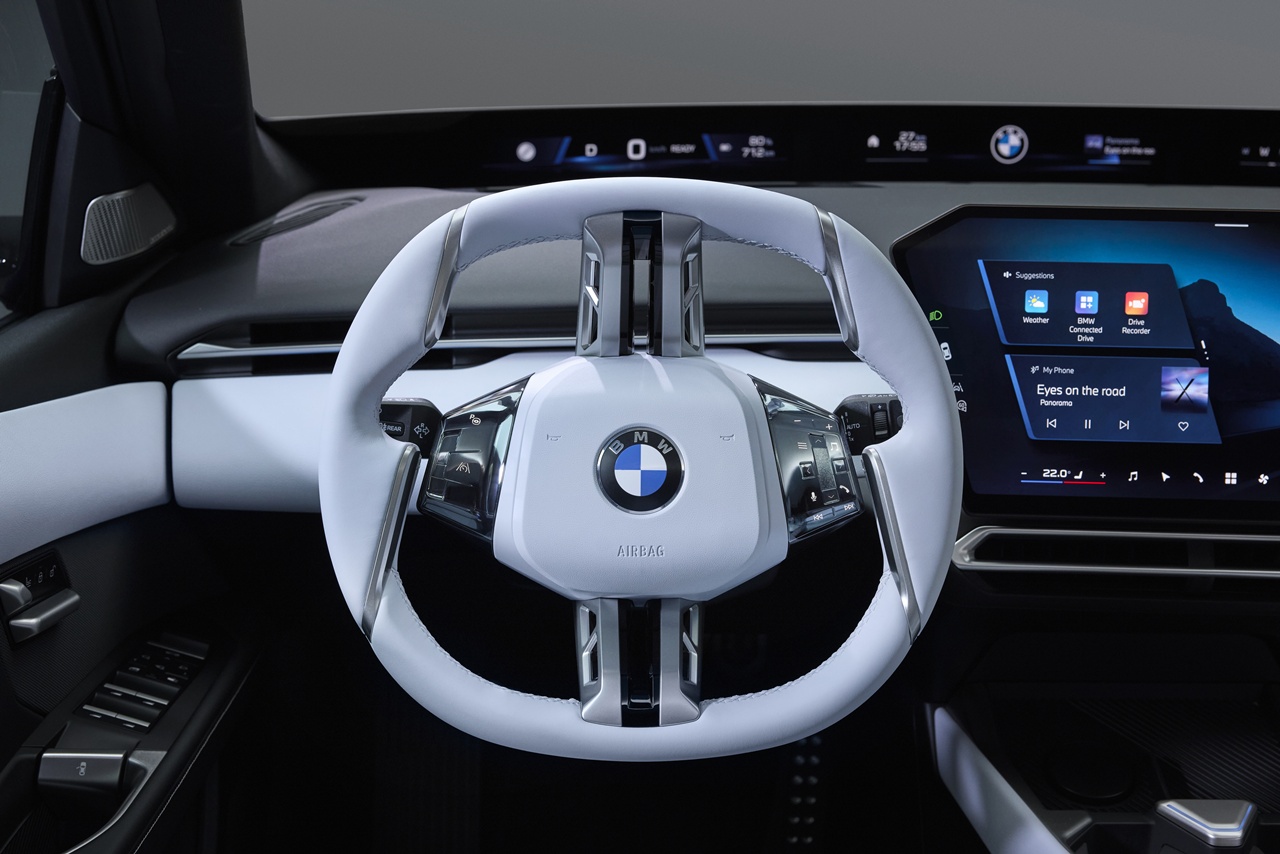
The multifunction steering wheel employs the ‘Shy Tech’ philosophy, meaning buttons are only illuminated when the corresponding functions are available. Logical arrangement of switches and buttons supports intuitive use and contributes significantly to the overall ergonomic efficiency of the cockpit.
The tech is powered by BMW Operating System X which features a generative AI assistant. Using Large Language Model technology, the voice assistant can now handle natural dialogues rather than just rigid commands that must be memorised. It’s designed to learn the driver’s routines and offer proactive suggestions, feeling like a genuine co-driver (or a helpful passenger).
‘Sustainable luxury’ is the direction BMW is taking for interiors. For example, the Econeer seat covers – which have a premium look and feel – are made from 100% recycled polyester. In addition, the dismantling capacity of the seat cover has been improved to facilitate sorted separation at the end of the life cycle.
For traditionalists, M Sport trim levels will still be available, ensuring the i3 will have the sporty ambience found in previous models.
Innovative structure
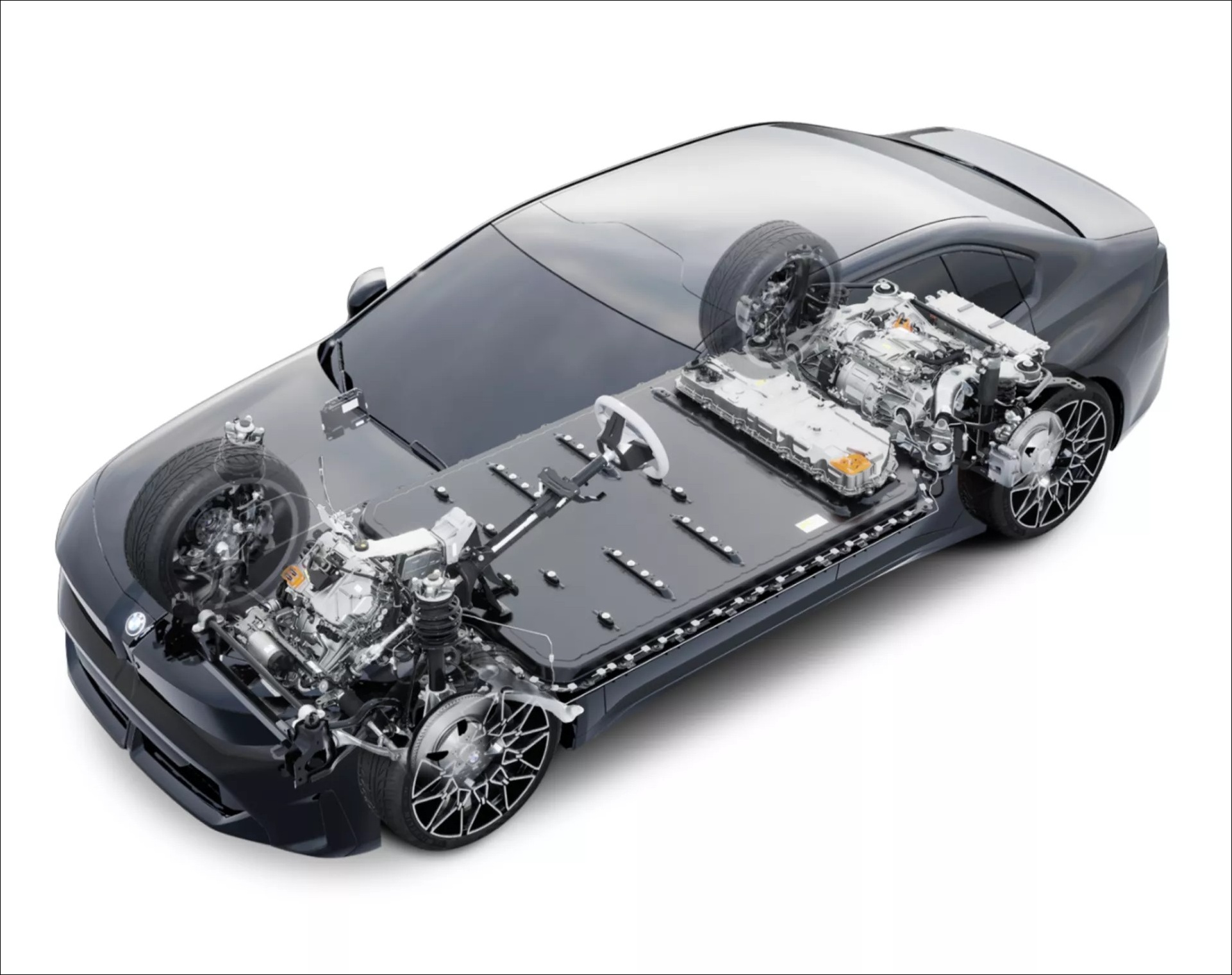
Structurally, the i3 uses a ‘pack-to-open-body’ construction where the battery housing serves as a structural component of the chassis. This increases torsional rigidity and lowers the centre of gravity. Combined with a new 5-link rear axle and optional adaptive M suspension, the i3 will provide the ‘Sheer driving pleasure’ that the brand’s cars have always promised.
Safety and assistance are handled by the Symbiotic Drive system which allows semi-autonomous (Level 2) driving. Level 2 means the driver still has a role to play and the system helps with awareness of the surroundings and dangers, and takes action when necessary (eg braking if the drive doesn’t do so in time). Besides systems that monitor outside the car, there are also systems which monitor the steering and the driver’s eyes to detect drowsiness.
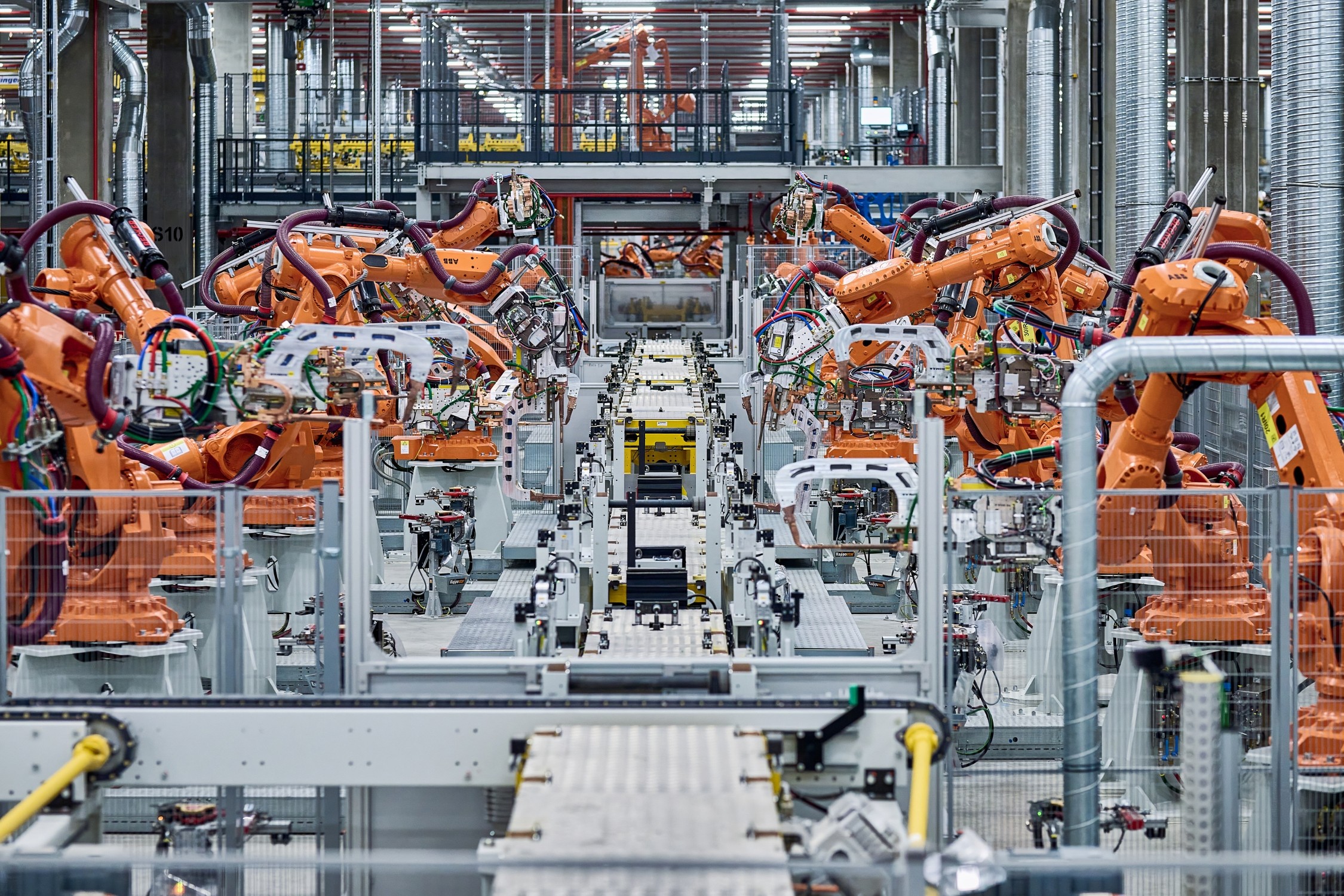
Manufacturing the i3 is as innovative as the car itself. Production will be done at the historic Plant Munich, which has undergone a massive 4-year modernization program. By August 2026, the factory will begin rolling out i3 EVs, and one year later, the entire plant will switch exclusively to fully electric Neue Klasse vehicles.