
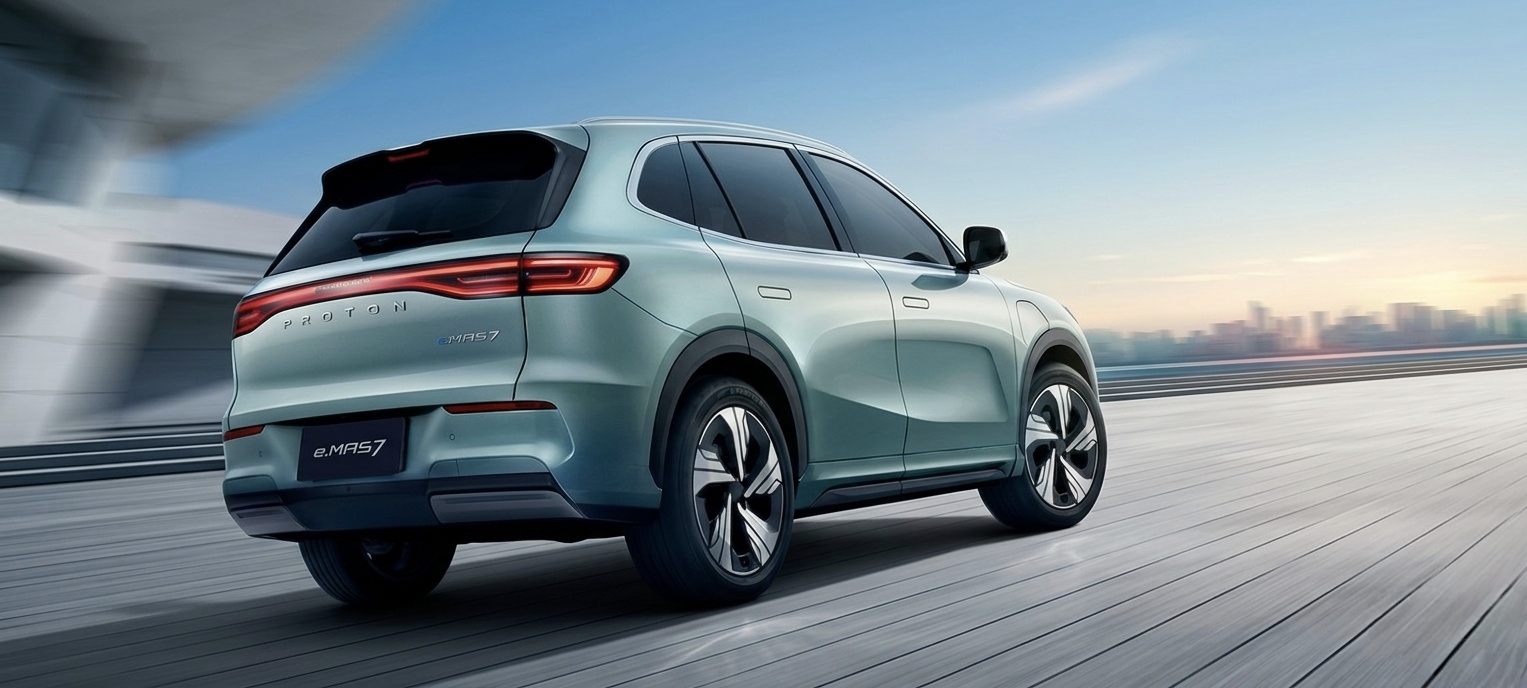
With petrol prices shooting up again due to the intensifying and unpredictable conflicts in the Middle East affecting global oil prices, the running costs for motorists owning ICE (internal combustion engine) vehicles are getting higher because fuel costs more.
Of course, Malaysian citizens are shielded from these increases, thanks to the government’s BUDI95 initiative that maintains pump prices with subsidies. However, such situations are a preview of how things can be in future as oil is a fossil fuel which is not going to last forever.
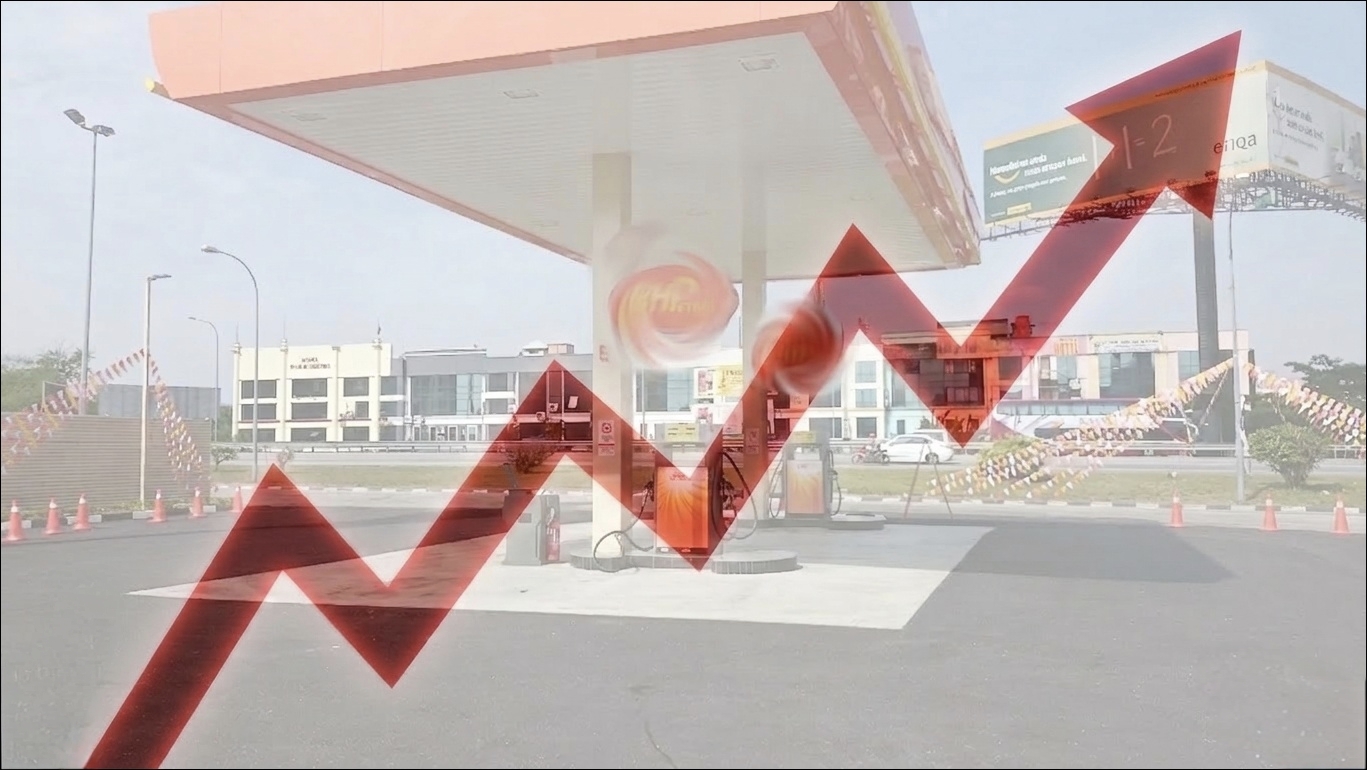
It was created millions of years ago from dead dinosaurs and vegetation and that supply will one day run out. Before then, as supply decreases, prices will continue to fluctuate and go up. At some point, subsidies may also be removed.
No alternatives before
Before, whenever fuel prices rose excessively, motorists found themselves with virtually no viable alternatives. When the cost of each refill became significantly more expensive, the only options were to become extremely conscious of reducing fuel consumption (to the extent of switching off the air-conditioning!) or to abandon the comfort of personal vehicles and switch to public transport. These were often compromises that impacted personal comfort, convenience and mobility, leaving drivers with a sense of helplessness against the volatile global energy market.
Today, there is a viable and affordable alternative – electric vehicles (EVs) which do not require petrol to run, so motorists are no longer held ‘hostage’ by pump prices. Regardless of how high the price per litre climbs, an EV owner can be indifferent to the matter because the cost of petrol is no longer a factor in everyday motoring. Visiting a petrol station is only to pump the tyres or perhaps pick up a snack or drink at the convenience store.
Refueling station in your home
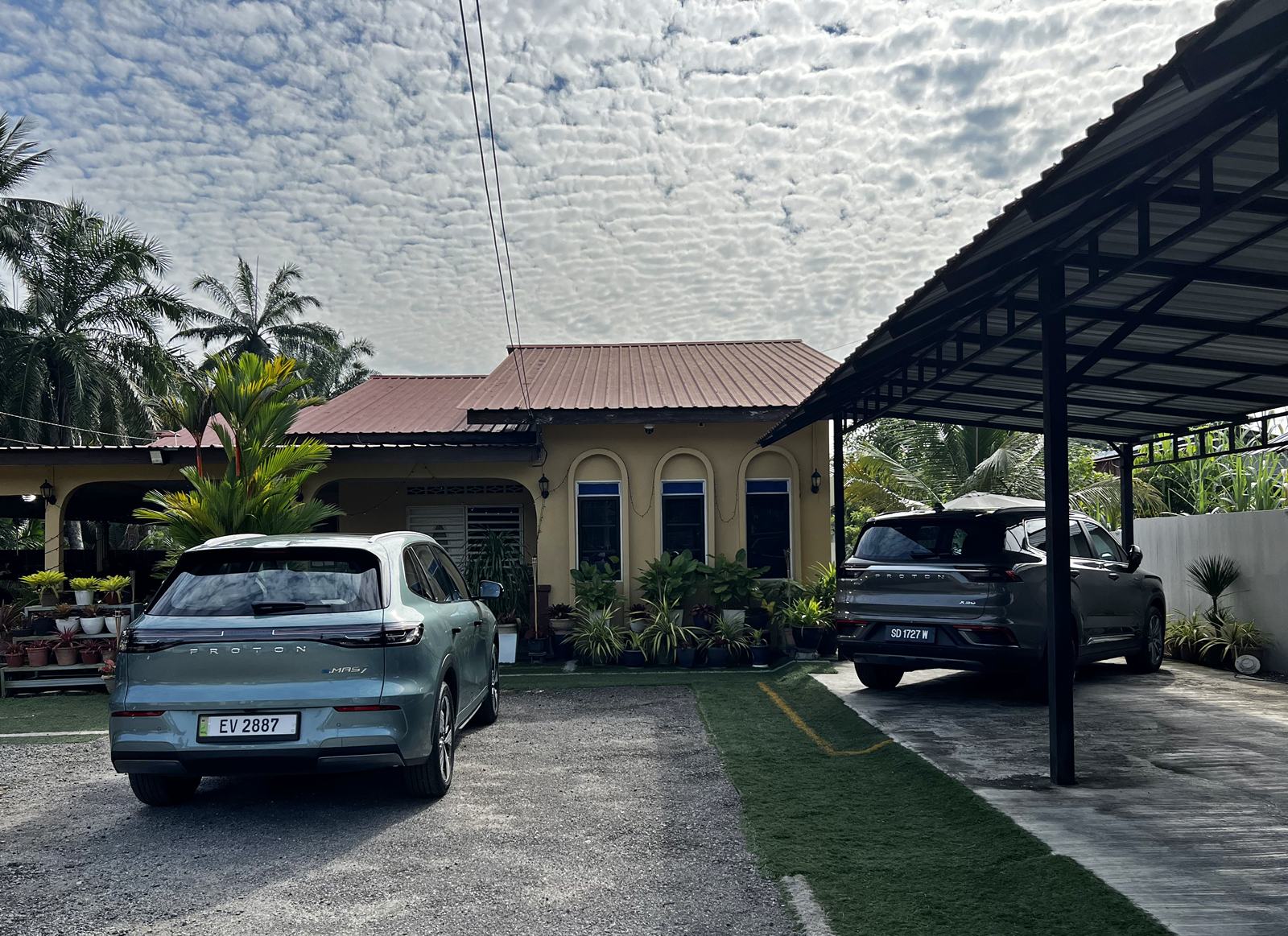
For those living in houses with their own compounds, they can even have a ‘personal refueling station’ at their doorstep with the installation of a wall charger. Just as they recharge their mobile phone at night, they can also recharge their EV and start the next day with a full battery pack and maximum range. This eliminates the need to look for a public charging station and sometimes having to wait for an empty bay.

In daily practice, however, charging an EV might not need to be a nightly affair unless a driver’s daily commute involves exceptionally high mileage. Many of the modern EVs available in the Malaysian market today have driving ranges of around 300kms or more on a single charge.
For the average urban commuter, this means that recharging might only need to be performed once or twice a week, making the transition from petrol to electric far less intrusive than what many non-EV owners perceive.
Cheaper than ICE
Of course, electricity isn’t free, but the cost of this energy still makes it cheaper to run an EV than an ICE car. If you utilize the Tenaga Nasional Berhad Time-of-Use (ToU) tariff and charge between 10:00 pm and 8:00 am, your costs drop further due to the off-peak rate.
By some calculations, the running cost per kilometre for an EV is about a quarter that of an equivalently sized ICE car. Over a few years of ownership, this will represent massive savings.
Saving the planet
While most people would buy an EV for these immediate economic benefits, there is also a benefit to our local environment as well as the planet. EVs do not emit exhaust gases with pollutants like carbon dioxide which causes global warming and climate change. By choosing electric power, Malaysians are taking a proactive step towards reducing their carbon footprint and ensuring a cleaner environment for future generations.
More cost-savings
But that’s only part of the benefit of going electric. The moment you switch to an EV, you will find that there are also more savings besides just fuel costs, because of the substantial differences between an EV and an ICE car.
In an ICE car, the engine has hundreds of moving parts and many need to be adjusted or replaced periodically. However, with an EV, there is no engine oil to change, no sparkplugs to replace, and no air or oil filters that get dirty and need to be changed.
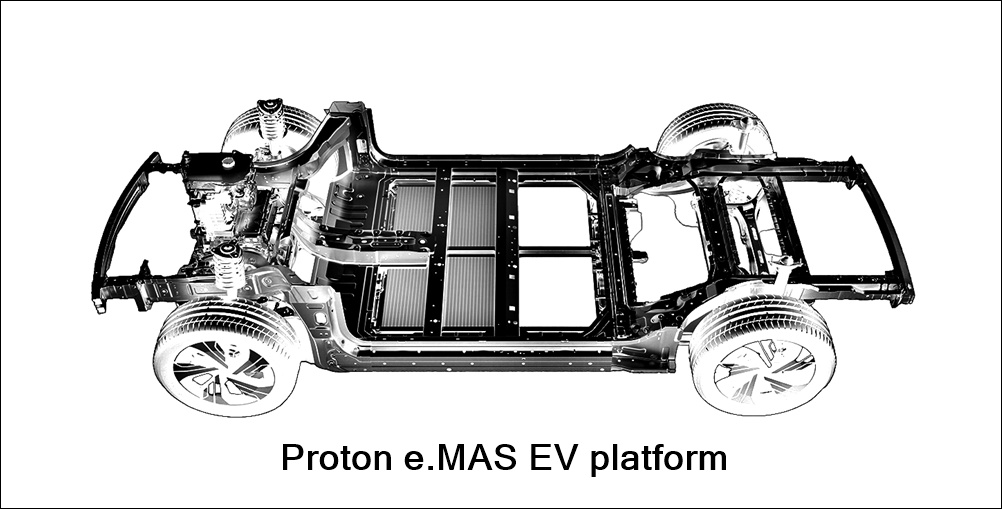
In short, this means big savings on parts that an ICE car owner incurs many times during ownership of the vehicle. The reduced complexity of an EV also makes scheduled visits to the service centre less frequent, saving time for the owner. Even the visits would not be long, usually involving simple software checks or tyre rotations.
Going far with an EV
The old concerns regarding ‘range anxiety’ — the fear of being stranded because the battery could not be recharged — were very valid just three years ago, discouraging many from buying an EV. With Malaysians typically travelling long distances to their hometowns during festivals, an EV did not seem suitable.
In 2026, the infrastructure landscape has changed dramatically and that is no longer the case. There are now over 4,000 charging points nationwide, with many located along main highways. Today, EV owners can confidently embark on their balik kampung journeys for Hari Raya or head to remote holiday destinations without fear of being stranded because a charging station cannot be found.
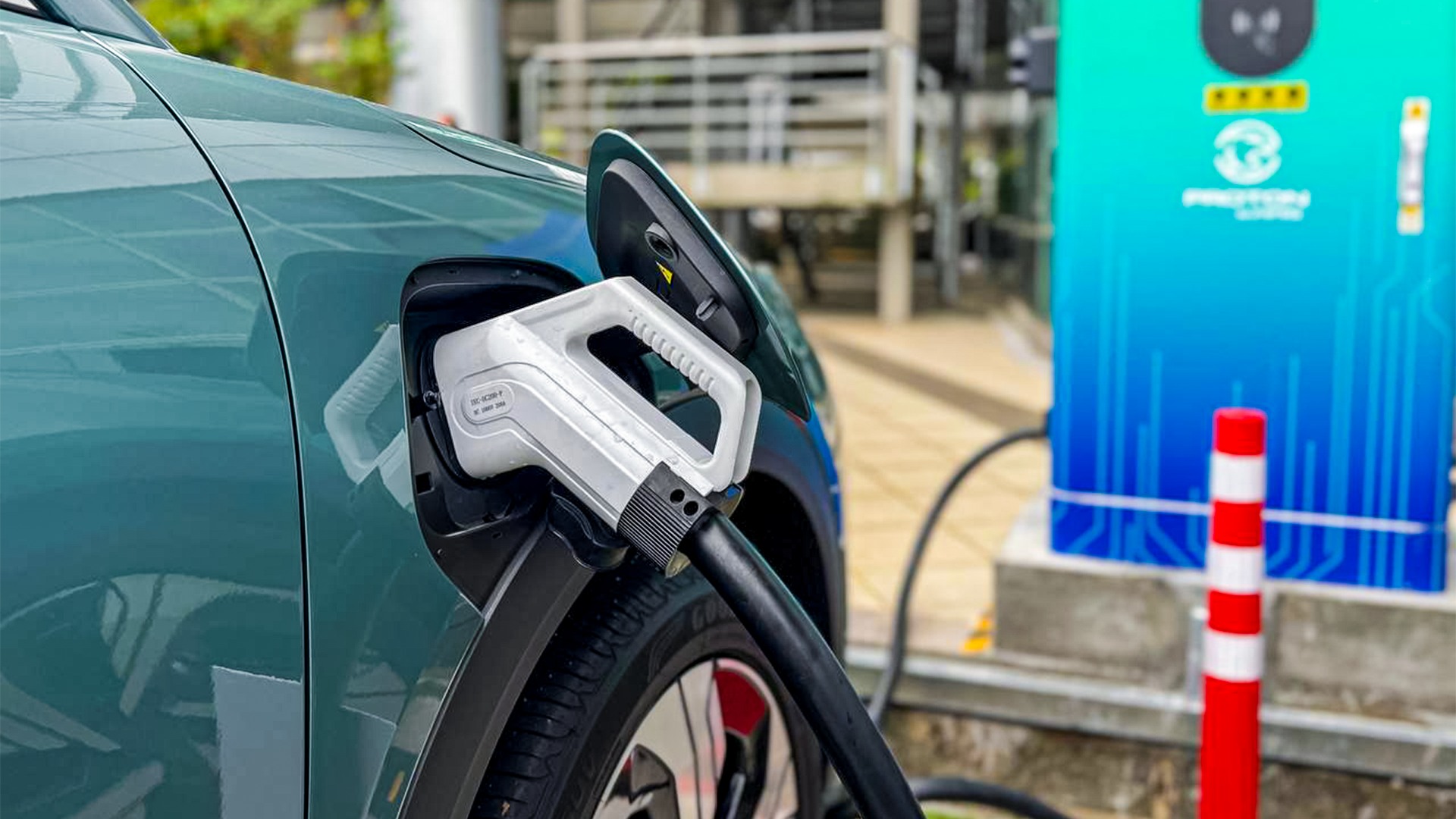
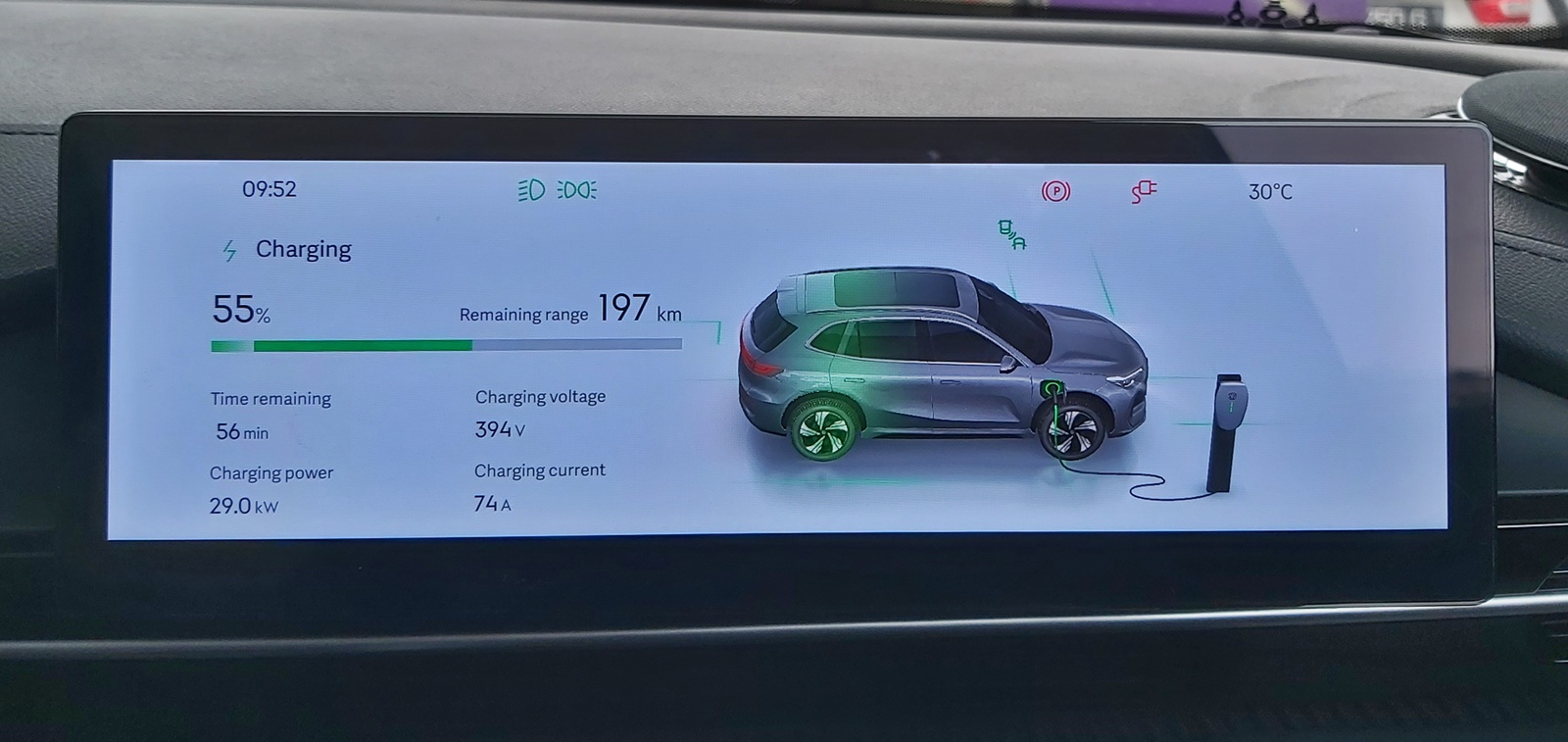
As for the time it takes to recharge, that has shortened considerably as technology has improved. With DC fast chargers, it takes just tens of minutes to recharge enough to go some distance. For many modern EV models, stopping to recharge is no longer a lengthy affair. It can now be completed in the time it takes to have a cup of coffee or a nasi lemak at a highway R&R.
PRO-NET leads the EV era
As the national automaker, PRO-NET, a wholly-owned subsidiary of PROTON, has had the mission of providing affordable cars for Malaysians. For over 40 years, the company has fulfilled this mission, beginning with the original Saga and consistently maintaining accessible price points with every new generation of vehicles introduced. This commitment to the rakyat has made PRO-NET a household name and a symbol of Malaysian industrial pride.
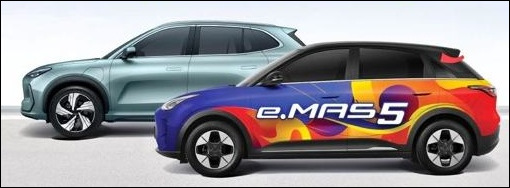
Now, in the EV era, PRO-NET is again leading the way by providing affordable electric mobility to the masses. The e.MAS 5 stands as a testament to this, by being the most affordable EV available with prices starting from as low as RM56,800. For families or professionals who require something larger, the e.MAS 7 offers premium features and a spacious interior at a value-driven price point starting from RM105,800.
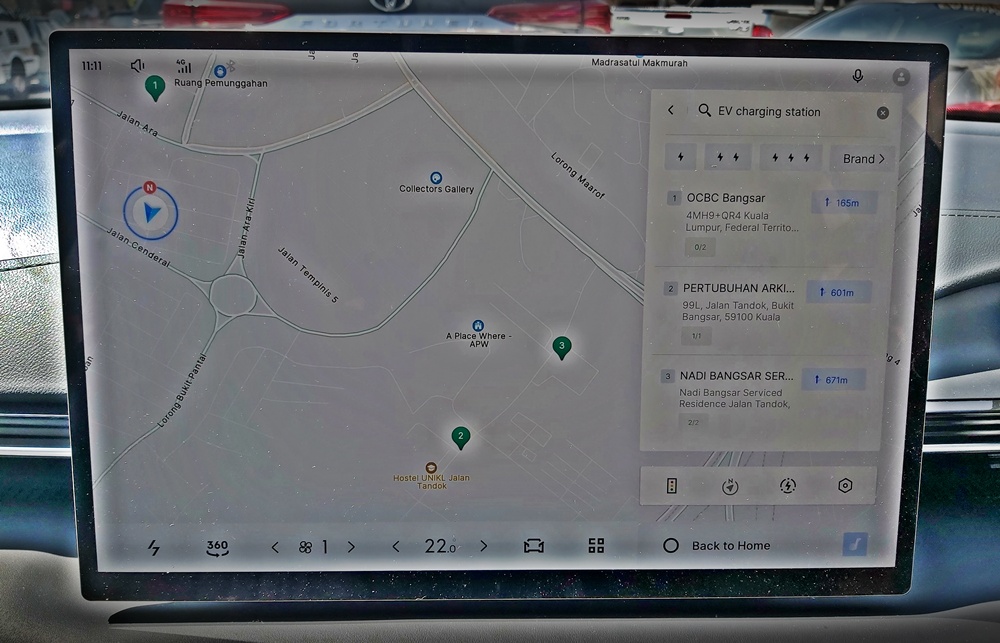
Combining local manufacturing with advanced EV technologies, PRO-NET has ensured that the benefits of electric driving are available to all Malaysians. Despite their affordable pricing, both EV models offer great value for money with a comprehensive list of equipment, features and safety systems. These include the unique real-time Live Charging Integrated Map that shows over 90% of the charging points nationwide. Also, the Proton e.MAS App isn’t just a remote control for the car’s air-conditioning; it can also plan the route, predict battery usage, and suggest available chargers along the way.
As of 2026, the government has introduced a new roadtax system for EVs. While the full duty-exemption (for imported models) ended at the end of 2025, the new rates are up to 85% lower than for ICE cars.
For the e.MAS 5, the roadtax will be from RM30 to RM60 per year, while the e.MAS 7 will be around RM180 per year. Additionally, there’s also personal income tax relief of up to RM2,500 for expenses related to EV charging equipment or subscription.
The No.1 EV brand
Since their respective launches – the e.MAS 7 in 2024 and the e.MAS 5 in 2025 – both models have been exceptionally well received by the public, even in a market crowded with many EV choices.
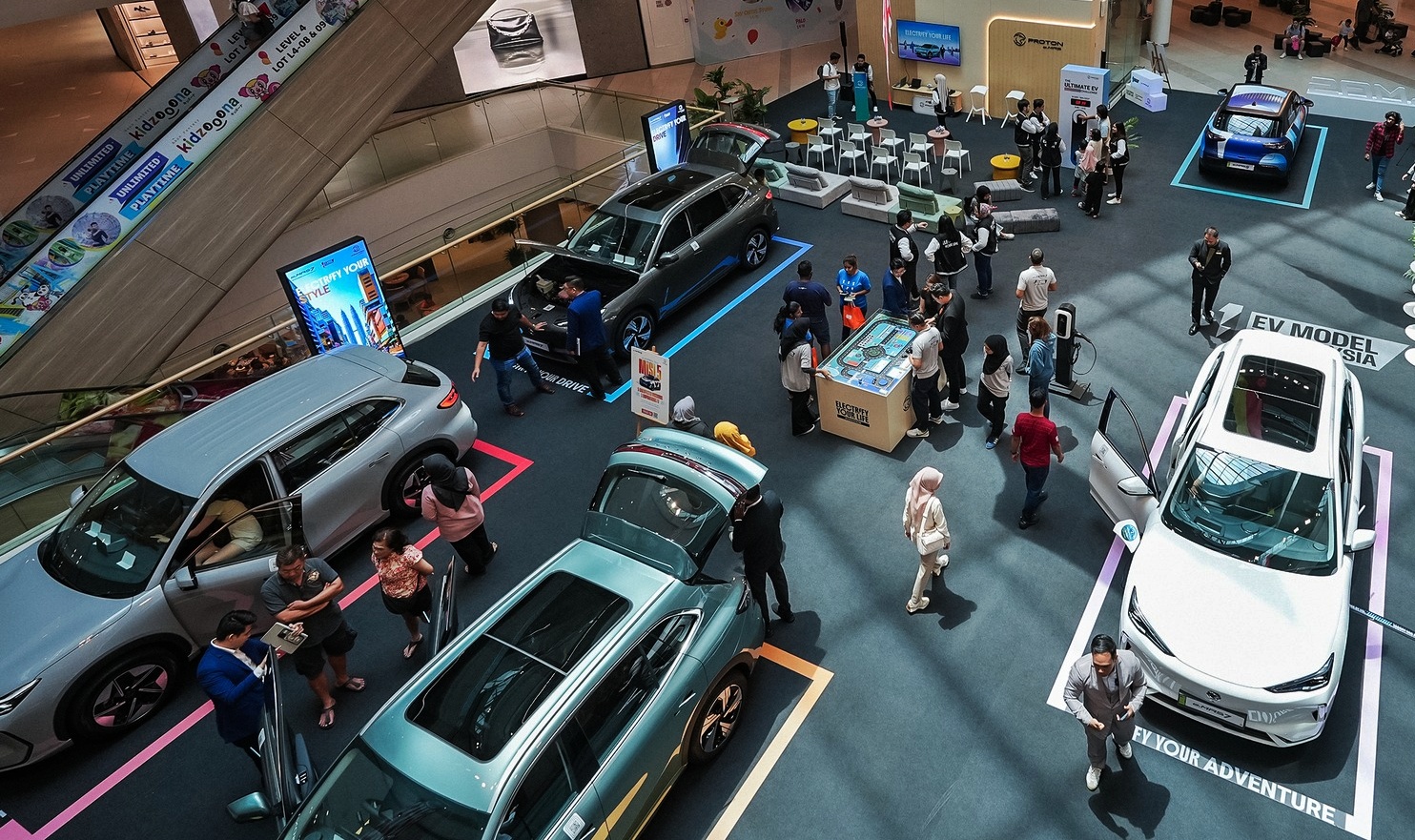
In fact, the e.MAS 7 completely dominated the EV segment throughout 2025, and since the start of 2026, the e.MAS 5 has immediately taken the No. 1 spot on the EV sales charts, surpassing the 5,000-unit milestone in total registrations by February 2026. In February 2026, Proton e.MAS recorded total sales of 1,928 units, bringing its year-to-date (YTD) total to 5,219 units, including exports. Of this, the e.MAS 5 contributed 1,562 units in February alone, cementing Proton e.MAS as the No. 1 EV brand in Malaysia.
The Proton e.MAS 7 PHEV was also recently introduced and has shown a promising start within the first one and a half months, as more than 3,500 bookings were recorded. This signals strong market acceptance and consumer trust in the brand. The model offers advanced safety features and intelligent EM-i Advanced Hybrid Technology within its price range, providing customers with a seamless transition towards electrified mobility while retaining the familiarity and flexibility of a traditional engine platform.
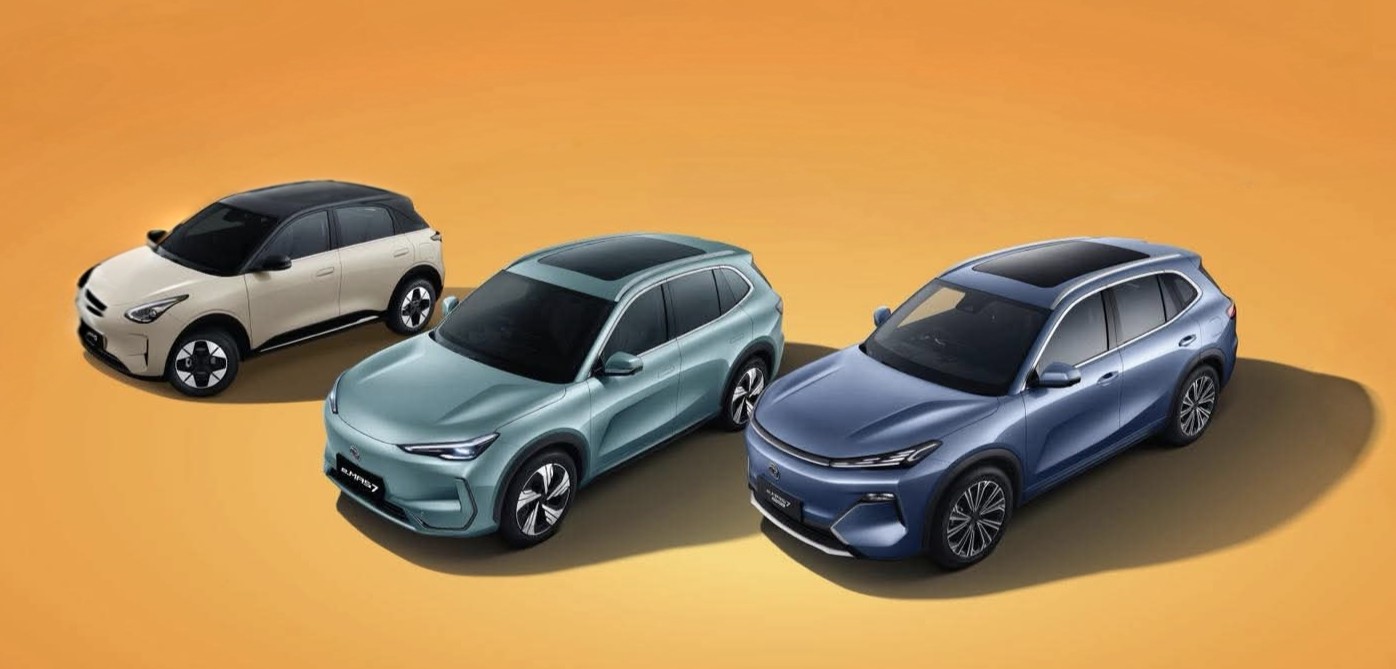
Ultimately, the e.MAS 5, e.MAS 7, and e.MAS 7 PHEV are no longer merely cars; they are symbols of a lifestyle shift. Making the switch to a Proton e.MAS EV is a forward-thinking move that protects your pocket against the rising and unpredictable costs of ICE motoring.
Proton e.MAS social media channels
Facebook (Proton e.MAS Cars)
TikTok (@protonemasofficial)
Instagram (@protonemasofficial)
Xiaohongshu (Proton e.MAS Cars)
