
Quick look
-
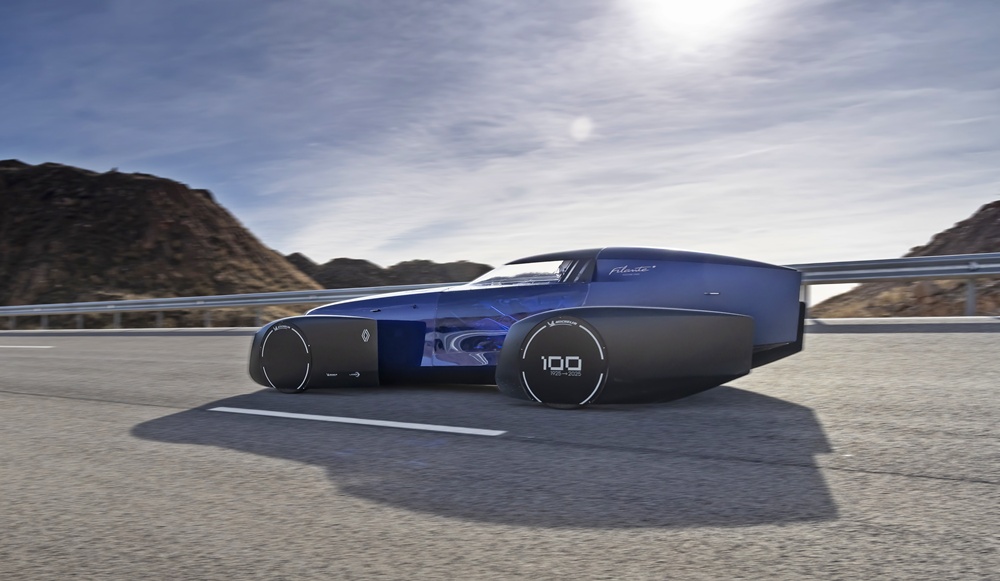
Renault’s Filante Record ‘lab on wheels’ covered 1,008 kms on a single charge at an average speed of 102 km/h/.
-
The record-setting energy consumption was 7.8 kWh/100 kms which is about half that of EVs you can buy today.
Revealed by Renault in January 2025, the Filante Record is a ‘lab on wheels’ and advanced technology demonstrator. The ‘Record’ indicated its ultimate objective – to break a record in efficiency using advanced technologies.
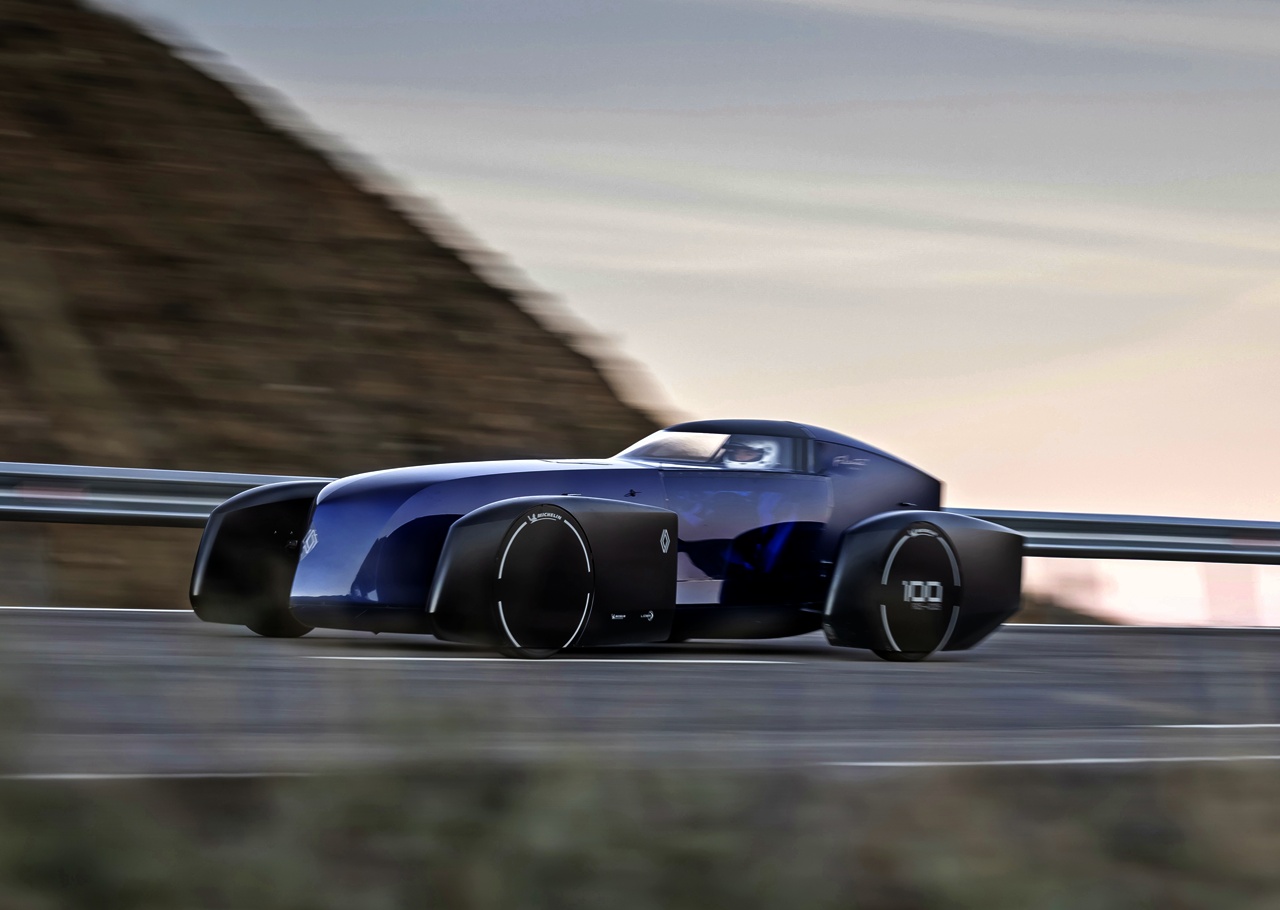
The car designed to break the record had to be purpose-engineered as well as iconic. The designers combined striking looks with Renault’s lineage, drawing inspiration from the brand’s models that have set records for efficiency, speed and endurance to create a car that bridges yesterday and tomorrow.
The single principle that guided Filante Record 2025’s design and development was to maximise efficiency and minimise electricity consumption. The challenge: to drive more than 1,000 kms at realistic motorway speeds without recharging the 87 kWh battery which is the same size as Scenic’s.
Significant redesign
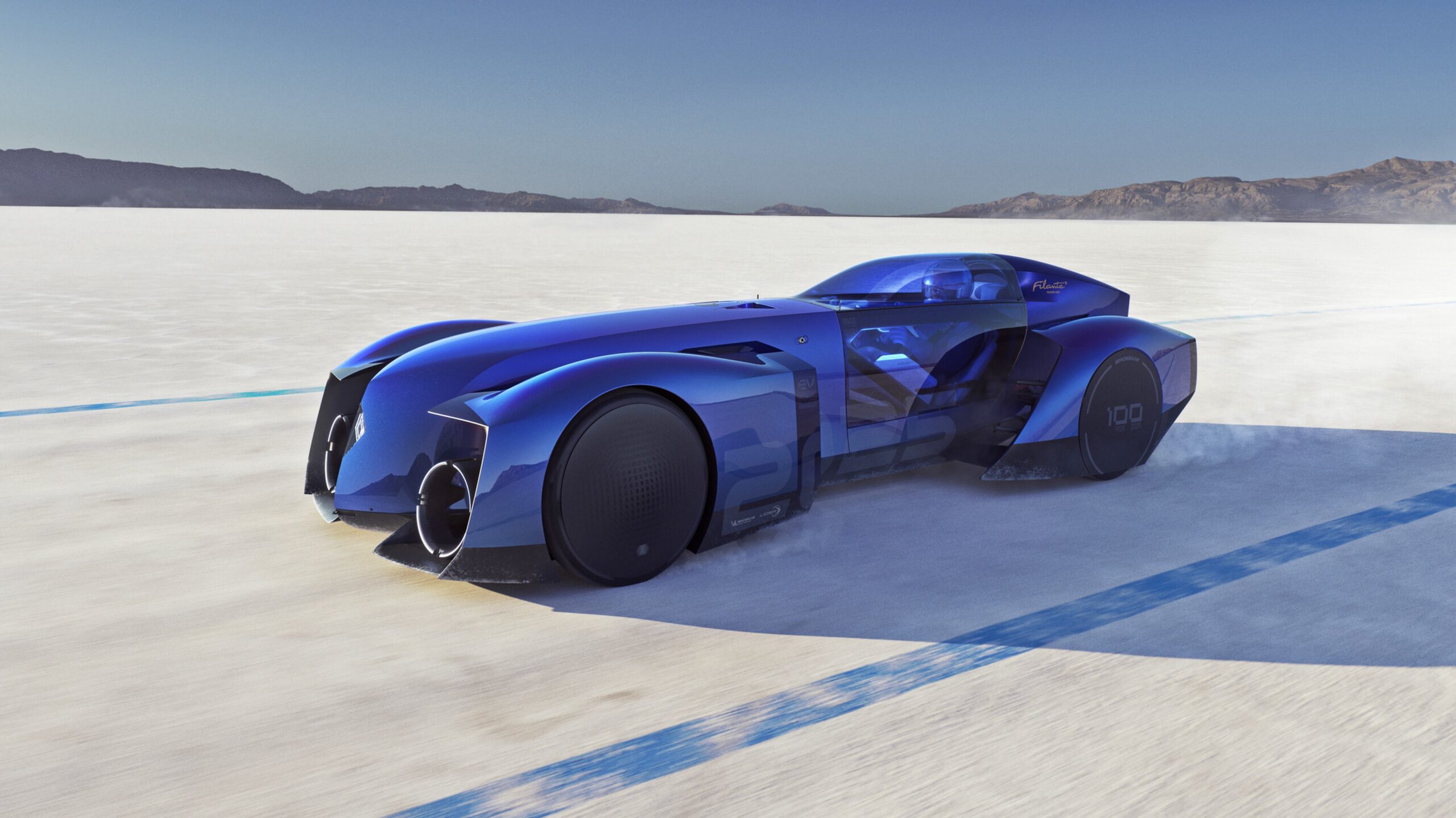
Wind-tunnel tests led to significant redesign, underlining the vital role of aerodynamics in the electric car’s efficiency. The designers reshaped the fairings, which they had initially designed to resemble the ones on the Etoile Filante, and mounted them directly onto the wheels. Besides making the silhouette look airier, this alteration considerably improved the car’s airflow.
The central structure, inspired by a fighter jet cockpit, was already close to ideal from an aerodynamic perspective, so it remained practically unchanged. Most of the adjustments involved optimising technical interface areas and reducing air intakes to limit any residual drag.
“The wind-tunnel tests early in the year showed us exactly what our computer simulations had hinted at: that the Filante’s drag coefficient was too high. It was close to 0.40 Cd and we had to bring it down to about 0.30. We realised that, to get there, we needed to go back to the drawing board and take another look at several aspects of the design and architecture,” said Jocelyn Merigeault, an aerodynamics engineer.
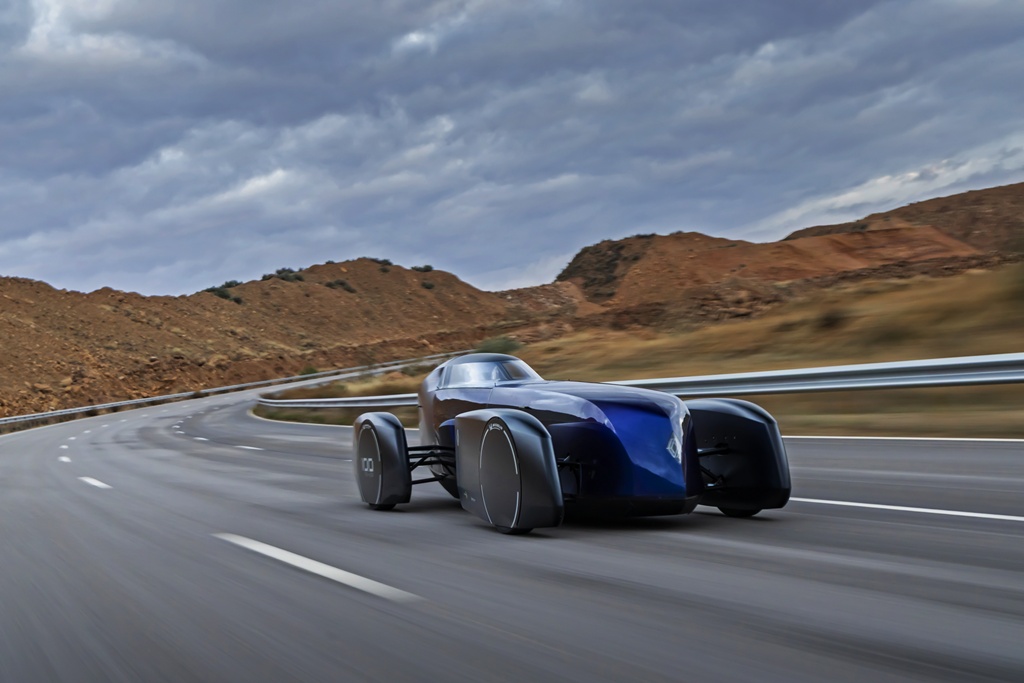
“So we made bold changes – redesigning the front and rear wheel fairings, which were where most of the drag was coming from. But we also wanted to keep the 40 CV vibe, that artful balance between remarkable performance and fetching looks. We streamlined the ‘wings’, and actually rearranged the architecture, detaching them from the central structure and mounting them directly on the wheels. This freed up the airflow around the mechanical components – the suspension, control arms and transmission – which had been obstructing a lot of air before,” she explained.
Packed with technology
The lab on wheels to test electric-drive efficiency weighs only 1,000 kgs and is packed with cutting-edge steer-by-wire and brake-by-wire technology, ultra-light materials, 3D-printed components and more technologies that are under development and some may be used in future production models.

The first record attempt was scheduled for October but was cancelled at the last minute due to bad weather. The next opportunity was on December 18, at the UTAC test track in Morocco. Located 150 kms southeast of Casablanca near the Atlas Mountains, it is the first vehicle test centre in Africa.

Motorway speeds
If their only goal had been to drive the longest possible distance around the 4-km track, the engineers could have fitted the car with a huge battery or driven it in eco mode at an average speed of 30 km/h. But Renault was aiming much higher for its efficiency record: 1,000 kms in less than 10 hours and at motorway speeds which average 110 km/h.
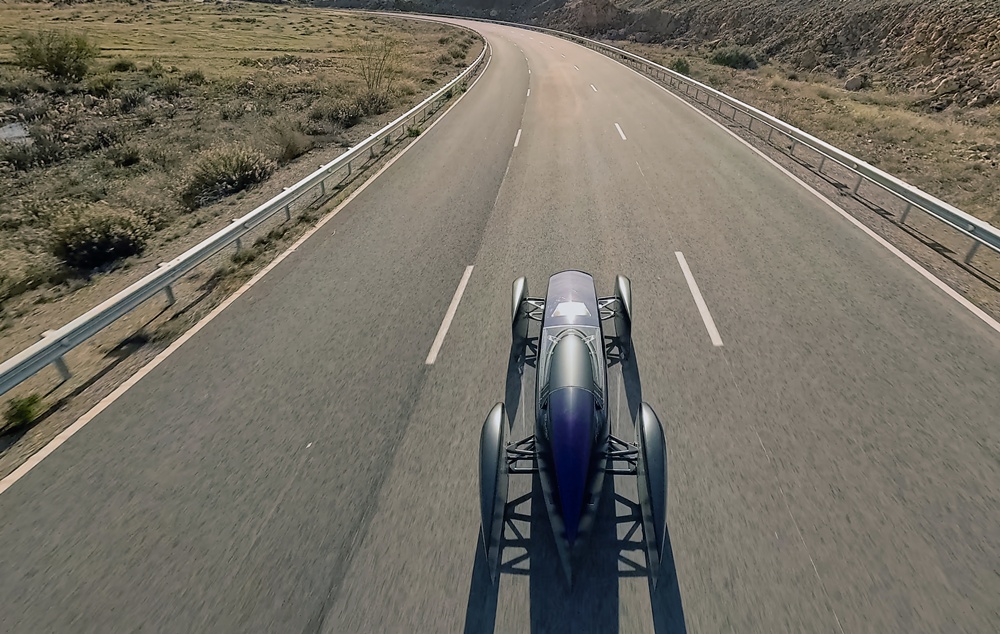
Starting from 8 am, three drivers took turns in shifts of around 2 or 3 hours. After 9 hours and 52 minutes (excluding 7 minutes for driver changes), 1,008 kms had been covered at an average speed of 102 km/h. 11% of battery remained which represented consumption of just 7.8 kWh/100 kms, around half of a typical EV you can buy today. The remainder of the battery capacity would have been good for an additional 120 kms at speeds exceeding 100 km/h.
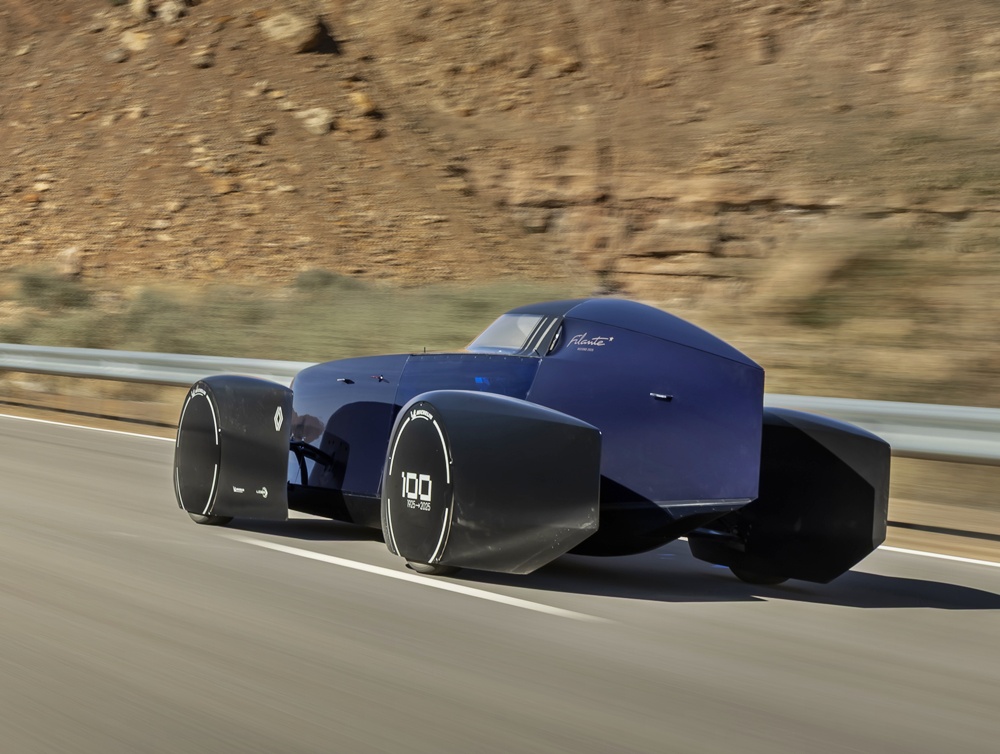
Far more than a simple engineering exercise, the record-breaking run’s findings will inform the development of future road-going electric models, enabling them to achieve ever higher levels of efficiency – even in the most demanding conditions, such as sustained highway speeds.