
Quick look
-
Malaysia’s first international facility dedicated to EV testing.
-
RM3 million facility can be used for 24-hour automated testing of batteries, motors, and hybrid systems for vehicles ranging from bikes to buses.
-
EVTC can help manufacturers localize products faster and train a high-skilled workforce for the green economy.
Having started the 1960s, Malaysia’s automotive industry has long been at the forefront of the sector regionally. While the annual vehicle sales and exports might not match some neighbouring countries, the Malaysian automotive sector has had leadership in various areas.
With the transition to electric mobility and the accelerating introduction of electric vehicles in the ASEAN region, there is a need for more dedicated facilities to support R&D and manufacturing of such vehicles.
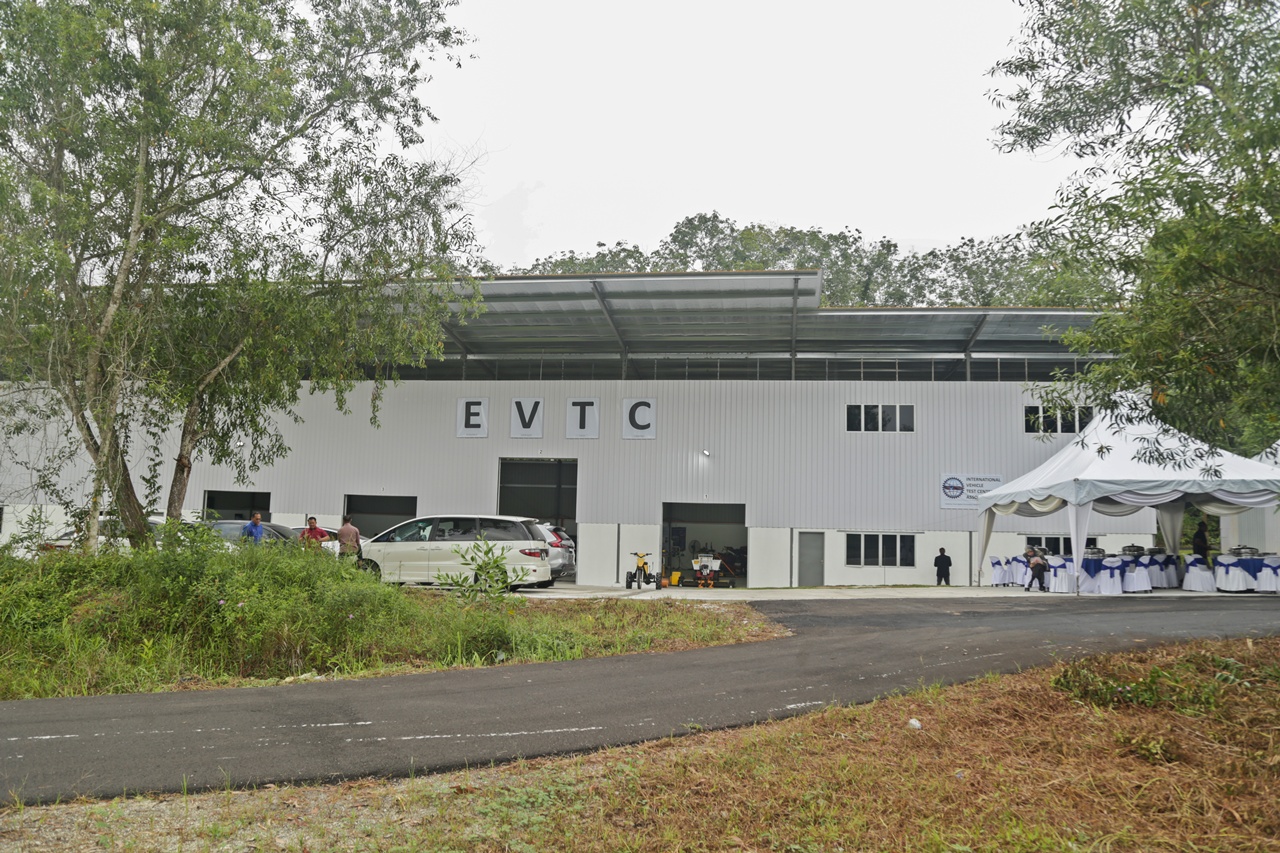
One such facility is an Electric Vehicle Test Centre (EVTC) in Bandar Baharu, Kedah. it is the first international test centre designed specifically for EVs. The EVTC is owned by Focus Applied Technologies, which has also been active over the years in developing human capital in the automotive technical fields. It has offered internships, coaching and workshop training with organisations such as GIAT MARA, students and technicians in TVET-based learning institutions, and academics in various universities.
Initial investment of RM3 million
The EVTC is being developed in phases and the first phase opened today has been built at a cost of RM3,000,000. By the end of 2027, another RM4 million will be spent on planned expansion.
Automated testing facilities
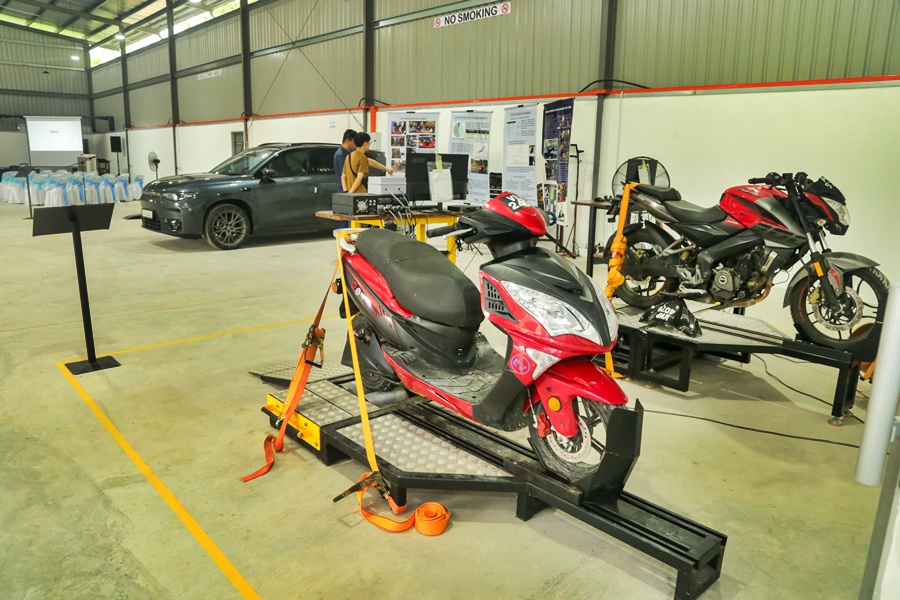
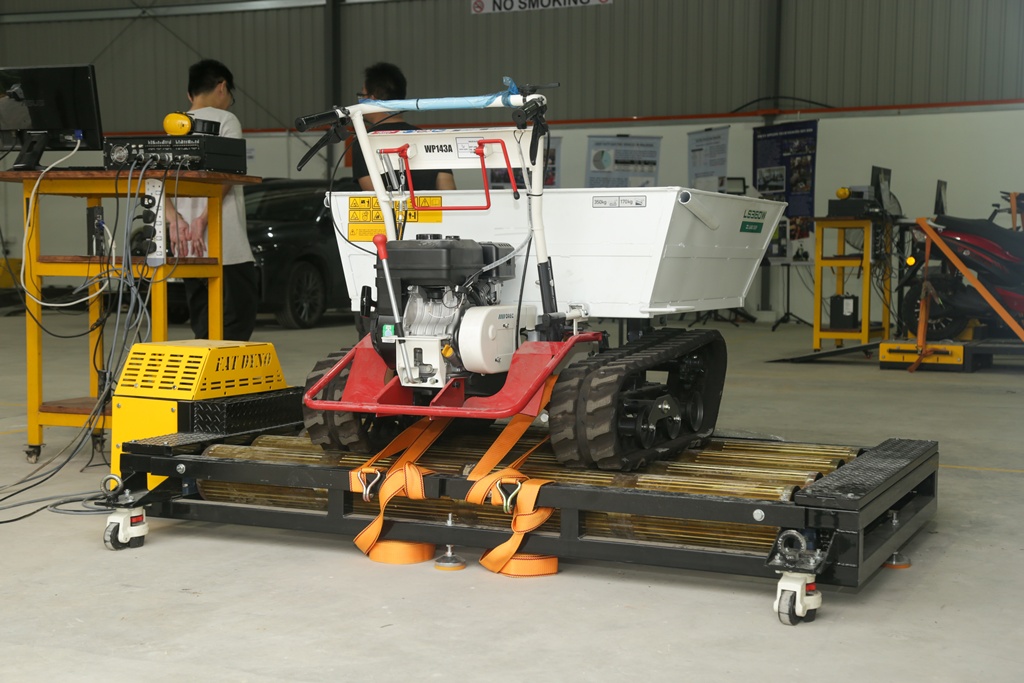
The centre’s dedicated EV testing facilities include a main test building and a 650-metre closed-loop track. Within the main building are chassis dynamometers for different vehicle types (including trucks and buses), with individual test cells for engine/motor testing, battery pack life testing, and hybrid systems testing. The test cells can be operated for up to 20 hours a day with automated controls, allowing for extended testing up to 1,000 hours to evaluate reliability of different systems and components.
Additionally, the facility can also be used for emissions testing as well as vehicle safety and standards testing. The EVTC can offer R&D services rendered to markets in Africa, Southeast Asia and Asia. With expanded capabilities, it will offer services to the wider research community, hosting researchers and project implementers in the northern region, particularly in Kedah.
Global test centre network
The centre expects to play host to a greater network of research labs and testing facilities under the International Vehicle Test Centre Association, a global test centre network that serves to optimize use of vehicle test equipment through connected research throughout the world.
Additionally, the EVTC has strong links with partners such as the United Nations Environment Program, UNDP, UNIDO, and the World Bank which sponsors many EV projects around the world (especially for under developed countries).

Faster for testing and validation
“For local manufacturers and startups, EVTC helps shorten development cycles and reduce reliance on overseas testing. For multinational companies investing in Malaysia and ASEAN, it provides a pathway to localize products, meet regional requirements, and build local supply chains,” said Horizon Gitano-Briggs, Chief Technology Officer of Focus Applied Technologies.
“EVTC provides a professional, credible platform where EV technologies can be tested, validated, and improved under real operating conditions — our climate, our usage patterns, and our infrastructure environment. Battery systems, BMS, charging solutions, motors, and vehicle integration can all be evaluated locally, supporting manufacturers as they scale responsibly”, said Dato’ Dennis Chuah, Founder of Eclimo Sdn. Bhd, a current client of Focus Applied Technologies.
PROTON test track to be part of National Automotive Test Centre