
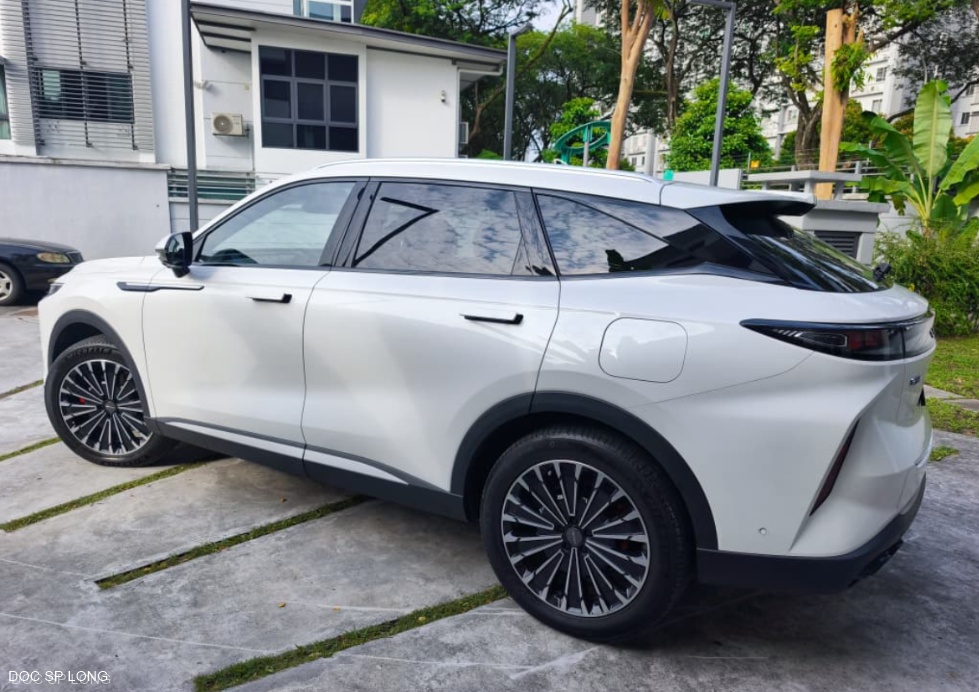
Launched in Malaysia in March 2026, the OMODA C9 PHEV by Omoda | JAECOO is arguably one of the most impressive plug-in hybrids (PHEV) SUVs around. It combines EV technology with the back-up of an ICE 1.5-litre 4-cylinder turbo petrol to extend long-distance capability and therefore, dependability.
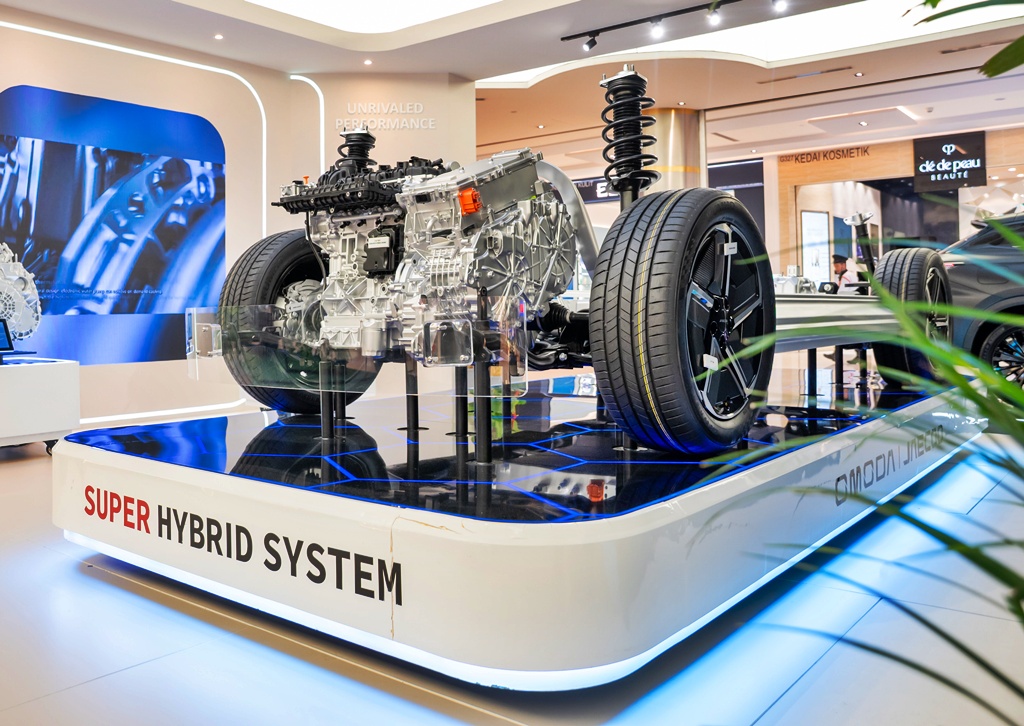
The stand-out feature is Super Hybrid System (SHS), pairing EV propulsion in a triple-DC motor configuration mated to a 3-speed dedicated hybrid transmission. Producing a total output of 395 kW/530 hp and a maximum torque of 650 Nm, the C9 accelerates with effortless gusto, doing 4.9 seconds to the century, yet hardly feels ‘lurchy’, abrupt and ruffling the composure of its occupants.
Power delivery is perceptibly smooth, punchy yet linear feeling exceptionally well calibrated. Brakes are progressively powerful too, well matched to the C9 PHEV’s hefty 2.3 tonne kerb weight.
Transitions between electric and petrol propulsion are virtually imperceptible. Even stopping at traffic lights in HEV mode, there is no ‘genset-like’ rumble from the petrol engine. Never, not even once – at whatever state of charge of its 34.46 kWh high-voltage LFP battery.
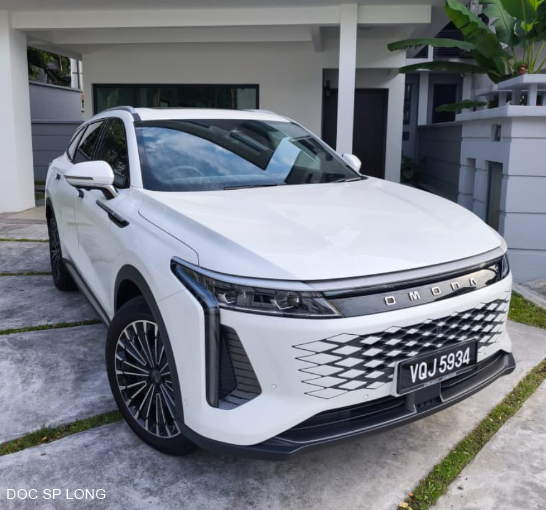
Intelligent power management
Equally impressive is the hybrid system’s intelligent power management. Unlike many PHEVs that quickly start up the petrol engine once their small hybrid battery begins to deplete, the C9 can operate like a fully electric vehicle (in EV mode) until the battery SOC falls to under 75%. This allows owners to enjoy pure EV driving for much of their daily commute while reserving the petrol engine for call-up duties.
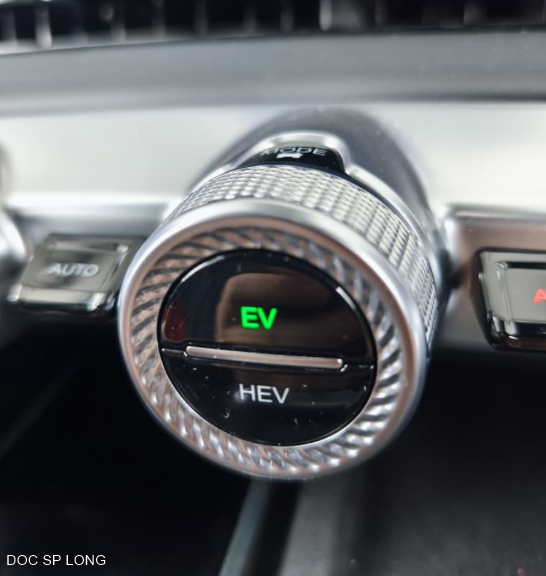
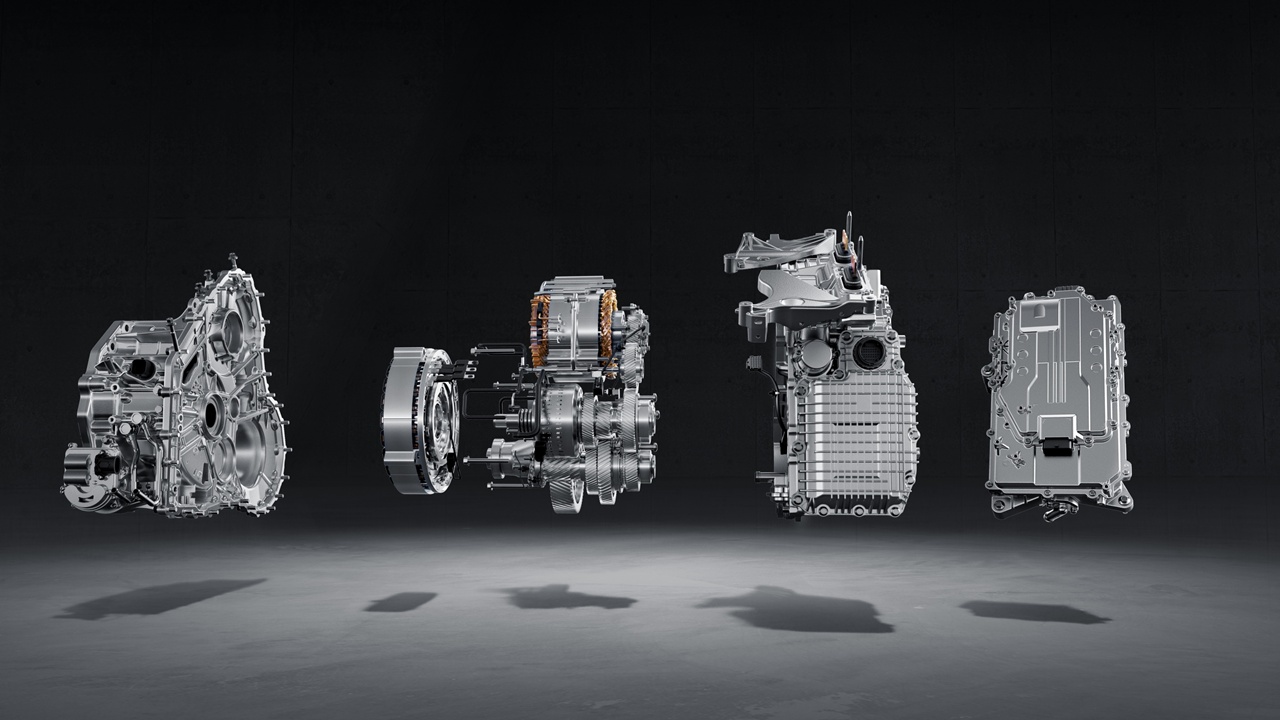
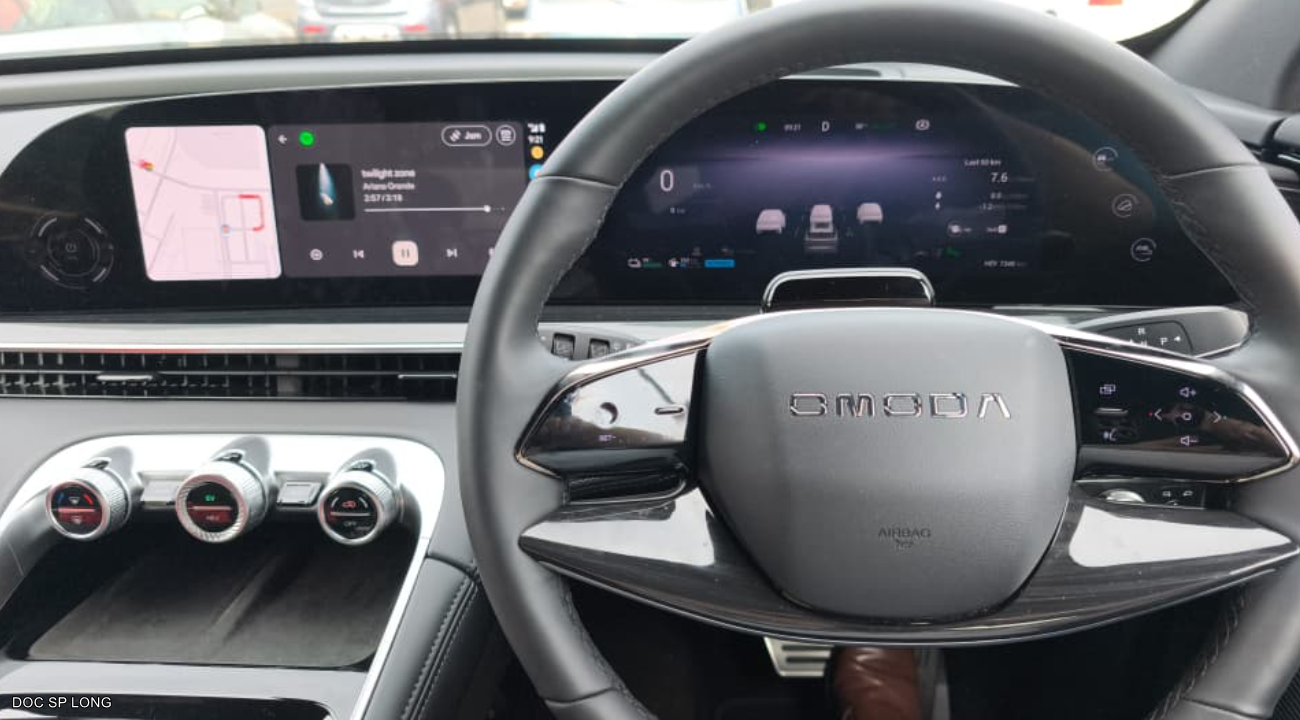
Over the weekend with the C9 PHEV, I juiced up the LFP battery twice. Each time it was doing about 120km +/- before HEV mode is necessitated at just below 75% SOC. Running on maximised EV mode, fuel consumption can be as much as 66.7 kms/litre.
Range anxiety should therefore be non-existent. With a fully charged battery and a full tank of fuel – just like the OMODA J7 PHEV – about 1,100 kms is entirely achievable in real-world driving, making the C9 PHEV an outstanding long-distance tourer.
Strong point – comfort
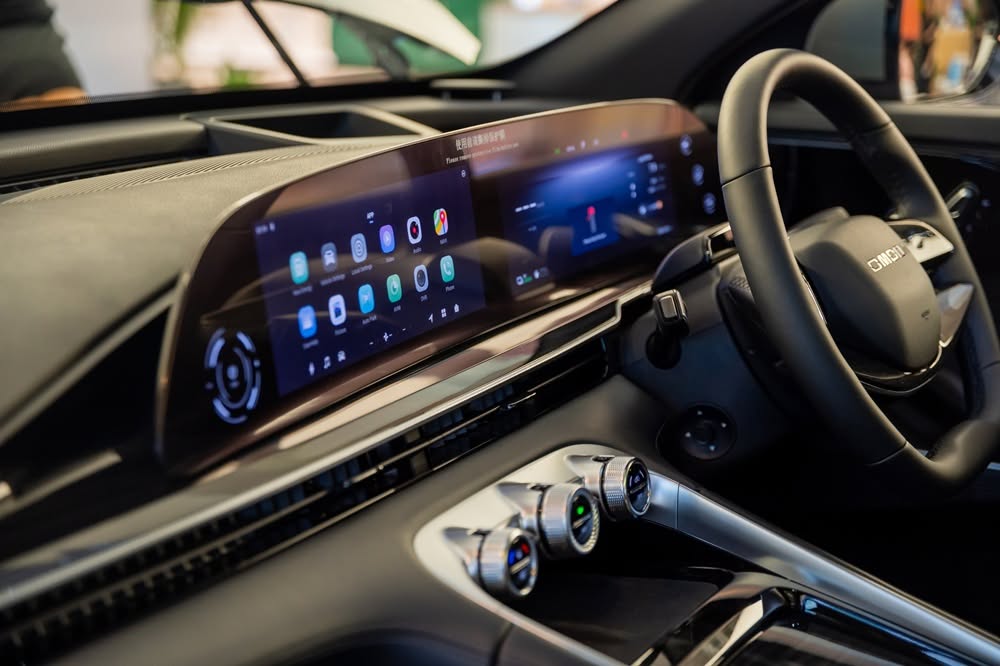
Comfort is another area where the C9 PHEV shines. The cabin remains quiet even at highway speeds, with good suppression of road, wind and powertrain noise creating a serene environment. The 14-speaker Sony premium sound system leaves a lot of its competitors gasping for auditory headroom.
![OMODA C9 PHEV [2026]](https://www.motaauto.com/wp-content/uploads/2026/07/OMODA-C9-PHEV-2026-6.png)
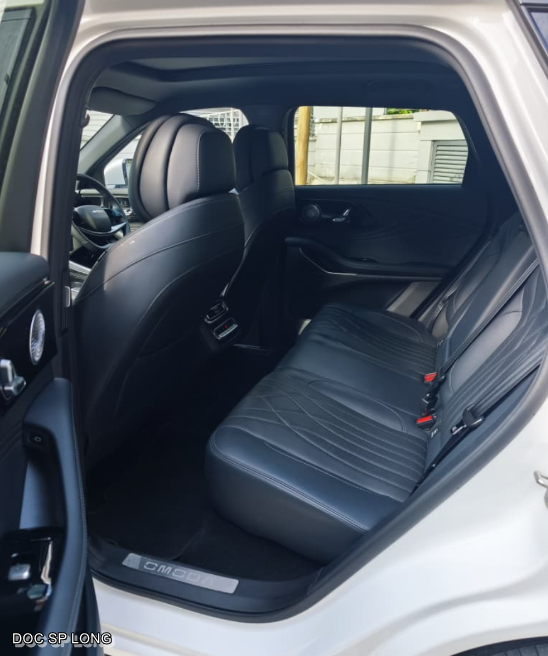
Being a D-segment SUV, interior space is generous for both front and rear occupants, while the large, supportive seats provide outstanding comfort over extended journeys.
Driving experience
However, the driving experience isn’t without hiccups. At lower speeds, the steering leaves an unfortunate first impression of a listless gaming joystick, lacking the reassuring centre “lock-down” – conveying a somewhat loose feeling of “free-play” just that few degrees to the left and right.
Masquerading as a softly sprung SUV at low speed, the C9 PHEV felt bouncy at low-speed puttering of urban crawls and especially, when going over speed bumps. In short, the C9 conveys a deceptive sense of not being well tied down at low speed of, say, below 40 – 50 km/h or so.
While I understand that a (fixed spring rate) suspension of any car may be tuned to perform best at some specific speed range (low, mid and high speeds), the C9 PHEV exhibits a softness that reinforces the common stereotype of Chinese cars lacking that reassuringly solid, planted feel.

Fortunately, this impression changes dramatically as speed rises on the open highway. The chassis settles down beautifully while the steering tightens up. The steering wheel is a tad too big though, for me at least.
High-speed stability becomes genuinely confidence-inspiring, with the SUV tracking straight, also into sweeping corners – joyful to steer and remaining composed during motorway blasts. The earlier bounciness largely disappears with much improved body control. Thus, revealing a Conti-like demeanour than its low-speed behaviour suggest otherwise. It becomes a beast of a sporty, premium SUV chomping up kilometre after kilometre of interstate commutes, effortlessly.
One minor refinement issue is niggling though. Sometimes during initial take-off from standstill, the rear axle traction motor can emit an audible creaking sound before settling into a silent drive. Although this does not affect performance, it detracts from what is otherwise an exceptionally polished drivetrain. More notably, the same issue has also been observed in the smaller sibling, the OMODA J7 PHEV, suggesting it may be a characteristic shared across the brand’s PHEV drivetrains rather than an isolated gremlin.
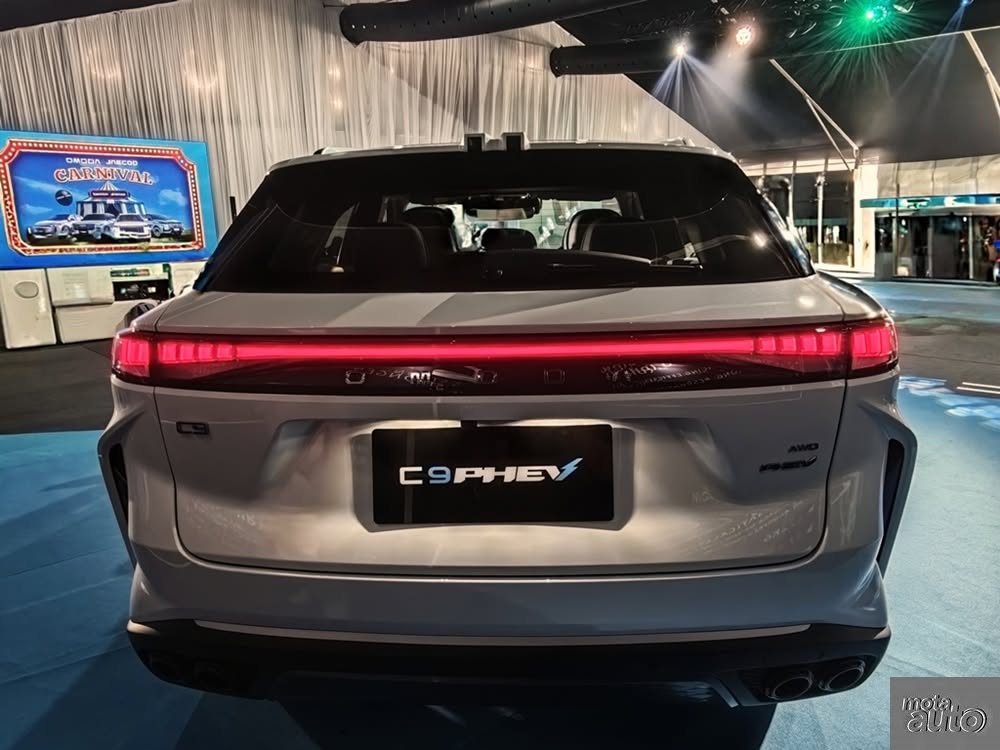
The final word
Overall, the C9 PHEV represents a significant step forward for PHEV tech and engineering. Its phenomenal hybrid powertrain, genuinely useful EV capability, remarkable real-world range, and long-distance comfort make it one of the most convincing plug-in hybrid SUVs on the market today.
The Omoda C9 PHEV retails for about RM208,000 in Malaysia. I reckon one will be hard-pressed to find something as powerful yet efficient and as invigorating to drive as this C9 PHEV, same segment or across.
The views expressed in this article are solely those of the author and are not necessarily shared by MotaAuto.com.