
Quick look
-
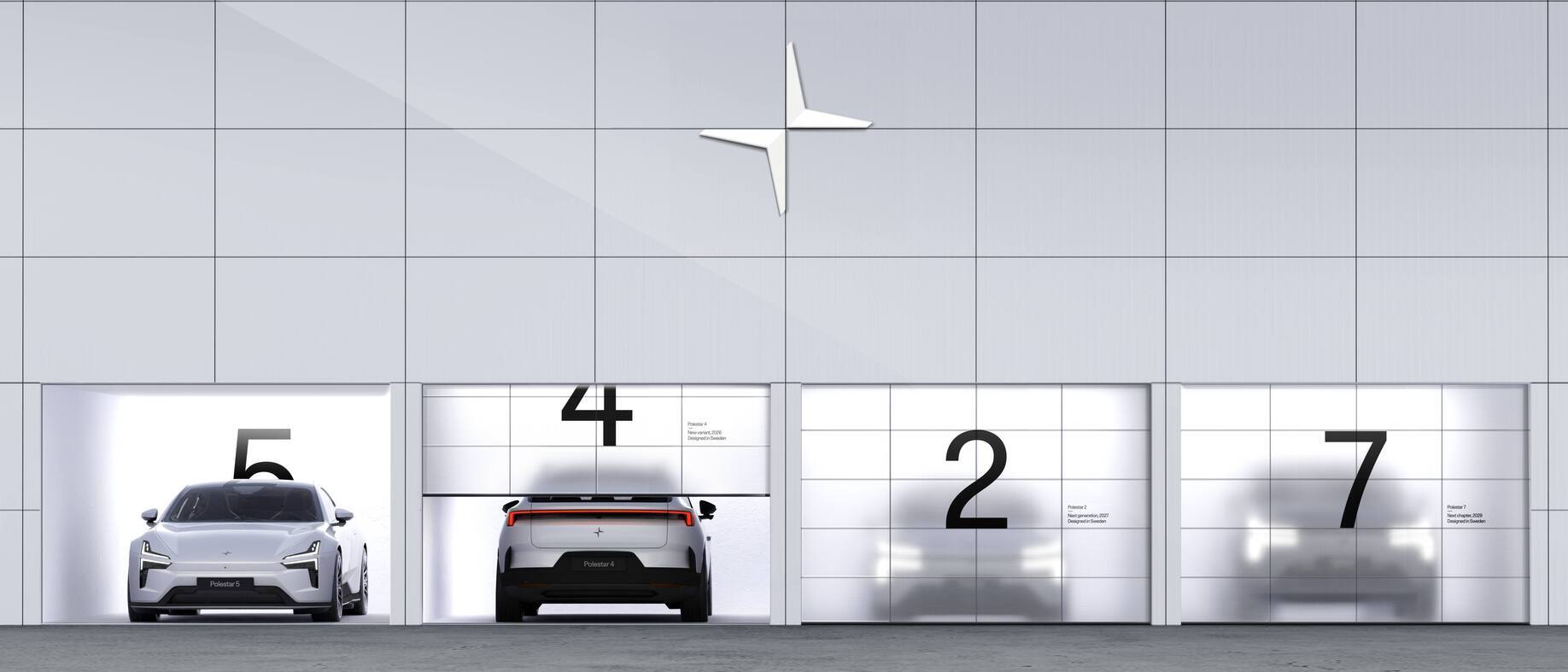
Polestar’s largest model offensive yet will see 4 new EV models by 2028 — including a Polestar 5 flagship as early as mid-2026.
-
Following record 2025 sales of 60,000 units, the brand is expanding its physical retail network by 30% as it prepares for future volume growth.
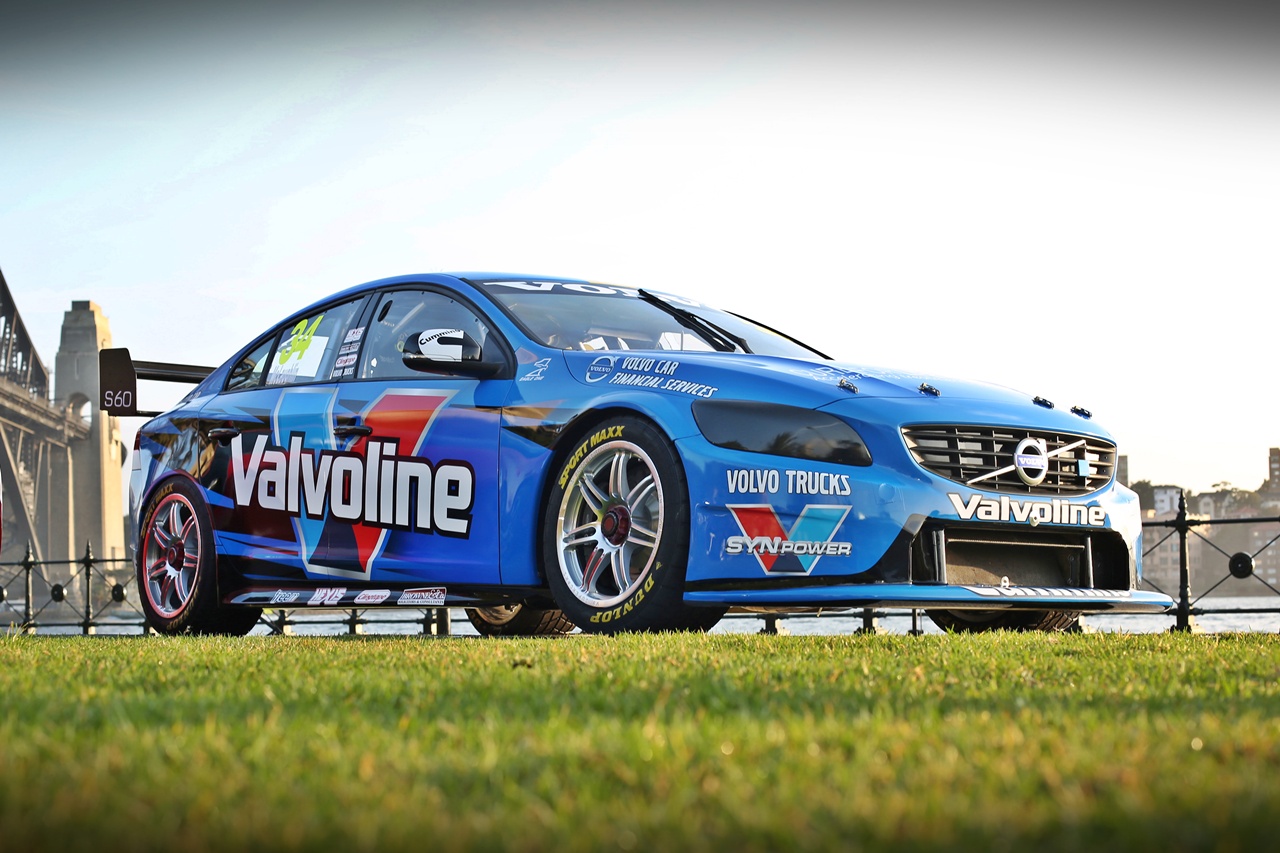
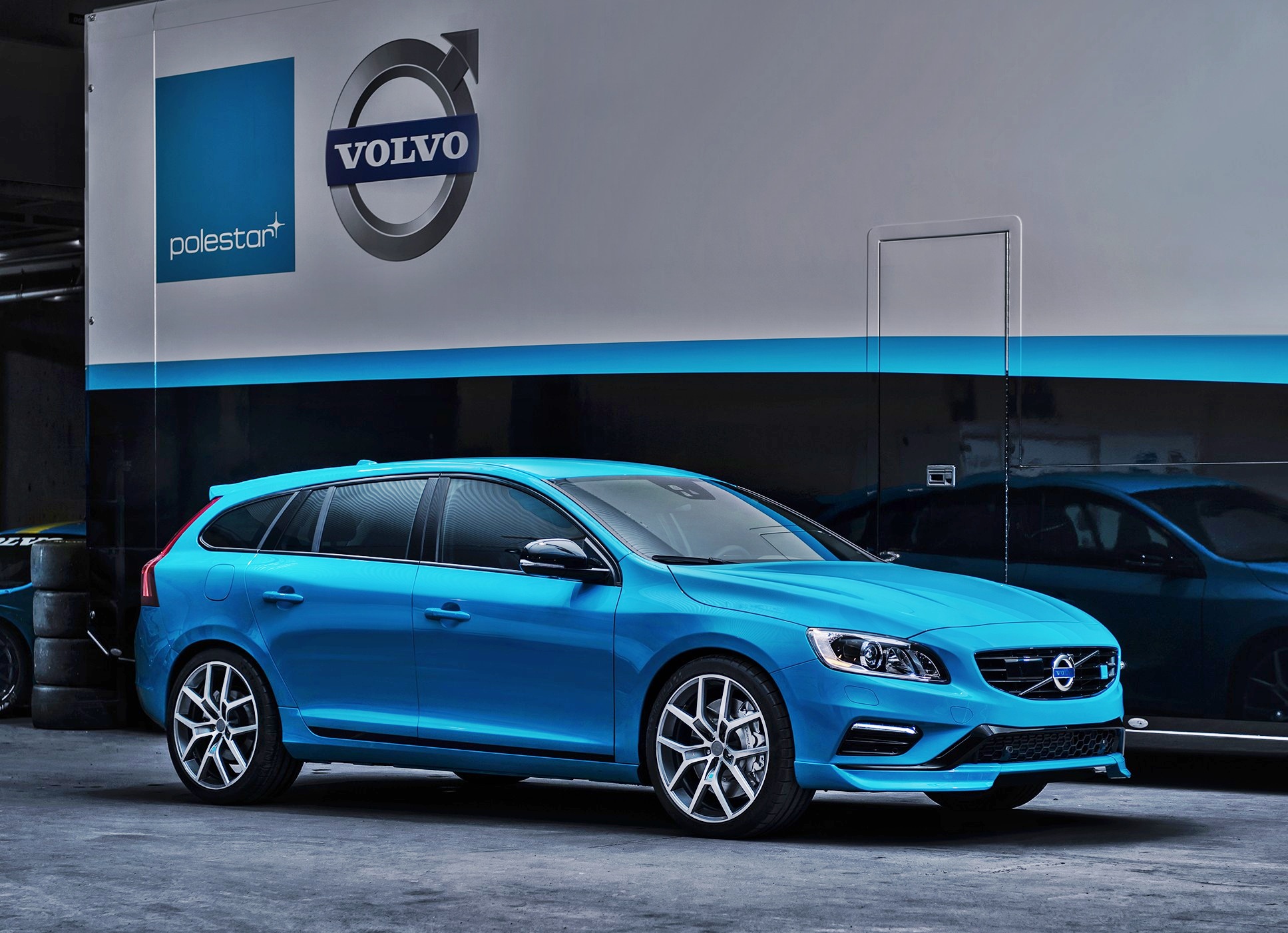
Polestar didn’t start off as a manufacturer of electric vehicles. In fact, long before it became a standalone brand, it was actually a high-performance racing outfit founded in 1996 as Flash Engineering. Its mission was simple: make Volvos – with combustion engines – go very fast on the track. By 2005, it was rebranded as Polestar Racing, eventually becoming Volvo’s official performance partner — the equivalent to BMW M or Mercedes-AMG.
Model offensive
The change started in 2017 when Volvo and Geely, its parent company by then, decided to spin the name off into a dedicated electric brand. After years of establishing its identity with a few models that have appealed to EV enthusiasts, Polestar is now shifting gears. Following a 2025 performance that saw the brand deliver its highest retail sales to date — some 60,000 units — it has announced a model offensive that will see 4 new models being added by 2028.
![Polestar 1 PHEV [2019]](https://www.motaauto.com/wp-content/uploads/2026/02/Polestar-1-PHEV-2019.jpg)
Leading the list will be the Polestar 5, a 4-door Grand Tourer that essentially brings the 2020 Precept concept to life. This is the brand’s halo car, aimed directly at rivals like the Porsche Taycan. It sits on a bespoke bonded aluminium platform — a high-tech construction method more common in supercars — to ensure maximum rigidity and agility. It will have 800V architecture and power outputs are expected to reach as high as 650 kW (884 ps).
The Polestar 5 will appear in the middle of this year and later in 2026, there will be a new variant of the Polestar 4. While the current 4 is a sleek, coupe-styled crossover famous for its lack of a rear window, this new version is being designed for a wider audience. CEO Michael Lohscheller recently noted that Sweden is world-famous for its estate cars, and this upcoming variant is expected to adopt that ‘long-roof’ silhouette. This wagon-like bodystyle will offer more versatility and, from rumours, it is likely to get a rear window although the digital rearview mirror will still be used (which not everyone is used to).

Then there is the car that effectively built the brand’s foundation: the Polestar 2. With nearly 200,000 units sold since its debut, it remains a critical volume driver. However, the current model is reaching the end of its lifecycle, and a completely new successor is being developed for launch in early 2027 launch. It is known that this second generation will not use a Volvo-derived platform but have new and more dedicated EV architecture.
All-new compact SUV
The last new model will appear in 2028, taking the brand into Europe’s most competitive segment. Though its number suggests otherwise, it will be a compact premium SUV. This model is a strategic play for volume, targeting the heart of the market where demand is highest. Anticipating continued trade issues with Chinese-made EVs, the Polestar 7 will be manufactured in Europe at Volvo’s new carbon-neutral facility in Slovakia.

For 2026, Polestar is forecasting low double-digit growth in sales numbers. However, the physical retail network will also grow by 30%. This move indicates a shift away from a purely online ‘boutique’ business model towards a more traditional agency approach, ensuring that as the model range grows, the service and sales infrastructure is there to support it.