
Quick look
-
Dreame Technology, which makes robotic home appliances, is leveraging its expertise in high-speed digital motors to develop an electric hypercar for sale in 2027.
-
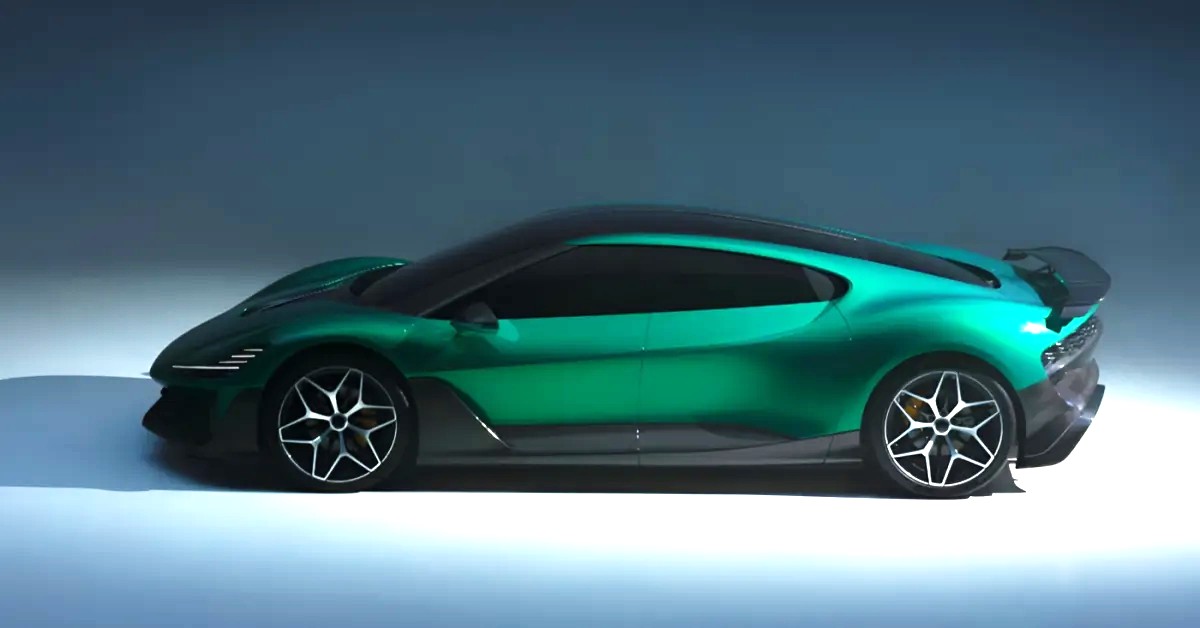
A concept model was shown at CES 2026 and the brief technical information states an output of 1,399 kW and a targeted 0 – 100 km/h time of 1.8 seconds.
China has the world’s largest new vehicle market with over 100 companies making motor vehicles of various types. Yet there are still others wanting to get into the game, and like Xiaomi and BYD, they didn’t start in the auto industry but other unrelated industries. Xiaomi, for example, is a big name in consumer electronics while BYD began as a battery company.
Now a company making robot vacuum cleaners and smart home appliances also wants to make cars. The company is Dreame Technology, established in 2017, which was originally the aerospace research department at Tsinghua University. It focuses high-speed motor technology and smart home robotics. Using its patented technologies, it has developed household products that are sold in over 120 countries.

Multisector technology expansion
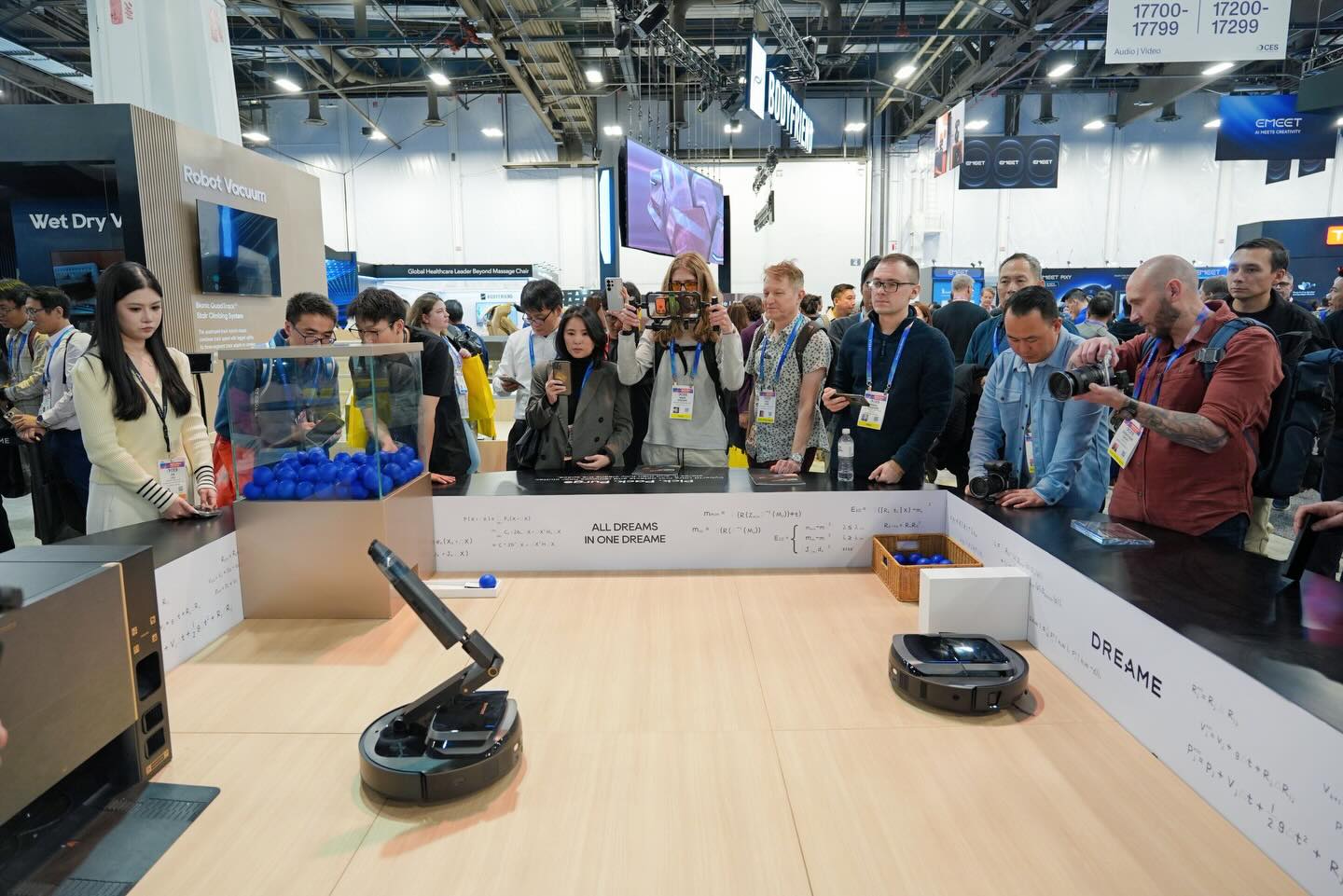
At CES 2026 in Las Vegas recently, the company included a concept car at its stand, alongside its latest range of appliances. It wasn’t just a prop but a statement of intent by Dream Technology to enter the high-performance EV segment like Xiaomi has with its SU7 Ultra. It is believed that the hypercar is under development with a possible launch sometime in 2027 as part of a multisector technology expansion.

From vacuum to velocity
Called the Nebula NEXT 01 Concept, the electric hypercar has extreme performance claims: all-wheel-drive fully electric powertrain delivering a combined output of 1,399 kW (equivalent to 1,876 hp). Drawing on Dreame Technology’s expertise in motors, the powertrain has electric motors with direct cooling and with the extremely high output plus wheel torque up to 23,000 rpm, a 0 – 100 km/h time of 1.8 seconds is targeted.
The concept car, finished in metallic green, has carbonfibre elements around its bodywork. The jet-inspired design incorporates active aerodynamic components a large active rear wing and diffuser. The body construction combines high-strength steel and carbonfibre for exceptional rigidity, while the form is said to be as low as 0.185 Cd.

Evolution of the auto industry
In a way, the evolution of the Chinese auto industry seems to mirror that of the early auto industry 100 years ago. At the beginning of the 20th century, there were numerous companies making cars, with Ford’s mass production technique boosting output to millions of cars. And in the decades that followed, some companies specialised in high-performance or luxury models.
Some even came from different backgrounds when they were established. Lamborghini, for example, was making tractors before it made supercars. The same evolution seems to be taking place in the 21st century as companies from outside the auto industry are joining in, with some ambitious enough to try making supercars.