


Quick look
-
Toyota’s Multipathway strategy caters to diverse mobility needs in different countries and economies.
-
This strategy supports Malaysia’s National Energy Transition Roadmap and the Low Carbon Mobility Blueprint by providing scalable, realistic solutions.
-
Transition to clean mobility should be inclusive and accessible, regardless of local infrastructure readiness.
UMW Toyota Motor (UMWT) reinforced its commitment to advance cleaner and more accessible mobility at the Clean Energy Transition Asia Summit (CETA), held in Kuala Lumpur recently. As a Foundation Partner of CETA through MobilityX, UMWT joined government, industry, and regional stakeholders from across Malaysia and ASEAN at the event.
Highlighting that Malaysia’s mobility transition requires coordinated progress across policy, infrastructure, industry, and community readiness, UMWT said Toyota’s Multipathway approach complements national priorities under the National Energy Transition Roadmap (NETR) and the Low Carbon Mobility Blueprint.

This approach is guided by Toyota’s Global Environmental Challenge 2050 and the understanding that no single technology fits all, particularly in diverse markets such as Malaysia and ASEAN.
“As one of Malaysia’s longest-standing mobility partners, Toyota carries a responsibility to support national goals with solutions that are realistic, scalable, and beneficial to Malaysians today,” said Datuk Ravindran K., President of UMW Toyota Motor. “Our commitment includes advancing skills, strengthening infrastructure readiness, and building an ecosystem where every customer can transition confidently towards cleaner mobility. This is the essence of Toyota’s Multipathway strategy and our promise to Malaysia.”
UMWT emphasised a technology-neutral policy that recognises Malaysia’s diverse mobility needs, reflecting Toyota’s philosophy of ‘Mobility for All’. Each pathway, including internal combustion engines (ICE), hybrid electric vehicles (HEV), battery electric vehicles (BEV), and fuel cell electric vehicles (FCEV), serves different communities and industries, ensuring no one is left behind, while supporting Malaysia’s sustainability agenda and its commitment to net-zero emissions.
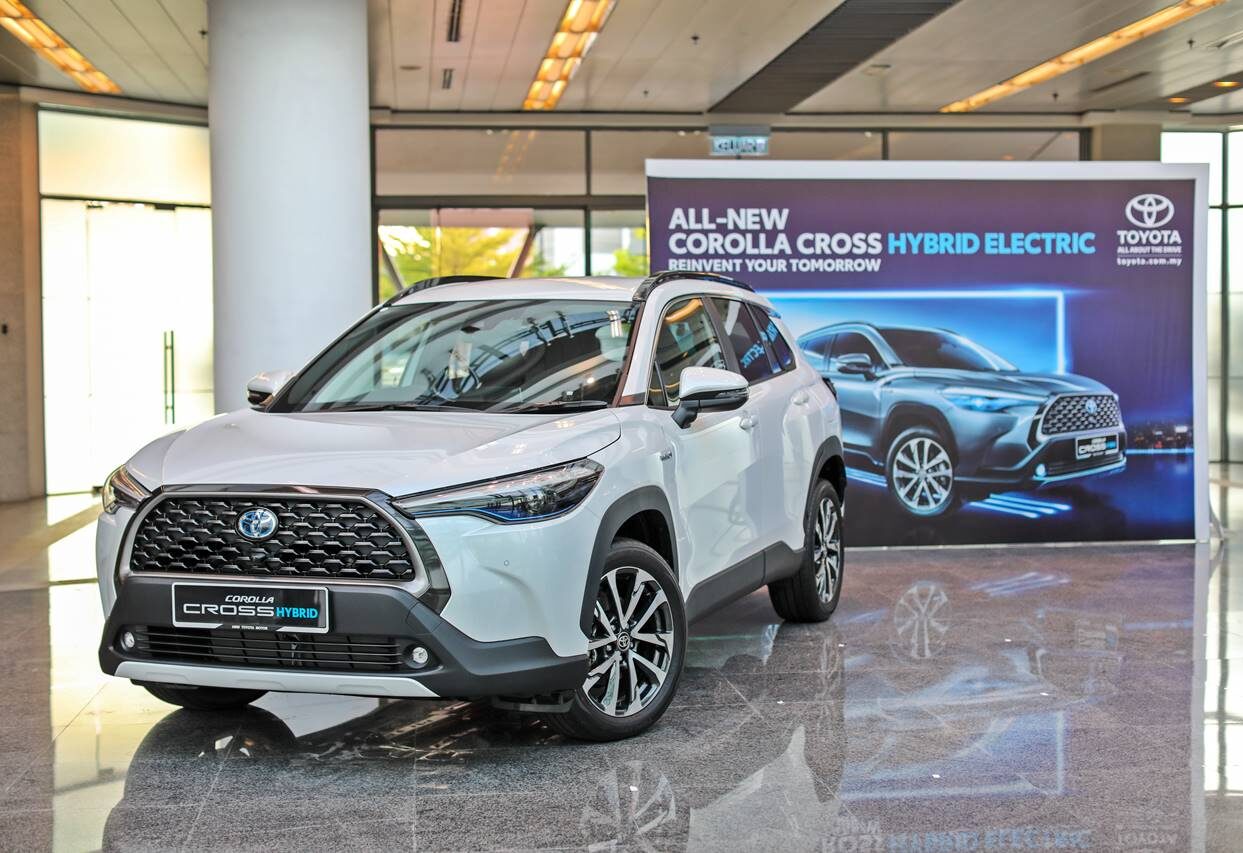
Energy-efficient ICE vehicles and HEVs can deliver immediate CO₂ reductions, while BEVs are supported through NETR investments in charging, renewable energy, and grid enhancements. In 2024, ‘Toyota Beyond Zero Malaysia’ was launched to reinforce this long-term ambition.

Hydrogen is a key component of the Multipathway strategy. UMWT has started early through pilot projects, supplying the Toyota Mirai FCEV to the Sarawak Government fleet via SEDC and implementing Malaysia’s first Mobile Hydrogen Refueling Station (MHRS) pilot in Putrajaya under the Hydrogen Economy and Technology Roadmap (HETR). Nine Toyota hydrogen fuel cell vehicles are now deployed nationwide.

The summit also featured the official launch of R.A.C.E to ZERO 2026 by Deputy Prime Minister. The nationwide initiative aims to accelerate Malaysia’s net-zero transition, support clean energy projects, and build capabilities across the country. UMWT’s participation showcased its hydrogen and Multipathway initiatives aligned with Malaysia’s clean-mobility goals.

UMWT’s broader Multipathway efforts include providing selected ministries and agencies with early exposure to electrified vehicles to better understand local driving conditions. As part of MobilityX, UMWT Executive Director Mohd Shamsor Mohd Zain delivered a keynote on ASEAN’s mobility transition and later joined Pras Ganesh, Executive Vice President and CISO of Toyota Motor Asia, in a fireside discussion on regional technology pathways and opportunities for Malaysia.
Toyota’s long-term presence in Malaysia extends beyond market participation. Over decades, the company has invested in local manufacturing and know-how transfer, building a skilled workforce capable of supporting advanced mobility technologies.
