
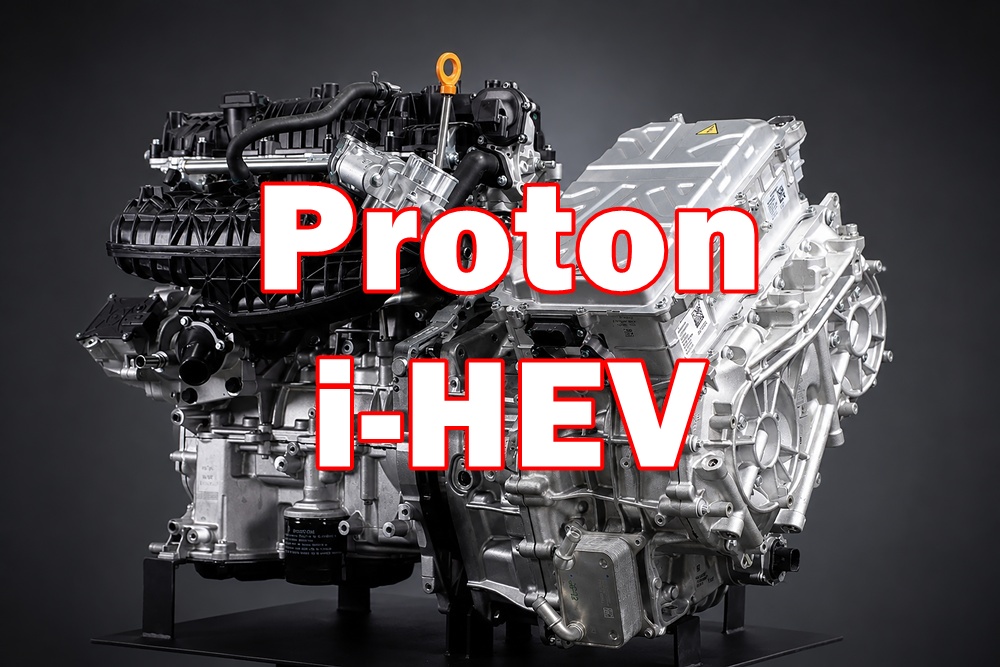
Proton has announced the name for its upcoming electrified powertrain, designating its proprietary setup as the i-HEV intelligent Hybrid System. First presented at the KL International Mobility Show earlier this year, the hybrid electric system will be used in a new model currently codenamed ’AMA 02’.
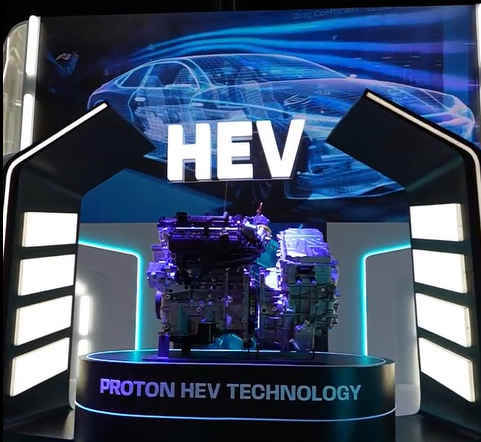
Long history of R&D
This is not Proton’s first electrified powertrain as, over the past few years, it has already introduced models with mild hybrid electric system and fully electric powertrains in its Proton e.MAS models.
The i-HEV system represents a significant milestone in the automaker’s R&D work on electrified powertrains. Over 20 years ago, PROTON collaborated with former subsidiary, Lotus Engineering, to develop such powertrains and showed some prototypes like the Giugiaro-style EMAS at the 2010 Geneva International Motor Show.
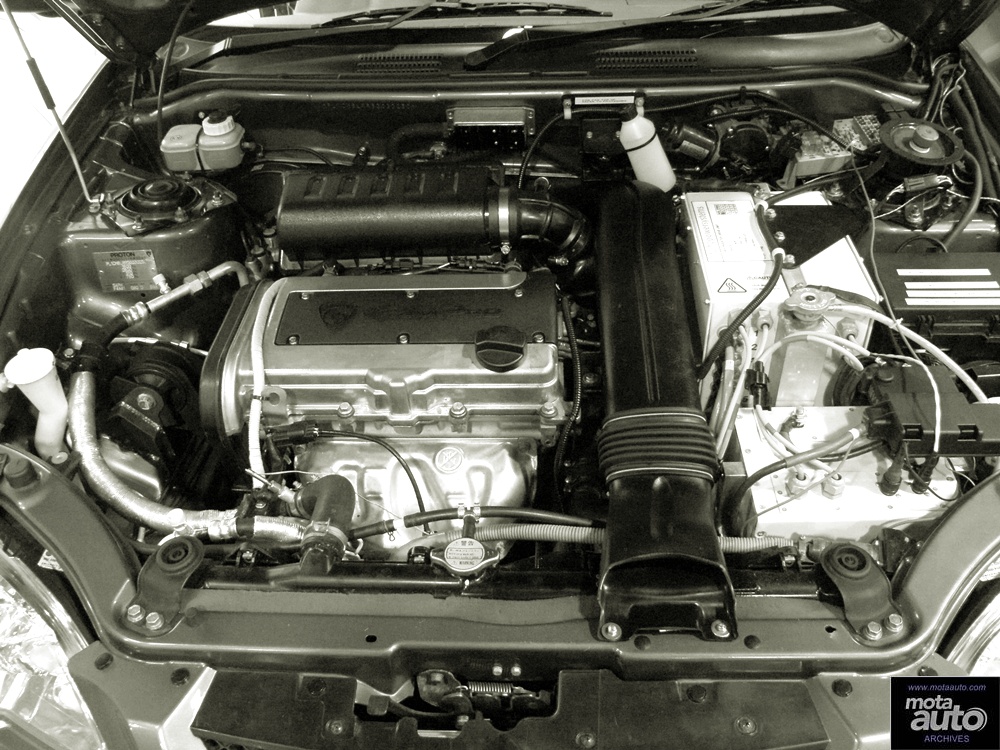
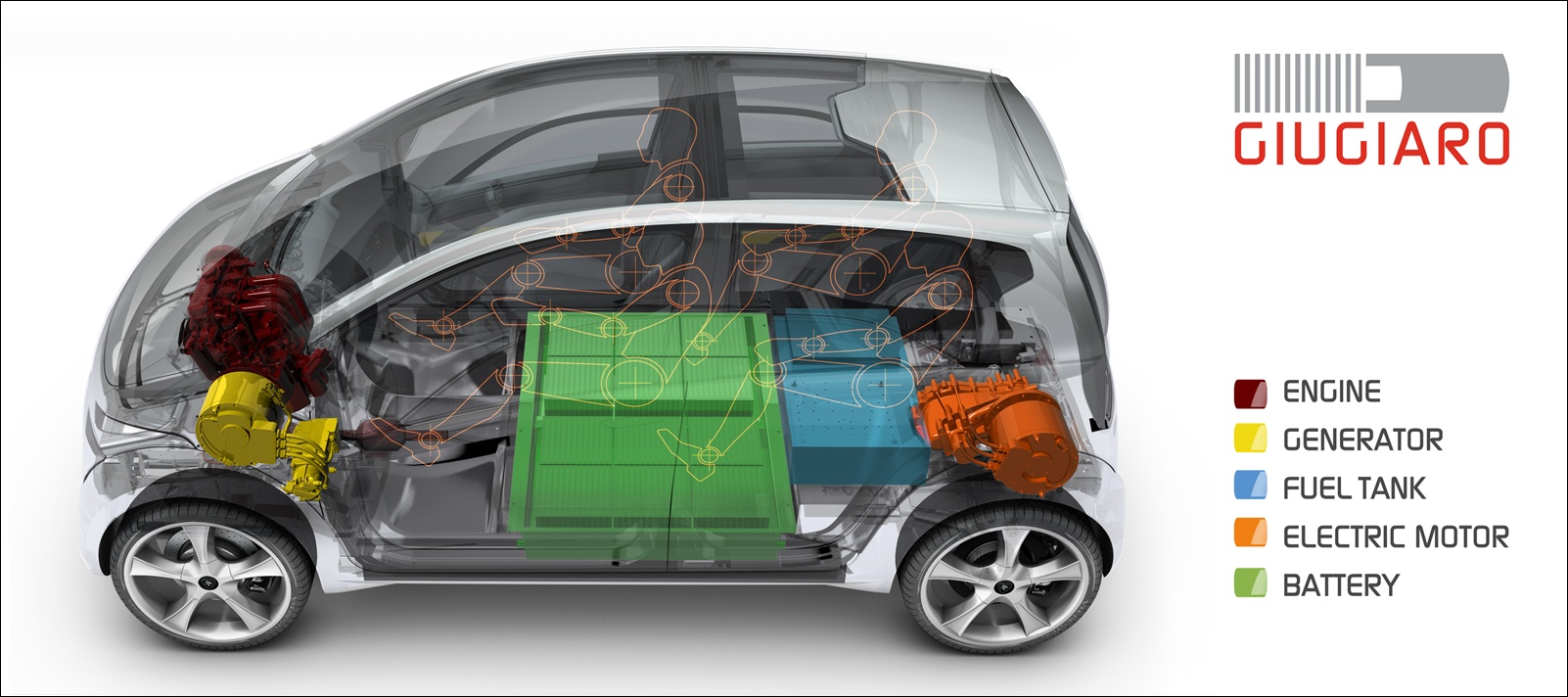
Another prototype with an electrified powertrain was the Exora E-REV. This had an electric range extender developed in collaboration with Frazer-Nash Research and Lotus Engineering.
The Exora E-REV made news in the UK when it won a top prize in the Brighton – London Future Car Challenge in November 2010. It beat 63 other vehicles in the Best Range Extender Electric Vehicle category by achieving 50 kms/litre.

As with many other automakers, PROTON has also increased emphasis on electrified powertrains as one approach to reducing carbon dioxide emissions. Following strategic shifts and its close technical partnership with Geely, the automaker has moved to develop a production-ready system with support from Geely’s R&D resources.

The i-HEV system
At the core of the i-HEV system is a naturally aspirated 1.5-litre Dedicated Hybrid Engine (DHE), which achieves a thermal efficiency rating of 46.5%. This is exceptionally good thermal efficiency as modern HEV engines have a thermal efficiency range of 41% to 46%.
This combustion engine develops 111 ps/136 Nm and operates on the Atkinson cycle. The primary benefit of the Atkinson cycle (which was developed in the 1880s) is significantly higher fuel efficiency, achieved because its expanded power stroke extracts more usable energy from every drop of fuel.
While Atkinson cycle engines traditionally sacrifice power density for thermal efficiency, PROTON engineers counterbalance this by integrating electric motor assistance to handle low-end acceleration and take-off.
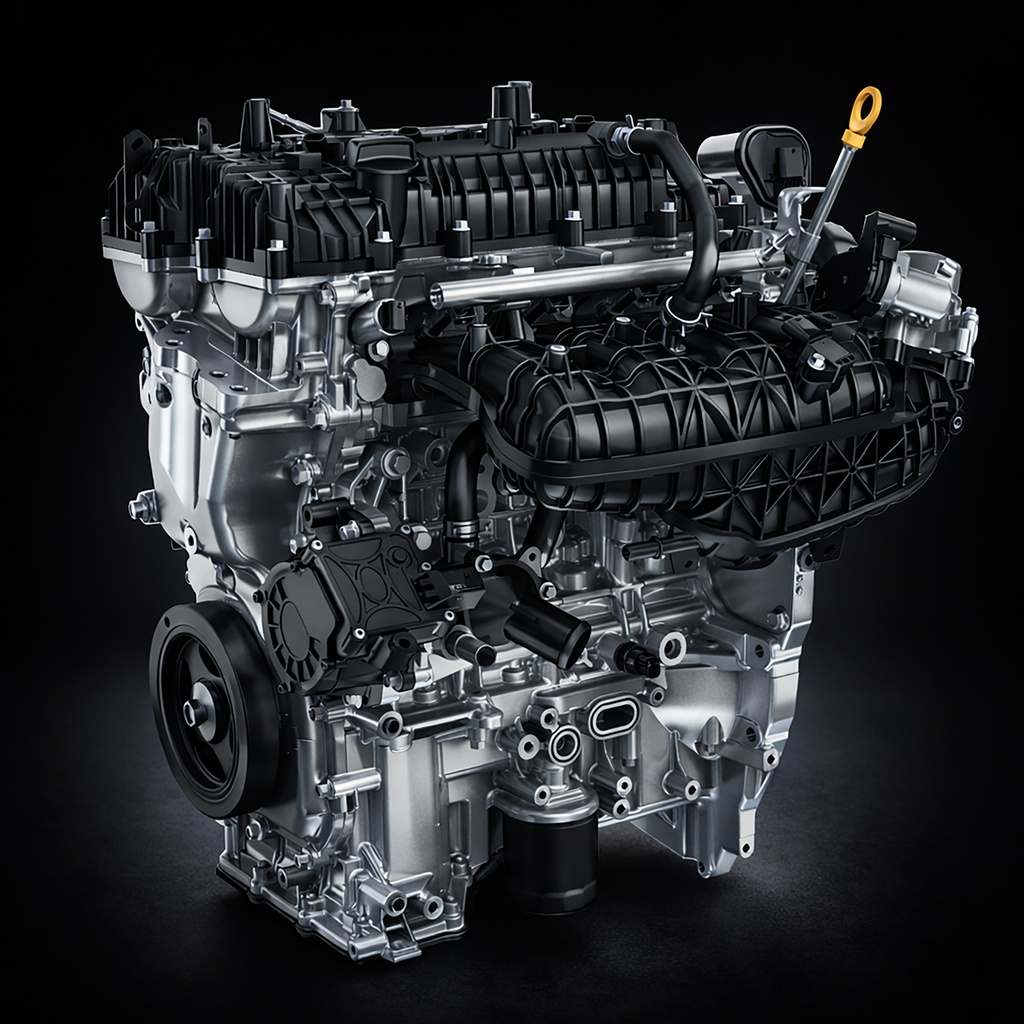
The DHE also features a high geometric compression ratio of 14:1, complemented by a water-cooled exhaust gas recirculation system designed to stabilize combustion and minimize pumping losses.
Auxiliary drag is further reduced through a variable displacement oil pump that modulates flow based on real-time demand, alongside an electric water pump dedicated to managing coolant circulation.
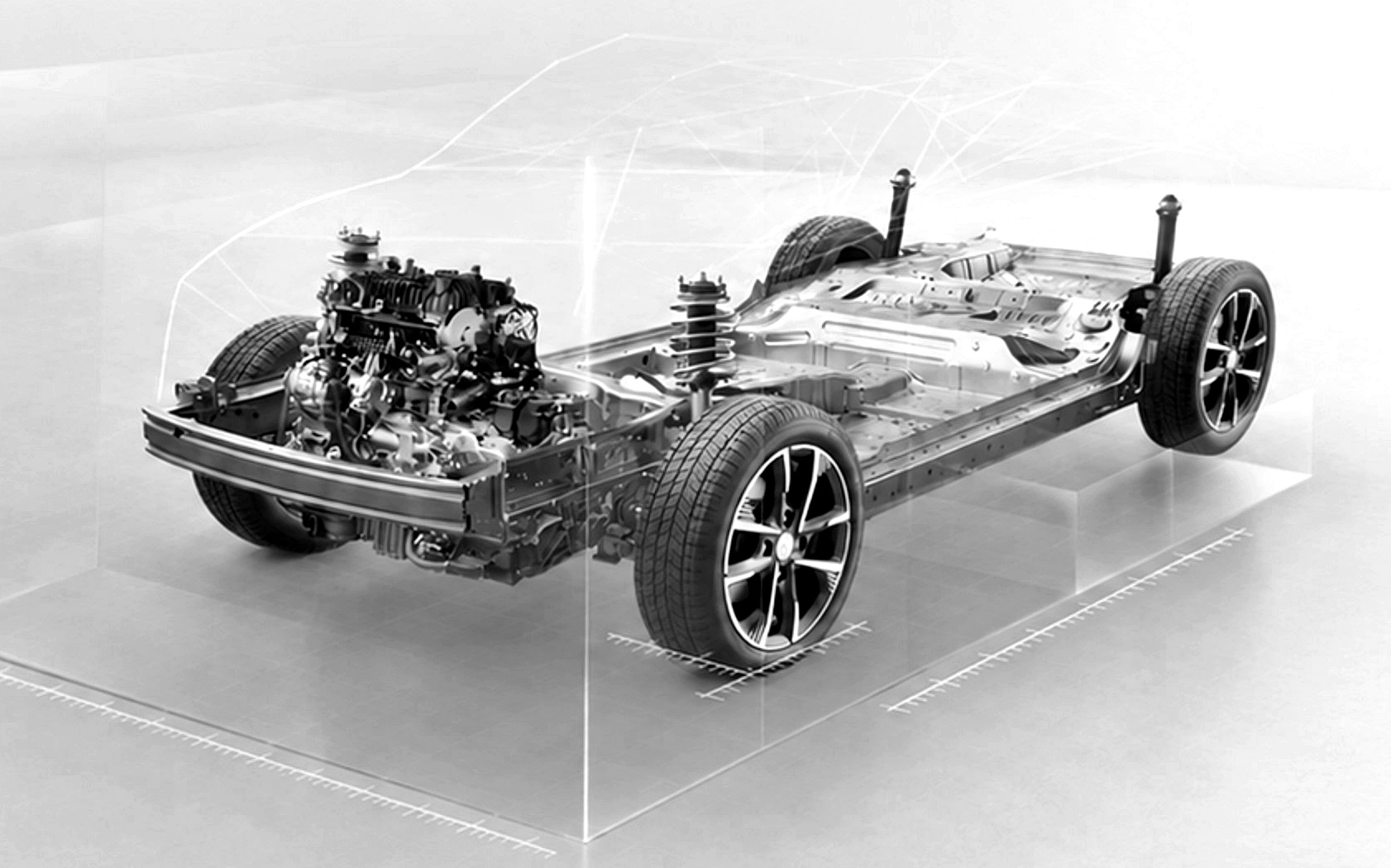
The Dedicated Hybrid Transmission coupled to the DHE incorporates 2 electric motors (P1 and P3), with P1 functioning in a dual role as the engine starter and also as a generator to produce electricity. The P3 motor – which generates up to 163 ps/220 Nm – acts as the primary driving motor, responsible for moving the car and recovering energy during deceleration via regenerative braking.
With a HEV, the engine and motors work together but their operation varies depending on conditions. This requires intelligent programming to smoothly switch between the two or to operate together. A centralized Power Control Module governs this interplay between the engine and motors, continuously evaluating road speed and power demands.
4 operating modes
The PCM is programmed with 4 different operating modes. In EV Mode, the system draws power exclusively from the battery to drive the electric motor, with the engine not being used. Series Mode utilizes the petrol engine to run the generator which, in turn, supplies electricity to drive the wheels via the electric motor. Parallel Mode couples the engine and the electric driving motor simultaneously to drive the vehicle forward.
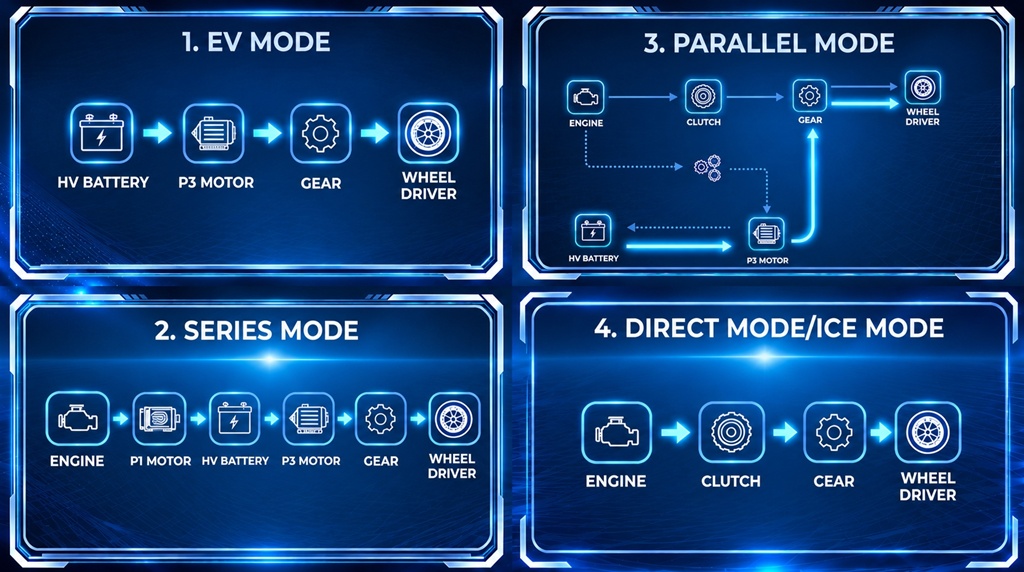
There is also Direct Drive Mode which locks in mechanical drive directly from the engine to the wheels during consistent highway cruising when combustion efficiency is optimal.
Unlike the Drive modes (usually ECO and SPORT) in many cars which the driver can select manually to suit driving conditions or personal preferences, the modes in the i-HEV system are selected without driver input by the computer.
Although it has not been mentioned, it might also be possible to lock EV mode in certain conditions, depending on the battery level. This is a feature available in many HEV models which allows driving only in electricity for short distances.
Self-charging
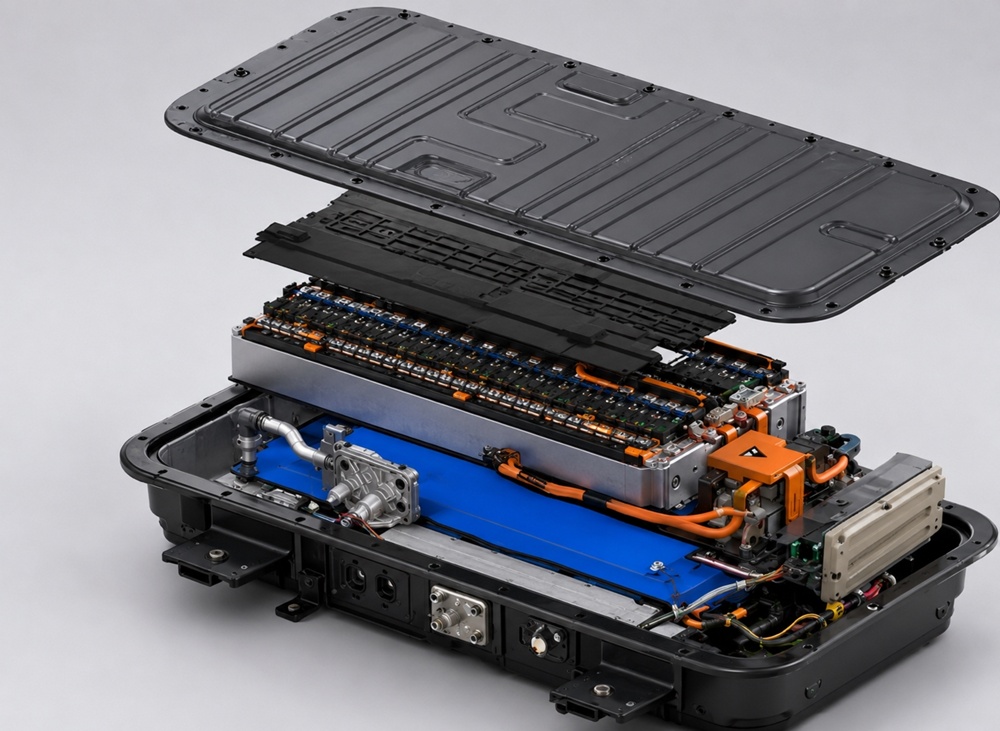
As the HEV system is recharges the battery while the car is running, there is no need for the driver to look for a charging station. The battery can also be small, making recharging to be faster. In the case of the i-HEV system, the battery has a capacity of 1.38 kWh.
Local production
As a national automaker, PROTON has prioritised localisation of components and systems right from the start. Just as it made its own engines from the 1990s, it now makes the DHE, DHT and even Electric Drive Units.

This localization strategy broadens domestic technical capabilities in precision assembly, rigorous testing, and quality control, embedding advanced electrified vehicle manufacturing deeper into Malaysia’s automotive sector.
“With the i-HEV intelligent hybrid system, PROTON’s focus is on delivering benefits customers can understand and experience. Alongside this, building local capabilities in hybrid transmissions and electric drive units helps develop the skills and industrial foundation Malaysia needs to be an active participant and regional hub for the production and development of future vehicle technologies,” said Dato’ Ir. Abdul Rashid Musa, Deputy Chief Executive Officer of PROTON.
13 years ago, Proton was already developing electric vehicles