
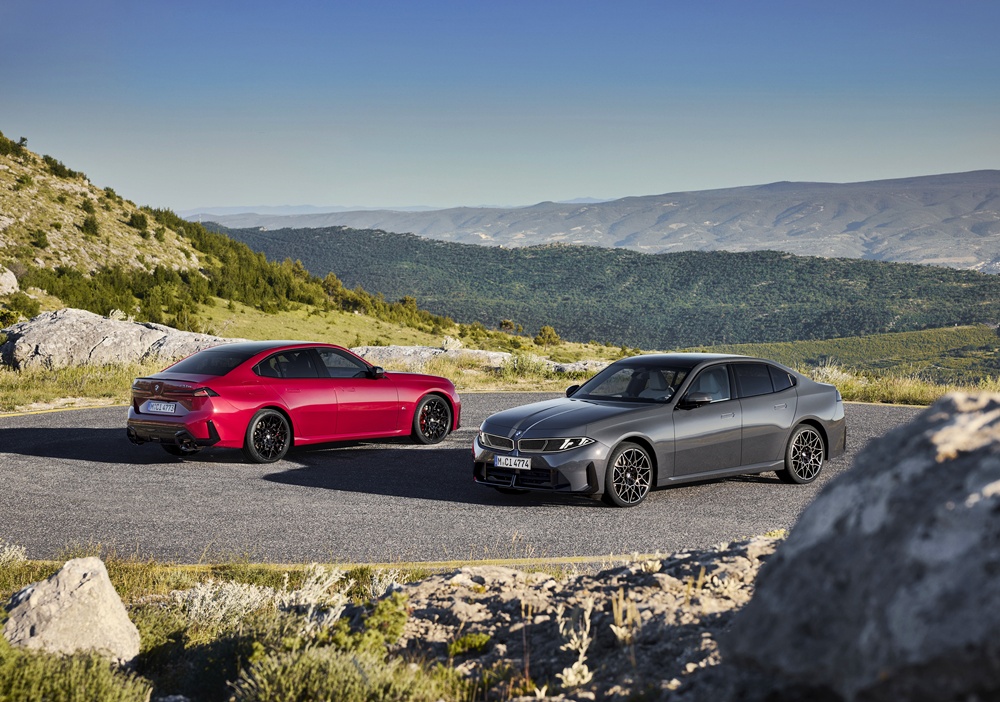
For 5 decades, the BMW 3-Series has been one of the benchmarks of the automotive world, and a core model of the German automaker globally. Across 7 distinct generations since 1975, the 3-Series played a major role in building BMW’s engineering reputation and validating the marketing claim of being ‘The Ultimate Driving Machine’.
More than 20 million units have been delivered globally to date, and transitioning this valuable heritage into the era of electrification is a critical milestone for the brand. The 3-Series, as we have always known it, must retain its driver-centric character and dynamics while spearheading BMW’s fundamental pivot toward the next generation of fully electric models.
However, the transition is being done thoughtfully with a ‘technology-open’ strategy that does not immediately drop internal combustion engines (ICE). With the Neue Klasse architecture, BMW will continue to offer a choice of powertrains with combustion engines or electric motors, or a combination of both.
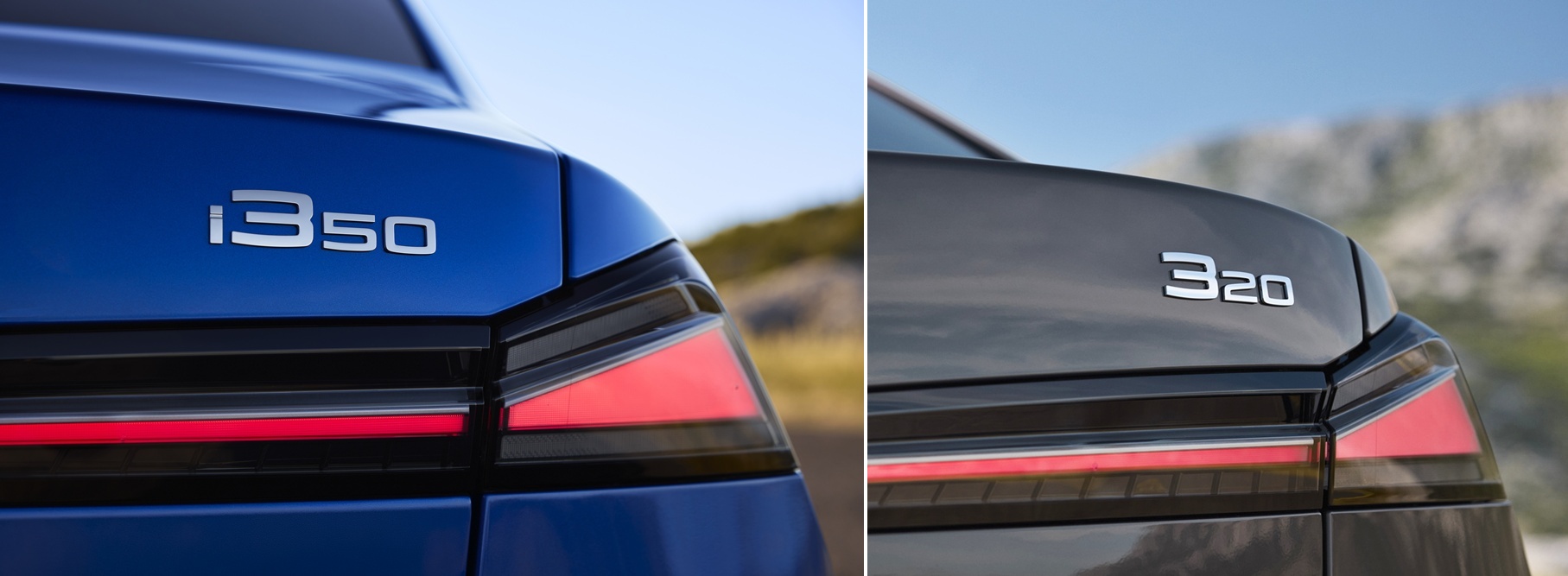
Unified Neue Klasse exterior architecture
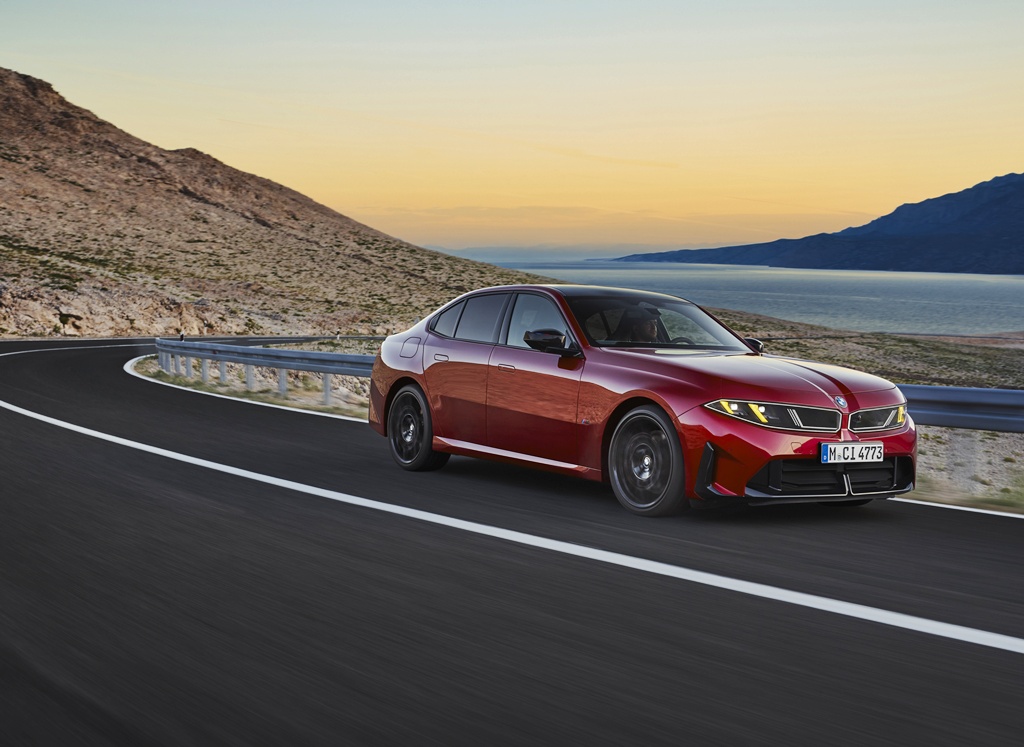
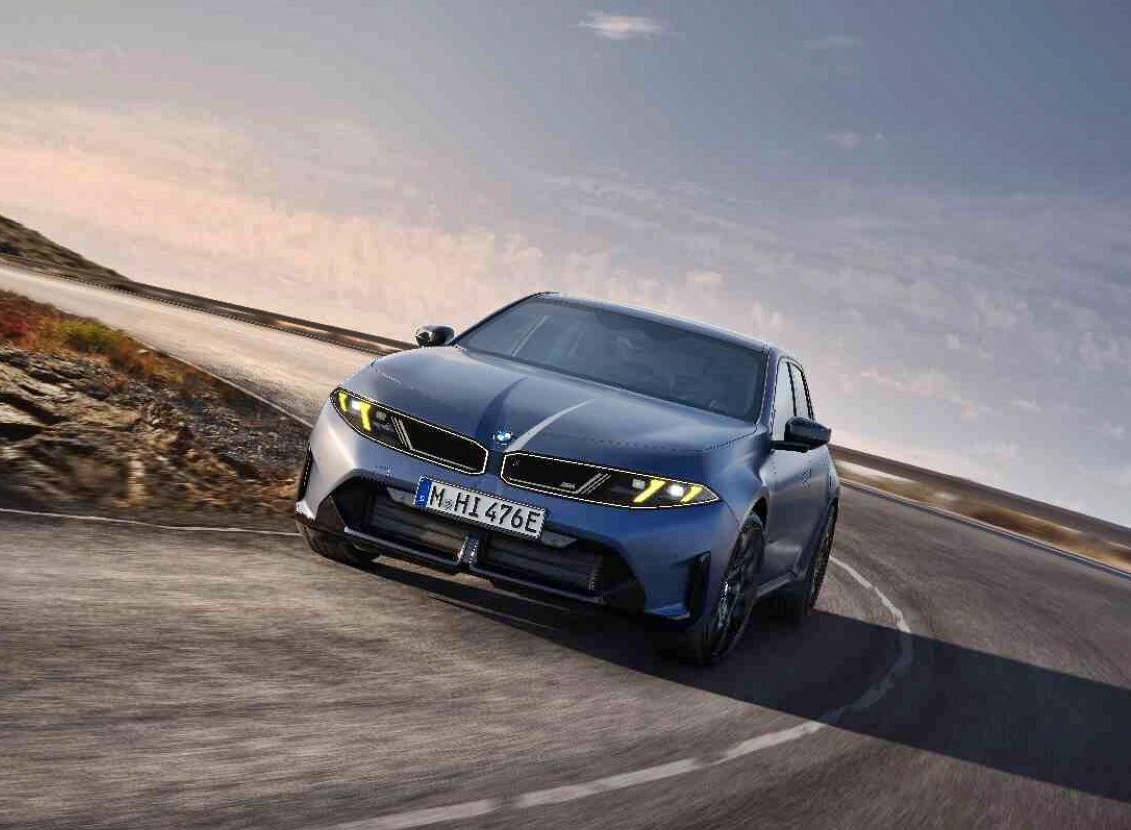
The new 3-Series (G50) family adopts the modern design language of the Neue Klasse platform across all versions. Both the fully electric i3 and its ICE equivalents share an identical overall body structure, differing only in minor functional details tailored to their respective powertrains.
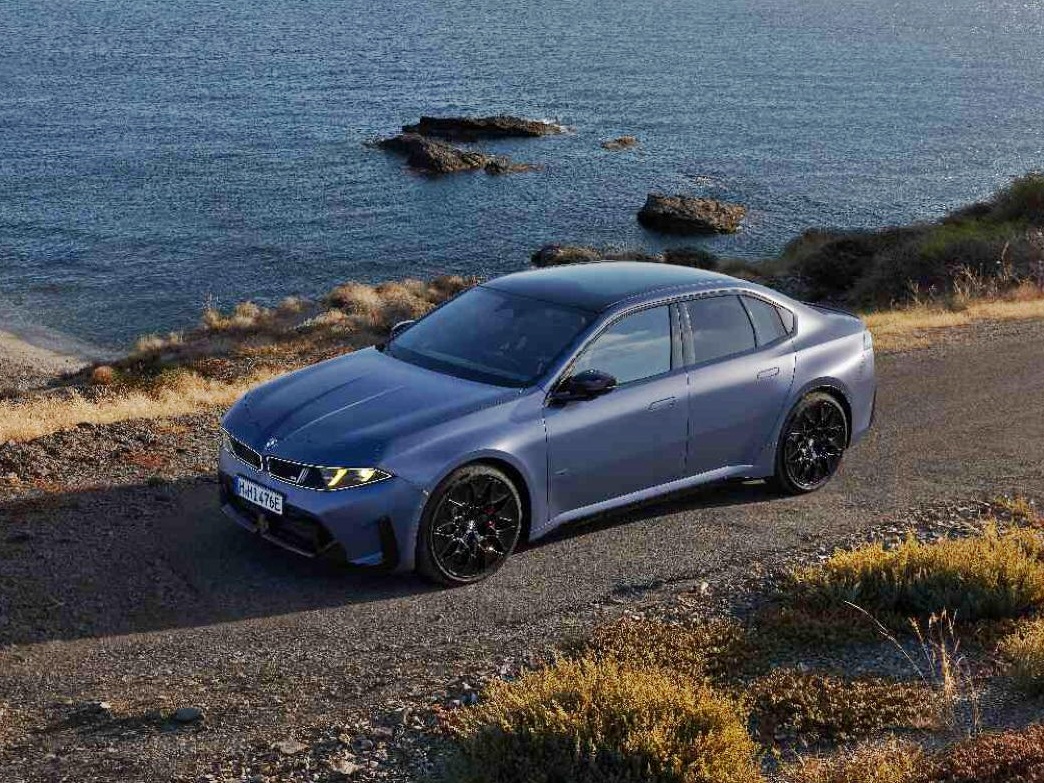
The overall profile maintains traditional 3-Series proportions, characterized by a long wheelbase, short front and rear overhangs, and a set-back glasshouse paired with flared wheelarches. Flush-fitting door handles extend automatically upon unlocking, keeping side surfaces clean to optimize aerodynamic drag.
Up front, the iconic kidney grille and twin headlight elements are merged into a single horizontal panel, creating a distinctive light signature. For high-performance versions, new M Yellow Lights derived from BMW’s motorsport programs serve as a differentiator.
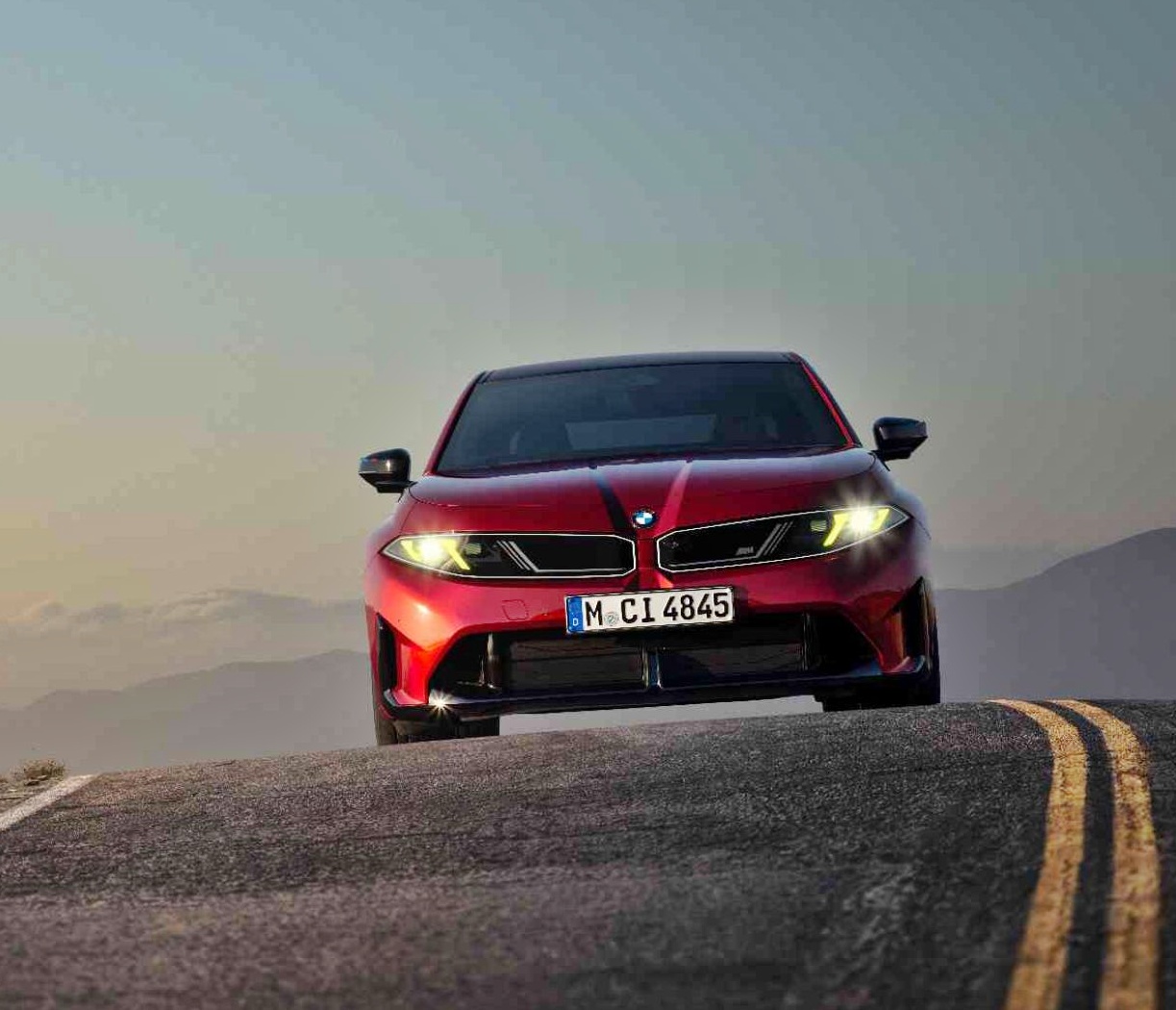
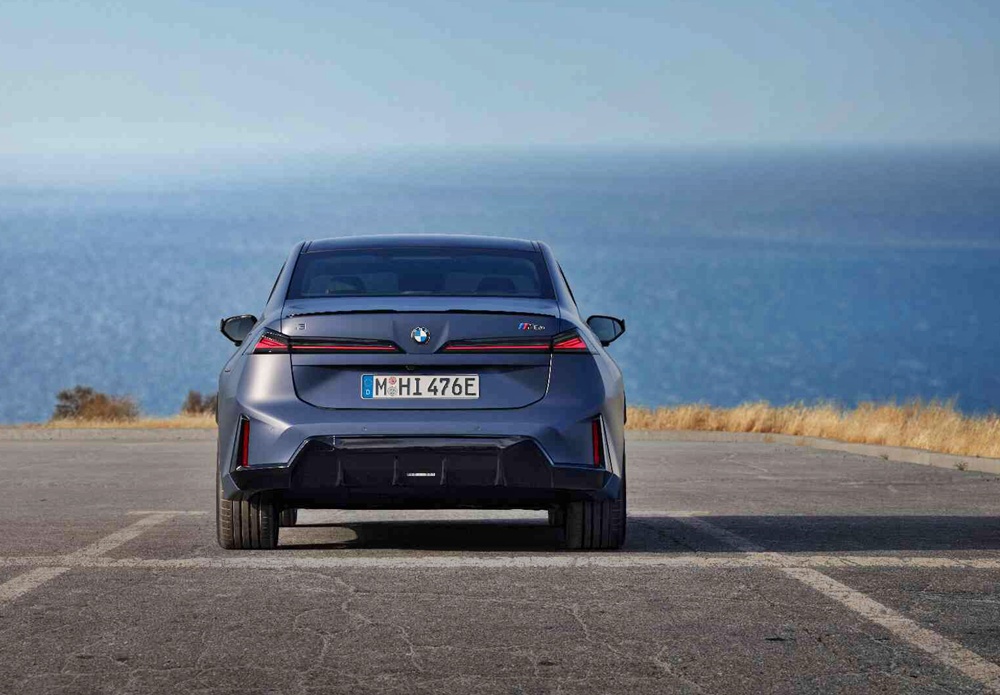
Wheel sizes for the electric i3 range from 19 to 21 inches, whereas ICE models come with 18 to 20-inch wheels. Optional M Sport and M Sport Pro packages will be available across the line-up, alongside exclusive paint finishes such as M Le Castellet Blue metallic, with further BMW Individual options slated for release in 2027.
New cabin environment
The Neue Klasse continues inside, with reduced physical clutter. Like the very first 3-Series and all generations thereafter, the driver’s area is focussed around the driver. However, in this new age, the interfaces have gone digital, providing more information in the same space.
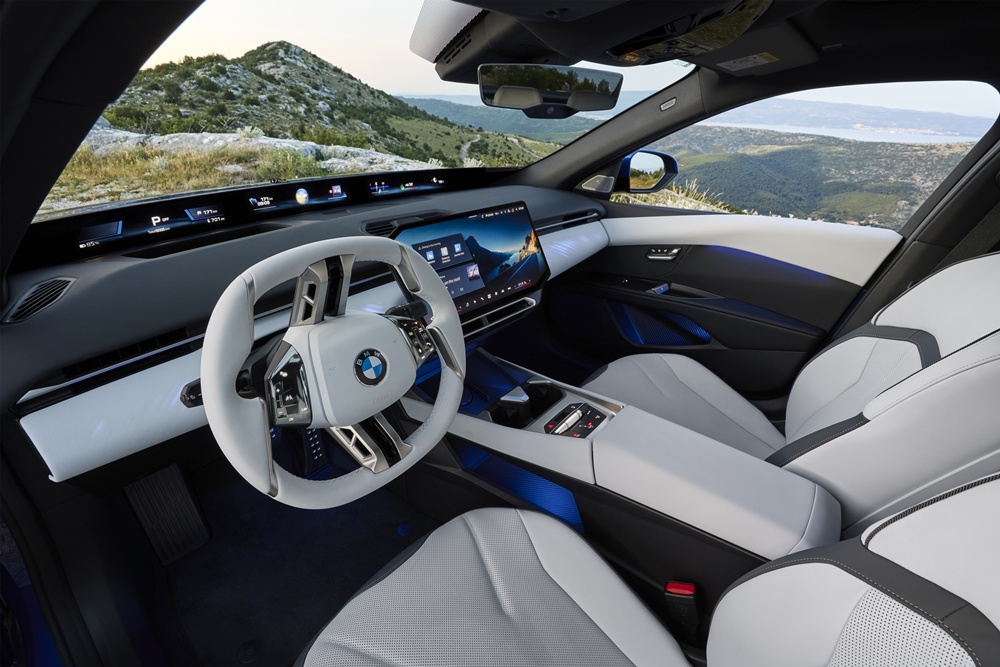
The operational hub consists of 4 main elements: the new BMW Panoramic Vision, an optional 3D Head-Up Display, a 17.9-inch Central Display (angled towards the driver), and a redesigned multifunction steering wheel featuring a central upper spoke.
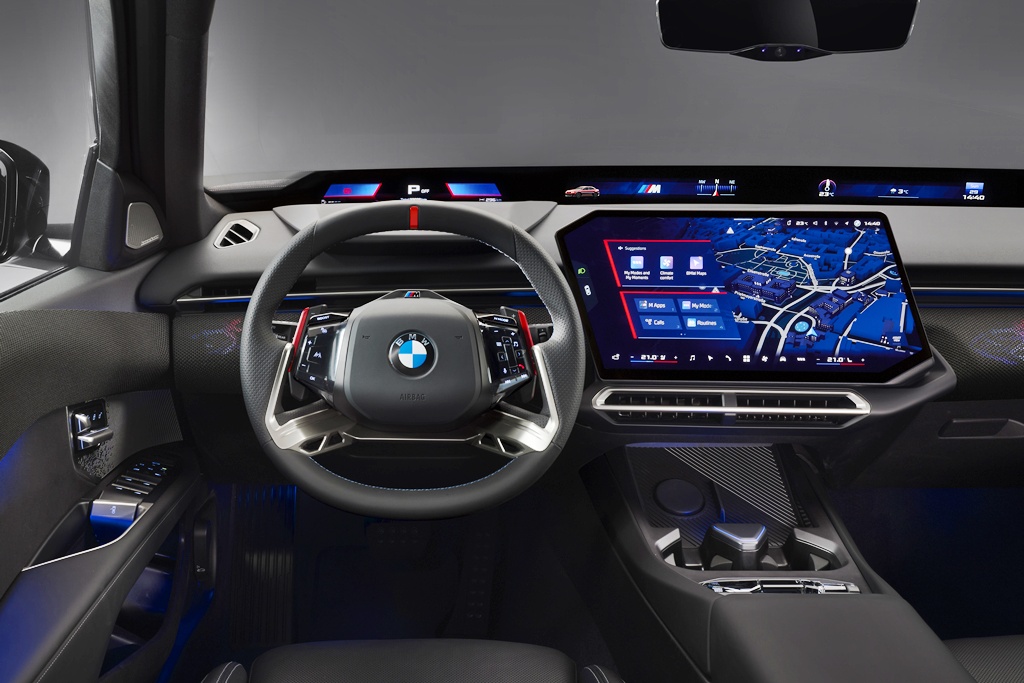
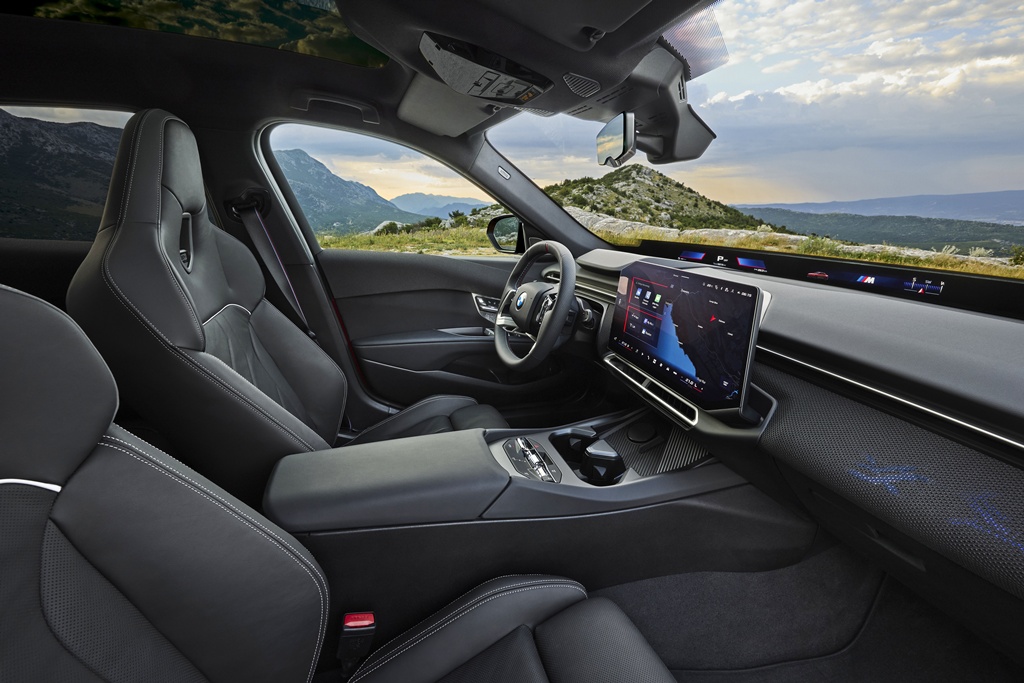
BMW Panoramic Vision projects driving information across the full width of the lower windscreen area, keeping key data directly within the driver’s sightline. Software architecture is governed by BMW Operating System X, built on an Android Open Source Project foundation to enable continuous over-the-air updates.
Voice interaction is expanded through the integration of Amazon Alexa+ AI technology, alongside upgraded navigation and safety features within the optional BMW Digital Premium suite.
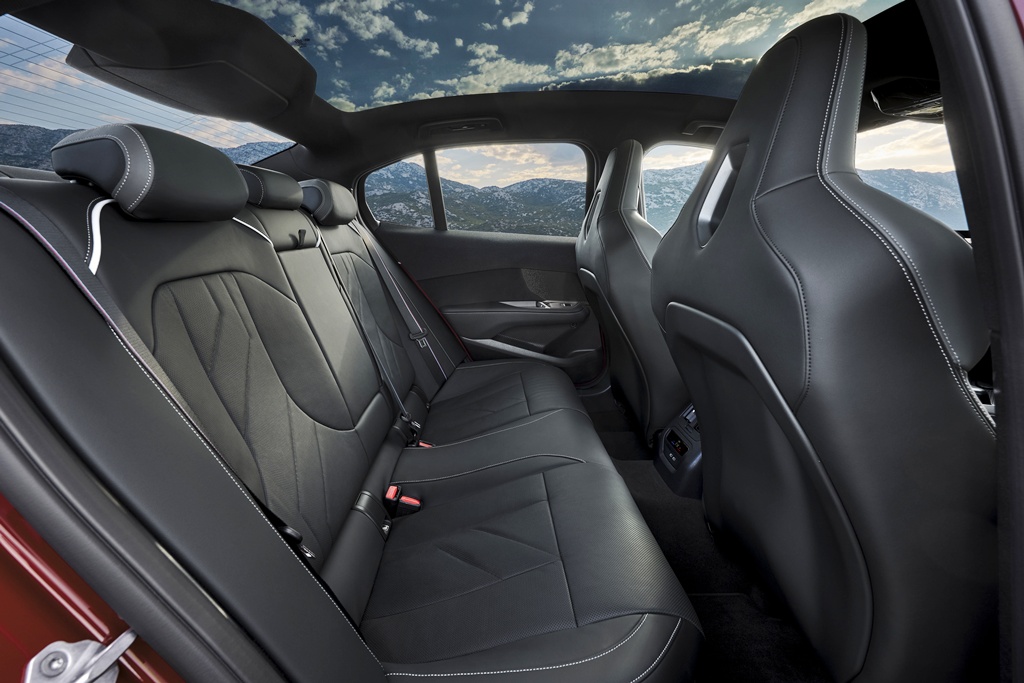
Cabin appointments feature electric front seats with memory functions and the Travel & Comfort mounting system as standard, with optional M Sport front seats and rear seat heating available. Sound systems range from a standard package to optional surround sound packages developed by Harman Kardon.
Drivetrain variants
The fully electric i3 debuts with 6th-generation BMW eDrive technology, incorporating 800v electrical architecture, cylindrical battery cells, and bi-directional charging capability. Dual motors distribute power to front and rear wheels for all-wheel drive in at least 2 versions.
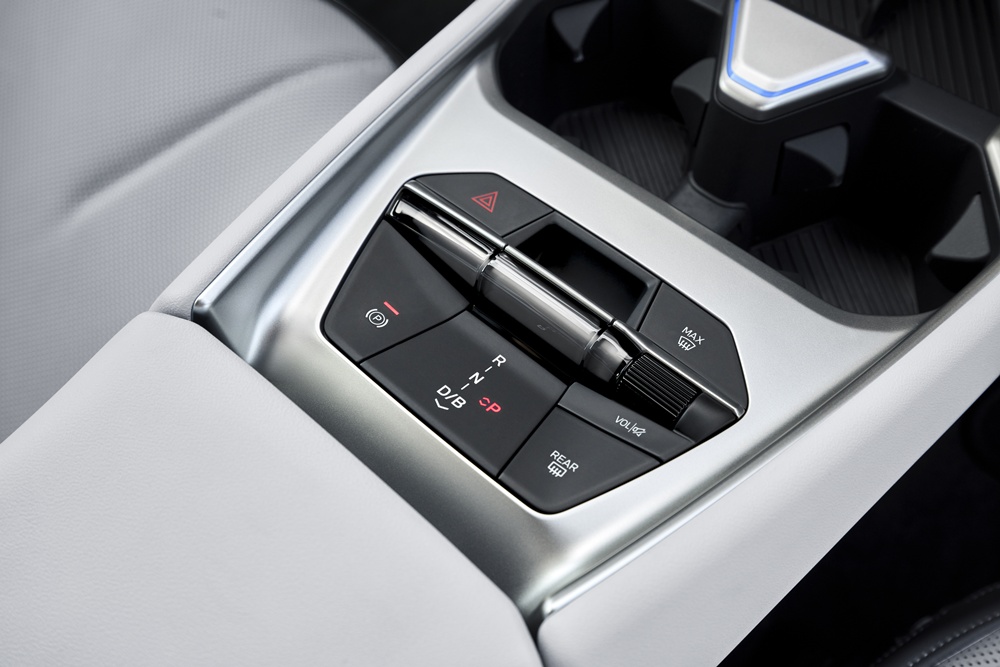
The range-topping i3 50 xDrive generates a combined output of 345 kW (469 hp)/645 Nm , with power being supplied by a 108.7 kWh high-voltage battery pack. When recharged with a 400 kW DC fast-charger, the battery can fill up to 423 kms of range in 10 minutes and BMW claims a range of 912 kms on a full charge.
ICE choices are led by the M350 xDrive powered by a 3-litre turbocharged inline 6-cylinder petrol engine with a 48V mild-hybrid electric system. Total system output reaches 326 kW (443 hp)/580 Nm which enables a claimed 0 – 100 km/h time of 4.1 seconds before hitting an electronically-limited top speed of 250 km/h.
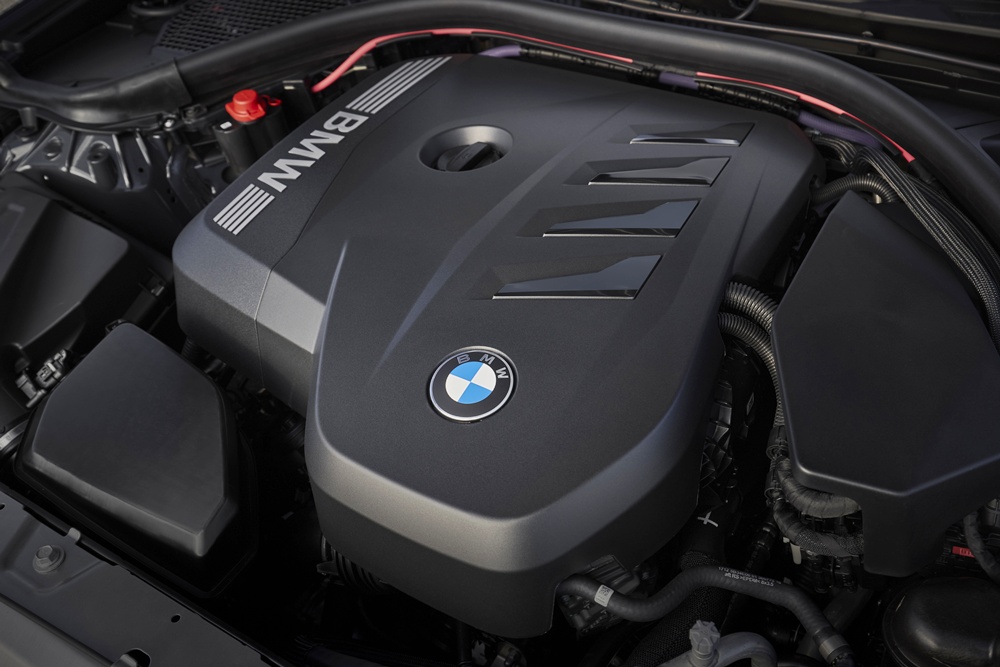
There will also be 2 entry-level 4-cylinder turbocharged petrol engine versions, and over the next year, a PHEV variant will join the line-up.
Driving dynamics
The superlative driving dynamics of a BMW have been a key feature of all its cars and one of the main reasons people buy them. In the electric i3, driving dynamics are managed by a centralized domain controller termed the ‘Heart of Joy’.
Developed specifically for the Gen6 eDrive architecture, this system combines drive control and chassis management functions into a single unit operating up to ten times faster than previous control networks.
ICE models utilize an updated version of BMW’s dedicated Driving Stack software tailored for ICE dynamics.
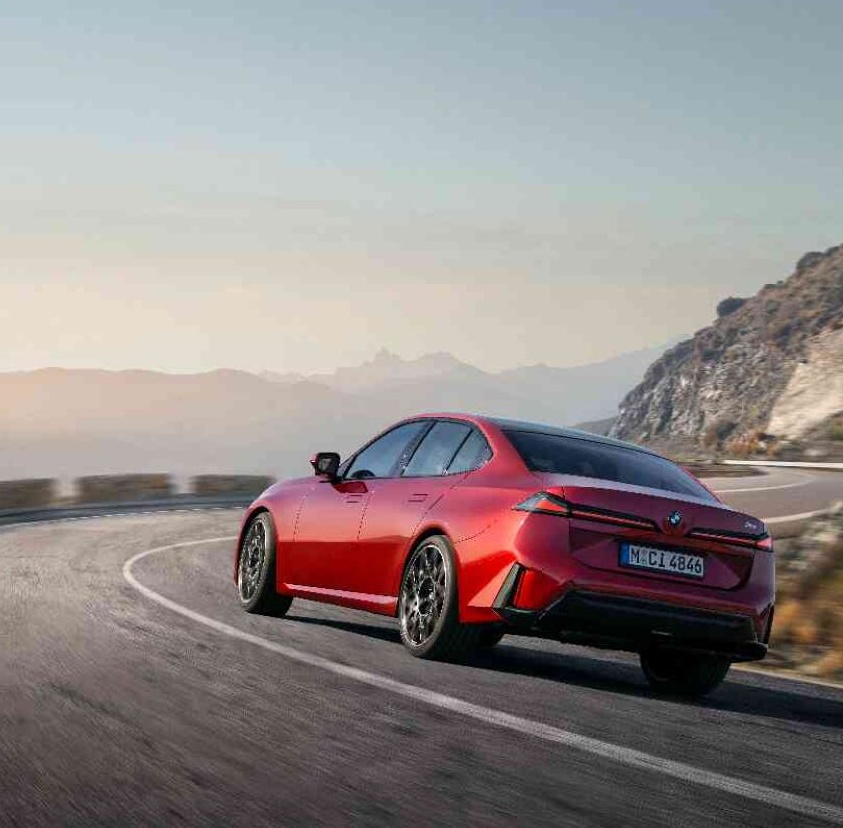
Suspension configurations include optional adaptive suspension or Adaptive M suspension, the latter coming standard on the M350 xDrive. For the M350 xDrive, BMW has introduced a selectable ‘Drift Moment’ function accessible via the Central Display. When engaged, the system disengages front-axle drive torque, directing engine output exclusively to the rear wheels.
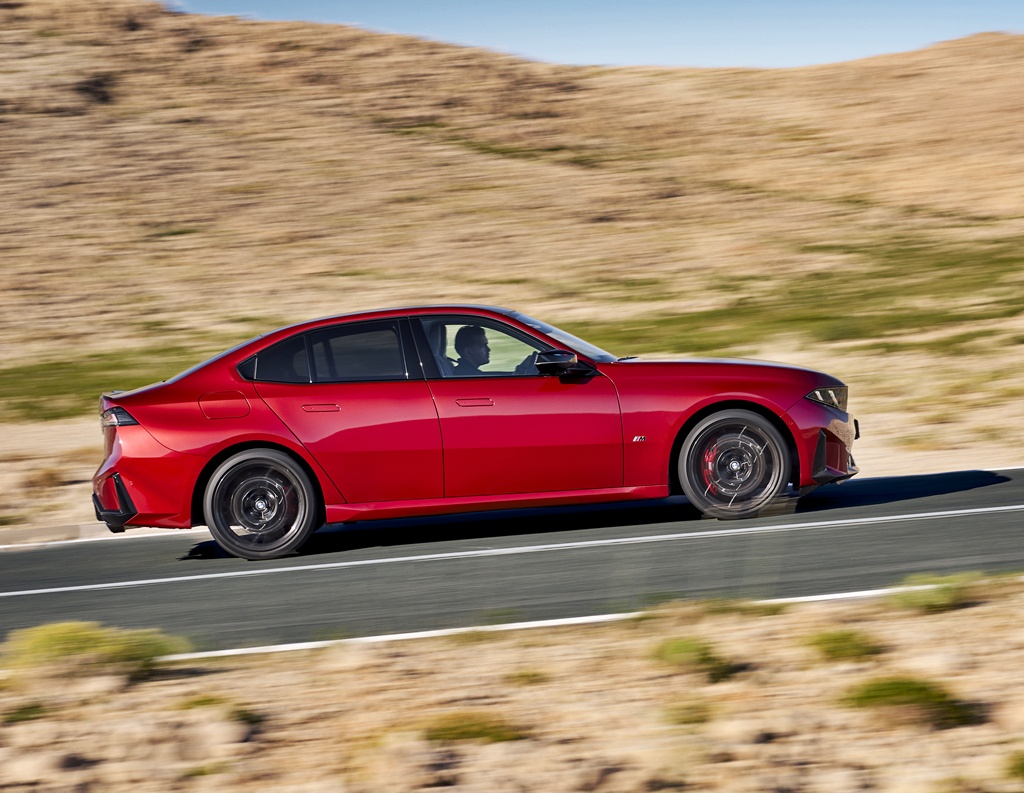
Driver assistance systems meet SAE Level 2 requirements, supported by BMW Symbiotic Drive software. Features include Motorway Assistant, enabling hands-free driving at speeds up to 130 km/h in approved zones, with urban partially automated navigation scheduled for integration from 2027.
Multiple manufacturing sites
Production of the new 3-Series generation is split across multiple European facilities. The electric i3 will be produced at BMW Group Plant Munich, which is undergoing a complete transition to exclusive Neue Klasse EV manufacturing by 2027. This is BMW’s oldest plant, having started operations in 1905 and was where the first generation of the 3-Series was made.
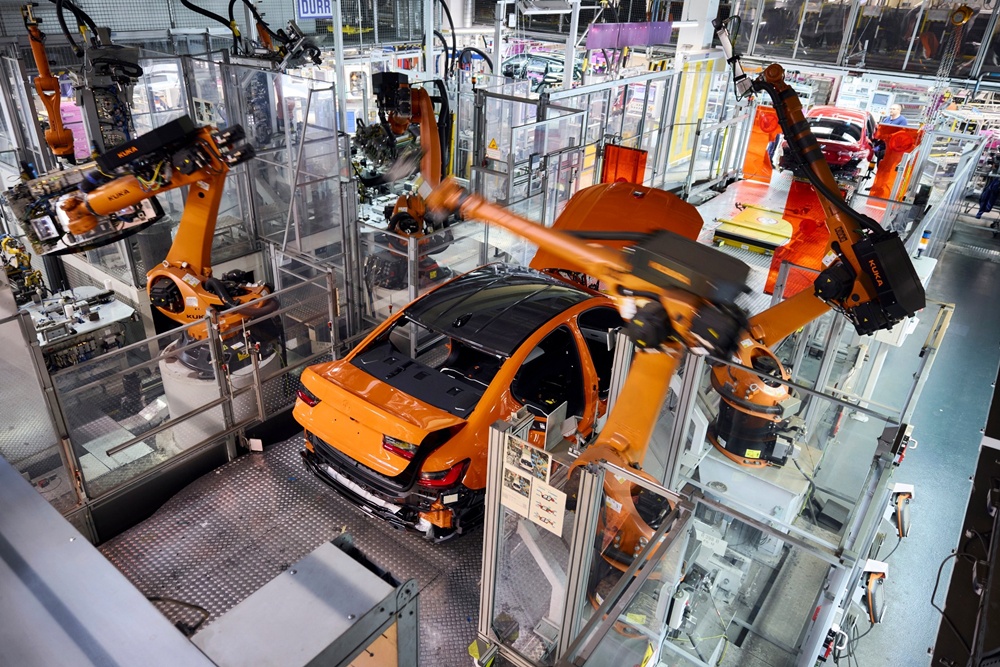
ICE models will be manufactured at BMW Group Plant Dingolfing. Component assembly for electric motors and petrol engines is assigned to Plant Steyr in Austria, while high-voltage battery packs for the i3 are supplied by a new factory in Bavaria.
It’s also known that the i3 will also be assembled in Mexico from 2027. The factory is also assembling the iX3 and some ICE models but will soon have EV-only production.
Production is now underway and the first cars will be delivered in Germany and some European markets during this quarter. Other markets will get shipments progressively from the start of 2027 and following past practice, we will likely see the new 3-Series in CBU (completely built-up) form first for those who can’t wait.

Assembled in Malaysia since 1981
Local assembly would come later at the Sime-owned Inokom plant in Kedah. Historically, the 3-Series would be the BMW model that has been assembled the longest in Malaysia – right from the first generation. However, at that time (1981), BMW AG was not directly involved in local assembly which was done by SMI (Sarawak Motor Industries) in Kuching, Sarawak.
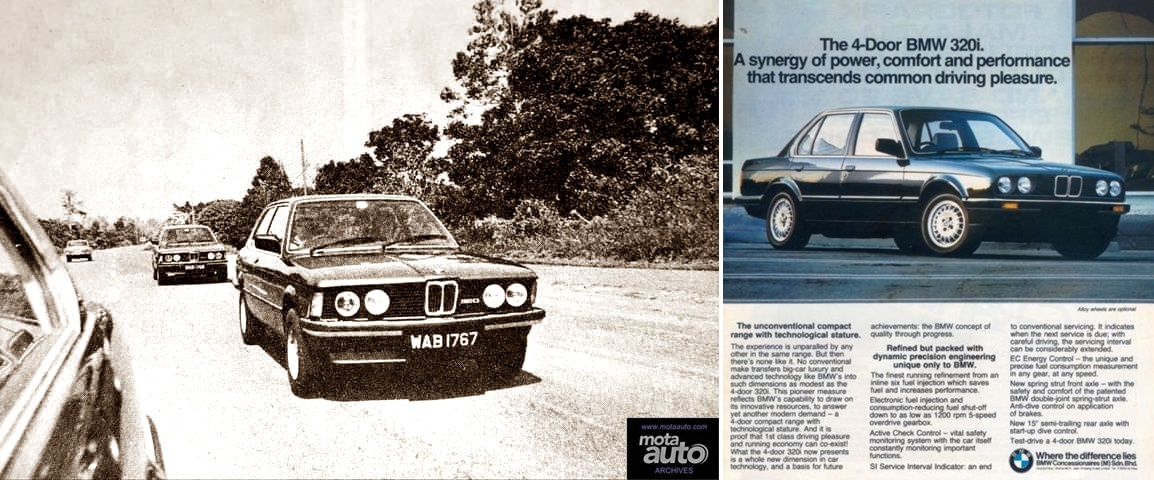
After SMI, Auto Bavaria (a unit of Sime Darby, now Sime Motors) became BMW distributor and took over assembly at its own plant in Selangor. BMW AG only became involved in local assembly operations and marketing activities from 2003 when it established its own subsidiary, BMW Group Malaysia.