
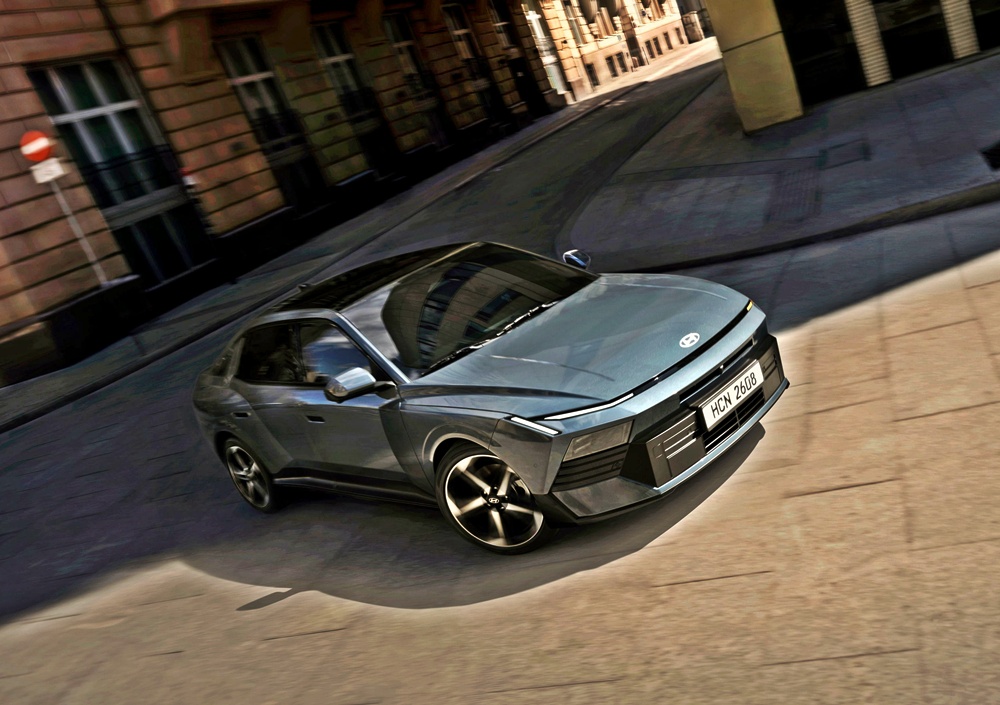
The Hyundai Elantra is one of the Korean automaker’s longest-running and highest volume models, having been introduced in 1990. Over 7 generations, more than 15 million units have been sold globally, serving as an entry-level model for the Hyundai brand in many markets.
The Elantra was the first Hyundai model assembled in Malaysia in 2001 when it was already in its third generation. It was sold up to the seventh generation but no longer appeared in showrooms after 2023.
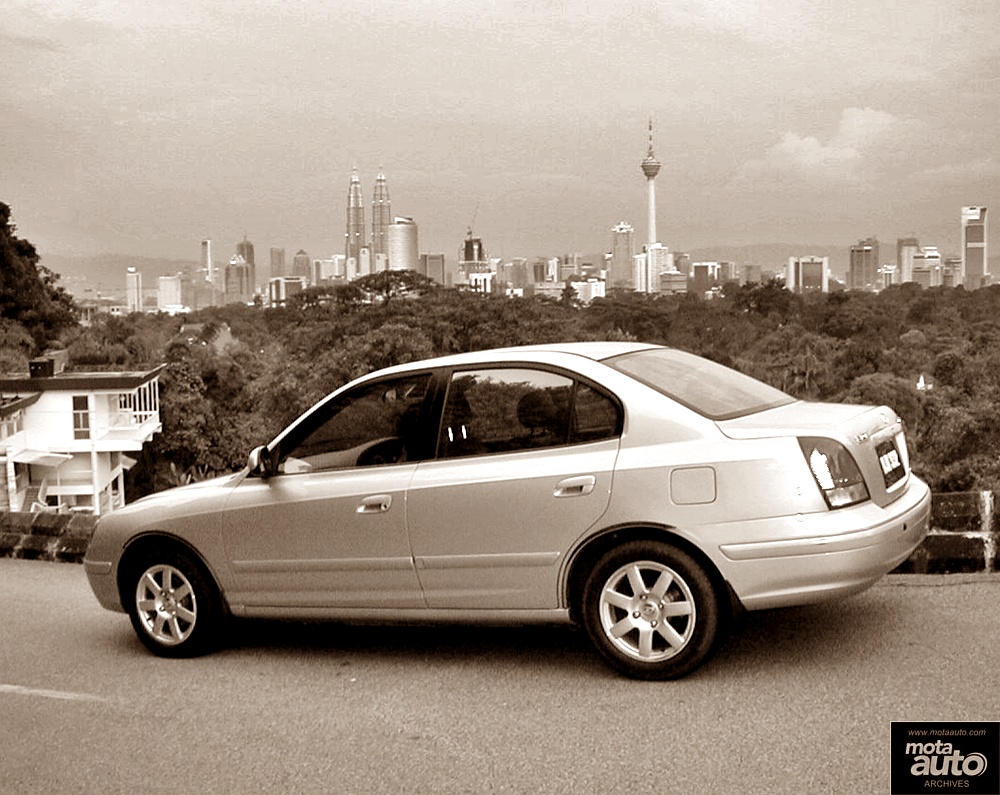
Although it is not existent in the current Hyundai range in Malaysia, the model line continues and the eighth generation was recently presented in America at AutoMobility LA 2026.
The new model continues with ICE (internal combustion engine) powertrains as well as a hybrid electric option. It is intended to offer design, technology, safety and efficiency at an attainable price.
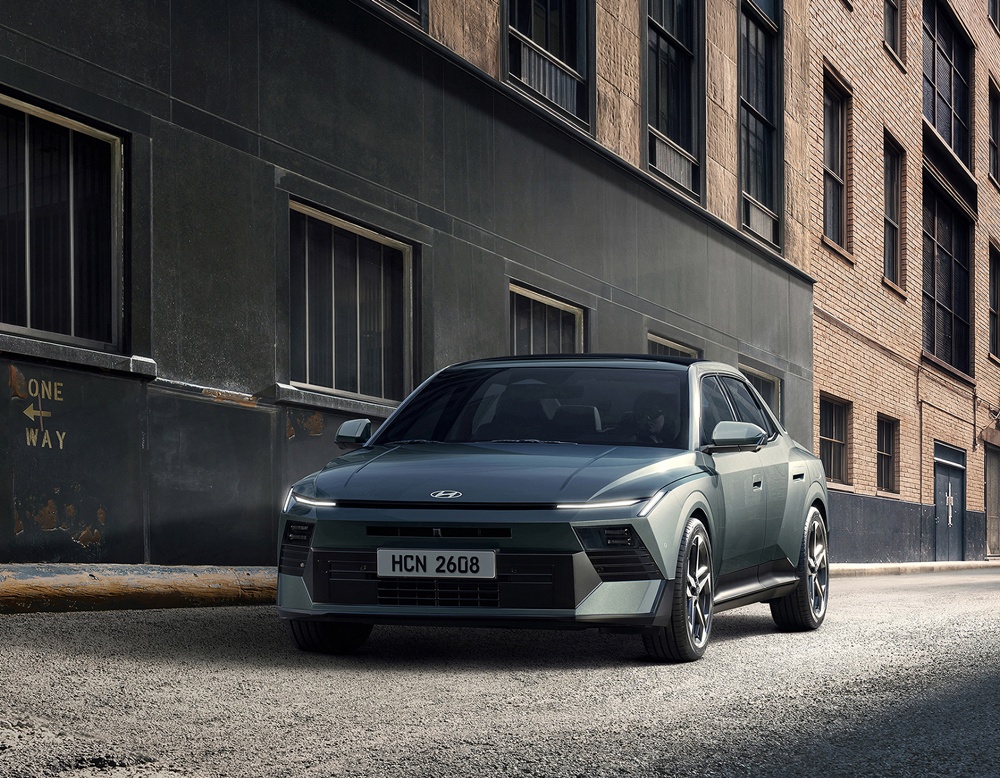
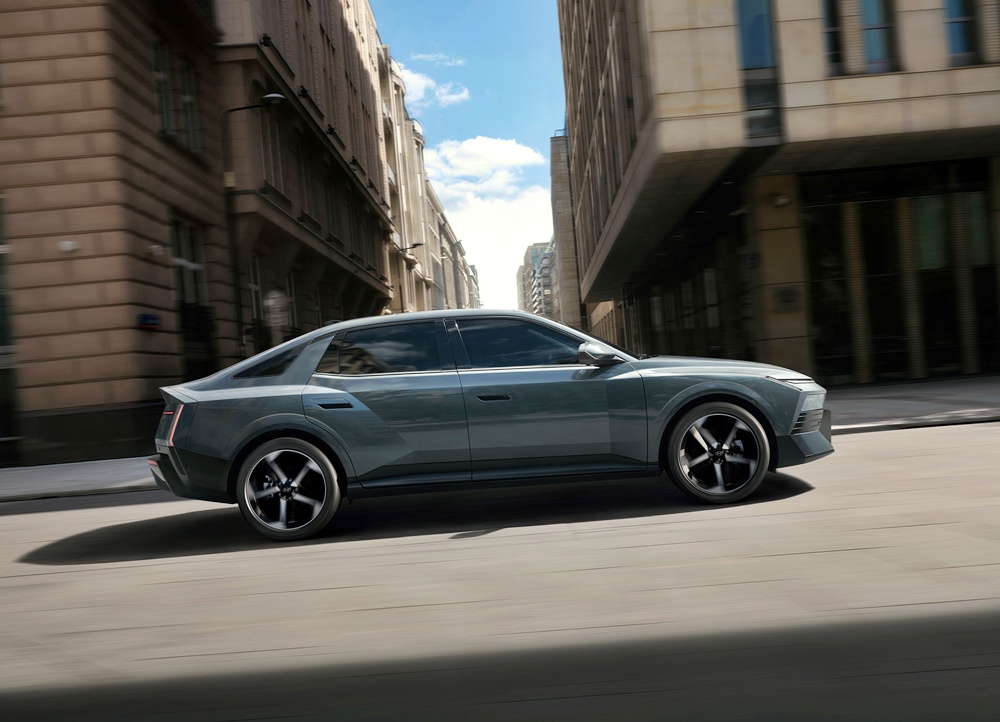
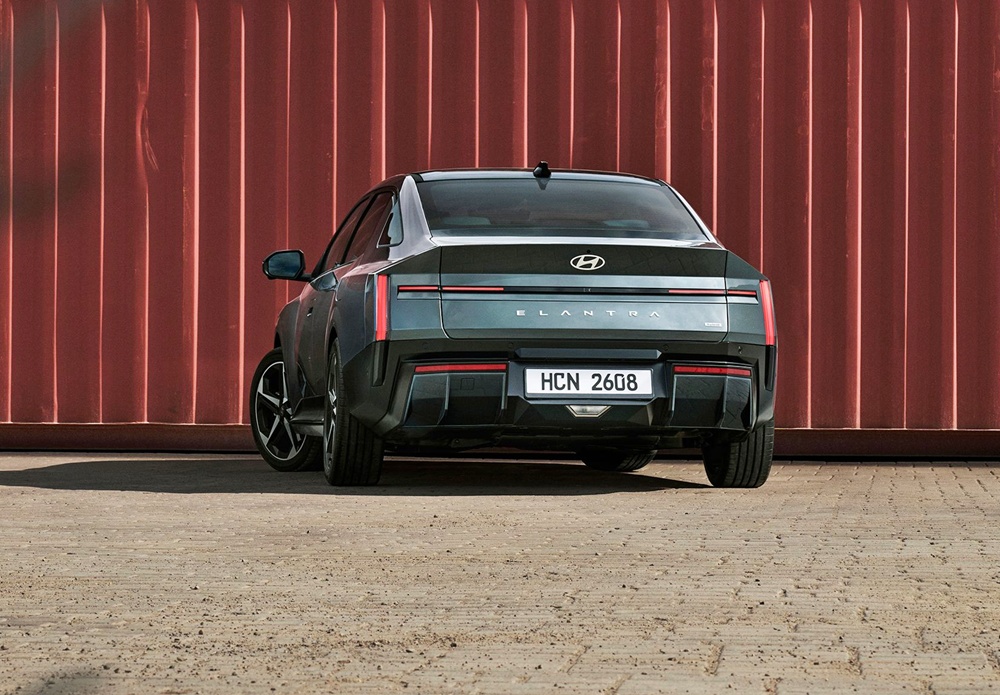
The exterior adopts Hyundai’s Art of Steel design approach, with the proportions described as ‘honest and functional’ by SangYup Lee, Executive Vice-President and head of Hyundai and Genesis Global Design Centre.
Increased dimensions
The refined 3-box form with a Cd of 0.26 has an overall length of 4796 mm, width of 1854 mm and height of 1425 mm, while the wheelbase stretches to 2751 mm. Compared with the previous generation, the new body is 86 mm longer, 30 mm wider and the wheelbase is extended by 30 mm.
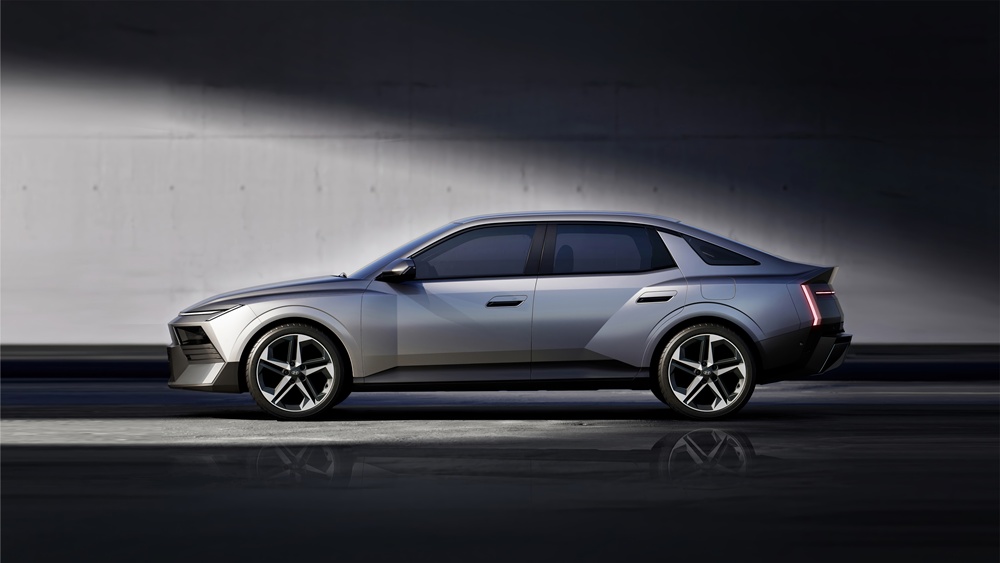
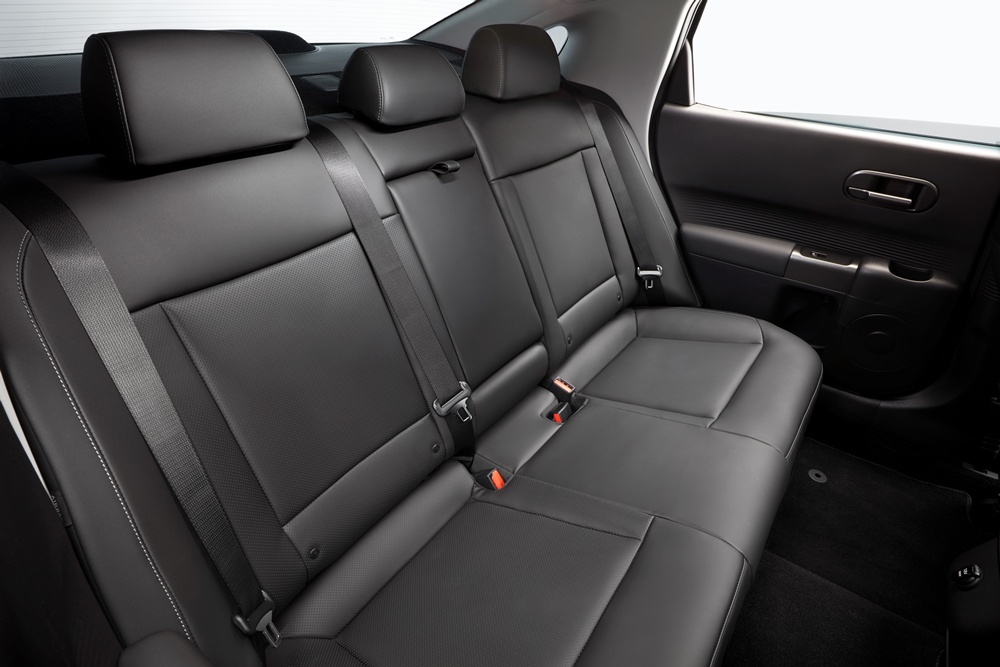
Although the Elantra remains compactly sized, Hyundai designers have expanded the space for rear passengers. Slimmer front-seat frames contribute to the additional space. Rear legroom is now 993 mm, with headroom up to 958 mm and rear shoulder room widened to 1435 mm. The rear-seat packaging is said to be best-in-class within its segment.
ICE and hybrid electric powertrains
For the ICE powertrain, there’s a Smartstream 2-litre Atkinson-cycle 4-cylinder engine producing an estimated 150 ps/179 Nm and paired with an Intelligent Variable Transmission with Shiftronic.
The Elantra Hybrid uses a 1.6-litre 4-cylinder engine with a more powerful electric motor generating 45 kW/203 Nm. Combined system output is estimated to be 157 ps with 265 Nm of torque. Delivery of power to the front wheels is through a 6-speed dual-clutch transmission.
The high-voltage battery capacity has been increased from 1.32 kWh to 1.49 kWh, and fuel consumption is targeted to be 22.5 kms/litre. Smart Regenerative Braking 3.0 allows the driver to select different levels of regeneration to recover energy for the battery. This has a maximum setting that can bring the car to a complete stop.
A class-exclusive feature on the Elantra Hybrid is ‘Stay Mode’. It enables climate control, audio, lighting, charging ports and selected convenience functions to operate for up to 30 minutes using energy from the battery pack while the car is parked, without running engine. The system automatically manages battery recharge during subsequent normal driving.
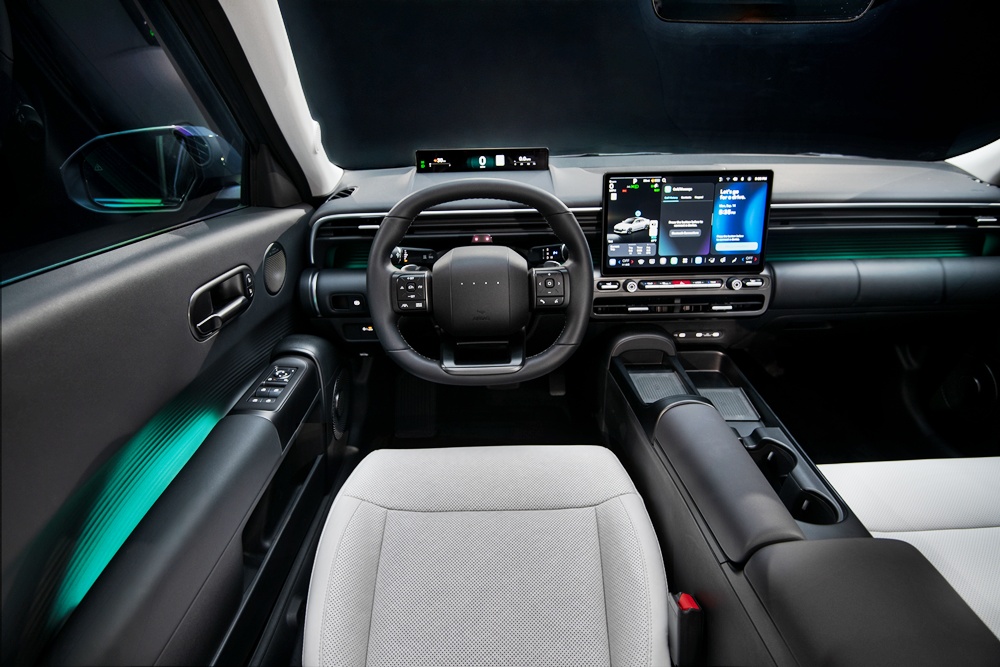
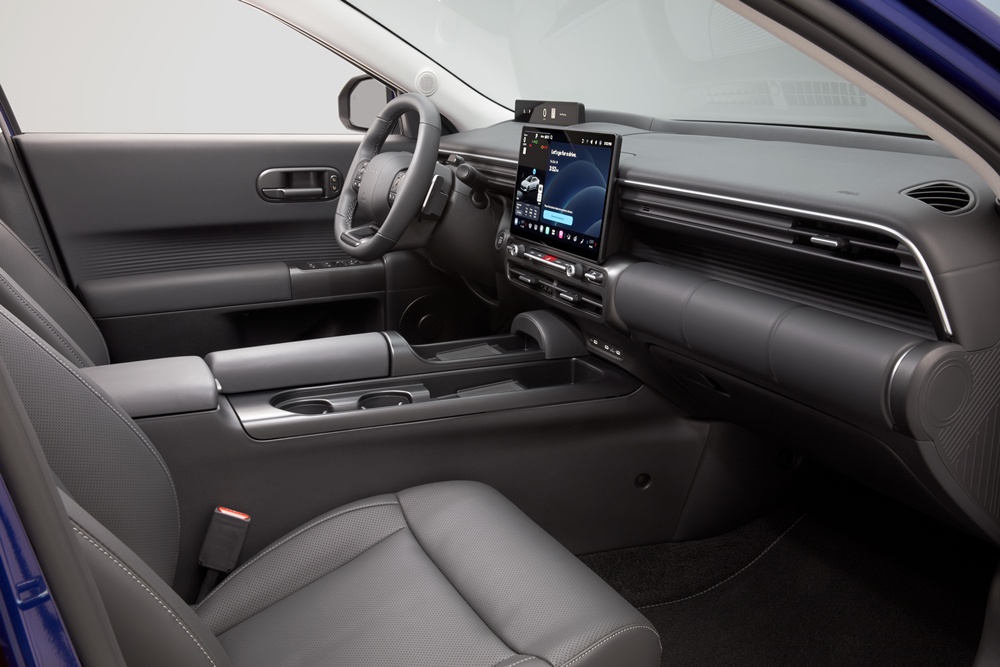
The cabin now has a 12.9-inch Full HD display running the new Pleos Connect system, which is based on the Android Automotive OS. The platform supports wireless Apple CarPlay and Android Auto, Bluelink connected services, SiriusXM, wifi and over-the-air software updates.
Low-cost HUD
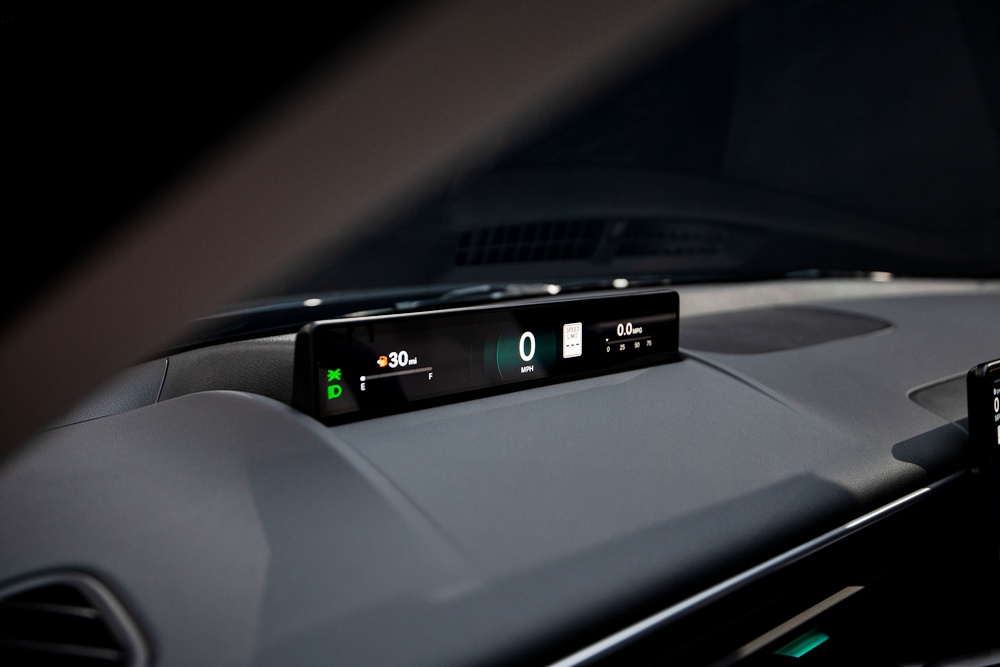
There’s also a ‘head-up display’ in the form of a small panel ahead of the steering wheel. This shows information relevant to operating the car in the driver’s line of sight. It’s an approach that has been used by Peugeot and Mazda which is less expensive than the conventional HUDs that project information into the windscreen glass.
Gleo AI, a cloud-connected large-language-model voice assistant developed by the Hyundai Motor Group, handles natural-language commands and multi-step requests from both driver and passengers. Understanding that touchscreens can negatively impact driving safety (due to having to look at the screen), physical buttons and knobs are retained for frequently used climate and audio controls.
The body structure uses a higher proportion of ultra-high-strength steel and additional reinforcements intended to improve collision performance and cabin quietness.

ICE models are fitted with a coupled torsion-beam rear axle, while the hybrid electric model (which has the added weight of the battery pack) has a multi-link independent rear suspension.
Will it return to Malaysia?
It’s uncertain if the new Elantra will come to Malaysia as Hyundai Motor Malaysia, which manages distribution and marketing, is focussing on the SUV and MPV segments (with the exception of the N performance models). There is demand for sedans by Hyundai fans, but the potential number may not be enough to make a business case to include them for the Malaysian market.