
Quick look
-
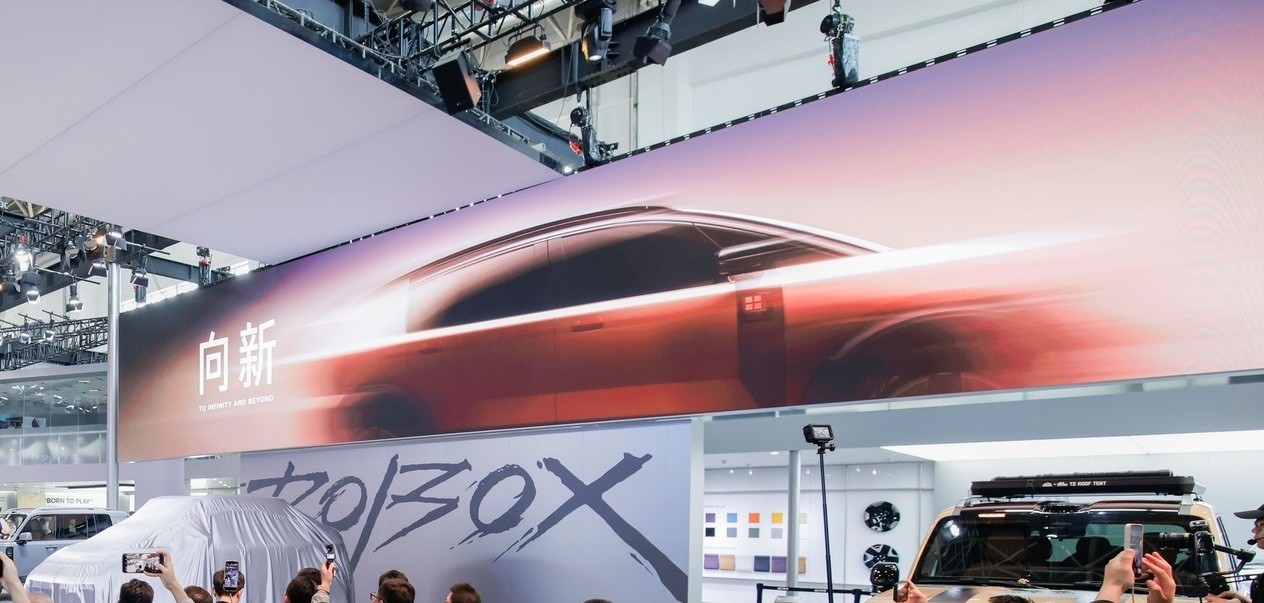
A preview of the future design language that iCAUR will use for its iCAUR X models.
-
The ROBOX uses the i-SWIFT 3.0 platform, featuring megawatt-level charging (1,000 kW), high-torque axial flux motors, and hardware ready for Level 4 autonomy.
Motorshows have always showcased the future of the motor vehicle and decades earlier, the prototypes – which became known as concept cars – were largely futuristic fantasies. While there were constantly advances in automotive engineering, there were still technologies that were not developed but which designers expected would one day be reality. Like self-driving cars and being able to talk to your car.
Today, many new technologies have been developed which make all those past fantasies realities and concept cars are also more possible because they preview technologies and features that are actually under development.
One example at Auto China 2026 in Beijing this week is the ROBOX concept car by iCAUR (iCAR in China), the Chery Group’s New Energy Vehicle (NEV) brand which compares itself to Jeep. A combination of ‘ROBOT’ and ‘BOX’, the ROBOX is a 3-dimension presentation of the company’s vision to deliver a smart proposal for future mobility.
Future-classic philosophy
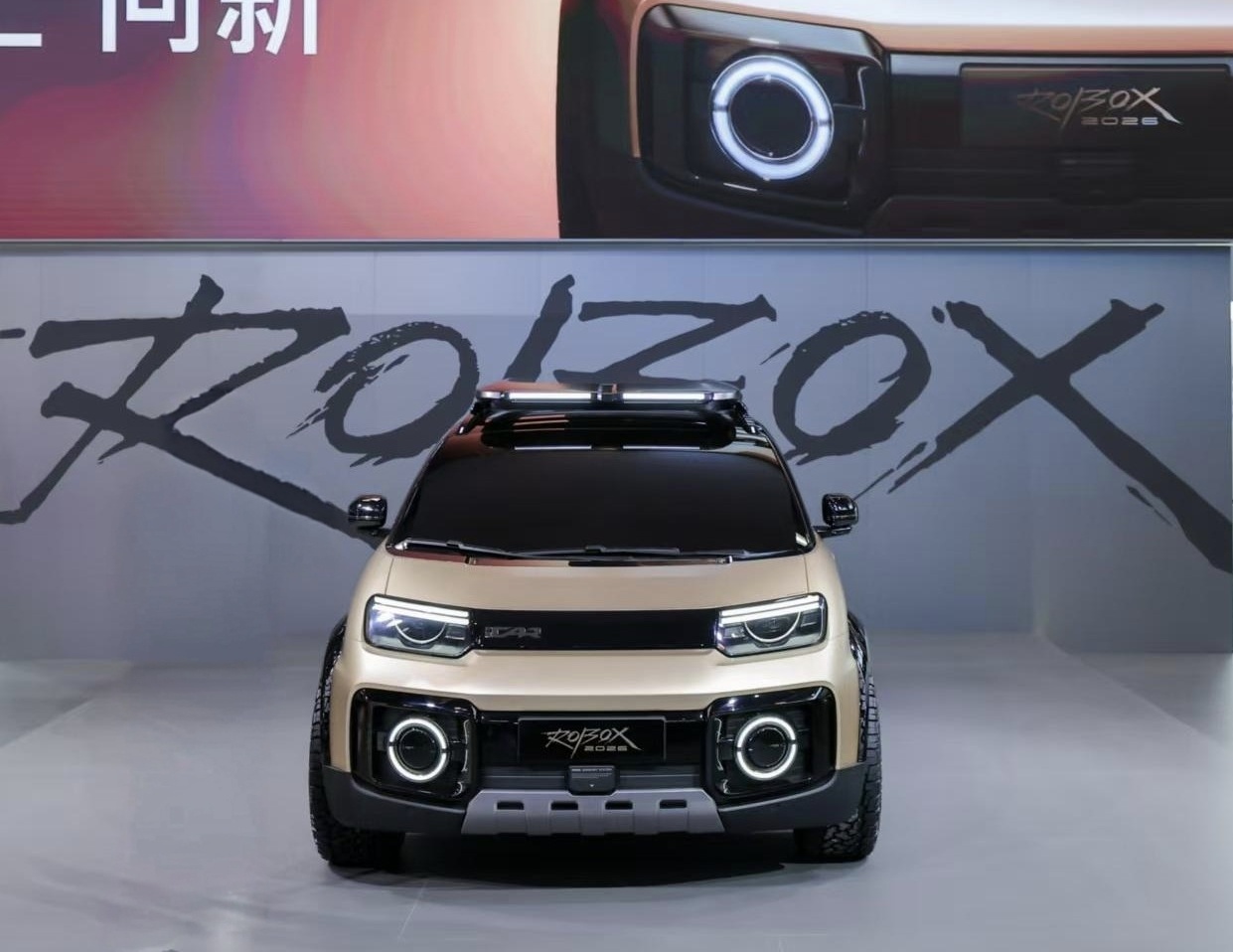
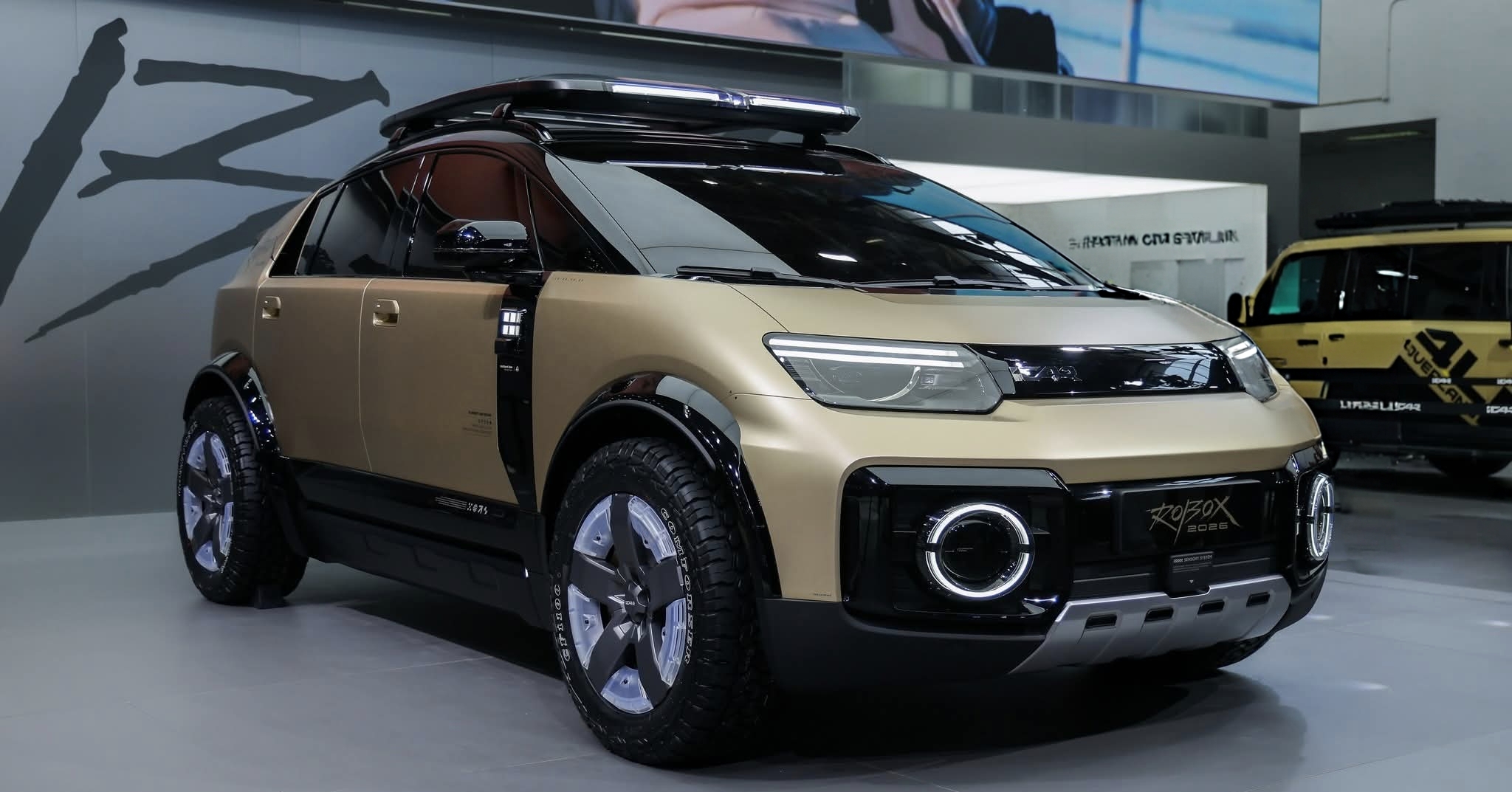
As a design proposal, it uses a future-classic philosophy, combining timeless proportions with forward-looking design elements. The ROBOX introduces a new design language that merges a streamlined OneBox silhouette with a high-clearance structure, balancing aerodynamic efficiency with off-road capability.
Distinctive features such as split round and rectangular lighting, clean modular surfaces, and a reimagined cabin space create a clear technological identity. Visually, the ROBOX offers a new design approach that departs from boxy SUVs.
Many concept cars focus on design and there is nothing about the technical aspects. However, with the ROBOX, iCAUR previews the i-SWIFT platform which has significant technical innovations. This platform is engineered with high flexibility to support various current and future NEV technologies.
Megawatt-level charging
One of the advanced capabilities is its megawatt-level (1,000 watts) fast charging able to accept DC power supply over 1,000 kW. This would significantly cut charging time but don’t get too excited about it for now. Such technologies may be available but the EV must also be able to accept the extremely high DC input and more importantly, the charging station must also have such a capability.
But that’s how it is – to enjoy advances in new technologies requires that you also change your hardware with the times. Don’t expect today’s iCAUR V23 to be able to recharge at the speeds possible with 1,000 kW charging because it’s not designed with that capability.

Advanced motor system
Another advanced idea is the use of an axial flux motor system which is superior to the radial flux motors found in most EV today. Axial flux motors, which are lighter, can generate much higher torque. The technology was developed to support multi-motor configurations and a vector 4-wheel drive system controlled by AI-based dynamic algorithms.
The ROBOX is said to be ready for Level 3 and Level 4 autonomous operation, allowing increased hands-free driving. The synergy between the i-SWIFT 3.0 platform and future AI will allow the operation with a high level of intelligence even in complex urban environments.
Preview of iCAUR X models
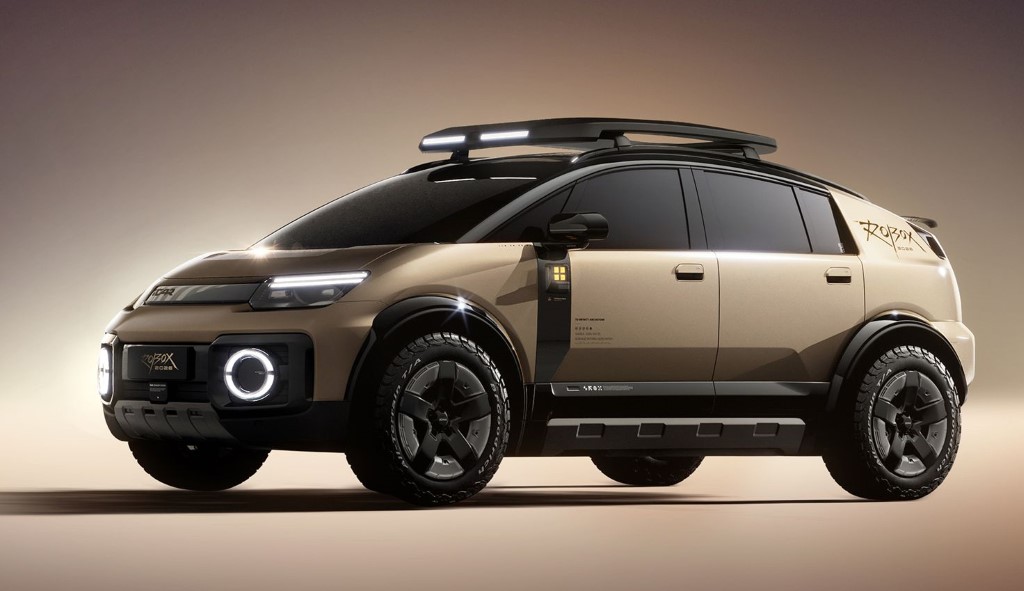
The ROBOX looks production-ready but iCAUR has not said anything about it being a future model. Nevertheless, it could well be showing us some of the styling ideas, features and technologies that will appear in future models of the iCAUR X series.