
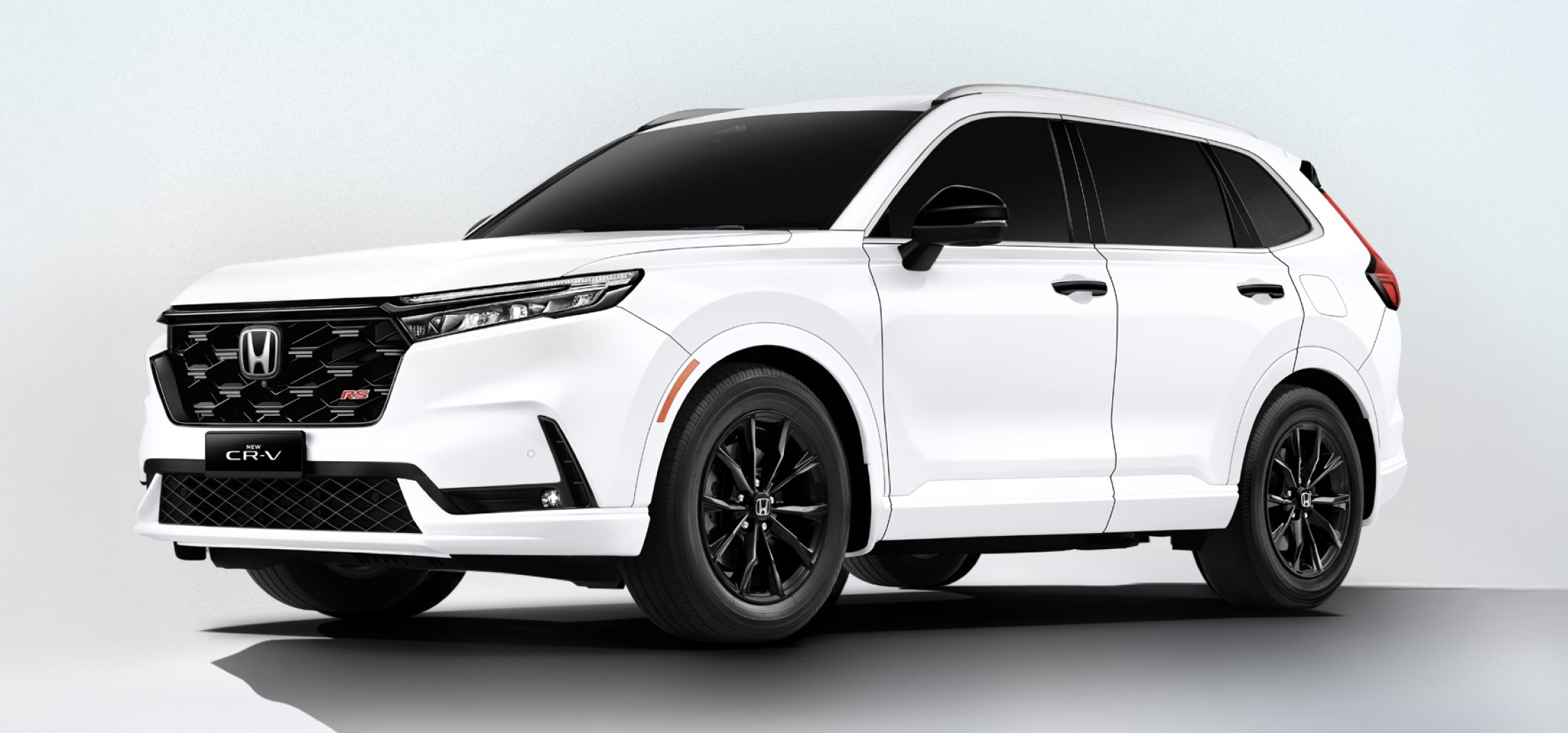
Quick look
-
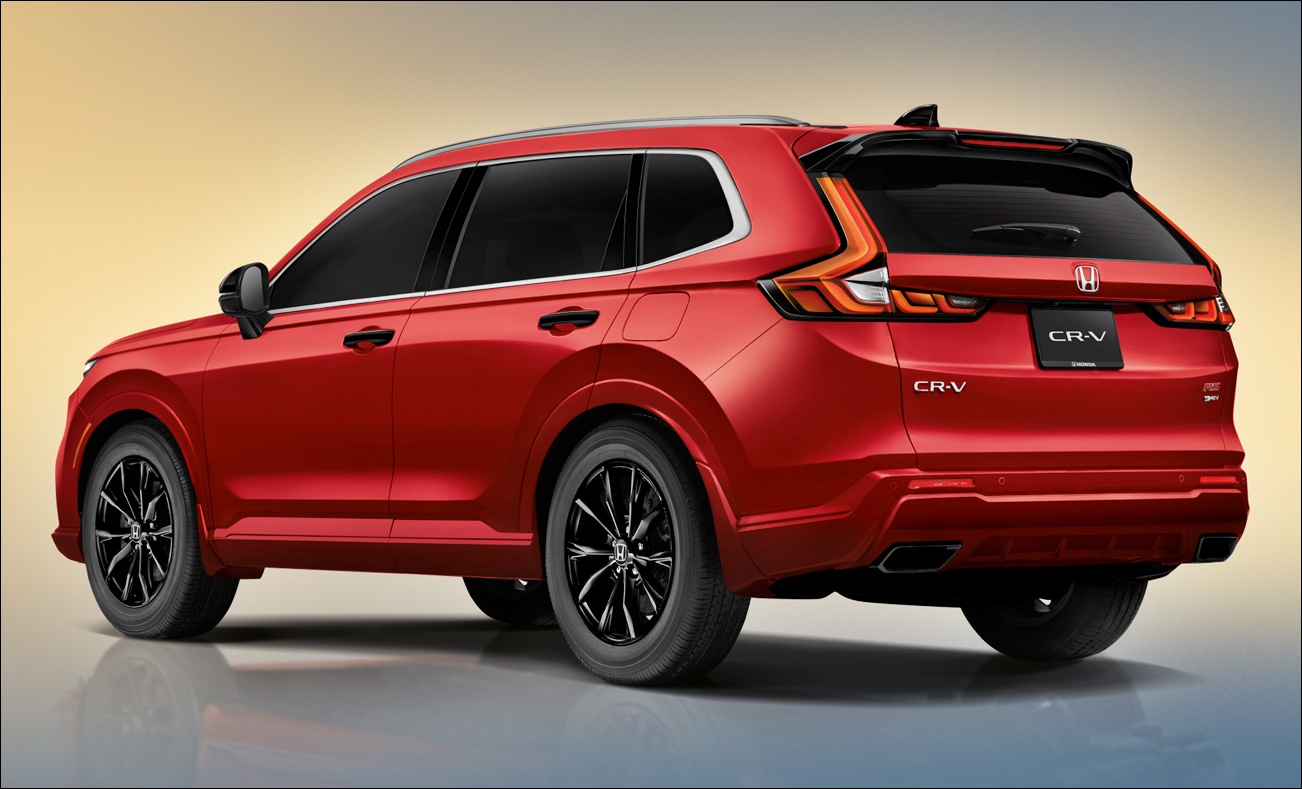
The CR-V line-up has been adjusted to now offer two electrified e:HEV variants but customers can still get just a combustion engine with the CR-V V variant (which has AWD).
-
The 2026 models come with upgrades such as Google built-in infotainment, a Digital Key via smartphone, and the replacement of LaneWatch with a Blind Spot Information system.
Fully electric vehicles (EVs) may be dominating the news, with technologies advancing almost every month and new models appearing at high frequency. However, other electrified vehicles – those with hybrid electric powertrains that have a combustion engine and motor – are also selling in big numbers. Hybrid electric vehicle (HEV) technology is more mature, with over 20 years of use in mass produced vehicles so costs have come down as the technology has advanced.
Honda, along with Toyota was the first to offer HEV powertrains in the late 1990s but back then, electrification was not given so much attention. It was promoted as a way to reduce carbon dioxide emissions but as with EVs today, the new technology was still expensive and HEV versions cost more.
Honda worked hard to lower the costs when it began developing the Insight, its objective to make HEVs affordable so more people would choose them. This approach would help to reduce carbon emissions faster than to wait for adoption of zero-emissions EVs.
Increasing the e:HEV range
Fast forward to 2026 and most models in Honda’s range have HEV technology – or e:HEV technology as the company refers to it – and even in Malaysia, the locally-assembled range has had e:HEV models since 2012 when Honda Malaysia launched the first locally-assembled e:HEV, the Jazz Hybrid.
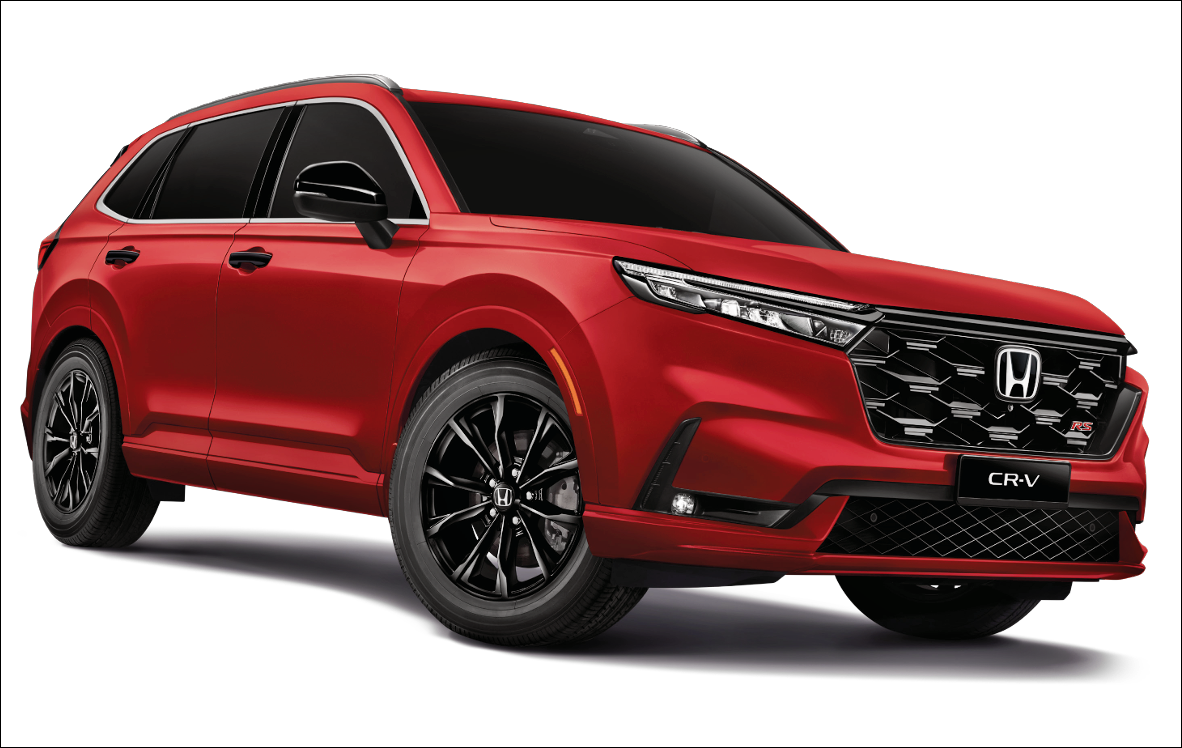
All the popular models – assembled locally – come with combustion engines or e:HEV options, so customers can choose. Aiming to increase the e:HEV choices available, Honda Malaysia has now adjusted its CR-V line-up by discontinuing the combustion engine S and E variants and introducing a new E variant as well as a flagship RS variant with e:HEV powertrains.
Larger 2-litre engine
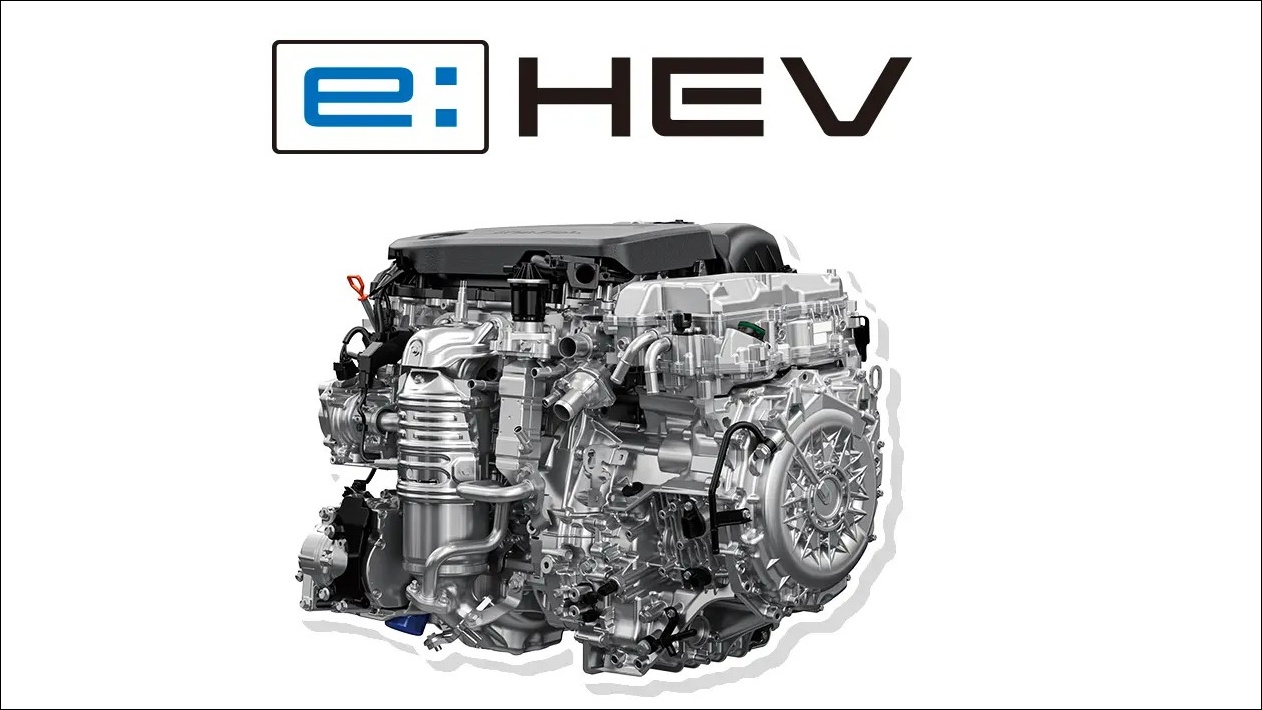
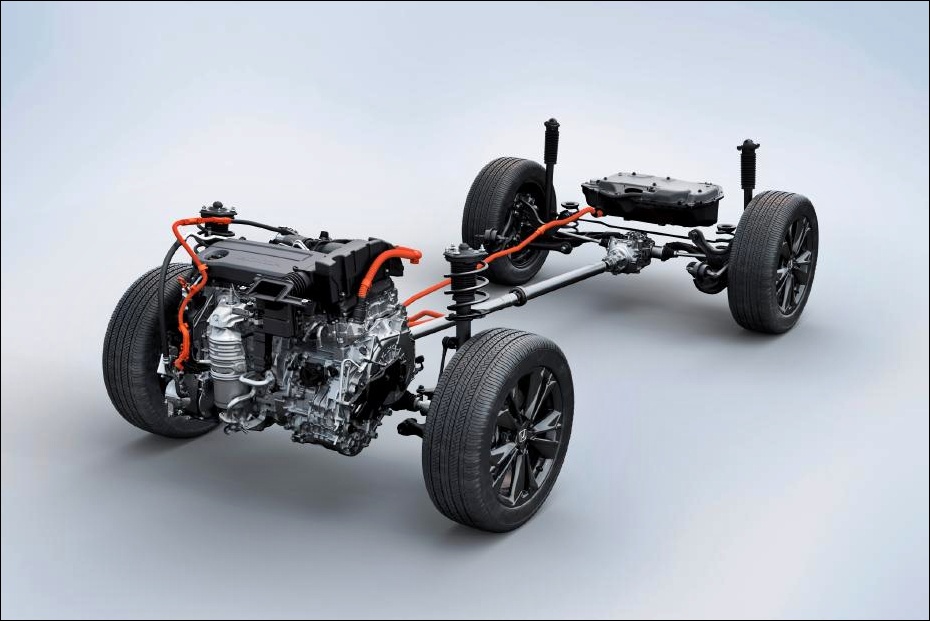
Honda’s e:HEV powertrains come with different engine sizesand for larger SUVs like the CR-V, a 2-litre engine is used. This provides up to 184 ps/335 Nm for use when high speeds or stronger accelerator are needed but acts more as a generator to feed the traction motor. In other words, with e:HEV technology, the electric motor does not just assist the engine but does much of the work, unlike many conventional HEVs.
The intelligent system switches between Hybrid Drive and Engine Drive in everyday driving. At faster highway cruising speeds, a lock-up clutch engages, allowing the engine to drive the front wheels directly. At these steady speeds, the Atkinson-cycle combustion engine is actually more efficient than an electric motor.
EV mode for zero fuel consumption
Then there’s EV mode when the conditions are such that the drivetrain uses just the motor alone. That’s like an EV, with zero emissions and very low noise levels. This is dependent on the amount of energy in the battery. Normally, when starting off, the drivetrain will be in EV mode (if the battery level is sufficient) and run in that mode if the speed does not increase too much. In fact, if just running to a nearby 7-11 to get bread and driving slowly, the entire journey might be only on electricity with no fuel used at all. That helps to bring fuel consumption down significantly.
For those who enjoy a bit of involvement, the e:HEV variants now include an Individual Drive Mode. This allows some personalisation of the steering weight and throttle response. It won’t turn the CR-V into a Type R, but it provides a sense of customization that was previously missing from the hybrid experience.
Upgrades in the cabin
Inside, the tech gets some major upgrades. The new 9-inch Advanced Display Audio now comes with Google built-in, meaning Google Maps and Assistant are in the system without needing to plug in a smartphone. However, there’s still wireless Apple CarPlay and Android Auto for those who prefer their own apps.
![Honda CR-V e:HEV [2026]](https://www.motaauto.com/wp-content/uploads/2026/03/Honda-CR-V-eHEV-2026-1.jpg)
The RS variant’s cabin now features a darker hairline film finish on the dashboard, elevating the interior with a more premium feel and seats embossed with the RS logo, reinforcing its sporty and flagship character.
![Honda CR-V e:HEV [2026]](https://www.motaauto.com/wp-content/uploads/2026/03/Honda-CR-V-eHEV-2026-3.jpg)
A first for the local market is the Digital Key. Through the Honda CONNECT app, a Digital Key is assigned to the owner’s smartphone which can be the primary key. It’s a convenience that sounds like a gimmick until the day you realize you’ve left your physical key fob in your ‘other’ trousers. Additionally, the Honda CONNECT app has remote features such as Remote Window Close and Remote Power Tailgate for convenience.
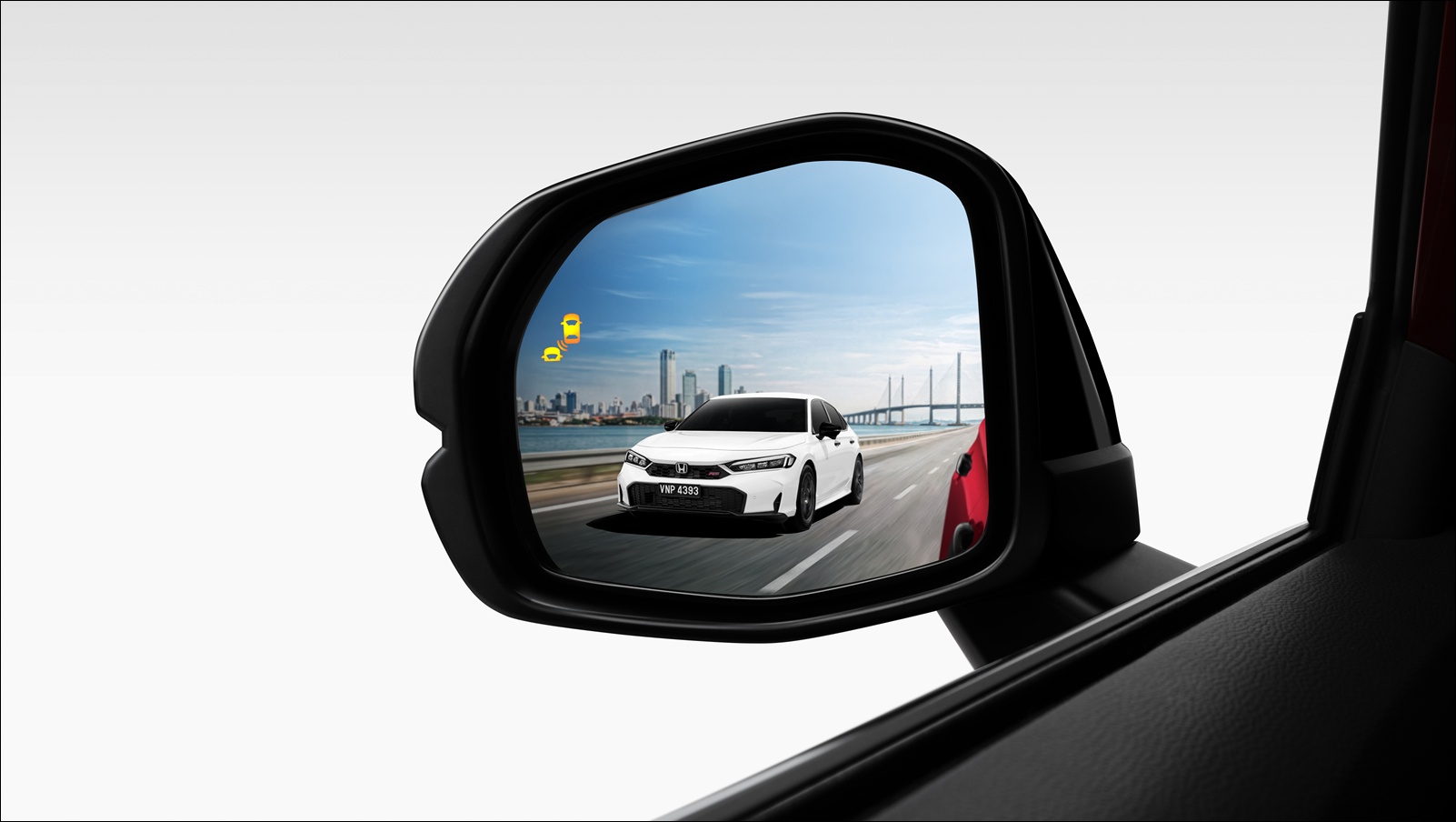
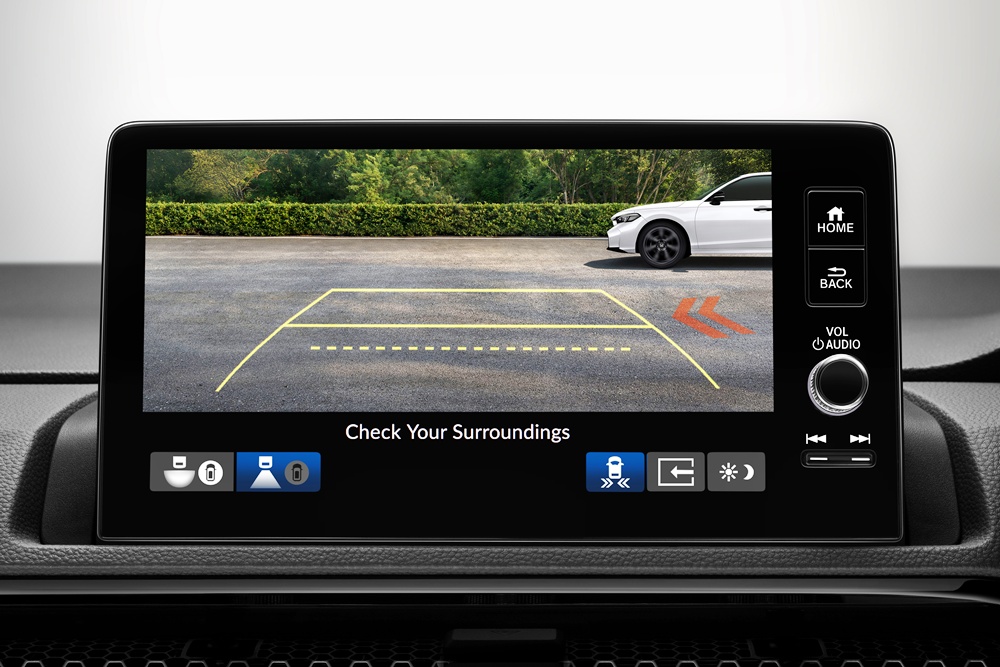
Safety systems now include Blind Spot Information and Cross Traffic Monitor (CTM), the latter alerting the driver of traffic behind. Honda LaneWatch, which uses a small camera on the left door mirror to show the blind spot is not available so BSI provides the coverage. Honda SENSING, the brands ADAS suite, is available on all variants.
Blazing Red Pearl is a new colour choice, joining the existing 3 colour choices. All variants now come standard with Honda Authorised Solar and Security tint film by ECOTINT for enhanced comfort and protection.

One ICE version still available
The new E variant with e:HEV is priced from RM178,200, while the new RS variants is priced from RM195,900. Both these variants have FWD and in between, pricewise, is the existing V variant with a combustion engine and AWD, priced from RM181,900. So it would seem that AWD technology costs more than e:HEV technology but Honda Malaysia still gives customers a choice.
![Honda CR-V e:HEV [2026]](https://www.motaauto.com/wp-content/uploads/2026/03/Honda-CR-V-eHEV-2026-2.jpg)
Honda’s e:HEV technology is advanced and offers meaningful fuel savings in real-world driving. The technology has been proven over 20 years of use all over the world and like turbocharging, has become a common element in many powertrains.