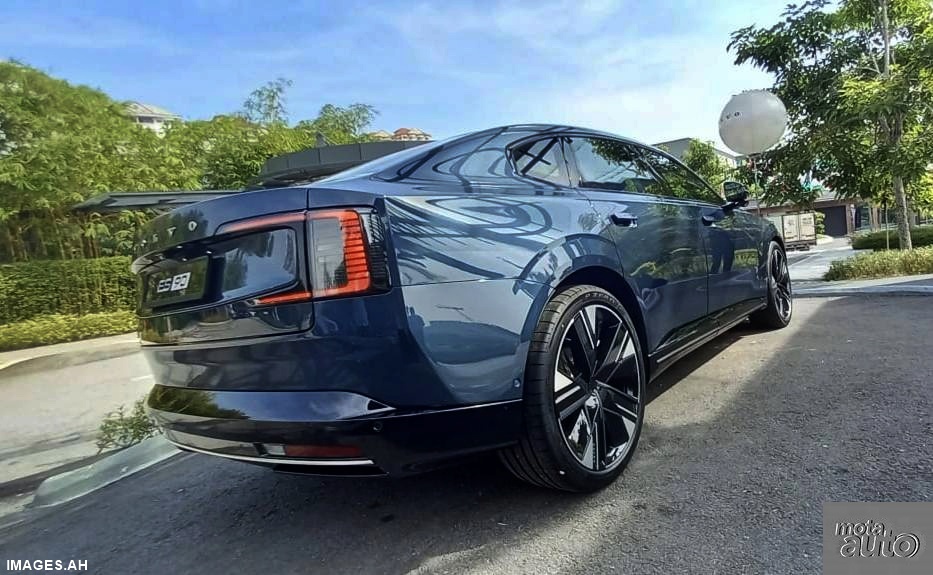

Quick look
-
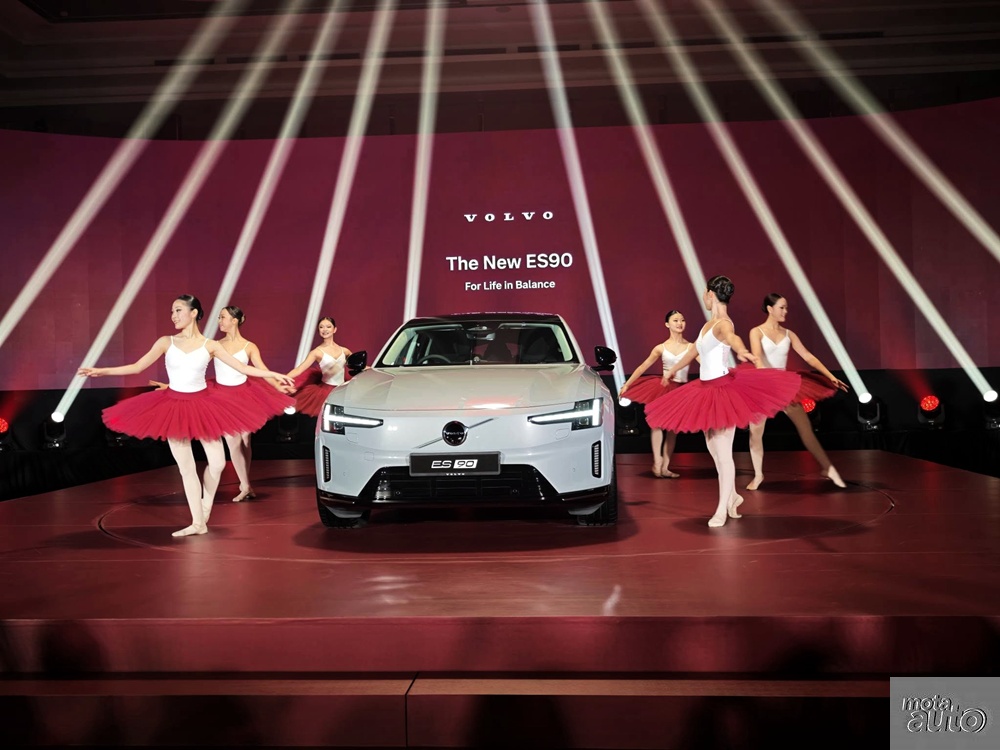
Priced from RM339,888, the Volvo ES90 is locally assembled in Malaysia. First 100 buyers who book by March 31, 2026, can enjoy a 2% discount.
-
Besides a 651 km range, 800V architecture enables a 10% to 80% recharge in just 22 minutes, making it one of the fastest-charging EVs in its class.
Volvo has been assembling cars in Malaysia for a long time; in fact, it was the first company to do so in 1967, responding to the government’s call to manufacturers to make their cars locally. Since then, the company has been a strong supporter of local assembly and has even made its plant in Shah Alam, Selangor a region production hub.
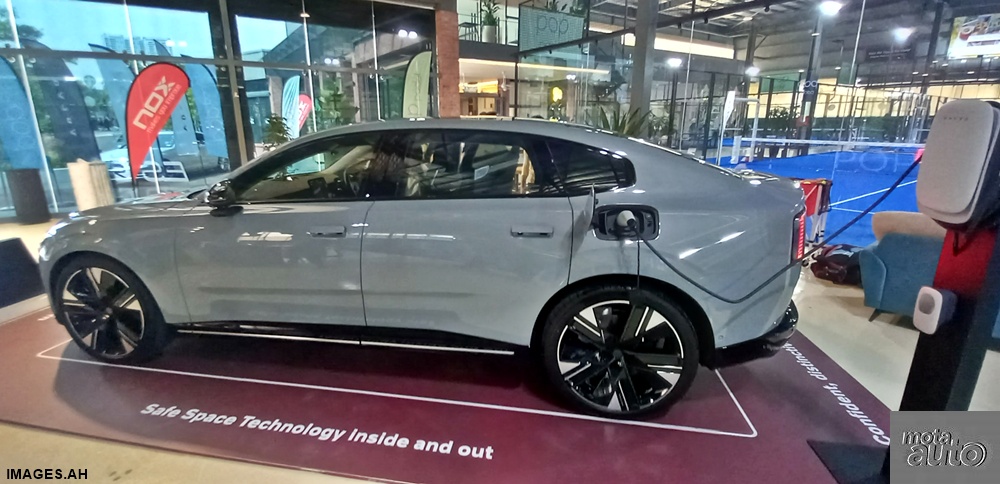
Today, all Volvos sold in Malaysia are assembled locally and the latest addition is the ES90, the brand’s first fully electric sedan and the brand’s sixth EV.
![Volvo ES90 EV [2026]](https://www.motaauto.com/wp-content/uploads/2026/01/Volvo-ES90-EV-2026-4.jpg)
Assembling locally means there are incentives from the government to help reduce production costs, with savings being passed on to customers. Additionally, as an EV, the ES90 also enjoys duty-exemption up till the end of 2027.
2% discount for first 100 buyers
It is available in a single version, priced from RM339,888 (without insurance) and the first 100 buyers who book before March 31, 2026, can have it for 2% less.
“For 60 years, Volvo has been part of the Malaysian journey. Today, we turn a new page with the launch of the ES90. This is the car for the driver who seeks balance – blending the executive presence of a premium sedan with the sustainability and performance of our latest electric technology. It is locally assembled, globally class-leading, and designed to look after you like only a Volvo can,” said Chris Wailes, Managing Director of Volvo Car Malaysia and Thailand.
Sedan or SUV?
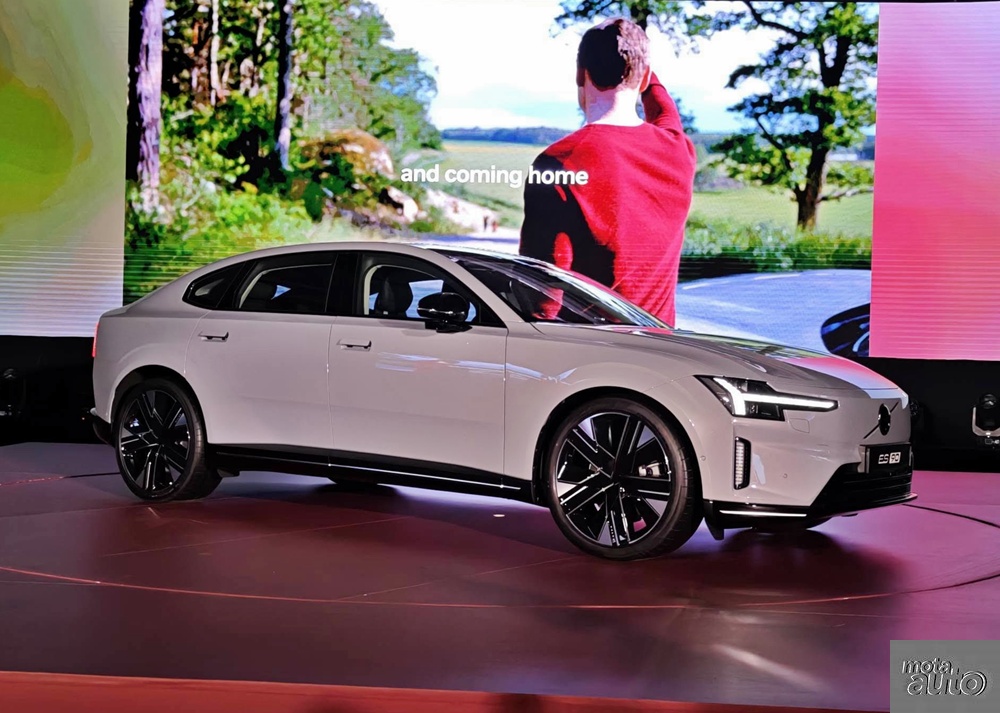
Many people are not quite sure if the ES90 is a sedan or a SUV, although Volvo classifies it as a sedan. This is because the sporty form stands taller than the typical sedan. As a result, it offers the best of both worlds – the comfort of a sedan with the spaciousness and versatility of an SUV.
The ES90 is built on SPA2 architecture which first appeared in 2023 and is also used for the EX90 and Polestar 3. SPA is a dedicated EV version of the original SPA architecture developed by Volvo which was adopted in 2014 with the second generation of the XC90.
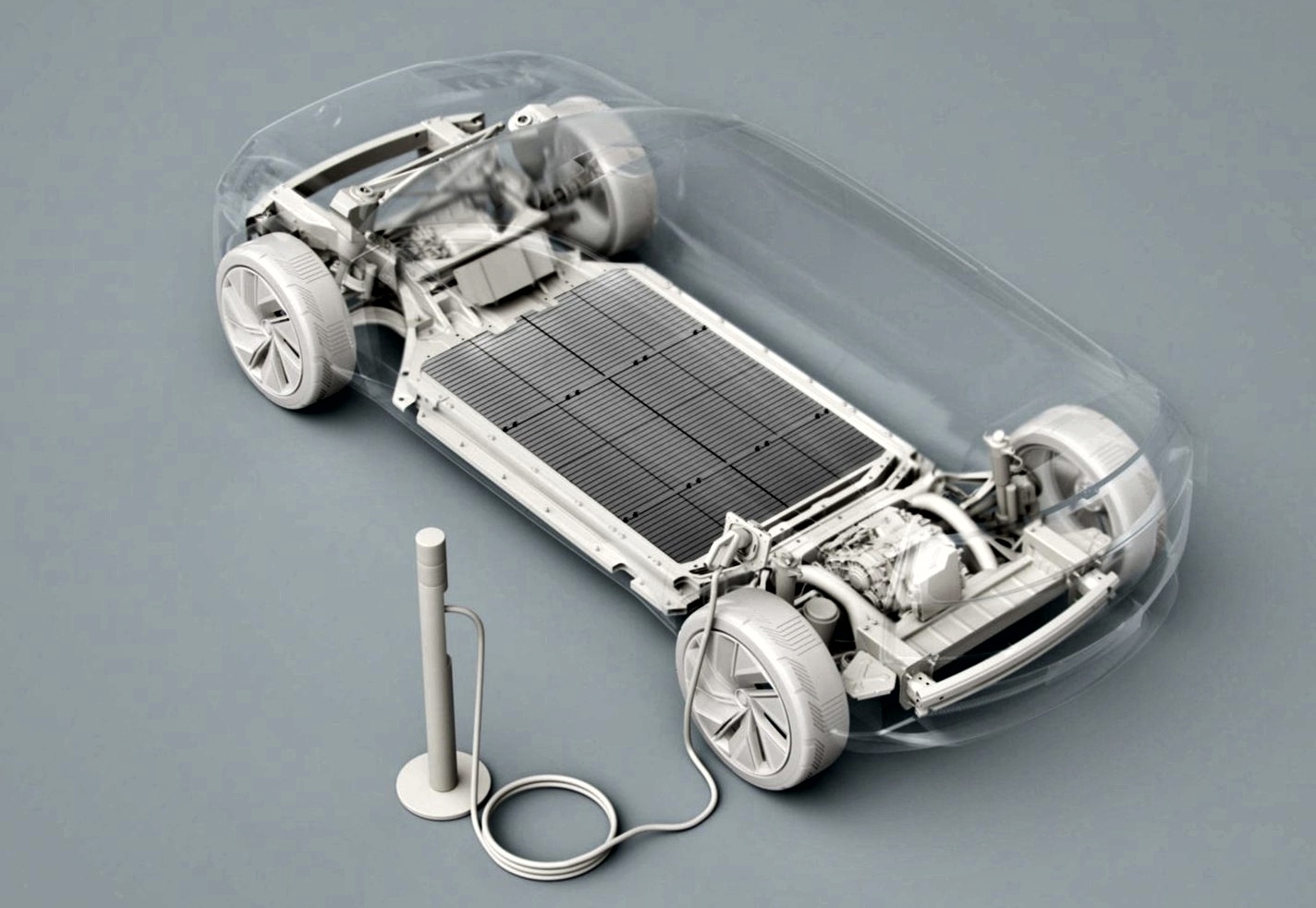
The single motor, mounted at the rear, generates 245 kW (333 ps)/480 Nm and is powered by a 92 kWh lithium-ion battery that can give a range claimed to be up to 651 kms. 800V architecture enhances the electric systems and allows very fast charging up to 350 kW. With a DC charger, a 10% – 80% recharge is said to be possible within 22 minutes, but that’s probably based on the highest power supply.
Recycled and natural materials
Battery technology is just one aspect of the ES90’s sustainability credentials. The model also supports Volvo Cars’ broader environmental ambitions through the extensive use of recycled and natural materials. 29% of all aluminium and 18% of all steel used in the EV is recycled. The car also contains 16% recycled polymers and bio-based materials, while interior wood panels are crafted from FSC-certified sources — contributing to lower CO₂ emissions during production.

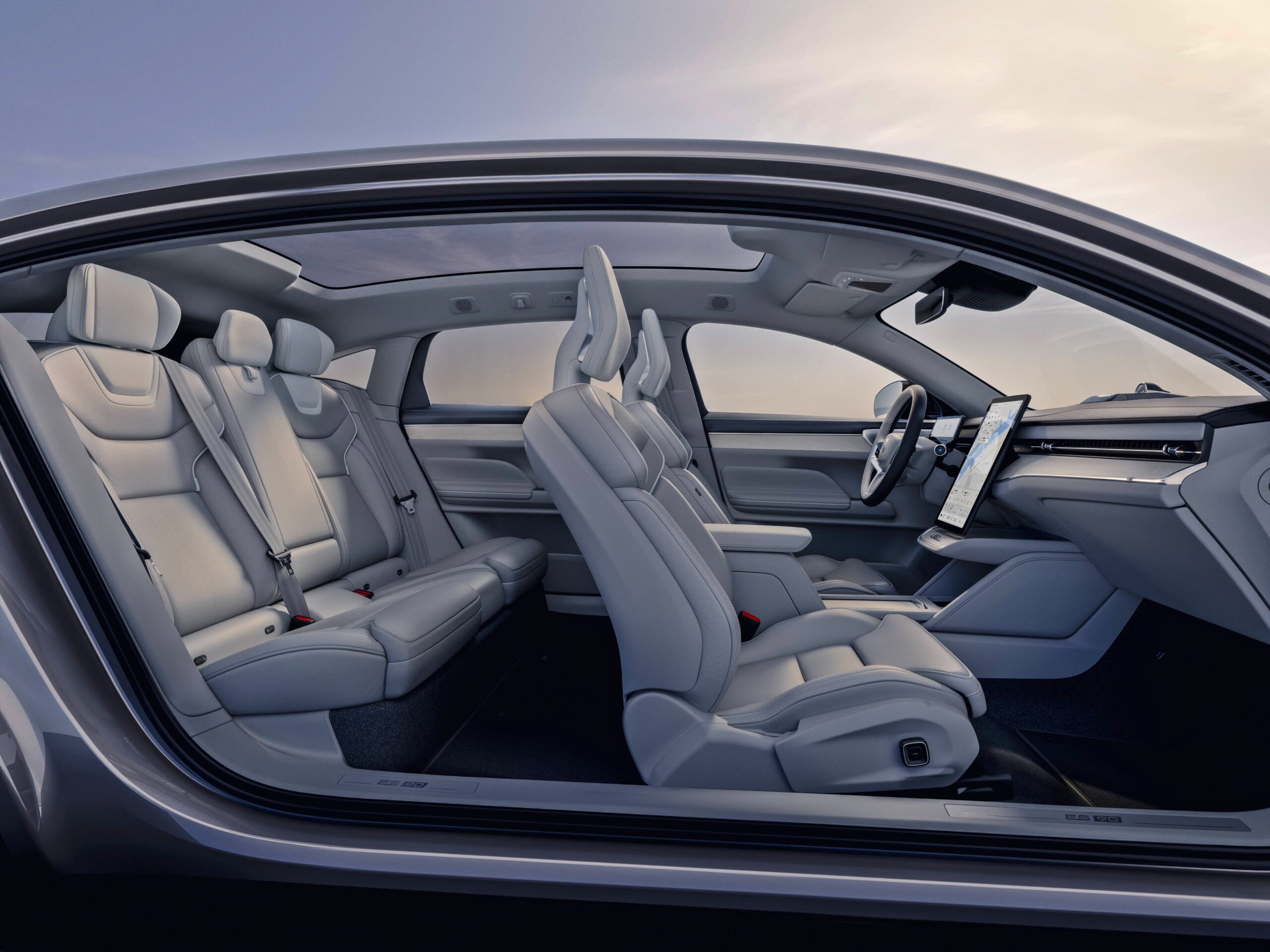
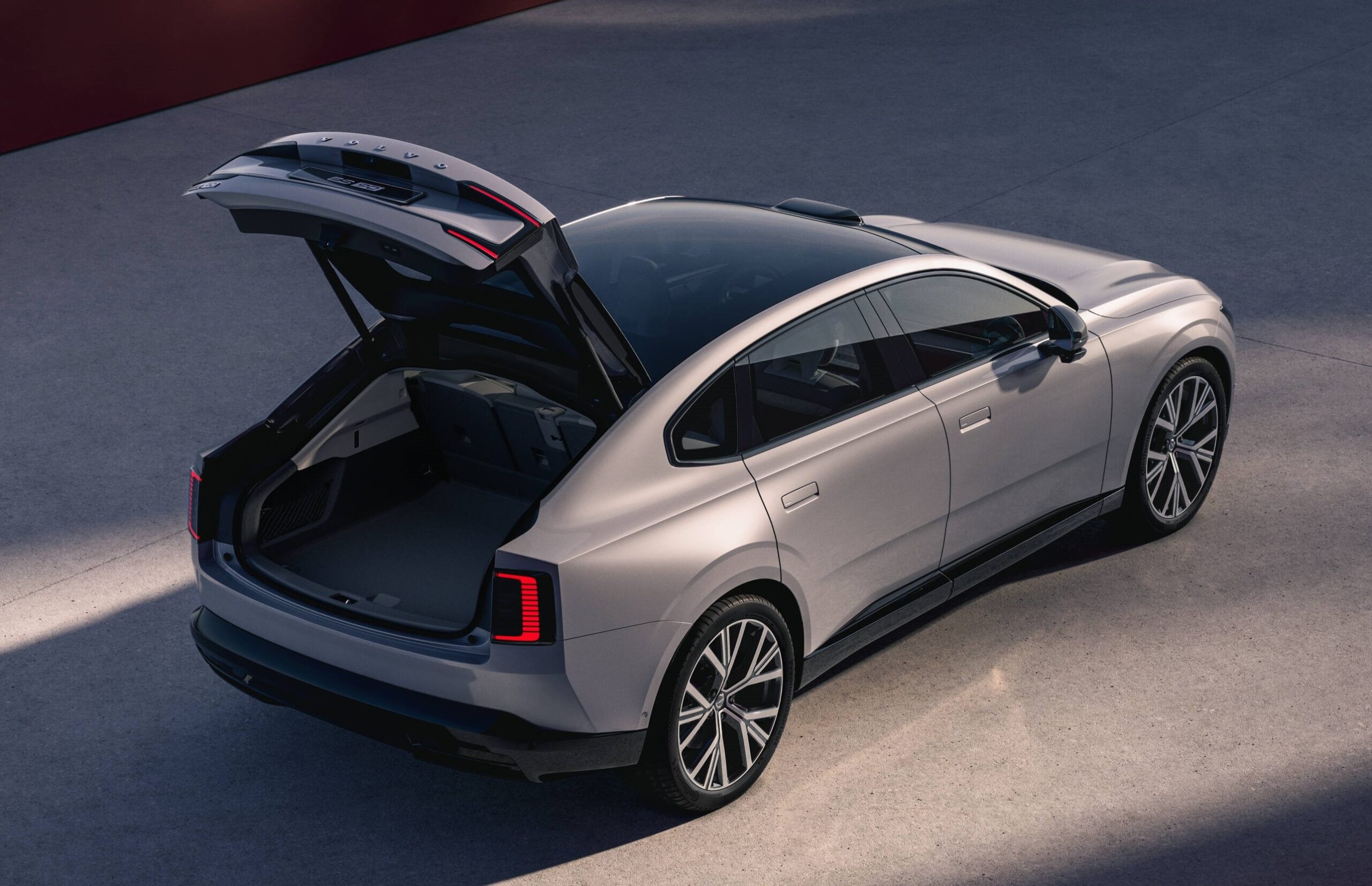
Inside, the focus is on premium comfort, authentic materials, and purpose-driven true to Volvo’s Scandinavian identity. The long 3.1-metre wheelbase provides generous second-row legroom with a cargo space expandable from 424 litres to 904 litres. Under the bonnet is a 27-litre compartment that can be used to store small items or cables for charging.
![Volvo ES90 EV [2026]](https://www.motaauto.com/wp-content/uploads/2026/01/Volvo-ES90-EV-2026-5.jpg)
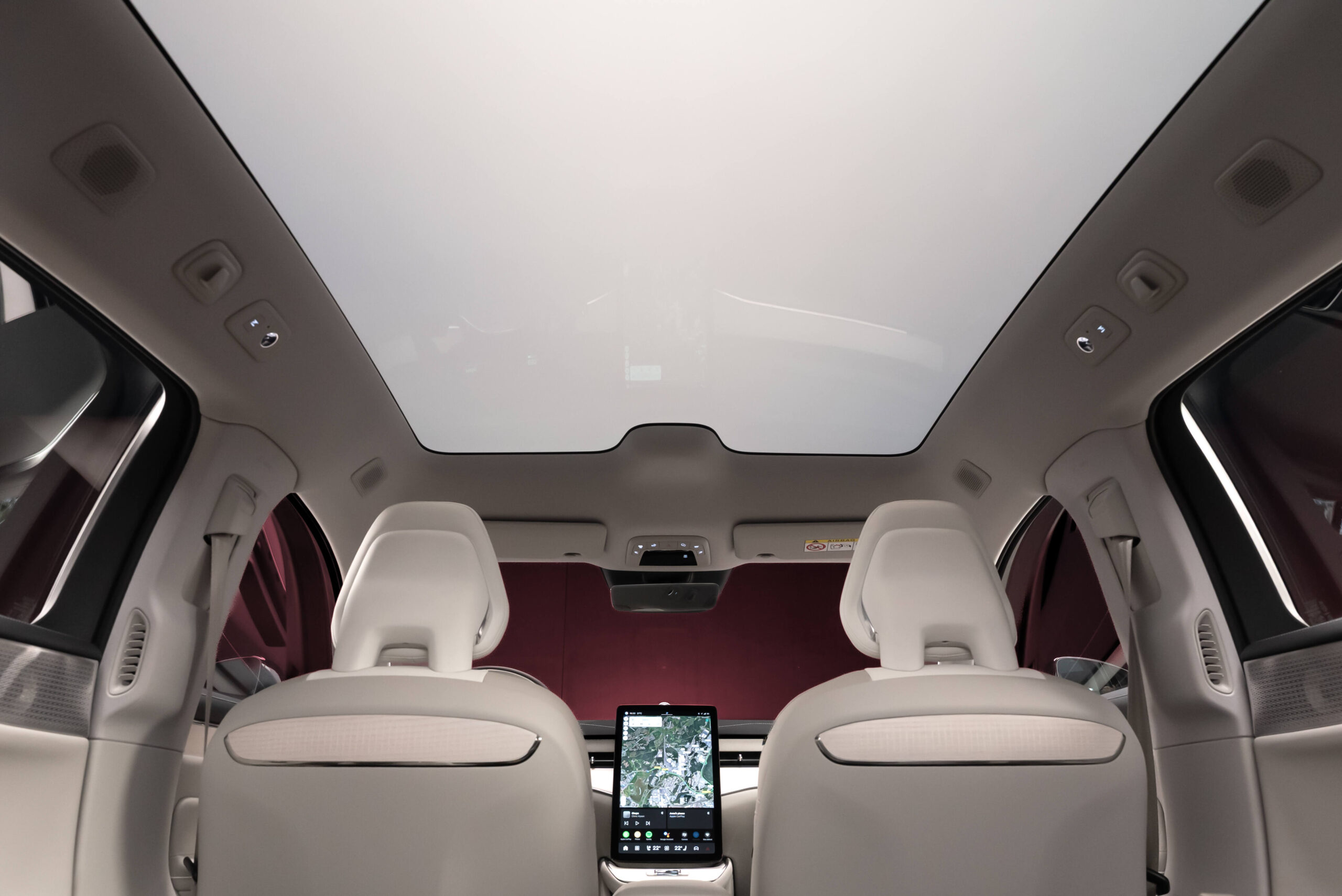
A notable standard feature is the panoramic roof which, for the first time, has electrochromic glass. This allows the glass transparency to be adjusted at the touch of a button to reduce glare and the glass itself cuts UV transmission by up to 99.9%. So you can have the airy open feeling without getting sunburn.
Volvo has long paid attention to the air quality in the cabin. Even as far back as the 1970s, it already had features like a constantly on blower (at very low speeds) to maintain a higher pressure inside the cabin and prevent dust from flowing in. Over the years, it has led in advancing cabin air quality systems to the point that the air inside can be much cleaner than the air outside.
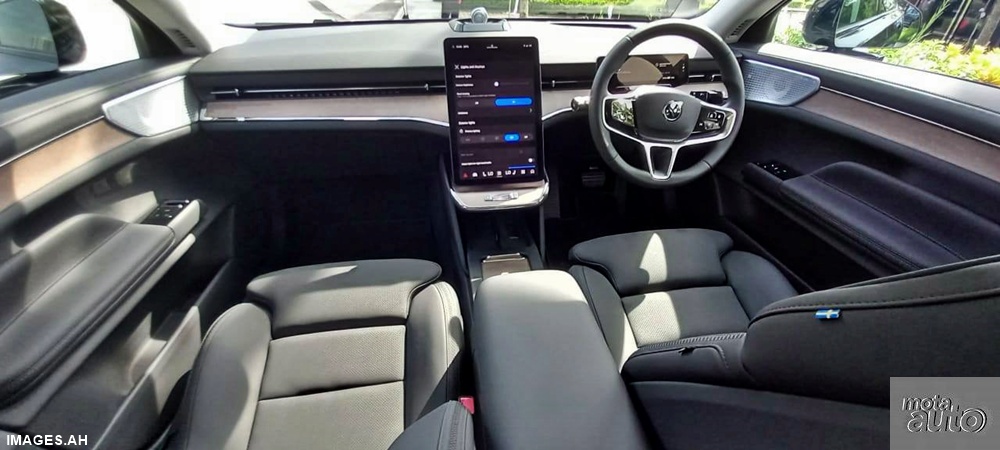
For the ES90, the 4-zone climate control system comes with an advanced air purifier capable of blocking up to 95% of PM2.5 particulates and removing 99.9% of grass, tree, and pollen allergens from the cabin.
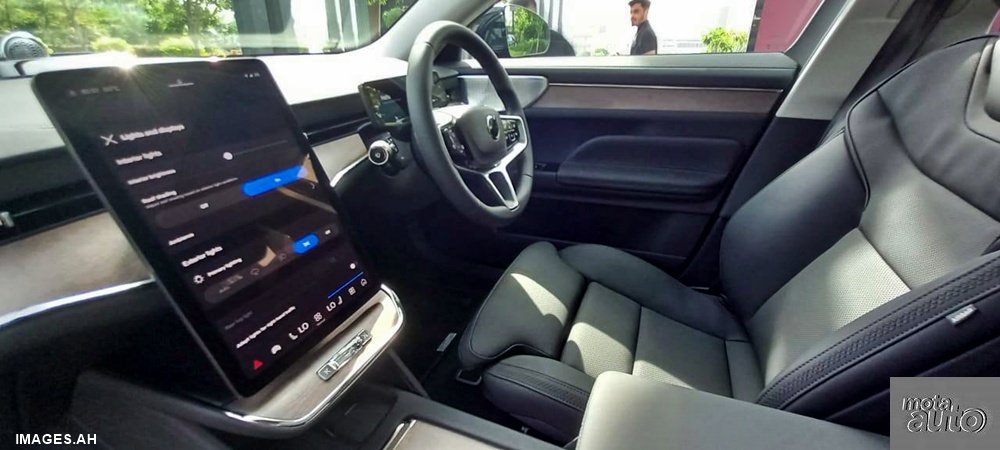
The ES90 is also engineered to be very quiet within, with ultra-low noise levels that make it one of Volvo’s quietest cabins ever. This allows occupants to fully appreciate the Bowers & Wilkins sound system which delivers 1,610 watts of immersive audio through 25 high-fidelity speakers strategically located throughout the cabin. Dolby Atmos creates a lifelike spatial sound experience, while an exclusive Abbey Road Studios mode recreates the acoustics of the legendary London recording space.

Intelligent technology that evolves
The Volvo ES90 is the first Volvo powered by the NVIDIA DRIVE AGX Orin computing platform, capable of performing trillions of operations per second. Acting as the vehicle’s core computer, it processes data from cameras, and radars to create a 360-degree safety shield around the car. Over time, it can improve with over-the-air software that can be installed without the owner going to the service centre. This ensures the car continues to feel new for years to come.

The new-generation infotainment system with Google built-in includes Google Maps, Google Assistant, and access to a wide range of apps via Google Play. Powered by the Snapdragon Cockpit Platform from Qualcomm Technologies, the 5G-capable system delivers a seamless and responsive experience across the 9-inch driver display, head-up display, and the 14.5-inch centre touchscreen. To support confident manoeuvring in tight spaces, the ES90 is equipped with a 3D surround view supported by a 360-degree camera system.
LiDAR omitted from 2026
True to Volvo’s heritage, the ES90 is designed to help protect everyone in and around the car. The early ES90s came with a LiDAR (Light Detection And Ranging) scanner mounted on the roof. LiDAR technology uses infrared light waves to more accurately determine distances to other objects, enhancing the responsiveness of active safety systems. This, however, has been removed from 2026 models due to issues with the supplier.
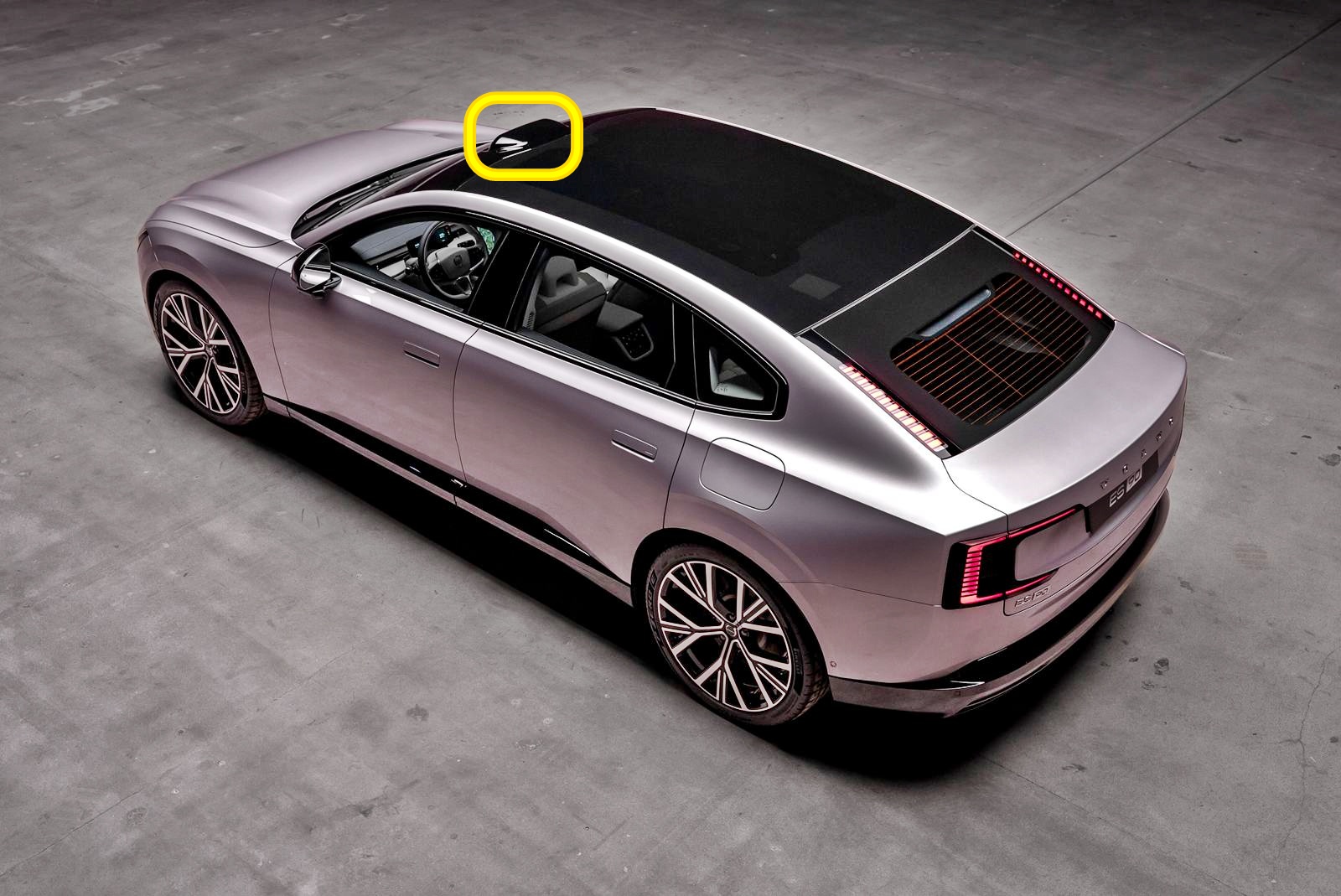
Therefore, the ES90 will have only camera and radar scanners, which are commonly used for ADAS (Advanced Drive Assistance Systems) today. The EV has 5 radars, 7 cameras and 12 ultrasonic sensors — enabling vision and 360o coverage beyond human capability to help avoid collisions and hazards. Information from these sensors is fed to high-speed computers that determine if a collision might occur and relevant systems like autonomous braking or land departure warning are activated when necessary.