
Quick look:
- Hyundai Motor and Kia are developing more advanced and highly effective technology to actively purify the cabin environment while passengers are inside.
- The Plasma Care UVC technology is, however, not ready for introduction in production models as R&D is still ongoing.
Air quality inside the car has long had the attention of automakers. In the 1960s, Volvo used the simple idea of keeping the blower running all the time (at a very low speed) to keep cabin air pressure higher and prevent dust from flowing in. Eventually, many automakers added filters to ventilation systems to remove dust and pollen so that the occupants would breathe cleaner air, with odour-removing features included later.
The COVID-19 pandemic raised consumer and industry awareness regarding in-cabin air cleanliness, prompting the development of active solutions to not only remove dust but also bacteria.
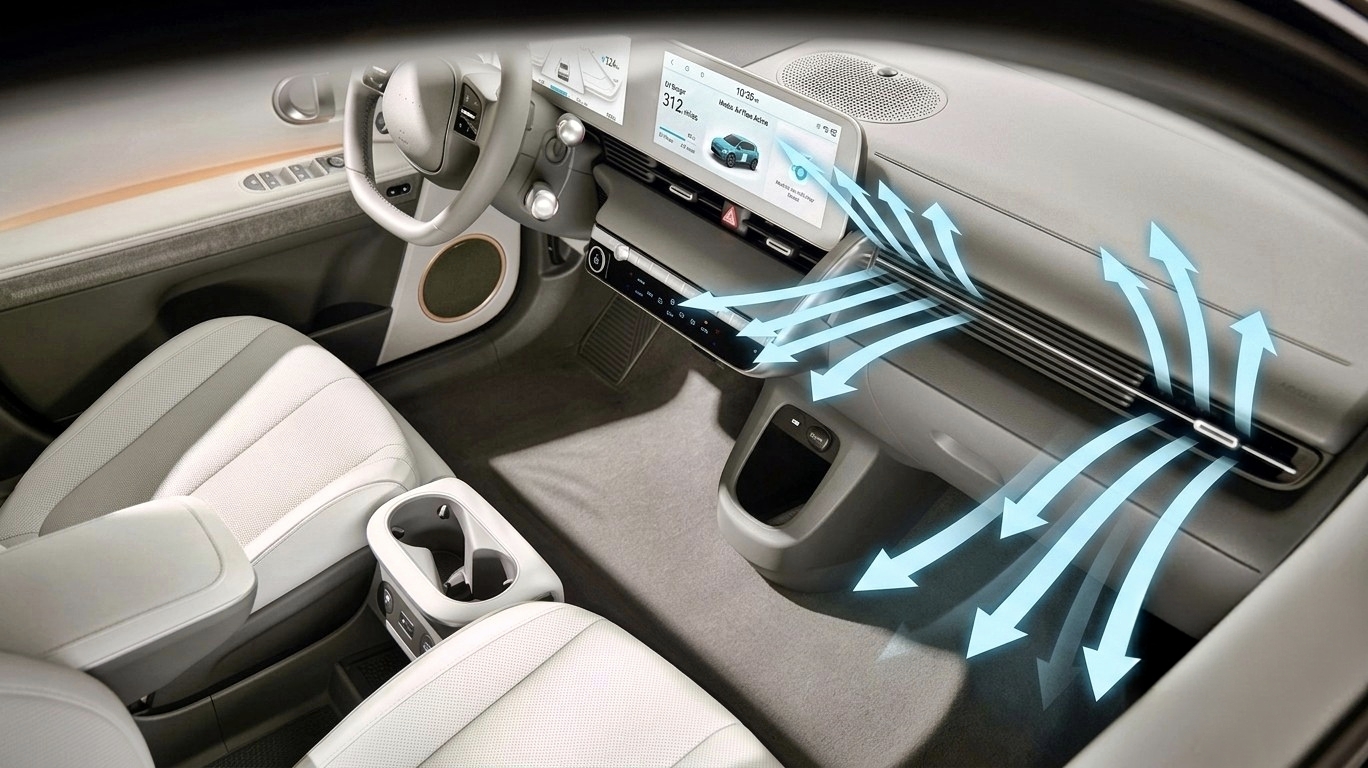
The use of nanoe generators has greatly improved air quality and cleanliness and is today available in many cars as part of the air-conditioning system. Nanoe particles are reactive molecules also inhibit the growth of pollutants in the air, effectively removing unpleasant effects as well as neutralising many types of bacteria.
World-first technology
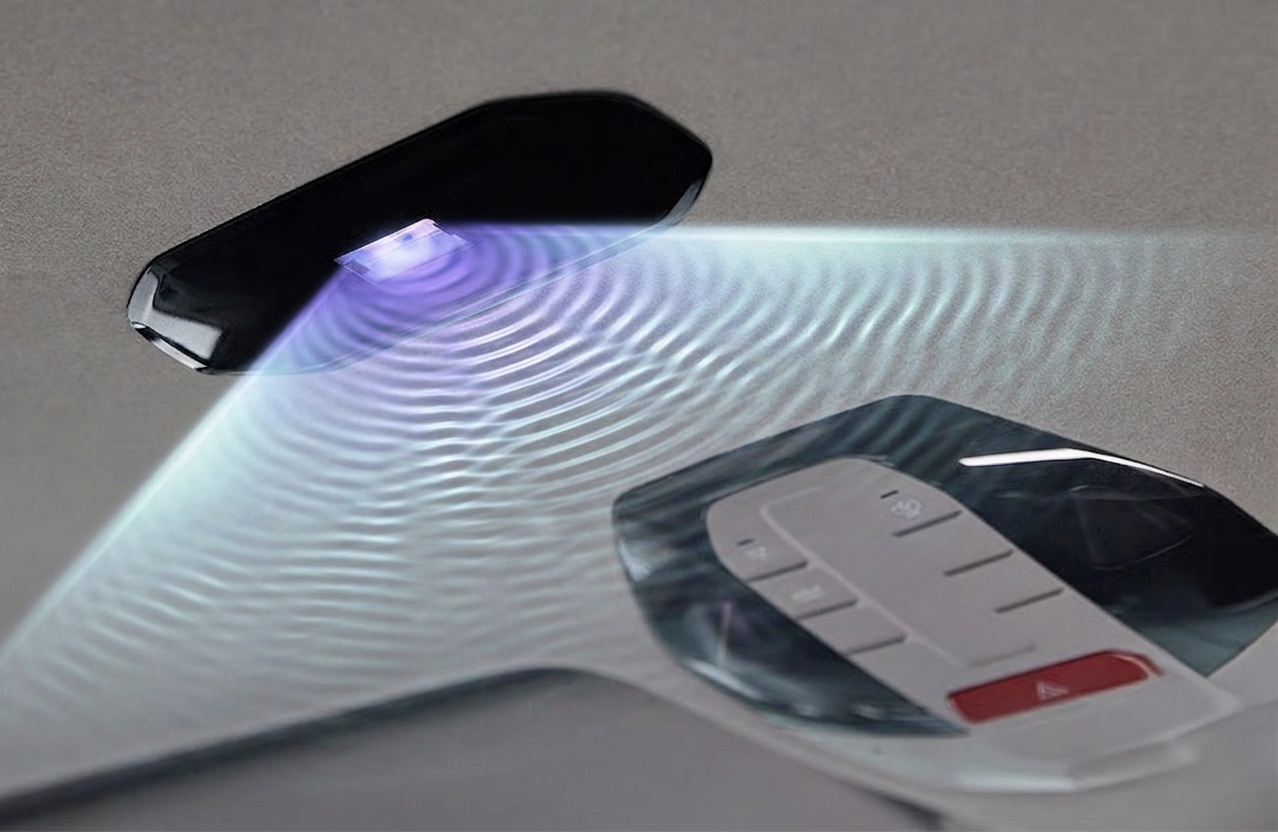
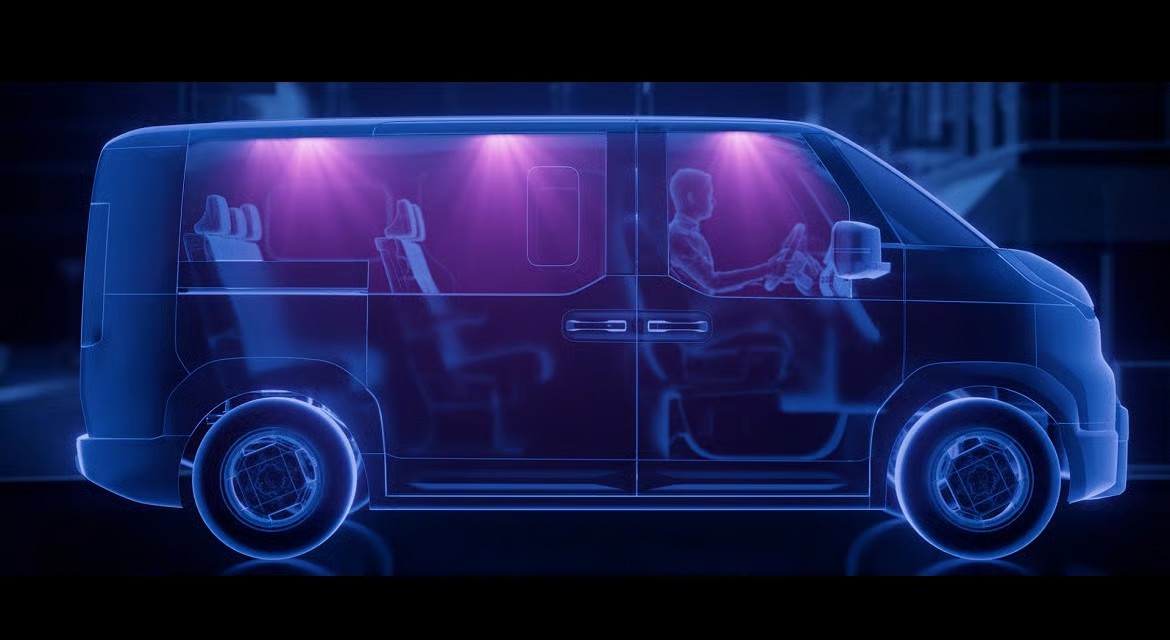
Now Hyundai Motor and Kia have announced a new vehicle sanitization system called Plasma Care UVC. Still under development and not currently available in production models, it nevertheless marks the auto industry’s first open-cabin technology designed to actively purify the vehicle environment while passengers are inside.
The system distinguishes itself from traditional ultraviolet (UV) sterilization methods which utilize standard UVC wavelengths ranging from 255 to 280 nanometres. Because exposure to conventional UVC can pose risks to human skin and eyes, its application has historically been restricted to enclosed components like boxes or toothbrush sanitizers.

Safe on humans
To facilitate open-cabin use, the automakers utilized Far-UVC light between 200 and 230 nanometres. This specific wavelength delivers high energy to dismantle the DNA of bacteria and viruses but features a limited penetration depth that restricts it to the outer keratin layer of human skin, preventing it from reaching deeper tissue layers.
Adapting Far-UVC for the automotive sector required addressing specific challenges inherent to vehicles, such as confined spatial dimensions, high concentrations of electronic hardware, and the close proximity of passengers to the light source.
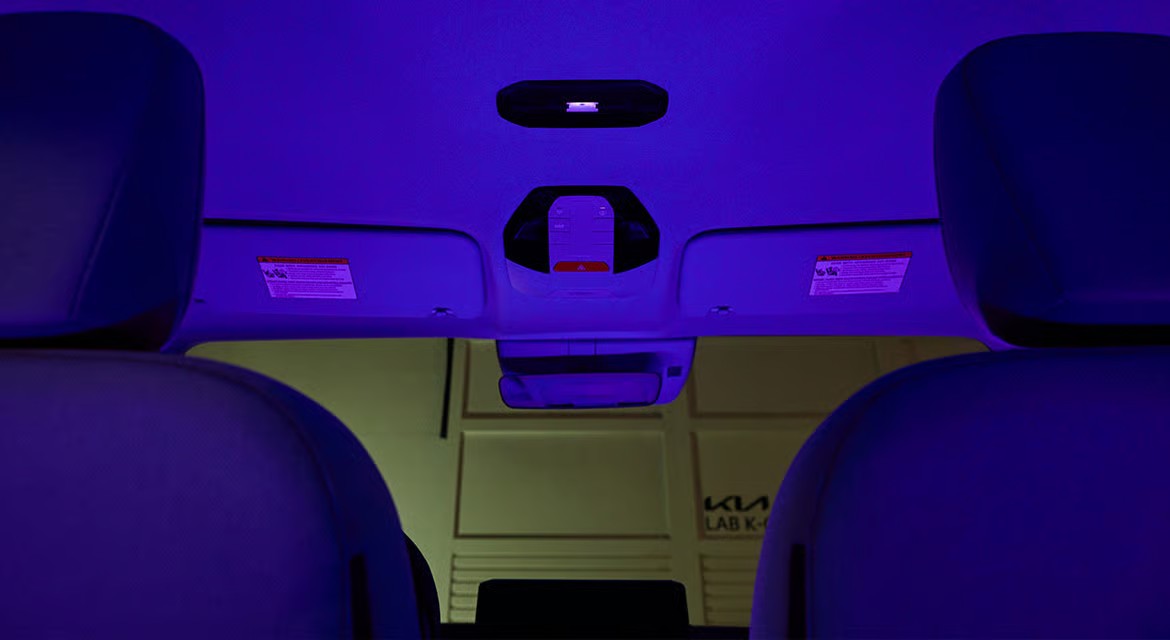
Researchers at both companies in the Hyundai Motor Group addressed these factors by engineering a compact, power-efficient plasma lamp system capable of generating the precise Far-UVC wavelengths that standard LED technology cannot reliably produce. The system integrates a specialized optical filter to guarantee the emission of only controlled wavelengths, while the structural design is reinforced to withstand automotive vibrations and temperature fluctuations.
Effectiveness proven in tests
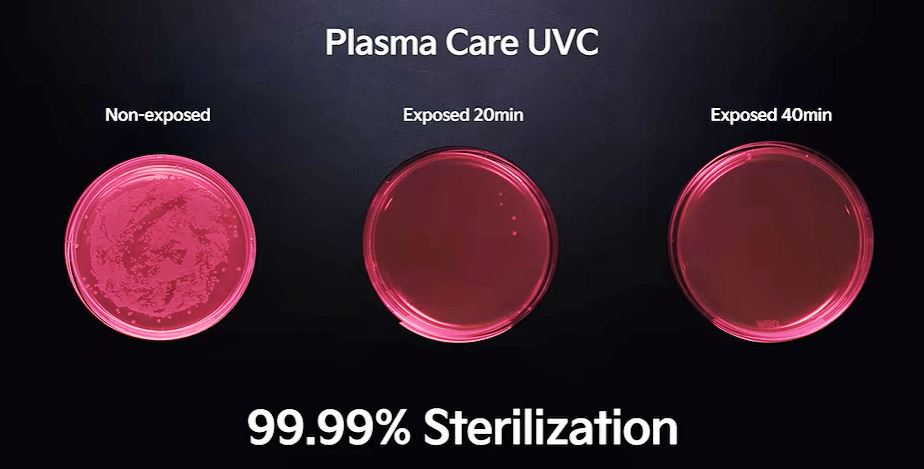
The technology was validated through multiple evaluations conducted alongside external testing institutions. In an 8 cubic metre chamber simulating a vehicle cabin, evaluations by the Korea Testing Laboratory recorded a 96.8% reduction in airborne viruses within a 30-minute period. Component-level tests conducted with Seoul National University’s Agriculture & Life Sciences Venture Centre demonstrated a 99.9% eradication rate of pneumonia-causing bacteria within 30 seconds of exposure, achieving total elimination at 60 seconds.
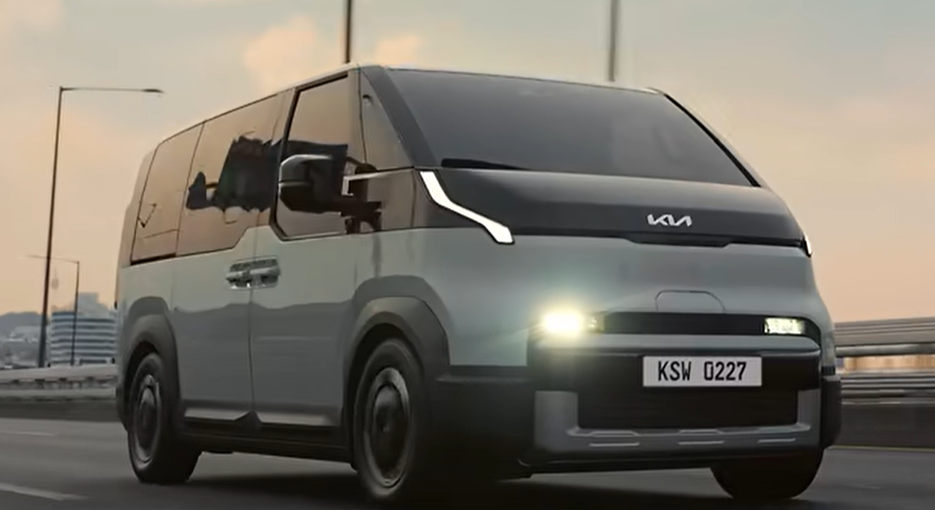
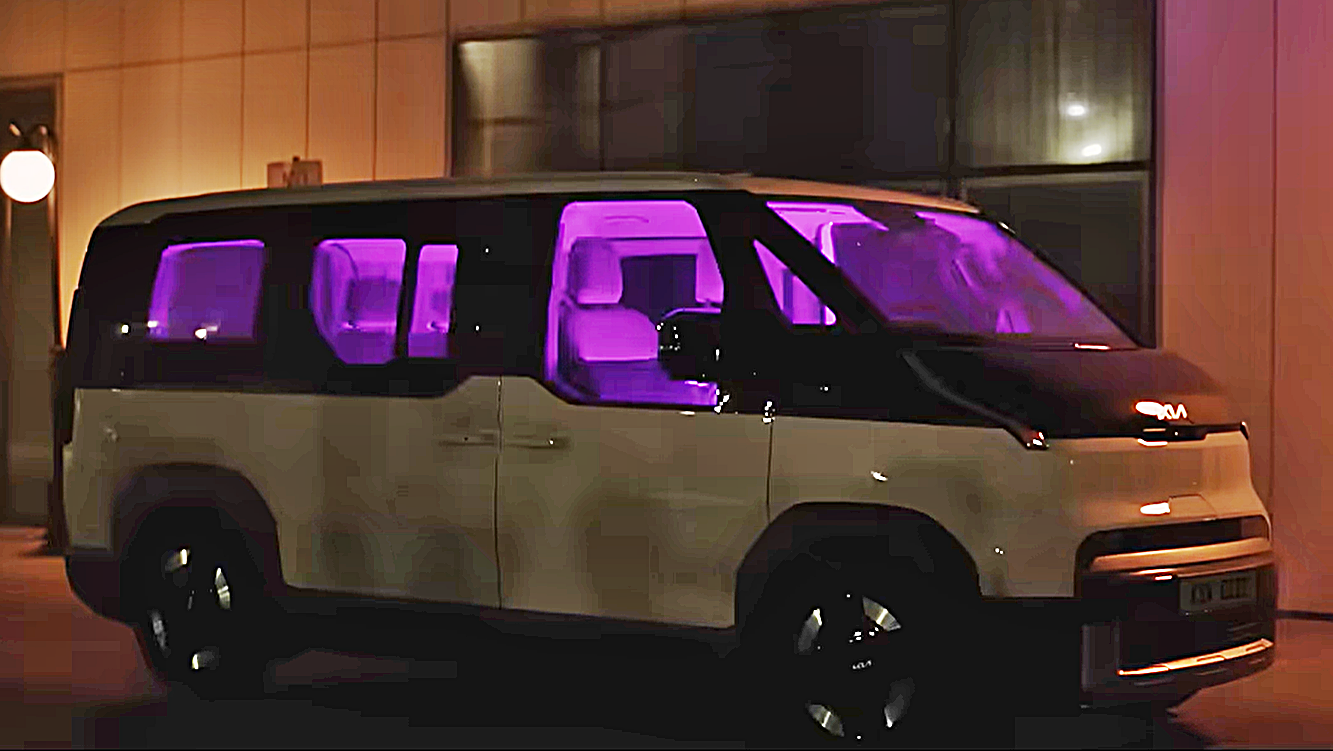
Furthermore, a real-vehicle evaluation performed in partnership with the Korea Automotive Technology Institute on a Kia PV5 concept showed a 99.9% reduction of Escherichia coli after 40 minutes of continuous irradiation.
By eradicating microorganisms and bacteria, the system also targets the underlying causes of organic odours that develop during bacterial spread, contributing to a more neutral cabin environment. The technology has been demonstrated in potential future purpose-built vehicle layouts, such as school shuttles and delivery vans, highlighting its adaptability to commercial and autonomous transport fleets where daily passenger turnover is high.
Still in R&D phase
According to development engineers behind the project, the system was created to move past conventional sanitization limits that dictate empty spaces, acting as a baseline hygiene solution for future mobility scenarios, including autonomous platforms. However, application of the technology in vehicles remains subject to further testing, validation, engineering development, and applicable legal, regulatory, and certification requirements.