
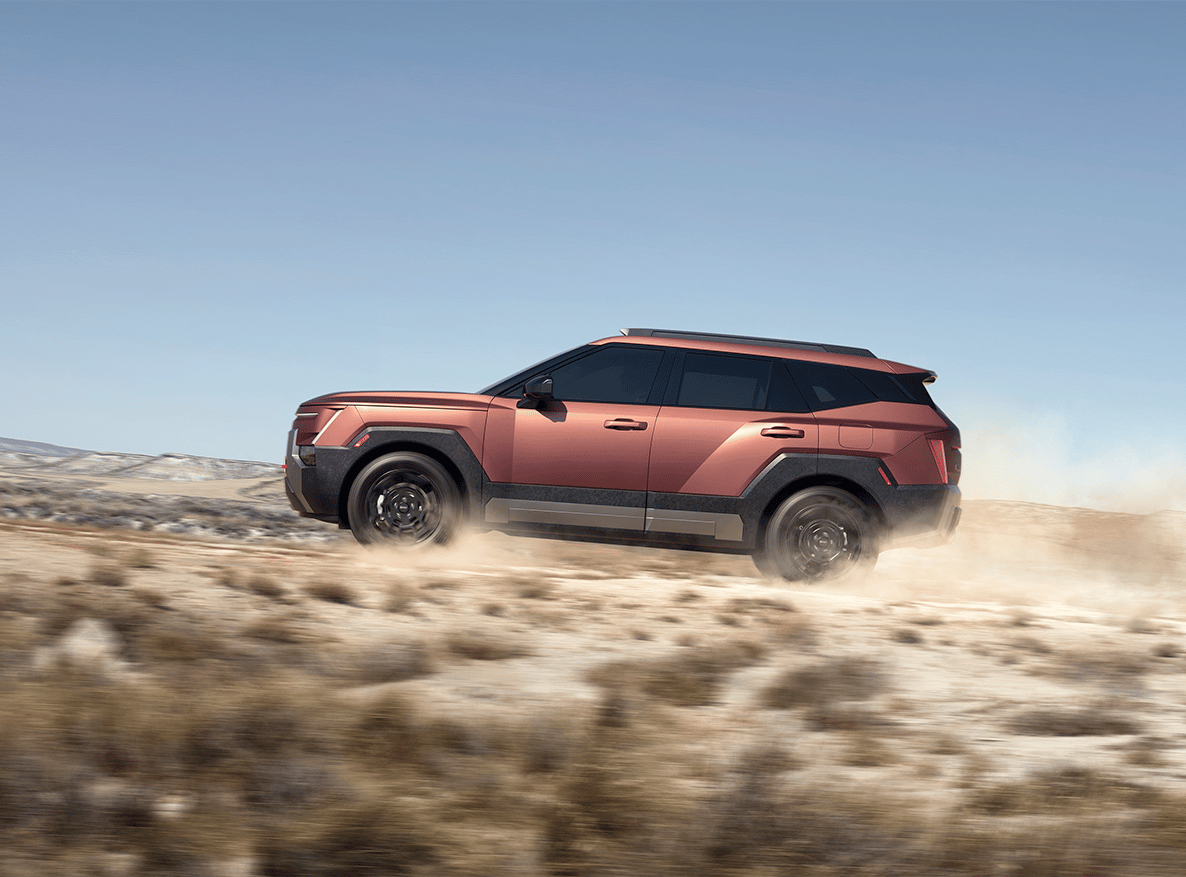
The fifth generation of the Hyundai Tucson recently made its global debut in New York and will also be presented at the Paris Motor Show next month.
Over the two decades, 11.1 million units have been sold worldwide. It has been very popular in Europe where more than 2 million units have been delivered across the region. By 2025, the outgoing current model held the top sales position in Europe’s C-SUV sector. Its significance in that market has encouraged Hyundai Motor to produce the new model in the Czech Republic.
Core model
Since being introduced in 2004, the Tucson has been a core model for the Korean automaker, doing battle in the SUV C-segment. The Tucson arrived during the formative era of Hyundai’s entry into the SUV segment.
The original model played a key role in transitioning the brand from an economy-focused manufacturer into a major mainstream contender in global markets.
‘Art of Steel’ exterior
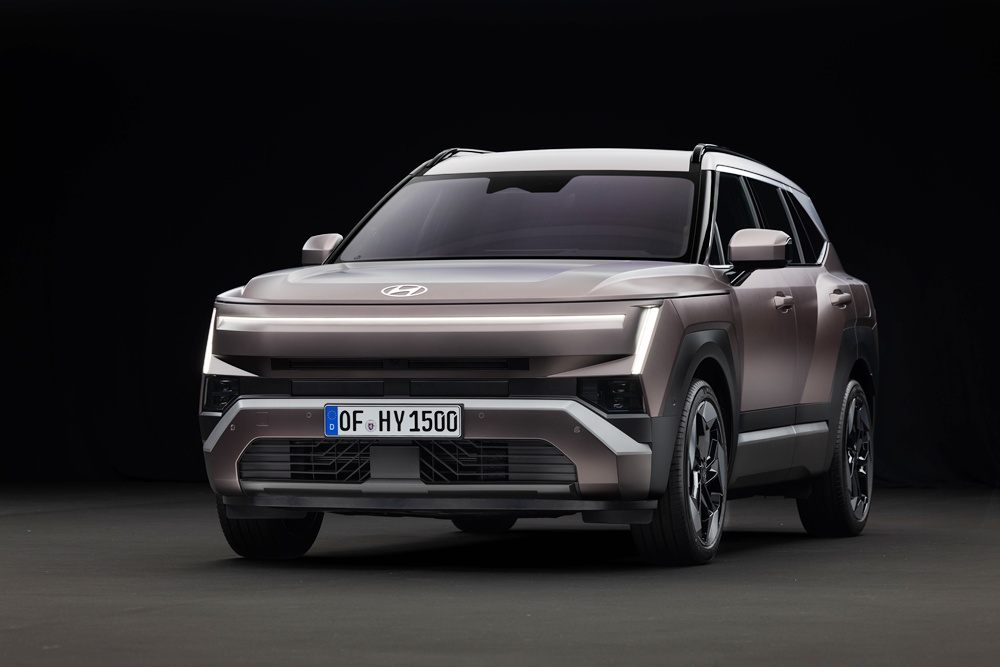
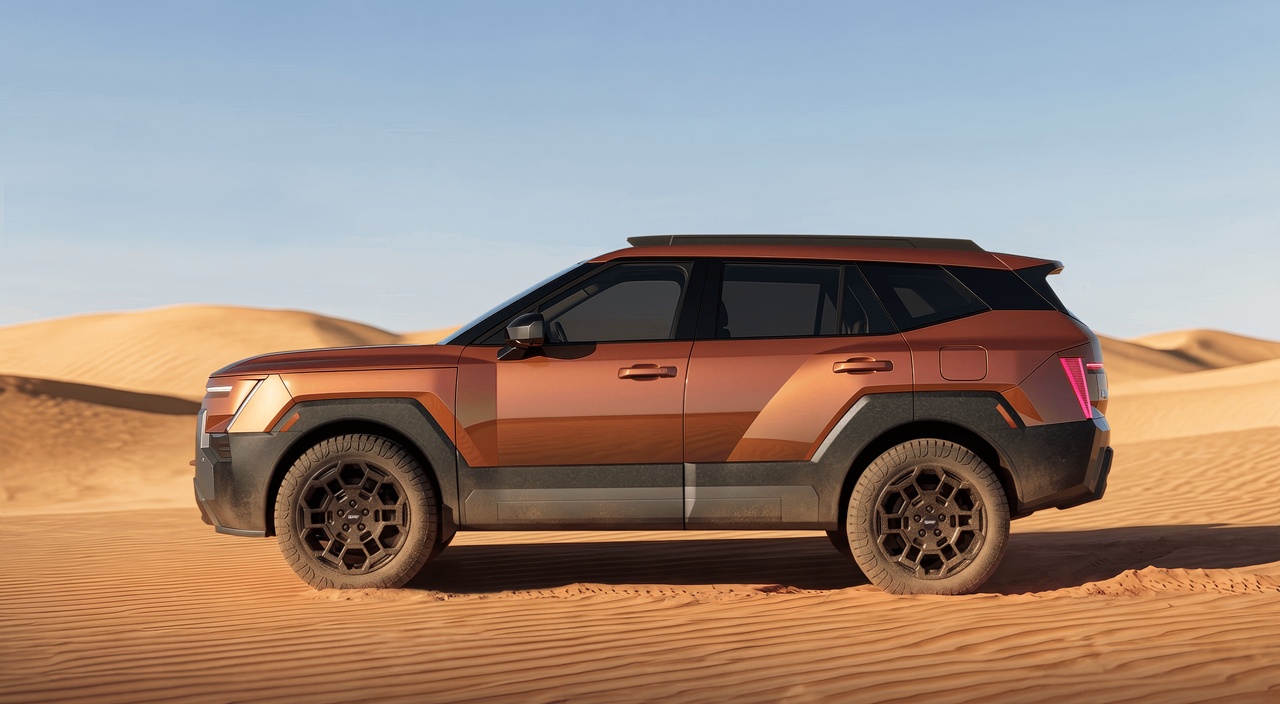
The new generation has an expanded footprint, a restructured cabin, and a comprehensive selection of electrified powertrains. It uses Hyundai’s ‘Art of Steel’ exterior design approach, characterized by pronounced fender forms and revised lighting elements. Up front, the vehicle integrates H-Edge daytime running lamps, while the rear features a 3-dimensional Prism lighting signature.
On the more expensive versions, Micro Pixel Lighting technology is available. This technology employs 25,600 individual LED pixels within the headlights to adjust light distribution patterns dynamically. This ensures optimum illumination of the road ahead without inconveniencing oncoming drivers.
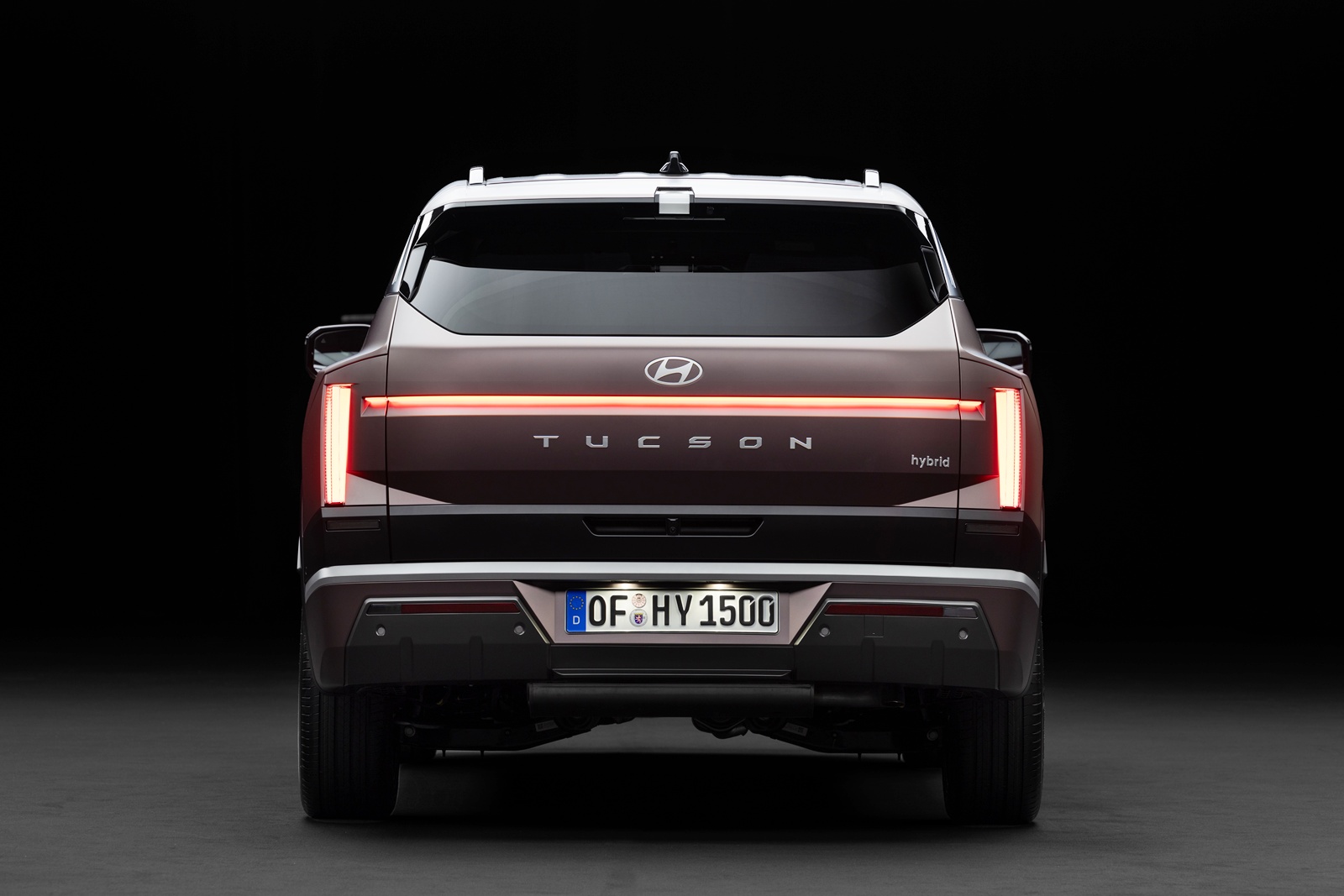
At the rear, the sculptural Prism Rear Lamps sharpen the vehicle’s volume and outline, bolstering the SUV’s commanding presence. The design creates the striking impression of light resting at the edge of a transparent lens, revealing an intricate internal pattern that delivers a high-tech, sophisticated signature.
Dimensionally, the new Tucson measures 4560 mm long, 1900 mm wide, and 1670 mm tall. These figures represent an increase of 35 mm in length, 35 mm in width, and 20 mm in height compared to the outgoing version.
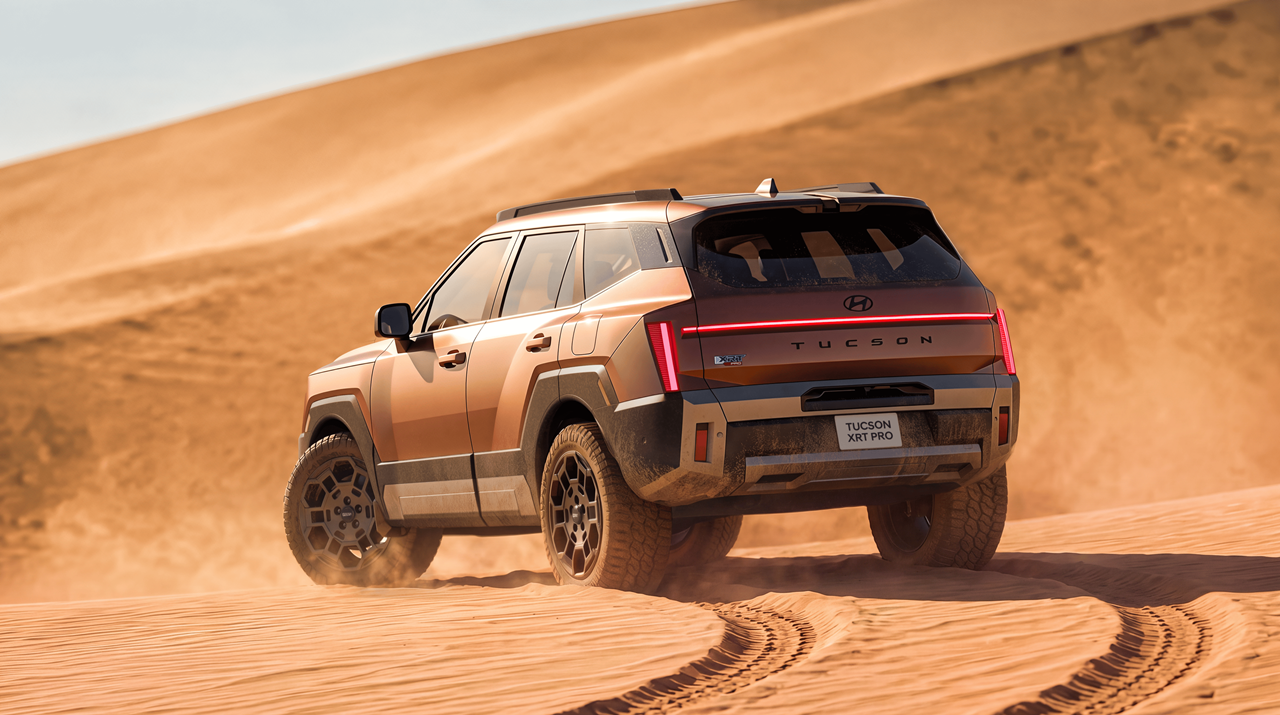
The front overhang extends by an additional 20 mm to comply with updated European pedestrian safety criteria, while the front and rear door opening angles have been increased from 73 degrees to 83 degrees to aid passenger movement in and out.

Enhanced driving safety
The cabin layout follows an ‘Eyes on the Road, Hands on the Wheel’ principle which promotes driving safety. Essential vehicle information is displayed via a 9.9-inch digital instrument panel paired with a Head-Up Display also available with some versions. Transmission management is via a column-mounted shift-by-wire stalk.
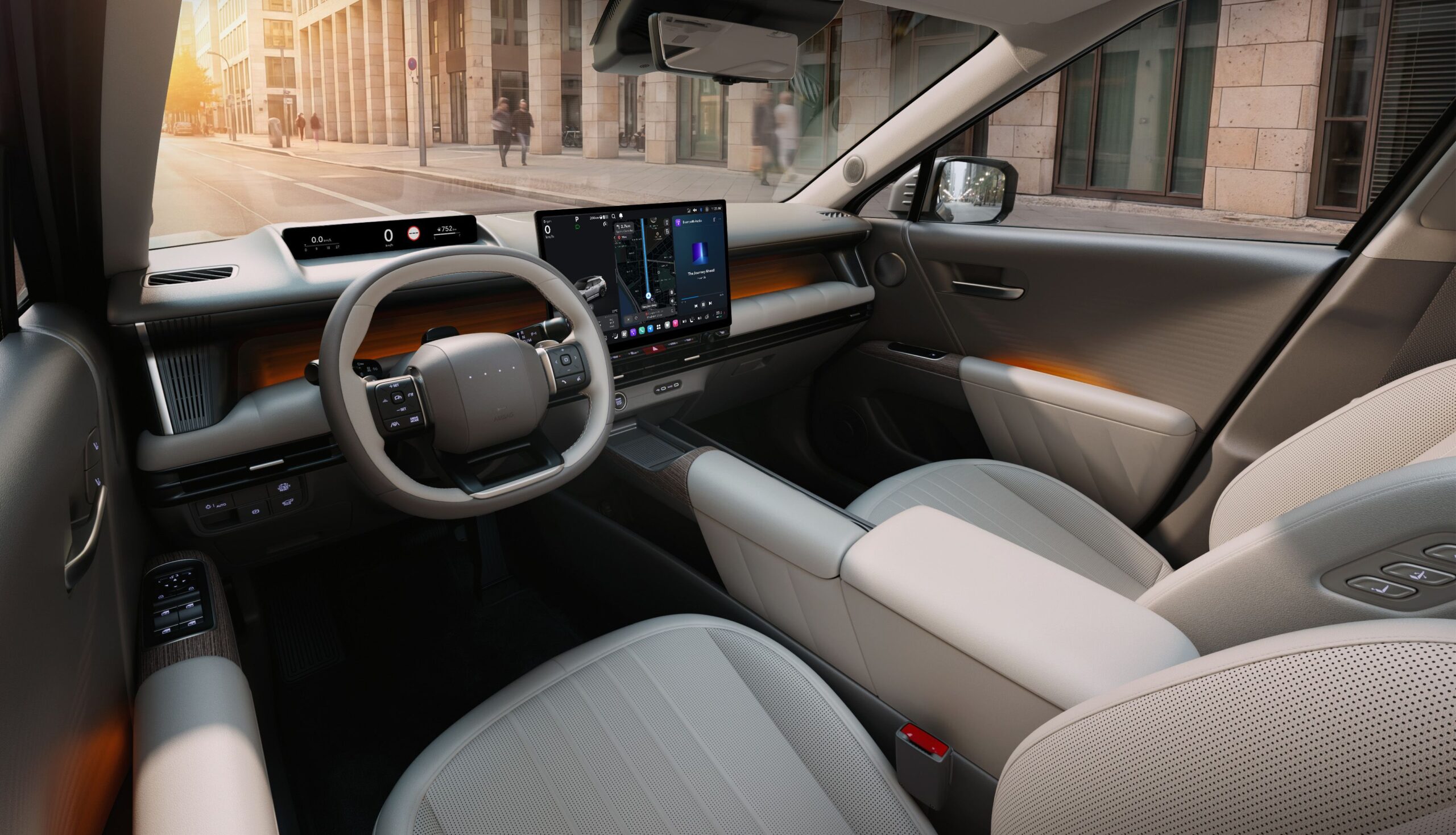
For enhanced occupant comfort, the driver’s position can be fitted with an ‘Ergo Motion’ seat incorporating a 7-cell pneumatic air bladder system for lumbar support and massage functions. The climate system utilizes a Multi-Air set-up that diffuses conditioned air through indirect vents alongside a 3-zone control scheme.
The windscreen features an optional 13.5V conductive metal coating containing over 20 layers of metallic and ceramic materials, engineered to clear ice within 15 minutes in winter while deflecting up to 60% of sunshine heat.
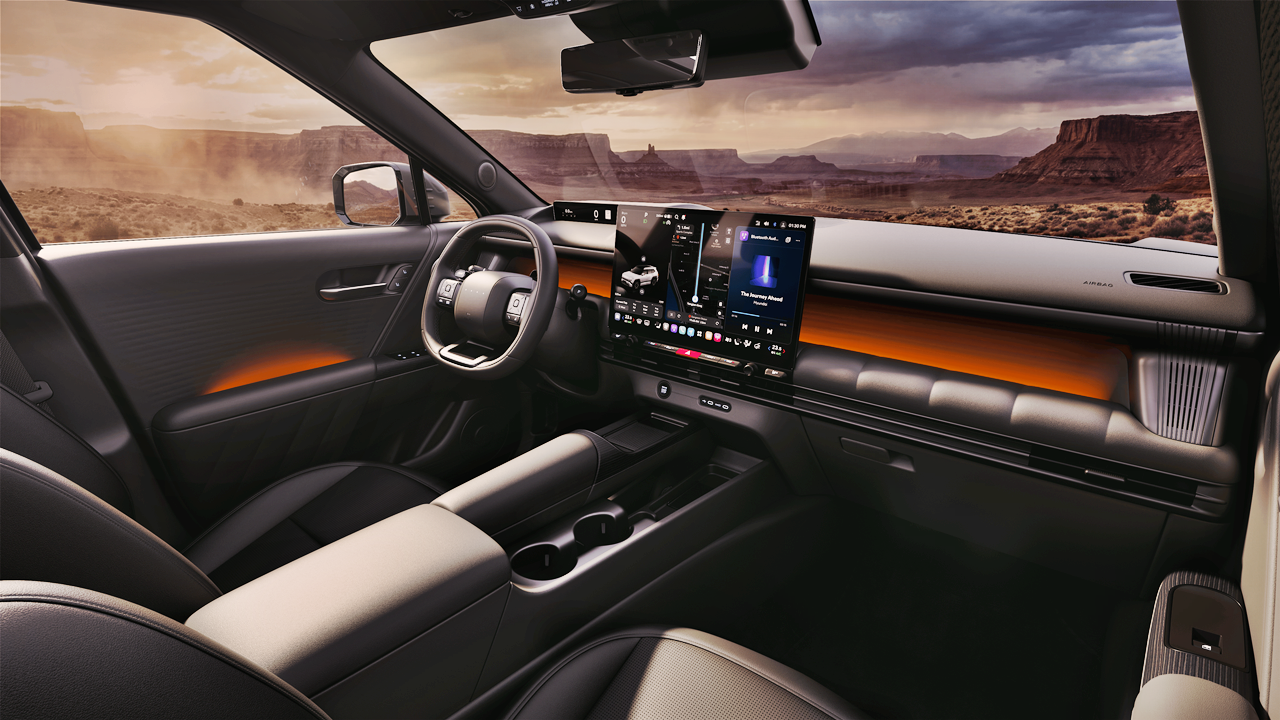
Additional practical features include four 100W USB-C charging ports, integrated umbrella holders inside the front doors, and a second-row ‘AddGear’ port designed for modular accessories.
Driver assistance technologies include Memory Reverse Assist, which can record up to 50 meters of forward travel at speeds under 30 km/h and steer the vehicle in reverse along the same path. AWD variants offer a Ground View Monitor system that displays a live feed of the terrain directly beneath the vehicle.
Multiple powertrain choices
The powertrain line-up includes standard petrol, 48V mild, full, and plug-in hybrid electric systems. Hyundai Motor still offers a manual 6-speed transmission which European buyers still want, and a 7-speed dual-clutch transmission.
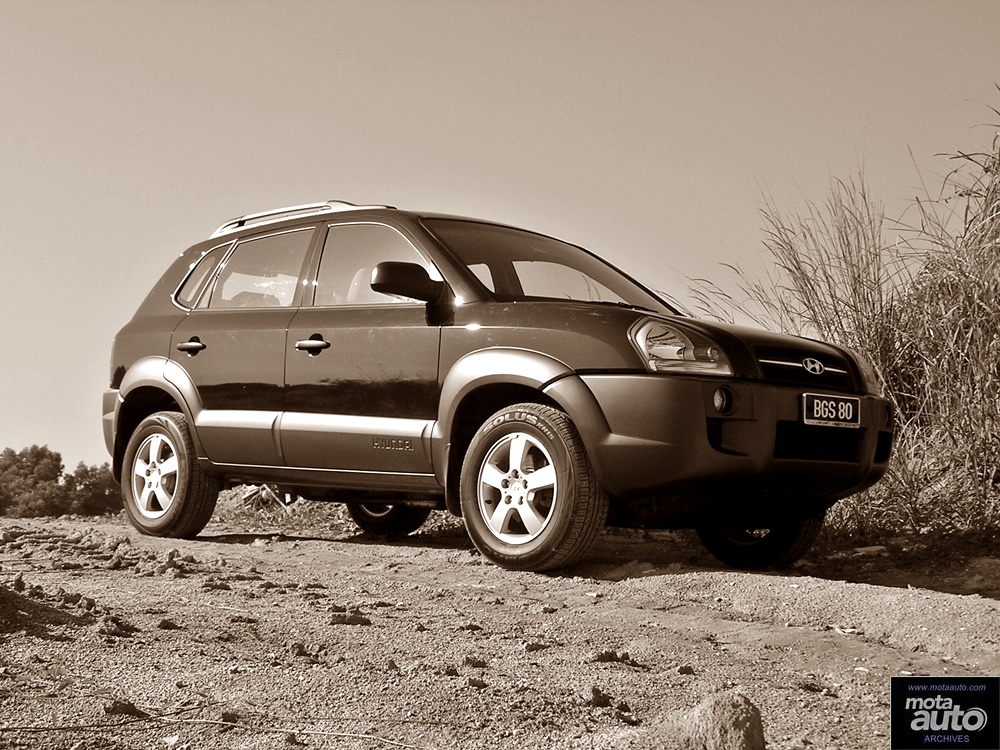
As this is a core model and one which has been sold in Malaysia from the first generation, it’s likely that Hyundai Motor Malaysia will eventually appear in showrooms. However, the SUV C-segment is a very crowded one these days and unless it is assembled locally, it won’t have a competitive pricetag.