
![Proton e.MAS 7 PHEV [2026]](https://www.motaauto.com/wp-content/uploads/2026/04/Proton-e.MAS-7-PHEV-2026-192.jpg "Proton e.MAS 7 PHEV [2026]")
Since being launched in February 2026, the Proton e.MAS 7 PHEV has met with the same strong and positive response as the fully electric models in the range of PRO-NET, Proton’s subsidiary dedicated to New Energy Vehicles.
As PROTON’s first-ever plug-in hybrid electric vehicle (PHEV), its Dual Power electrified drivetrain offers Malaysians the EV driving experience without the searching for a charging station on long journeys.
Even before the official launch, the Proton e.MAS 7 PHEV secured over 3,500 bookings within 6 weeks of orders being accepted. Its price was teased as being no more than RM110,000, which directly challenged combustion engine rivals in the SUV C-segment.
![Proton e.MAS 7 PHEV [2026]](https://www.motaauto.com/wp-content/uploads/2026/04/Proton-e.MAS-7-PHEV-2026-182.jpg)
The official price for Proton e.MAS 7 PHEV was announced as RM105,800 for Prime Variant while the Premium Variant is priced at RM 119,800 and the Premium Plus Variant at RM125,800 (after the early bird rebate of RM4,000).
While the Proton e.MAS 7 and Proton e.MAS 5 cater to early tech adopters, this PHEV variant has found its following among families who like the efficiency of electric but also like unplanned weekend road trips. Its success is a key reason why PRO-NET has surged ahead to become a top-selling New Energy Vehicle brand in the country.
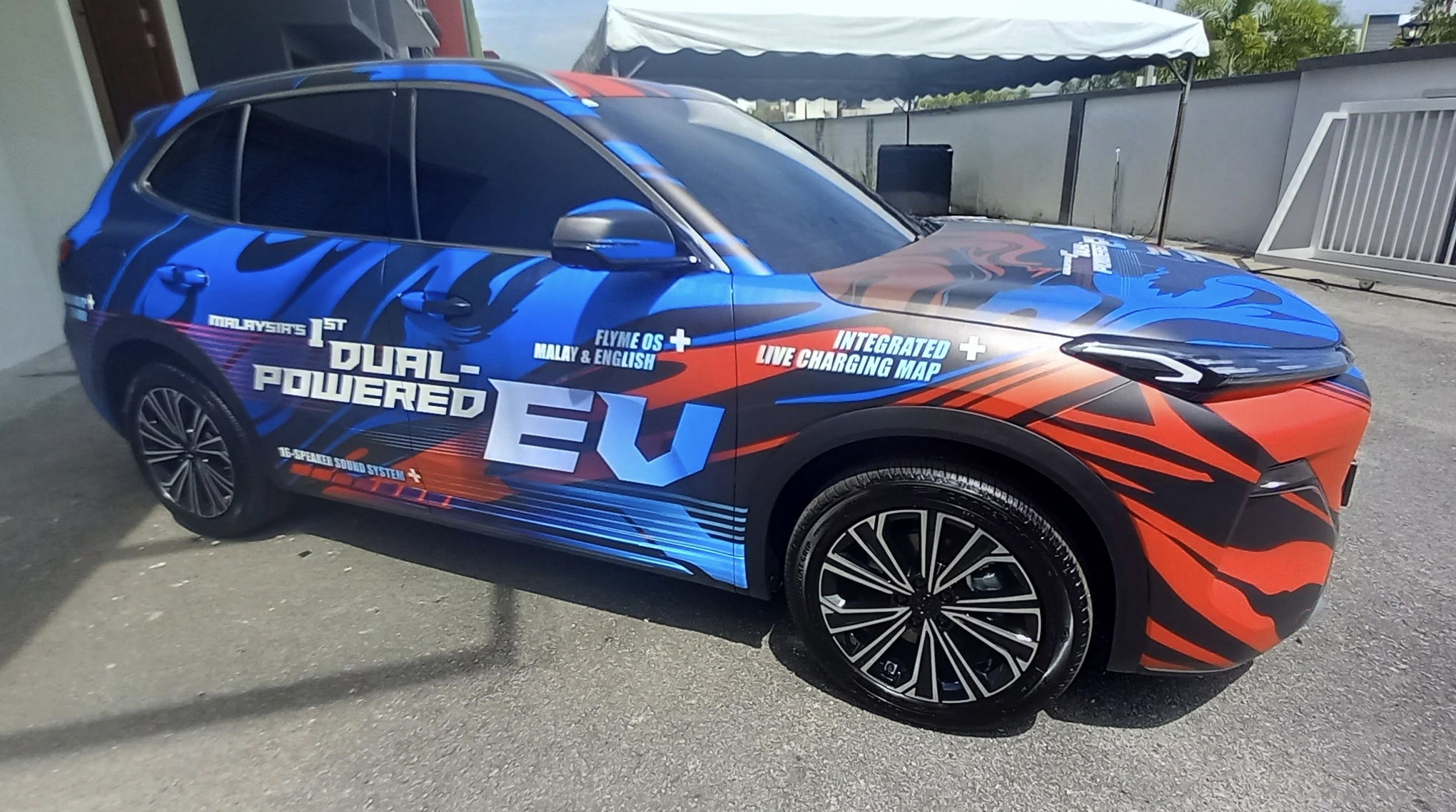
Better than HEV
The Dual Power capability of the e.MAS 7 PHEV provides strong reassurance for drivers who may want to experience the technology of Hybrid Electric Vehicles (HEVs), but with added benefits. While HEVs already offer the convenience of self‑charging technology, a PHEV goes further. It delivers all the benefits of a HEV, yet adds the flexibility of charging from a charge point and the ability to drive in full‑electric mode without the limitations typically associated with HEVs.
The e.MAS 7 PHEV has been developed drawing on the resources of the Geely Group, which PRO-NET has access to as Geely is a shareholder in the automaker. This has enabled the SUV to have some of the most advanced PHEV technologies, and being available at an affordable price.
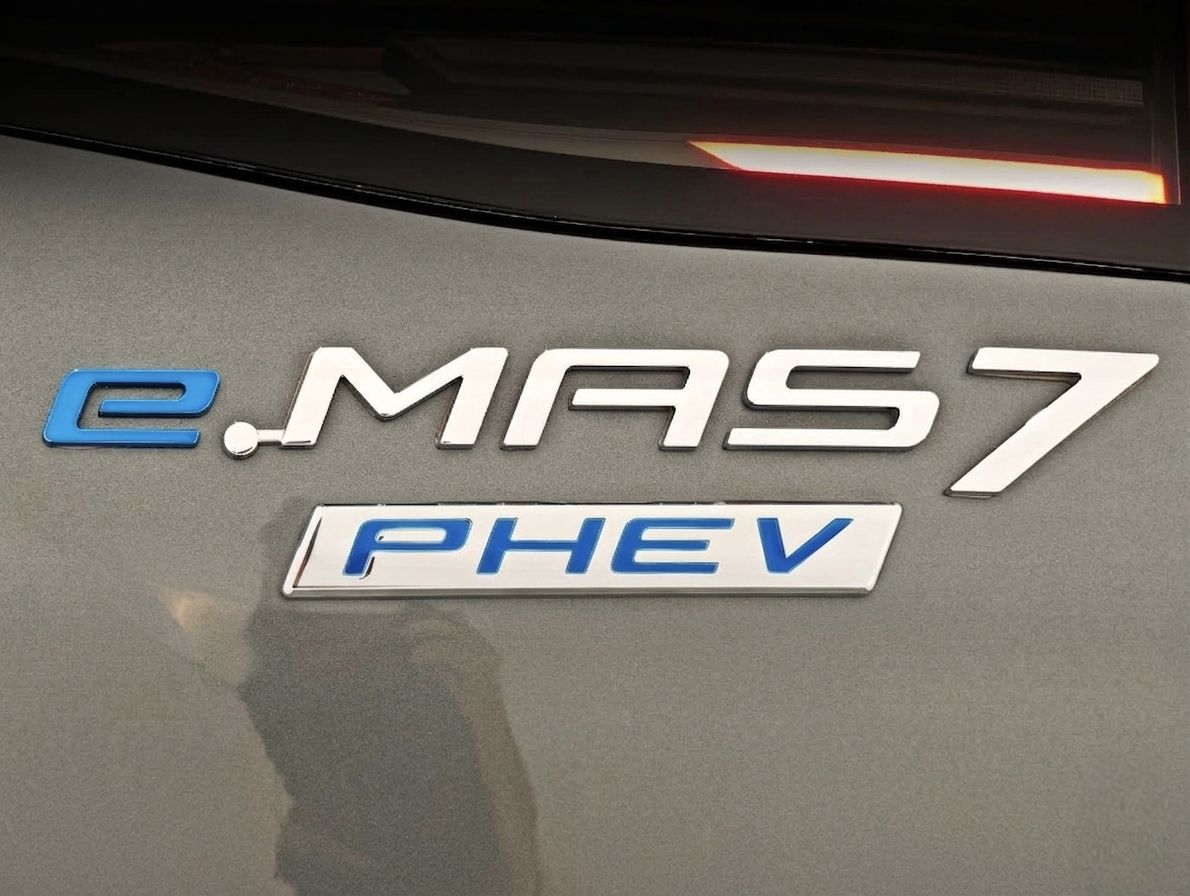
EM-i Advanced Hybrid Technology
The heart of the EM-i (Electrified Mobility-intelligent) Advanced Hybrid Technology in the e.MAS 7 PHEV is the 11-in-1 Dedicated Hybrid Transmission (DHT). This module has, as its name indicates, 11 key components that are highly integrated into a single unit.
Integration reduces the number of parts, lowering weight and reducing complexity. Because the parts are integrated, they work efficiently with each other, minimising energy losses. This ‘all-in-one’ approach makes the unit smaller as well, so less space is needed.
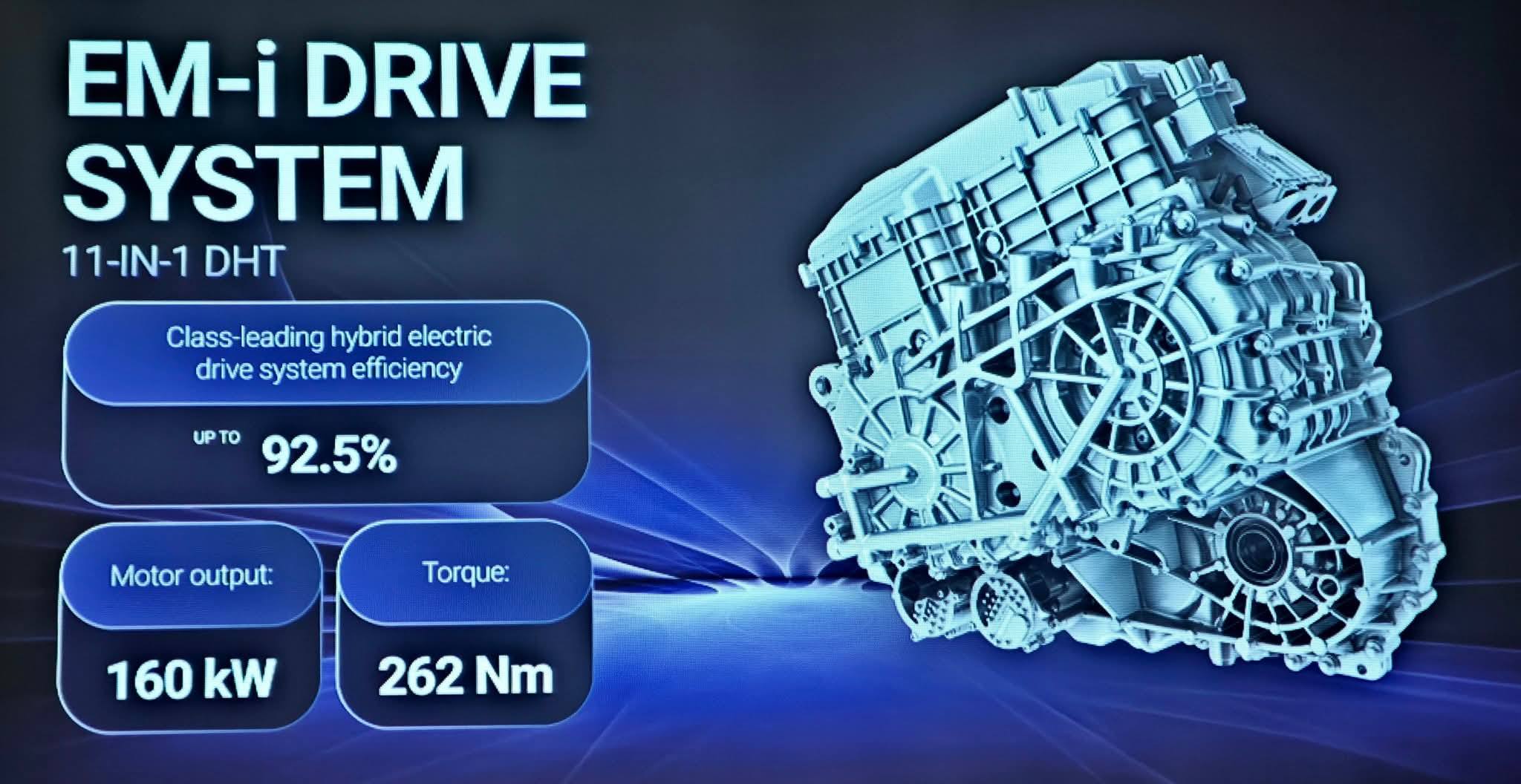
The 11 elements of the 11-in-1 Dedicated Hybrid Transmission (DHT)include 2 electric motors and their control units which intelligently manage power flow from the engine and motors to the wheels.
Each motor has a separate function, the main one being the Traction Motor that directly drives the wheels during the majority of your drive, or works with the engine to drive the wheels. The computer decides when and how much each power unit contributes according to driving demands, but priority is always given to the motor which can generate up to 160 kW (218 ps) and 262 Nm of torque.
The second motor plays an equally important role, even though it does not drive the car directly. Its primary function is to generate electricity, either to recharge the high‑voltage battery that powers the main motor or to supply power directly to the first motor when additional performance is required.
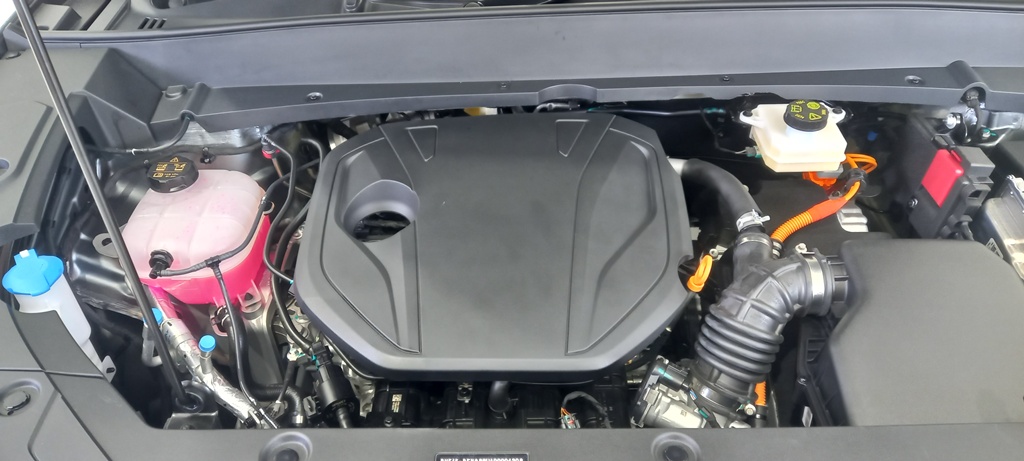
Because there is a motor doing much of the work of moving the car, the engine doesn’t have to be very big and powerful, and for the e.MAS 7 PHEV, a 1.5-litre 4-cylinder petrol engine is used. This produces 99 ps (73 kW) and 125 Nm of torque and is specially designed for PHEV application. In most cases, it functions more as a generator for electricity for the battery.
Both the engine and motor drive the e.MAS 7 PHEV but when and how much work each one does is up to the computer. It is programmed for a wide range of driving situations, automatically selecting the most efficient balance with no noticeable gear shifts (it feels more like a single-speed EV drivetrain).
‘Electric first’ strategy
The ‘electric first’ approach in the 11‑in‑1 Dedicated Hybrid Transmission (DHT) means that the electric powertrain is the primary source of drive. Unlike many PHEVs that rely on the engine as the main driver and use the electric motor only as support, this system reverses that logic. Here, the motor leads the driving experience, delivering EV‑like performance as much as possible, with the engine stepping in only when required. This gives drivers the familiar benefits of an electric vehicle, that is smooth, quiet, and responsive within its acceleration, all while still offering the efficiency of a hybrid.
The engine comes on when demand for power increases, providing supplementary power to go faster. However, the extra power is not used to drive the wheels. Instead, it powers the second motor, which then generates electricity that is supplied both to the high‑voltage battery and directly to the main motor when needed.
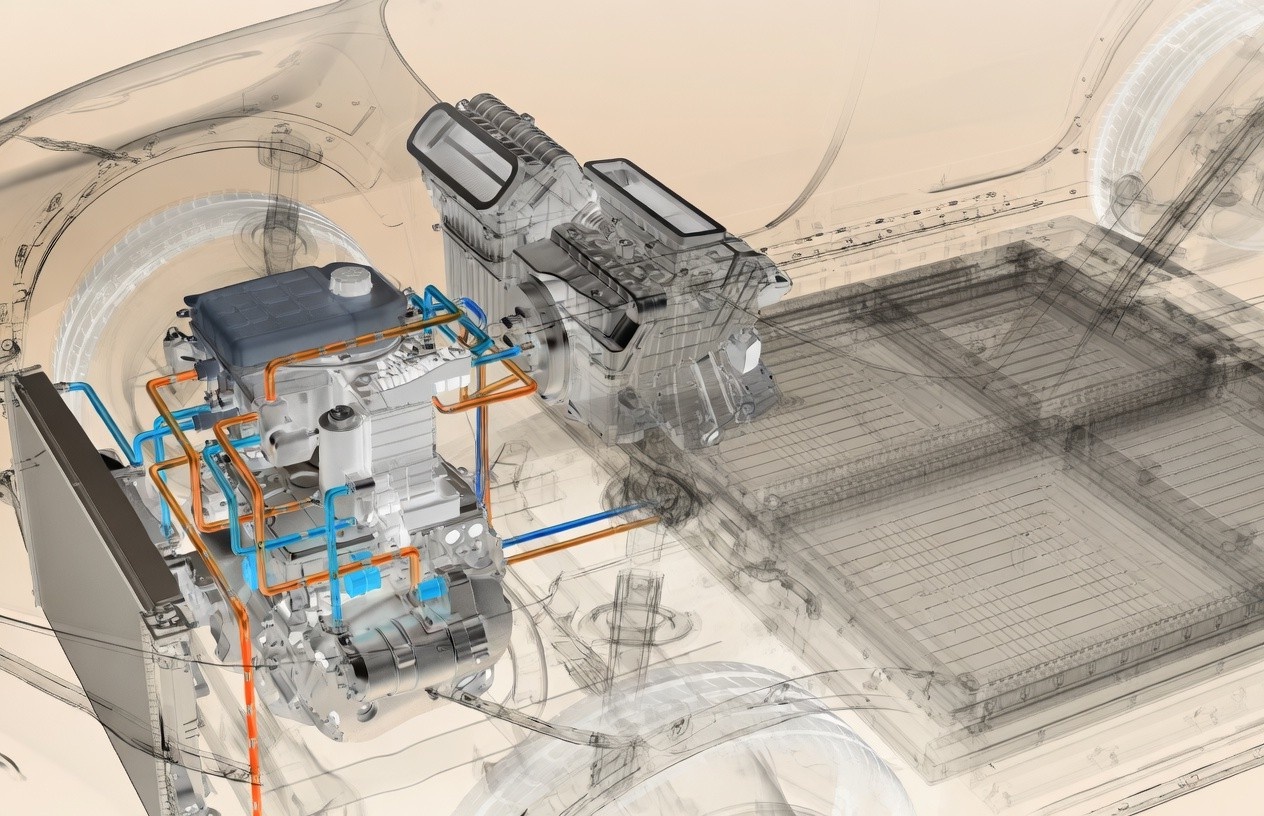
At high cruising speeds or when strong acceleration is needed, the engine will run more. The 11-in-1 Dedicated Hybrid Transmission (DHT)has no traditional multi-gear ratios and uses fixed reduction gears plus intelligent clutch control and motor speed management to simulate optimal ‘gearing’ electronically.
While in motion, the vehicle will accelerate and then slow down, and when necessary, the driver will also use the brakes. Each time the vehicle slows down or braking takes place, there is energy recovery through a regenerative process. This energy is normally ‘lost’ but is captured and channeled to the battery. It’s not a big amount of energy but when going downhill for some distance (like in Genting Highlands), the regenerative braking can recover enough energy to add a few more kilometres to the range.
With the engine being used so little, fuel consumption is significantly reduced. Factory testing has achieved up to 25 kms per litre, which means that the 51-litre fuel tank can provide a potential range of well over 1,100 kms.
Over 1,100 kms without refuelling
In fact, PRO-NET proved this ultra long range capability with a run that was livestreamed so the public could follow the journey up and down Peninsular Malaysia. Driven at normal cruising speeds, an e.MAS 7 PHEV travelled from Penang to Johor Bahru and back to the PROTON head office in Selangor, covering 1,104.5 kms (with fuel left for another 189 kms) without refuelling nor recharging.
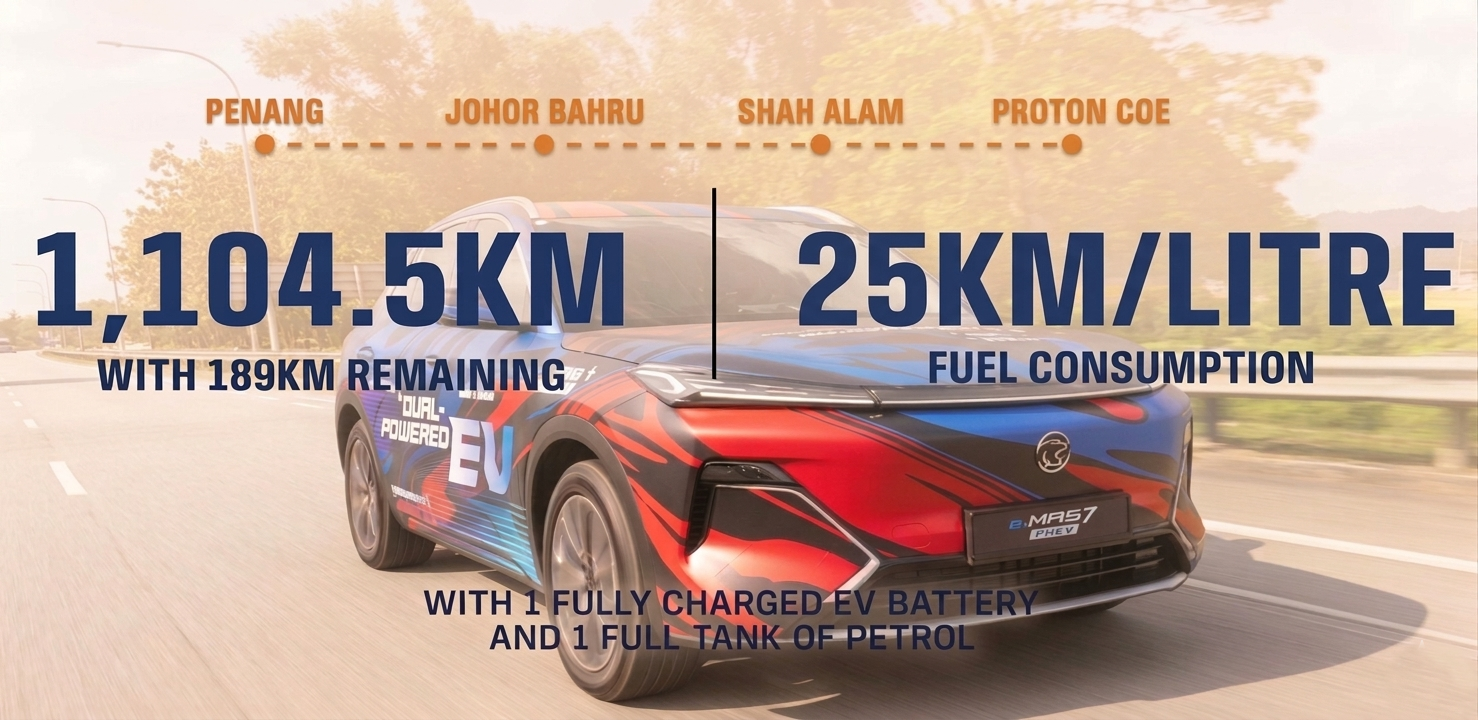
Of course, how much each owner gets depends on driving style and driving conditions but the potential of over 1,000 kms on a full tank means you can travel a considerable distance before you need to refuel.
In real-world daily driving, the e.MAS 7 PHEV is likely to run in pure EV mode much of the time, unless you typically drive at high speeds. Around town, the average speed would be within the range where the ‘electric first’ strategy is maintained so it is like driving an EV. Depending on the energy in the battery, it is possible to go up to 170 kms on just electric power.
Best of both worlds
Which brings us to the great appeal of a PHEV with dual power sources. You get the best of both worlds because you can enjoy the smoothness, quietness and quick performance of an EV and yet not have the concerns of an EV driver with regard to finding charging stations.
The battery will still need periodic recharging because its stored electricity is gradually used during driving, and it requires full charges occasionally to recalibrate the LFP battery system. LFP batteries have a very flat, linear voltage curve, so they depend on the voltage peak at 100% to accurately reset their range and percentage readings. In daily use, the EM‑i Advanced Hybrid Technology system helps maintain the battery level between 16% and 25% by using the engine to keep it within this optimal band. This allows the vehicle to operate efficiently like a HEV even when it has not been externally charged.
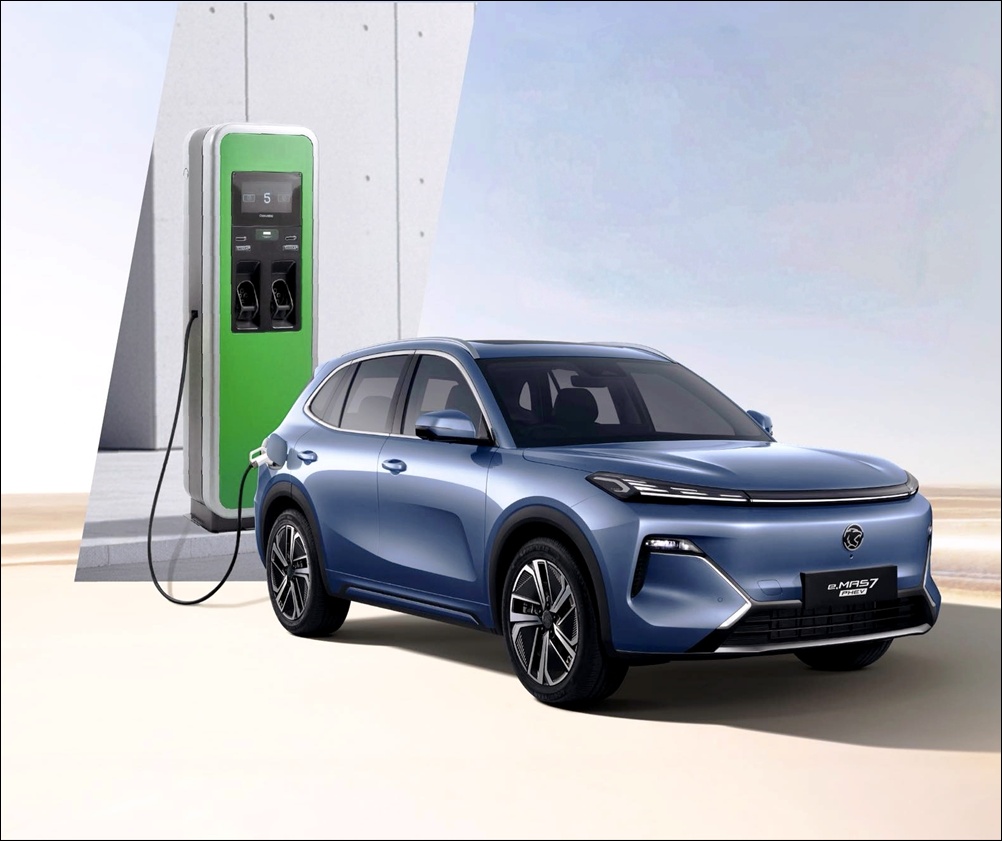
The urgency to recharge is not as great as with an EV because of the long range. And with the engine present, there is also a back-up power source that can keep you going, rather than being stranded by the side of the highway with an empty battery.
The 11-in-1 DHT is what makes the EM-i Advanced Hybrid Technology feel more like an intelligent EV with a petrol backup, rather than a traditional hybrid. It bridges the gap perfectly for markets like Malaysia where the EV charging infrastructure is still growing but long-distance capability remains essential, thus, giving you the best of both worlds.
Visit the Proton e.MAS website to find a showroom near you
Long-term savings
With the fuel consumption being so low, you would obviously save a lot on petrol purchases – certainly something good to have for the longer term when the pump prices could go up (even with the BUDI95 subsidy). PRO-NET estimates that you could save around RM20,000 in total, compared to a similarly sized SUV with a combustion engine, over a period of 10 years.
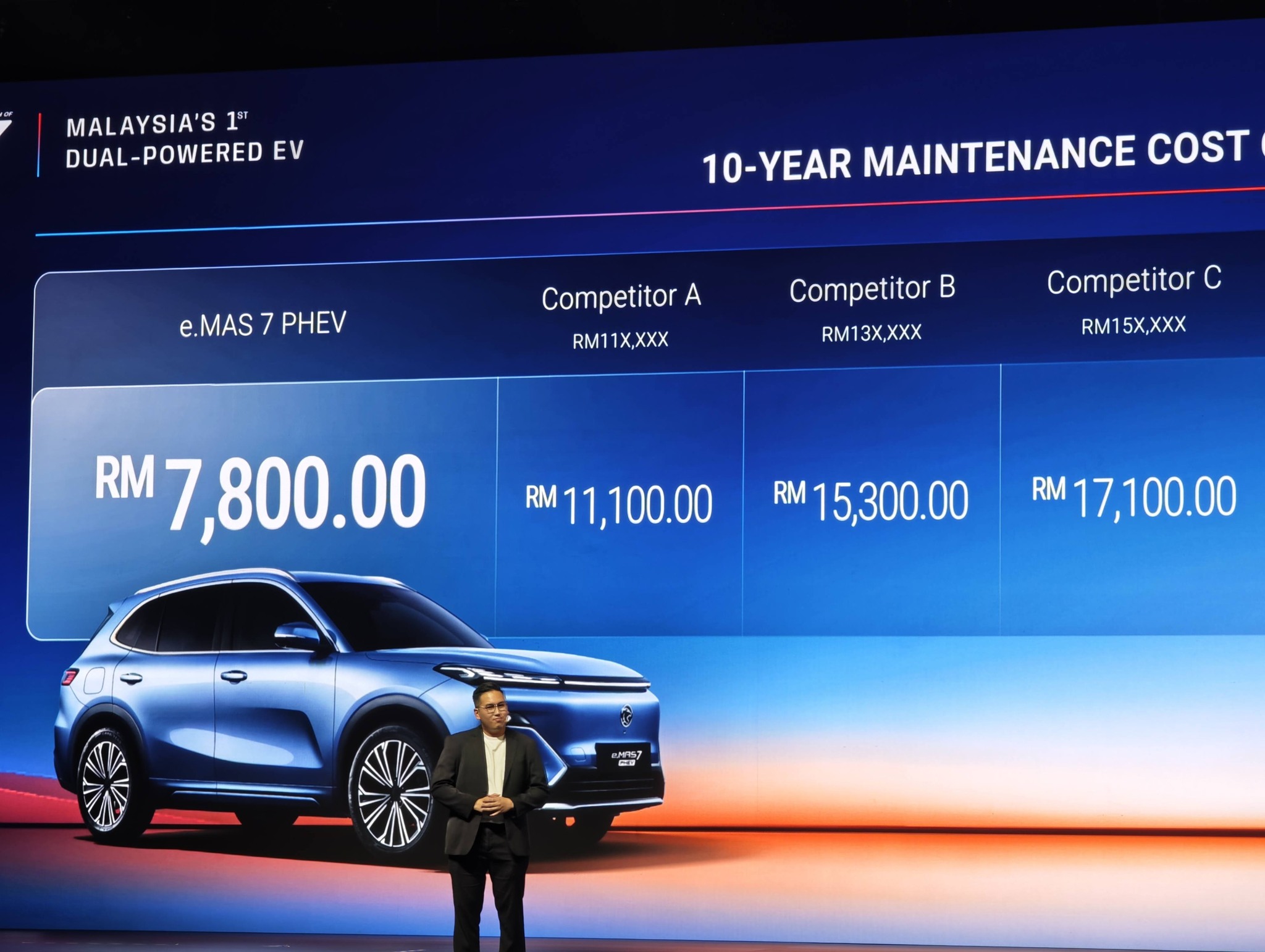
As there is an engine, normal maintenance is required periodically and for the e.MAS 7 PHEV, the service interval is just once a year or every 15,000 kms. Over 10 years, the total cost for maintenance is estimated to be around RM7,800.
Every e.MAS 7 PHEV comes with a 6-year vehicle warranty. The vehicle warranty has no limit on mileage travelled so you enjoy coverage for the full 60 months. Additionally, for those who have concerns about the battery, PRO-NET gives an 8-year/160,000 km warranty to replace it if the State of Health (SoH) is found to drop below 70%. Testing shows that over 921 full charging cycles (approximately 400,000 kms), the battery can retain over 90% SoH, indicating high durability.
Why choose Proton e.MAS?
Buying a Proton e.MAS model is no longer just about choosing the ‘cheapest’ option, though the brand offers the most affordable electrified vehicles in their respective classes. Since its partnership with Geely, PRO-NET has shifted from making budget cars to producing affordable vehicles with the latest technology that offer a premium experience.
Choosing a new car should also take into consideration the aftersales support offered because you are going to need it for many years to come. You want the assurance of maintenance support and replacement parts to be available when needed. Such aspects can be promised… but the proof is in how long they have been provided.
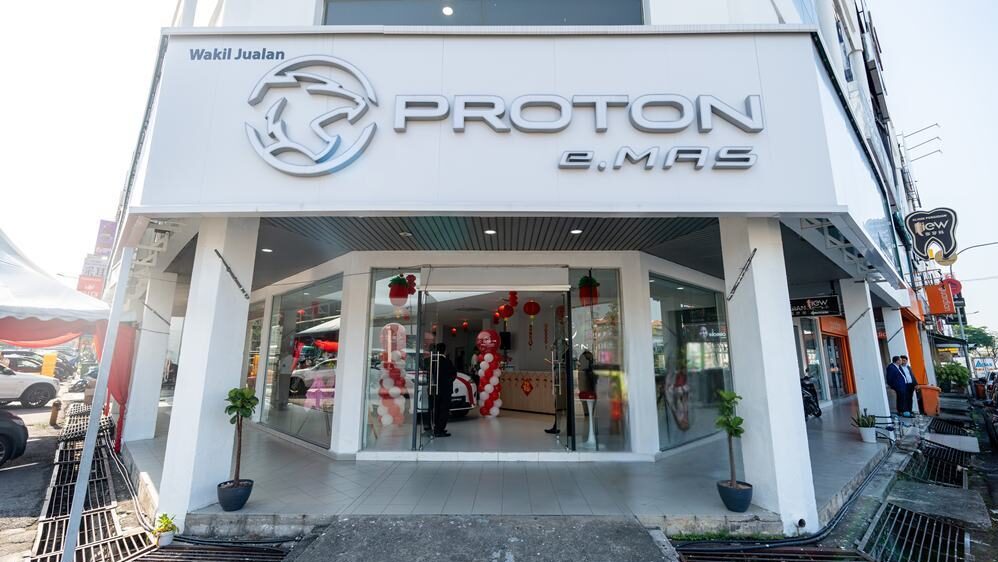
PROTON has been serving the Malaysian public for 40 years and that’s long enough to show what it can do in terms of aftersales support. Its network, even for the Proton e.MAS brand for electrified vehicles, is the largest and most widespread in Malaysia. Over 50 outlets provide a comprehensive EV retail and ownership experience, from test drives and sales to aftersales support and even charging facilities.
Proton e.MAS social media channels
Facebook (Proton e.MAS Cars)
TikTok (@protonemasofficial)
Instagram (@protonemasofficial)
Xiaohongshu (Proton e.MAS Cars)