
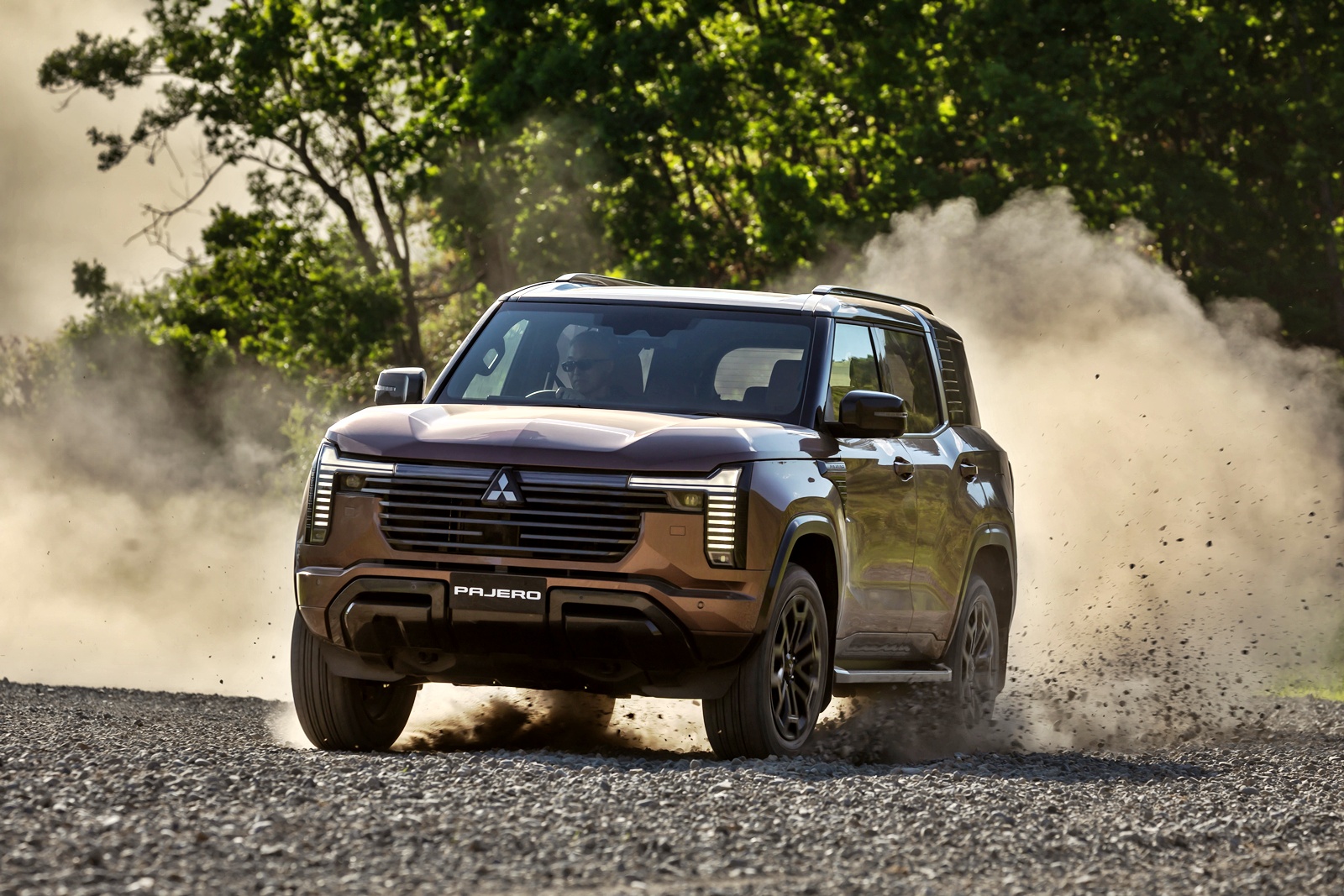
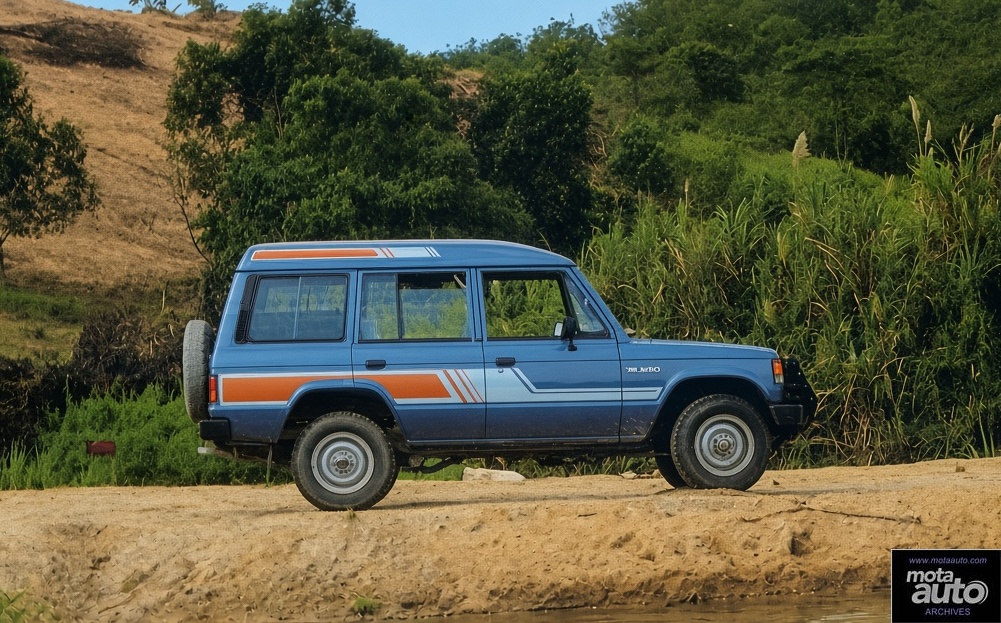
The Mitsubishi Pajero – one of the models that started the SUV trend – is back after an absence of 5 years. The Pajero nameplate (also sold as Shogun and Montero) first appeared in 1982 and offered off-road ability with passenger-car levels of comfort. It was a genuine cross-country 4×4 vehicle which could also be used for daily transport in the city.
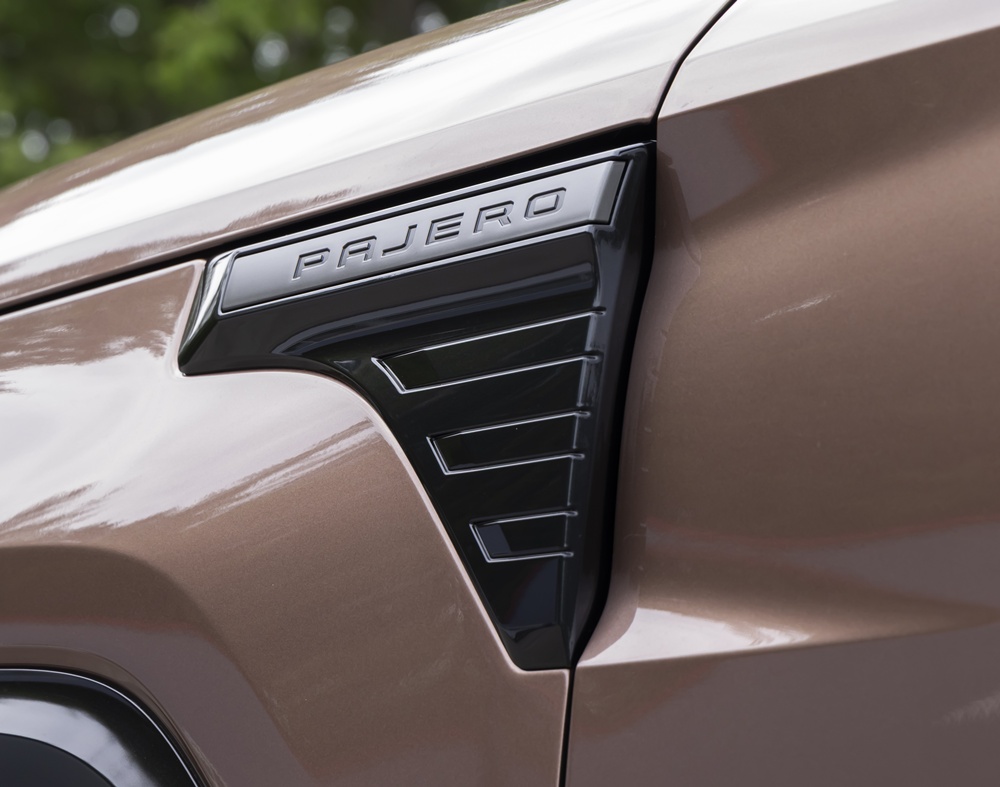
The Pajero went through 4 generations with a total of 3.29 million units sold in more than 170 countries, but declining sales through the 2010s persuaded Mitsubishi Motors (MMC) to stop the model line.
The decline was partly due to a shift in consumer preferences for SUVs with the monocoque type of construction similar to a passenger car’s instead of the traditional ladder frame. A monocoque or unibody offers better driving dynamics and lower weight which are appreciated by many buyers who do not require the tougher engineering and capabilities of a ladder frame design.
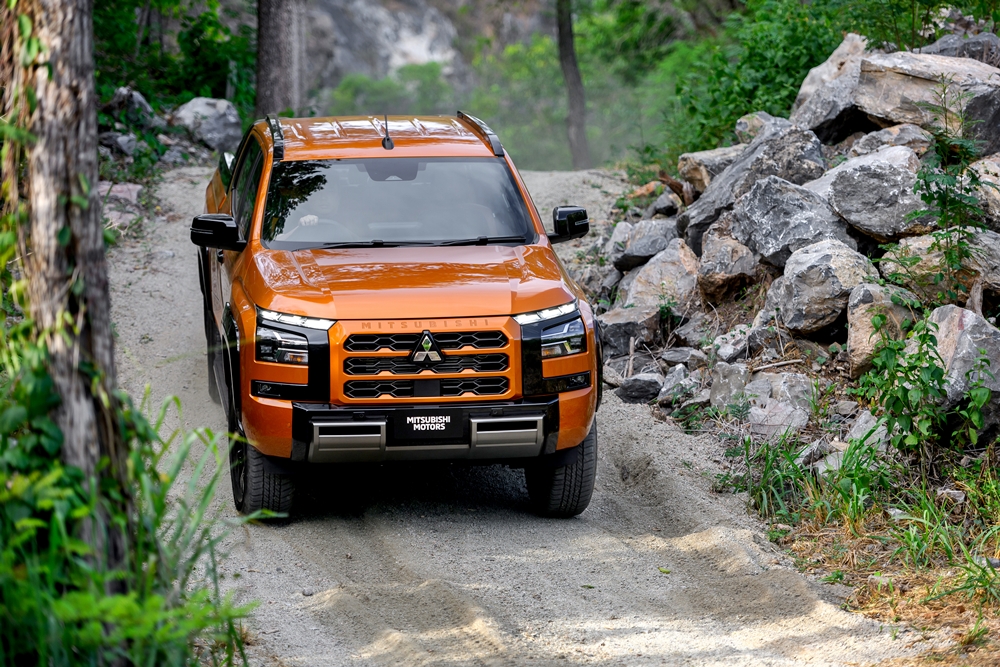
Limited resources also forced MMC to focus on higher-volume models (Outlander, Triton) and toward electrified powertrains under its mid-term plans. Continuing the ageing Pajero would have required substantial new investment in emissions compliance, safety systems and interior updates that the projected sales could not support.
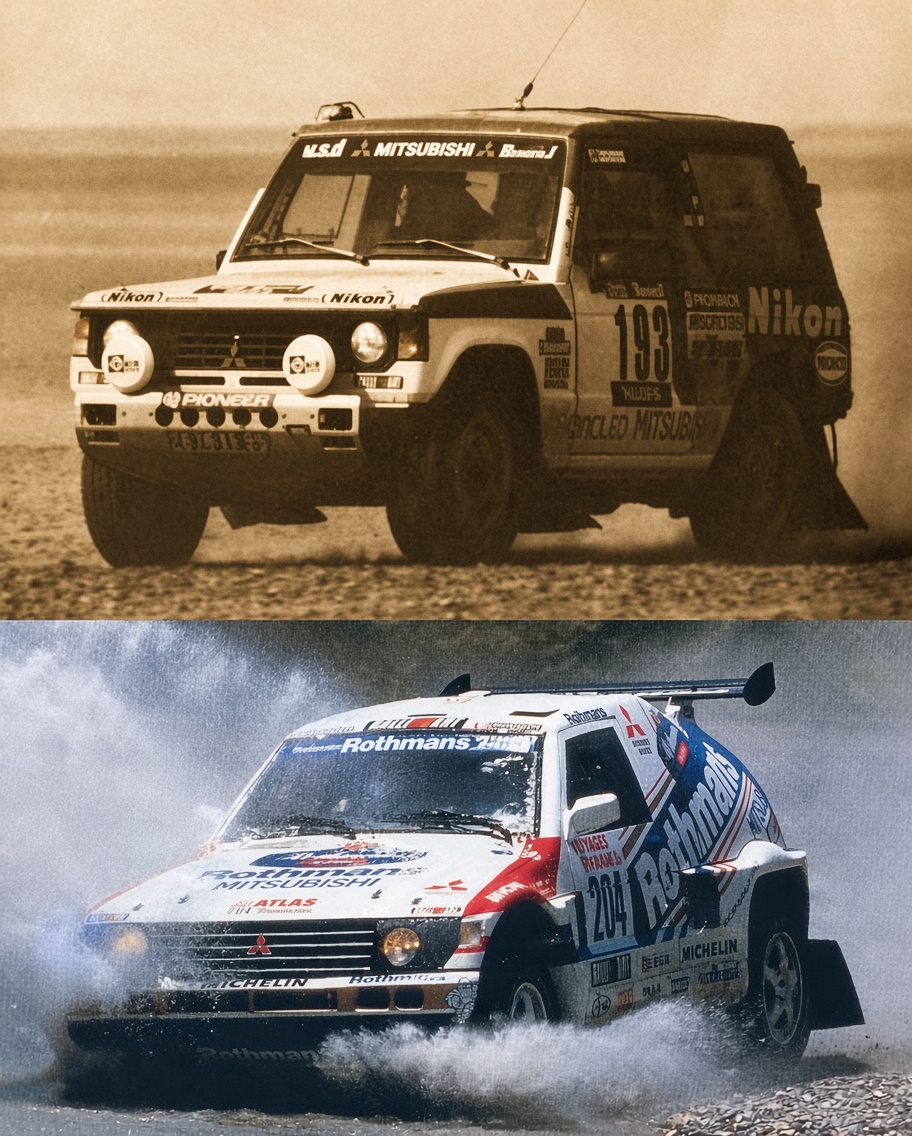
Dakar Rally legacy
Now, as interest in large SUVs is growing and many Chinese models are being offered with ladder-frame construction, MMC must see an opportunity to bring back the Pajero. Its legacy as a multiple winner of the Dakar Rally would be an asset, and 5 years is not so long that the 4×4 engineering expertise has been lost.
![Mitsubishi Pajero Sport [2011]](https://www.motaauto.com/wp-content/uploads/2026/09/Mitsubishi-Pajero-Sport-2011.jpg)
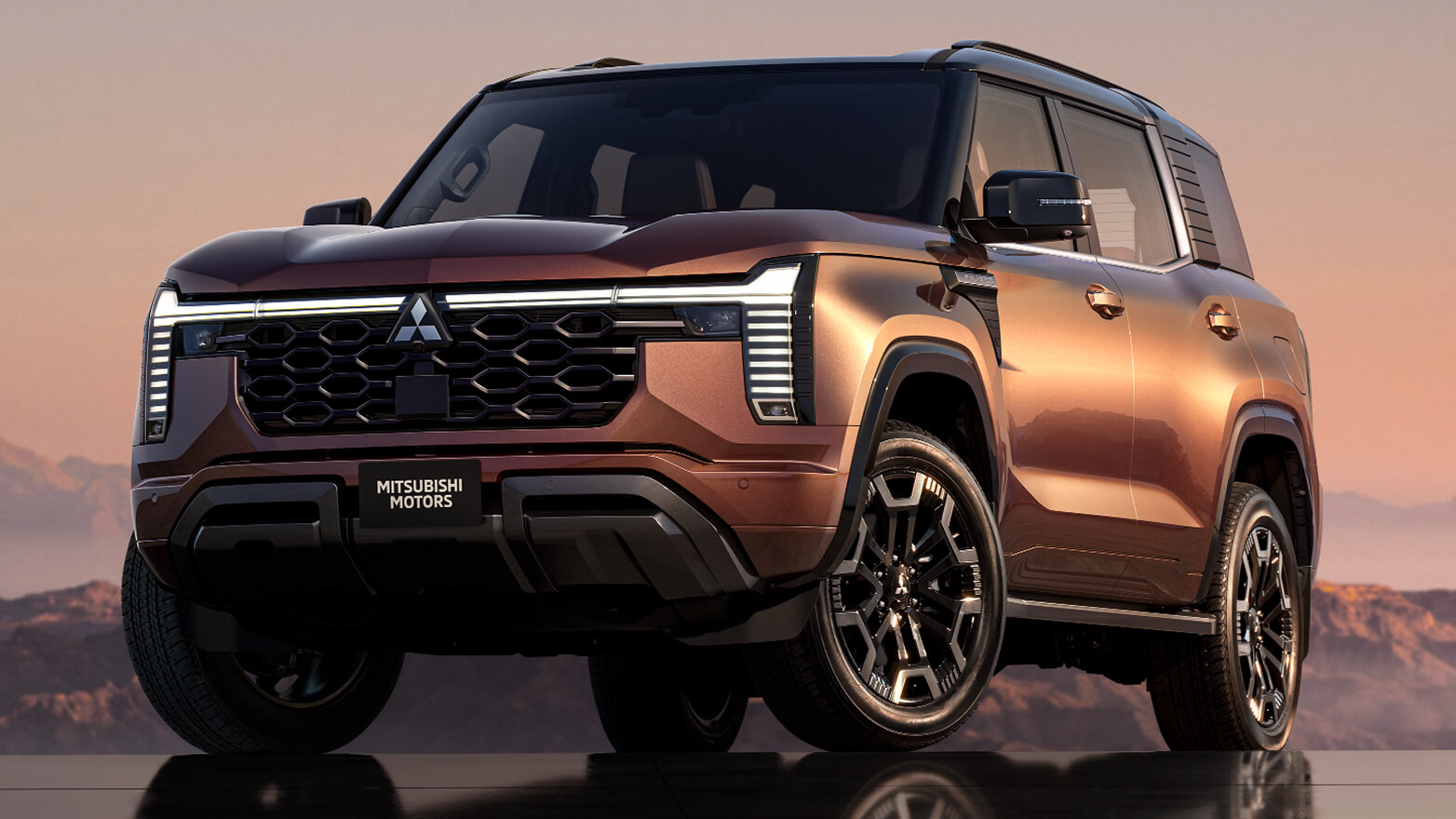
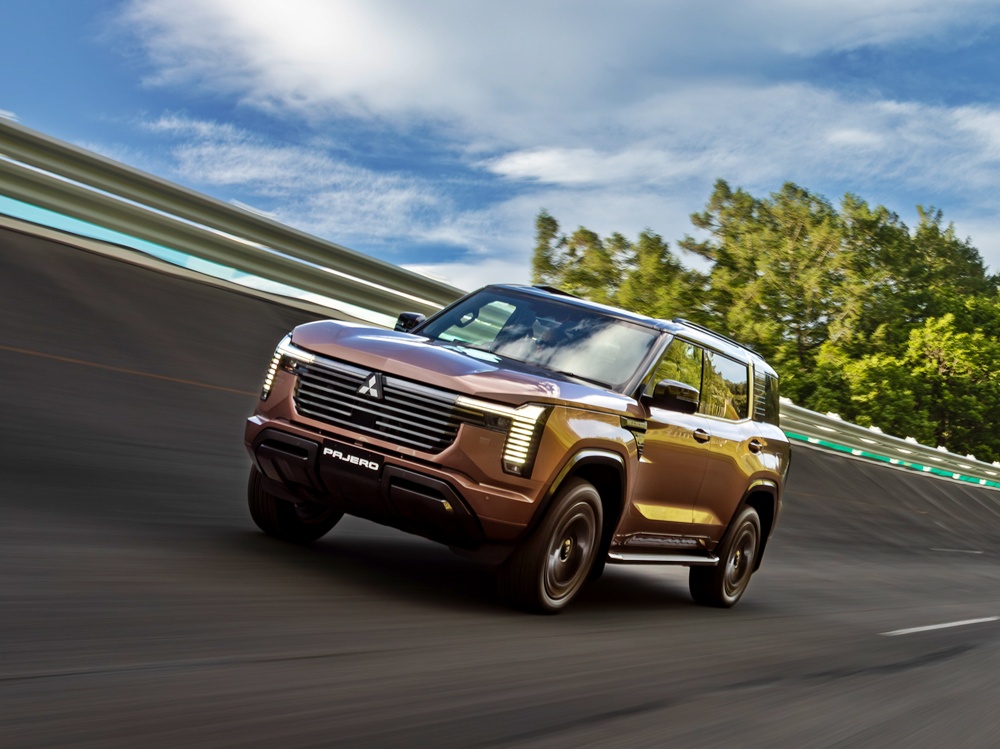
Familiar details reappear in updated form, including a C-pillar shape that references the roll-bar of the original model.
Ladder frame adapted from Triton’s
The chassis uses a ladder frame, like the original, which is adapted from the latest Triton platform. This saves on development cost as there isn’t a need to develop a brand new platform for the model.
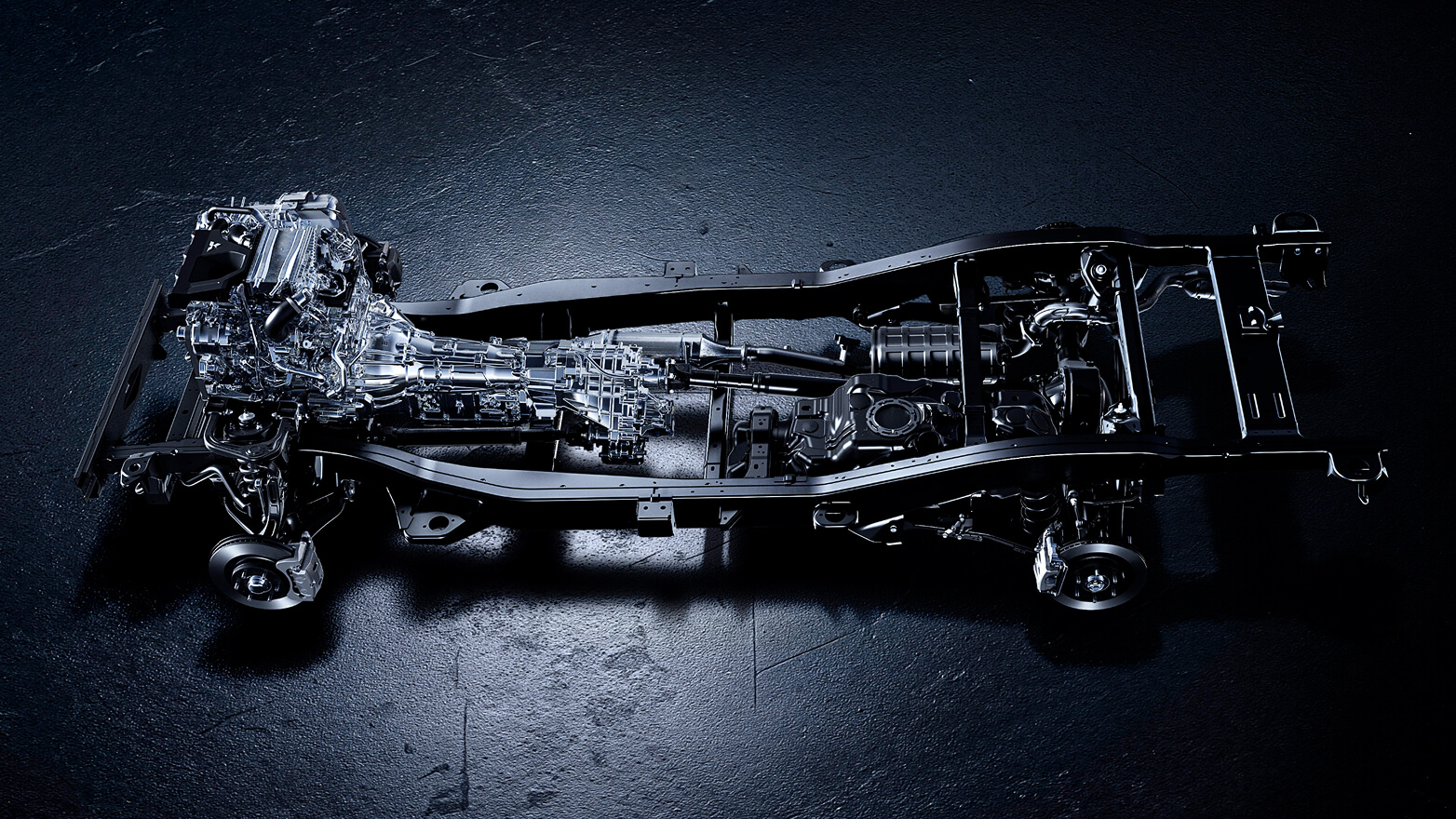
Platform-sharing is mainly in the front section of the ladder frame and the front floor which is similar to the current Triton. Everything else — side members, cross-bracing, rear frame section, and overall stiffness — has been redesigned or reinforced specifically for the new SUV. Front-to-rear weight distribution is shown as 52:48.
Front suspension is independent double-wishbone; the rear uses a newly developed 5-link rigid axle. Body mounts have been stiffened to reduce vibration on broken surfaces while preserving ride composure on paved roads. No doubt, the experience of developing vehicles for the Dakar Rally will also have been referred to by the engineers.
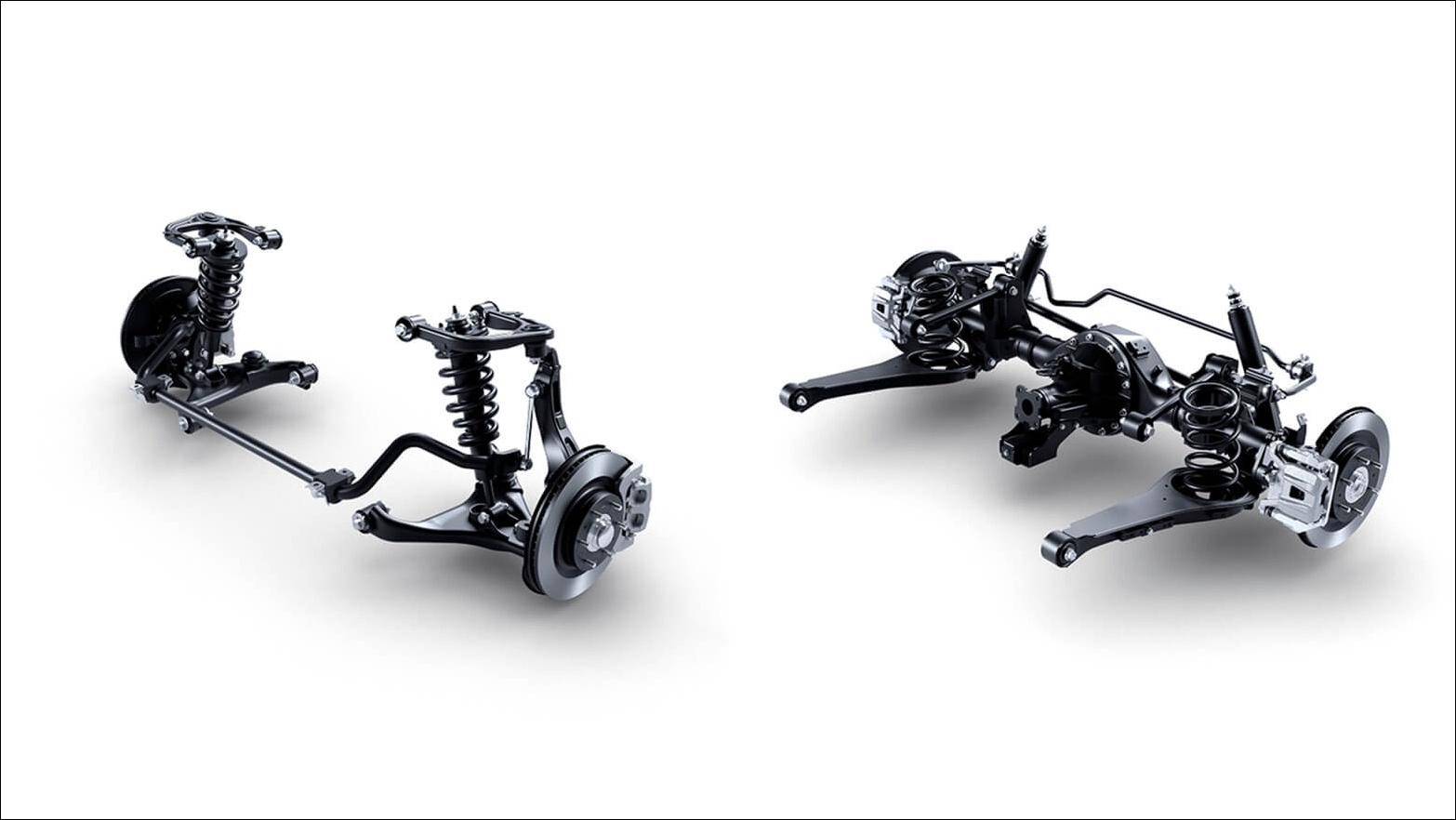
The wheelbase is shorter (2870 mm versus the Triton’s longer span), high-tensile steel content is increased, and the frame cross-sections are enlarged for greater torsional and bending rigidity.

Larger than before
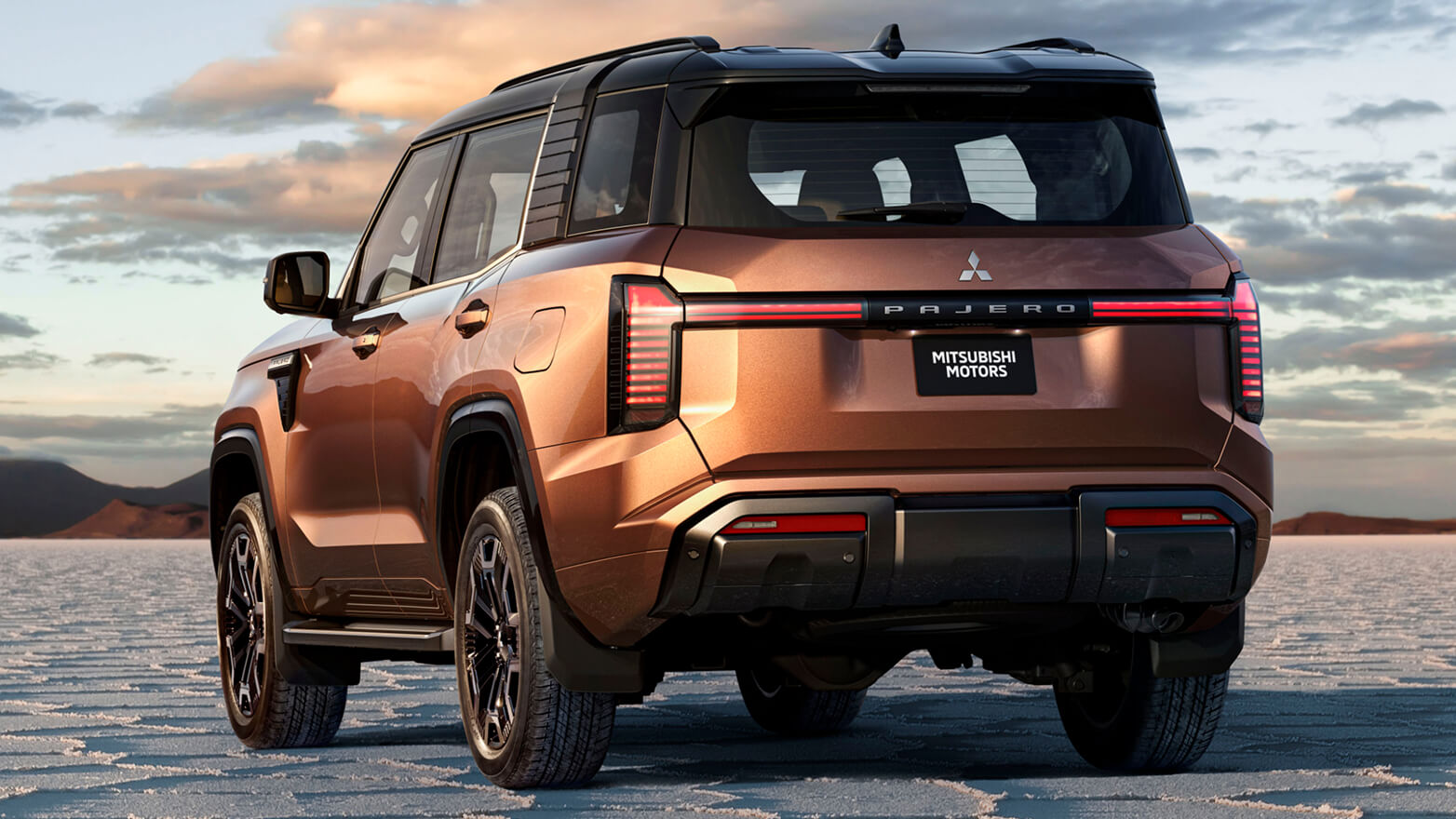
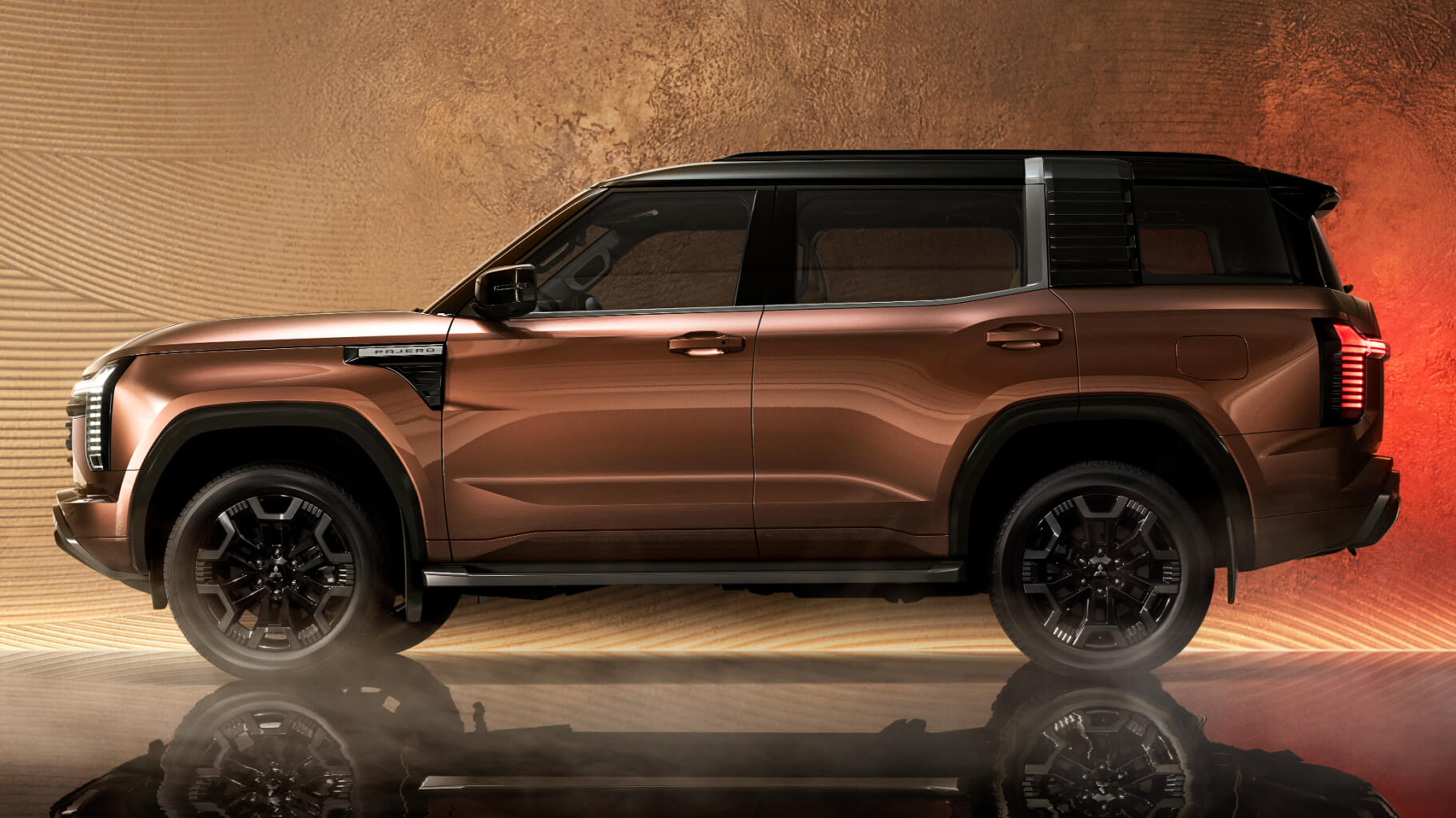
The overall dimensions of the new Pajero are a bit larger than the last generation and significantly larger than the first generation. It’s larger, wider, and longer than its 1980s predecessor while retaining a similar overall height profile. The earlier generations were also offered with a short wheelbase variant but the latest generation does not have one (for now).
Single powertrain (for now)
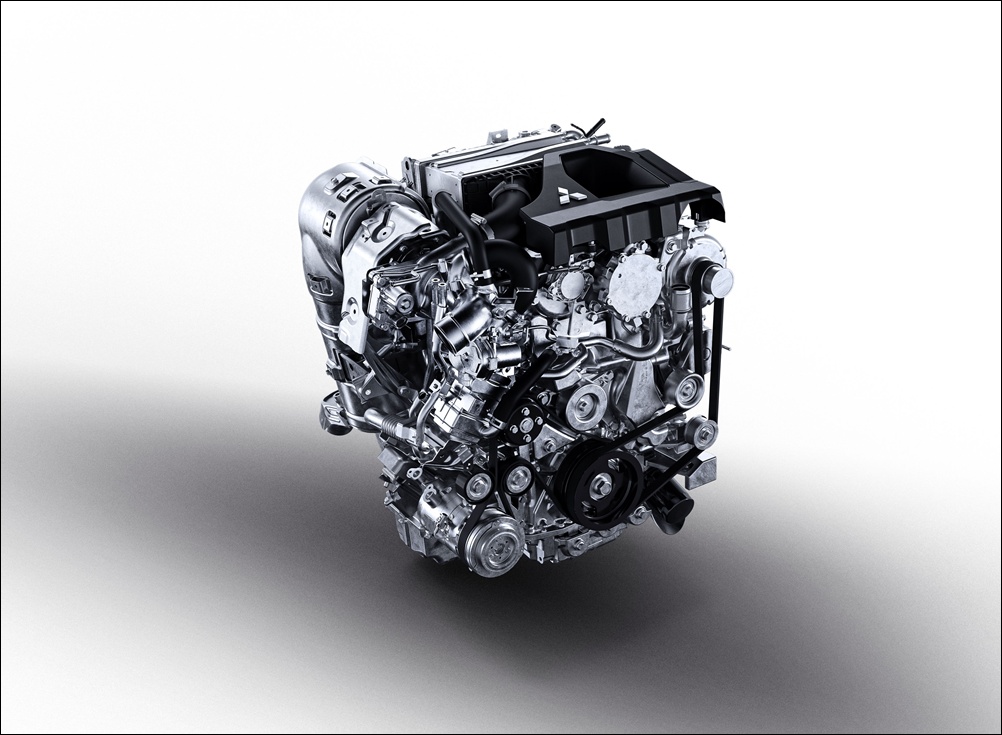
At launch, there’s a 2.4-litre clean-diesel engine with a single variable-geometry turbocharger produces around 205 ps and 470 – 480 Nm of torque. The powertrain is a specially developed version of the unit used in the current Triton, and tuned for strong, responsive acceleration from standstill through to higher speeds, combined with improved refinement and reduced noise. Drive is sent through and 8-speed automatic transmission and the proven Super Select 4WD-II system.
The Super Select 4WD-II system has High/Low and 4×2/4×4 models which are electronically selected. It is combined with Super All Wheel Control, which integrates Active Yaw Control, Active Stability and Traction Control and anti-lock braking.
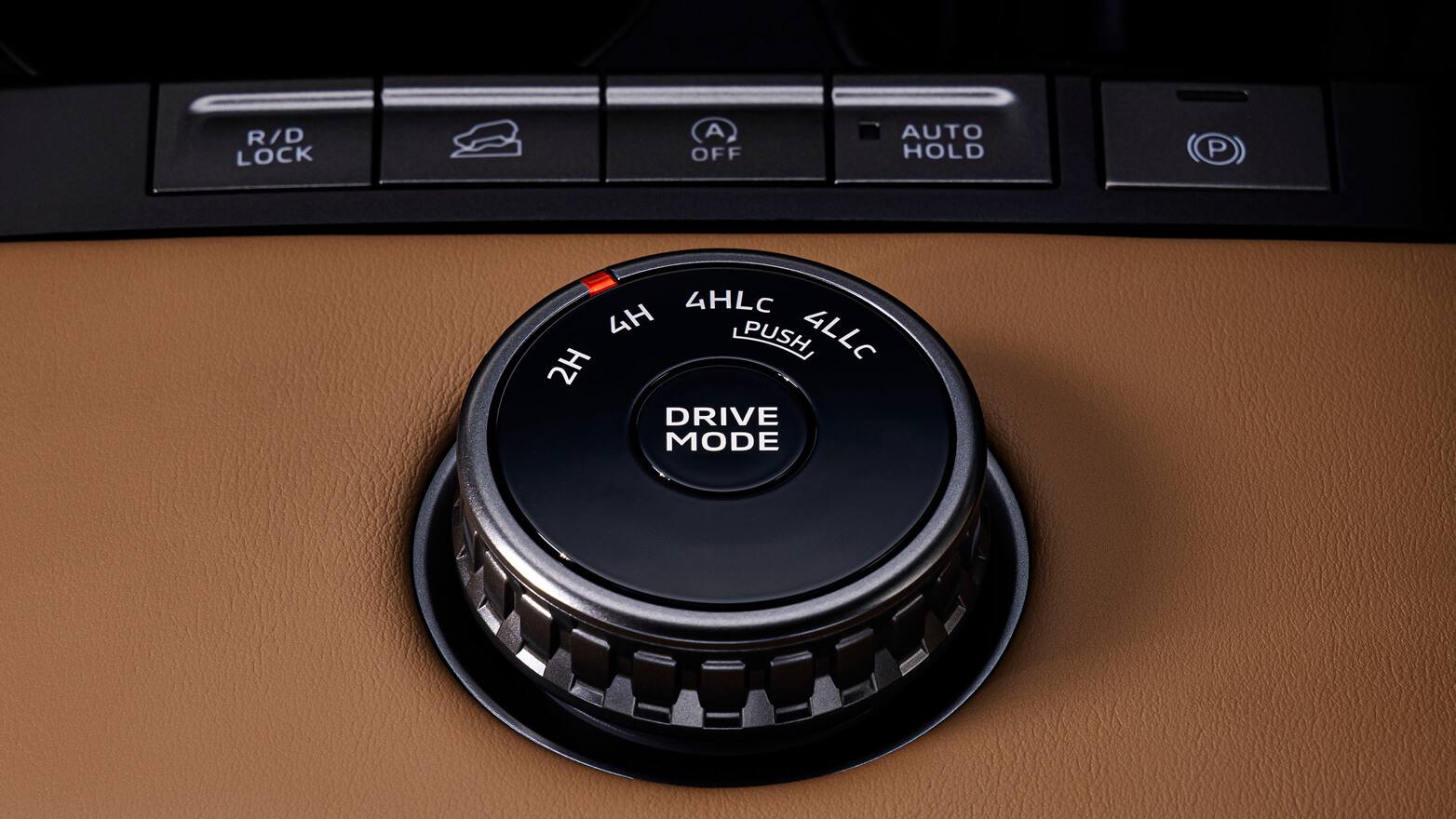
Normal, Eco, Gravel, Snow, Mud, Sand and Rock are available to optimise grip, stability and power output on different surfaces, electronically doing what drivers had to do manually in the first generation, and required experience in difficult conditions.
Additional powertrains have not been mentioned although the size of the Pajero would make it possible to install a hybrid electric powertrain and battery pack.
Inside the new Pajero
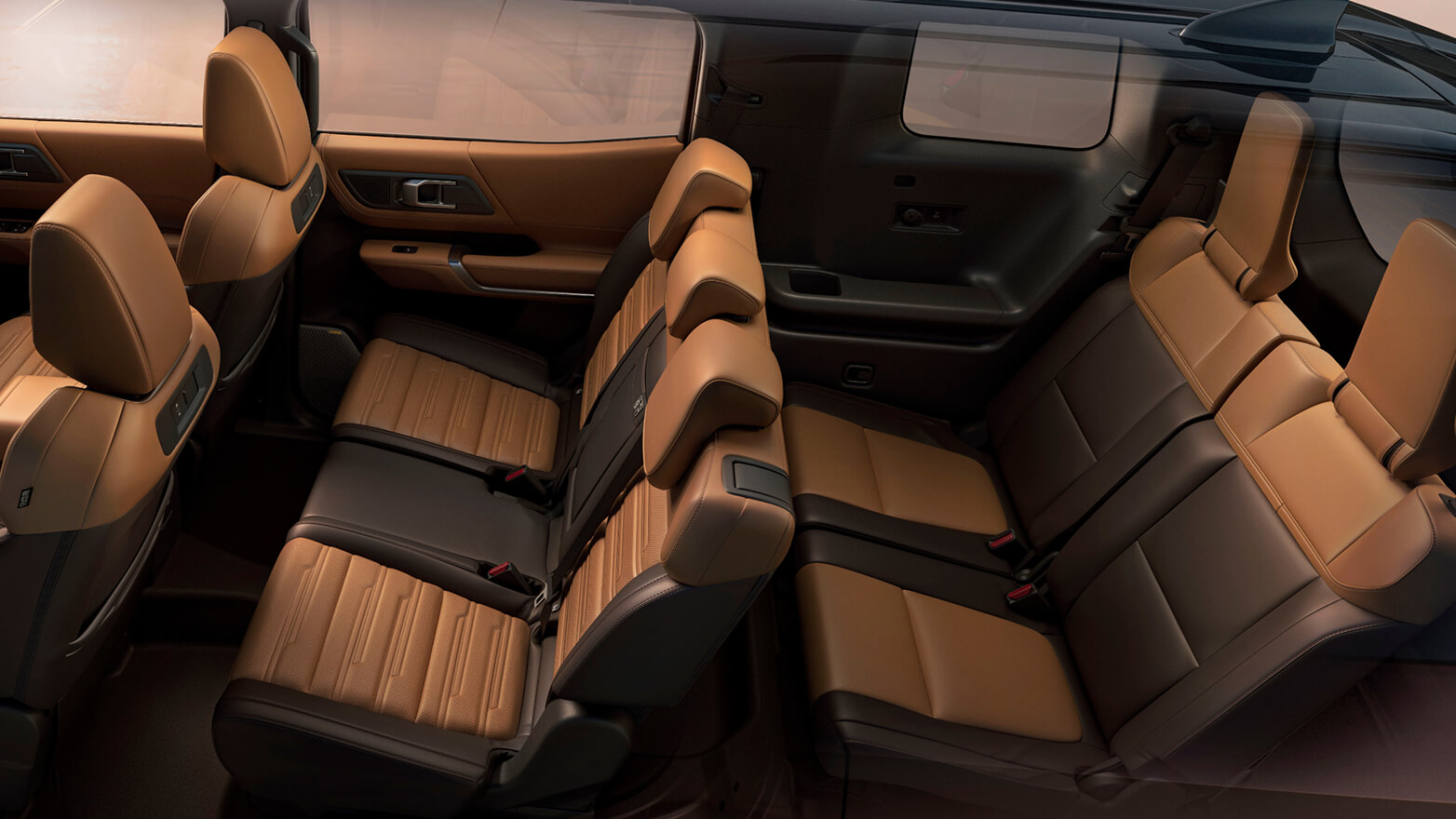
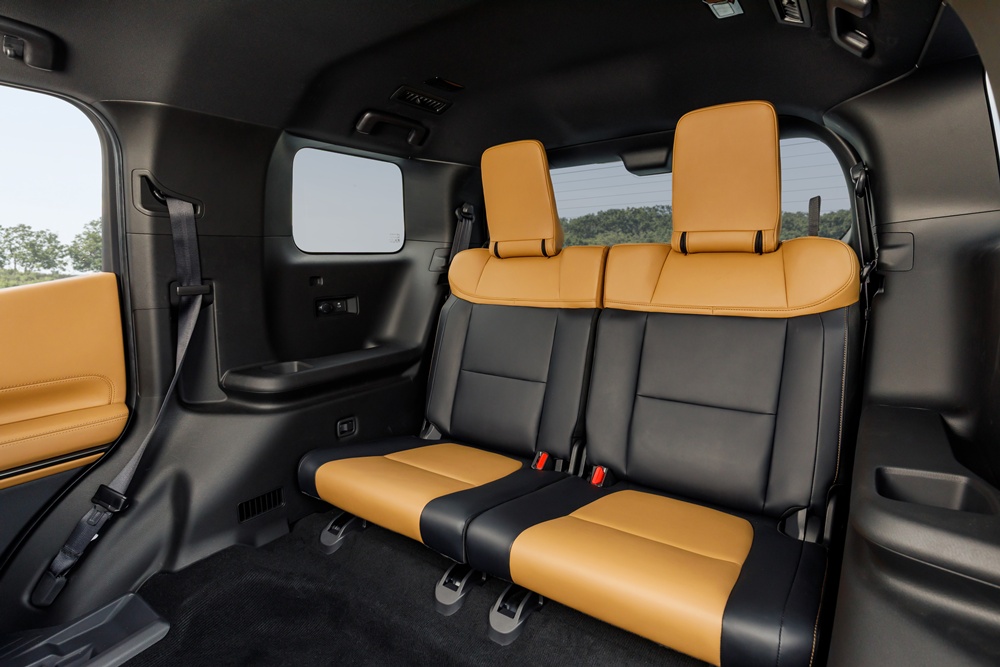
The 3-row/7-seat cabin places the driver higher for improved outward vision. Third-row headroom is sized for adult occupants, with footwells that allow toes to sit under the seats ahead. Acoustic glass is fitted to the windscreen and side windows, and additional sound-insulation measures are applied throughout the body.
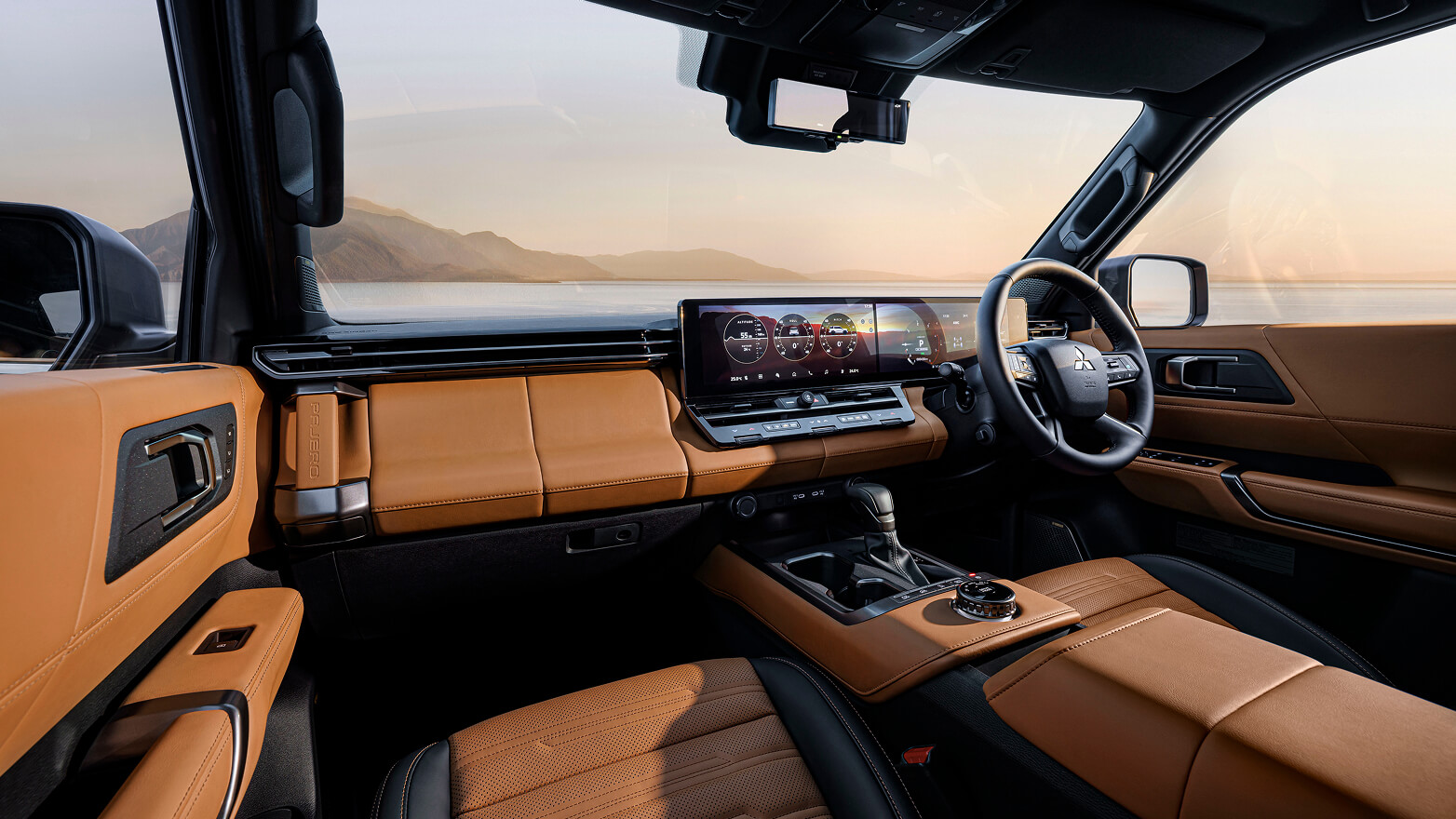
The horizontally-oriented instrument panel carries two 14.3-inch (or 12.3 inches, depending on the version). Soft-touch materials with stitching inspired by traditional Japanese kimekomi techniques cover the dashboard and door panels.
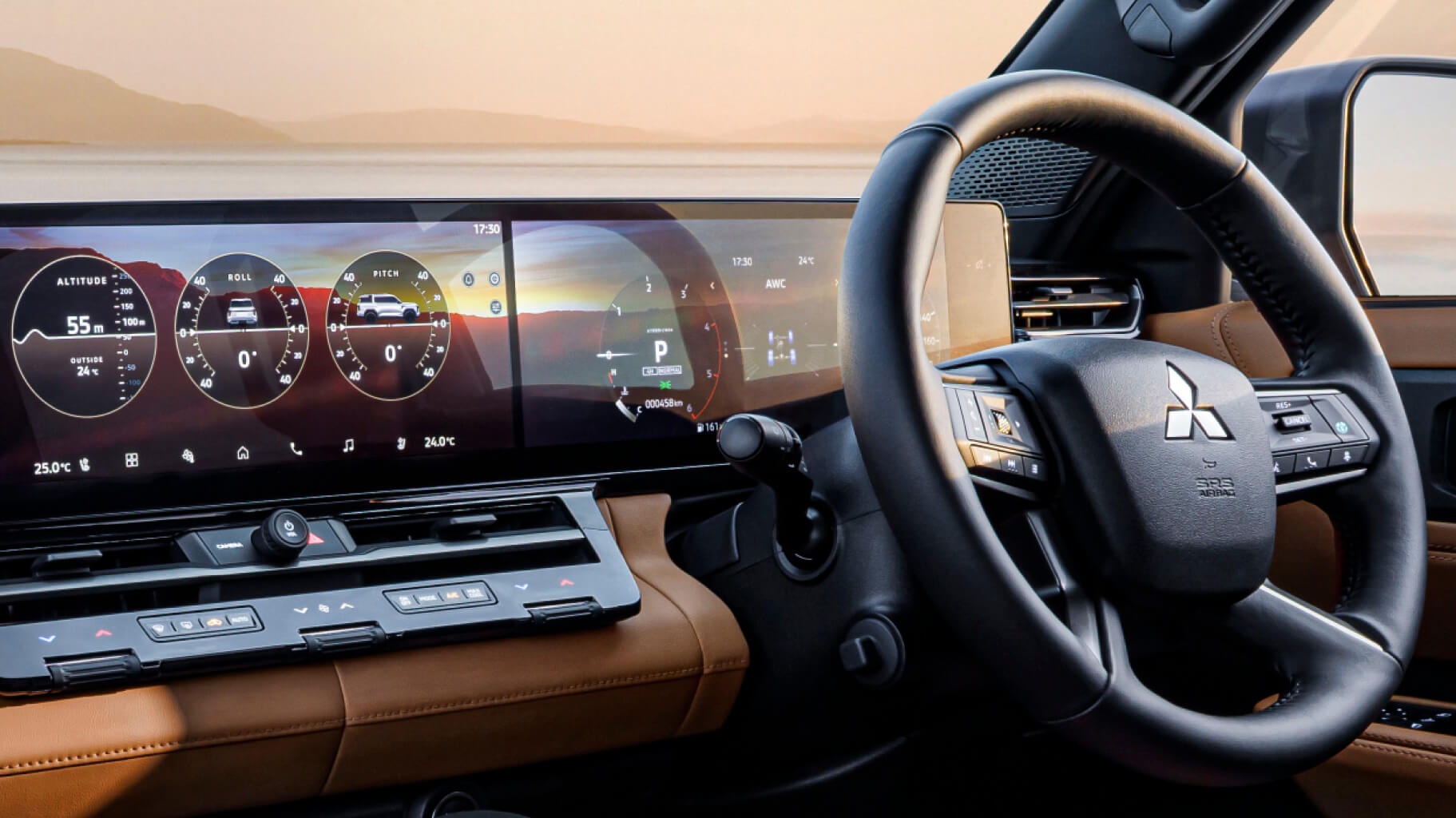
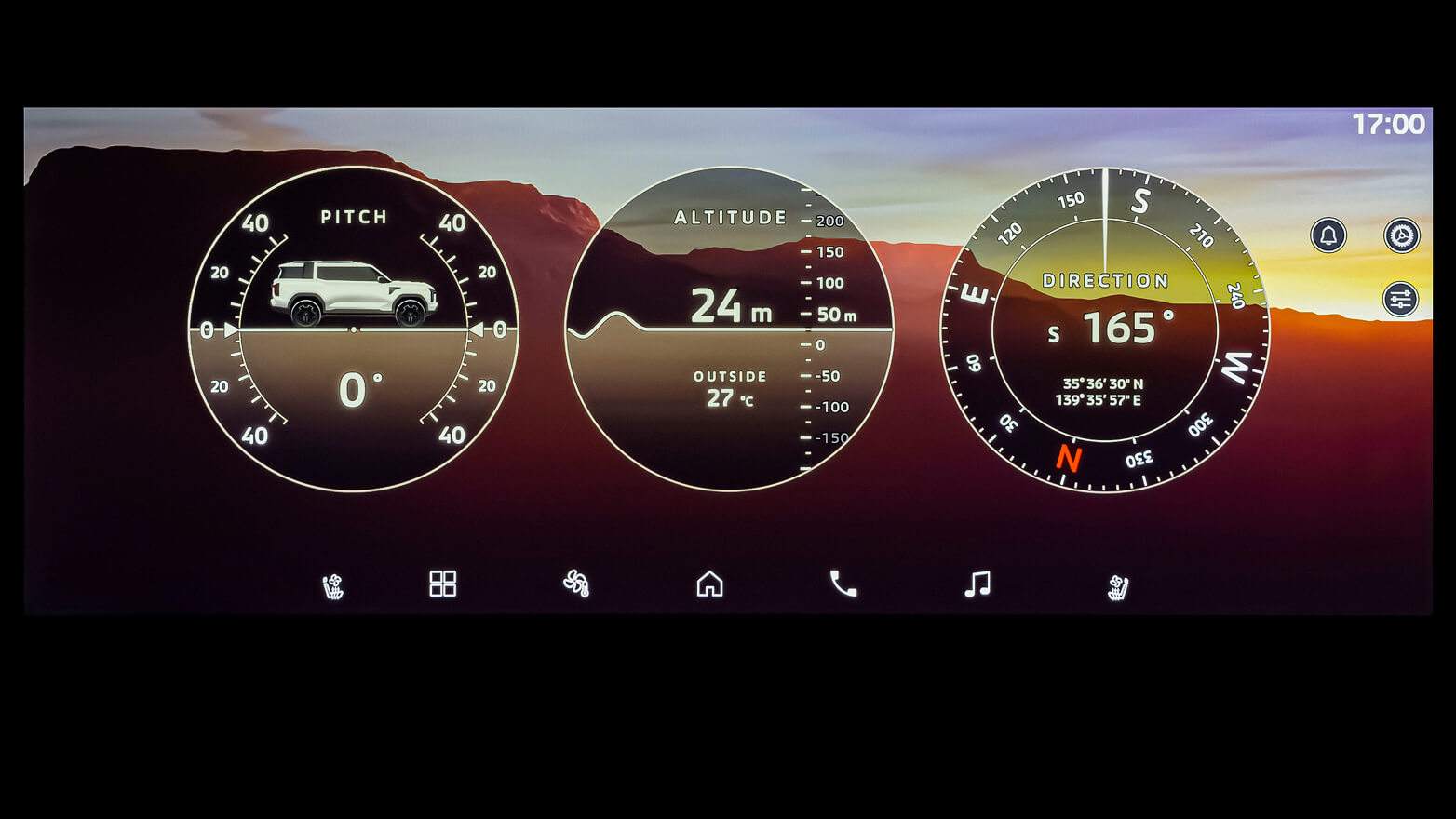
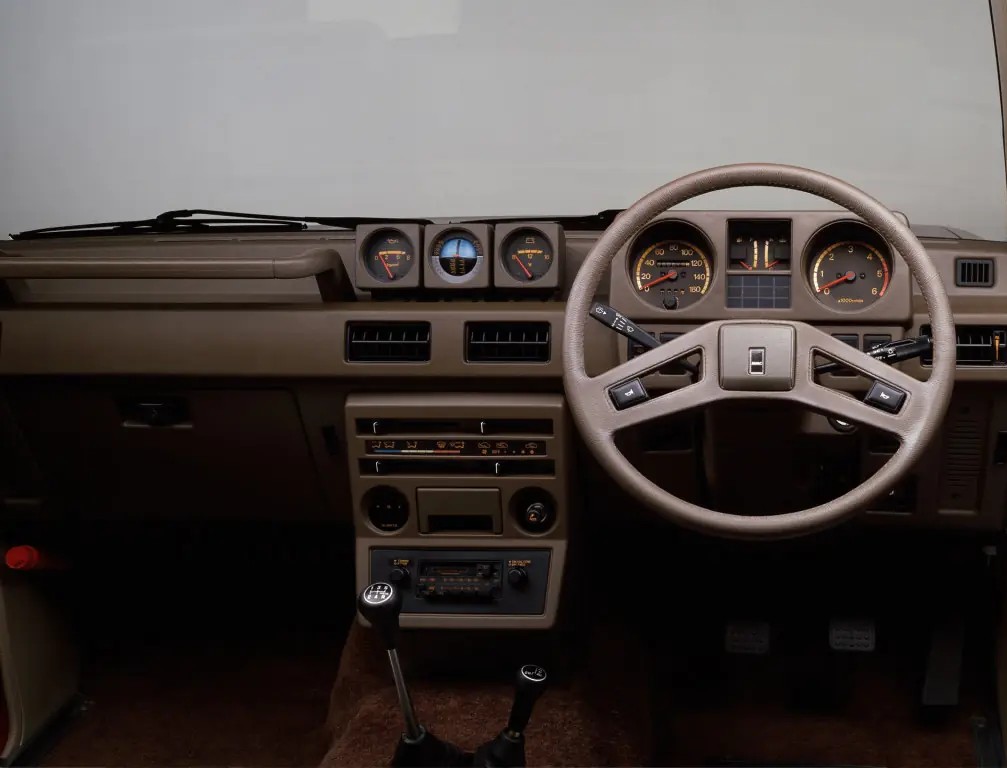
Infotainment includes wireless smartphone connectivity and a Multi-Meter display reminiscent of the original Pajero. However, where the original panel had analogue meters, the new Pajero has a digi-graphic display that shows altitude, compass heading, temperature, pitch and roll angles and also Active Yaw Control status.
A 3D Multi Around Monitor uses 4 cameras to generate real-time surrounding views, including an under-floor camera image that appears automatically in low-range or centre-differential-locked modes.
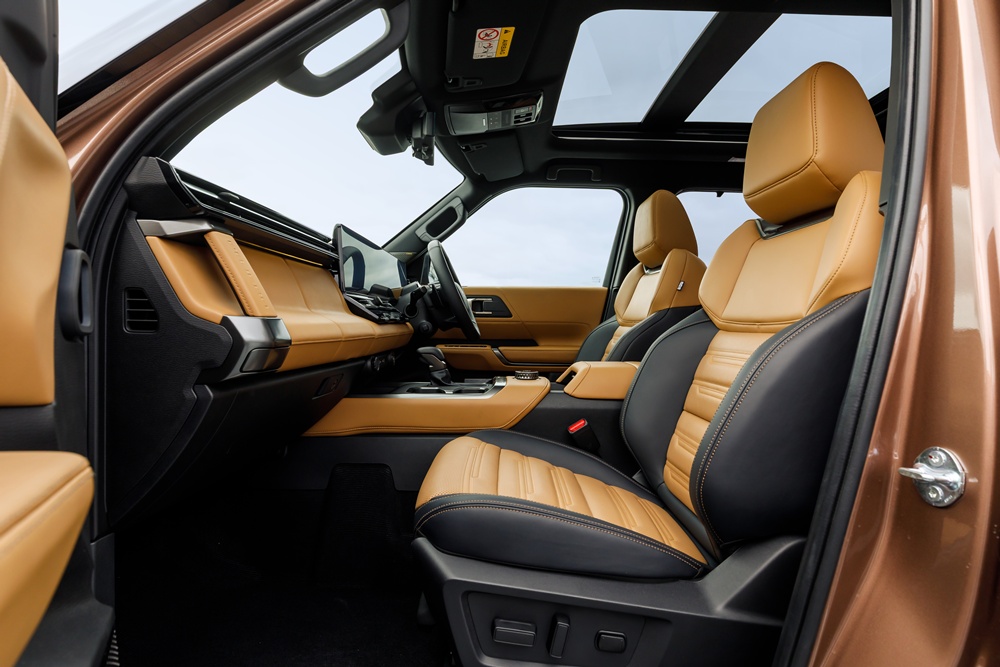
Connected services under the MITSUBISHI CONNECT banner allow remote climate control and vehicle-status checks via smartphone, together with an SOS call function. An optional Dynamic Sound Yamaha Ultimate system uses 12 speakers and dual amplifiers with automatic volume and equalisation adjustment based on vehicle speed.
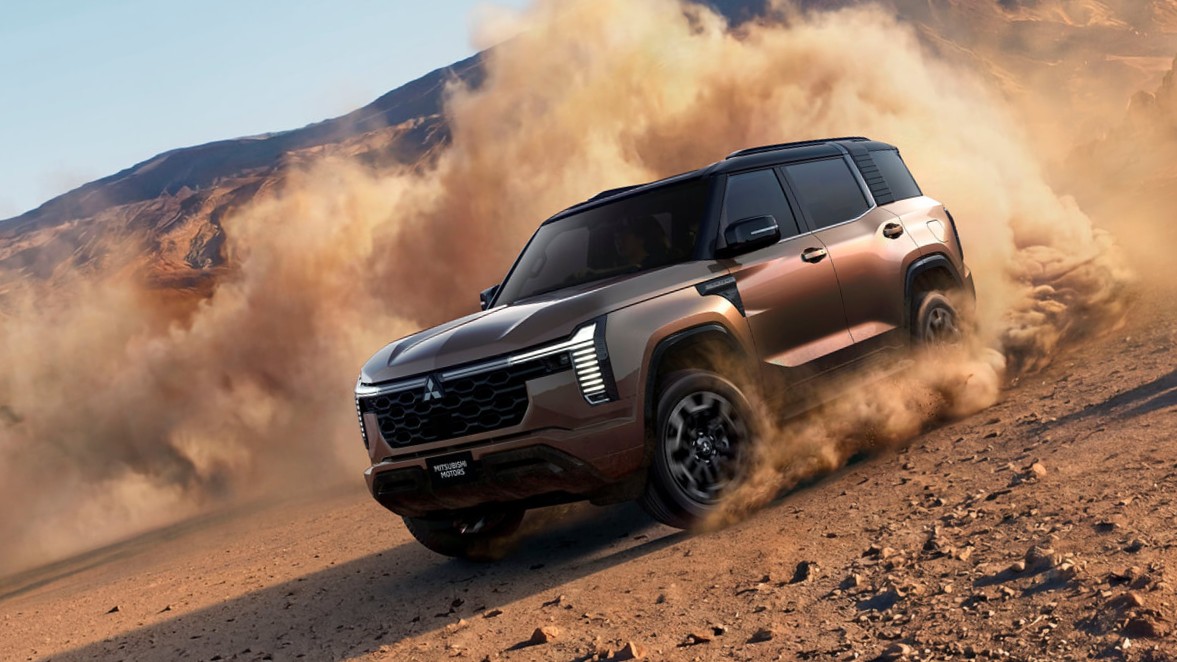
Produced in Thailand
Primary production will be the automaker’s factory in Thailand which is also the global production hub for the Triton. The model will be launched in Thailand, with Japan and Australia being early markets which will get it before output ramps up for exports to 100 markets worldwide.
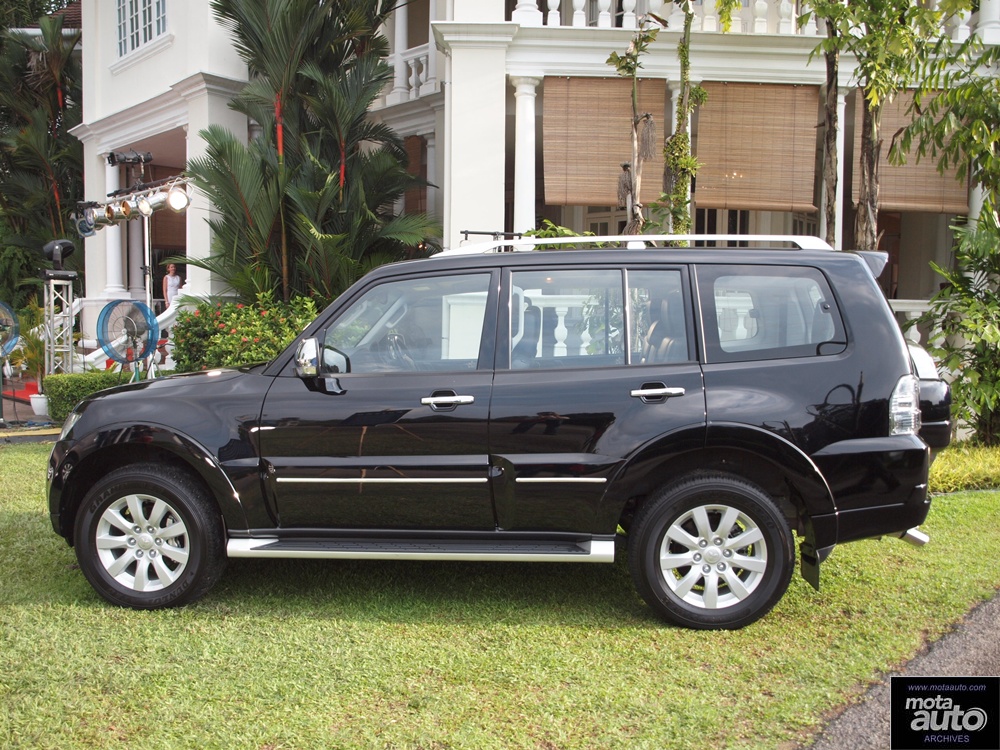
Mitsubishi Motors Malaysia has generally focussed on locally-assembled models which have competitive prices. With the wave of new SUVs from China which are in the RM400,000 bracket entering the market and attracting buyers, maybe MMM might consider importing a batch for sale, especially since it’s also made in ASEAN.