
Quick look:
- New MITI conditions for EVs imported in CBU (completely built-up) form set the minimum CIF price as RM200,000, which means they may retail at closer to RM300,000 after tax is added.
- The new development, which starts from July 1, 2026, means that less EV models will be on sale and at this time, only 6 are assembled locally and can sell below RM200,000. However, more are coming soon as other brands will also assemble locally.
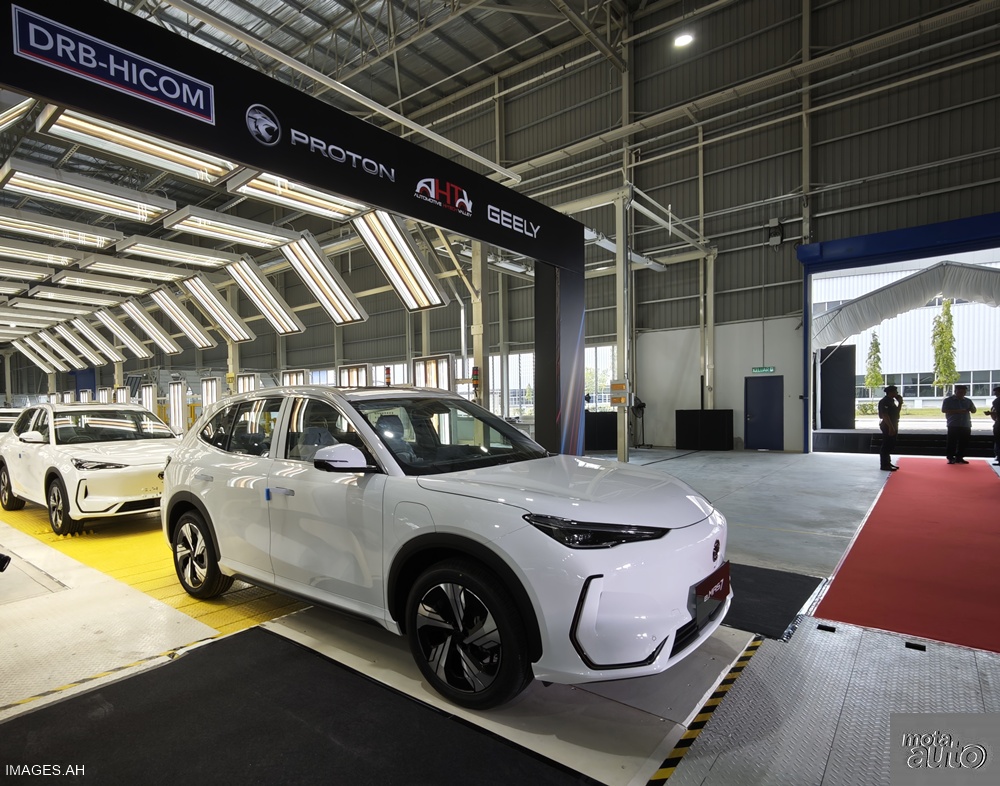
With effect from today (July 1), implementation of the new MITI conditions for fully electric vehicles imported in CBU (completely built-up) form begins. These conditions set a minimum price that cannot be less than RM200,000. That refers only to the CIF (cost, insurance and freight) so the actual retail prices will be much higher when import duties are included.
The new conditions also require imported EVs to have a minimum power output of 180 kilowatts (equivalent to 245 horsepower). That’s higher than the maximum output of a Proton e.MAS 7 so it’s pretty high up the market scale.
Preventing dumping and low quality EVs
The introduction of the new conditions, which come after the expiry of duty-exemption for EVs imported in CBU form at the end of 2025 (those which are assembled locally have the exemption till the end of 2027), are said to ensure that Malaysia does not become a dumping ground for low-quality EVs. While having affordable EVs is important to encourage Malaysians to switch, the government doesn’t want to have EVs that compromise safety and durability – which can be the case if they are very cheap.
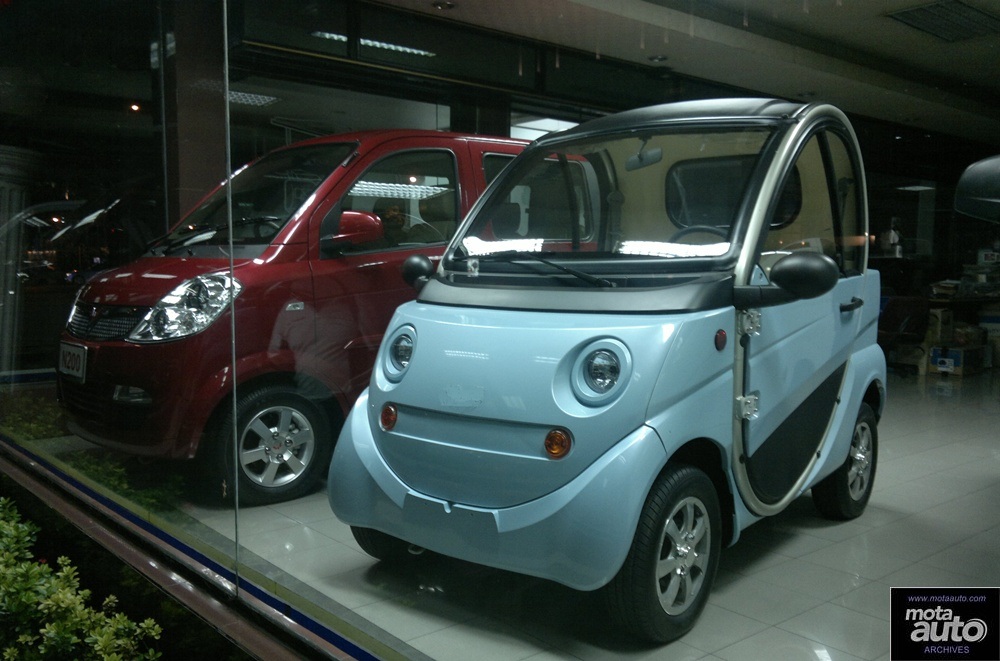
Even before this condition, MITI had set a condition that EVs could not be priced at less than RM100,000 and it was only when local assembly of some models started that EVs costing less than RM100,000 were permitted.
Ensuring domestic industry can grow
MITI has also said that a degree of protection is given to ensure that the domestic auto industry can grow by shielding it from foreign makers (especially those in China) who have a huge advantage of economies of scale that enable their production costs to be lower.
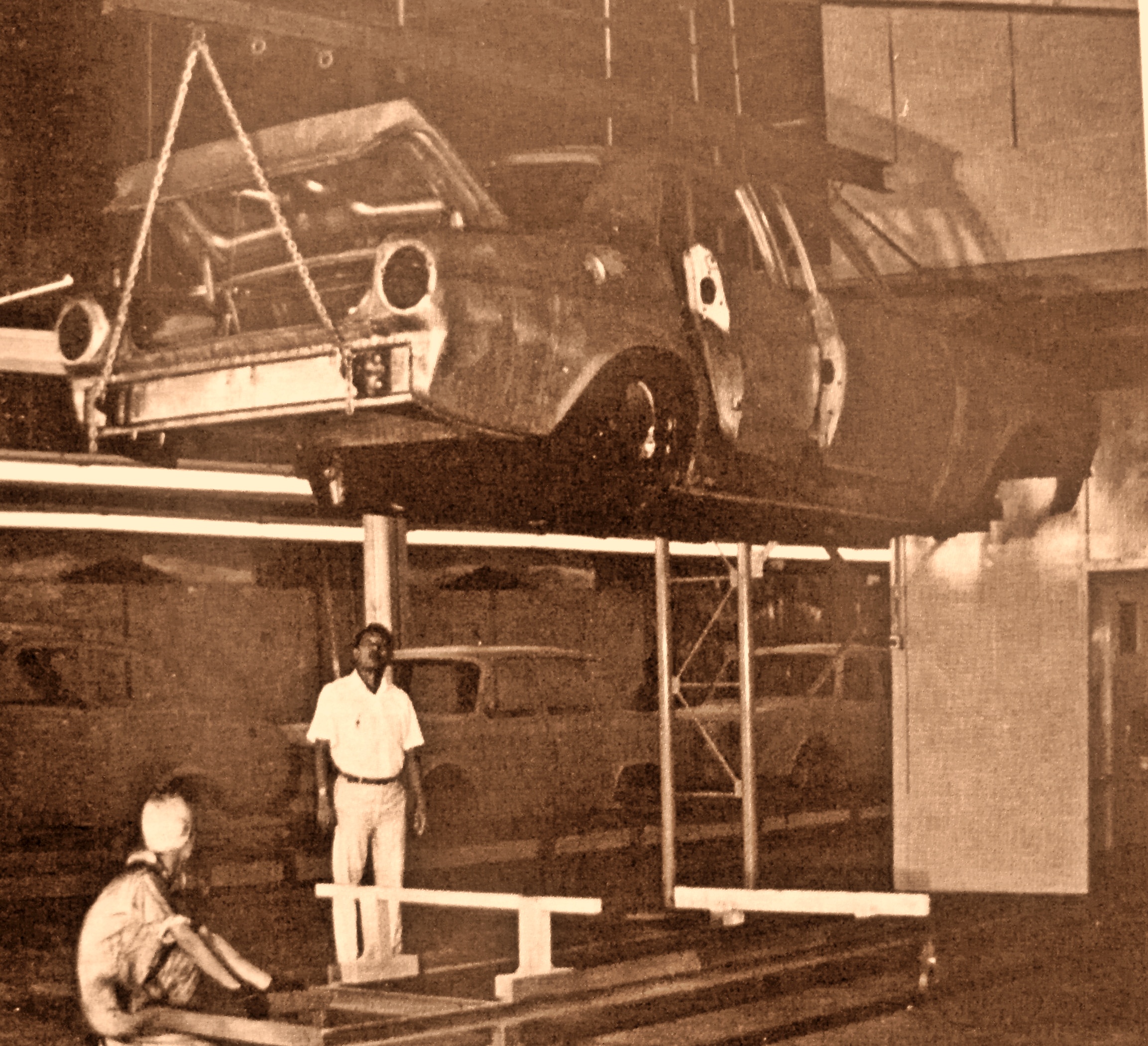
It’s the same approach that was taken when the Malaysian National Car project was initiated, except that the strategies being used are different. Back in 1985, Proton was given special tax exemptions that enabled it to lower its production costs and thereby sell its cars cheaper by a wide margin from other brands. The government could have simply locked out all other brands but that would have been an extreme move. So the compromise was to give the national brand tax exemptions and impose taxes on other brands so they could not sell as cheaply as Proton.
Young industry needs protection
Today, assembly of EVs has started locally so the government has to provide protection for this sector to grow. If the market remains too open and foreign brands that don’t assemble continue to sell at attractive prices, it will be hard for those that assemble locally to grow at a healthy pace.
And as we’ve seen, the Chinese brands have such huge margins to play with because their production costs are so low and they can still lower their prices if competition gets hotter. Even the long established brands with huge resources are finding it hard to fight the Chinese and one industry analyst suggests that the German automakers won’t be able to recover.
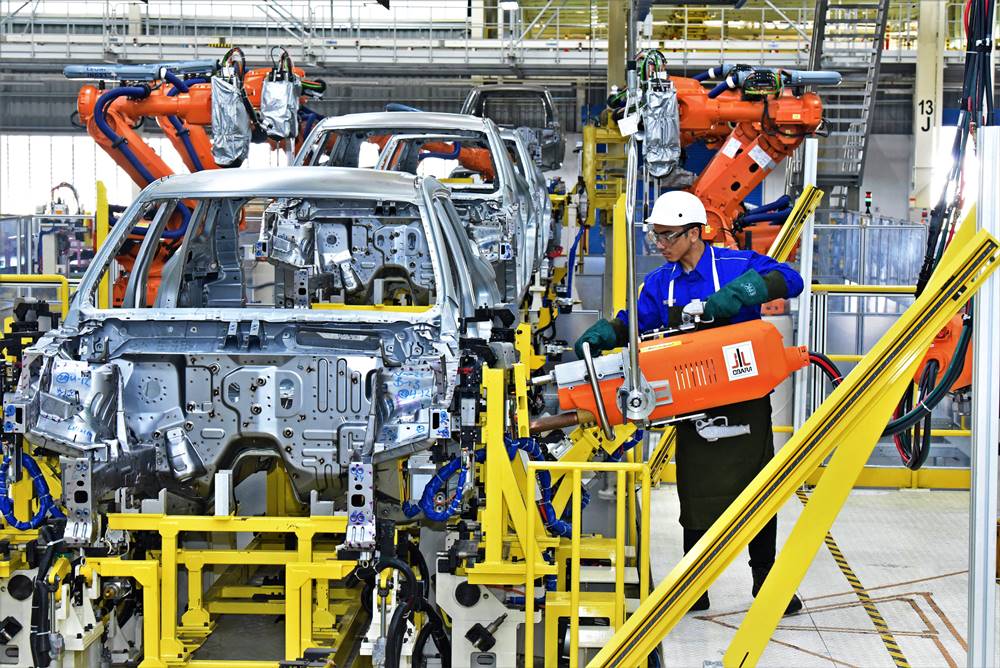
Critics often name Perodua and Proton as the beneficiaries of protectionist policies, and while that was true before, it is not only these two automakers today because the policies apply to anyone who assembles. That’s what the government has been encouraging foreign automakers to do, and in return, they get incentives which the two Malaysian brands also get. Of course, Perodua and Proton also get some extra benefits but largely because they have made the largest investments in the auto industry and also carry out most of their R&D locally.
Malaysia’s protectionist policies are not new (just evolved) and can be said to have started right from the time the government began its push for local assembly in the mid-1960s. Since then, there has always been a difference in the tax imposed on vehicles assembled locally, and those imported CBU.

Against WTO principles
Protectionist policies generally go against the principles of the World Trade Organisation (WTO), which Malaysia is a member of, that require non-discrimination, fair competition, and transparency in trade between countries. Thus the policies such as the AP policy and local content policy, and now the restriction of CBU EVs to over RM200,000 are against WTO principles.
But there are clauses in WTO rules which also allow member countries to introduce policies that are ‘defensive measures’ against imports to protect their domestic industries from unfair practices such as dumping and subsidies. And it’s not only Malaysia that has defensive policies as many other countries also do the same.
The choices are less – for now
Returning to the new regulations for CBU EVs from today onwards, the restriction obviously reduces the number of choices for consumers. Prices won’t rise right away as many companies have some stocks remaining and these can be sold at the pre-July 1 prices. It is understood that even EVs on the way here before the deadline can still be sold below RM200,000.
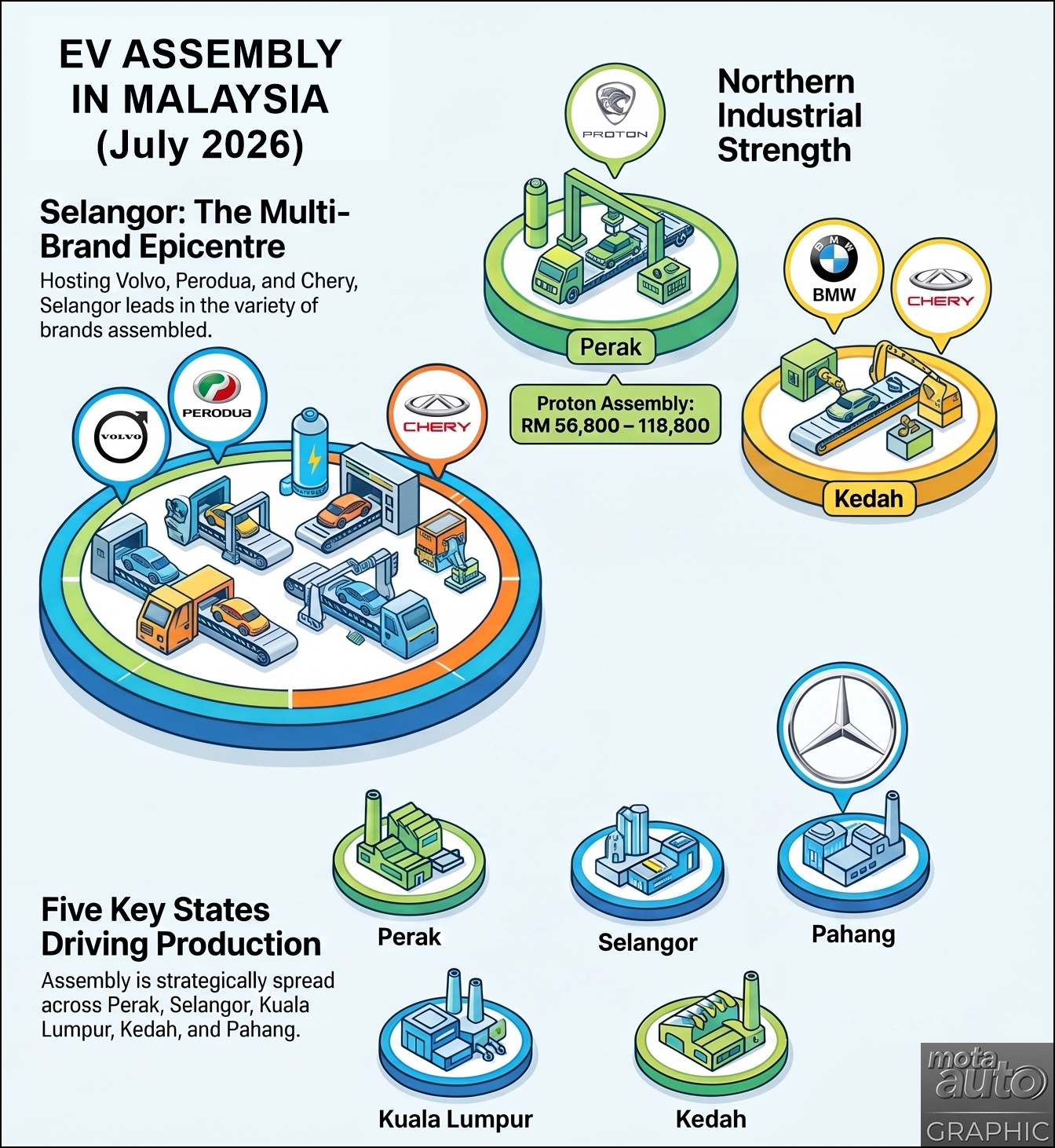
As mentioned earlier, the move by the government to end duty-exemption for all EVs but allow another two years for those assembled locally has persuaded some foreign automakers to assemble a few models here. So it is not like the new regulation removes affordable EVs for Malaysians – or forces them to buy only from Malaysian brands.
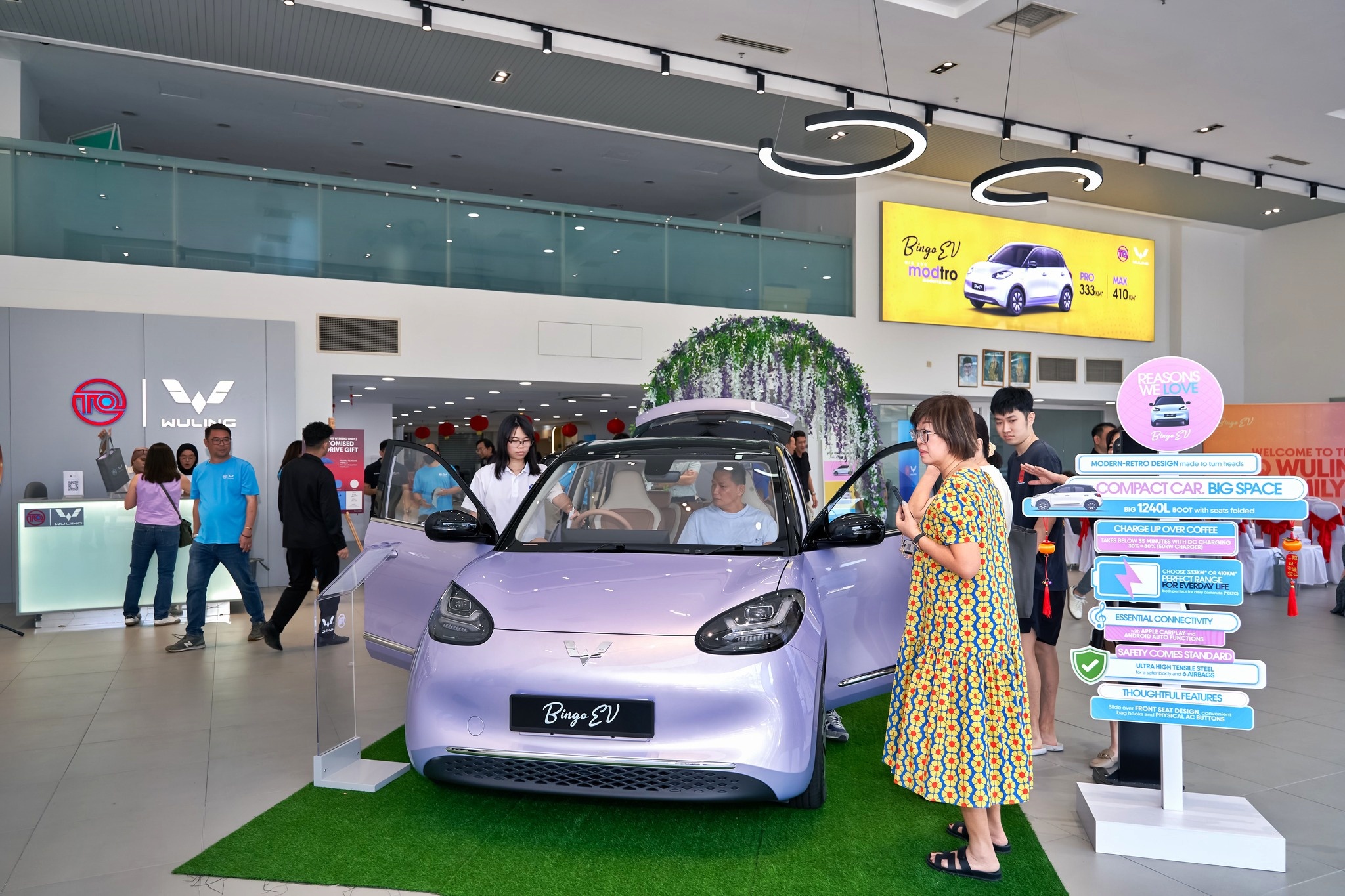
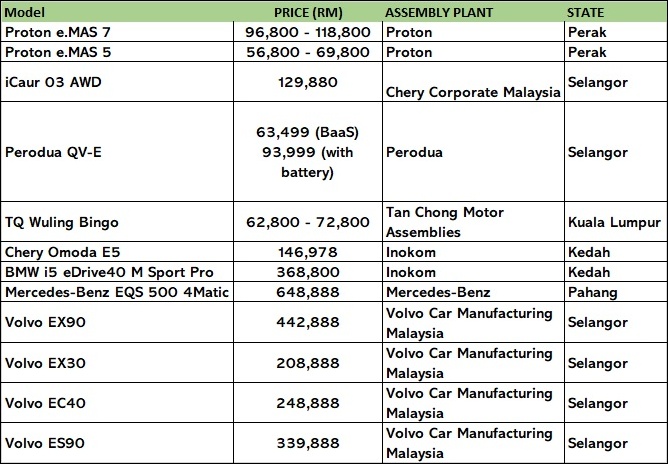
TQ Wuling, a joint venture between the Tan Chong Group and SAIC GM Wuling, have a model called the Bingo which sells from as low as RM62,800. Chery Malaysia also offers two models – the iCAUR 03 for RM128,880 and Chery OMODA E5 for RM146,978.
6 choices in premium luxury segment
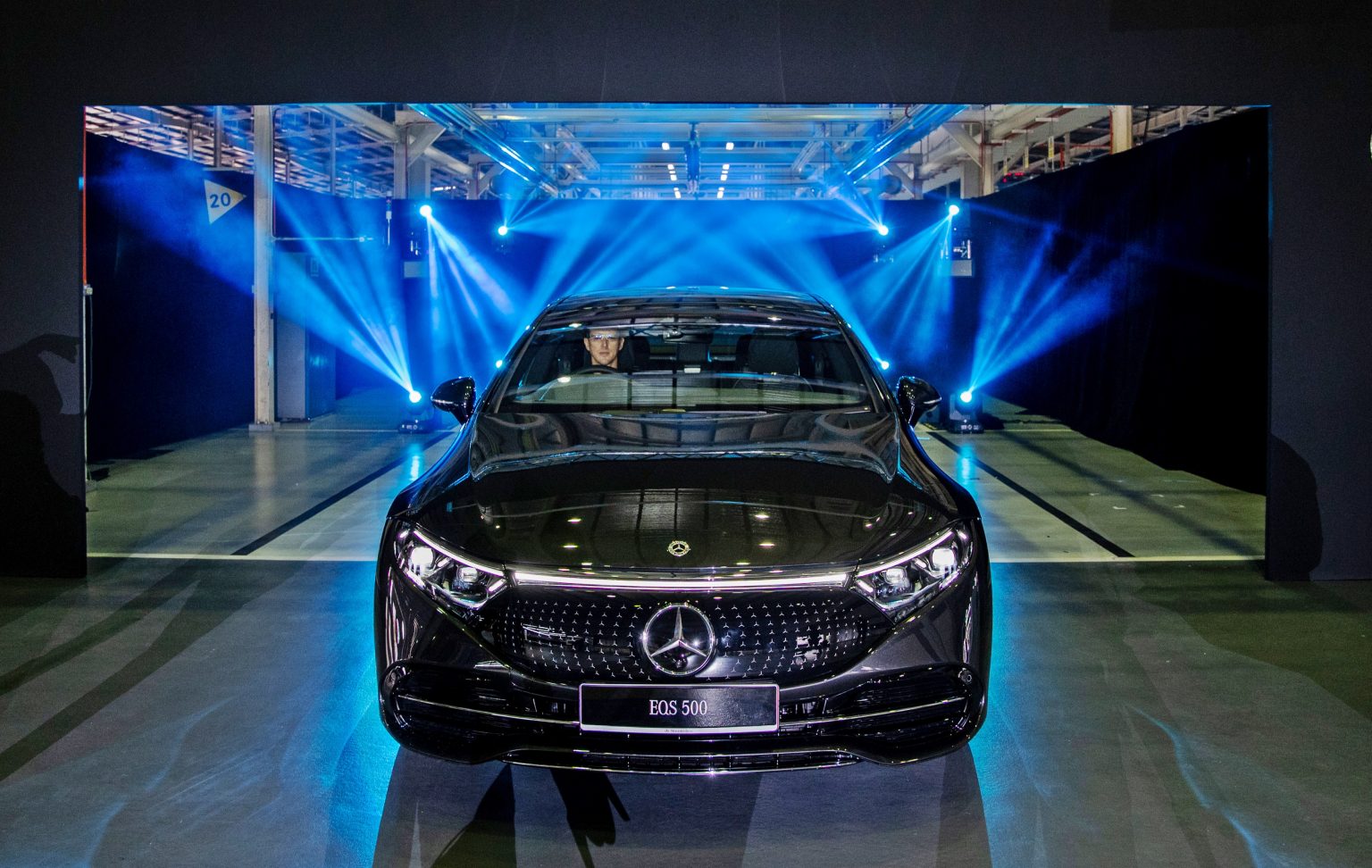
There are also locally-assembled EVs in the premium luxury segment though these are already well above RM200,000 anyway. Mercedes-Benz Malaysia was the first to assemble a luxury EV – the EQS 500 4Matic – which is priced from RM648,888 at its duty-exempted price.
More recently, BMW Group Malaysia also started selling the BMW i5 eDrive40 M Sport Pro which is assembled at Inokom and priced at RM368,800. Volvo’s entire EV range of four models is also assembled locally, at the oldest assembly plant in Malaysia in Shah Alam, Selangor.
And, of course, there are 3 models from the national brands – the e.MAS 5 and 7 from Proton and the QV-E from Perodua. The Perodua EV was launched with a new retail approach whereby the battery is leased, reducing the cost of the vehicle (and therefore loan and insurance calculations).
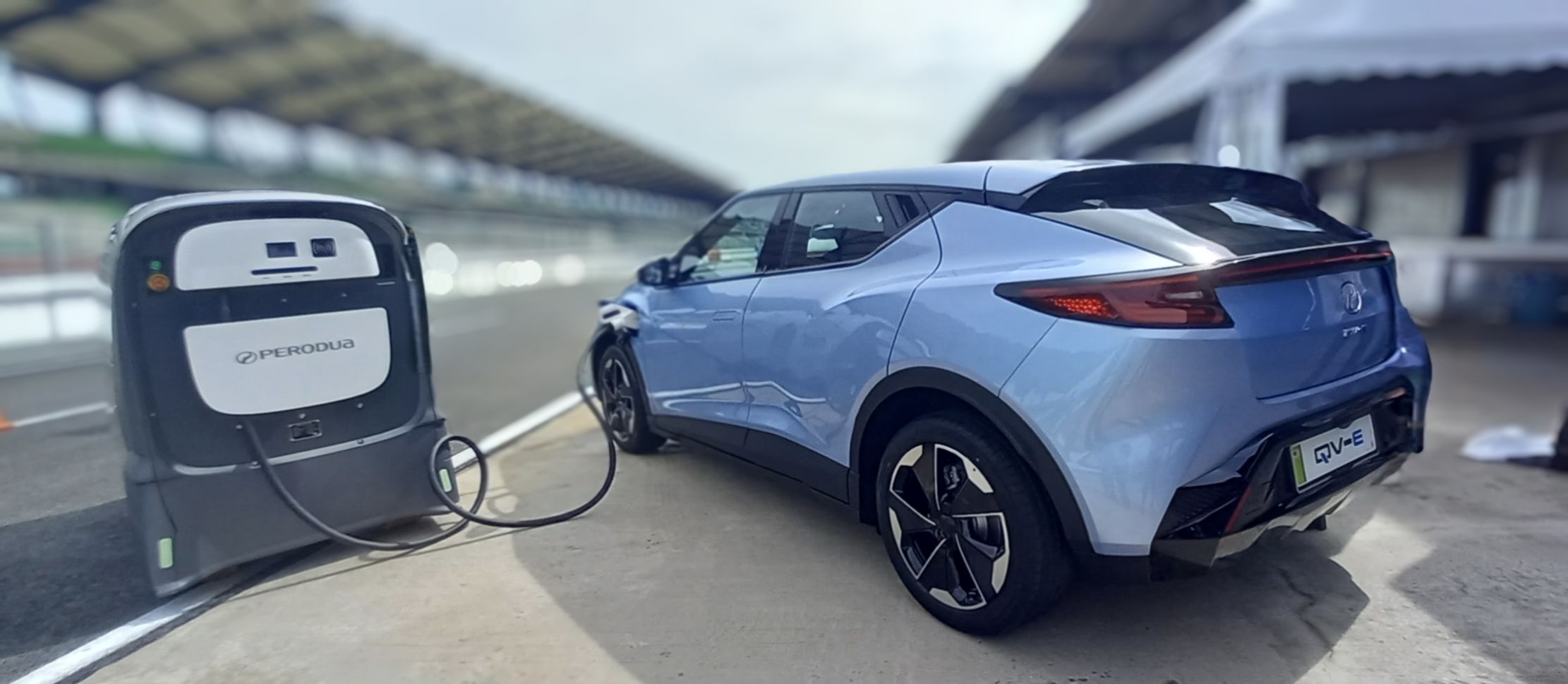
The controversial approach has since been reviewed and for those who prefer to buy their QV-E with the battery, the price will be RM93,999. Those who take the battery-leasing option pay RM63,499 (for a limited time) so it’s up to the buyer which one makes more sense.
More will be assembled locally
The number of choices will grow in time to come as other brands have also said they will assemble locally, and will therefore not be restricted on price level. Leapmotor will soon launch its EV assembled in Kedah and other brands include Zeekr, Dongfeng. LEPAS, OMODA | JAECOO and Xpeng. BYD, the world leader in BEVs, would not want to be locked out of the growing market completely and is known to be in discussions to have assembly under contract if it does not go ahead with building its own factory.
![Leapmotor C10 EV [2025]](https://www.motaauto.com/wp-content/uploads/2025/06/Leapmotor-C10-EV-2025-5.jpg)