
Quick look:
- Inokom began operations in 1997 assembling light commercial vehicles and today assembles passenger vehicles as well for 6 global brands.
- The production output is over 31,000 units and some vehicles are also exported to regional ASEAN markets.
Inokom Corporation, the manufacturing subsidiary of Sime Motors, continues to solidify its footprint in the regional automotive landscape, scaling its assembly operations with substantial volume growth over the first half of the decade.
Production volumes have increased markedly, climbing from 20,500 units in 2021 to over 31,800 units in 2025. Some of the output has also been exported to regional ASEAN markets; over the same 4-year period, more than 24,500 vehicles of various brands have been exported from Inokom.
Contract assembly for many brands
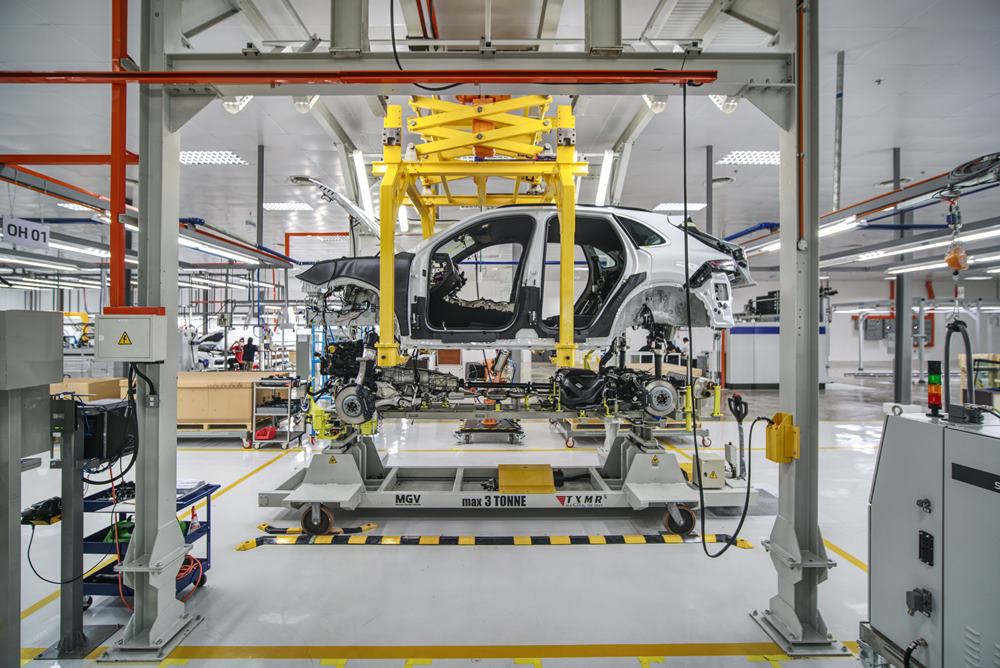
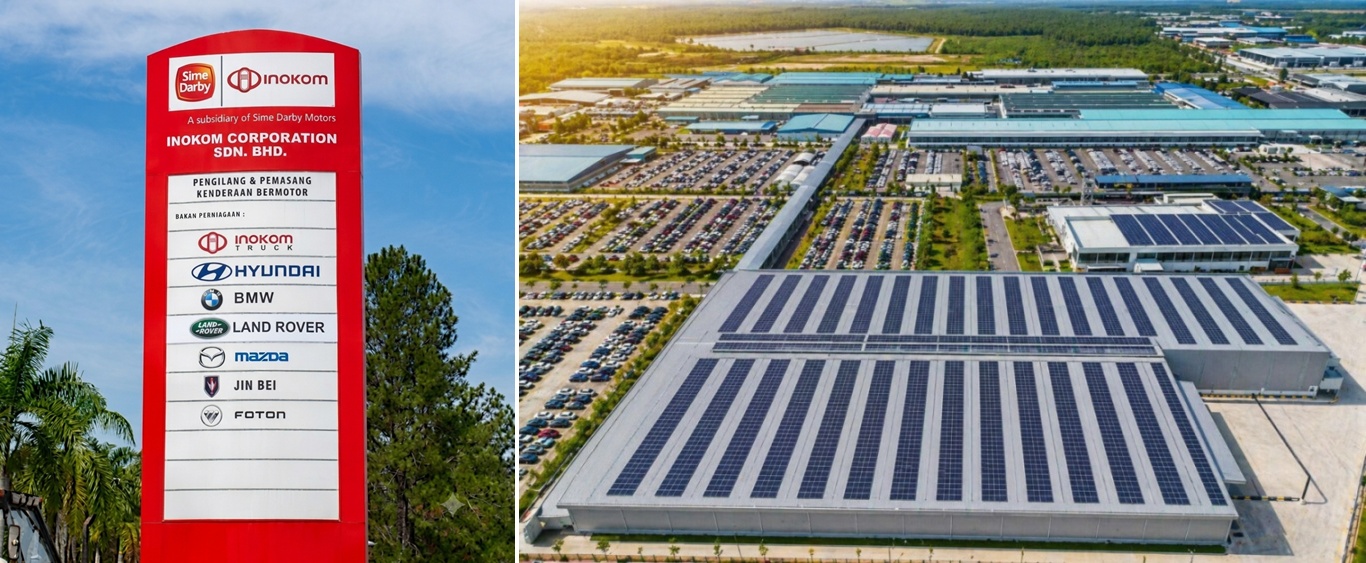
The facility in Kulim, Kedah operates on a multi-tenant layout, utilizing a localized quality management framework to handle different technical requirements for brands from Europe, Japan, South Korea and China. Over its history of more than 30 years, Inokom has been associated with many brands and today, it is contract assembler for passenger vehicles of 6 global brands – BMW, MINI, Porsche, Mazda, Hyundai and Chery. It is believed that there are also discussions with BYD to offer assembly services.
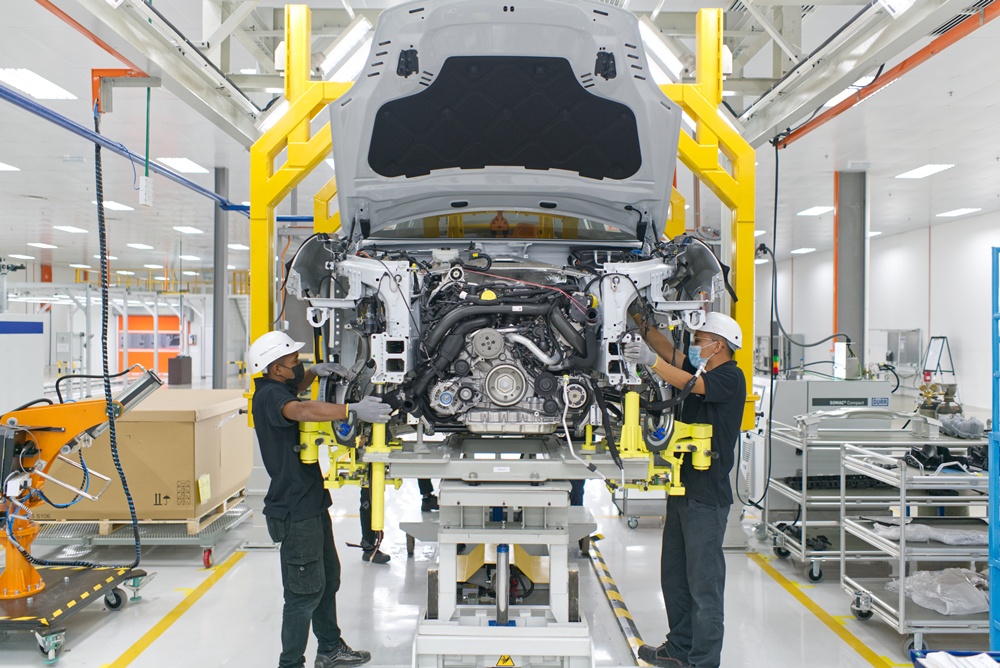
Of significance is assembly of the Porsche Cayenne which began in 2021. It is the first assembly site outside Germany for the sportscar manufacturer and assembles vehicles for the Malaysian market as well as Thailand.
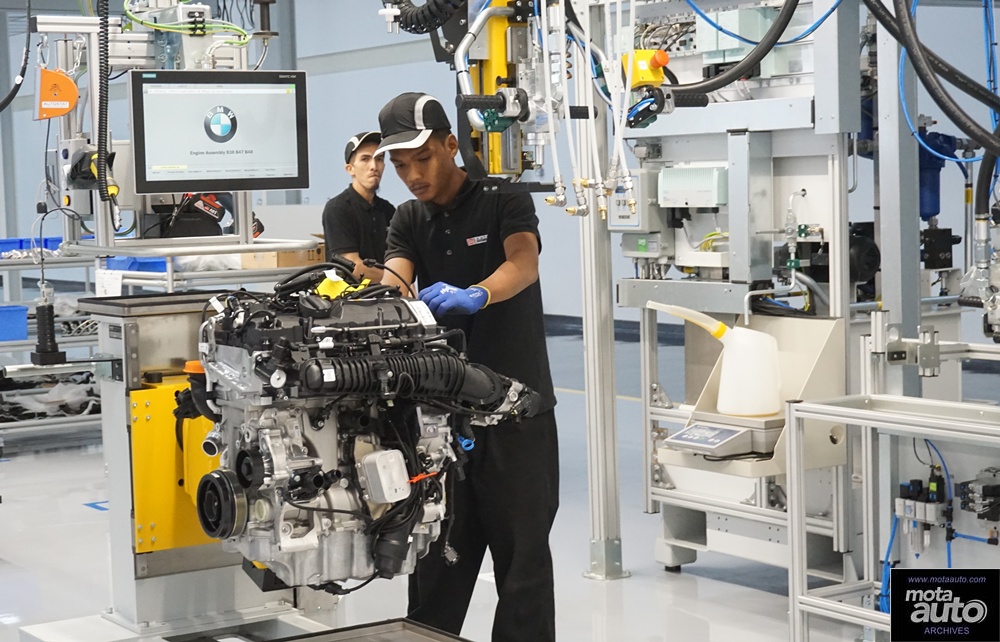
Its close association with the BMW Group also saw the establishment of Sime Darby Auto Engineering within the 200-acre Inokom complex to assemble engines for the German automaker. The facility began operations in 2018 and is the third-largest BMW engine assembly site globally.
In recent years, with the wave of Chinese brands entering the Malaysian market, Inokom was among the first local plants to contract assemble passenger vehicles for a Chinese brand. This was Chery, which currently assembles its SUVs (including a fully electric model) at the plant from 2023.
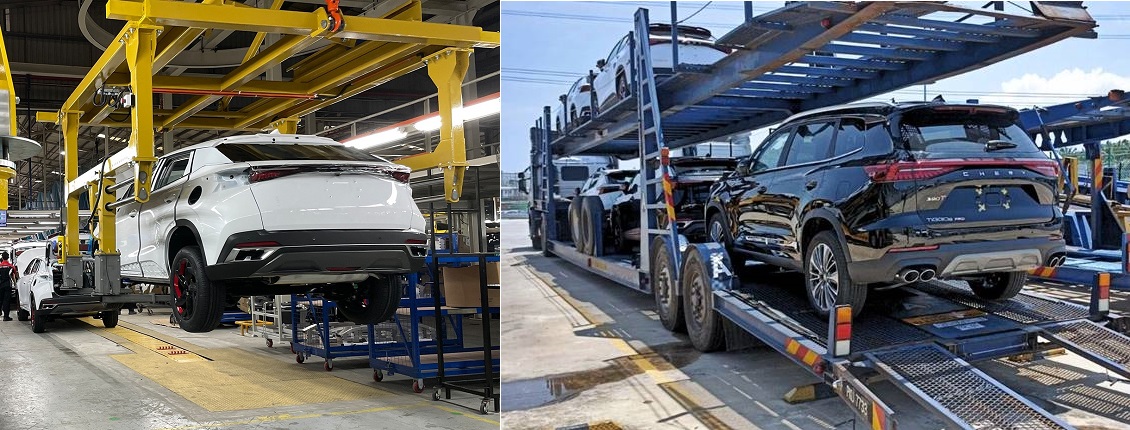
![Chery OMODA E5 EV line-off [November 2024]](https://www.motaauto.com/wp-content/uploads/2024/11/Chery-OMODA-E5-line-off-November-2024.jpg)
Besides the Chery EV, Inokom also assembles a fully electric model for BMW – the i5 eDrive40 M Sport – which is the first time a BMW EV model has been assembled within the Asia Pacific region.
Support for local ecosystem
Inokom has always strived to achieve broader integration with the local industrial ecosystem. The 100% Malaysian workforce now exceeds 2,700 technical and administrative employees, supported by ongoing training cycles in diagnostic programming, electrical systems, and quality compliance. The supply network draws components from 370 local vendors, including bumiputera enterprises, integrating local suppliers into global automotive supply chains in line with the government’s industrial development strategies.
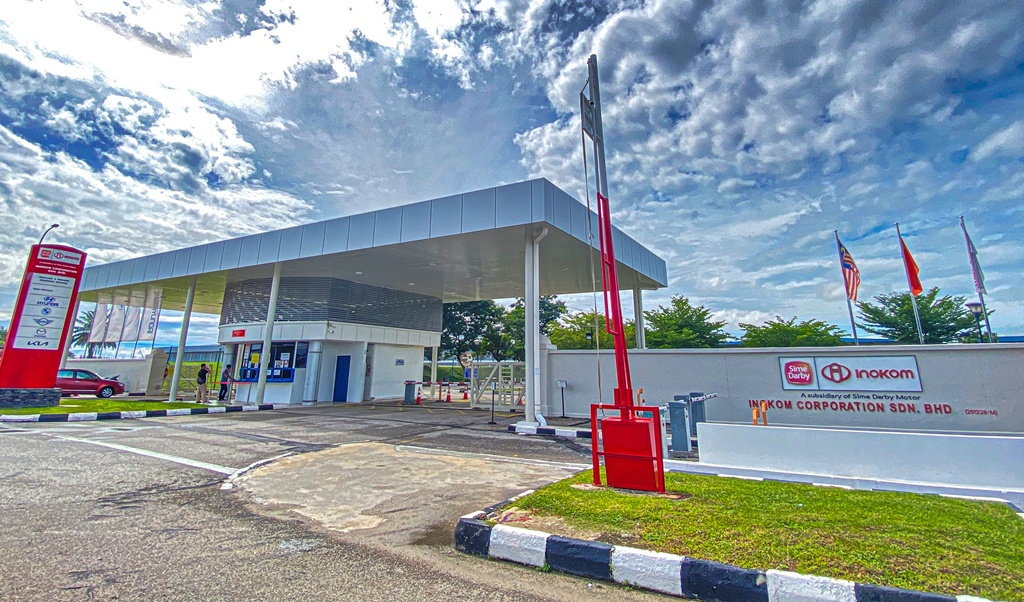
“Inokom is a testament to what Malaysian industry is capable of achieving. It continues to uphold the trust of world-leading automotive marques, and this speaks volumes about the depth of capability we have built here in Malaysia. This aligns closely with high-value, homegrown industrial strength that the national agenda strives to nurture and sustain, particularly in advancing high-value manufacturing built on Malaysian expertise and capabilities that are competitive on the global stage,” said Sime’s Group CEO, Dato’ Jeffri Salim Davidson.

History of Inokom
Inokom was incorporated in October 1993 with an authorized capital of RM500 million. At the time of establishment, its main Malaysian investors were the Berjaya Group, Pesumals (a Polis DiRaja Malaysia Cooperative subsidiary) and Hyumal Motor. Interestingly, Renault and Hyundai Motor also had small shareholdings of 15% each.
The factory, which was officially opened in November 1997, had an initial maximum capacity of 40,000 vehicles a year on a 2-shift basis, with a workforce of around 800. Its early focus was on developing light commercial vehicles (GVW of 5 tons and less) with engine displacements of 2 litres and above.
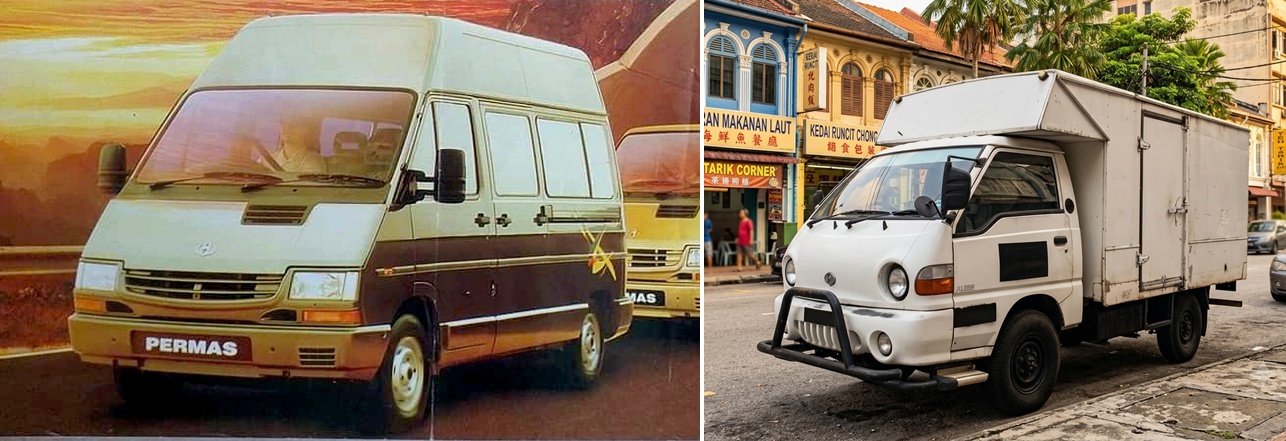
The first models the plant adapted were the Renault Trafic – which was sold as an Inokom Permas (from 1998) – and a light truck model from Hyundai called the Porter, which was sold as the Inokom Lorimas (from 2000).
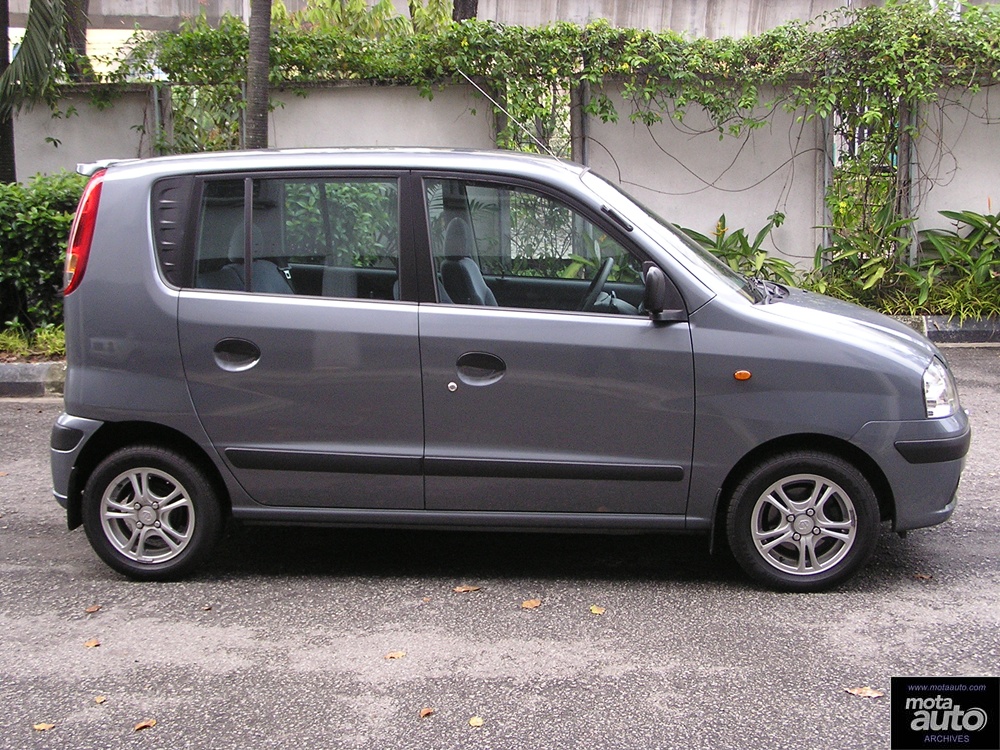
In 2002, the plant also began assembly of its first passenger car – the Hyundai Atoz, which was sold as the Atos with Inokom branding. This would be the first of many, many more passenger vehicles from different brands in the years that followed.
Sime Motors became the majority (51%) shareholder of Inokom in 2004, and its other shareholders currently are Sime Darby Hyundai Sdn. Bhd. (5%), Hyundai Motor Company of South Korea (15%), and Bermaz Auto Berhad (29%).
When AMI (the Ford-Sime Darby joint venture assembly plant in Selangor) ceased operations after 2008, BMW assembly operations were transferred to Inokom and eventually, MINI vehicles were also added.
Continued investments by Sime Motors have seen the plant expand in capabilities as well as output. Operating under a unique ‘Plant-within-a-Plant’ concept, Inokom hosts dedicated assembly lines tailored to the specific technical and quality requirements of each brand, adhering to customised quality systems.
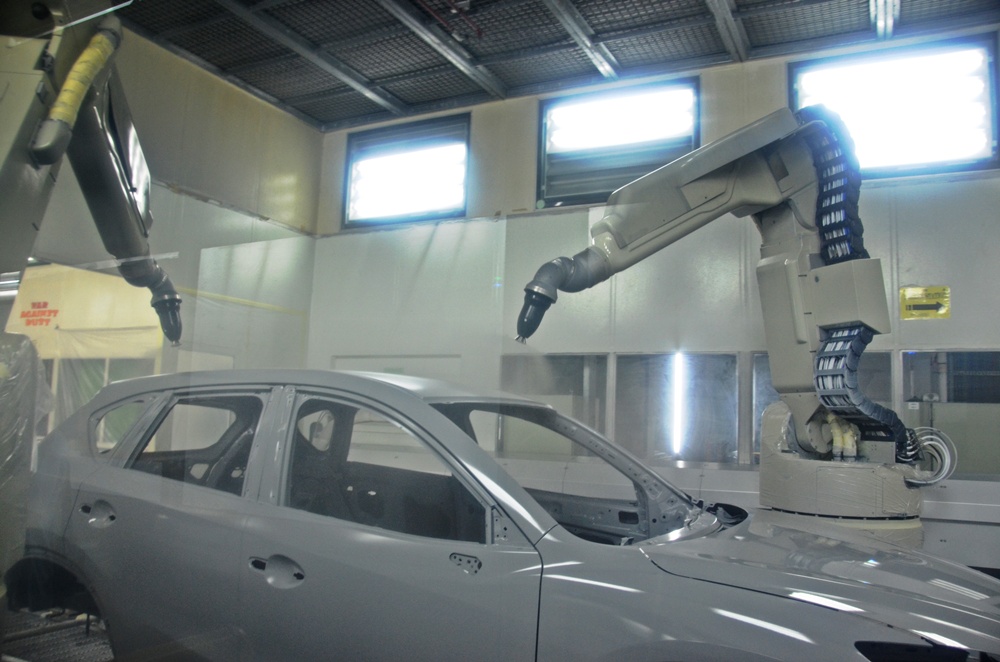
One example is Mazda’s paintshop which enables it to apply its unique paint finishes like Soul Red. This was part of a 2.3 billion yen (about RM86 million) investment by Mazda, which also included automating part of the body-welding process.