
Quick look
-
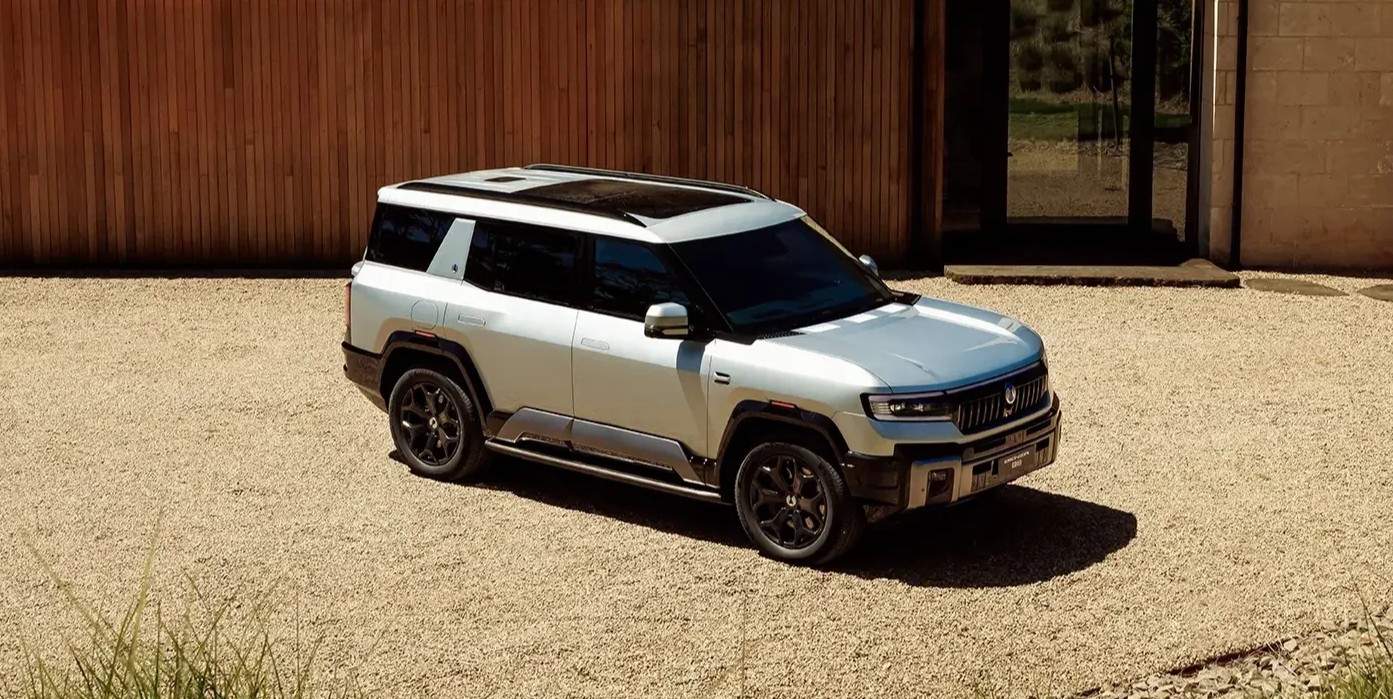
DENZA Malaysia’s second model will be a off-road premium SUV known as the B8 with an advanced PHEV drivetrain.
-
Orders are not being taken yet but those who are interested can notify DENZA Malaysia or its authorised dealers.
From building the new brand with just a single premium MPV model over the past 14 months, DENZA Malaysia will add two new models to its range this year. While the existence and pending introduction of the Z9GT – now associated with Daniel Craig – was already known since the brand’s launch, there will be another all-new model that has only appeared in the news recently.
This is the B8 (launched in China in November 2024 as the Fangchengbao Bao 8), a premium SUV with off-road capability. DENZA Malaysia has not indicated the pricing but the prices of models like the GWM TANK 500 at RM329,000 provide a benchmark. In fact, looking at some other markets, direct conversion puts the B8 at between RM400,000 to RM480,000.
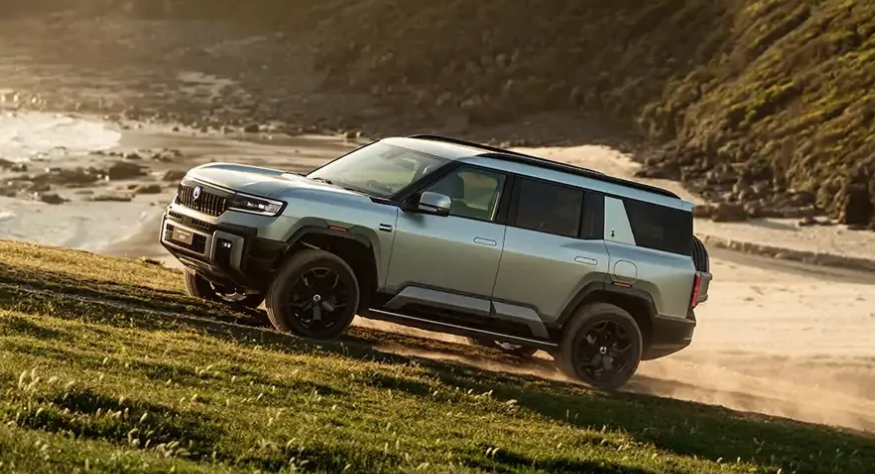
Orders are not being taken yet but those interested can use this form or let an authorised DENZA dealer know and they will be kept informed. The launch date is not given but a possibility would be in June when the KL International Mobility Show is on. From the way DENZA Malaysia puts it, the B8 will be launched before the Z9GT.
Ladder frame chassis
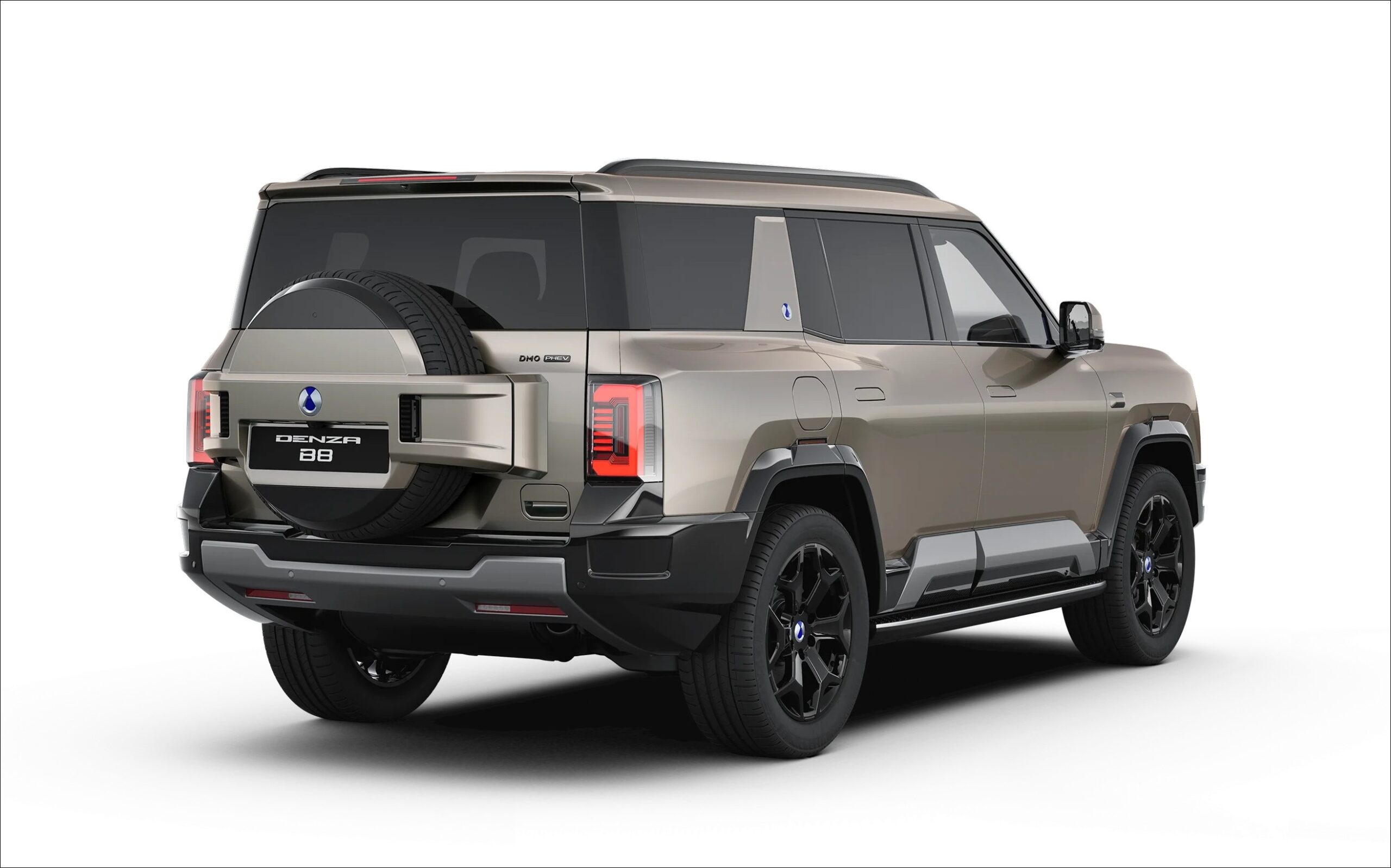
The overall styling of the B8 has undertones of a Land Rover Discovery and it is slightly larger than the TANK 500 with a length of 5195 mm and width of 1994 mm. Being an off-road model (a category the Chinese brands differentiate from the crossover SUVs), the B8 sits on a chassis frame like traditional SUVs. This gives extra strength and load-carrying capability for more rugged usage.
115 kms electric range
Unlike the D9 MPV which is fully electric, the B8 is a plug-in hybrid electric vehicle (PHEV). DENZA Malaysia has given on 3 numbers for now: 450 kW (612 ps), 115 kms pure electric range, and 4.8 seconds [from 0 to 100 km/h]. It’s built on the DMO (Dual Mode Off-road) platform which is specialised for high-output PHEVs.
The drivetrain uses a longitudinally mounted 2-litre turbocharged 4-cylinder petrol engine which works with a dual-motor electric system. Power is managed through a dedicated off-road hybrid transmission that includes a low-range transfer case, with electronically-actuated locking differentials on both axles in some variants.
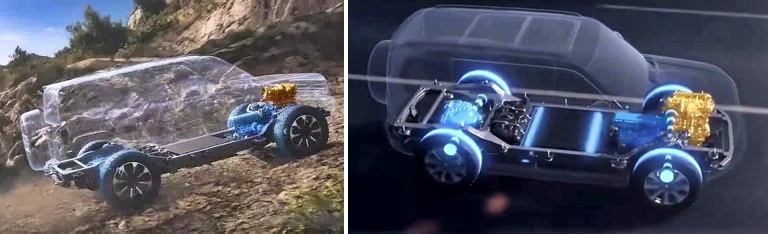
The motors are powered by a BYD Blade battery, with Cell-to-Chassis technology integrating the cells directly into the vehicle structure, increasing torsional rigidity. Charging is handled via 11 kW AC or up to 120 kW DC fast-charging, the latter allowing a 30% to 80% charge in about 16 minutes.
As mentioned earlier, the claimed electric-only distance is up to 115 kms. DENZA says that with the 91-litre fuel tank, the B8 should be able to travel over 900 kms before refuelling is needed.

The B8’s chassis is a technical highlight, featuring the DiSus-P intelligent hydraulic body control system. This allows for 140 mm of suspension travel adjustment, providing a maximum ground clearance of 310 mm and water wading depth up to 890 mm. The system also includes active damping to manage body roll, a common challenge for heavy, chassis frame vehicles.
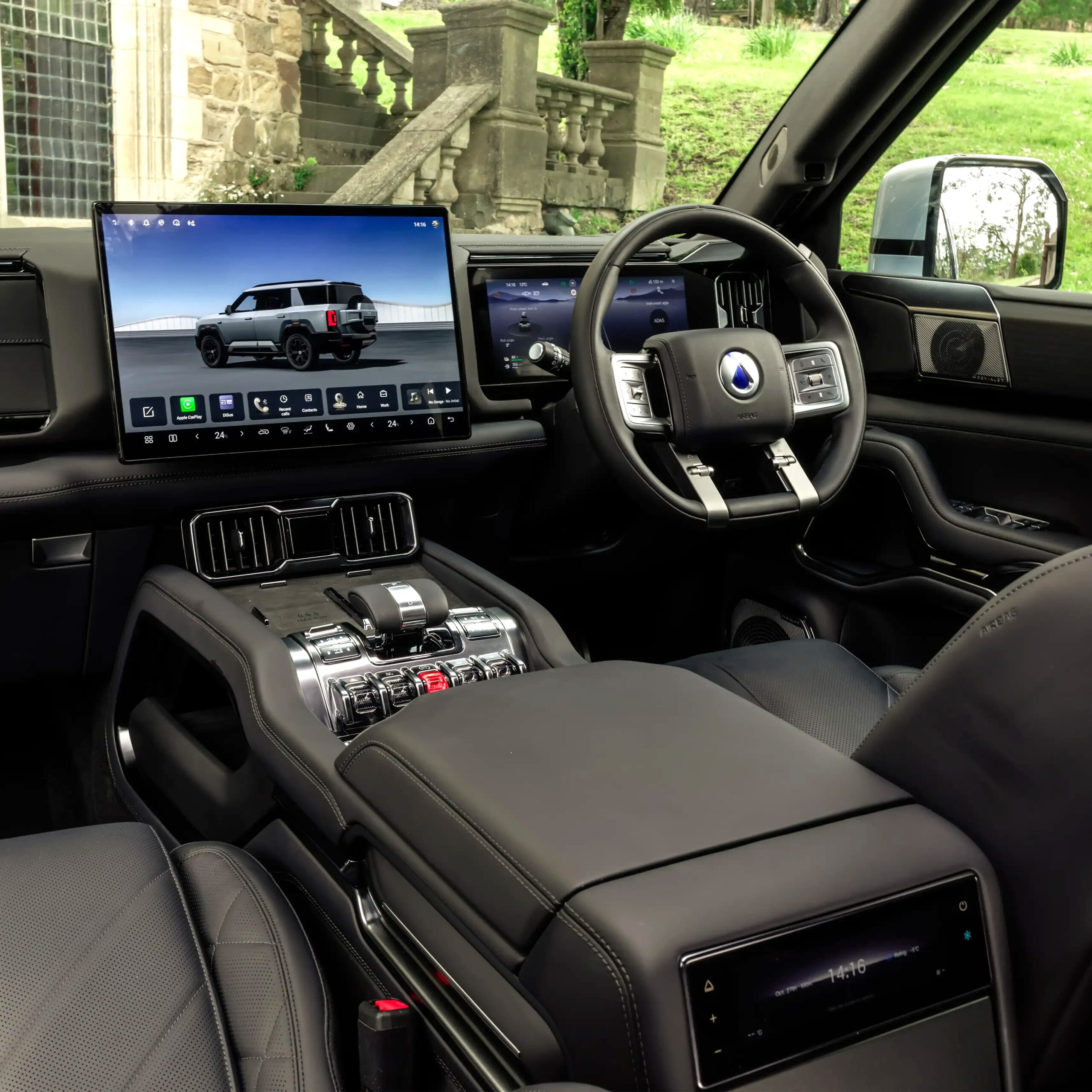
‘Starship’ design language
Inside, the cabin follows a ‘starship’ design language, dominated by a triple-screen dashboard layout consisting of a 17.3-inch central infotainment unit flanked by 12.3-inch displays for both the driver and the front passenger.
The high-tech DiLink infotainment platform enhances the journey experience, while a comprehensive suite of advanced safety and driver assistance systems ensure that all occupants are well protected. Assessed by ANCAP (Australia/New Zealand) in 2025, the B8 has already been rated 5 stars, scoring particularly high in child occupant protection (95%).
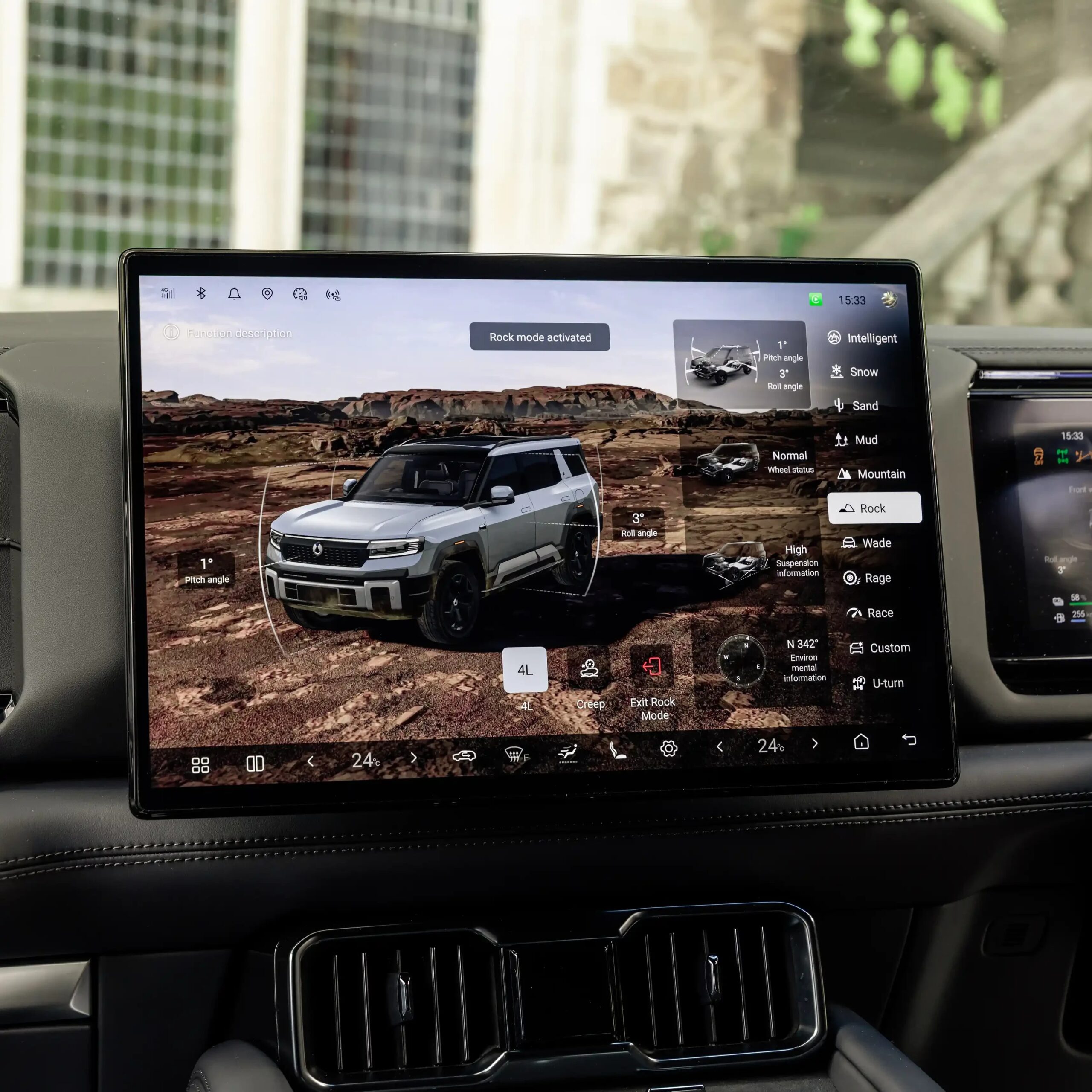
Integrated drone landing pad
When the B8 was launched in China, one of its unique features was an optional roof-mounted drone bay, developed in collaboration with DJI. This allows for automated drone take-off and landing, providing the driver with high-definition aerial scouting of the terrain ahead — a feature aimed directly at the overlanding community. The system integrates drone controls directly into the vehicle’s main infotainment screen.
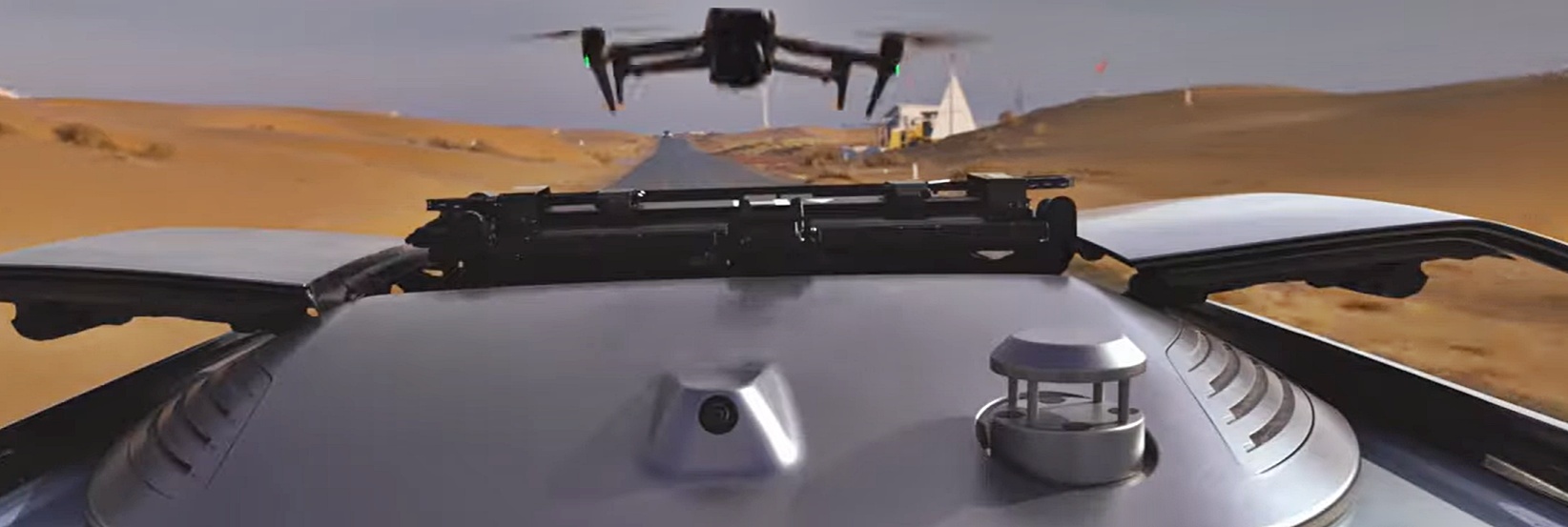
It’s unlikely that this will be in the units sold in Malaysia as drone usage requires a to the CAAM for a permit and a troublesome process. If you strictly follow the laws, applications must be submitted 14 days in advance of flying (with flight plans), and fees start at RM250 for drones under 20 kgs. All drones, over 250 grams, whether for recreational or commercial use, must be registered with the CAAM.