
Quick look
-
Battery As a Service’ (BAS) is introduced as a new approach whereby the battery pack is leased separately from the vehicle.
-
Removing the high cost of the battery from the price of the car means lower downpayment and insurance premium.
-
H-P loan instalment and leasing fee can be combined into a single monthly payment.
-
Perodua can remotely disable the battery if two months of lease payments are missed.
-
Each battery has a separate tracker for real-time location, complementing the Battery Passport which has been introduced for the entire lifecycle of the battery.
Since the launch of the QV-E – Perodua’s first EV – public discussions have been more about the new marketing approach where the battery is leased separately, while the vehicle can be purchased with a normal financing package. The approach is called ‘Battery As a Service’ (BAS) and while it is new to Malaysians, it has been offered in some other countries.
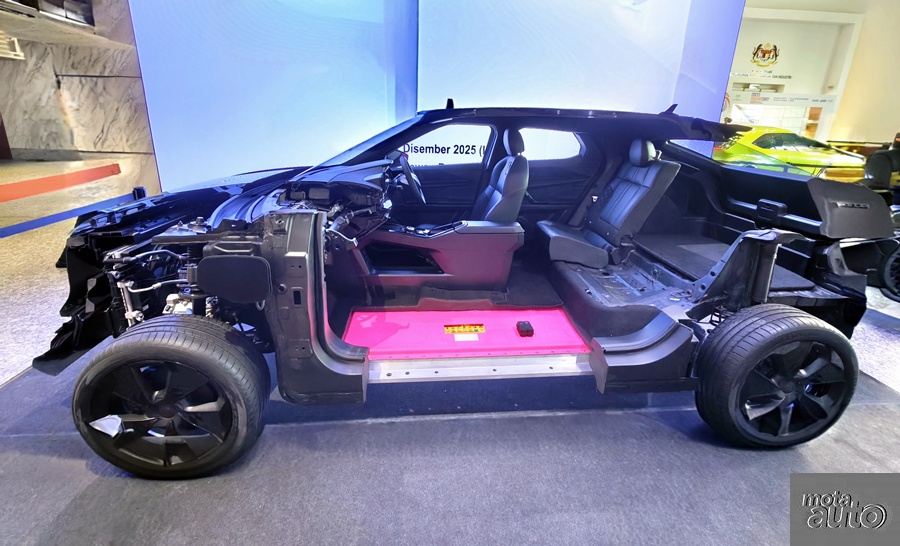
Basically, the LFP (lithium iron phosphate) battery pack, which is the most expensive item in an EV, will belong to Perodua. A leasing program over a 9-year period will make it available to the QV-E owner
While this is something new to Malaysians (and the subject of criticism), it is being done by Perodua for a few reasons. One is to take away the cost of the battery so as to reduce the price of the car, which helps with the downpayment for the H-P loan. The insurance premium will also be lower as the insured value is less.
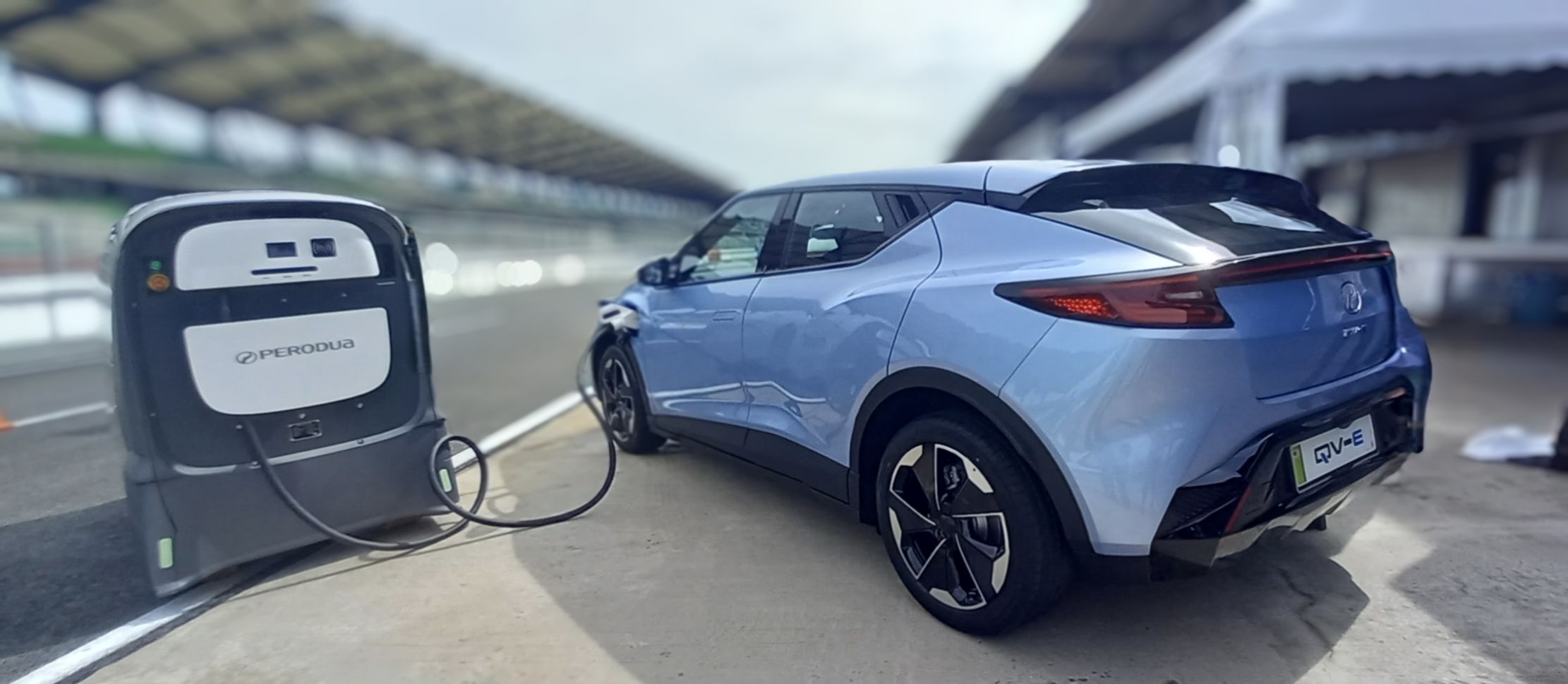
Perodua will insure the battery and also replace it if its condition drops to less than 70%. This addresses one concern of EV buyers, which is the resale value being affected if the battery is old and in a weak condition when the EV is to be sold off. Under the leasing program, the owner can sell off the QV-E with the new owner being assured of a battery in good condition (above 70%), and not having to replace it at a high cost.
However, the new owner will have to also sign up for the leasing program and continue it at a rate which is calculated at around RM275 a month. Nevertheless, that’s a lot better than having to buy a new battery which won’t be cheap and would force the original owner to reduce the asking price. So it’s a win-win situation for buyer and seller.
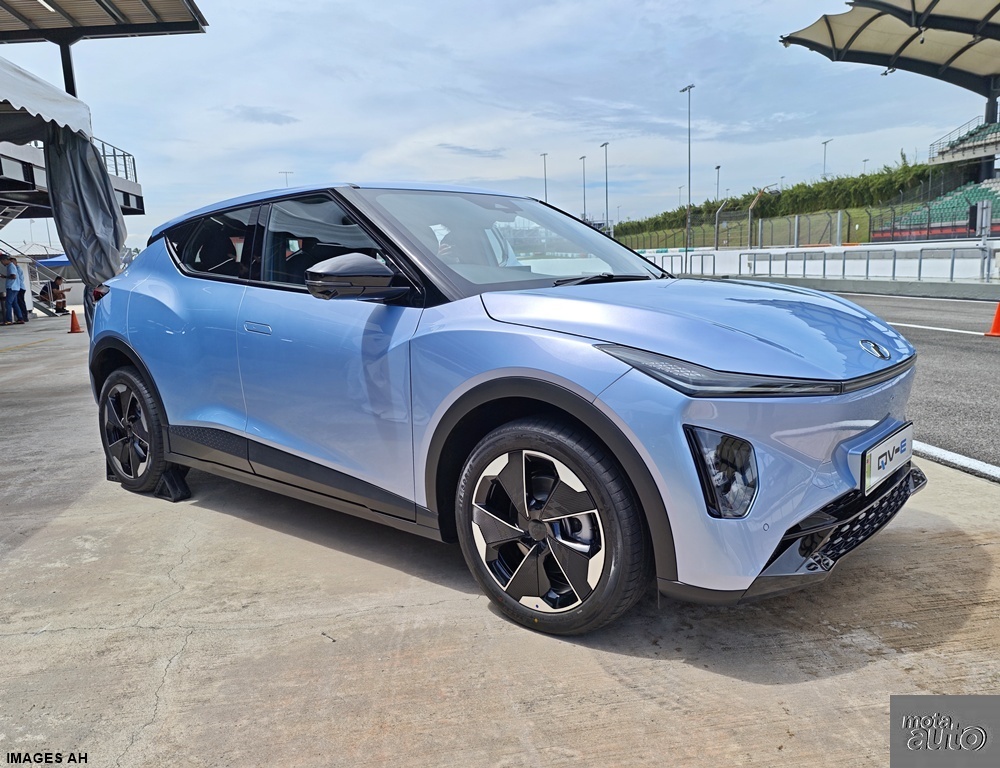
Incidentally, Perodua has been working with the banks to make it possible for customers to have the H-P loan and leasing program as a unified package (but with separate agreements). This makes it more convenient for the owner as he or she has only to pay a single amount each month – no different from what millions of motorists now do each month.
Battery disabling
One of the concerns that has been seen in public discussions has been the action which will be taken by Perodua in the event that the leasing payment is not made. According to the terms of the agreement, Perodua can remotely disable the battery if, after reminders are given, two months of payments are not made.
This is not an unreasonable condition since, if you don’t pay your H-P instalment, you will also receive reminders (in accordance with the H-P Act) and if you fail to make payment after a certain number of reminders, your vehicle can be repossessed.
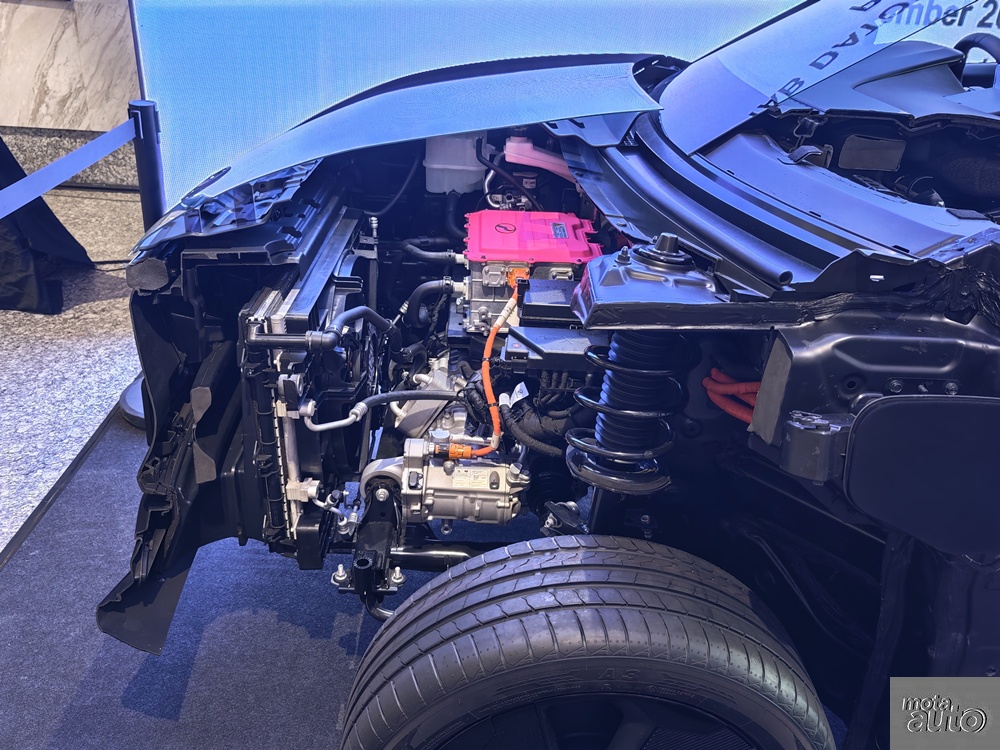
Incidentally, the same applies for your mobilephone. If you do not settle the monthly bill in time, the telco will bar your line and you have no service. It’s no different from the battery in the QV-E being disabled but somehow people see it as being ‘wrong’ on Perodua’s part.
The point is that if you have taken a loan or lease, you are committed to make repayments on schedule. If you do not do so, then you face the consequences which are clearly stated in the agreement. Hopefully, Malaysian consumer mentality has not become so bad that not making instalment payments is not considered wrong and the bank is the ‘bad guy’ for taking action.
Battery Tracker
There is also concern about the action to disable remotely. People worry that the battery may be disabled while they are driving the car, which can be dangerous. However, what has not been mentioned much is that each battery has a Battery Tracker on it. This gives Perodua the location of the vehicle in real-time. It’s like what you see when your Grab rider is delivering food to you and you can track his progress.
So it is likely that, for safety reasons, if there is a need to disable the battery, its locatiion and whether it is moving will first be determined. If it is not moving and in a safe location, then it would probably be disabled. A recovery team would then go and collect the vehicle. After 3 payments have not been made, Perodua can terminate the leasing agreement. If the H-P loan part is also not being repaid, then the bank would also take the necessary action to repossess the vehicle and Perodua will remove the battery.
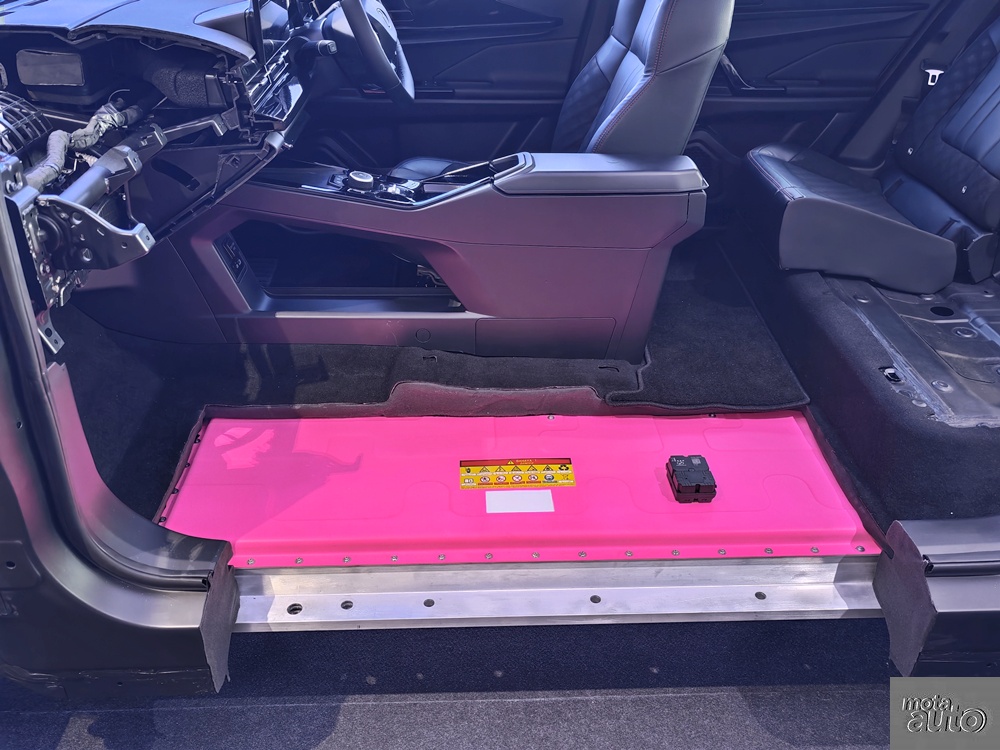
There are also two other scenarios which the remote disabling can be activated. One is if the battery is detached from the car, and the other is if the battery has been in a location for an unusually long time. This would suggest the vehicle has been abandoned, and a team will be sent to the location to recover it.
Like the security alarm in cars which has a back-up battery, the Battery Tracker is also powered by its own power source and not dependent on the power from the battery pack itself.
While the presence of a Battery Tracker may raise privacy concerns, Perodua has given assurance that it is not kept on all the time, and it is not something that the public can access.

Battery Passport
The Battery Tracker complements the Battery Passport concept which was announced last month. Malaysia is the first country in ASEAN to hve an EV Battery Passport standard (Malaysian Standard [MS] 2818) as a digital record for each battery’s entire lifecycle. This record covers battery composition, origin, and recycling processes when it reaches its end-of-life.
The Battery Passport is an important long-term initiative to ensure that the increasing number of used batteries from the growing population of EVs will be managed properly for disposal or recycling. This may not seem like a big issue as there are an estimated 50,000 – 60,000 EVs on the road at this time. And they are still new, with at least 8 years before the batteries need to be replaced.
However, the regulations and processes for end-of-life need to be set up now to ensure that an environmental problem does not start at the end of the decade,