
![Lexus NX [2026]](https://www.motaauto.com/wp-content/uploads/2026/09/Lexus-NX-2026-2.jpg "Lexus NX [2026]")
5 years after the second generation of the Lexus NX (NX stands for ‘Nimble Crossover’) was launched, the luxury brand of Toyota is introducing an update. The latest model is said to be spearheading the next-generation Lexus vehicle line-up.
Improved GA-K platform
Structural changes have been made to the Global Architecture-K (GA-K) platform with increased high-tensile steel to lower overall structural weight while increasing torsional rigidity.
The platform update enables wider front and rear tracks along with a lower overall centre of gravity, establishing more athletic proportions.
Revised styling
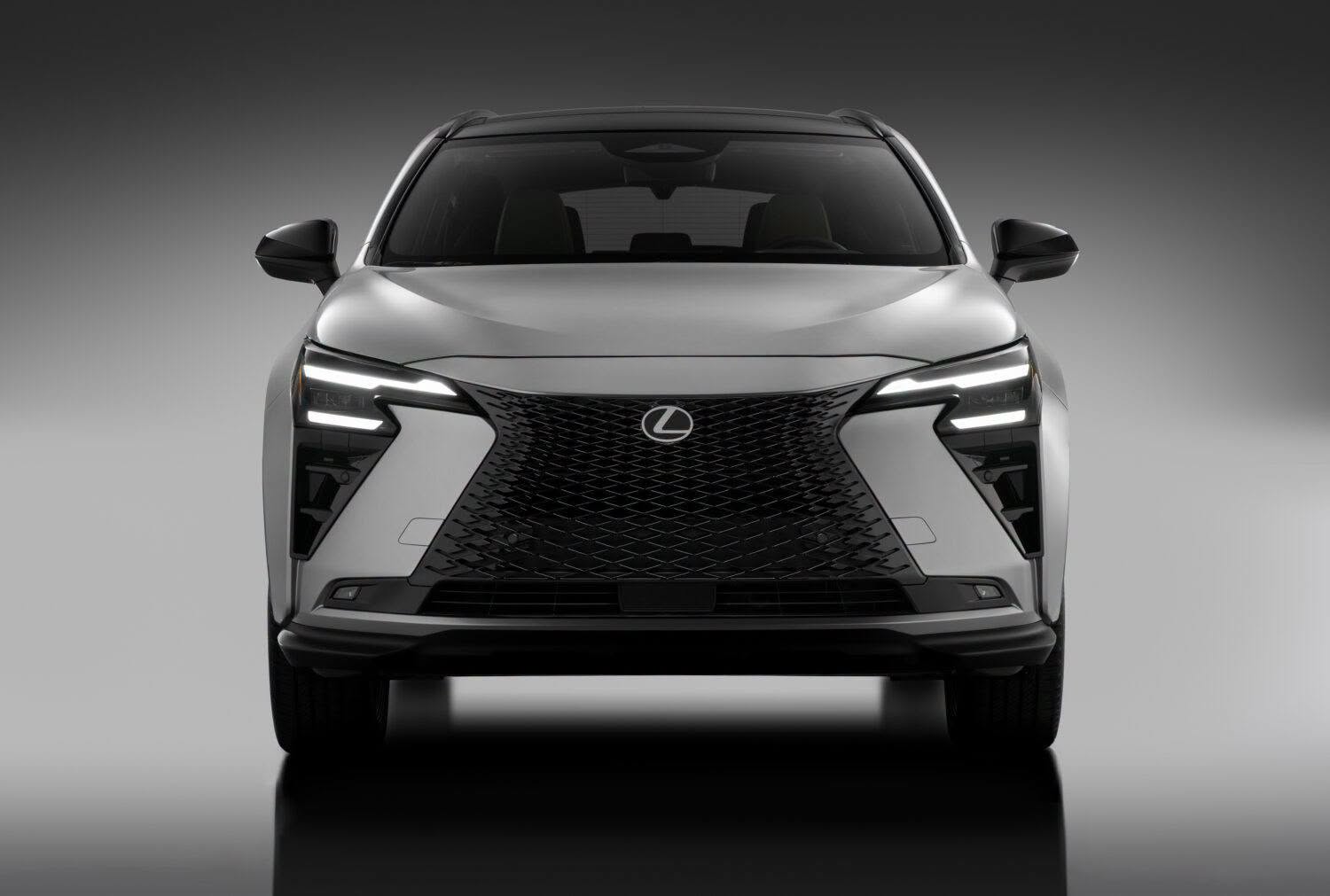
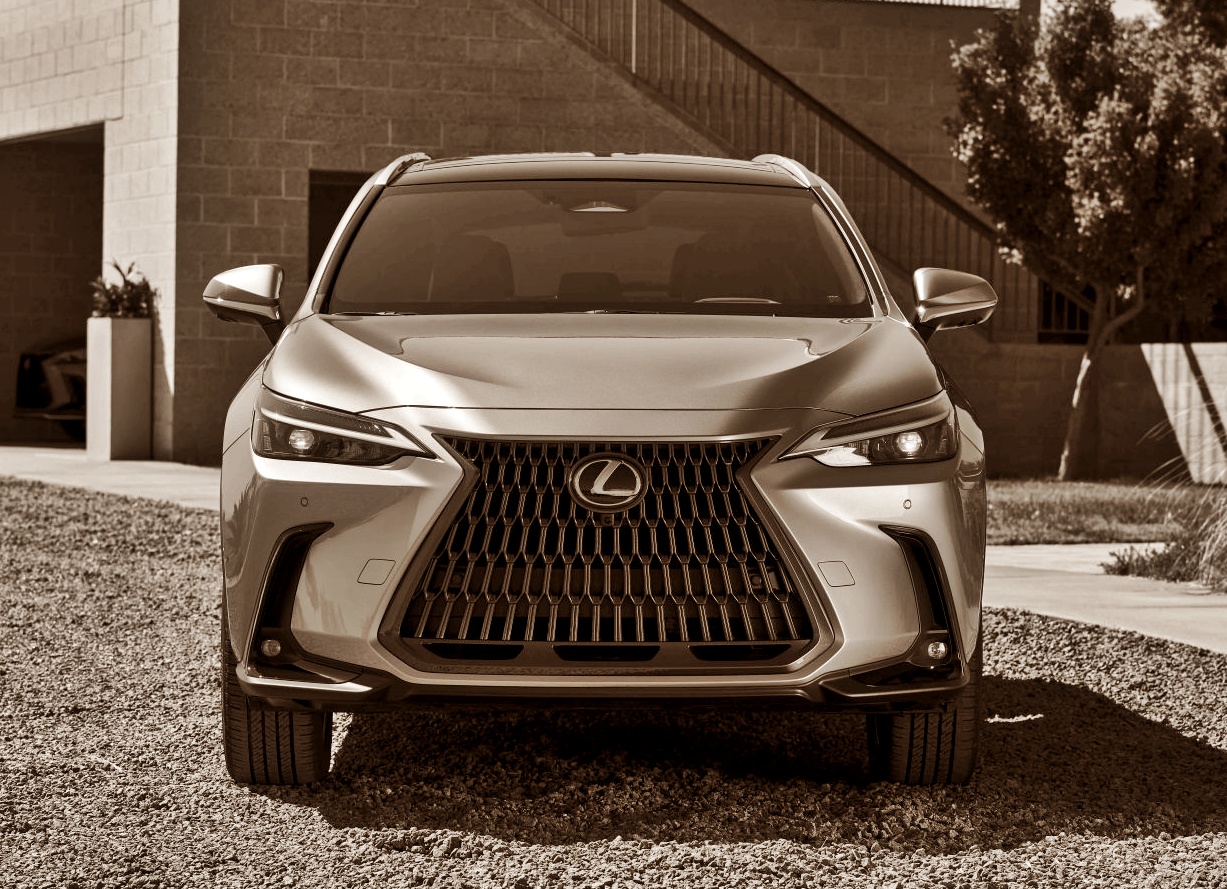
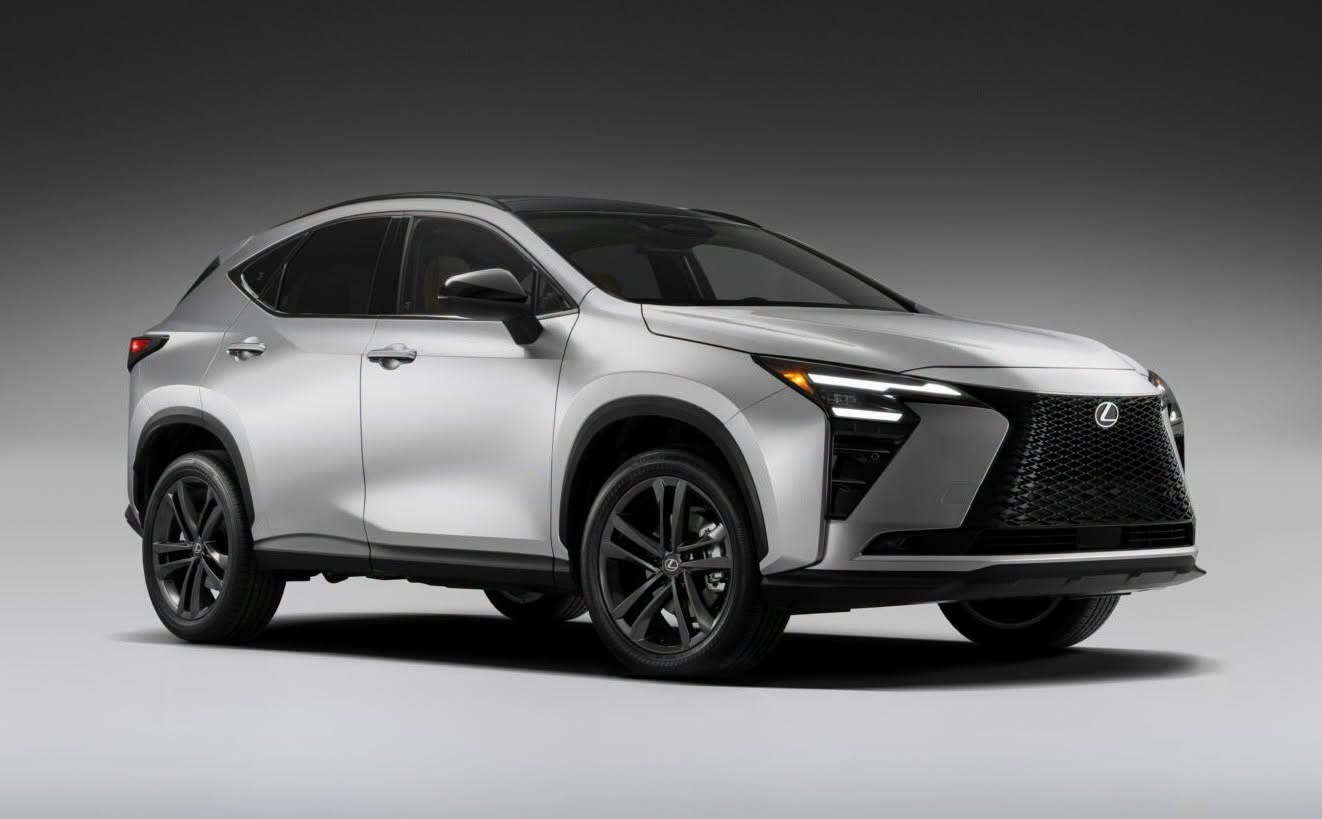
The styling moves away from the distinct sharp, surface-level creases in favour of cohesive, 3-dimensional surfacing. At the front, the signature Lexus spindle grille adopts a more upright orientation. By raising the grille surface vertically and extending the aluminium bonnet forward to the leading edge, airflow to the radiator is improved while visually elongating the front snout.
A twin-lock structure is incorporated into the bonnet — a first for Lexus — to stop turbulence-induced bonnet vibrations and minimize cabin noise.
![Lexus NX [2026]](https://www.motaauto.com/wp-content/uploads/2026/09/2026-Lexus-NX-110.jpg)
The chrome border from the previous-generation grille is removed entirely to reduce assembly complexity, save weight, and emphasize the SUV’s underlying proportions. The grille mesh features tall, longitudinal U-shaped block elements with a dedicated intake slit along the lower apron to aid cooling performance.
Framed on either side are slim, fully blacked-out headlamp clusters housing three-projector LED units and the brand’s sharp L-shaped daytime running lights.
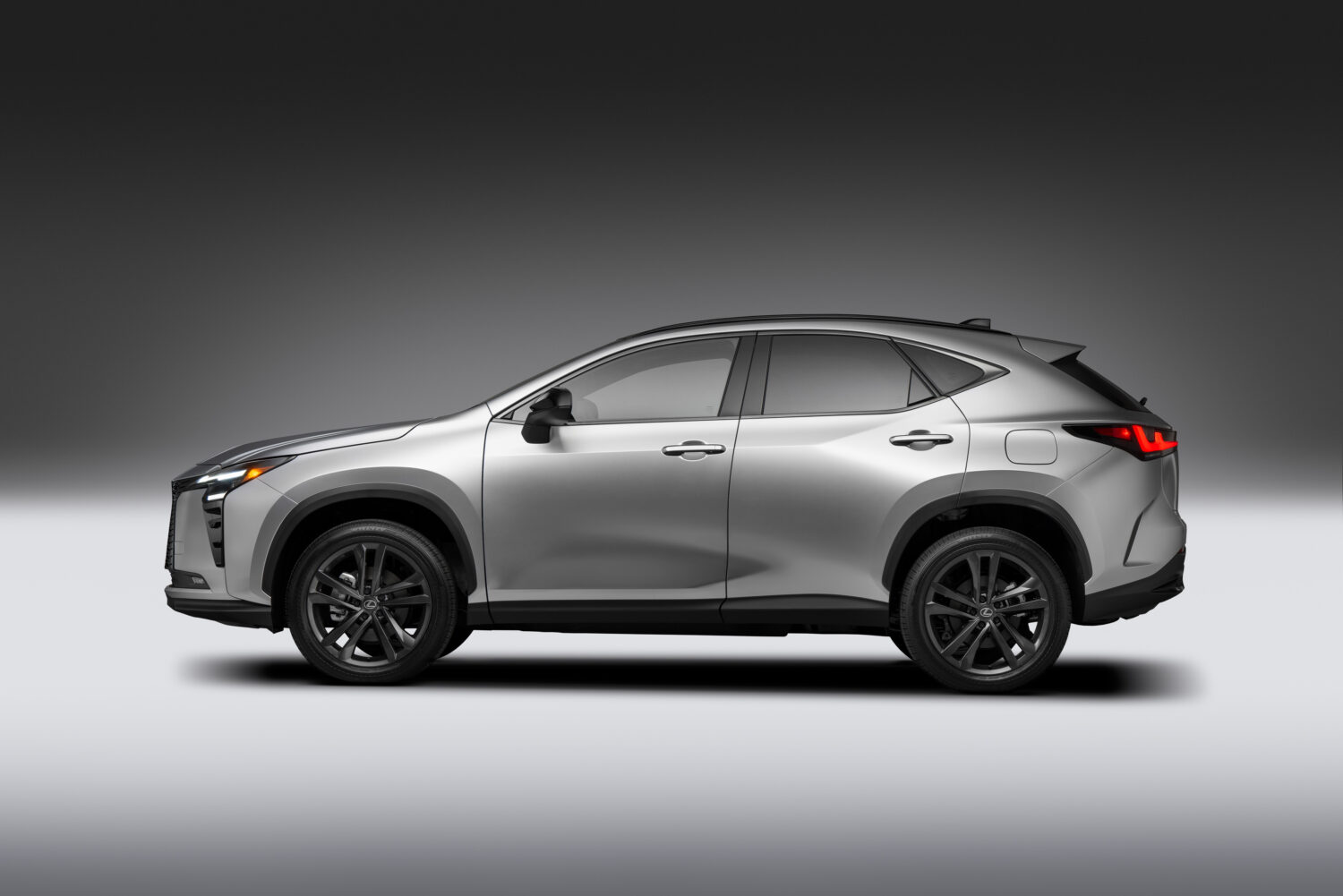
In profile, the NX balances taut character lines with broad, curved surfaces. The front overhang has been extended, whereas the rear overhang is shortened to create a leaner silhouette. A shortened beltline kicks upward toward the C-pillar, giving the greenhouse a compact, aggressive taper.
The wheelarches are filled out with larger 18-inch or 20-inch alloy wheels rolling on 235-series tyres, anchored by flush belt moldings along the window line to maintain laminar airflow along the doors.
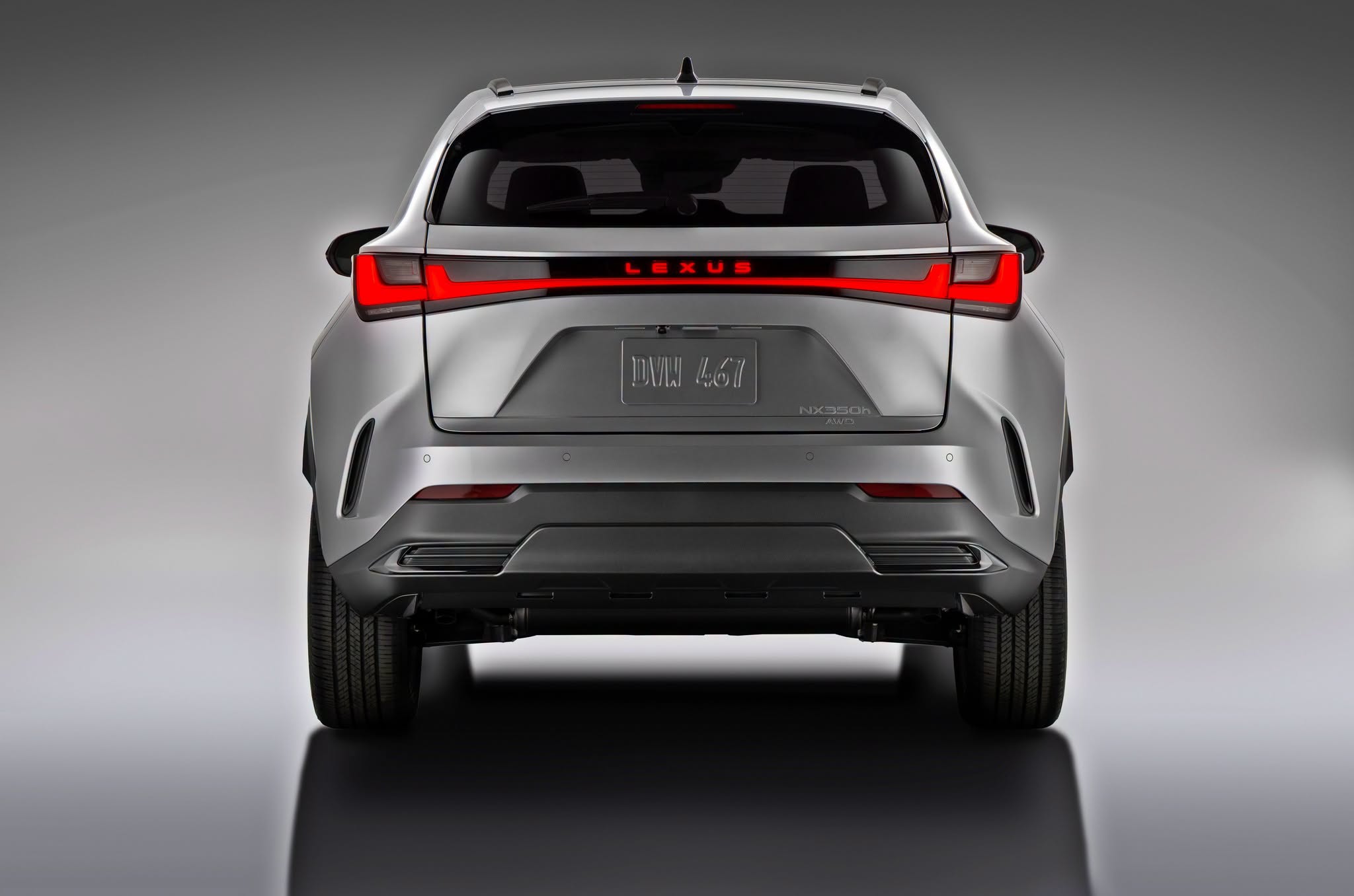
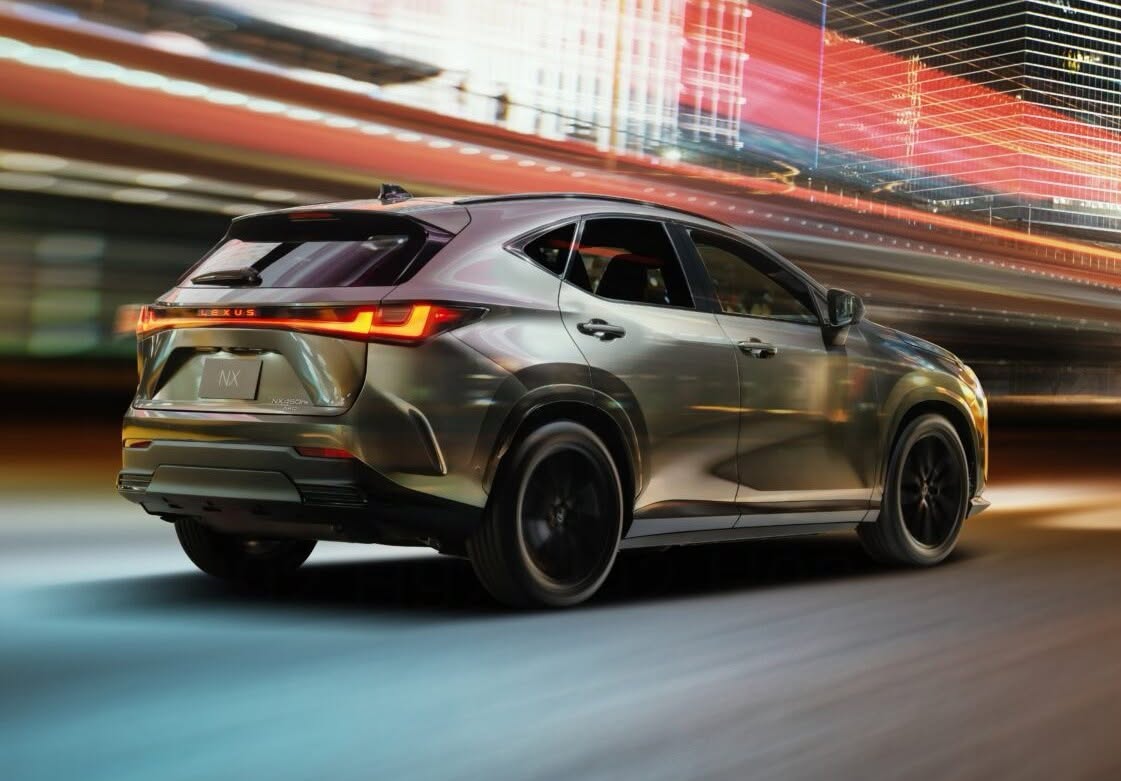
The rear design shifts toward a broader, planted stance. The sheet metal narrows toward the centre of the tailgate in a subtle reference to the spindle motif, flanked by flared rear fenders. Spanning the width of the rear door is a full-length LED light bar that connects separate L-shaped tail lamp clusters.
Centralized on the tailgate panel, modern block lettering spells out ‘LEXUS’, officially replacing the traditional L-badge emblem on the rear to in accordance with the brand’s next-generation design language.

Dimensionally, the new NX measures 4660 mm in length (+20 mm), 1865 mm in width (+20 mm), and 1640 mm in height (+5 mm), and rides on a 2690 mm wheelbase (+30 mm).
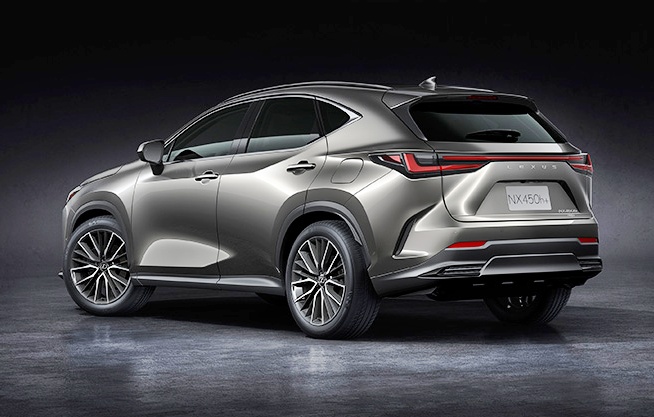
Aero-tuning plays a direct role in overall high-speed control. In addition to flush window moldings, the engine splash shield has dimpled undersurfaces to generate micro-vortices, lowering uplift.
Cabin acoustics have been improved by roughly 15% in sound pressure levels through revised door weatherstripping, acoustic front door glass, and optimized floor insulation. Turbocharged variants incorporate Active Noise Control and Engine Sound Enhancement.
![Lexus NX [2026]](https://www.motaauto.com/wp-content/uploads/2026/09/Lexus-NX-2026-3.jpg)
Suspension improved
The suspension layout is fairly straightforward (on paper) with front MacPherson struts and rear trailing-arm double wishbones. Damping forces at low speeds have been recalibrated via redesigned internal friction components. F SPORT versions come standard with the latest Adaptive Variable Suspension.
The wheel fastening system moves away from traditional stud bolts and hub nuts to a direct hub bolt set-up, reducing unsprung mass by approximately 0.7 kg per wheel position.
Steering response is refined through a variable gear rack system on non-PHEV variants to balance low-speed manoeuvring with high-speed straight-line stability.
Braking systems feature a newly shaped brake pedal pad, while hybrid electric variants receive a pedal return damping mechanism for enhanced feedback during release.
7 powertrains
No less than 7 powertrains are available for different market requirements. These are led by Lexus’ first Plug-in Hybrid Electric Vehicle (PHEV) drivetrain which pairs a thermally efficient 2.5-litre naturally aspirated 4-cylinder engine with front and rear electric motors and an 18.1 kWh lithium-ion battery pack.
An electronically controlled E-Four all-wheel drive system actively modulates torque distribution between 100:0 and 20:80. Drivers can select between 4 power management modes – EV, AUTO EV/HV, HV, and Self-Charge – to suit driving conditions or personal preferences.
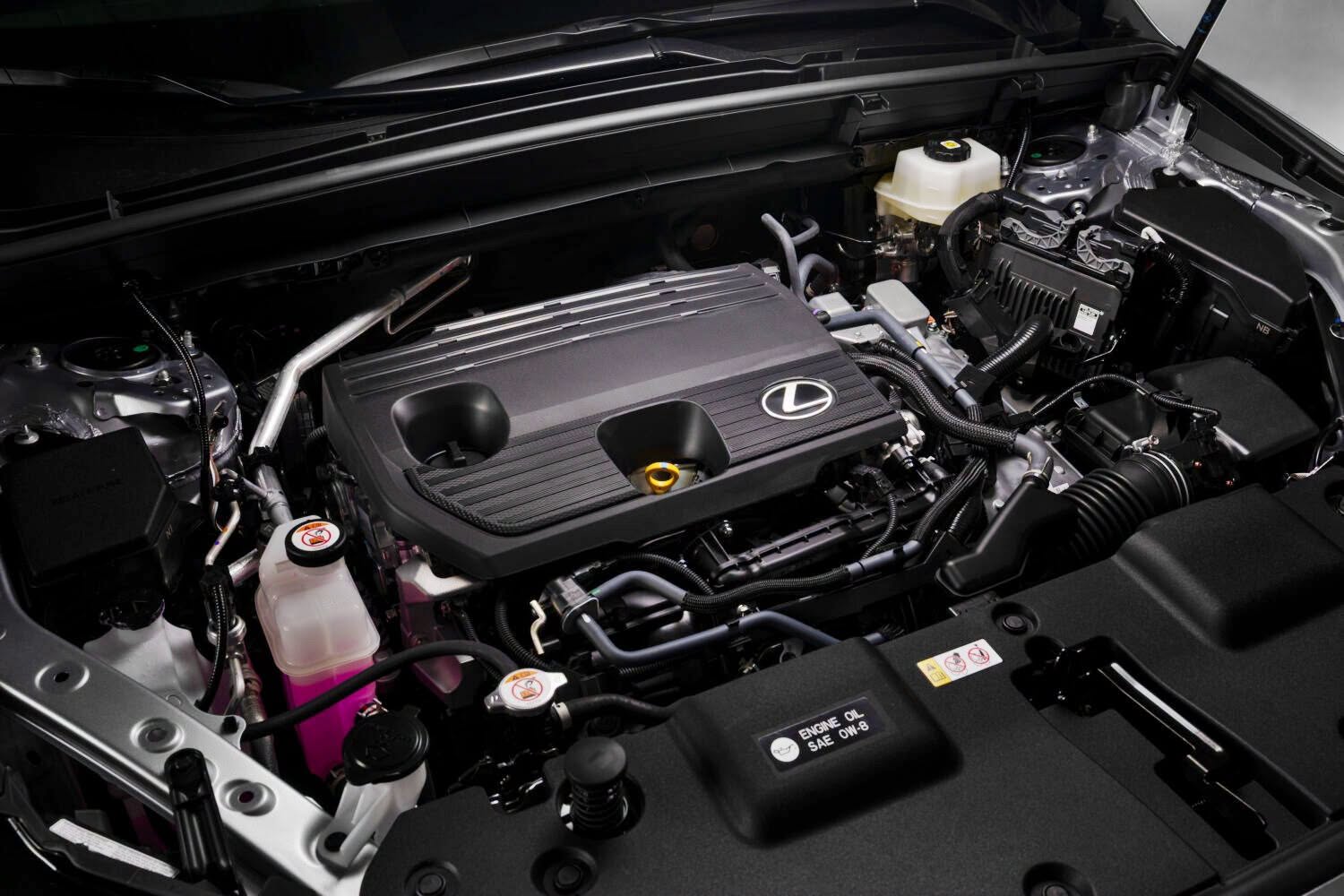
Also available is a newly developed 2.4-litre turbocharged 4-cylinder engine. This unit has high-speed combustion, centre-injection direct injection, and a close-coupled turbocharger and catalytic converter. Power is directed through a high-torque Direct Shift 8-speed automatic transmission to a full-time, electronically-controlled AWD system featuring continuous torque-split variation between 75:25 and 50:50.
Naturally aspirated 2.5-litre engine options and standard Hybrid Electric Vehicle configurations with FWD and AWD drivetrains are also available.
![Lexus NX [2026]](https://www.motaauto.com/wp-content/uploads/2026/09/Lexus-NX-2026-1.jpg)
Tazuna concept
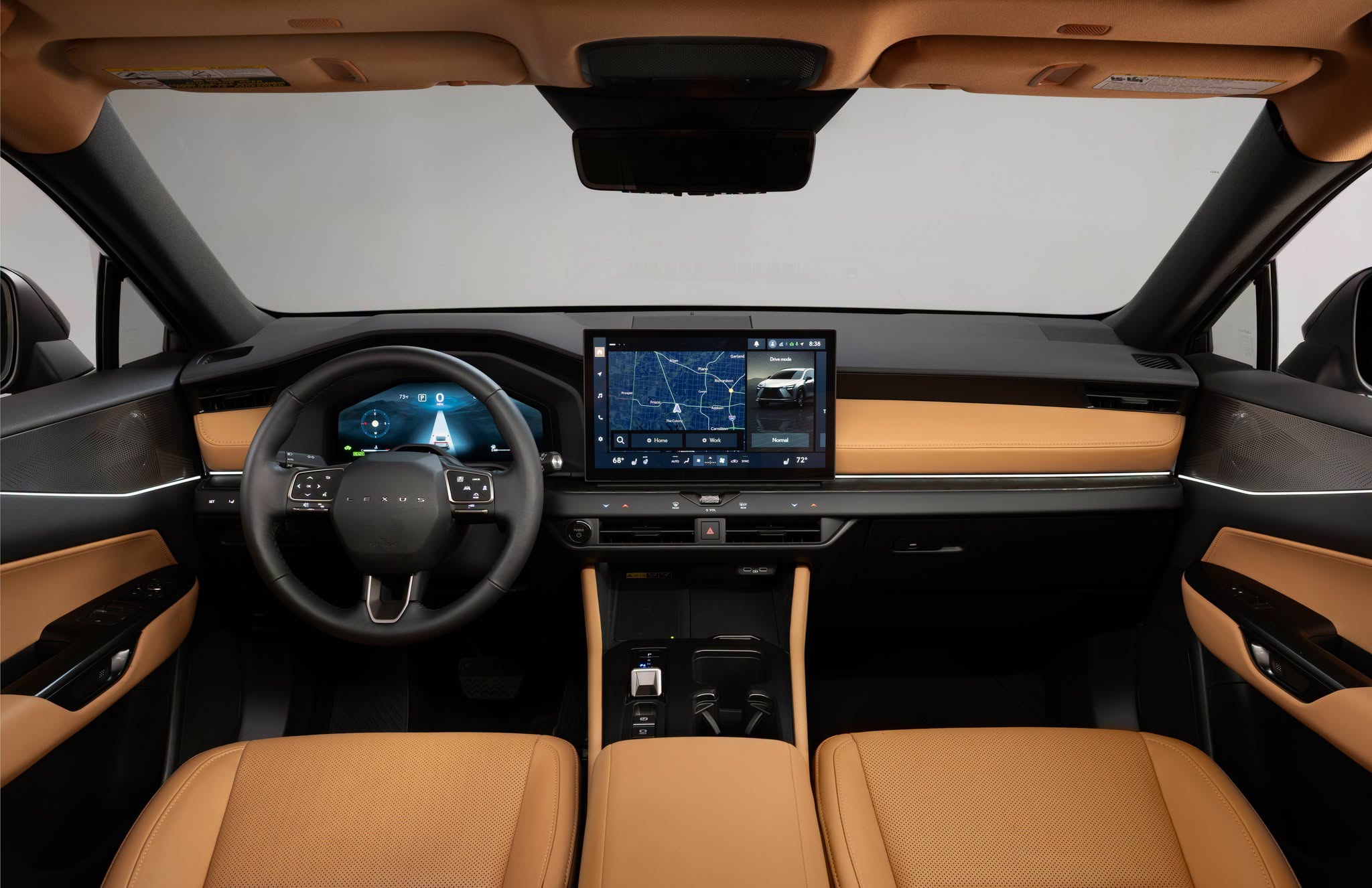
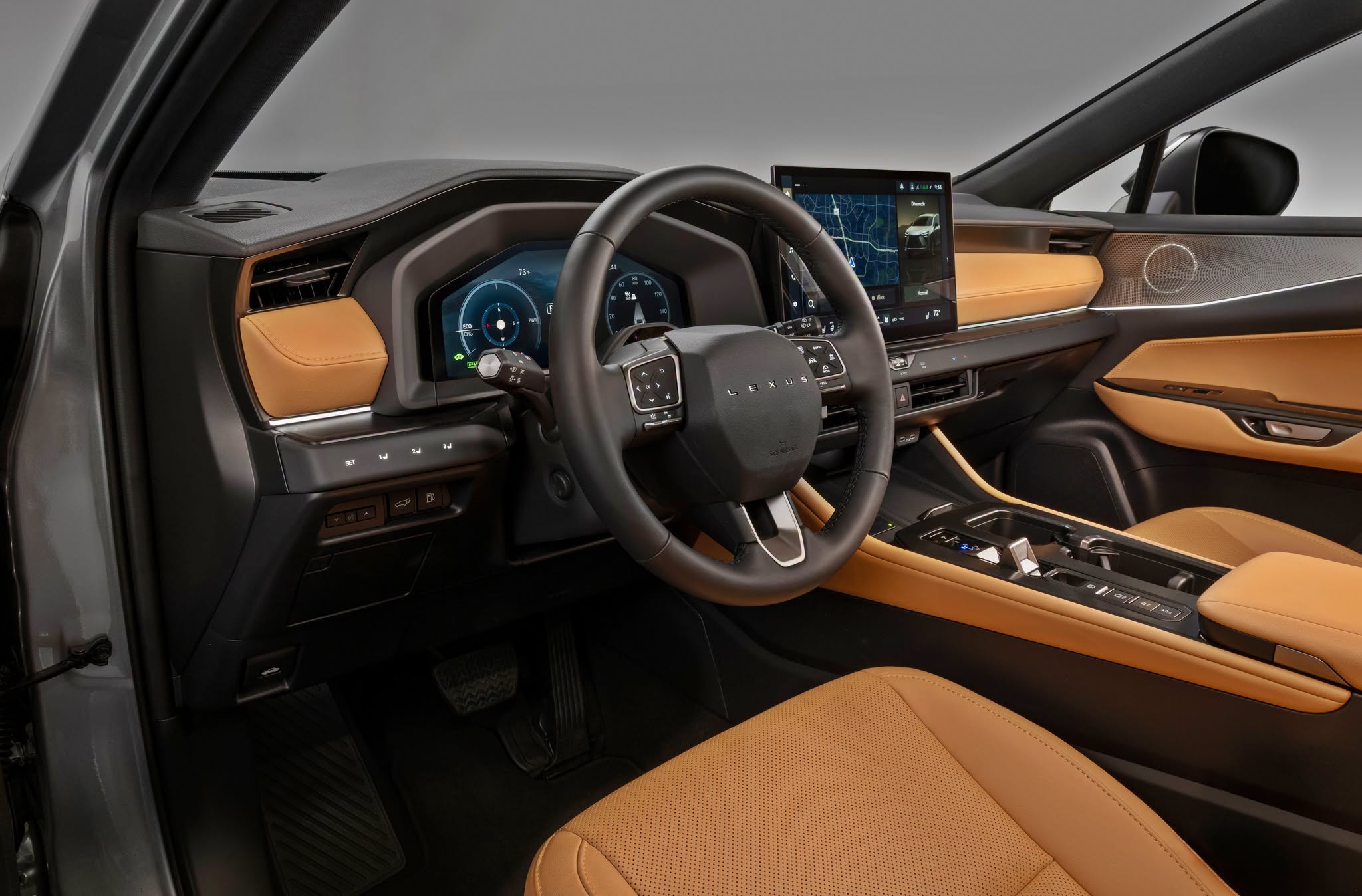
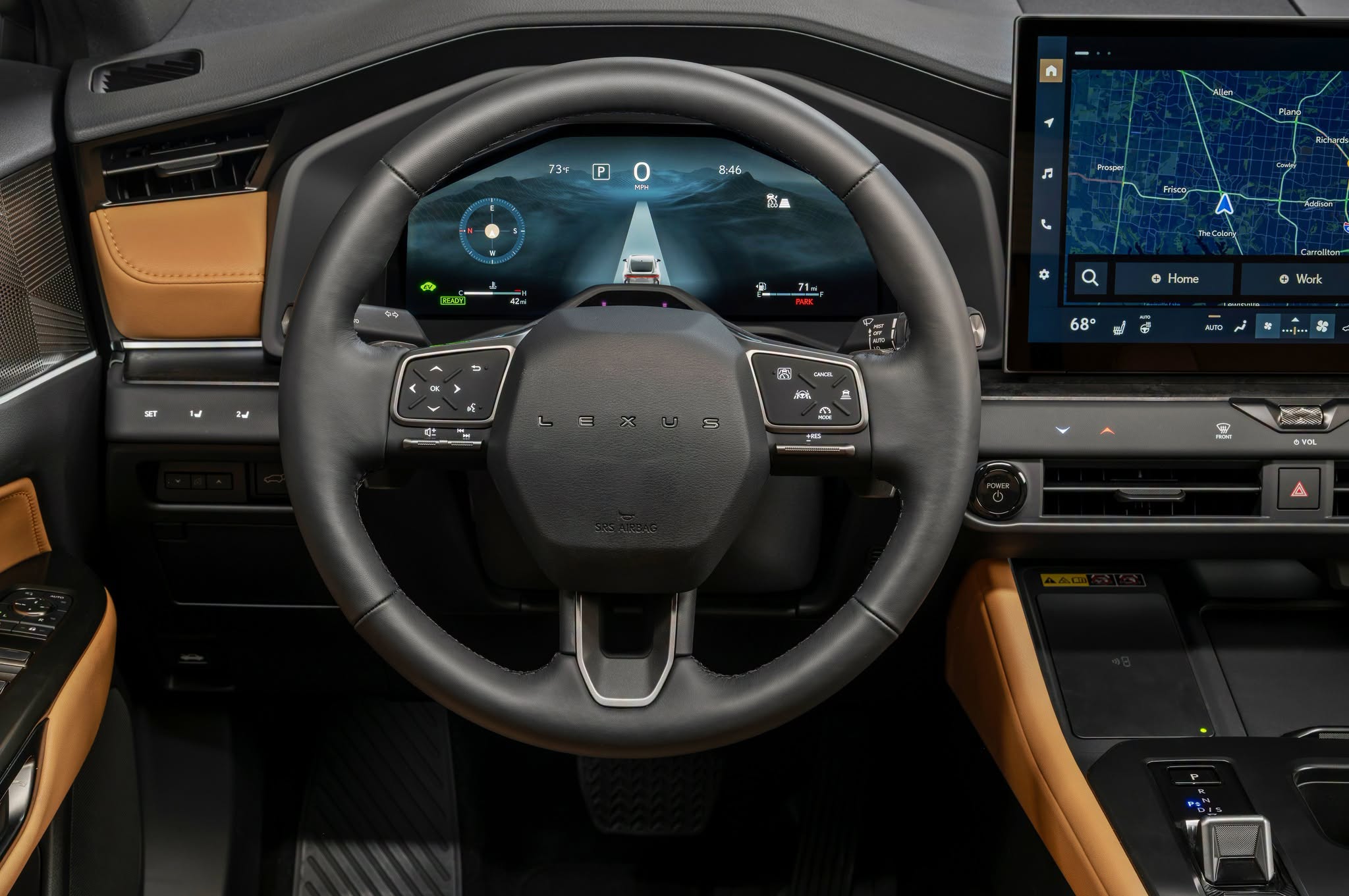
The interior continues with the Tazuna Concept driver-cockpit layout. Control interfaces are consolidated near the driver’s direct field of view, including a head-up display synchronized with touch-sensor steering wheel switches. The centre console houses a new shift-by-wire lever and drive mode selectors, paired with a central touchscreen up to 14 inches.
Safety systems enhanced
The Lexus Safety System+ suite has received upgrades. The Pre-Crash Safety system adds intersection turning support for oncoming vehicles, pedestrians, daytime/nighttime cyclists, and motorcycles. Additional driver assistance features include Front Cross-Traffic Alert, Lane Change Assist, Proactive Driving Assist, and an active steering intervention mode.
An e-latch electronic door mechanism replaces mechanical linkages, enabling Safe Exit Assist. If the Blind Spot Monitor detects approaching vehicles or cyclists from behind, the door opening is automatically restricted. The NX also introduces the Advanced Park system with remote phone-controlled automated parking, a smartphone digital key, and a Panoramic View Monitor with an underfloor road-surface display function.
A word from the Chief Engineer
“The development of the new NX was a series of new challenges for Lexus. We implemented ‘digital development’ to ensure quality by evaluating the well thought-out design structure under various conditions using computer models to check productivity. Planning, development, production engineering, and manufacturing are connected online across national borders in a difficult environment such as limited mobility, and for the first time for Lexus, production will be carried out at three locations around the world,” said Takeaki Kato, Chief Engineer, Lexus International.
v