
Quick look
-
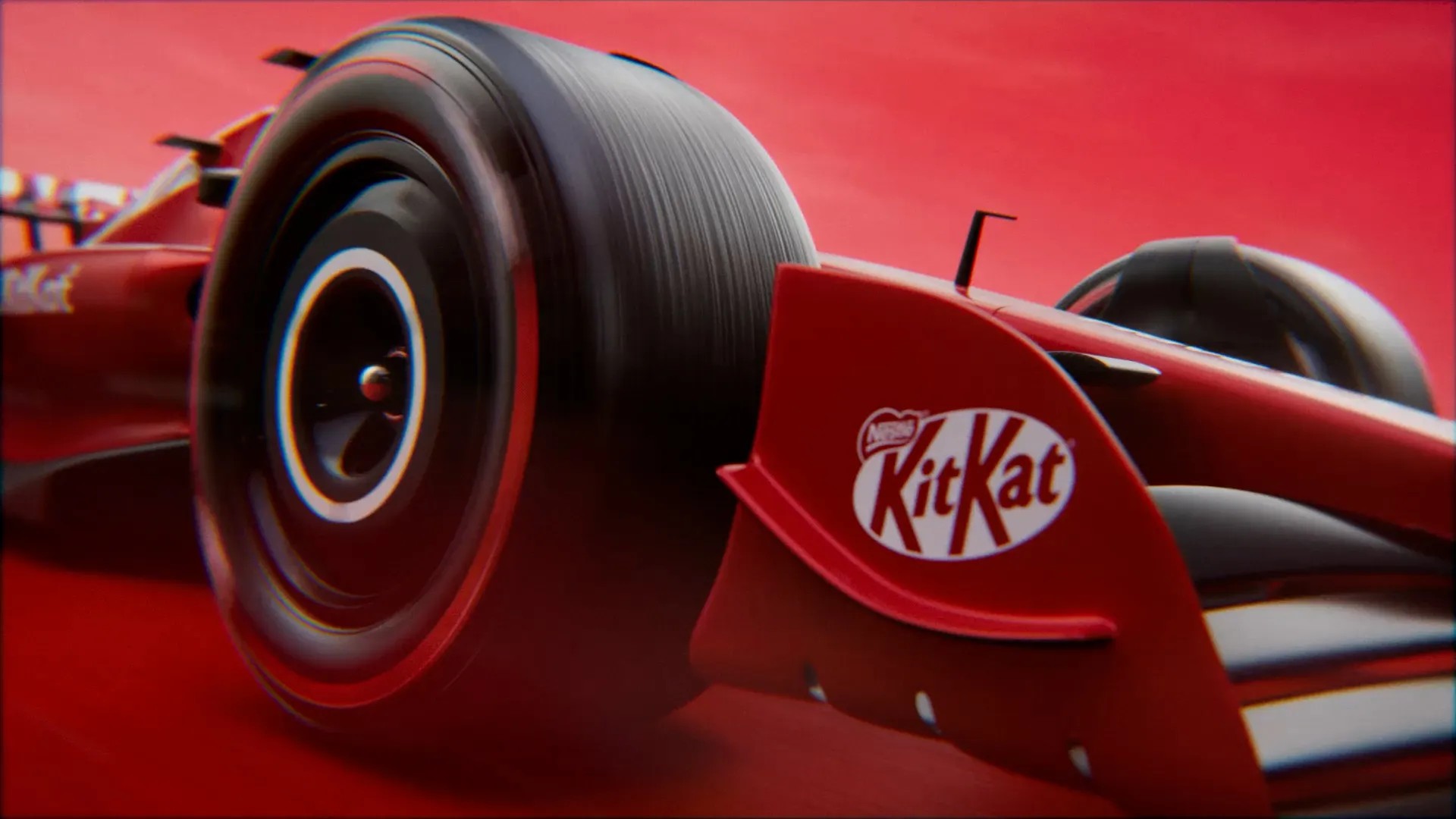
Marking Nestle’s largest global brand partnership to date, KitKat becomes the ‘Official Chocolate Bar of Formula 1’ for the 2026 Grand Prix season.
-
The collaboration introduces F1-themed product launches — including a first-ever molded chocolate racing car and a marbled livery Chunky bar.
- The 2026 F1 season starts in Australia, as usual, on March 8 with 24 rounds on the calendar.
Good news for F1 fans who are also love KitKat – the globally popular chocolate-covered wafer bar which has been around for over 90 years is the ‘Official Chocolate Bar of Formula 1’, starting from the 2026 season. This is the first time that there has been an ‘official chocolate bar’ and marks a definitive shift in the sport’s commercial and technical landscape.
This multi-year collaboration is the most expansive global brand partnership by Nestle, the brand owners. While 2026 will be the first full year of the collaboration, the partnership actually debuted with localized pilot programs (coinciding with KitKat’s 90th anniversary and F1’s 75th anniversary) during the late 2025 season at the rounds in Mexico City and Sao Paulo.
Presence in 12 rounds
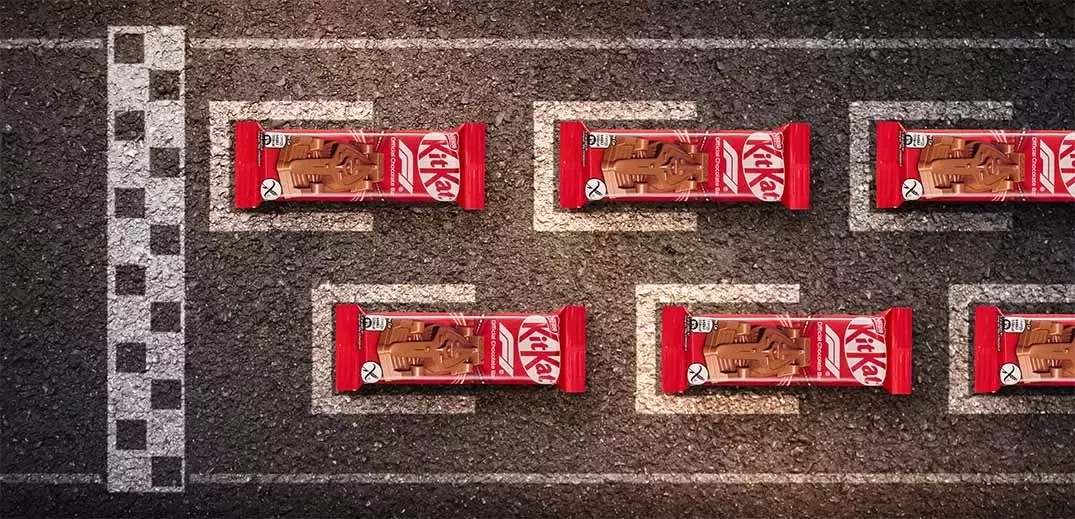
This year will see KitKat appearing as a brand partner at 12 specific GP rounds, beginning with the season-opener in Australia. Besides traditional trackside signage, spectators will encounter specialized ‘Break Zones’ – hospitality spaces featuring interactive experiences, gaming stations, and relaxation areas aimed at connecting with the sport’s younger, digitally native audience.
The partnership also marks a significant expansion into the ‘retailtainment’ sector, particularly through Nestle’s International Travel Retail division. Throughout 2026, travellers will see major F1-themed installations in international airports globally, ranging from digital simulators to duty-free exclusive gift sets.
Connecting with younger audience
These are designed to capture the attention of Gen Z travellers by blending the thrill of motorsport with gamified shopping experiences. By targeting high-traffic transit hubs, KitKat is positioning itself as a companion for fans traveling to races, effectively extending the Grand Prix weekend experience beyond the circuit gates.
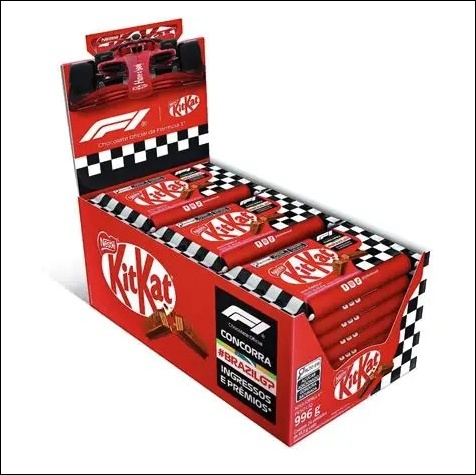
Digital engagement plays a central role in this strategy, with a focus on high-visibility platforms and content creators. KitKat has also secured targeted advertising placements within the latest season of the Netflix series ‘Formula 1: Drive to Survive’. This is complemented with social media campaigns that utilize the brand’s signature humour to simplify complex F1 technicalities, making the sport more accessible to new viewers while reinforcing the association between the intensity of a race and the necessity of a pause (with a KitKat, of course).
On a regional level, the collaboration is leveraging local heroes to drive brand affinity. These regional partnerships allow Nestle to tailor its ‘Have a Break’ message to the specific cultures of different racing fanbases, whether it is the carnival atmosphere of Sao Paulo or the historic prestige of Silverstone. This localized approach ensures that the global partnership maintains a personal feel for fans on the ground.
KitKat F1 cars
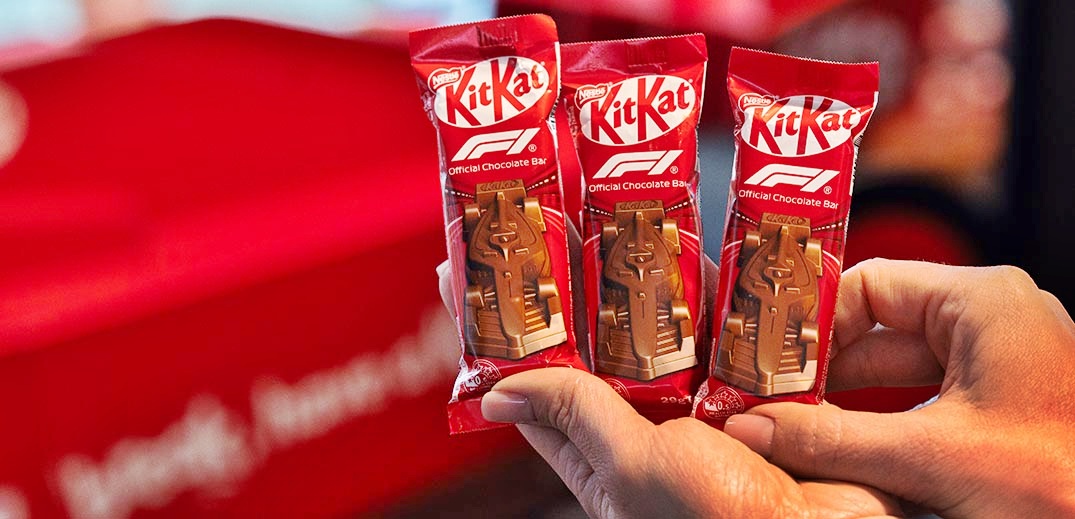
To mark the 2026 season, Nestle has introduced a series of F1-themed product innovations developed at their San Sisto R&D facility in Italy. This starts off with the first-ever molded chocolate Formula 1 car, which features a milk chocolate shell with crispy cereal and wafer pieces. Additionally, a new KitKat Chunky Caramel has been released, featuring a proprietary marbling effect on the chocolate meant to mimic the dynamic liveries and sense of motion of a racing car.
So far, there doesn’t seem to be anything about this collaboration from Nestle in Malaysia. Perhaps they are waiting for the season to start before having any activities, or since the activities will be focussed on 12 specific rounds – and Malaysia is no longer on the calendar – there’s no reason to spend money on it. Singapore, which has a round in October, will almost certainly have KitKat promotions. If we’re lucky, some supermarkets may import the F1-themed KitKats for sale.

The 2026 F1 season
The 2026 season represents one of the most significant resets in the history of Formula 1, characterized by radical regulation changes and the arrival of new automotive giants.
The 2026 cars are designed to be smaller, lighter, and more agile than their predecessors. The wheelbase has been shortened by 200 mm and the width reduced by 100 mm, while the minimum weight has dropped to 770 kgs.
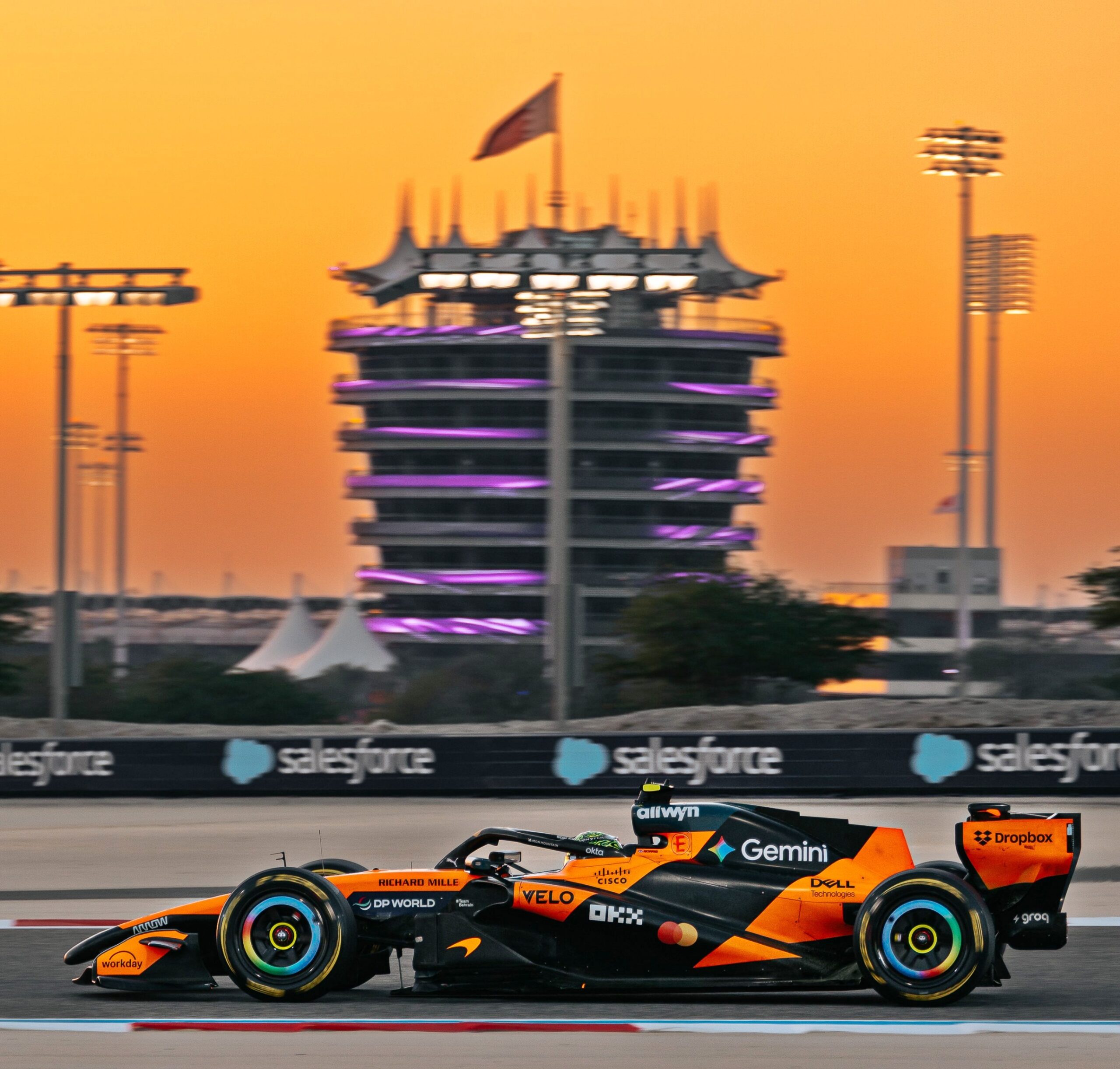
A major shift in aerodynamics sees the traditional Drag Reduction System replaced by Active Aero. This system allows drivers to toggle between a high-downforce ‘Z-Mode’ for cornering and a low-drag ‘X-Mode’ for straights. New power units feature a nearly 50:50 split between internal combustion and electric power, running on 100% advanced sustainable fuels.
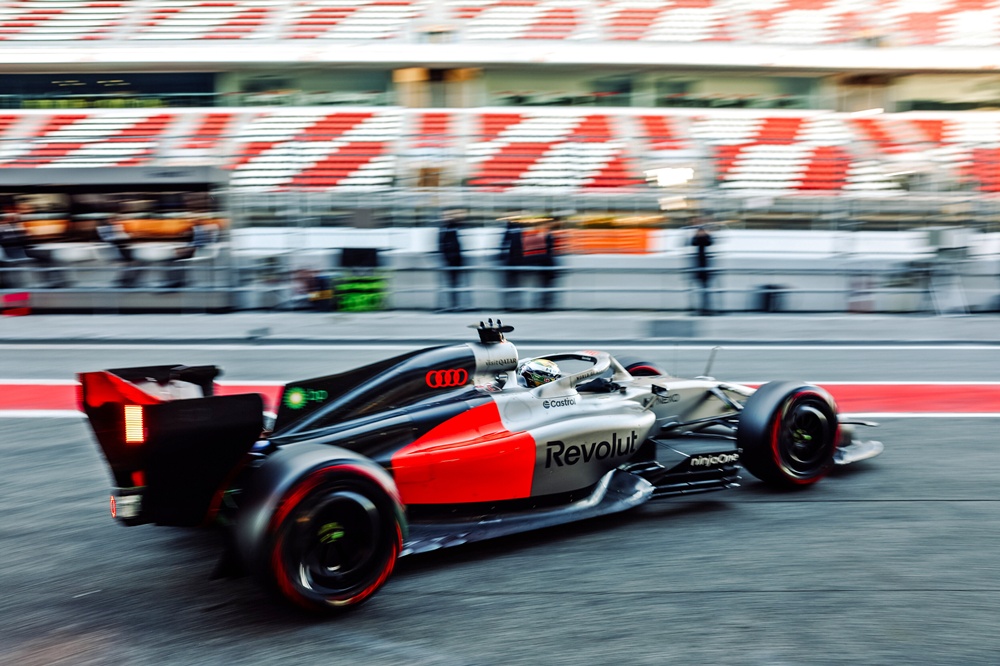
The grid has expanded to 22 cars for the first time in a decade. Audi makes its highly anticipated debut as a full works team after completing its takeover of Sauber, with Nico Hulkenberg and Gabriel Bortoleto as drivers. Cadillac, a General Motors brand, also joins the sport with an experienced pairing of Sergio Perez and Valtteri Bottas.
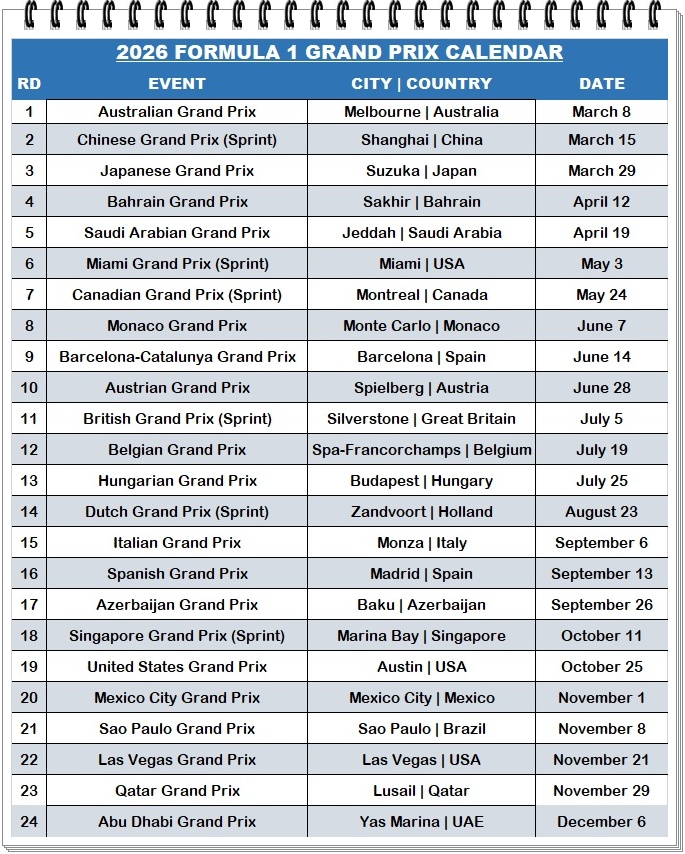
The 24-round season has been restructured to improve geographical flow and sustainability. The campaign begins in Australia on March 8, followed by a revamped Asian swing through China and Japan. The European leg kicks off in Monaco in early June and includes a consolidated schedule through the summer months. A major highlight is the debut of the Madrid Grand Prix in September, which serves as the final European race before the teas head to Baku and Singapore. The season concludes with its traditional triple-header through the Americas and the Middle East, ending in Abu Dhabi on December 6.