
Quick look
-
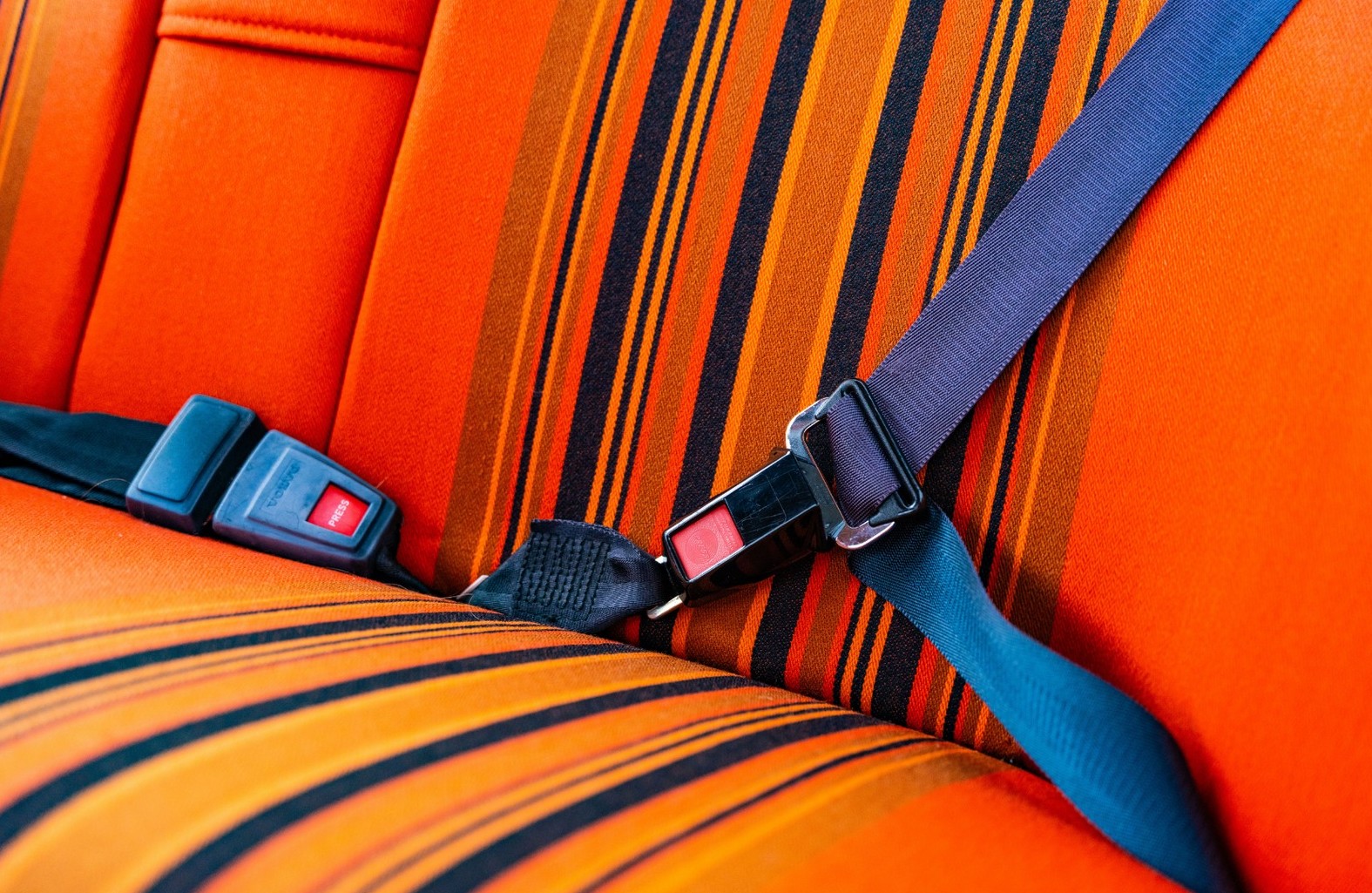
Nils Bohlin’s concept for a 3-point restraining seatbelt became an important life-saving feature in all cars.
-
In 1959, Volvo released the design patent to all companies for free, prioritizing global road safety over corporate profit and saving an estimated one million lives.
In the 1950s, while other manufacturers offered more power for stronger performance from cars, Volvo thought of safety as being a high priority. That followed guiding principle of founders Assar Gabrielsson and Gustaf Larson, who emphasized safety from the very beginning. They wanted to offer vehicles that were not only durable but also safe, and made a commitment to safety and quality.
While the emphasis on safety was there from the time the company produced its first car in 1027, it was in 1956 that Volvo installed a 2-point belt to restrain the front occupants. It was in the Amazon (121/122 series) and available as an option at first. At the time, the idea of being ‘strapped in’ was met with skepticism by motorists who strangely believed being thrown from a car was safer. In America, seatbelts also appeared but saw little interest and the automakers never pushed them.
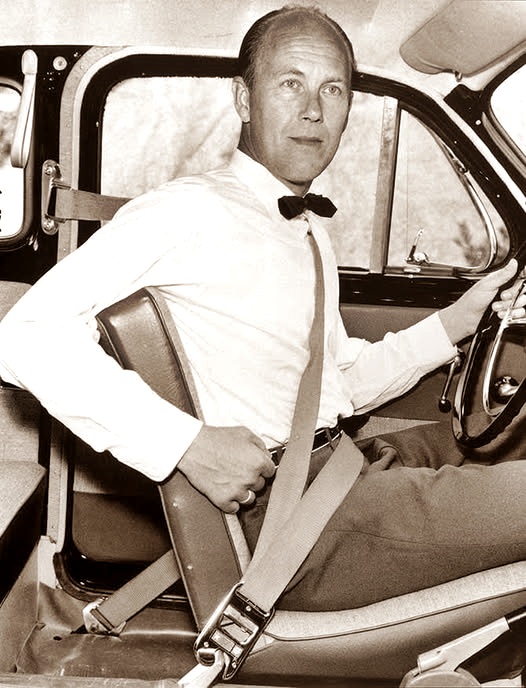
Father of the 3-point seatbelt
Enter Nils Bohlin. Recruited in 1958 by Volvo President Gunnar Engellau — who had tragically lost a relative in a crash — Bohlin was an aviation engineer. He had spent years designing ejection seats for Saab fighter jets. Paradoxically, the man who spent his career perfecting how to launch people out of cockpits was now tasked with the exact opposite: keeping them firmly in their seats.
Bohlin knew the existing 2-point seatbelts were flawed. The buckles often sat right over the soft organs, potentially causing more harm than good during a collision. He realized that for a seatbelt to work, it had to secure both the upper and lower body. His solution was a stroke of ‘geometrical perfection’ — a single strap that formed a V-shape, anchored at a low point beside the seat.
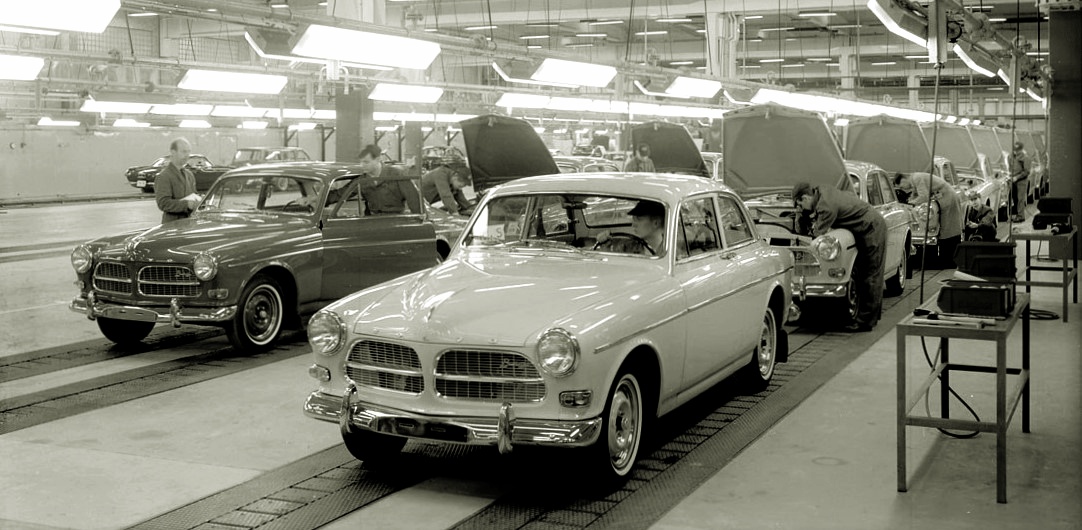
By 1959, this 3-point seatbelt (as it was referred to) became standard in all Volvo cars for the Swedish market. It was simple, effective, and most importantly, it could be operated with one hand. Volvo knew they had something revolutionary on their hands, but instead of keeping the technology for a competitive edge, they did something virtually unheard of in the corporate world.
Free for use by all
In an act of unprecedented corporate generosity, Volvo opened the patent to the entire automotive industry for free. They believed that some things were simply too important for profit. This ‘gift to the world’ accelerated the global adoption of seatbelts and paved the way for the mandatory safety laws we have today. It is a decision estimated to have saved over a million lives since its inception.
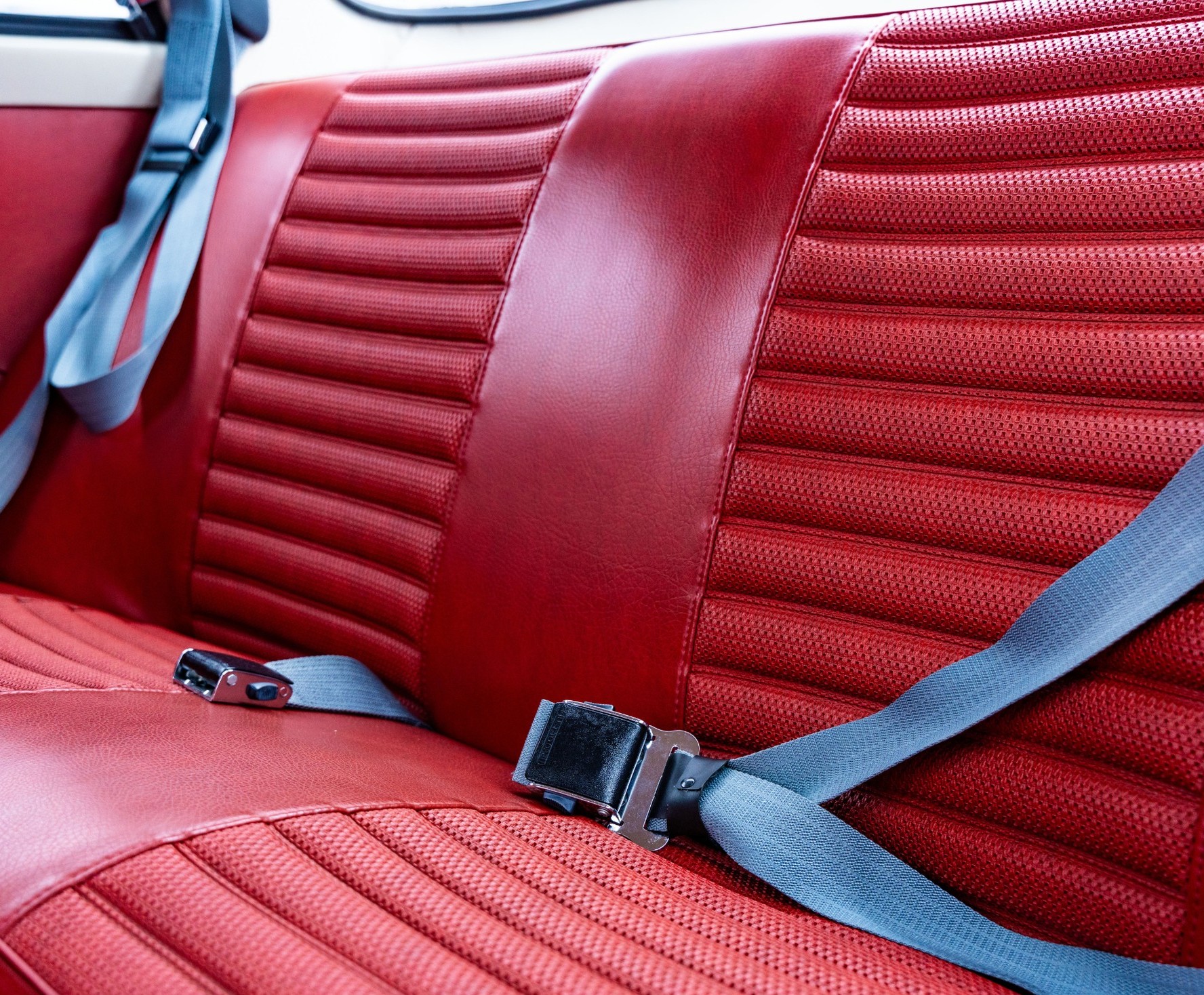
The idea was simple at the start but evolved from a static strap to include the emergency locking retractors that are part of the seatbelt system today. The principles remain the same, with the ‘V’ geometry proving to be right even as cars got faster and heavier.
Reduced risk of death by 50%
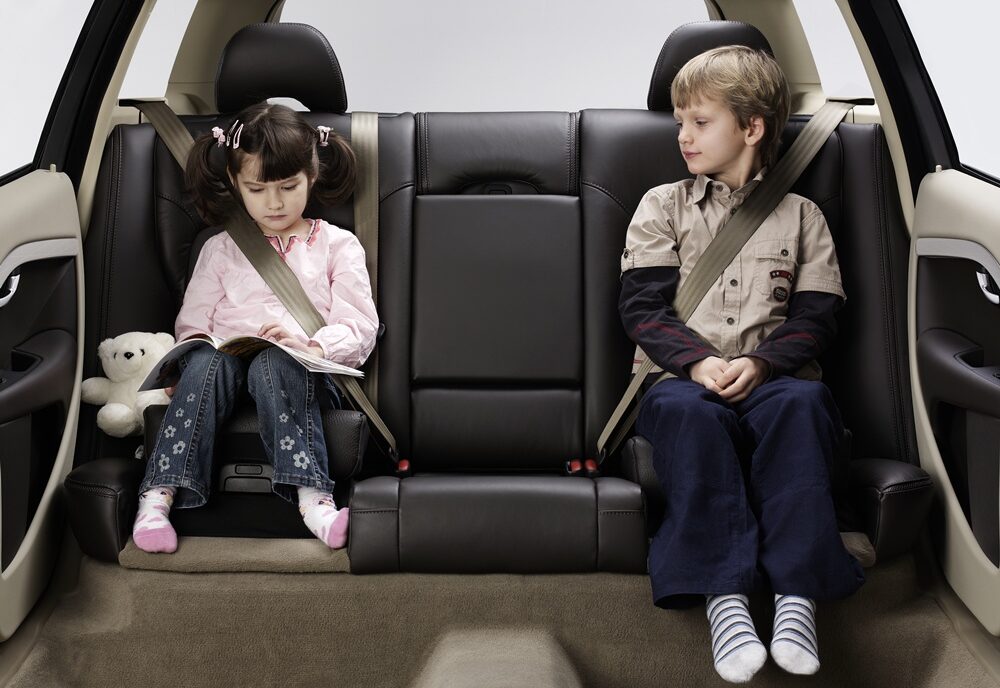
The impact of this innovation cannot be overstated. Statistics show that wearing a seatbelt reduces the risk of death in a crash by about 50%. It’s not just about stopping the body; it’s about managed deceleration. By spreading the force of an impact across the strongest parts of the human frame — the pelvis and the ribcage — the seatbelt prevents the ‘second collision’ of the driver hitting the windscreen or steering wheel. Occupants with seatbelts are also less likely to be thrown out in a violent accident.
Constantly innovating
But Volvo has never stopped at ‘good enough’. Over the last 7 decades, they have integrated the seatbelt into a wider safety ecosystem. We’ve seen the introduction of pretensioners that tighten the belt in a split second before the airbags inflate. In the early 1990s, with the 850, the engineers developed a variable upper anchorage point which enabled the seatbelt to be correctly positioned across the body, whatever the height of the wearer was.
As we move into 2026, the car industry is undergoing its biggest transformation yet. With the rise of electrification and autonomous driving, the way we sit in cars is changing. This has presented a new challenge: how do you protect someone who might be reclining, or who doesn’t fit the ‘standard’ crash test dummy profile?

Multi-adaptive seatbelt
True to form, Volvo has answered this with yet another innovation that advances the seatbelt system. In its new EX60, there is the world’s first multi-adaptive seatbelt, possibly the most significant evolution of Bohlin’s work since 1959.
The multi-adaptive seatbelt is essentially a ‘smart’ version of the seatbelt concept. Instead of a one-size-fits-all approach, it uses real-time data from a suite of advanced interior and exterior sensors. These sensors analyze the occupant’s height, weight, and even their exact seating posture in the milliseconds before a collision occurs.

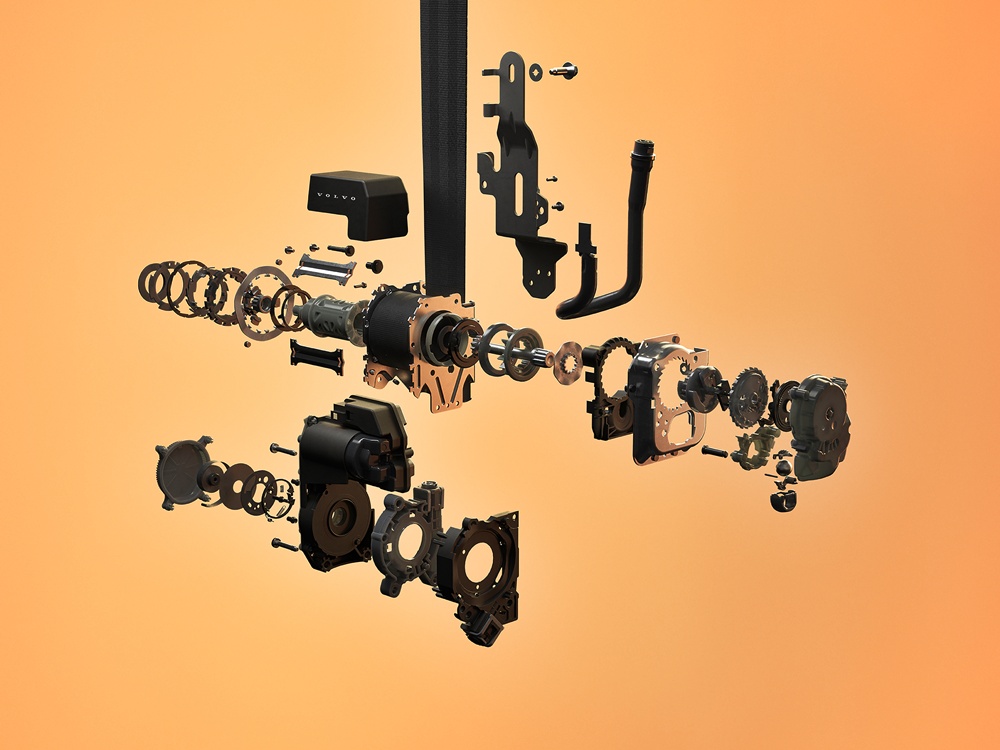
The system is powered by Volvo’s new HuginCore computing platform. It can choose from 11 different load-limiting profiles — a massive jump from the three found in traditional systems. If a large occupant is in a severe high-speed crash, the seatbelt firms up to prevent head injury. If a smaller passenger is in a lower-speed collission,the seatbelt provides a gentler restraint to protect the ribs.
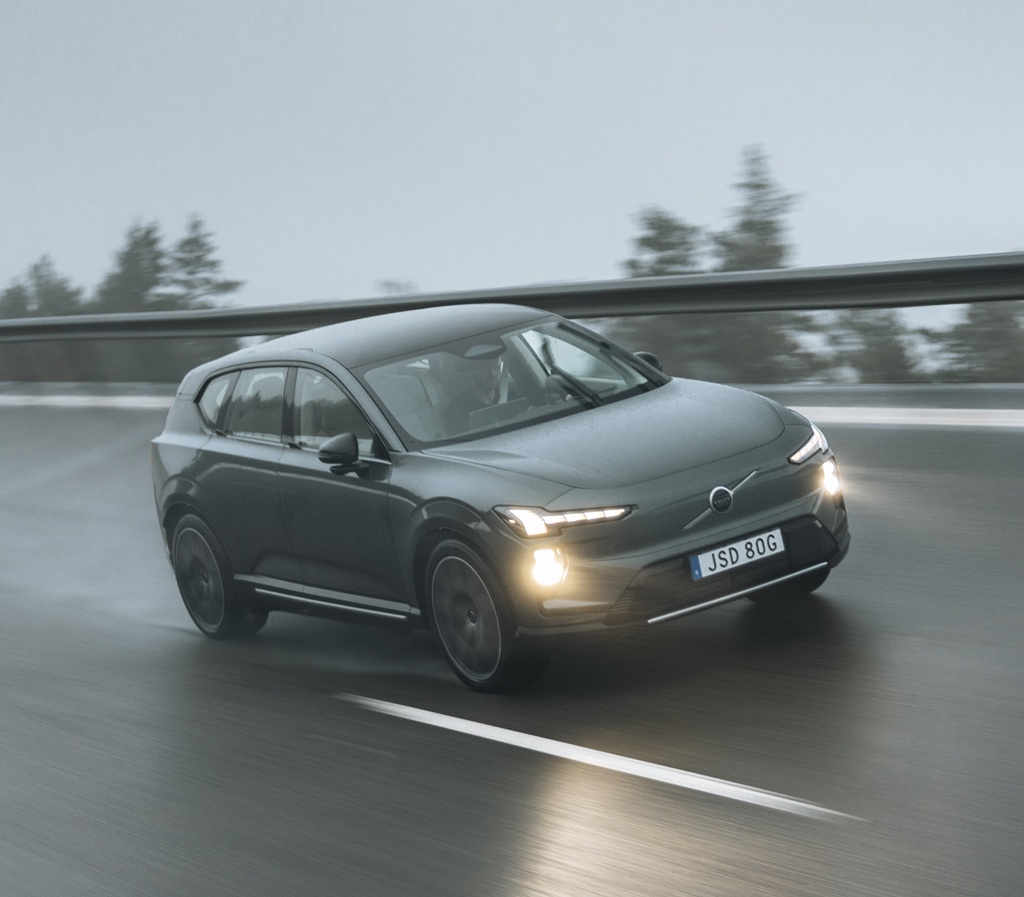
Thanks to over-the-air (OTA) updates, the seatbelt’s response strategies will actually get better over time. As Volvo gathers more global data on real-world accidents, they can refine the algorithms to make the system even more protective for every unique individual.
Seventy years after Volvo’s gift of safety to the world, the automaker’s philosophy remains unchanged. From a simple piece of webbing to a data-driven adaptive shield, the goal is still the same: ensuring that every journey ends safely. The spirit of Nils Bohlin lives on in every click of the seatbelt buckle.
A unique Malaysian model for child passenger and road safety