
Quick look
-
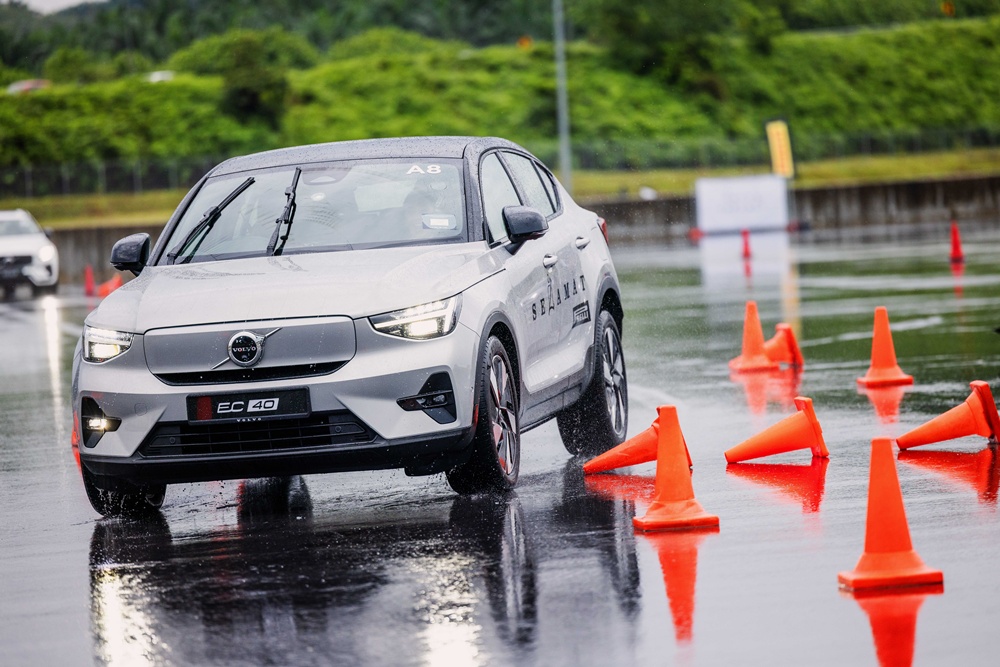
Volvo Car Malaysia’s Selamat Driving Experience at Sepang allowed Volvo owners to experience advanced driver assistance systems (ADAS) to understand how they can prevent accidents.
-
Held at the Drive Experience Centre at the PETRONAS Sepang Racing Circuit complex, the vehicles could be taken beyond their limits in controlled conditions.
As far back as 1978, Volvo has been demonstrating the safety of its cars to Malaysians through events that have often allowed the public to also participate. In the days before electronic driver assistance systems, the progressive handling characteristics helped drivers to maintain control even in slippery conditions, avoiding accidents.
Today, with advanced driver assistance systems (ADAS), the on-board computer does the work of maintaining stability and preventing an accident. The effectiveness of these systems is usually not experienced – until you avoid an accident because ABS or automatic emergency braking activated.
Experiencing ADAS
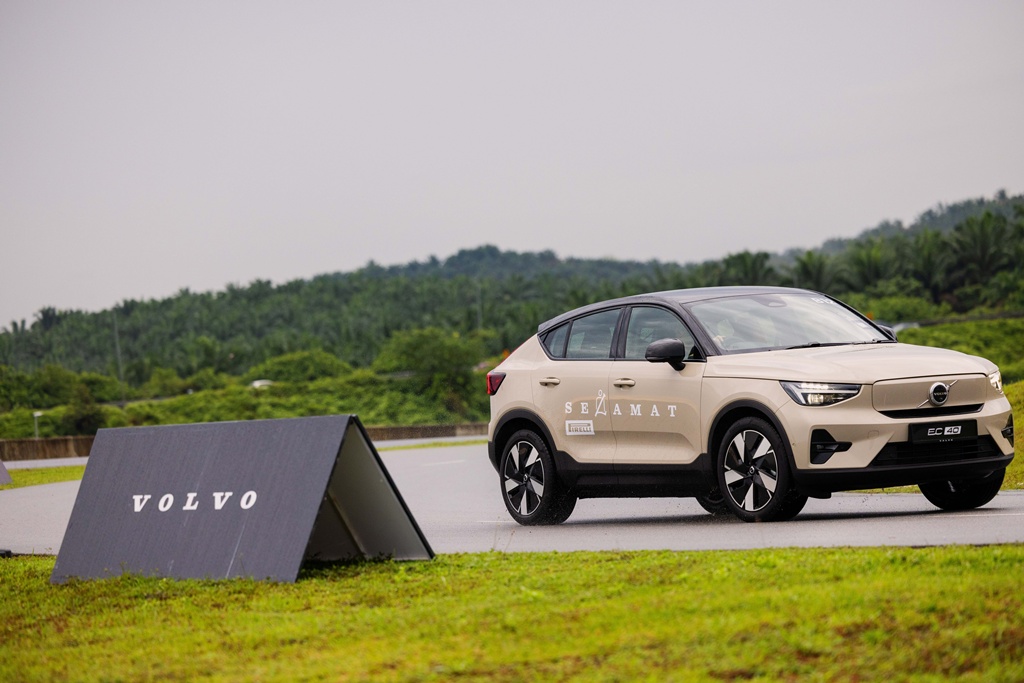
To allow owners to experience the value of ADAS in its vehicles, Volvo Car Malaysia recently held a technical and behavioural driver safety event at the Drive Experience Centre in the PETRONAS Sepang International Circuit complex.
The initiative, known as the Selamat Driving Experience, saw 240 participants taking Volvo vehicles beyond the limits so they could experience the effectiveness of the active safety systems to help them avoid accidents. The controlled environment ensured that they could safely carry out manoeuvres which would be dangerous on public roads.

What makes Volvos safe?
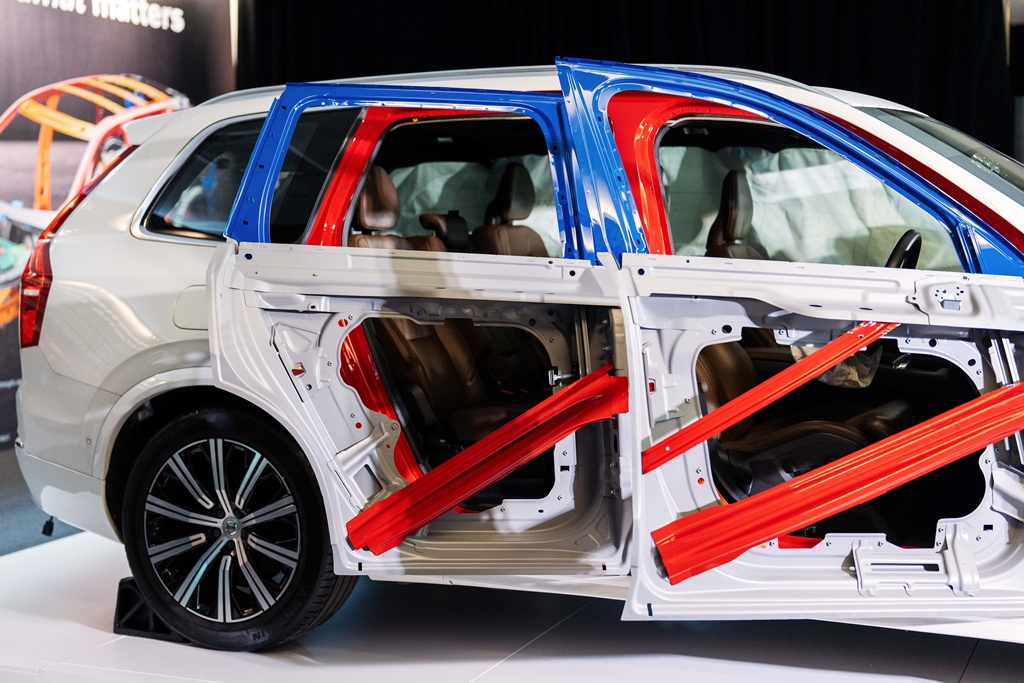
On this occasion, rather than focusing on product performance or promotional narratives, the event highlighted everything that makes a Volvo safe and protects its occupants. The participants could also see the skeleton of an XC90 which showed its structure with high-strength boron steel in the chassis architecture forming a rigid cage to protect the occupants. At the same time, computer-designed elements form the side impact protection system (which Volvo pioneered) to prevent impact forces from side collisions from harming the occupants.
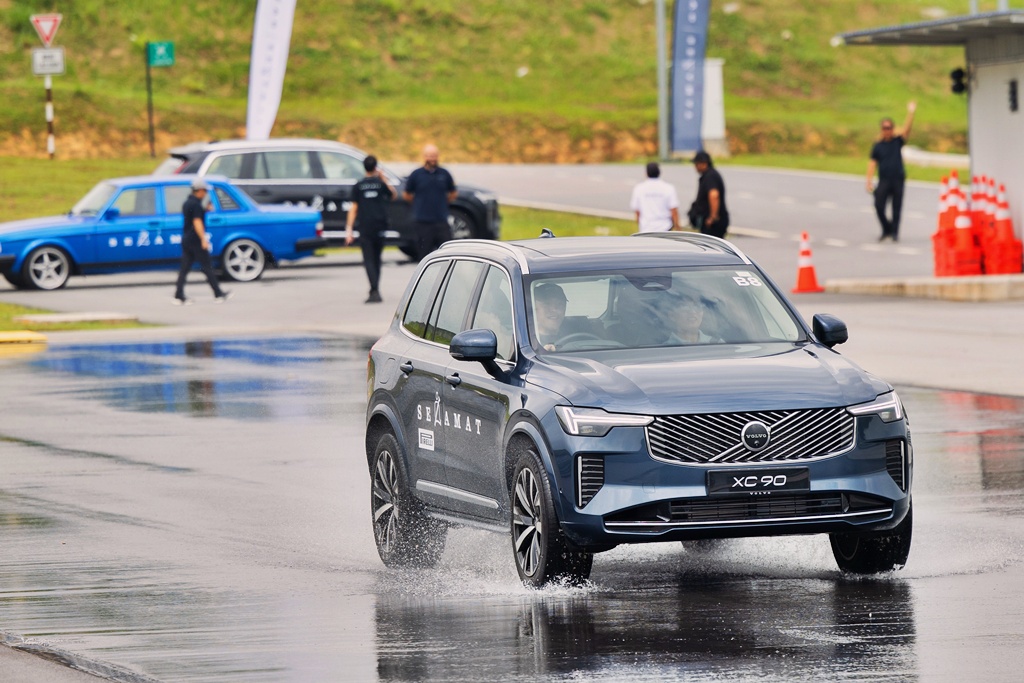
The dynamic track exercises included a comparative demonstration on a hydraulic kickplate, an apparatus designed to destabilize a vehicle’s rear axle to simulate sudden aquaplaning conditions. Aquaplaning is when the tyres completely lose grip and steering control is totally lost, a very dangerous condition.
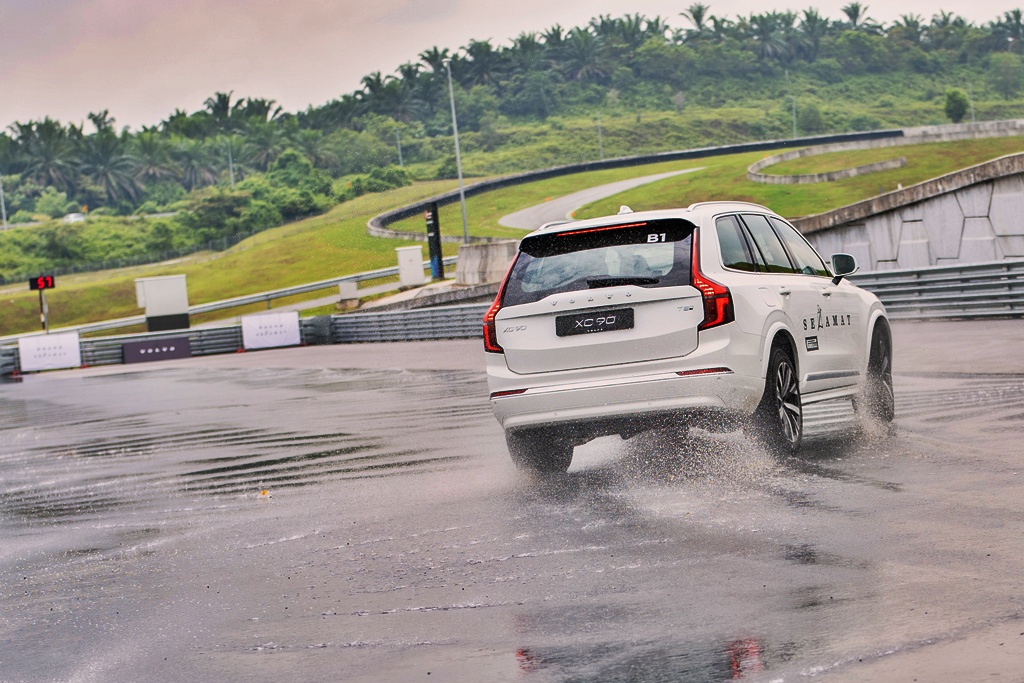
In the controlled conditions, the drivers were able to retain control while the electronic stability control systems automatically applied selective braking and modulated engine torque to establish directional control.
How active safety has advanced
To show what it was like in the days before ADAS, professional instructors used an old 240 sedan and had it aquaplane. The comparison demonstrated the evolutionary progression from purely mechanical driver feedback systems to electronic aids available today.

Other exercise had drivers executing high-speed directional changes – a manoeuvre that destabilises a car and can result in loss of grip and directional control. It’s a real-world situation where a driver would brake and swerve to avoid a head-on collision and sometimes, you can be unlucky.
However, with the active systems working together, the chances of avoiding the collision are better today but dependent on the reaction times of the driver too. This is where advanced driving courses can help improve a driver’s response in such extreme situations.
Volvo’s Selamat Calculator helps you make a self-assessment of risk