

Quick look
-
New generation of popular MPV to be launched in 2026.
-
Nissan e-POWER drivetrain functions like an EV, with only electric power moving the vehicle.
-
Strong acceleration with high fuel efficiency and potential range of up to 950 kms.
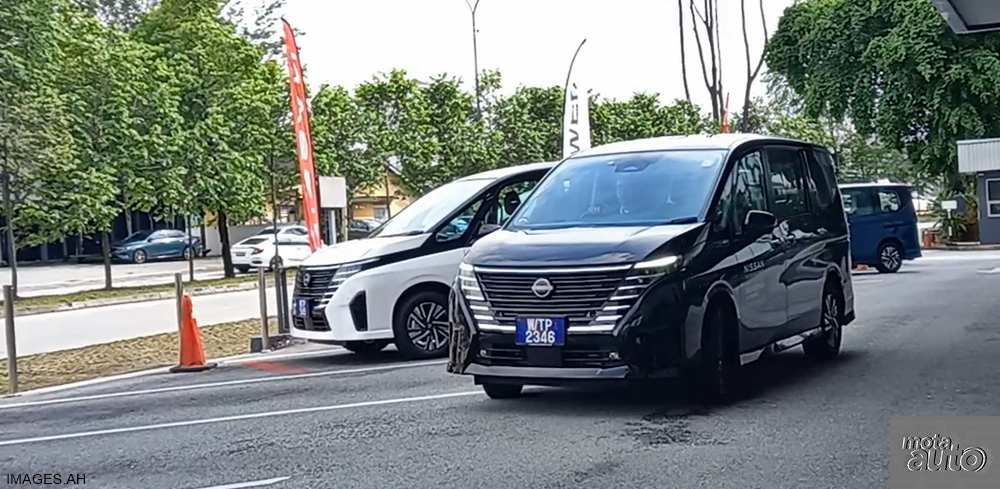
One of the new models coming in 2026 is the Nissan Serena, a MPV that has been in the market since the 1990s. Its size and price have given it an advantage in the C-segment for many years, making it a popular choice for those who can afford something more expensive than the Proton Exora (now discontinued) but are not ready to progress to the Toyota Alphard/Vellfire.
The Serena will go into its sixth-generation next year and although there is now a new wave of premium MPVs from Chinese brands slotting in well below the Alphard price level, it should still maintain its appeal with the decades-long proven dependability of Nissan vehicles.
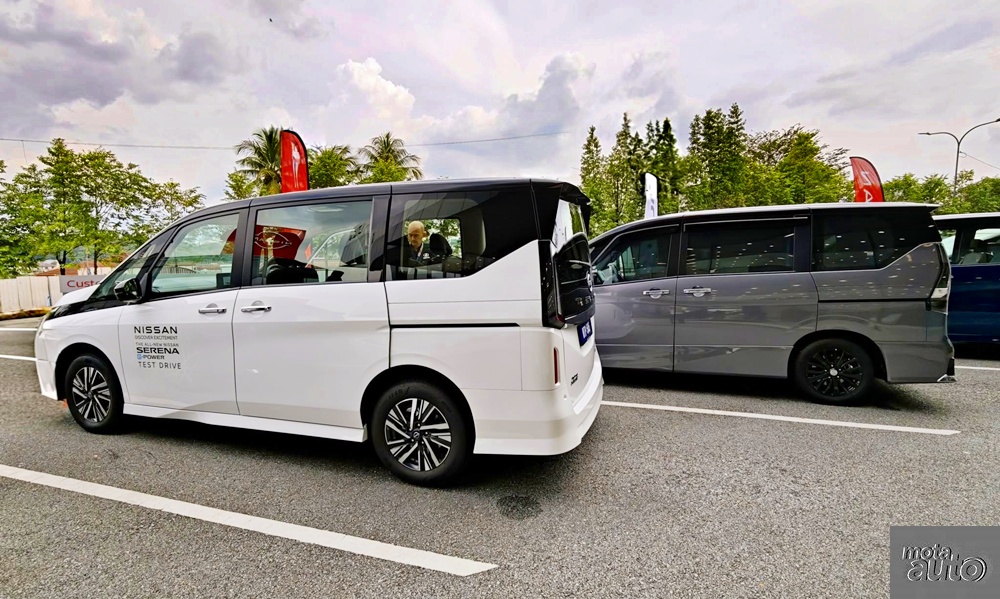
The new Serena also has a unique advantage that will appeal to those who are not ready or willing to switch to the new offerings of fully electric MPVs. It has the e-POWER drivetrain which gives the benefits of an EV but the convenience of an ICE (internal combustion engine) vehicle. Already available in the KICKS SUV, the e-POWER drivetrain operates only on electric power, with the petrol engine recharging the battery as the vehicle runs.
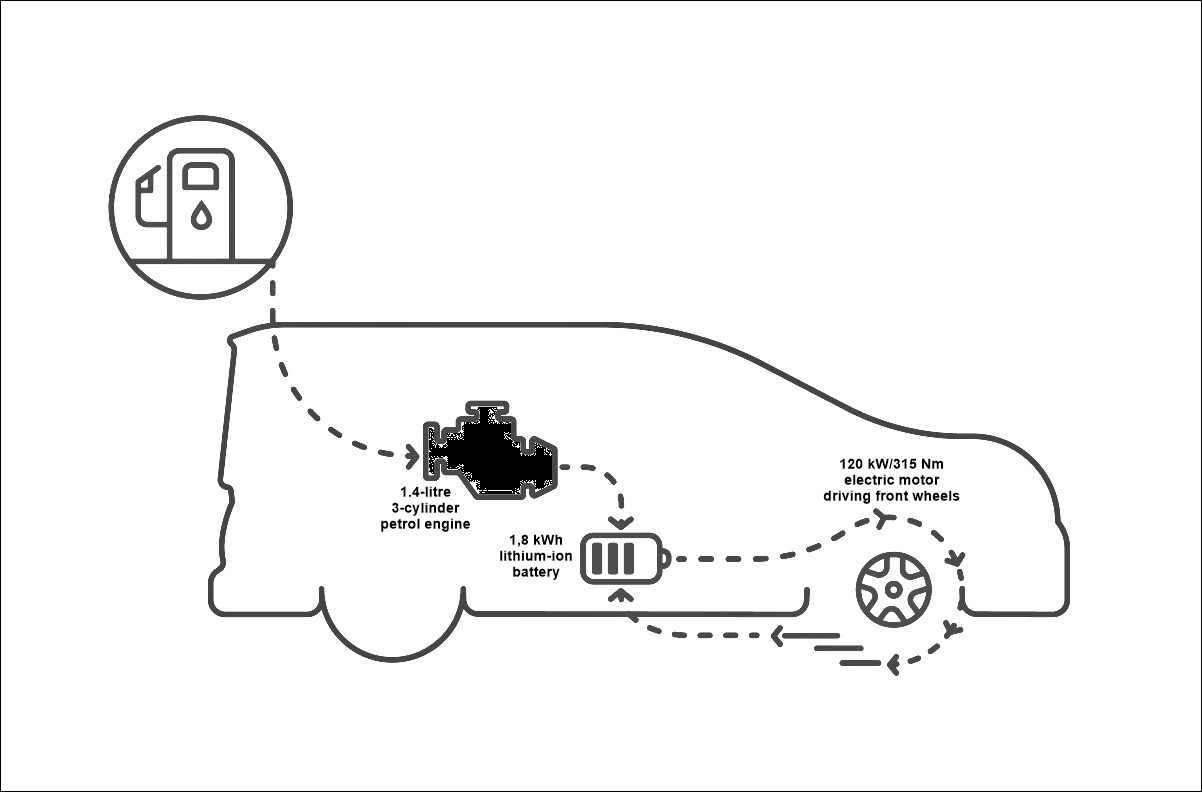
The self-charging of the battery means the driver does not have to worry about finding a charging station to recharge. And because the electric motor is doing the work, the engine runs less so fuel consumption is very low. That’s certainly a strong point for a large vehicle like the Serena as larger vehicles have usually meant higher consumption.
Hybrid MPV pioneer
The electrified drivetrain is not new for the Serena; in 2013, the fourth generation was the first MPV in Malaysia to have an electrified S-Hybrid powertrain. This used a simple concept where an ECO motor assisted the engine during acceleration and regenerated energy during braking. With assistance from the motor, especially on take-off, fuel consumption could be reduced.
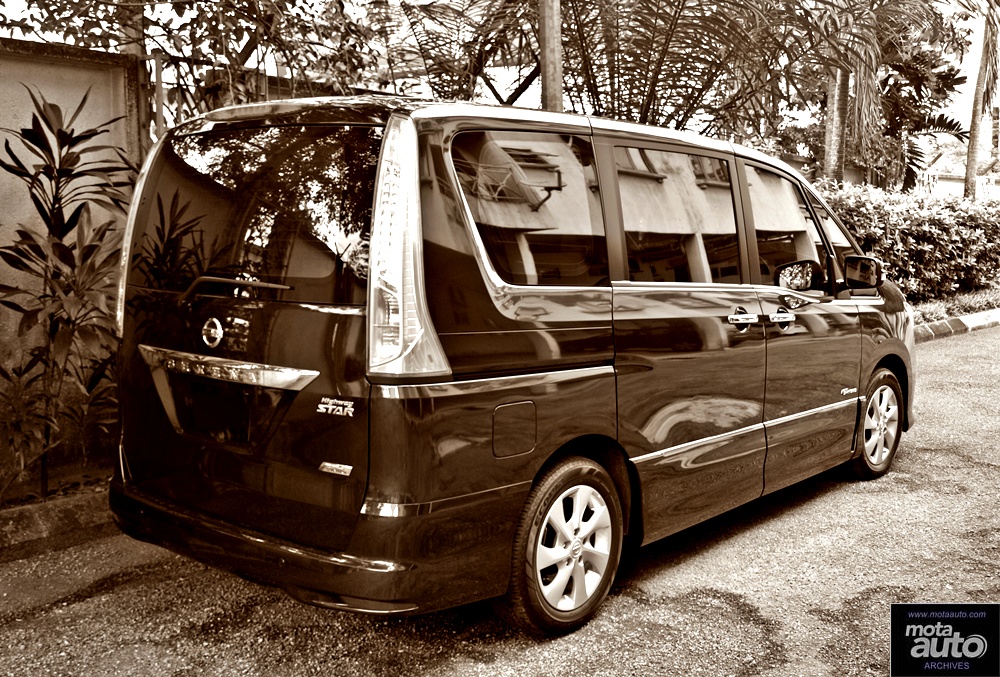
The e-POWER drivetrain in the new Serena is light years advanced from that S-Hybrid concept. Introduced in 2016 in Japan, over 1.6 million vehicles have been sold with e-POWER worldwide and having proven itself as a practical alternative to other electrified drivetrains, Nissan has continued to improve the technology.
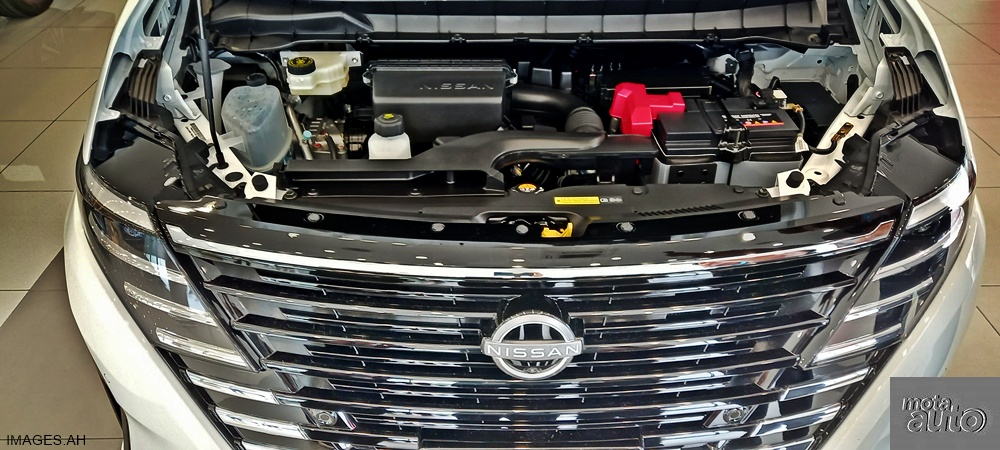
Larger petrol engine
For the Serena, the same concept as the second-generation e-POWER drivetrain in the KICKS. Because the Serena is a larger MPV, a larger petrol engine is used as the generator to recharge the battery. This is the new HR14DDe 1.4-litre 3-cylinder direct injection petrol engine, larger than the 1.2-litre engine for the KICKS. The small displacement also contributes to less fuel being used.
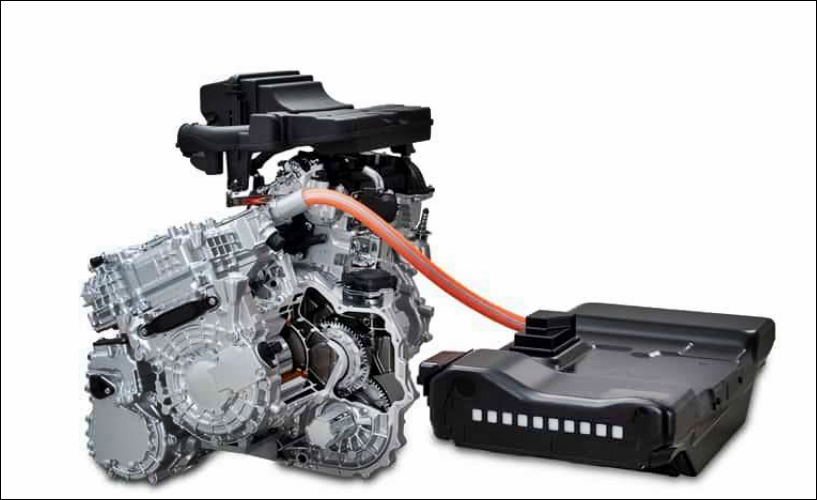
It has Mirror Bore Coating technology that reduces friction, vibration and noise, for greater smoothness and refined operation when it is running (its operation is not continuous and only when require to recharge the battery).

As for the electric motor which propels the MPV 100% of the time, the output is higher than the one in the KICKS – 120 kW (163 ps)/315 Nm versus 95 kW (129 ps) and 280 Nm. The extra output ensures that the weight-to-power ratio is right for the heavier Serena (about 1,800 kgs).
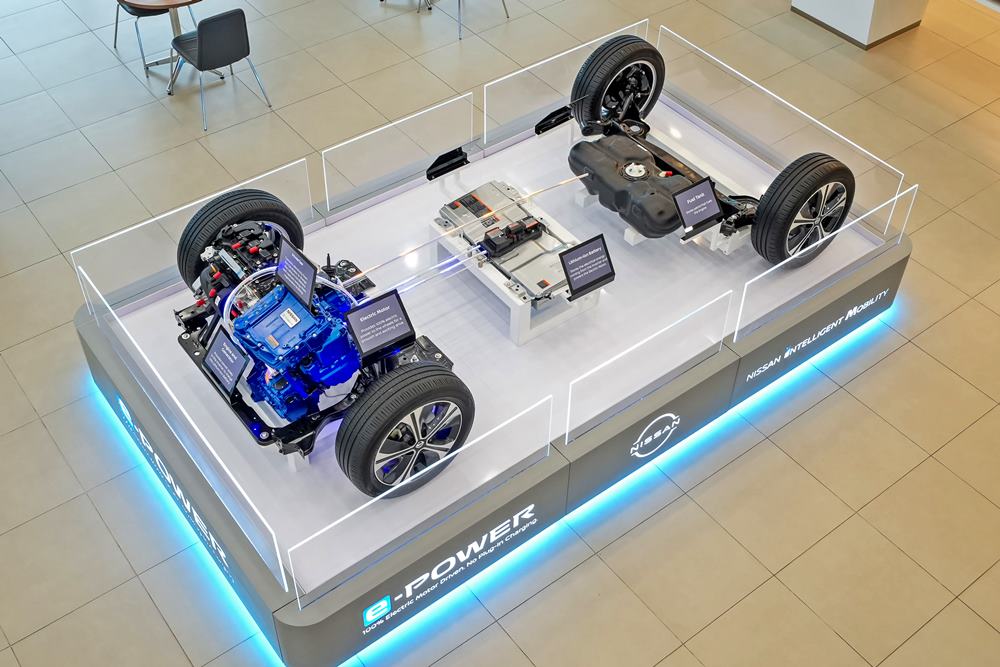
Lower capacity battery
Just like the amount of petrol that can be stored in a fuel tank, the battery capacity determines the range of an EV. Therefore, increasing the capacity has been the trend. However, for the e-POWER lithium-ion battery, Nissan has reduced the capacity from 2 kWh in the KICKS to 1.769 kWh in the Serena. While this may seem to be a step backwards in achieving better range, it is actually the opposite.
Technological improvements in the latest e-POWER drivetrain and the more efficient engine require less battery buffer for instant EV-like torque. The engine is better at generating power so it can keep the battery topped up more efficiently. Capturing wasted energy during regenerative braking is also improved. Finally, the more compact battery size means lower weight, which is beneficial for any vehicle.
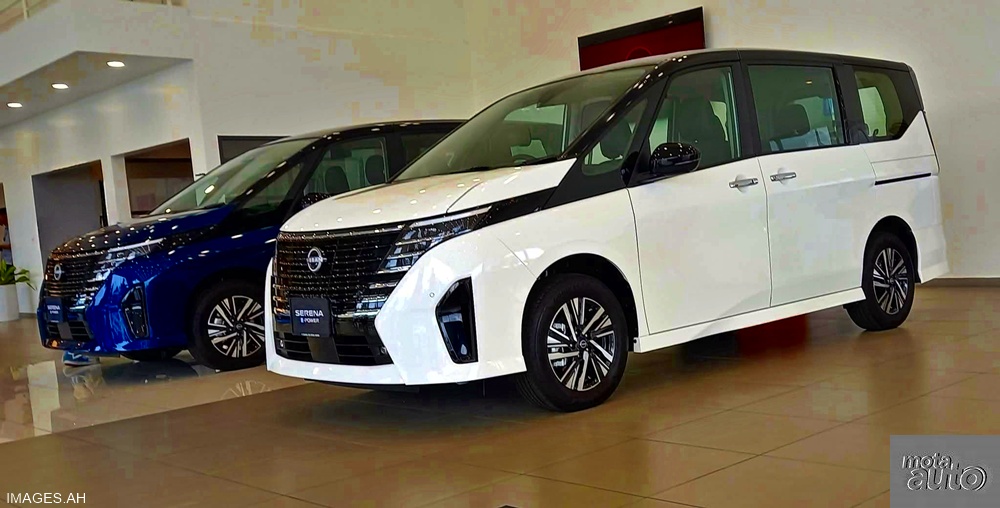
Edaran Tan Chong Motor (ETCM) has not provided us with the fuel consumption claims, but the version sold in Thailand is claimed to have a figure of 18.2 kms/litre. With the 51-litre fuel tank, that works out to be about 950 kms of range, which is certainly impressive and comparable with the smaller and lighter KICKS.
![Nissan Kicks e-POWER [2024]](https://www.motaauto.com/wp-content/uploads/2024/11/Nissan-Kicks-e-POWER-2024.jpg)
Although the new Serena will only be launched sometime during the first half of 2026, ETCM is already starting to introduce it now (a trend in the industry). The media was given a preview of the product yesterday and had a chance to take a 4-km drive to get a feel of the MPV which now has the E-POWER drivetrain. As it has been some time since we drove a Serena S-Hybrid, we were also provided with a unit to drive so that immediate comparison could be made, rather than relying on memory.
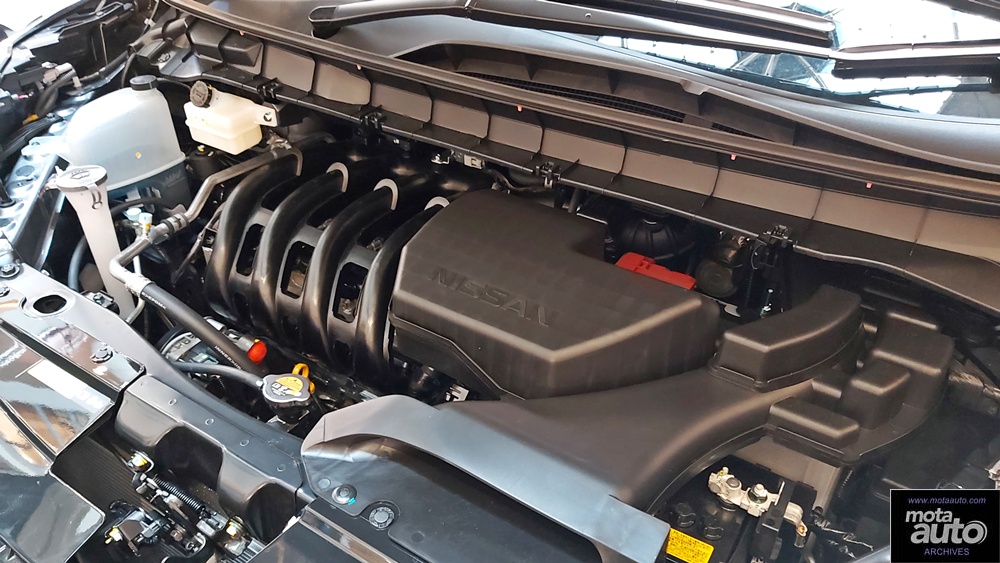
As we said earlier, the e-POWER drivetrain is light years advanced from the simple S-hybrid system and that was very clear from the noise levels on starting off. Unless the battery is low when about to move off, there is no noise or vibration – just like an EV. This is because the engine remains off unless it has to recharge the battery.
The S-Hybrid, which relies on the engine to run, fires up when you press the button and the familiar noise and vibrations tell you it’s ‘alive’. For motorists used to that sensation, not having anything happening needs getting used to. Those who have not driven an EV before may automatically wonder if something is wrong and it is only a light on the instrument panel that tells you the all systems are ‘GO’. As we have already driven many EVs over the past 2 years, we’re used to it.
![Nissan Serena e-POWER [2026]](https://www.motaauto.com/wp-content/uploads/2025/12/Nissan-Serena-e-POWER-2026.jpg)
Subjectively, the strong acceleration of the Serena e-POWER feels like the S-Hybrid – but only in the brief moments when moving off. But then the maximum torque that the electric motor generates from standstill remains at maximum and the vehicle surges forward whereas the S-Hybrid progressively reverts to engine power which also means torque can diminish further up the rev range.
The Serena e-POWER doesn’t have that characteristic and in fact, even with the 1.4-litre engine, it has 315 Nm of torque available whereas the S-Hybrid with a 2-litre engine has 200 Nm, and that’s only at 4,400 rpm. The electric motor of the e-POWER drivetrain keeps spinning at maximum torque, maintain strong acceleration.
Driving with one pedal
The Serena e-POWER also has e-Pedal Step, a 1-pedal driving mode which Nissan was among the first to introduce with the LEAF, which was the world’s first mass-produced EV when it was launched in 2010. With the e-Pedal Step, you drive using just the accelerator pedal – whenever you reduce pressure on the pedal, the vehicle decelerates as if you are braking.
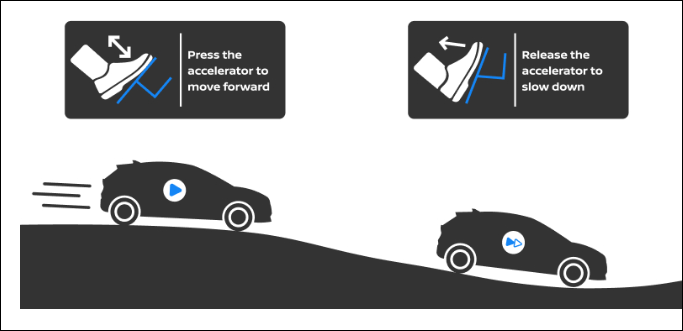
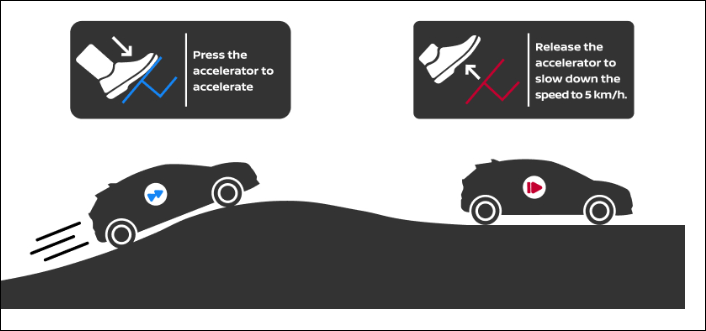
Some people like this 1-pedal style and some don’t. What we can say is that it may initially feel awkward but once you get used to it, you may find that you prefer it. It does require getting used to and initially, drivers may drive jerkily as they don’t operate the pedal progressively. But once you master that, you will find that you can control the vehicle’s forward motion better without using the brakes. This is useful in heavy traffic where you have to drive slowly and can adjust your speed as you move.
There is also a ‘B’ mode alternating with the DRIVE mode and this provides additional braking force (not too strong) when required. The nature of the electric motor is different from an engine and there is no ‘engine braking’ that slows the car down. And you also do not have lower gears to change to, so braking has to be induced electronically.
There is also a N Hold Mode which makes it easy to push the car when parked, providing convenience when parallel parking, plus an electric parking brake with Auto Brake Hold, further enhancing convenience.

There are 3 drive modes – ECO, Sport and Normal – which the driver can choose to suit personal preference or traffic conditions. The mode has some effect on the braking effect which regenerates energy to charge the battery. In ECO mode, we found it to be stronger so lifting off on the accelerator pedal would cause strong deceleration. This would mean more energy is going back to the battery. It’s not a great deal that can make recharging by the engine unnecessary but over long distances, it can contribute to recharging and reduce engine operation, so fuel is saved.
One thing we did not like about the drive modes was not the modes themselves but the location of the button to select. It is on the lower right side of the dashboard – out of sight – among the switches usually for headlight levelling and other less frequent functions. It’s hard to understand why the interior designers put it there as in most other cars, the button is either on the centre console or even on the steering wheel. Perhaps someone who owns the Serena will become used to it over time and can operate it even though it can’t be seen readily.
Whatever mode is chosen, the smoothness of an EV is always present since it is only the motor providing the propulsion. In Sport mode, you get strong acceleration but this will be at a small penalty to range. Some drivers may love the strong acceleration and want to experience it often but that means the motor works harder and just like an engine, more energy is drawn from the battery.
Nissan ProPilot
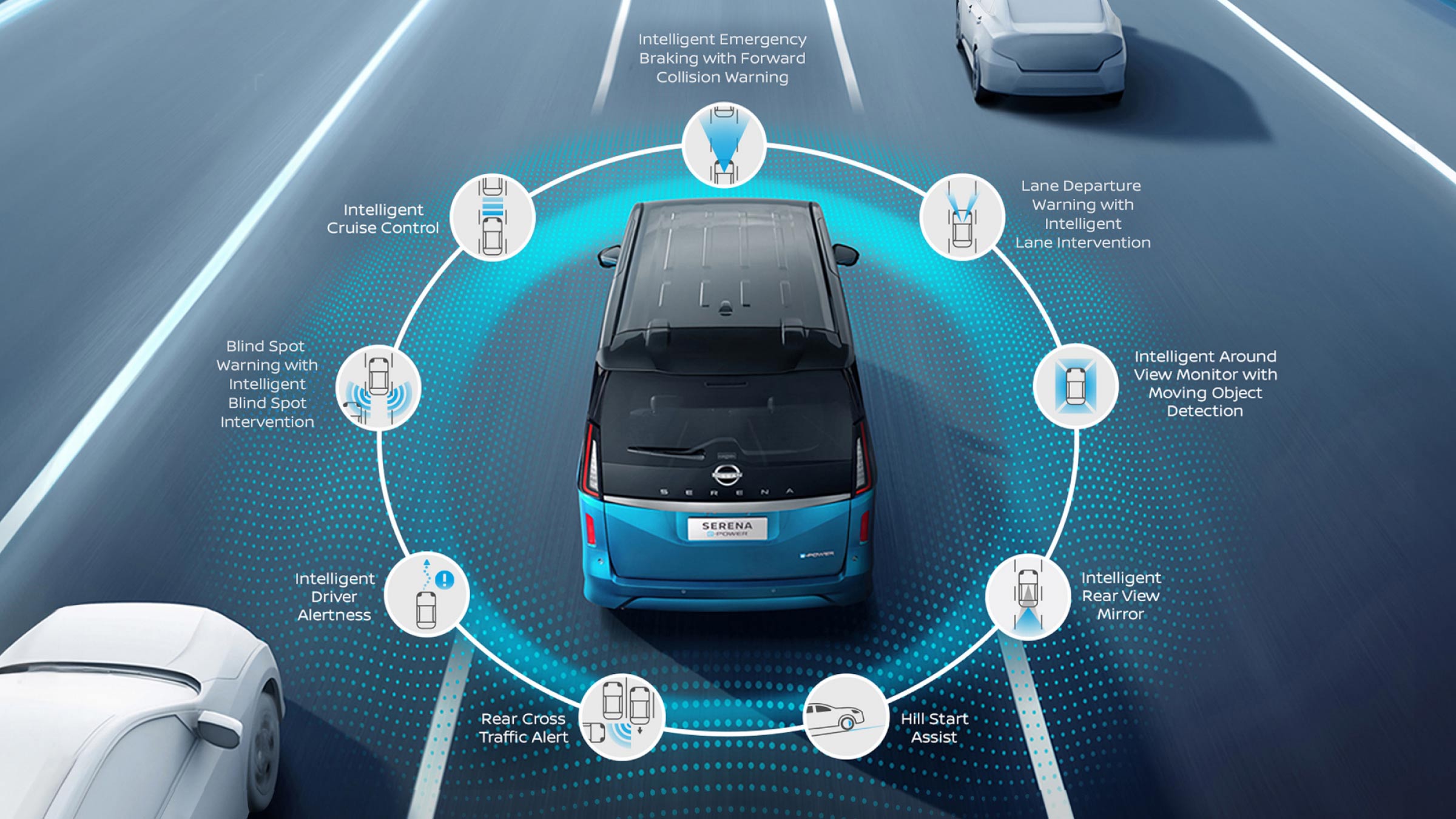
With the new Serena, drivers also get Nissan ProPilot, an advance driver assistance system (ADAS). Propilot is part of Nissan’s 360° Safety Shield concept and uses a camera and radar to scan all round the vehicle for dangerous situations. More advanced ProPilot versions in Japan enable completely autonomous driving (hands-off) but as Malaysia is not ready for that advanced level, you still have to be in control but there are systems like cruise control and lane keeping in the system. Besides improving motoring safety, ProPilot also reduce fatigues on longer journeys as the computer helps with some of the driving work.
More details next year
That’s all we can share about the upcoming Serena e-POWER as ETCM does not want us to show the interior for now. It’s not so much that about secrecy but the units we drove were not the final production units (the model will be assembled locally) and they say that some of the features may be different. So they do not want to give a wrong impression of what to expect.
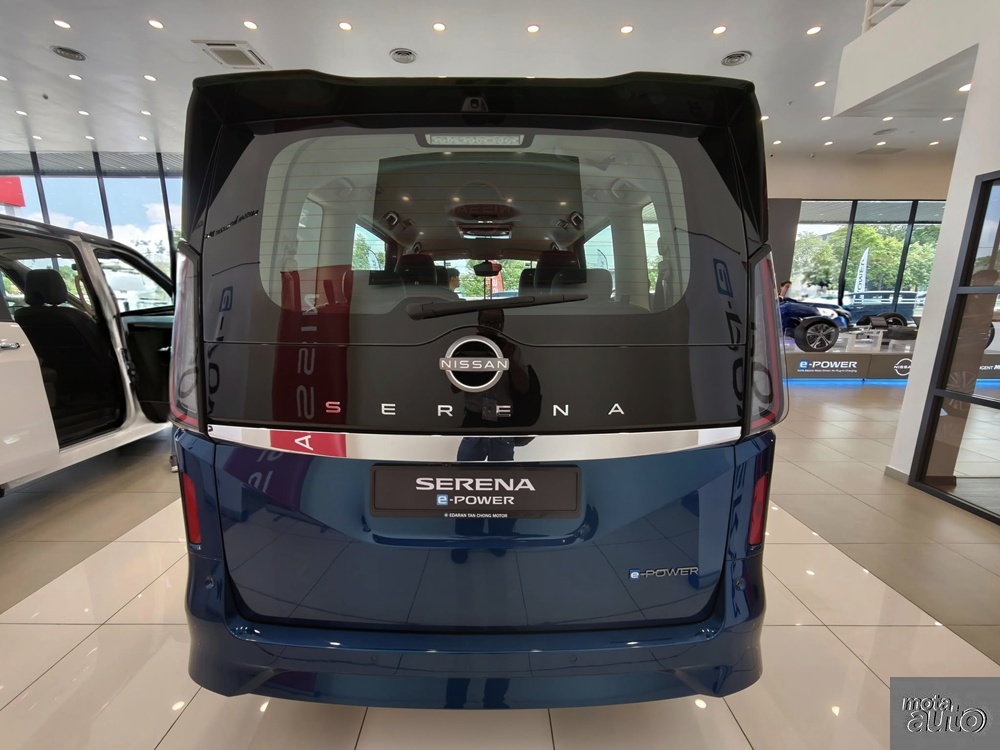
If you have been in the Serena S-Hybrid, it’s safe to say that the interior has similar spaciousness with more space to move around inside (when the vehicle is not moving, of course). Expect upgrades to materials and more features for comfort and convenience. The sliding doors are still there and the rear door is still a 2-section design where you can open the top half alone, rather than lifting up the entire door.
For new information on the Serena e-POWER over the coming months, visit www.nissan.com.my.
Nissan Kicks e-POWER performance demonstrated on cross-border drive
