
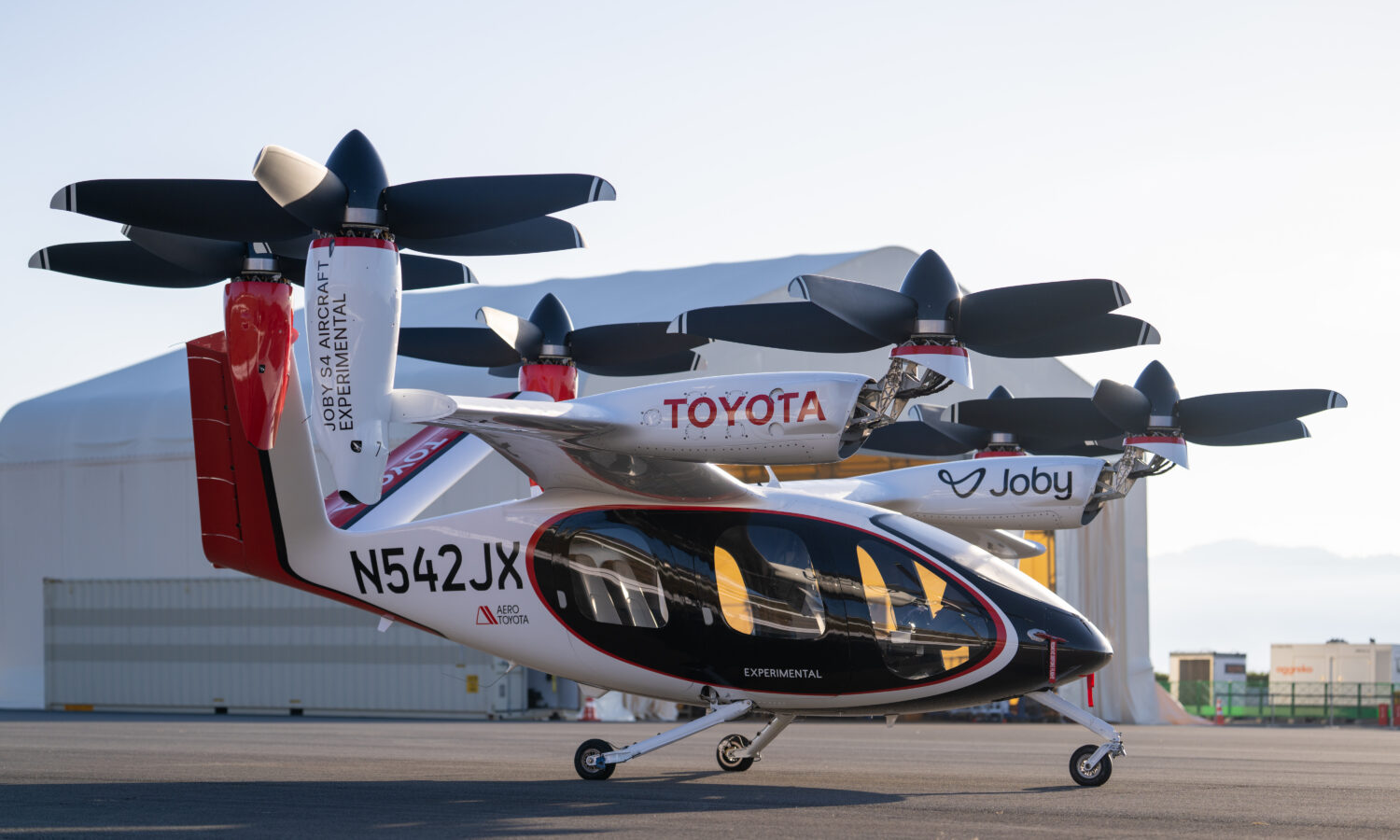
Over the past decade, a number of traditional automakers have begun evolving from the standard ‘car manufacturer’ label to a broader term: mobility companies. They have diversified into areas and products that provide mobility to people in ways other than cars, drawing on their long experience in automotive engineering and design. They also have an understanding of aerodynamics, which is an important aspect of car design.
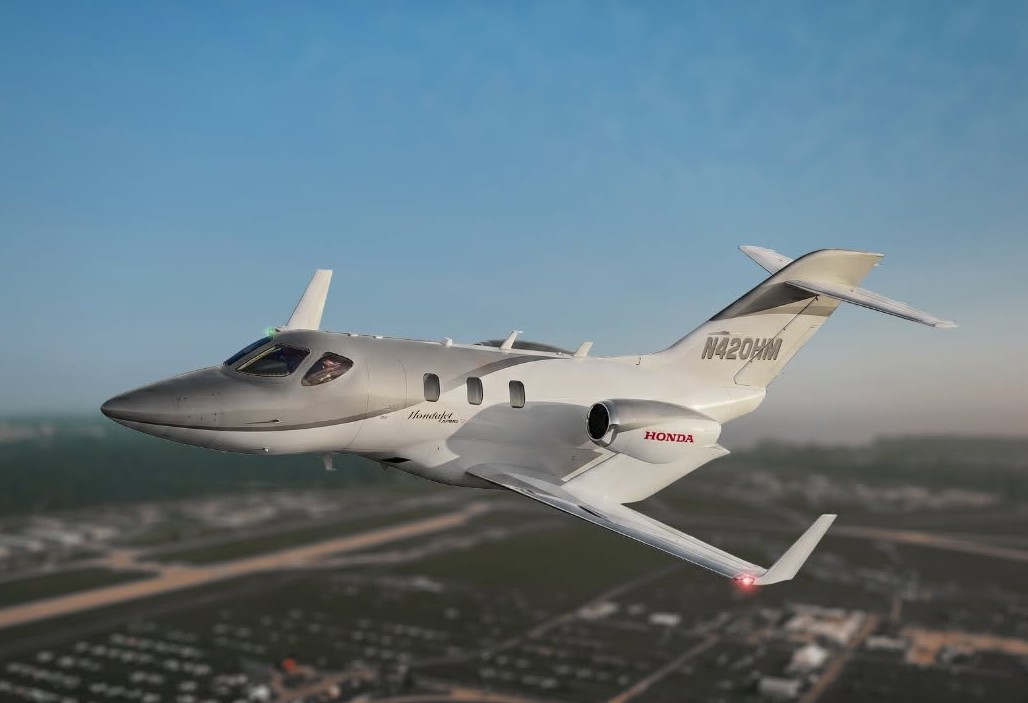
Some have ventured into the sky by developing productions for aviation such as flying taxis and in the case of Honda, a business jet that has been in service since 2015. Companies like BMW, Hyundai and Xpeng are also in various stages of developing small short-range aircraft for urban mobility above city streets.
The latest automaker to enter the air mobility field is Toyota Motor Corporation which recently announced the initial phase of their strategic manufacturing alliance with Joby Aviation in the USA, a company founded in 2009 and specialising in electric air taxis.
Combining expertise
The joint venture combines Joby’s pioneering work in electric aviation with Toyota’s long and deep expertise in production systems and operational excellence. The alliance will initially focus on establishing the groundwork for commercial production, with particular emphasis on further improving productivity, quality, and cost.
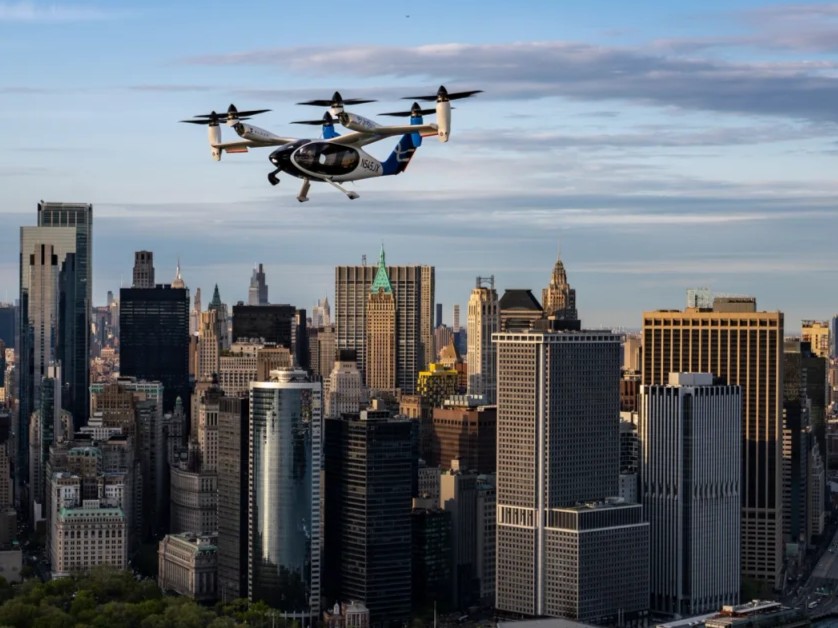
Going forward, it will also support the expansion of Joby’s production capacity to support aircraft certification and meet anticipated growth in demand for its electric vertical take-off and landing (eVTOL) aircraft.
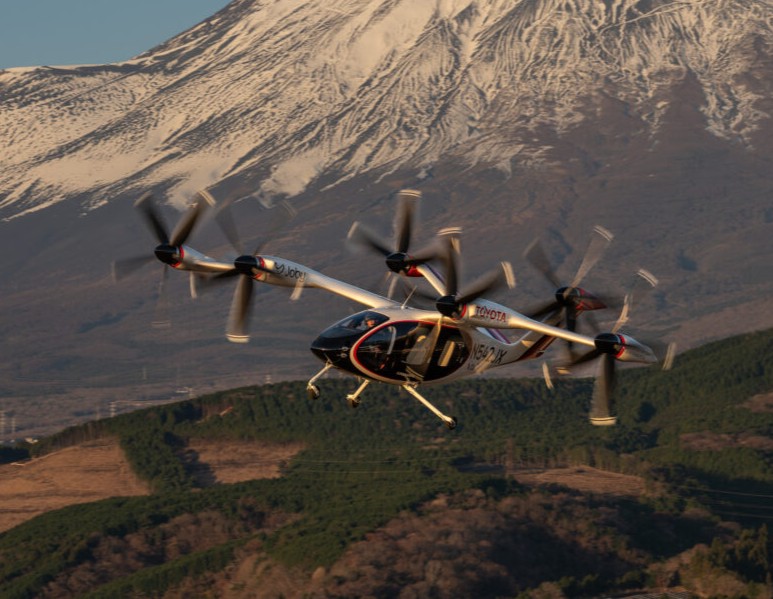
“Since our founding, we’ve been guided by the philosophy of providing mobility for all. Over time, we’ve continued to expand what mobility can mean. We see air mobility as a natural extension of that philosophy — from the ground into the sky — and as a way to bring new value to people’s lives and to society,” said Akio Toyoda, Chairman of Toyota Motor Corporation.
“It’s really meaningful for us to take on this challenge together with Joby Aviation, a partner that shares the same vision. We believe this strengthened relationship is an important step forward in realizing the future mobility society,” he added.
Going forward, both companies will continue to work closely, leveraging their respective strengths to bring air mobility to society on a broader scale. By teaming up with Joby Aviation, Toyota is translating its decades-long curiosity with flight into a concrete stake in the future of urban air transit.
The aviation dream began in 1925
While this latest joint venture has been made public, it’s not Toyota’s first involvement in aircraft. In fact, about 100 years ago, in 1925, Sakichi Toyoda, founder of the Toyota Group, offered a prize to encourage the development of a storage battery that could provide enough performance ‘to fly an airplane across the Pacific Ocean’. However, no one claimed the prize although the idea of flying vehicles seemed to remain in the background.
After World War II, among other developments, Dr. Shoichiro Toyoda (a former company chairman) was involved in the joint development of the world’s first electronically-controlled aero piston engine with an American company at Toyota’s Higashi-Fuji Technical Centre, which could be described as the birthplace of Toyota’s development of air mobility.
Toyota’s first aircraft
In the late 1990s, the automaker and its US sales subsidiary explored the possibility of using Toyota’s aerodynamics and low-cost production technologies in the small aircraft sector. They contracted Burt Rutan’s Scaled Composites in California to build and test a prototype general aviation aircraft designated the TAA-1.
The TAA-1 had taken a team of 40 engineers some 4 years to develop and during that time, Toyota didn’t mention it and even had a small organisation within its US unit with a vague name. When approached, the official response was that the company was working on a ‘single-engine piston plane’.
The Toyota TAA-1 (also referred to as the TA-1) was a prototype substantially built, and test flown by under contract with Toyota. There had been some rumours about the automaker using the V8 engine in the Lexus for an aircraft but it never materialised. However, a prototype was ready in May 2002 and took to the air successfully.
Toyota looked for other parties for a potential joint venture to go further but there was no interest so the venture quietly ended. Now it seems that it has revived the ambitions to add air mobility products to its business.

“Toyota has been by Joby’s side for nearly a decade, providing invaluable guidance and support as we built the foundation for manufacturing our aircraft,” said JoeBen Bevirt, founder and CEO of Joby Aviation. “This announcement reflects the strength of our relationship and our shared confidence in the opportunity ahead. Together, we share a vision of making aerial mobility an everyday reality, and we look forward to delivering on that promise together.”
UMW Toyota Motor’s Multipathway approach to carbon neutrality